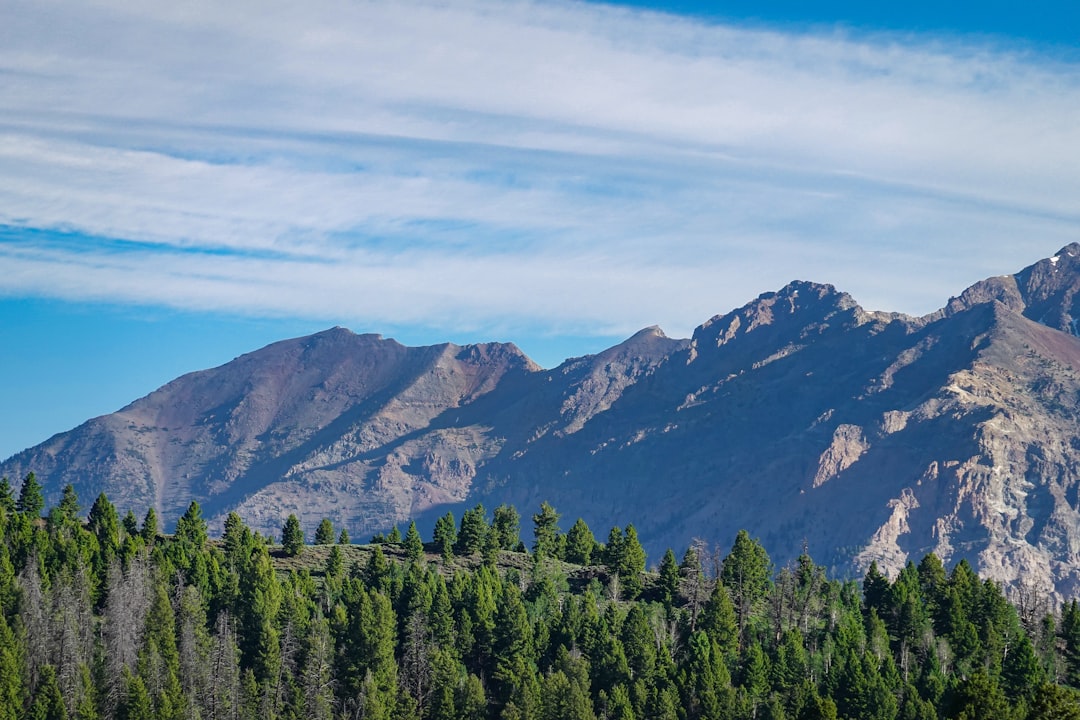
There’s a moment driving north on Highway 21 through the Idaho backcountry when the road crests a final hill and the Sawtooth Range materializes in your windshield like a wall of teeth. I nearly pulled off the asphalt right there — just stopped the car and stared. Eighty miles of uninterrupted granite skyline, snowfields still clinging to the north faces in mid-July, and not a single high-rise, billboard, or chain restaurant in sight. Just the kind of silence that makes your ears ring.
This is Stanley, Idaho. Population 63, give or take a few dogs. It sits at 6,250 feet in the heart of the Sawtooth Valley, ringed by three mountain ranges and bisected by the Salmon River — the longest free-flowing river in the lower 48. If you’ve never heard of it, that’s kind of the point. Stanley has spent decades flying under the radar while Jackson Hole, Sun Valley, and Park City became destination brands. But those of us who chase real wilderness — the kind where cell service is a memory and the nearest hospital is two hours away — have been quietly making pilgrimages here for years.
I spent four days in Stanley this past July, and by the end I was already plotting a return trip. Here’s everything I wish I’d known before I went.
Getting There Is Half the Story
Stanley sits at the junction of Highways 21 and 75, roughly three hours northeast of Boise. If you’re coming from Boise — which has become one of my favorite small cities in the West — the drive along Highway 21 takes you through the Boise National Forest, past the stunning Lucky Peak Reservoir, and eventually climbs over the 7,000-foot Banner Summit before dropping into the Sawtooth Valley. It’s one of the most dramatically beautiful drives in America, and almost nobody outside Idaho knows it exists.
The alternative route from the south takes you through Ketchum and Sun Valley on Highway 75, which is faster but far less dramatic. My advice: take Highway 21 up and Highway 75 back. Or better yet, make it part of a larger Sawtooth-to-Salmon River loop and spend a week on it. The gas stations are few and far between — fill up in Boise or Stanley itself, because the middle stretch has nothing but trees and elk.
Where the Sawtooths Earn Their Name
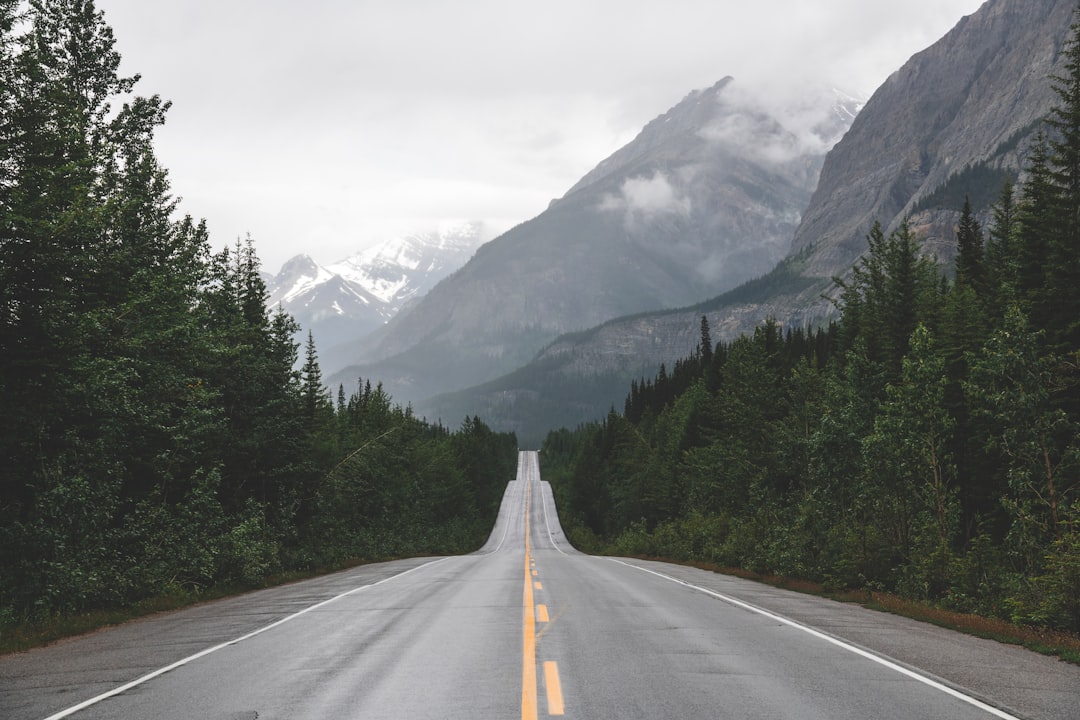
The Sawtooth National Recreation Area encompasses 756,000 acres of protected wilderness, containing over 700 miles of trails, more than 300 high-alpine lakes, and 40 peaks above 10,000 feet. The range itself runs about 35 miles north to south, and its jagged skyline — formed by ancient granite that glacier-carved into razor-sharp arêtes and cirques — looks more like the Tetons than anything in the Cascades or Sierras.
What makes the Sawtooths special isn’t just the drama. It’s the access. Unlike so many Western ranges where the best scenery is locked behind multi-day approaches, some of the most spectacular trails in the Sawtooths begin within a fifteen-minute drive of Stanley. You can be drinking coffee at the Stanley Baking Company at 7 AM and standing on a ridge overlooking five glacier-carved lakes by noon.
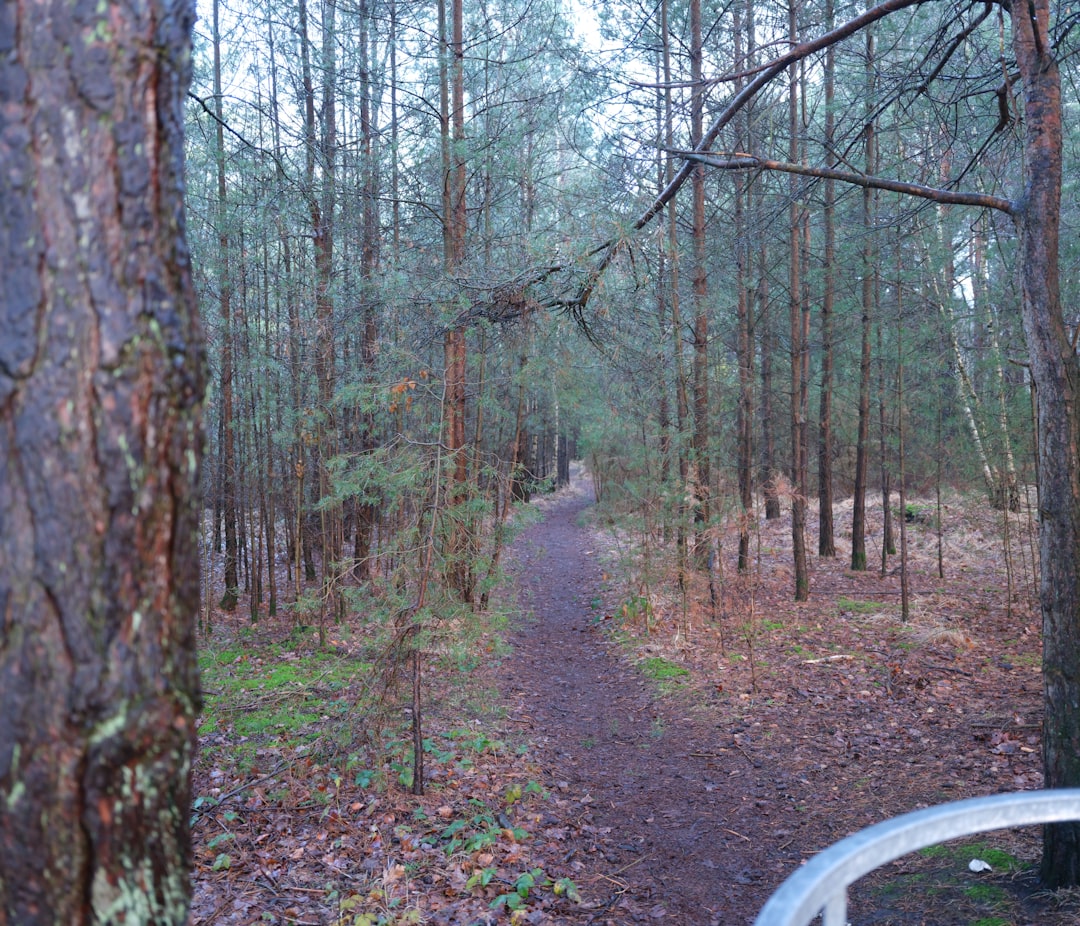
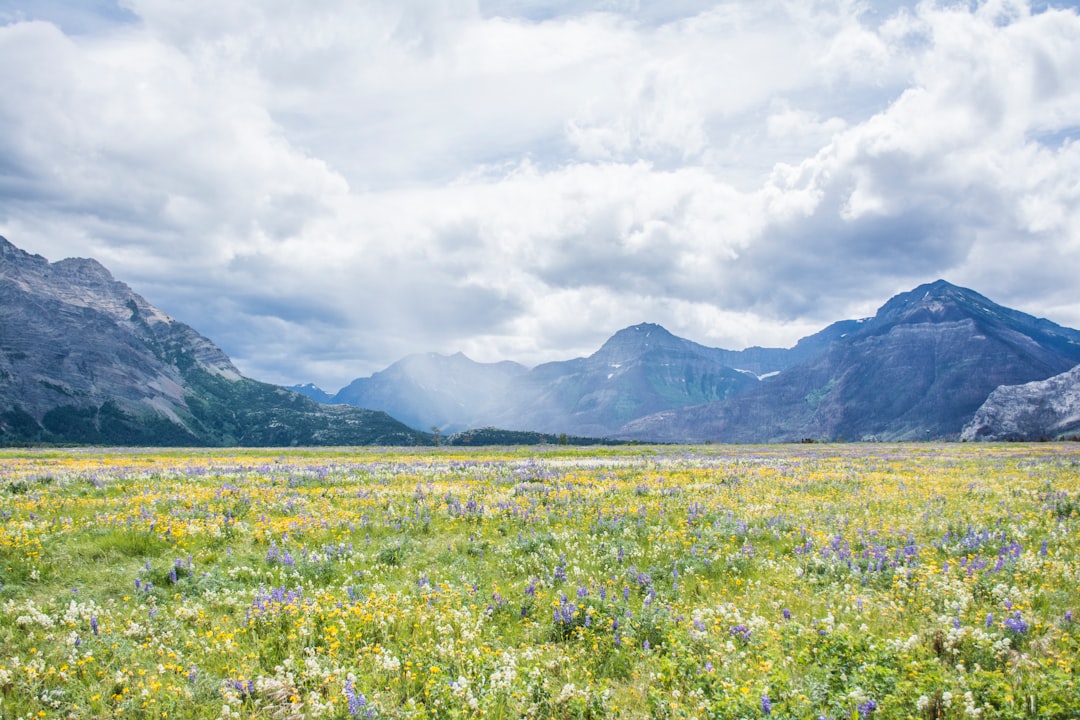
I started with the classic: the trail to Alice Lake, about 19 miles south of Stanley off Highway 75. The trailhead sits at the end of a dirt road that’s passable for most passenger vehicles in summer. The hike itself is roughly 12 miles round-trip with 1,600 feet of elevation gain — a solid half-day effort that rewards every drop of sweat. You pass through pine forest, cross meadows bursting with wildflowers in July, and then the trail climbs above treeline into a granite amphitheater where Alice Lake sits impossibly turquoise beneath the jagged spires of the Goat Creek drainage.
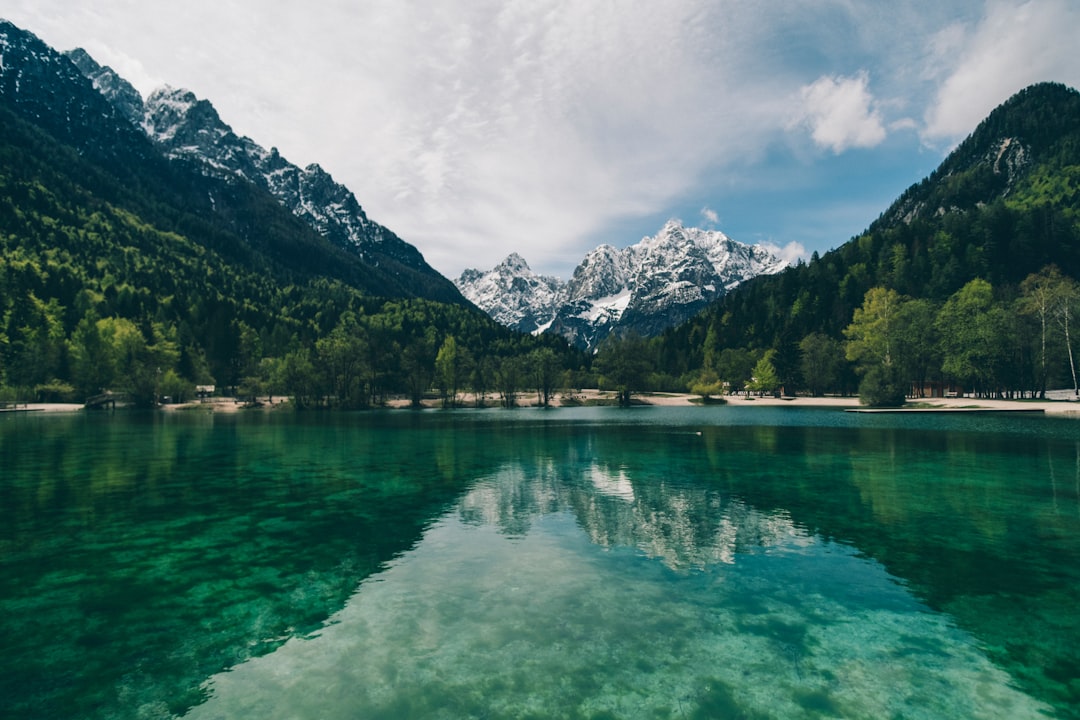
I sat on a boulder at the outlet of Alice Lake for an hour, eating trail mix and watching a pair of mountain goats navigate a cliff face across the water with a casualness that made my stomach drop. Nobody else was there. On a Tuesday in mid-July. At one of the most beautiful alpine lakes in America. That’s the Stanley effect — the Sawtooths absorb people so completely that even in peak season, you can have world-class scenery entirely to yourself.
The Town That Refuses to Change
Stanley itself is barely a town. It’s a collection of roughly 60 permanent residents, a handful of lodges, a couple of restaurants, a gas station, a post office, and the kind of general store that sells both fishing licenses and homemade pie. There’s no traffic light. There’s no cell tower (though you can sometimes catch a weak signal from the ridge above town). The pace of life here is measured in seasons, not deadlines.
I stayed at the Stanley Inn, a no-frills lodge with thin walls and thick comforters — exactly what you want after a long day in the mountains. Rooms run $120-180 a night in summer, which feels like highway robbery compared to Sun Valley rates thirty miles south. The inn doesn’t have AC, but at 6,250 feet in July, you’re more likely to need the extra blanket on the bed. Nighttime temperatures regularly drop into the 40s, even when daytime highs hit the 80s.
The must-do ritual in Stanley is breakfast at the Stanley Baking Company. They open at 7 AM, serve until they run out of food (which happens most days by 11), and their huckleberry pancakes are the kind of thing you’ll think about months later. I’m not a food writer, so trust me when I say the pancakes alone justify the three-hour drive from Boise.
The Salmon River: America’s Wild Artery
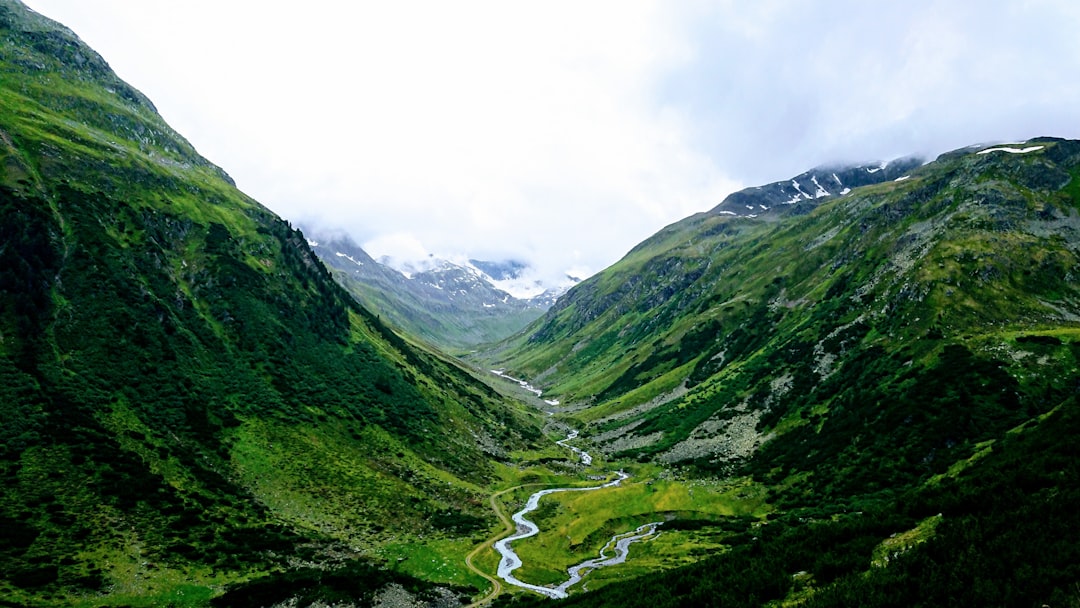
The Salmon River bisects the Sawtooth Valley, and its headwaters are literally minutes from downtown Stanley. This is the River of No Return — a name earned by its westward plunge through the second-deepest gorge in North America, a canyon so remote that parts of it have never been fully mapped. Up here near the headwaters, the Salmon is a different creature: wide, shallow, and braided, meandering through meadows with the casual confidence of a river that knows it has 425 miles to go.
The fly fishing here is legendary. I brought a 5-weight rod and caught and released three cutthroat trout in an afternoon, all within a ten-minute walk of where I’d parked my car. If you’re serious about fishing, the stretch below Stanley to the Boundary Creek confluence holds rainbows, bulls, and the occasional steelhead that has run 800 miles from the Pacific. The local outfitting shops in town can set you up with guides, gear, and insider knowledge on which holes are producing.
Even if you never string a fly rod, the river alone is worth the trip. There’s a hot springs right along the bank about five miles downstream from Stanley — Lowman Hot Springs — where you can soak in natural pools while the river rushes past ten feet away. It’s the kind of experience that makes you understand why people quit their jobs and move to Idaho.
What to Pack for the Sawtooths
Stanley’s remote location means you need to be more self-sufficient than usual. There’s no REI within two hours. The general store has basics, but anything specialized — hiking gear, water filtration, bear spray — you should bring from home or be prepared to overpay for. Here’s what I relied on during my four days in the backcountry:
A good 65-liter internal frame backpack is non-negotiable for overnight trips. I used mine for a two-nighter into the Redfish Lake area, and the capacity was perfect for a bear canister, sleeping bag, extra layers, and three days of food. The Sawtooth wilderness regulations require bear-proof food storage, and yes — grizzlies are present in this ecosystem, though encounters are rare. Carry bear spray on every hike, keep it accessible (not buried in your pack), and know how to deploy it. I practiced pulling mine from the holster a dozen times before I felt comfortable.
Water is abundant in the Sawtooths — streams and lakes are everywhere — but you still need reliable filtration. The Sawyer Squeeze system has been my go-to for years, and it’s never let me down. I’ve written before about water filters I trust, and this one remains my top pick for weight-to-reliability ratio. Screw it onto a Smartwater bottle and you can drink from any stream you cross.
For footwear, I ditched heavy hiking boots years ago and haven’t looked back. A pair of trail runners like the New Balance 410 trail shoes will handle 90% of what the Sawtooths throw at you, and your feet will thank you at the end of the day. The trails here are well-maintained and the rock is mostly granite — grippy and predictable. Save the heavy boots for off-trail routes or early-season snow travel.
Clothing-wise, think layers. Mornings in the 40s, afternoons in the 80s, and afternoon thunderstorms that roll in fast. I packed a UPF 50+ sun hat with neck flap that looked ridiculous but saved my neck on exposed ridge hikes. Pair that with merino wool hiking socks — three pairs for a four-day trip, because wet cotton socks in the backcountry is a blister recipe nobody needs.
Three Trails That Define the Sawtooth Experience
Beyond Alice Lake, there are two other hikes I’d consider mandatory for any first-time visitor:
Redfish Lake to Bench Lakes (moderate, 8 miles round-trip): Start at Redfish Lake Lodge, take the boat shuttle across the lake (saves 5 miles each way), and hike up into the Bench Lakes chain. The trail climbs steadily through burned forest — the 2020 wildfire scars are still visible, and the contrast between charred snags and explosive wildflower regrowth is one of the most striking things I saw on the trip. The Bench Lakes sit in a hanging valley with direct views of the Sawtooth crest. Bring a lightweight camping hammock and set up between two pines at the third lake for the best lunch spot of your life.
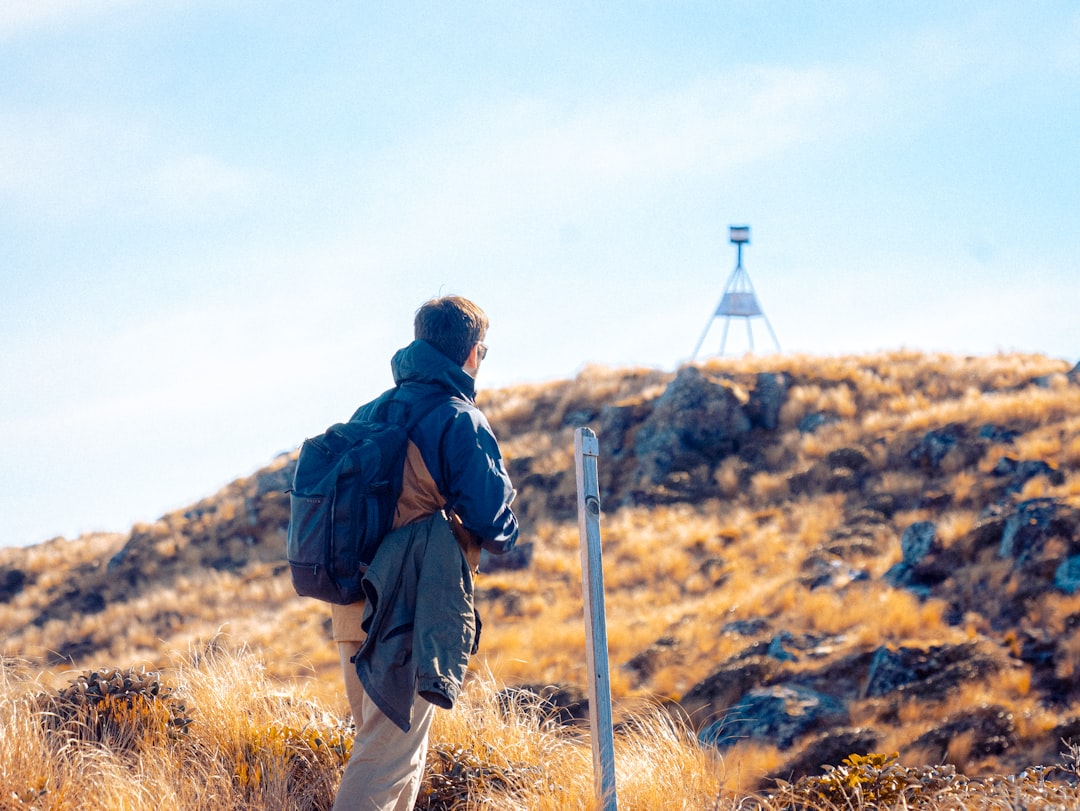
Thompson Peak via Williams Creek (strenuous, 16 miles round-trip): Thompson is the highest point in the Sawtooths at 10,751 feet, and the route involves a Class 3 scramble near the summit that’s not for the faint of heart. I turned around about 200 feet below the top when wet rock made the final pitch too sketchy to justify. But even the partial route takes you through some of the most dramatic alpine terrain in the lower 48. Start early — like 5:30 AM early — because afternoon thunderstorms are predictable and dangerous above treeline. A rechargeable headlamp is essential for the pre-dawn approach hike.
The Night Sky Will Ruin You
Central Idaho is home to the first designated International Dark Sky Reserve in the United States — 1,400 square miles of protected night sky where the Milky Way casts actual shadows. I’m not being poetic about this. On my second night, I walked away from the lodge, turned off my headlamp, and stood in a meadow for twenty minutes while my eyes adjusted. The density of stars was disorienting. I could see the Andromeda Galaxy with my naked eye. Shooting stars were so frequent I stopped counting.
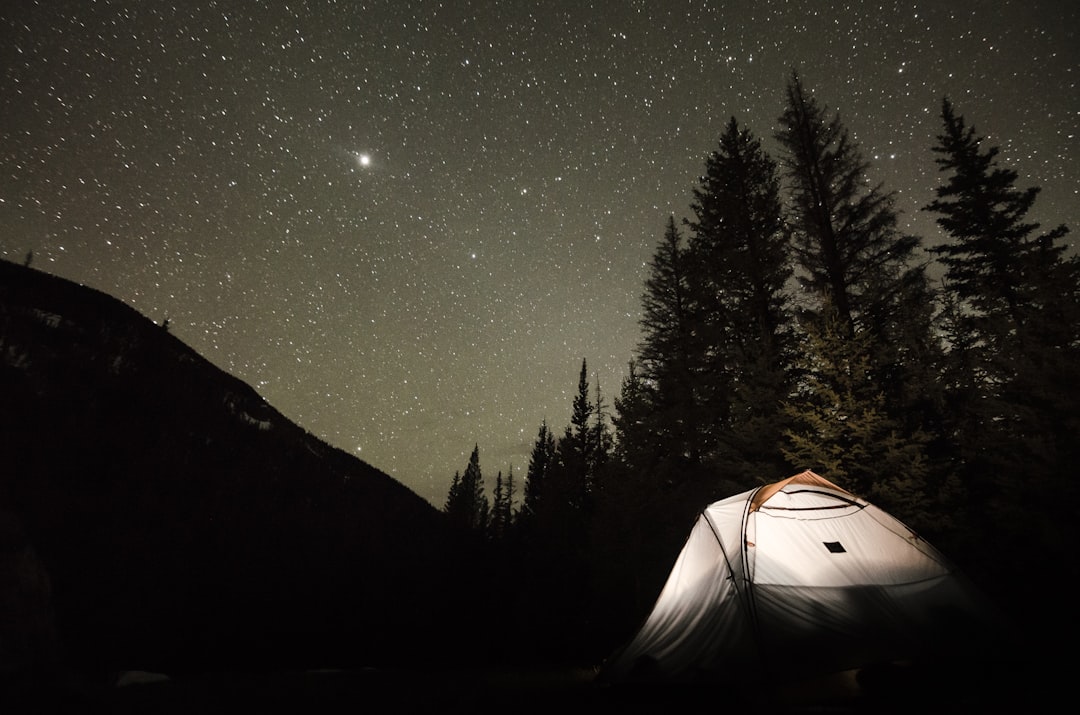
If you’ve only ever seen the night sky from a suburb or a city, this experience alone is worth the trip to Stanley. The nearest significant light pollution is Twin Falls, 120 miles to the south. Bring a compact sleeping bag, a pair of trekking poles for stability on the walk out, and prepare to have your concept of “dark” permanently recalibrated.
Practical Planning for Your Stanley Trip
When to go: July through September. July is peak wildflower season and the trails are mostly snow-free. August is the driest and warmest. September brings fall colors and fewer people, but some high-elevation trails may see early snow.
Where to stay: Stanley has three main lodging options — the Stanley Inn, the Mountain Village Resort, and the Idaho Rocky Mountain Ranch (the nicest of the three, if you can get a reservation). There are also several Forest Service campgrounds along Highway 21 and Highway 75 that cost $15-25 a night and put you right on the river. Backcountry camping is free with a permit.
How long: A long weekend is the minimum. Five days lets you do two big hikes and a rest day. A week would be ideal — enough time to really sink into the rhythm of the place.
What I’d do differently: I’d skip the day hikes and commit to a three-night backpacking trip into the Sawtooth Wilderness proper. The day-use trails are spectacular, but the real magic of this range is in its deep backcountry, where the trailheads end and the granite begins.
Stanley isn’t trying to impress anyone. It doesn’t have a marketing campaign, a celebrity second-home problem, or an Instagram-famous waterfall. What it has is 63 people, three mountain ranges, and a river that runs wild for 425 miles to the Pacific. It’s the kind of place that makes you question why you live anywhere else — and the kind of place that keeps its secrets close, shared only among those willing to drive three hours past the last cell tower to find them.
Go before that changes.
1 thought on “Stanley, Idaho: The 63-Person Town Surrounded by America’s Most Underrated Mountain Range”