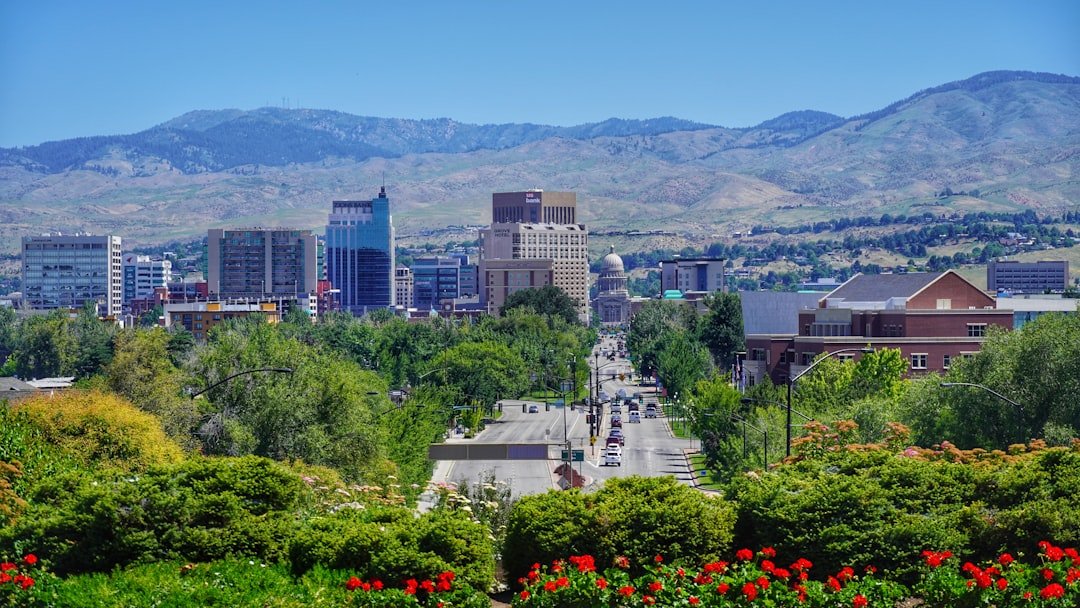
I almost didn’t go to Boise. A friend mentioned it offhand at a barbecue last summer — something about a river running through downtown and a food scene that punches way above its weight class — and I filed it under “maybe someday.” But when I started planning a Pacific Northwest road trip for June 2026 and realized I had a five-hour gap between drive segments, I figured why not. Three days later, I’d canceled my hotel in Portland and extended my Boise stay. Here’s what happened.
The Boise River Greenbelt: 25 Miles of “Why Doesn’t Every City Have This?”
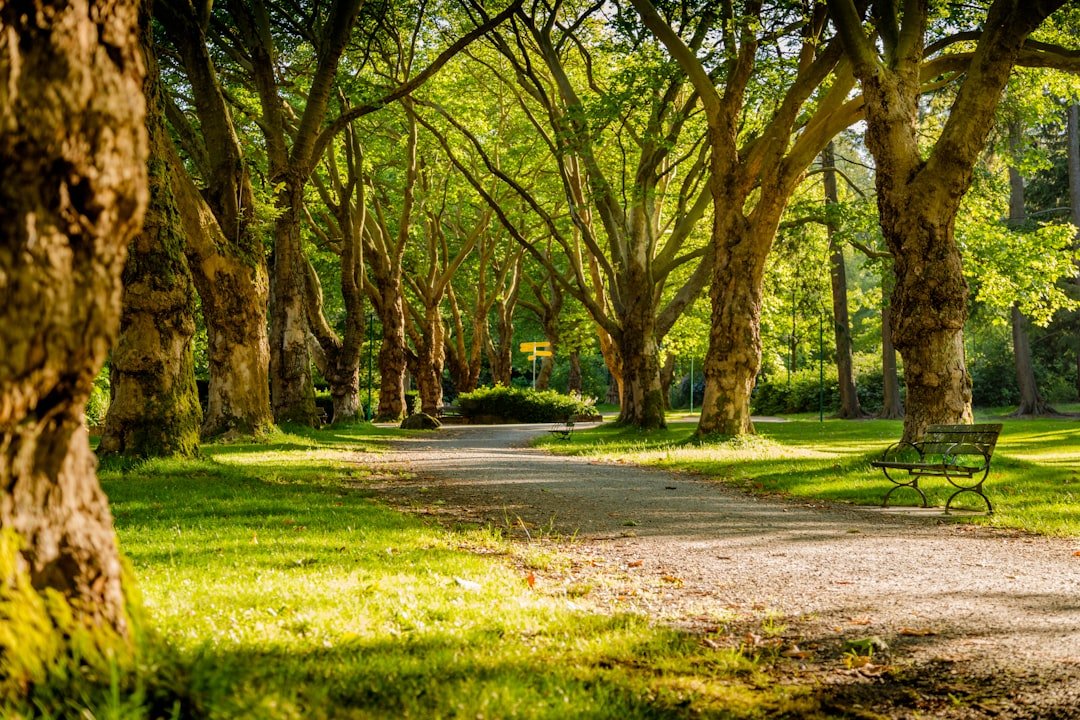
My first morning in Boise, I rented a bike from a shop near the Capitol building and headed for the Greenbelt — a paved, tree-canopied path that hugs the Boise River for 25 miles through the heart of the city. Within ten minutes, I’d left the sound of traffic behind and was pedaling alongside cottonwoods, past herons standing motionless in the shallows, and through pockets of wildflowers I didn’t expect in a city of this size. The Greenbelt connects parks, neighborhoods, and downtown, and it’s the kind of infrastructure that makes you realize most American cities settled for far less than they could have had.
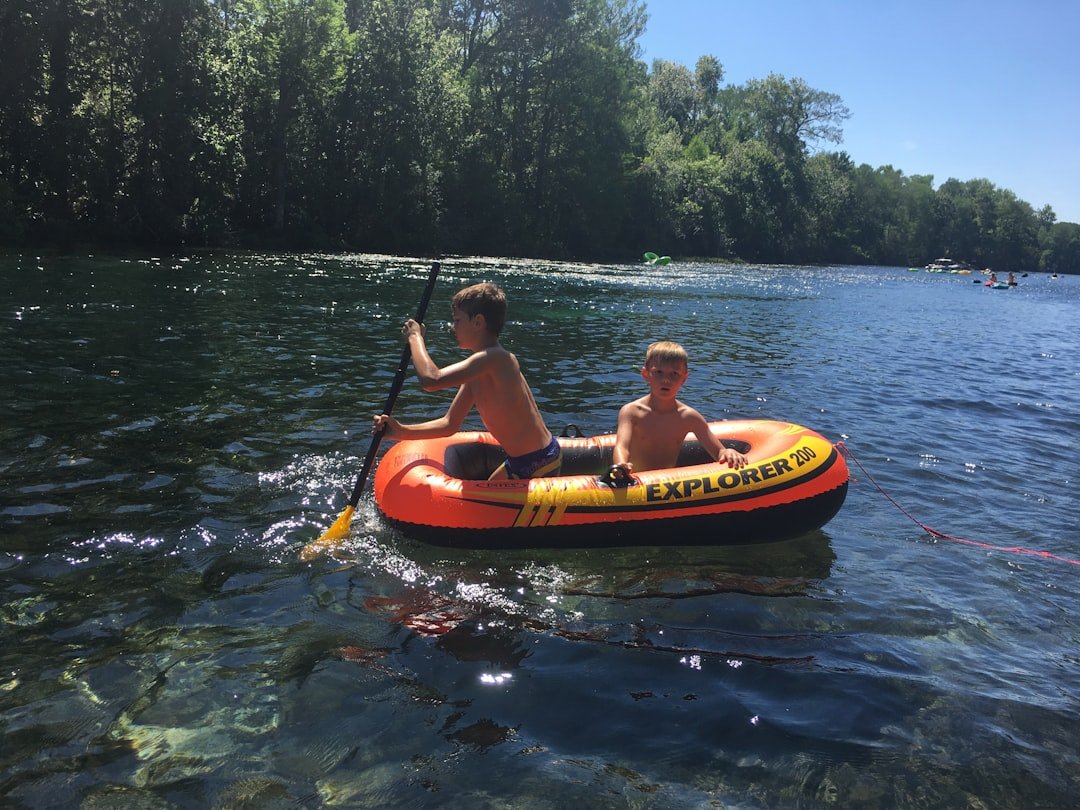
But the real rite of passage here isn’t biking the Greenbelt — it’s floating it. Every summer afternoon, hundreds of locals inflate tubes, pile in at Barber Park, and drift six miles downstream to Ann Morrison Park. The water is clear, shockingly cold even in July, and shallow enough that you can stand in most spots. Outfitters near the put-in rent tubes and run shuttles for about $20, so there’s zero logistics to worry about. I brought a waterproof phone case for photos and a good insulated water bottle because two hours on the river in the Idaho sun will dehydrate you faster than you think.
Hiking the Boise Foothills: Table Rock and Beyond
Boise sits at the base of a sweeping ridge of foothills that rise from the edge of downtown like a staircase to the mountains. The trail network here is extensive — over 190 miles of maintained paths managed by the Ridge to Rivers partnership — and you can literally walk from your hotel room to a trailhead in fifteen minutes. That proximity is rare in any city, let alone one with a metro population pushing 750,000.
The must-do hike is Table Rock, a 3.7-mile out-and-back that gains about 900 feet and delivers a panorama of the entire Boise valley, the Owyhee Mountains to the south, and on clear days, the Sawtooths on the northern horizon. Go early — trailhead parking fills by 8 AM on summer weekends — and bring more water than you think you need. The trail is fully exposed after the first half mile, and July temperatures regularly crack 100°F. A hydration backpack is the move here, not a handheld bottle.
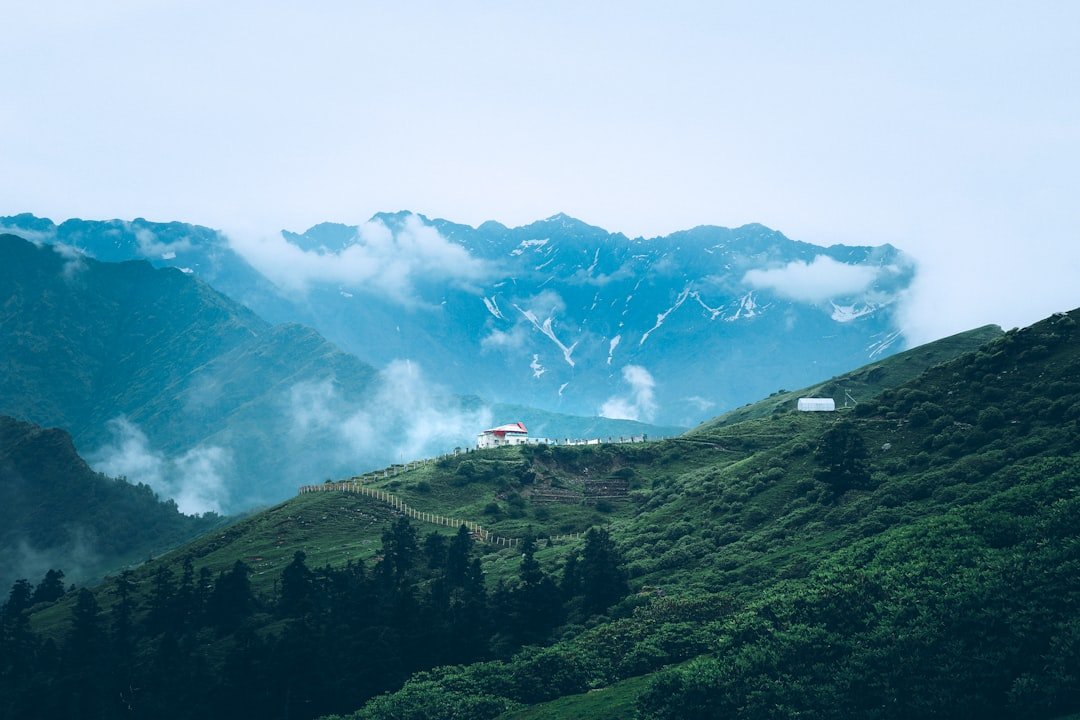
For something less crowded, the Harrison Hollow trail is a local favorite — a rolling 4-mile loop through sagebrush and wildflowers with almost no elevation gain. I saw more mule deer than people on a Tuesday morning in June, which tells you something about how much of this trail system remains under the radar even for Boise residents.
The Basque Block and Downtown Boise’s Food Scene
Here’s the thing that genuinely shocked me: Boise has one of the largest Basque populations outside of Spain. An entire city block downtown — the Basque Block on Grove Street — is dedicated to Basque culture, food, and history. The Basque Museum and Cultural Center is worth an hour of your time, especially the oral history exhibits from sheepherding families who arrived in Idaho in the early 1900s. But what I really came for was the food.
Bar Gernika, a tiny pub on the Basque Block, serves a lamb grinder sandwich that I still think about three months later. The croqueta special changes daily, and the house-made chorizo comes from Ansots, a local Basque butcher that was just named a James Beard Award semifinalist in 2026. Around the corner, Fork serves seasonal New American plates — their asparagus fries are the thing everyone tells you to order, and everyone is right. For a splurge night, El Gaucho, a Seattle import that opened its first Idaho location in early 2026 in a beautifully restored historic building downtown, delivers the kind of old-school steakhouse experience that feels increasingly rare in the West.
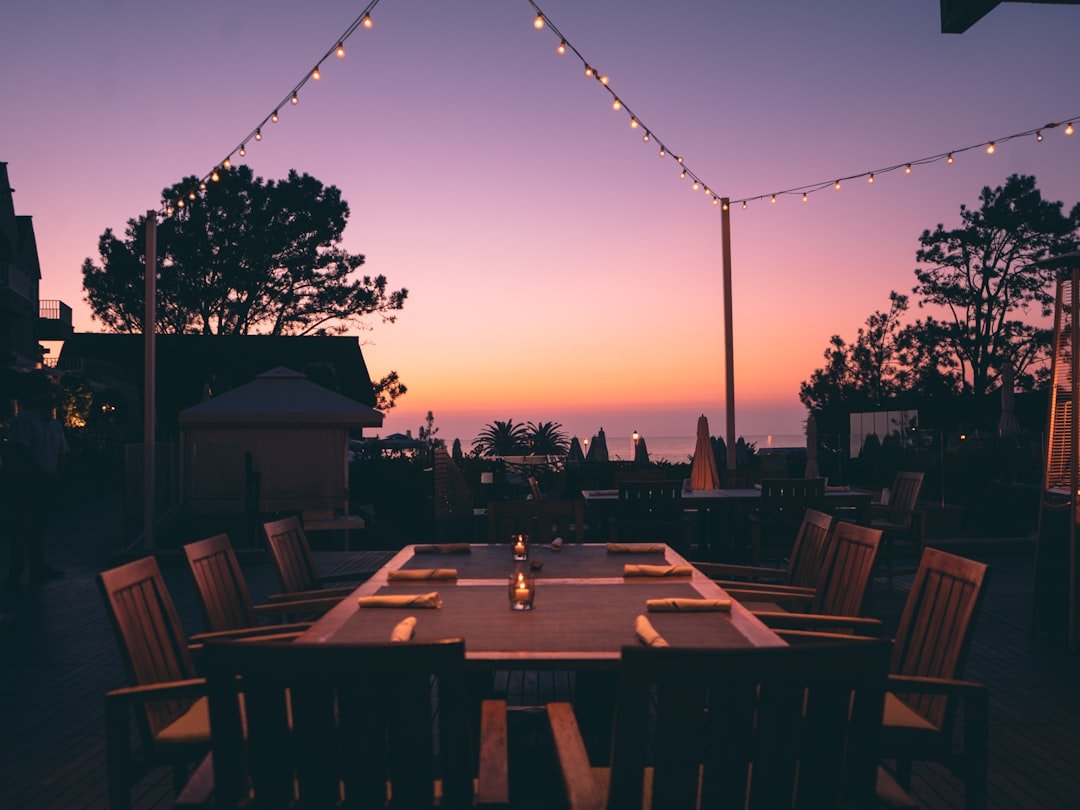
The brewery scene is equally impressive for a city this size. I lost an afternoon at Payette Brewing’s riverside patio, where the blood-orange IPA was refreshing enough to justify the trip on its own. Sockeye Brewing and Cloud 9 Brewery round out a craft beer roster that would make Portland nod approvingly. If you’re planning a self-guided brewery crawl, bring a small day pack for water between stops — Boise’s dry heat sneaks up on you.
Bogus Basin: Ski Mountain Turned Summer Playground
Sixteen miles north of downtown, Bogus Basin Recreation Area sits at 7,000 feet and offers a completely different climate — often 15-20 degrees cooler than the valley floor. In winter it’s a ski area, but from June through September, it transforms into a hiking and mountain biking destination with over 30 miles of trails ranging from gentle meadow walks to thigh-burning descents through pine forest.
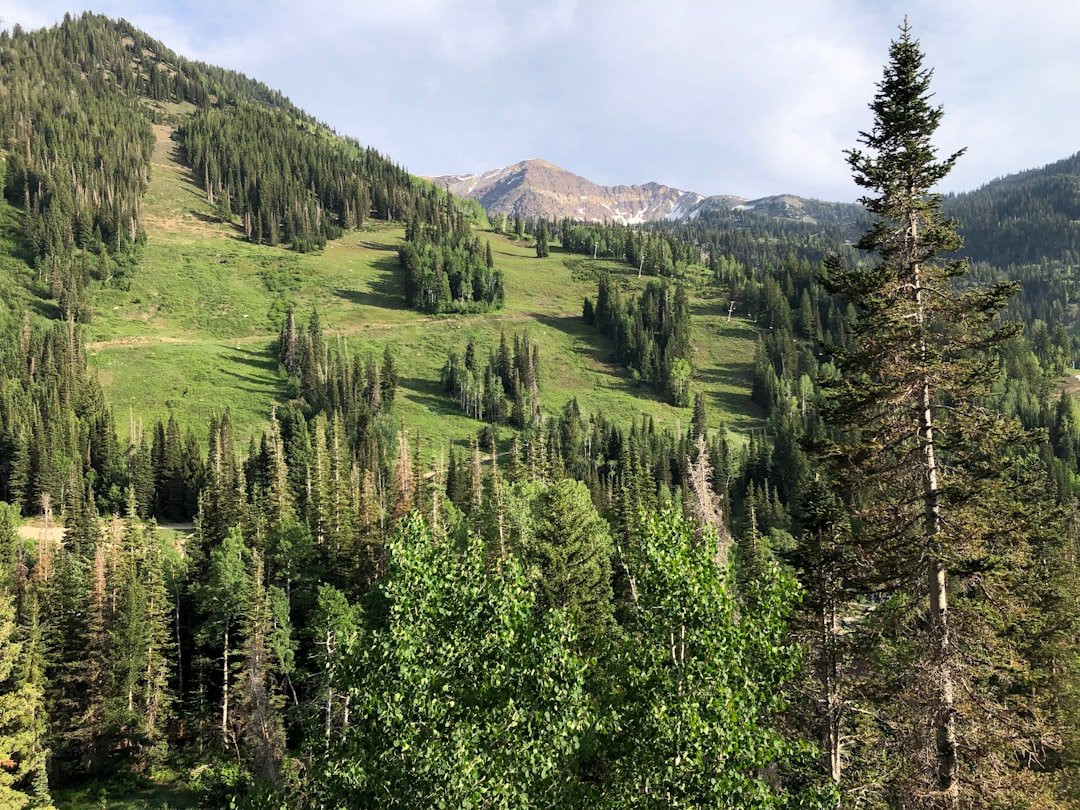
The Glendale Rider trail is the pick for intermediate mountain bikers — a flowing 6-mile singletrack through wildflower meadows with views that stretch to the Owyhees. Hikers should target the Around the Mountain trail, a 10-mile loop that circles the summit with constant panoramic views. The trail shoes you brought for the foothills will work fine here, but I’d recommend something with more ankle support if you’re doing the full loop.
Bogus also runs a scenic chairlift ride on summer weekends — $15 for a round trip to the summit that’s worth it even if you never lace up a hiking boot. Pack a packable jacket because the wind at the top doesn’t care that it was 95°F when you left town.
Sunset from the Oregon Trail Overlook
This might be my single favorite thing I did in Boise, and it costs nothing. Drive 20 minutes east of town on Highway 21 to the Oregon Trail Historic Reserve, where a short paved trail leads to an overlook with interpretive signs marking the exact route that covered wagons took through this valley in the 1840s. At sunset, the entire Boise valley lights up gold and pink, the foothills turn purple, and you can see the exact geographic logic of why this became a settlement — water, shelter from the mountains, open sky.
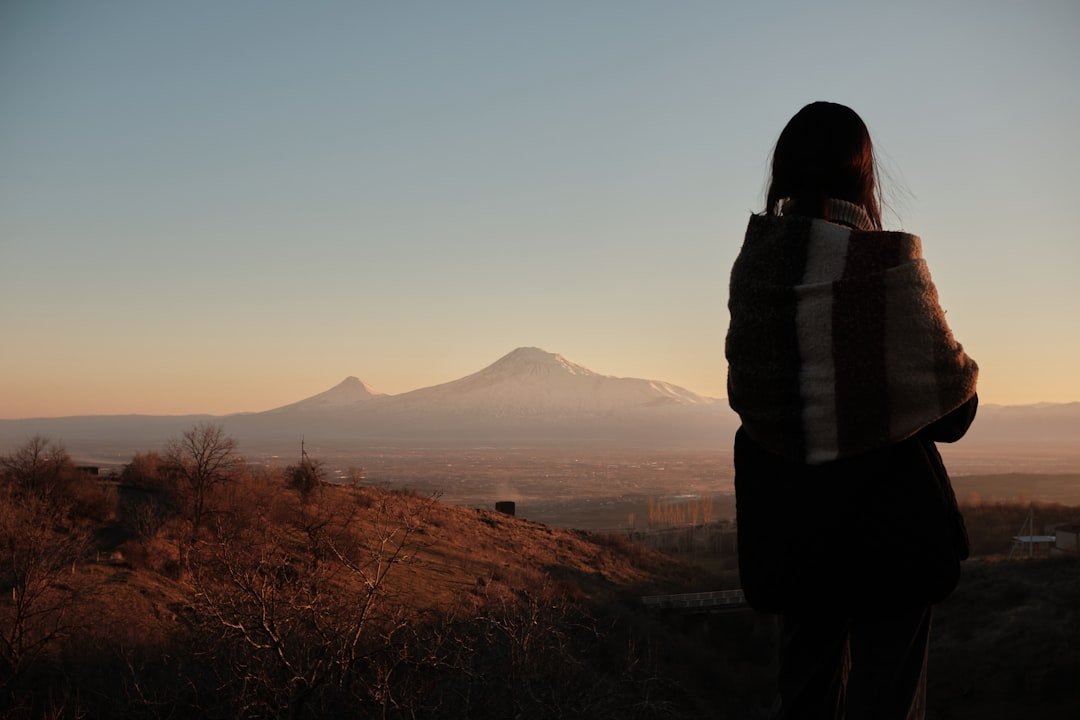
I brought a compact travel tripod and got some of the best sunset photos of my entire summer trip here. The overlook faces west, so the light show is direct and unhindered. Stay until full dark — the sky clarity at this elevation is remarkable.
Where to Stay and When to Go
Boise’s downtown core is compact and walkable, and that’s where you want to be. The Hotel Renegade recently underwent a full renovation and offers modern rooms within walking distance of the Basque Block, the Greenbelt, and most of the restaurants I mentioned. For something more boutique, the Inn at 500 Capitol opened a few years ago and has become the go-to for visitors who want design-forward rooms with local art and a strong sense of place.
June is the sweet spot — highs in the upper 70s to low 80s, wildflowers still blooming in the foothills, and the river at a perfect level for floating. July and August are hotter (frequently over 100°F) but also drier and more predictable for outdoor plans. If you’re coming from a wetter climate, pack a lightweight rain jacket anyway — afternoon thunderstorms can roll through the foothills fast, even in midsummer. And don’t skip the travel-size sunscreen — Boise sits at 2,730 feet, and the UV index is no joke.
Why Boise Belongs on Your Summer 2026 List
I’ve traveled through dozens of mid-sized American cities over the past few years, and Boise does something most of them don’t: it surprises you. Not with one big attraction, but with the accumulation of small, genuine pleasures — a river float through the middle of town, a Basque sandwich that rivals anything in Bilbao, a sunset from a pioneer overlook that makes you stop talking mid-sentence. It’s the kind of place that rewards the traveler who shows up without expectations.
If you’re planning a broader Pacific Northwest trip this summer, Boise pairs perfectly with Bend, Oregon (5 hours west through stunning high-desert scenery) or Spokane, Washington (6 hours north). I combined all three on a single road trip and would do it again in a heartbeat. For longer adventures, it’s also a logical launching point for Yellowstone and Grand Teton — about 5 hours east on some of the most scenic highway in the Mountain West.
One practical note: Boise’s airport is one of the easiest I’ve ever flown into. It’s ten minutes from downtown, rarely crowded, and has direct flights from most major western hubs including Seattle, Denver, Phoenix, and Los Angeles. If you’re road-tripping, I-84 connects Boise to Portland (about 7 hours) and Salt Lake City (about 5 hours), and the drive through eastern Oregon and southern Idaho is far more scenic than people give it credit for. A reliable car phone mount is essential for navigation through mountain passes where cell service gets spotty.
The biggest mistake you can make with Boise is the one I almost made: assuming it’s just another state capital with a university and not much else. Go. Float the river. Eat the lamb grinder. Watch the sunset from the Oregon Trail. Then tell me I was wrong — because I’d bet good money you won’t.
1 thought on “Boise, Idaho in Summer 2026: River Floats, Foothill Trails, and the City That Rewrites Your Summer Plans”