
Here’s a number that stopped me cold while planning our first cruise last winter: 37.2 million. That’s how many people sailed in 2025, a record according to CLIA’s State of the Cruise Industry report, up from 34.6 million the year before. The trade group projects 42 million of us a year by 2028, spread across a fleet that’s grown to 325 ships and roughly 690,000 berths. Translation: if you haven’t cruised yet, you’re rapidly becoming the minority. My team and I finally joined the crowd in June, and we did it the way we do everything — cheaply, skeptically, and with far too much gear research.
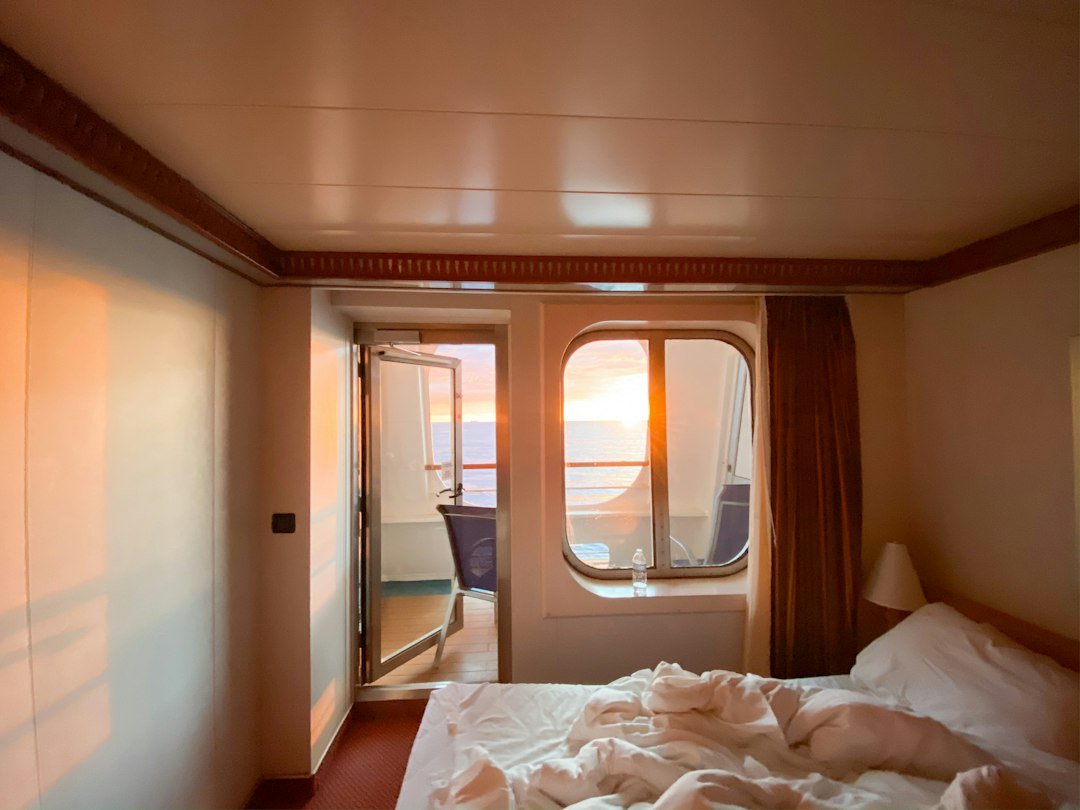
We booked an inside stateroom. No window, no balcony, roughly 135 square feet of beige steel on deck 8. The upgrade to a balcony would have cost more than the cruise itself, and I had a theory: the cabin doesn’t matter if you outfit it right. So before we ever saw cabin 8142, our gear editor and I spent three weeks assembling a kit of small, cheap things designed to make a windowless box feel like a suite. Some of it was brilliant. Some of it stayed in the suitcase. Here’s the honest breakdown.
The Walls Are Steel, and That’s the Whole Trick
Nobody tells you this in the brochures: cruise cabin walls and ceilings are magnetic metal. You can’t nail anything up, and most adhesives struggle at sea humidity, but magnets? Magnets are load-bearing architecture out there. The single best $14 we spent on the entire trip was a pack of heavy-duty magnetic hooks rated to 80 pounds. We brought ten and could have used twenty.
Ours went up in the first five minutes, transforming dead wall into a mudroom. My daypack hung by the door instead of living on the floor. Hats, lanyards, the wet swimsuit situation — all of it migrated to the walls, which kept the two-square-feet of usable floor actually usable. One hook on the ceiling corner even hosted a lightweight lantern. Fair warning: pack more than you think you need, because magnetic hooks are the unofficial currency of any cruise deck. Our neighbors traded us a bottle of wine for four of them by day three.
The Power Strip That Won’t Get Confiscated at the Gangway
Here’s the fine print that catches almost every first-timer: cruise lines ban surge protectors. Security will pull them from your bag at the gangway and you’ll get them back on the last day, which is useless. What’s allowed — and what saved us — is a non-surge power strip built specifically for cruise cabins, with USB ports and a flat plug that squeezes behind the bed.
Our cabin had exactly one 110-volt outlet by the desk and one more, allegedly, behind the TV where no human hand could reach. Two phones, a camera battery charger, a laptop, a smartwatch: do the math and it doesn’t work without help. The strip turned one outlet into six charging slots and ended the nightly negotiation over whose phone got priority. If your nightstand situation is dire, the six-foot flat-plug version reaches from the desk to the bed so nobody has to sleep with their phone on the floor. Total cost of solving the cabin’s entire electricity problem: about twenty-two dollars.
A Closet on the Back of the Door
Cruise closets exist, but they’re an optical illusion — a shallow slot with six hangers and a shelf that fits either your jeans or your shoes, never both. The fix costs less than a poolside margarita. We clipped a narrow over-the-door organizer over the bathroom door, and suddenly sunglasses, sunscreen, medications, chargers, and every small loose object had a designated pocket instead of a rotating spot on the desk.
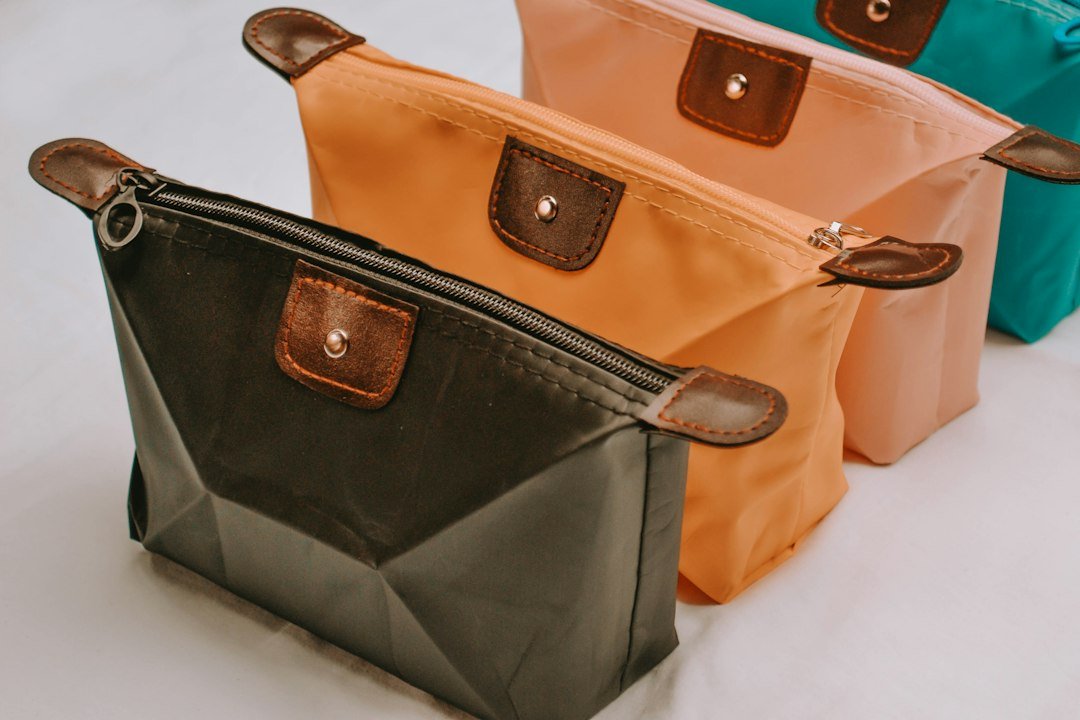
The bathroom itself got the same treatment. A hanging toiletry bag unfolds flat against the shower wall or door hook, which matters when the counter is roughly the size of a hardcover book and shared by two people. My colleague swears by packing this way even at home now; it converts any hotel bathroom into a dresser. On the ship, it was the difference between a civilized morning routine and a daily excavation through the suitcase under the bed.
Two Suitcases, Seven Days, One Under-Bed Cave
Speaking of that under-bed space: it’s the cabin’s best-kept secret. There’s a clearance of roughly eight inches beneath most cruise beds, and it swallows both of our suitcases whole — open, not collapsed, so nothing gets wrinkled and everything stays reachable. But getting seven days of clothes down to two bags takes compression. These compression packing cubes squeezed my week of shorts, shirts, and one regrettable formal-night outfit into a column about the size of a carry-on personal item — the same discipline we stress-tested flying budget airlines in our personal-item sizer smackdown, and the same philosophy behind six months of one-bag travel.
One note on formal night: cruise ship irons don’t exist, and most lines ban travel irons outright (fire risk, again). If you’re packing linen or anything that creases when you look at it, a wrinkle-release spray is your friend — or pack the kind of clothes that forgive. We learned this the hard way at the captain’s dinner, though our portable steamer showdown at least taught us which fabrics survive a duffel.
Organization on a ship is a moving target, too. Every port day detonates the cabin a little — souvenirs appear, laundry accumulates, sand migrates everywhere it shouldn’t. The cubes earned their keep less on the way there than on the way home, when everything damp, dirty, or wrinkled got quarantined into its own compressed brick and the clean clothes stayed clean. Our rule by midweek: the cube nearest the door is the junk drawer. Nothing precious lives there, and nothing in it gets unpacked until we’re back in our own bedroom.
Sleeping in a Windowless Steel Box
Here’s what nobody fully warns you about an inside cabin: at night it doesn’t get dim. It gets black. Cave black. Floating-in-space black. My first night, I woke at 3 a.m. genuinely unsure whether I was facing the ceiling. The fix was a $13 rechargeable motion-sensor night light that lit our path to the bathroom like a tiny lighthouse — no fumbling for a light switch that wakes your partner, no stubbed toes on the bed frame’s chrome corners.
Then there’s the air. Inside cabins can feel still, especially on warm-weather itineraries where the ventilation seems to be merely a suggestion. A clip-on rechargeable fan attached to the bed frame solved it outright — 10,000mAh battery, ran all night, clipped onto the headboard and pointed wherever we wanted. Check your line’s current policy on fans before you sail, since a few restrict plug-in models for fire-safety reasons; battery-powered ones like this sailed through security with zero questions on our ship. Between the fan, the night light, and the same sleep kit that got me through my last red-eye, we slept better at sea than I do at home.
Pool Deck Scramble and Port-Day Survival
The cabin is only half the cruise. The rest happens on a pool deck where lounge chairs go fast, towels migrate with the wind, and your key card is your entire identity — room key, drink tab, gangway pass, the works. Three small things dominated our days. First, a set of oversized towel clips held our towels to the chairs through two separate wind events that sent unsecured hats flying like frisbees. Second, my key card lived on a retractable lanyard, which meant tapping in and out of the ship or buying a coffee without once digging through a pocket.
Third, the port-day MVP: a waterproof phone pouch that hung around my neck in Cozumel. Snorkeling, a downpour during our ruins walk, a boat spray situation — the phone survived all of it and I got photos I’d otherwise have left on the beach. When we weren’t in the water, the pouch carried cards and cash, replacing a wallet entirely.
A word on the key card itself, since it deserves respect: lose it and you’re standing at the gangway explaining yourself to security while your sail-away window closes. Between the lanyard, a spare card slot in the waterproof pouch, and a photo of the card’s barcode on my phone, we had three layers of redundancy, which sounds paranoid until you watch a sunburned man empty an entire backpack on the pier in front of 300 people. His card was in his swim trunks. It had been there since 9 a.m.


What We’d Skip Next Time
Honesty section. The over-the-cabinet-door caddy we bought for the bathroom door didn’t fit our cabin’s door hinge style — the over-door organizer above was the smarter buy. A pack of binder clips, recommended by half the internet for taming the clinging shower curtain, worked but looked exactly as elegant as binder clips on a shower curtain look. We packed twice the magnets we used, which sounds like a failure except the extras became trade goods. And the fancy collapsible day bag? Dead weight. The daypack on its magnetic hook by the door went ashore every single time.
One thing we did right that costs nothing: we talked to our stateroom attendant on day one. Ten seconds of conversation about how we liked the beds configured, when we wanted the cabin made up, and whether we wanted the couch-bed converted nightly. She remembered all of it, and by day two the cabin seemed to reset itself like a hotel suite while we were at breakfast. If you tip well on top of that, you’ll never wait for anything.
The Verdict: Did It Feel Like a Suite?
No. It felt like something arguably better: a tiny cabin that worked perfectly, every object in its place, nothing on the floor, everything charged, everything dry, everything findable in the dark. We spent under $90 total on the kit — less than a single balcony upgrade for one night — and I’d rerun the exact same order tomorrow. The ocean views belong to everyone on the ship anyway. What the suite money buys is space, and the right ten small items manufacture most of that feeling on their own.
Watching the wake churn off the stern that last evening, our gear editor ran the numbers: eleven items, $87.42, zero confiscations at security. The inside stateroom we’d booked out of stubbornness had outperformed our expectations in every way that mattered. When we book again — and with 42 million annual cruisers projected by 2028, we clearly won’t be alone — the kit’s already packed. Next time, we’re bringing twenty magnets.