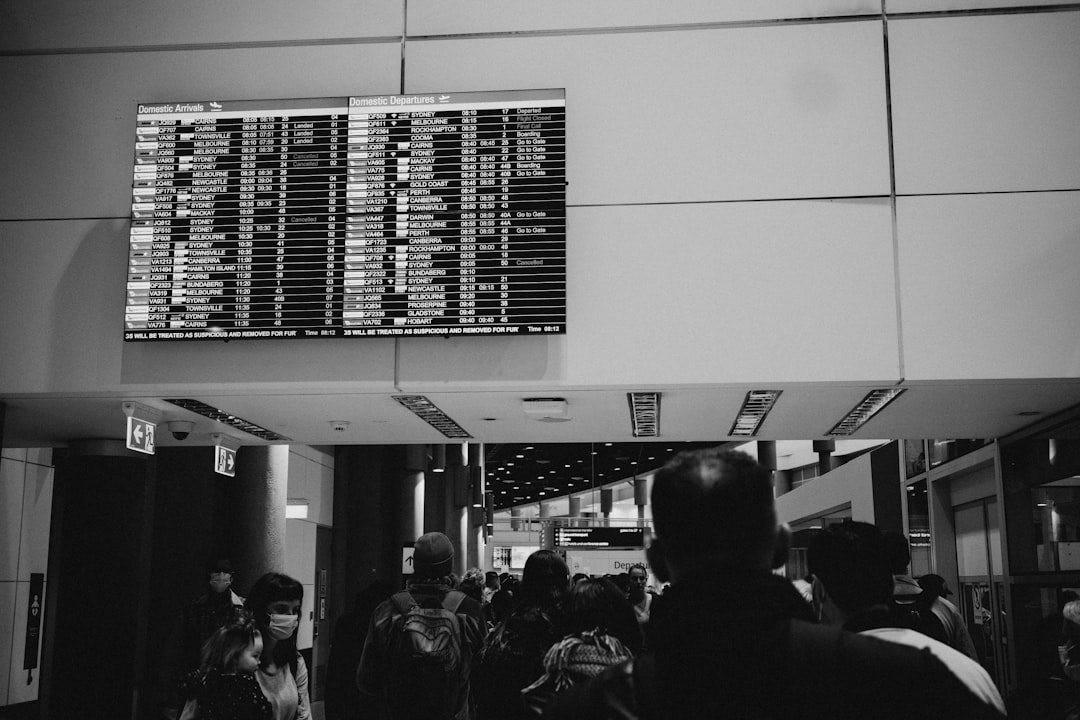
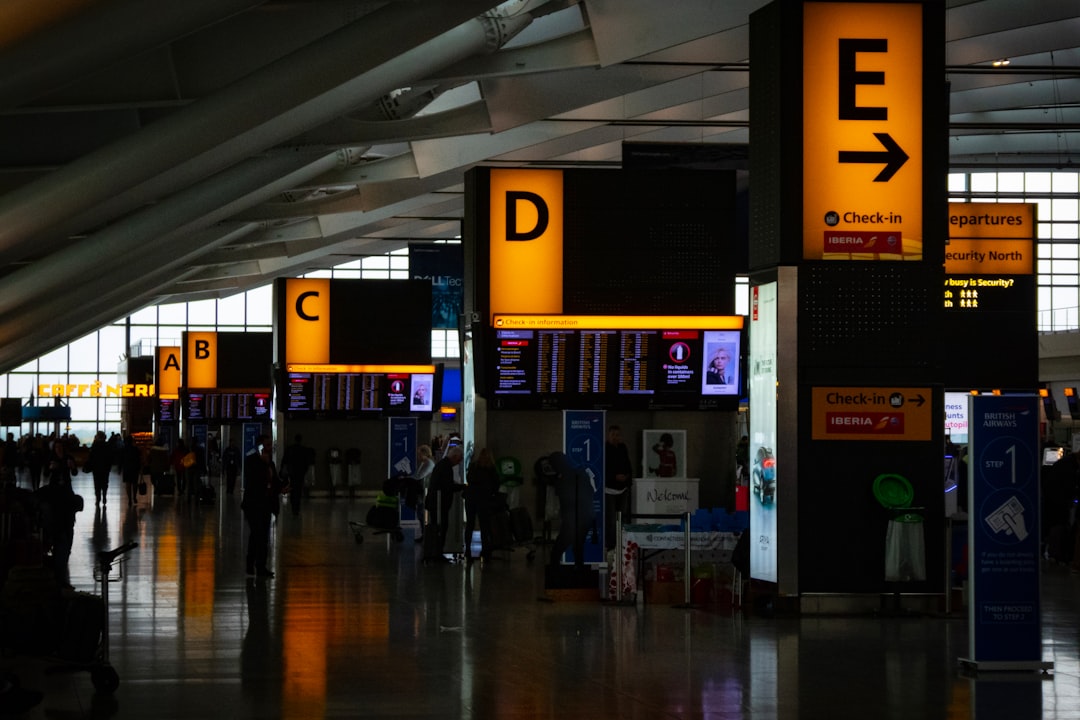
The board flipped at 6:15 p.m. on a Thursday in Denver. One minute I was halfway through a mediocre slice of pizza at Gate B22, and the next, my hometown flight joined a cluster of red CANCELLED entries stacking up like bad news has a way of doing. Around me, two hundred people exhaled at the same time. Then came the sound of an entire concierge line reaching for their phones simultaneously.
I felt a familiar calm settle in, the kind that only comes from repetition. My crew and I have been through this rodeo enough times — a maintenance issue in Charlotte, a July thunderstorm shutdown in Chicago, a crew-timing meltdown in Dallas — that we’ve reduced the whole miserable experience to a protocol. It lives in a note on my phone. It has an order of operations. And after the summer of 2026, when airlines are running leaner schedules than any year I can remember, I’d argue this playbook matters more than any packing list I’ve ever written about.
Why 2026 Is the Year of the Red Board
Here’s the structural problem nobody announces over the PA: airlines trimmed flight frequencies to match demand, which means the planes still flying are fuller, and the schedule has less slack in it. On a normal day, you never notice. On a day with weather in Chicago or a tech outage in Atlanta, there are simply fewer empty seats to absorb stranded passengers. Every cancellation now displaces people into a system with no spare capacity to catch them.
That changes the math of getting home. The old advice was “be patient and polite.” The 2026 version is “be patient, polite, and faster than everyone else at the same gate.” Speed and preparation are the whole game now.
The First Ten Minutes Decide Everything
The moment the board turns red, you’re in a race — not against the airline, but against every other displaced passenger on your flight. My team and I run three channels at once. I open the airline’s app and start working the self-service rebooking options, because many carriers now push alternate flights to affected passengers before the queue forms. I get in the podium line anyway. And while shuffling forward, I call the airline’s frequent flyer phone line, which often answers faster than the general line and reaches the same inventory.
Whoever you reach first wins. What you ask for matters as much as speed. Instead of “when’s the next flight?” — a question with one answer — I ask about alternatives on partner carriers, reroutes through nearby hubs, or a confirmed seat on tomorrow’s first departure with standby for anything earlier. Gate agents can see inventory that the app never shows you, and a calm, specific passenger is the one they move mountains for.
One more thing: screenshot everything. The original booking, the cancellation notice, every rebooking offer. When refund paperwork starts moving weeks later, those timestamps are your evidence file.
Know What You’re Actually Owed
Airlines count on confusion here, so let’s be precise. Under Department of Transportation rules now firmly in force, if your flight is cancelled or significantly changed — that means a delay of three hours or more domestically, six hours or more internationally — and you choose not to accept the alternative they offer, you’re entitled to an automatic cash refund of your ticket. Not a voucher, not travel credit. Cash, back to your original payment method, and they owe it without you having to stage a protest on social media.
The same rules cover the add-ons. If your checked bag arrives more than twelve hours late on a domestic trip, the bag fee comes back. If you paid for a seat or Wi-Fi that never materialized, that money comes back too.
What airlines generally don’t owe you, federally at least, is a hotel room or meal vouchers for a cancellation. Their individual customer service commitments vary — some will cover a hotel for cancellations within their control — so ask calmly, keep every receipt, and get any promise in writing before you walk away from the counter.
The Credit Card in Your Wallet Might Be the Real Hero
While everyone argues at the counter, the most useful piece of travel protection I own isn’t from the airline at all. A surprising number of premium and mid-tier credit cards carry trip delay reimbursement: if your flight is delayed or cancelled and you’re stuck six to twelve hours, the card can reimburse hotel rooms, meals, and essentials, often up to five hundred dollars per person. The catch is you must have paid for the ticket with that card, and you’ll need to file a claim with documentation — which is exactly why I screenshot everything in minute one.
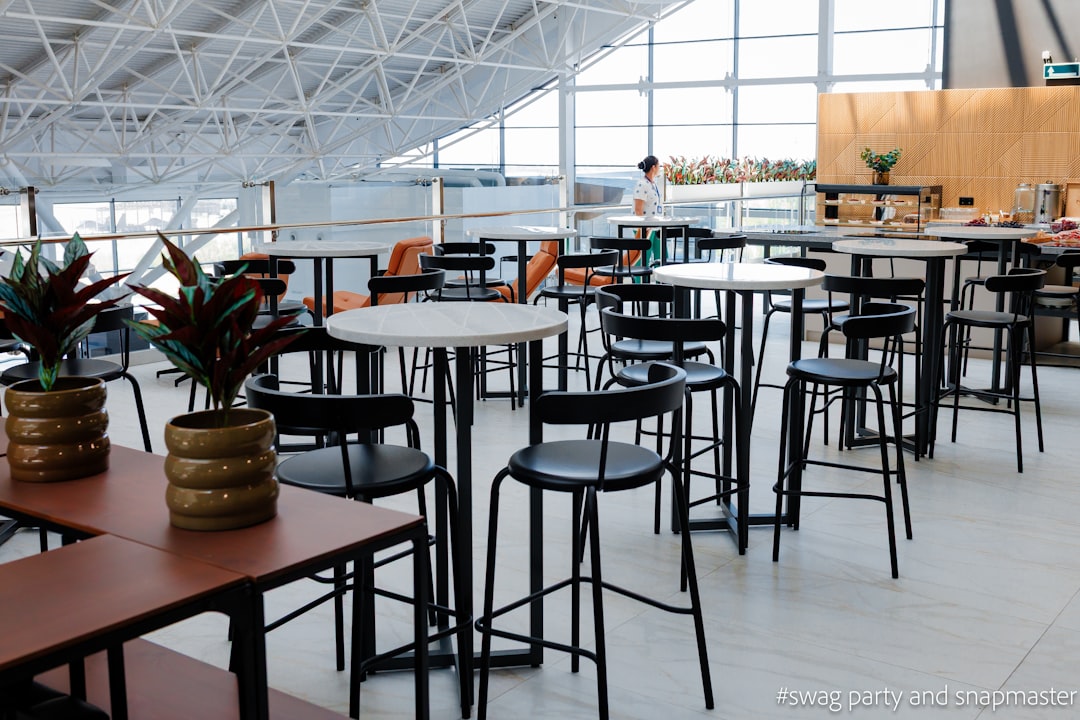
Many of those same cards hand you lounge access, and on disruption day a lounge is worth triple its weight in sanity. Comfortable seats, working outlets, free food, and most importantly, a club desk agent who isn’t buried under two hundred angry passengers. I’ve watched lounge agents work rebooking miracles while the main line barely moved. If you don’t carry a lounge card, a day pass pays for itself the first time the board goes red.
The Kit That Turns a Stranding Into a Long Layover
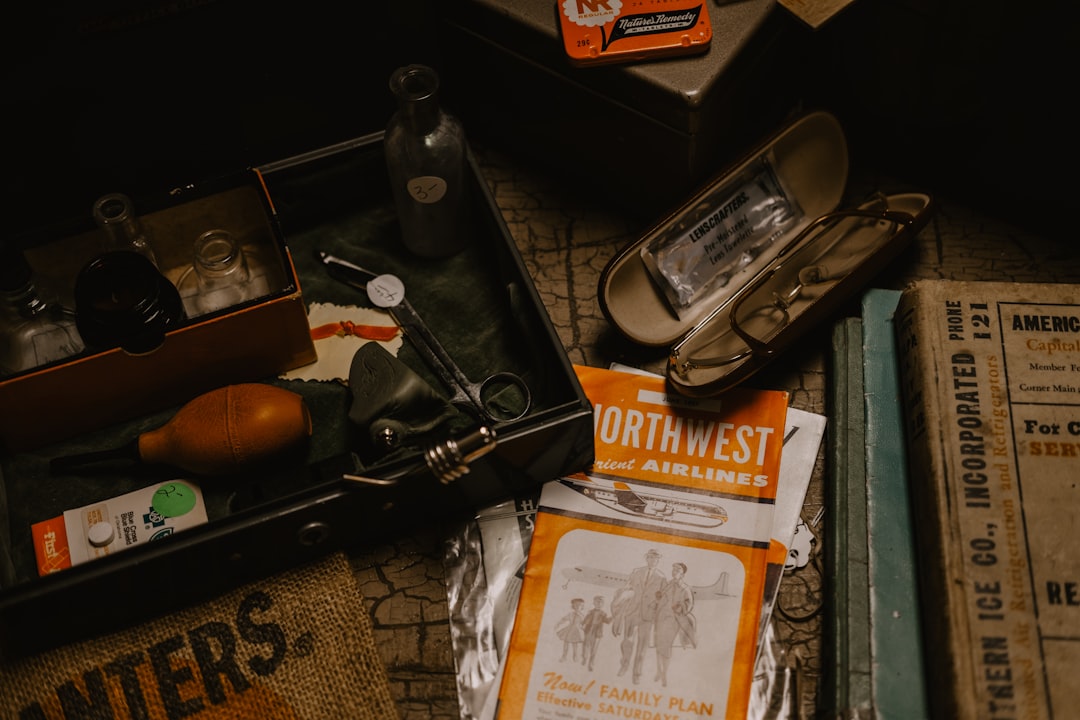
Years of getting stranded taught my team to stop packing for the flight we planned and start packing for the day we fear. Every item below rides in my personal item — and it all has to fit inside a sizer, which is a discipline I take very seriously after my personal item experiment.
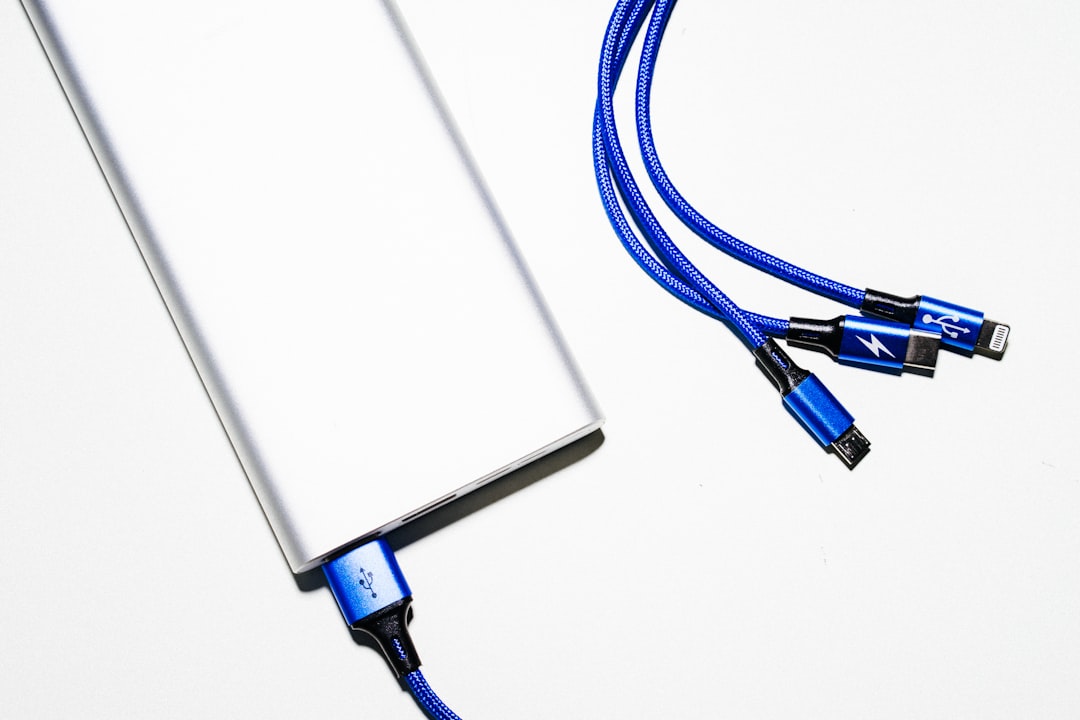
The non-negotiable first item is battery power. A cancelled flight means hours of app-refreshing, hold music, and rebooking calls, and airport outlets become contested territory the moment a concourse fills with stranded travelers. My Anker Zolo 20,000mAh power bank has a built-in USB-C cable and enough capacity to keep a phone alive through an entire disruption day plus the rebooked flight. It has saved me more than any other object I own.

Next: water and food security. An empty collapsible silicone water bottle flattens to nothing until you’re past security, then fills at any fountain. And I always carry a sleeve of real food — a Pure Protein variety pack lives in the front pocket of every bag I own — because the day the airport food courts run out or you can’t leave the line, 20 grams of protein beats a $14 candy bar from the only kiosk still open.

Then the sanity items. A pair of noise-cancelling earbuds turns a crowded gate area into a manageable workspace, which matters when you’re spending three hours rebooking instead of twenty minutes boarding. My Kindle Paperwhite holds more books than I could read in a week of delays and asks nothing of the airport’s dying outlets. And on the health front, a long immobilized day in a terminal is rough on circulation, so 20-30 mmHg compression socks are standard issue for any travel day that could go sideways — which, in 2026, is all of them.
When the Next Flight Is Tomorrow Morning
Sometimes every channel comes back with the same answer: nothing tonight, first flight at 6:40 a.m. Now you have a decision to make, and you should make it fast, because every hotel room with an airport shuttle is being booked by your former seatmates in real time.
If the airline offers a hotel voucher, take it — even a modest one. If they don’t and your credit card has trip delay coverage, book a reasonable room yourself, keep receipts, and file the claim when you’re home. Chain points are the third path: a disruption night is precisely why I never let my loyalty balances hit zero.
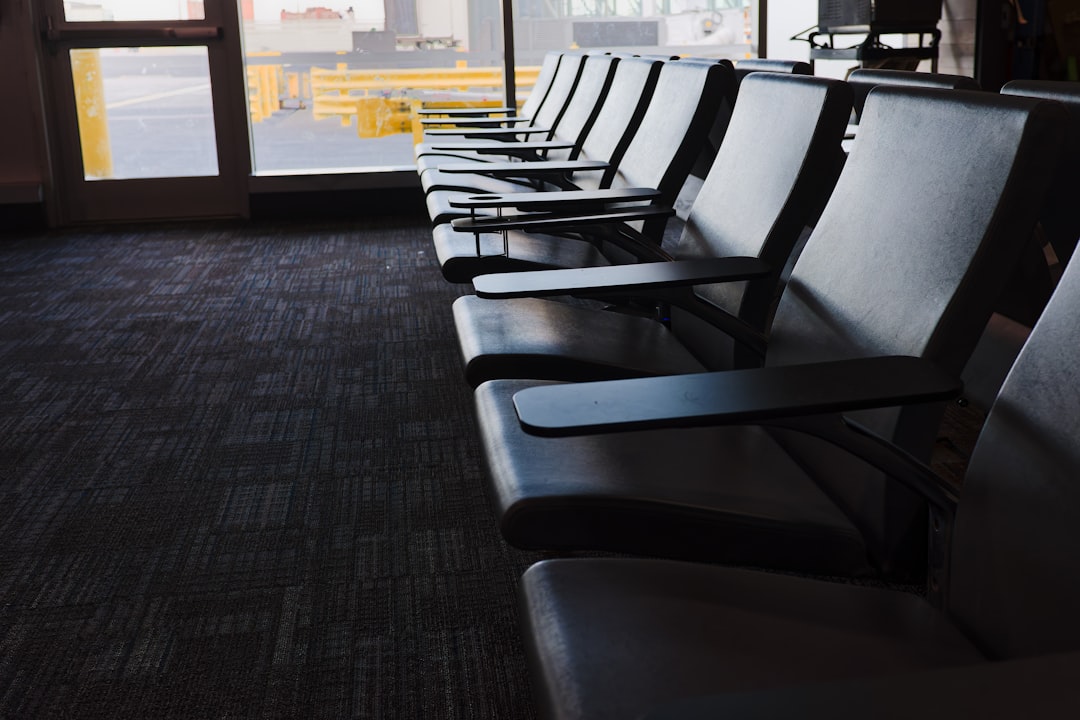
If you’re overnighting in the terminal — it happens, and it’s survivable with the right gear — pick your spot strategically. You want seating without armrests, proximity to a restroom and outlets, and an escape plan for when security sweeps through at 4 a.m. My BCOZZY neck pillow and a contoured blackout sleep mask have converted brutal benches into adequate naps more than once. And if the rebooking gods route you somewhere unexpected — my favorite reroute ever sent me through Toronto on two hours’ notice — having a universal travel adapter in the kit means your one functioning outlet situation never depends on plug geography.
One special case deserves its own mention: when the only seat home is an overnight flight. That’s not a punishment; that’s a sleep mission, and I run it with a specific red-eye protocol I’ve written about before — window seat, no meal service, lights out before wheels-up.
Habits That Keep Me Off the Red Board Entirely
Prevention is the least glamorous part of this playbook and the most valuable. After enough ruined evenings, my team and I stopped booking like optimists.
I fly mornings, ideally the first wave of the day, because aircraft that start on time tend to stay on time and the whole schedule cascades downhill from there. I pay up for nonstops when they exist, because every connection is a second chance for physics and scheduling to collude against you. When a connection is unavoidable, I want a generous layover — ninety minutes minimum in a hub, more in summer. And everything goes on one reservation, because two separate tickets means two airlines shrugging at each other while you stand between them.
I check the inbound aircraft the night before, note my three backup routings, and never check a bag containing anything I’d mourn overnight. Since I made that last rule absolute, I tuck an AirTag four-pack’s worth of trackers into anything that leaves my hands — a habit that started after my suitcase went to Cleveland without me. When the airline says “your bag is in our system,” there is real peace in being able to say: actually, I know exactly where it is.
What I Do Differently Now
That Thursday in Denver ended fine. App, podium, and phone line run in parallel; rebooked through Phoenix before the line at B22 had inched past the snack cart; home by eleven. The family next to me in line, working a single channel, spent the night in a Concourse B chair. Same cancellation. Same airline. Different playbook.
You can’t control weather, maintenance, or the scheduling choices buried in some airline headquarters. You can control whether a red board ruins your week or merely your evening. Pack for the day you fear, run the channels in parallel, know your refund rights cold, and let the credit card you booked with do the heavy lifting it was built for. The board will go red again someday. Be the calm person at the gate with 40 percent battery and a plan.
1 thought on “Cancelled at 6:15 p.m.: The Flight Cancellation Playbook That Gets You Home Anyway”