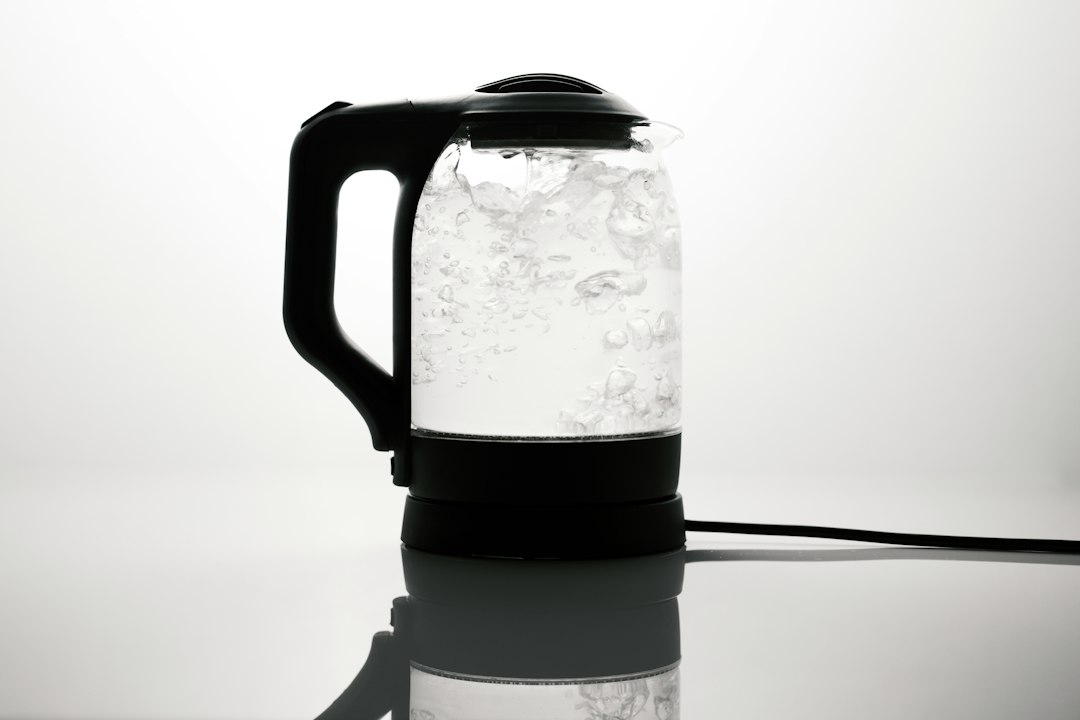
The last airport tea I ever bought cost $6.25, and I never got to drink it hot. O’Hare, Terminal 3, a January delay stretching from forty minutes to four hours. I stood in a coffee line long enough to memorize the menu, paid airport money for what is legally just hot water and a paper sachet, and made it back to the gate in time to hear the agent announce another pushback. By boarding, the cup was lukewarm dishwater. I dumped it at cruise altitude and did the math on a napkin, because apparently that’s who I am now.
The math was ugly. I drink tea or instant coffee on nearly every travel day — thirty-plus of them a year — and between airport markups and the hotels that quietly charge for hot water delivered to your room, I was burning better than $200 annually on water I could boil myself for pennies. My editor laughed out loud when I showed her the spreadsheet. Then she saw the total row and stopped laughing.
So when a foldable silicone kettle started colonizing my feed this fall — the one with the digital display that collapses flat and boils water anywhere, currently beloved by approximately all of travel TikTok — I didn’t scroll past. I ordered two: one for my bag, one for one of our photographers, who spends more nights in airport-adjacent hotels than she does at home. Six weeks and one genuinely dramatic snowstorm later, here’s the honest accounting.
The Receipt That Finally Got My Attention
Airport pricing has fully detached from reality, and hot beverages are where it shows first. A large tea at a major hub runs $5.50 to $7 depending on the city and how fancy the font on the menu is. Coffee’s the same story. None of this is news. What snuck up on me was the compounding: a cup at departure, sometimes another at the connection, plus the two-dollar “hot water fee” a Vienna hotel once slipped onto my bill for a cup of instant — that habit quietly grew into a car payment’s worth of boiled water every year and a half.
I polled the team before writing this, because I assumed I was the outlier. I wasn’t. Between us we logged airport and hotel hot-drink spend across a month of trips: four people, $91. One of those people insisted her oatmeal habit made it a food expense, not a beverage expense, and honestly the accounting holds up either way.
The cheap fix, it turns out, isn’t cheaper tea. It’s carrying the hot water with you.
What a Collapsible Kettle Actually Is
The category is simple once you’ve held one: a stainless steel heating base married to food-grade silicone walls that fold down like an accordion, collapsing the whole unit to roughly two inches thick. Packed, mine rides flat against my laptop sleeve and weighs about as much as a paperback. Popped open, it holds 0.7 liters — enough for two proper cups of tea or one generous ramen dinner.
The features that actually matter on the road: a digital display so you’re not guessing at temperatures, a keep-warm function for the mornings you get pulled away mid-brew, delay start, and boil-dry shutoff for the times you run it on three hours of sleep. The silicone model I ended up keeping checks all four boxes for about $35. If you want more granular temperature control for pour-over coffee or delicate green teas, the digital-display versions with preset temps run closer to $45 and are worth the delta if you’re particular.
What it is not: fast. At 500 to 600 watts — the price of safety on US circuits and thin hotel wiring — a full boil takes four to six minutes, not the ninety seconds your kitchen kettle manages. The first time you watch it, you’ll wonder if it’s broken. It isn’t. It’s just patient.
The Snowed-In Denver Test
Every gear writer gets one of those nights that justifies the whole spreadsheet. Mine came in late September, when a storm system rolled into Denver and shredded the departure board — my 7:40 p.m. connection evaporated at 6:15, which is a very specific kind of heartbreak my cancellation playbook had trained me for. My photographer and I grabbed the last shuttle-adjacent hotel room, walked in at 9:20, and discovered the restaurant had closed at nine. The vending machine was down to one row of peanut crackers. The minibar wanted nine dollars for a thimble of juice.

But the gift shop sold cup ramen. And in my duffel, folded to two inches, sat the kettle.
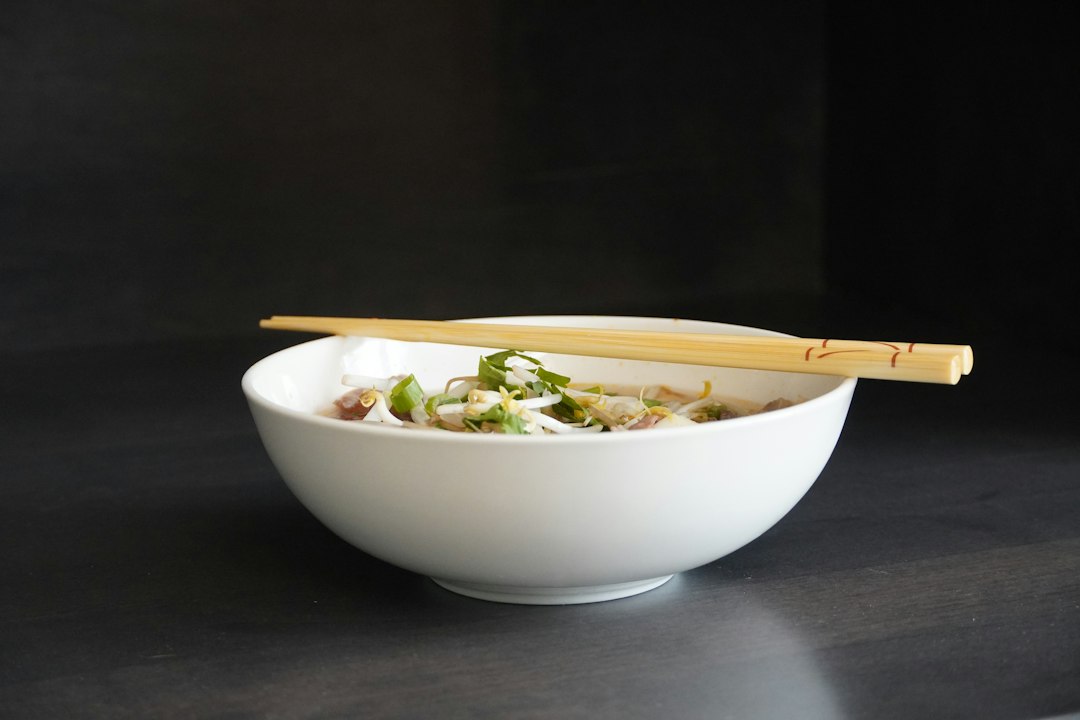
Four minutes and change later we had actual dinners — not glamor, but hot, salty, real. Two teammates knocked on the door before 8 a.m. the next morning holding oatmeal packets like offerings. That single night didn’t just pay off the kettle; it converted our photographer from a skeptic into someone who now evangelizes the thing at editorial meetings. If you want to stock your own emergency shelf, the variety packs of cup ramen run about a dollar a meal and store flat next to the kettle itself.
The Voltage Question Nobody Warns You About
Here is the part the TikToks skip, and it matters: most of the collapsible kettles sold on US marketplaces are 110-volt only. Plug one into a European 220-volt outlet with nothing but a plug adapter between them and you’re not making tea — you’re making a small electrical incident, or at minimum a dead kettle. A travel adapter changes the plug shape. It does not change the electricity. I learned this distinction the expensive way years ago with a hair dryer, which is a story our travel-adapter shootout covers in full, shameful detail.
The fix is reading the label before you buy. You want “100–240V” printed on the base — that’s dual voltage, and it means the same kettle works in Chicago, Lisbon, and Tokyo with just a universal adapter in between. My US-bought unit is dual voltage; our photographer’s wasn’t, and she now owns a European model as a souvenir of not reading the fine print.
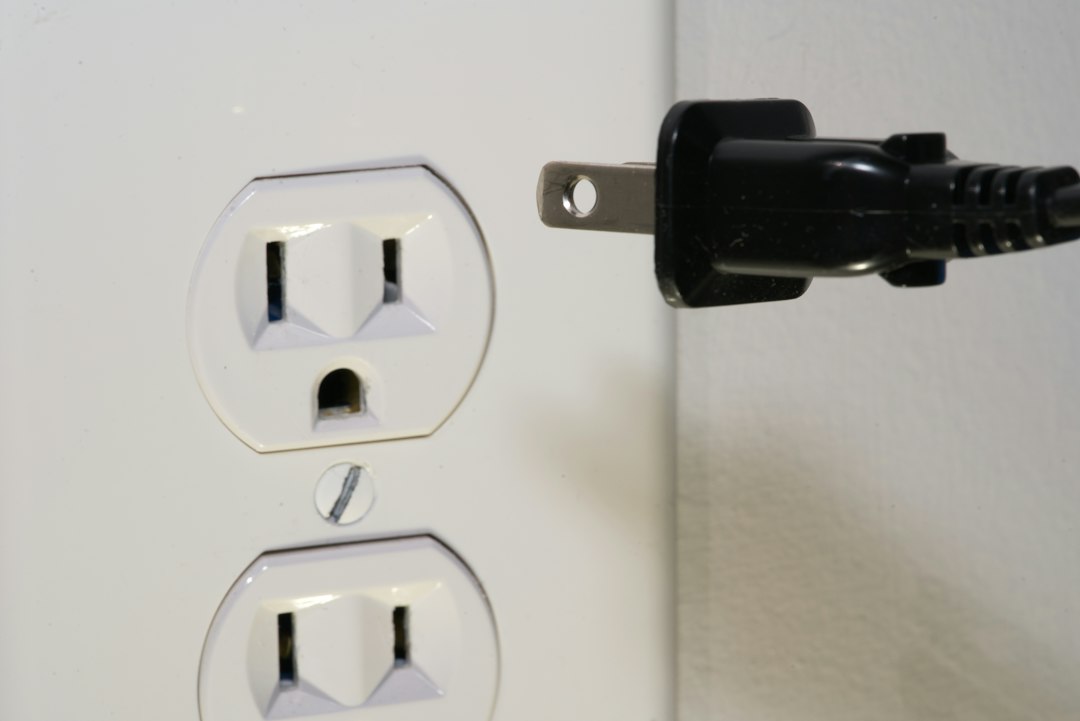
One more practical note: hotel rooms are stingy with outlets, and a kettle plus a phone charger plus a laptop can turn into a nightly juggling act. The outlet extender I travel with solved this years ago — the little cube that turned every hotel room into a charging station — and it pairs with the kettle better than anything else in my kit.
Six Weeks In: Tea, Coffee, and the Silicone Question
Everyone’s first question is the taste. Mine too. Silicone walls plus hot water equals, theoretically, a cup of tea that tastes like a new shower curtain. In practice: the first three boils genuinely did. I ran boil-and-dump cycles in a hotel sink the day it arrived, and by the fourth boil the water came out clean and neutral. Six weeks in, neither of us can taste the housing at all. It’s a two-evening breaking-in period, not a permanent condition.
Maintenance is equally unglamorous. Rinse, air-dry collapsed, done. Once a month I run a citric-acid cycle — a jar of citric acid descaler costs about ten dollars and will outlast the kettle itself — because hard-water cities will scale the element exactly like they scale the one on your counter at home.
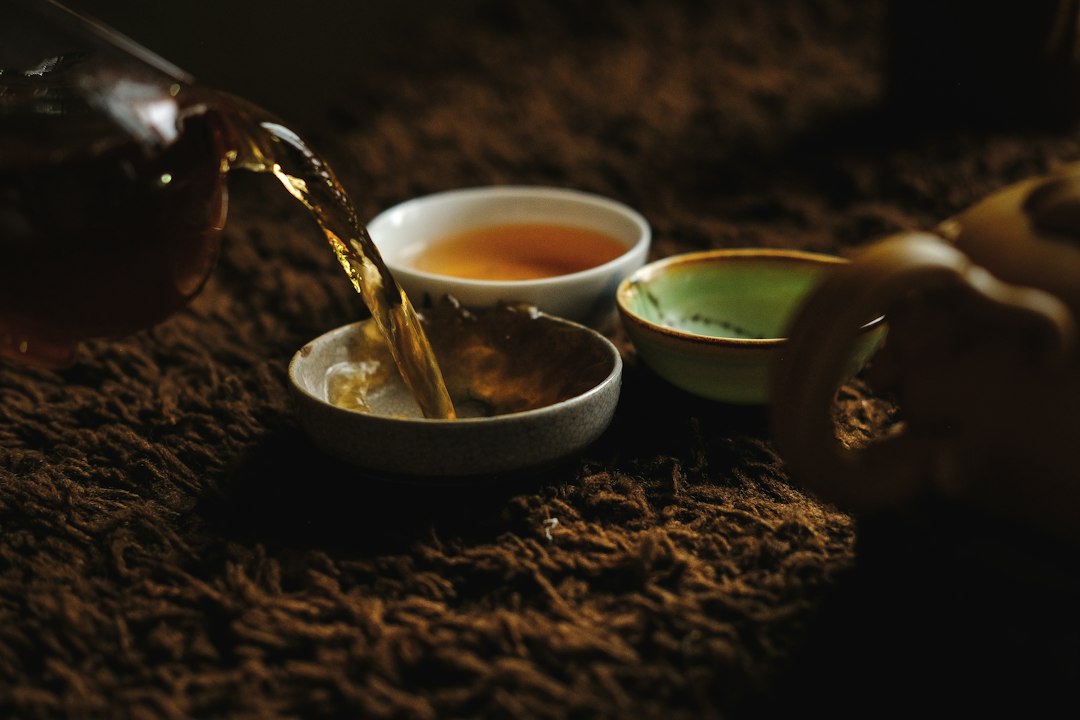
What surprised me was how much the kettle upgraded the ritual itself. Freed from whatever dust-caked in-room unit the hotel provides — and if you’ve ever read the internet’s confessions about what people actually do in hotel kettles, you know why that freedom matters — I started traveling with real loose leaf instead of sad paper sachets. A set of small travel tins holds four blends in the space of a sunglasses case. The night-before ritual of brewing a proper cup in my hotel room has quietly become the single best sleep cue I’ve found, second only to the red-eye routine I wrote up in August.
The Kit That Grew Around It
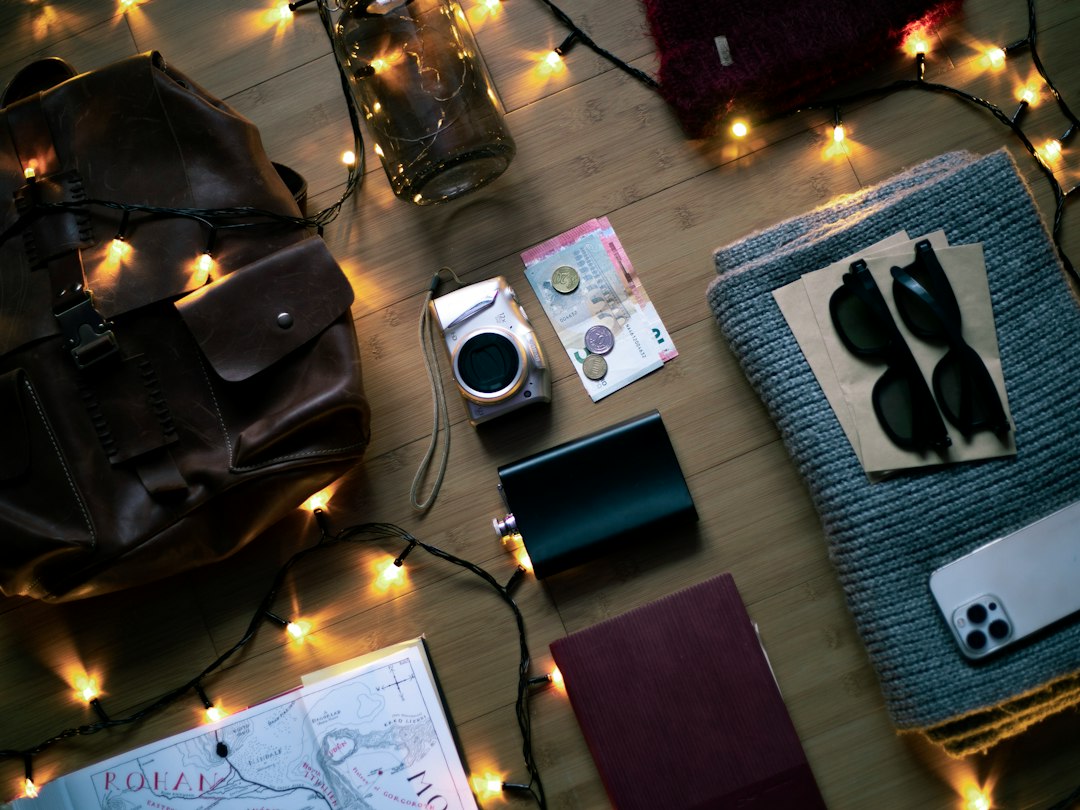
The kettle doesn’t travel alone anymore. Within three weeks it had anchored a small “hot kit” pouch that now lives in every bag: the kettle itself, a proper insulated travel mug so the tea I brew at 6 a.m. is still drinkable at the gate, and a collapsible bowl that serves ramen duty and oatmeal duty with equal dignity. Total footprint: about half a shoebox. Total weight: under two pounds.
Coffee people, the math works for you too. A collapsible pour-over filter plus ground beans in a tin turns any hotel desk into a café for about forty cents a cup, and the french-press travel mugs handle coarse grounds in one container with nothing to rinse out but the mug itself. Our photographer runs the press version; I run pour-over; we have agreed to disagree.
Who Should Save Their Money
Honesty section, because not everyone needs this. If your travel is one big resort week a year, skip it — you’re paying for buffet coffee either way. If you only stay in full-service hotels with reliable, clean kettles and 24-hour room service, skip it; you’re covered. And if you’re a committed minimalist whose entire bag weighs eleven pounds, I respect the discipline and I’m not going to be the one to break it.
But if you’re a connector of flights, an early-departure victim leaving before the hotel breakfast opens, a budget-Europe traveler whose “kettle” turns out to be a plastic jug of uncertain history, a van lifer, or anyone who watches a winter forecast and thinks “again?” — this is one of the highest value-per-cubic-inch items you can put in a bag.
The Verdict: Two Inches, Four Minutes, No Regrets
Payback came fast. At my old $6-plus-per-cup pace, a $35 kettle pays for itself around the eleventh cup — trip three, roughly. Everything after that is margin. It has survived being checked, crushed under a rental-car trunk load, and boiled in three countries’ worth of suspicious outlets, and the only maintenance it has asked for is a rinse.
The photographer’s one-line review, delivered over airport ramen at 9:47 on a snowed-in Tuesday: “I was fully prepared to mock this, and instead I’m furious I didn’t own it sooner.” That about covers it. Two inches, four minutes, and one less line item on a napkin spreadsheet I no longer keep.