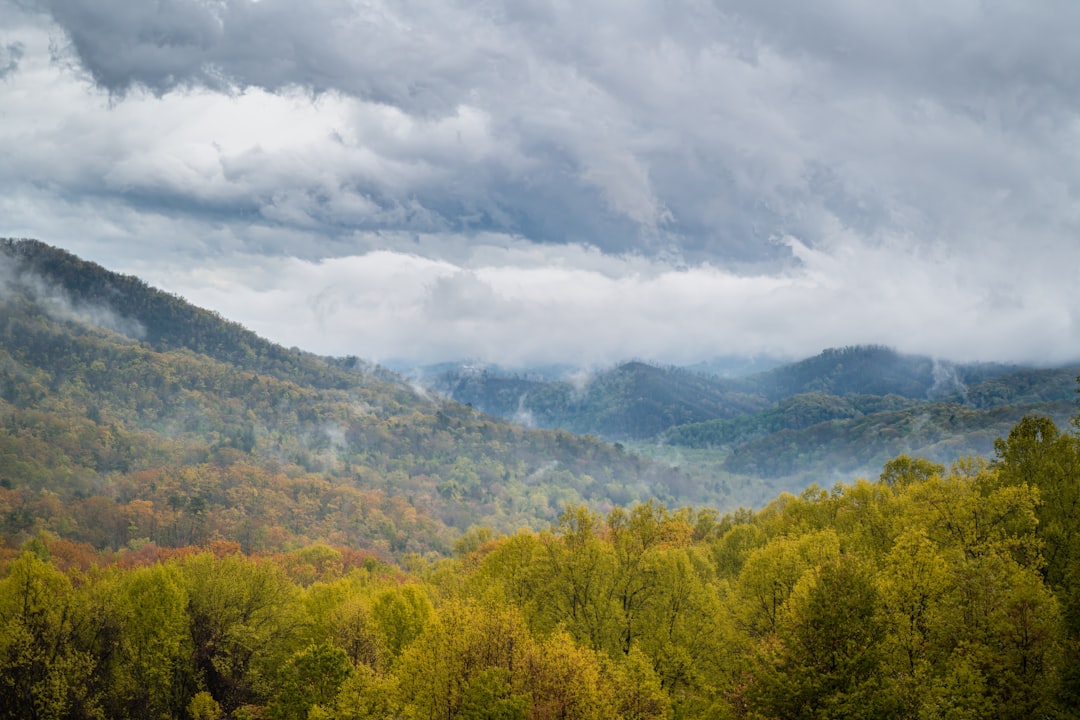
There’s a specific moment in Great Smoky Mountains National Park when you realize the season has turned. It happens somewhere along the Roaring Fork Motor Nature Trail, usually in the last week of August, when the light slants through the hardwood canopy at a slightly lower angle and the air carries a crispness that wasn’t there two weeks ago. The tour buses haven’t vanished entirely, but the lines at Clingmans Dome have shrunk from agonizing to manageable. That’s when it hits you: you’ve found the window.
Our team has spent the better part of three summers mapping out the exact rhythm of this park, and we keep landing on the same conclusion. Late August in the Smokies is the most misunderstood, most underappreciated time to visit America’s most-visited national park. Everyone knows about October for the fall color. July gets the family vacation crowd. But those ten-ish days between mid-August and Labor Day? That’s when the park exhales.
The Crowd mathematics Nobody Talks About
Great Smoky Mountains sees over 13 million visitors annually — more than Grand Canyon, more than Yellowstone, more than Zion. The crushing weight of that visitation lands squarely on June and July, when Cades Cove turns into a single-lane parking lot and the Laurel Falls trailhead feels like a shopping mall on Black Friday. By August 20th, something shifts. Family vacation schedules break as schools reopen across the Southeast, and the visitor count drops by roughly 30% almost overnight.
I realized how dramatic this shift was last year when our crew rolled into the Cades Cove Loop at 7:15 AM on a Tuesday in late August. In July, that same arrival time would have put us behind a conga line of minivans. We counted six vehicles on the entire 11-mile loop. Six. The wildlife was still active, the morning fog still hung in the valleys, and we had the sunrise all to ourselves.
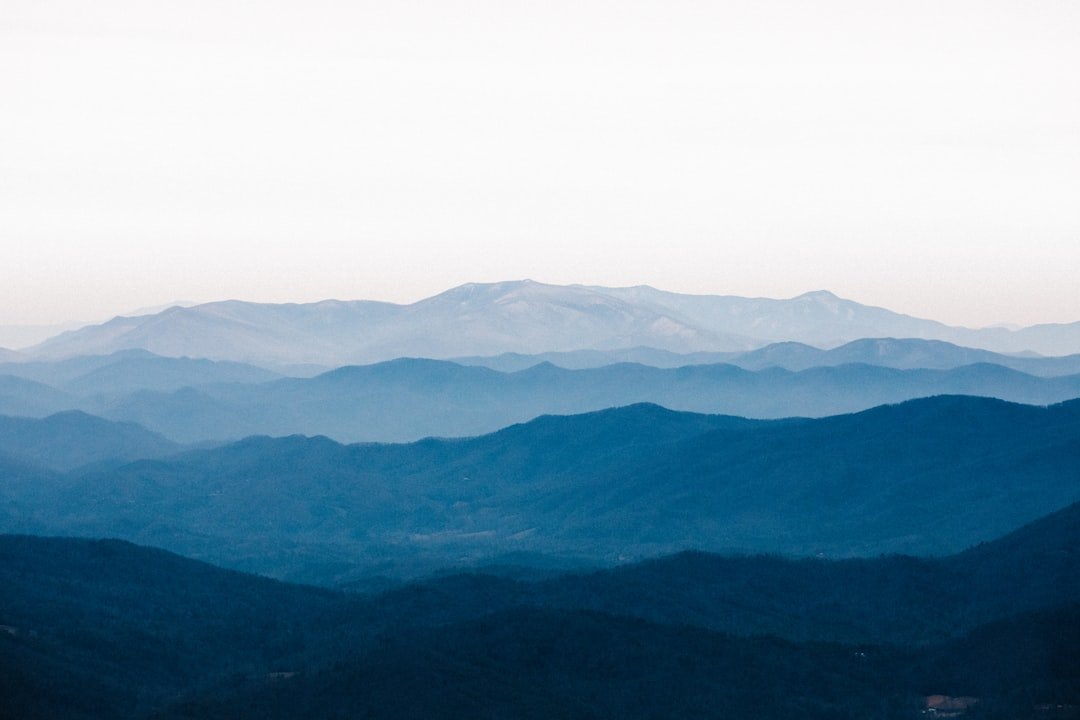
That same week, we hiked to Charlies Bunion on a Wednesday morning and encountered maybe a dozen people on the trail. The same hike in July would have meant dodging hundreds. If you’ve ever wanted to experience the Smokies without feeling like you’re at a theme park, the same park that hosts those famous synchronous fireflies in June becomes an entirely different animal right before fall kicks in.
The Elk Are Waking Up
Here’s what most visitors don’t realize: the elk rut doesn’t officially kick off until mid-September, but the bulls start getting restless in late August. Our wildlife team has spent dozens of mornings in Cataloochee Valley over the past several years, and we’ve noticed a consistent pattern. By the third week of August, the mature bulls have shed their velvet and begun separating from bachelor groups. You won’t hear the full bugling chorus yet, but you’ll catch sparring, posturing, and the occasional early bugle if you’re positioned right at dawn.
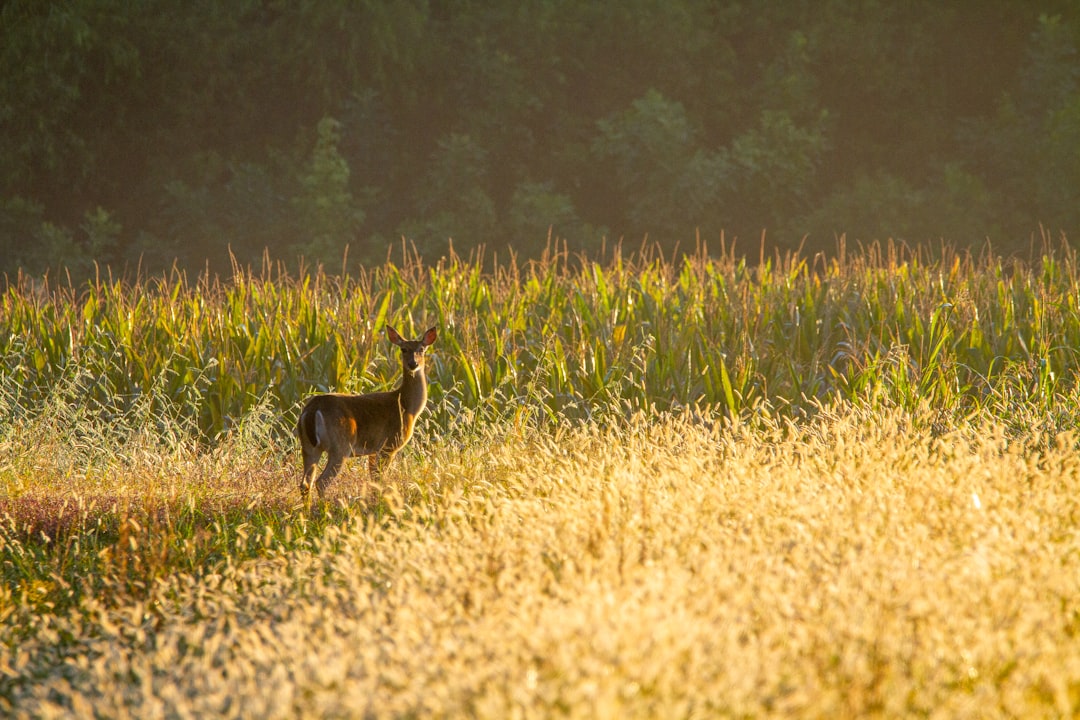
The Oconaluftee area near Cherokee has become the more reliable viewing spot in recent years, largely because the herd has expanded south from the original Cataloochee reintroduction site. The fields along the entrance road produce consistent sightings, and the visitor center staff track daily activity. On our last late-August visit, we watched a mature bull herd cows into the tree line at 6:45 AM while a herd of wild turkeys crossed the road behind us like they owned the place.
For wildlife viewing, a decent pair of binoculars with a phone adapter makes a measurable difference. The elk typically stay 100-200 yards off the road, and phone cameras alone won’t capture usable detail at that distance. Our photographer mounted a 12×42 set on a lightweight tripod near the Oconaluftee fields and got frame-worthy shots without disturbing the animals.
Trails That Hit Different in Late August
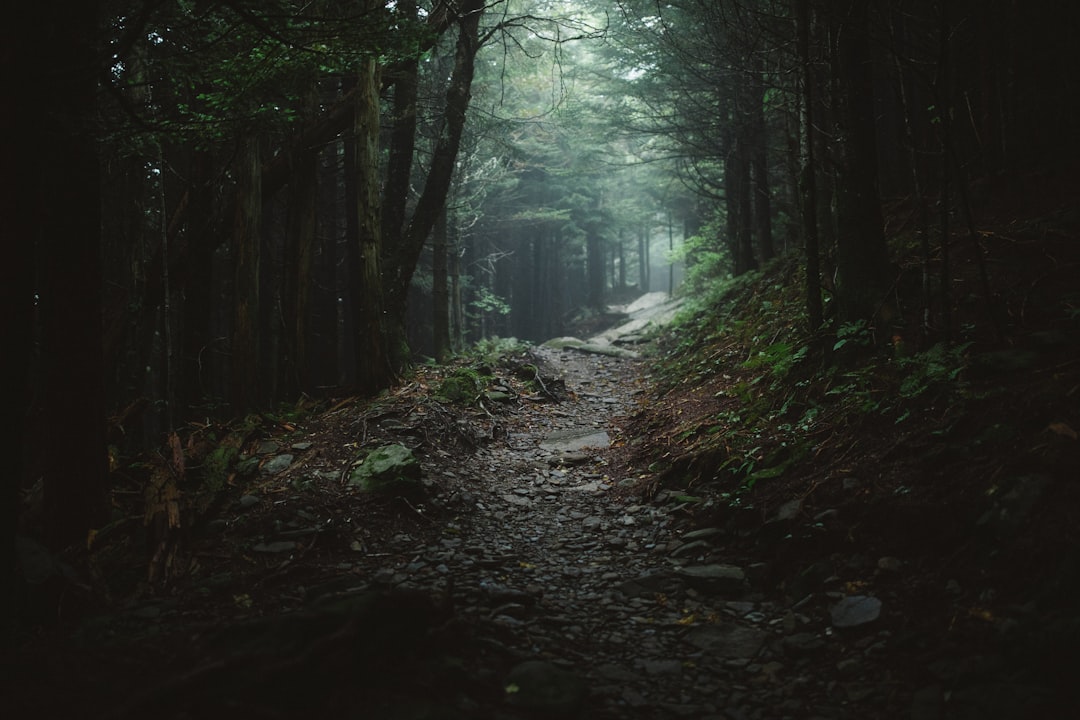
The trail network in the Smokies is massive — over 850 miles of maintained paths — but late August reshuffles the deck on which ones are worth your time. The high-elevation trails become the sweet spot because the temperatures at 5,000+ feet drop into the 60s and 70s, making for genuinely comfortable hiking.
Alum Cave Trail to Mount LeConte remains the crown jewel. The 11-mile round trip gains 2,900 feet of elevation, and by late August, the afternoon thunderstorms that plague July hikers begin to taper off. The slog up through Arch Rock and the pull across the ridge to the bluff feels entirely different when you’re not dripping with sweat. Our crew made the summit push starting at 6:30 AM and had clear views from Myrtle Point — something that’s practically unheard of in peak summer.
Andrews Bald is the other late-August secret. This 3.6-mile round trip from Clingmans Dome parking area drops slightly in elevation before opening onto a grassy bald with panoramic views. The flame azaleas are done blooming by now, but the grazing meadow and the sight of the surrounding ridgelines rolling out like a topographic map more than compensate. We timed our hike for late afternoon and watched the cloud inversions form in the valleys below — a phenomenon that becomes more frequent as humidity patterns shift.
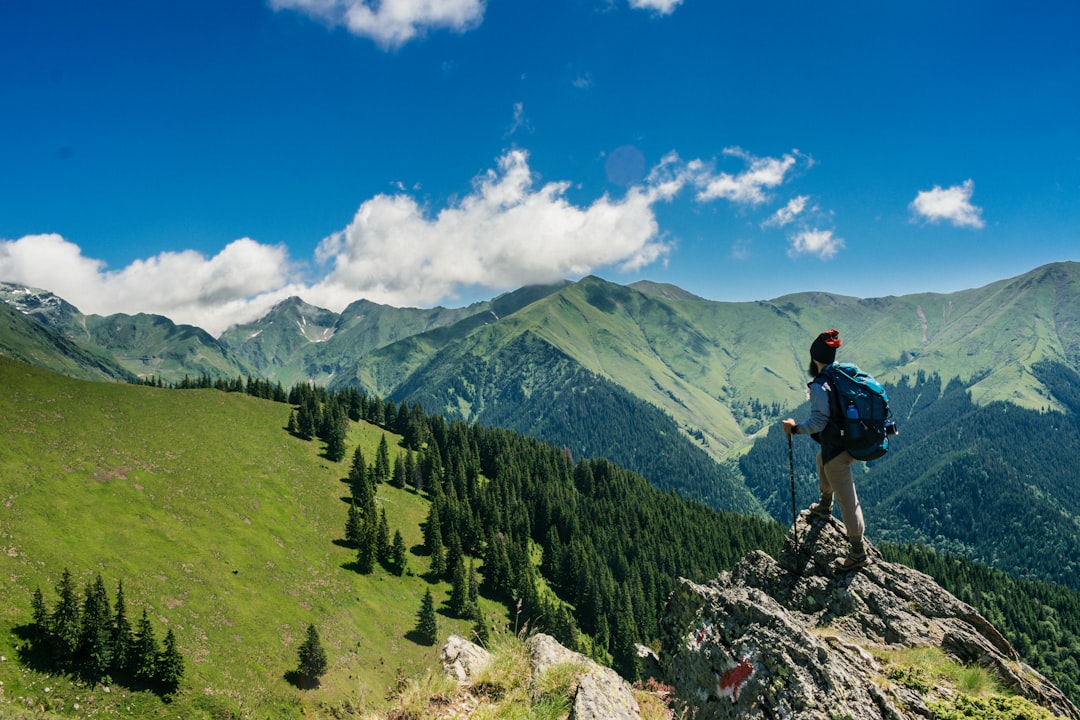
The Appalachian Trail section from Newfound Gap to Icewater Spring offers a gentler grade and the chance to walk the ridgeline between Tennessee and North Carolina. At 5,000+ feet, the temperature differential is striking. We started in 78-degree heat at the gap and were pulling on light layers within 30 minutes. A packable lightweight rain jacket lives in our daypack on every Smokies hike — not just for rain, but for the temperature swings you experience gaining elevation.
Waterfalls Still Running Strong
One of the biggest myths about late August in the Smokies is that the waterfalls dry up. That’s true in the broader Appalachian region by September, but the Smokies receive enough orographic precipitation from the moisture-laden air hitting the mountains that the streams keep flowing well past peak summer.
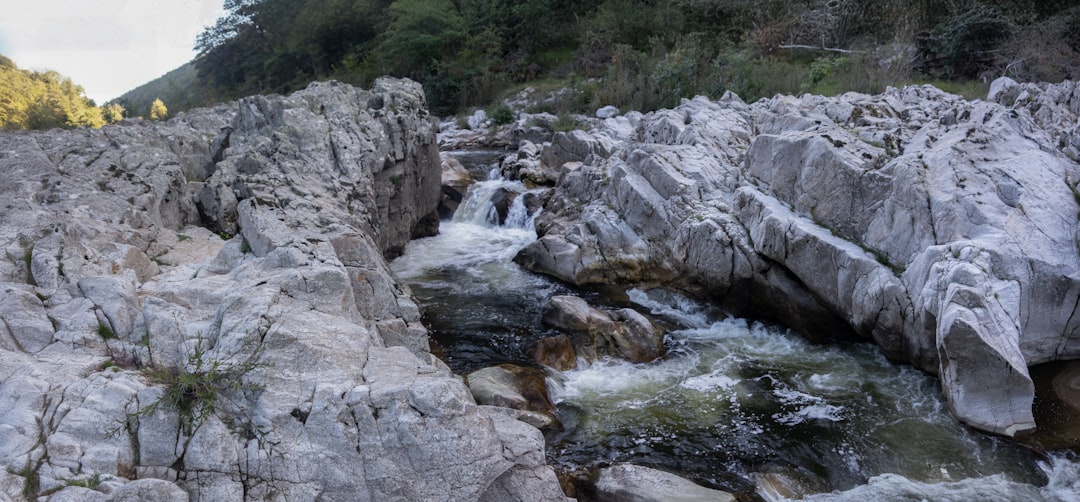
Abrams Falls remains the most rewarding waterfall hike in late August. The 5-mile round trip through Cades Cove follows Abrams Creek through old-growth forest before reaching the 20-foot cascade. The pool below the falls is the largest in the park, and in late August, the water temperature is actually pleasant for a quick soak. Just be aware that the rocks around the base are deceptively slippery — our team member learned that the hard way last summer.
Rainbow Falls on the Roaring Fork side offers a different experience entirely. The 5.4-mile round trip climbs steadily through a beautiful boulder-strewn stream channel, and the 80-foot falls produce enough mist to create the rainbow that gives the trail its name — best seen in the late morning when the sun angle hits right. The spray also provides natural air conditioning, which is welcome on the climb back up.
The key to enjoying any of these waterfall hikes in late August is timing. Start early — we’re talking 6:30 to 7:00 AM — and you’ll finish before the afternoon heat builds. Our standard kit includes a 40-liter daypack with a rain cover loaded with three liters of water per person, because the humidity at lower elevations will drain you faster than the mileage suggests.
The Gear That Actually Matters in Late August
Late August weather in the Smokies exists in a strange middle zone. Mornings in the valleys can be in the 50s with heavy fog. By noon, the sun burns through and temperatures spike into the 80s with suffocating humidity. Afternoon thunderstorms are still possible, though less frequent than July. You need to layer accordingly.
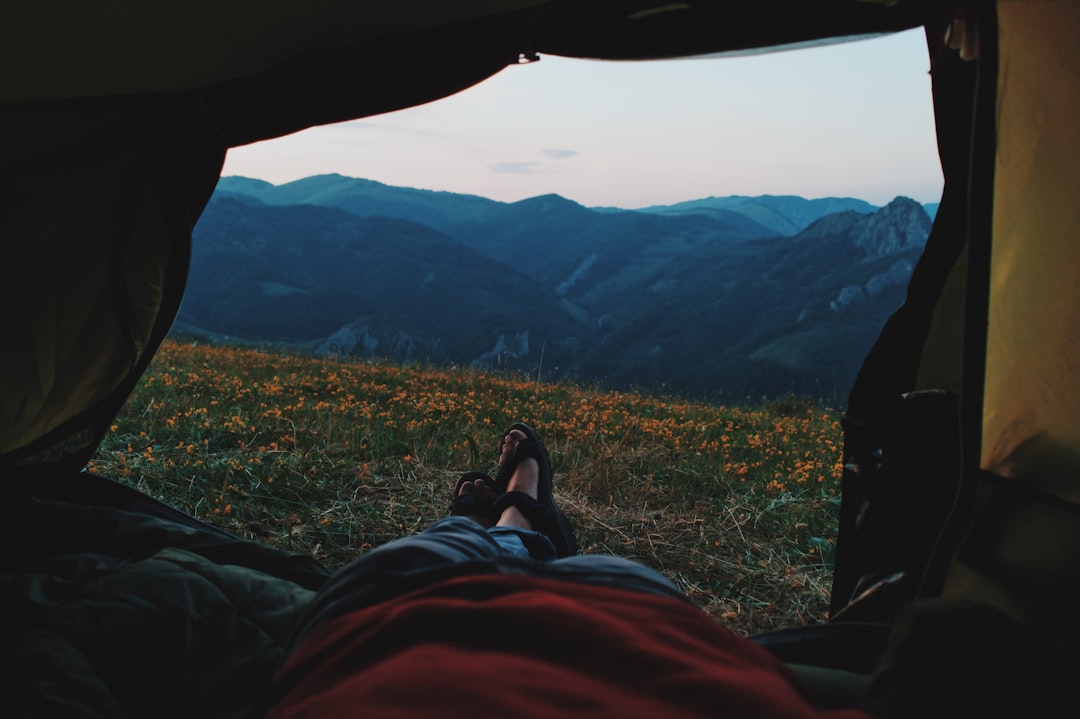
Our essential late-August Smokies kit, refined over multiple trips:
- Footwear that drains and breathes. The trails are still wet from afternoon rains and morning dew. Waterproof hiking boots seem counterintuitive in the heat, but they keep water from streaming over your ankles during stream crossings. The key is pairing them with moisture-wicking socks.
- Bug protection that actually works. The gnats and mosquitoes in the lower elevations are relentless in late August. We carry Repel 100 with DEET for the creek-side sections and switch to a milder picaridin spray for exposed skin. The ticks are still active too, so a thorough check after every hike is non-negotiable.
- A cooling towel for the brutal midday push. When the humidity hits and the trail turns steep, a microfiber cooling towel soaked in a stream and draped around your neck is the difference between grinding through the heat and actually enjoying the hike.
- Bear spray, always. The Smokies have one of the highest black bear densities in North America — roughly two bears per square mile. We’ve encountered bears on six of our last eight trips, including a sow with cubs on the Laurel Falls trail that required a 20-minute detour. Carrying bear spray isn’t paranoia; it’s basic trail hygiene here.
Clingmans Dome Without the Agony
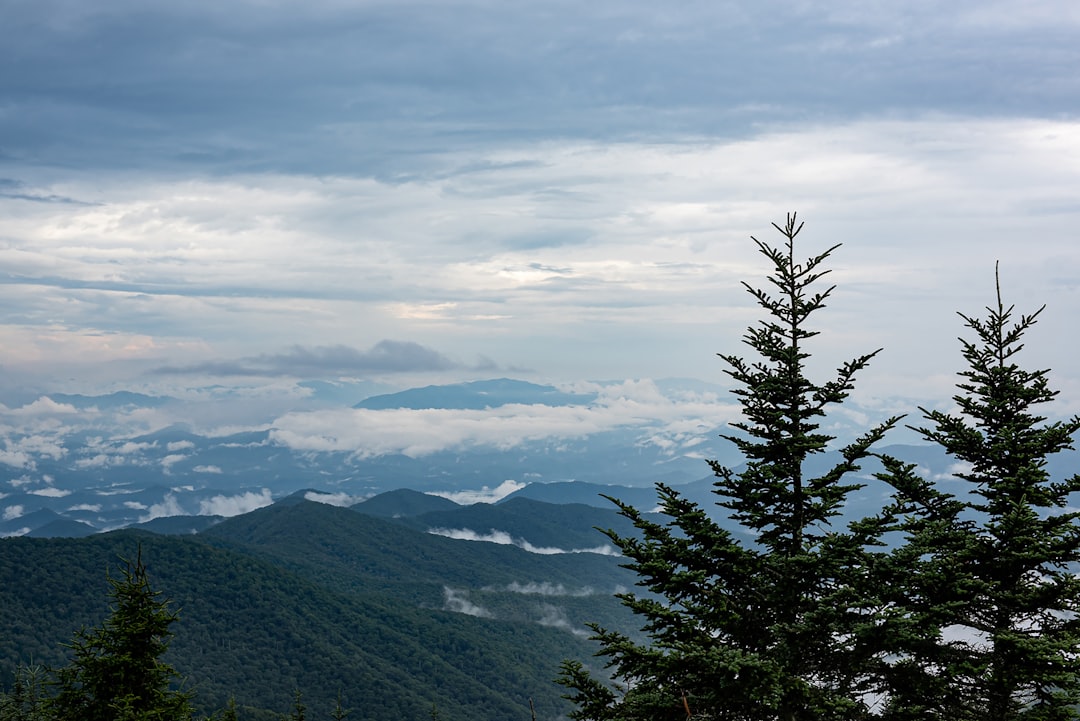
The observation tower at Clingmans Dome — at 6,643 feet, the highest point in the park — is the second-highest peak east of the Mississippi. The half-mile paved trail from the parking area to the tower is famously punishing: a 13% grade that leaves flatlanders gasping. In July, this path is a conga line of overheated tourists. In late August, the crowd thins enough that you can actually stop and catch your breath without blocking the path.
The view from the tower on a clear late-August morning is arguably the best in the southeastern United States. You can see up to 100 miles across seven states on a clear day, and the late-August atmospheric conditions often produce the clearest visibility of the summer. The key is getting there before 9 AM. After that, the parking lot fills and you’ll be shuttled to an overflow area a mile down the road.
Our crew made the climb at 7:45 AM last August and had the tower nearly to ourselves for 20 minutes. By the time we descended around 9:30, the line to enter the tower stretched 30 people deep. That’s the late-August advantage in a nutshell — same views, fraction of the hassle.
Cataloochee: The Valley Worth the Detour
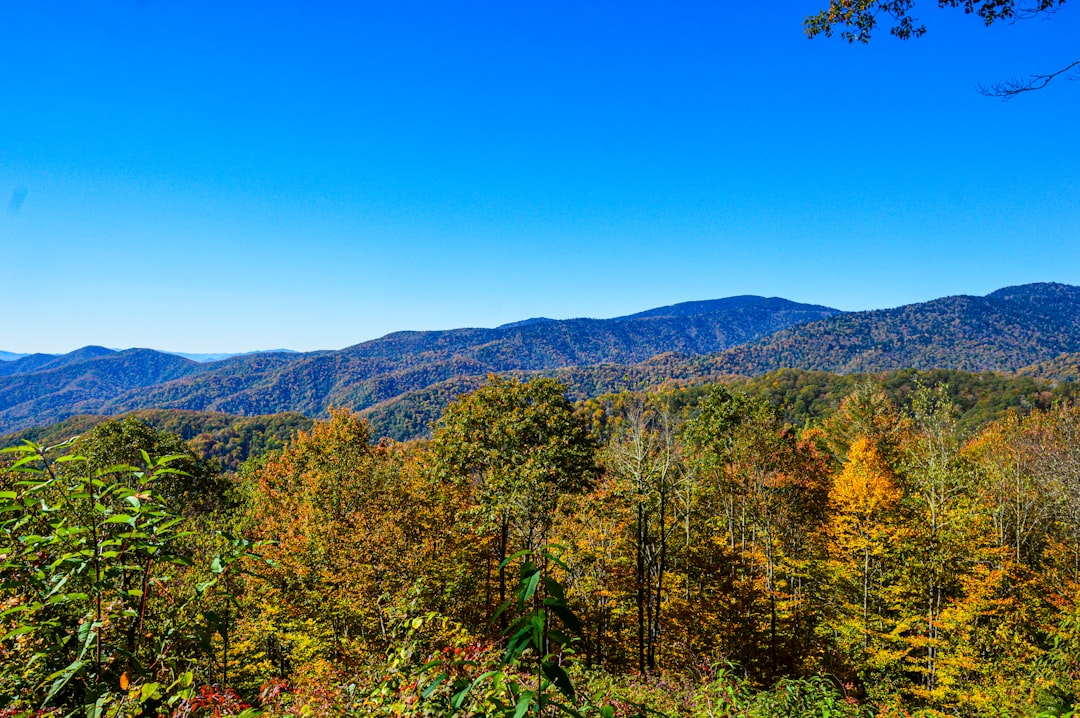
If you have an extra day, the drive into Cataloochee Valley is worth every minute of the winding gravel road. This is the quieter, harder-to-reach side of the park — no paved roads connect it to the main entrances, and the 16-mile drive from Highway 276 takes patience. But what you find is the historical and spiritual heart of the Smokies: preserved cabins, a schoolhouse, a church, and fields where elk graze in the mornings and evenings.
Our team treated Cataloochee as a base for two mornings during our last late-August trip. We arrived at the Palmer Chapel at 6:00 AM both days, positioned ourselves near the open fields, and waited. The first morning produced nothing but turkeys and a spectacular sunrise. The second morning, a mature 6×6 bull elk appeared at the treeline at 6:20 AM, grazed for 40 minutes, then disappeared into the hardwoods. No bugling, no drama — just a quiet, powerful animal doing what it does before the crowds arrive.
For capturing moments like these, a motion-activated trail camera set up near your campsite can reveal what’s moving through at night. Our crew set one up near the Caldwell House and captured images of two bears, a bobcat, and a fox over a single weekend. The Smokies are alive at night in ways most visitors never see.
Planning Your Late-August Trip
The practical details matter here. Late August in the Smokies requires a different playbook than peak summer or peak fall:
Lodging: This is the sweet spot for availability and pricing. The Gatlinburg and Pigeon Forge hotel rates drop meaningfully after August 15th, and you can actually get a campsite at Cades Cove or Elkmont without booking six months in advance. For a quieter experience, the Townsend entrance (“the peaceful side of the Smokies”) puts you 30 minutes from Cades Cove without the Gatlinburg chaos.
Weather: Expect highs in the low 80s at lower elevations and mid-60s at 5,000+ feet. Morning fog is common and usually burns off by 9-10 AM. Afternoon thunderstorms are possible but less frequent than July. Pack for humidity — it’s still the South in August.
Parking tags: The park now requires parking tags for any vehicle parked for more than 15 minutes. Buy yours online ahead of time — the cell service in the park is spotty at best, and the rangers at the entrance stations aren’t kidding about enforcement.
Traffic strategy: If you’re connecting the Smokies to a broader Appalachian road trip, the Blue Ridge Parkway is just south of the park and makes a spectacular alternate route. But for the Smokies themselves, the single best traffic decision you can make is being at your trailhead by 7 AM. Every hour after that compounds the parking problem.
The Bottom Line
Great Smoky Mountains National Park in late August is the answer to a question most travelers don’t think to ask: when can you experience America’s most-visited national park without feeling like you’re at one? The crowds have thinned, the wildlife is stirring, the waterfalls are still running, and the weather straddles the line between summer warmth and early fall crispness.
Our crew will be back again this year, parked at the Clingmans Dome lot before 8 AM, watching the fog burn off the valleys from 6,000 feet up. If you see a team of tired-looking photographers nursing gas-station coffee in the Townsend gas station at 5:30 AM, say hello. That’s probably us.
1 thought on “Great Smoky Mountains in Late August: Where Crowds Thin, Elk Stir, and the Trails Finally Breathe”