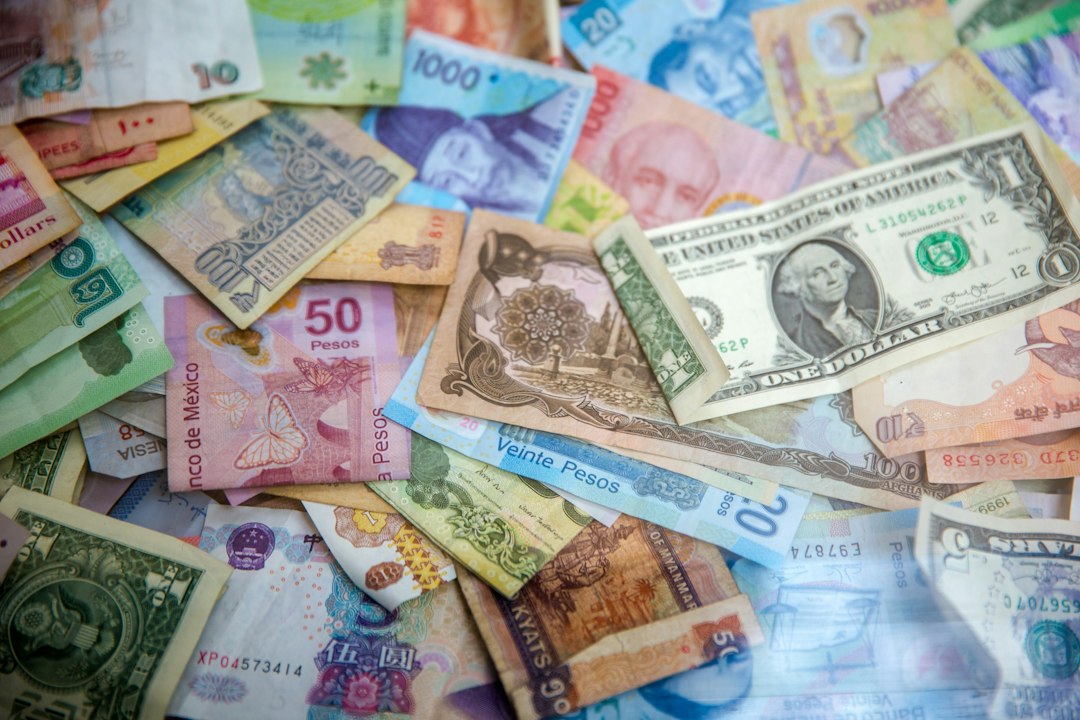
The envelope sat on my desk for two weeks before I opened it. Inside: every receipt from a twelve-day assignment across Portugal and Spain, saved out of a stubborn habit my team has ribbed me about for years. My editor and I spread them across the table one Friday afternoon with a calculator and a bottle of vinho verde, looking for nothing in particular. What we found was $147.
A hundred and forty-seven dollars. Not on dinners or train tickets — on fees. Airport exchange spreads, a “convenience conversion” on my card, three out-of-network ATM charges, and a foreign transaction fee quietly stamped onto nearly everything I’d swiped. That’s a nice dinner in Lisbon, gone. Two museum passes and pastries for the whole crew, vaporized. I’ve spent the trips since then rebuilding how I handle money on the road, and the playbook below is the result. It’s boring. It’s systematic. It has saved me, by my running tally, over six hundred dollars in the past year alone.
The Receipt Audit: What Bad Money Habits Actually Cost
Here’s the part of that evening that stuck with me. No single fee was dramatic. The airport kiosk in Lisbon took roughly six percent off the top of the two hundred euros I bought in a jet-lagged haze — I’d landed at 7 a.m., the coffee line was long, and reasoning was not my strong suit. The card terminal at a Sevilla restaurant asked if I wanted to pay in dollars, and I said yes, because it felt like a courtesy. It wasn’t; that little button carried a worse exchange rate than my bank’s, plus a service fee. Dynamic currency conversion, it’s called, and it’s one of the most profitable questions in travel.
Stack the small stuff — the $5 ATM fee here, the 3% foreign transaction fee there — and the meter never stops running. The fix isn’t one big move. It’s five small rules, applied every single time, until they’re reflexes.
Rule One: Walk Past the Airport Exchange Kiosk
Airport currency counters are convenience stores selling the world’s worst exchange rates to the world’s most captive customers. They know you just landed, you’re tired, and you want coins for the bus. The spread between their rate and the real mid-market rate — the one you’ll find with a thirty-second search — is where their entire business lives. On my audited trip, that spread cost me about $12 on $200. Multiply it across a family of four exchanging real money, and you’ve paid for the kiosk’s rent.
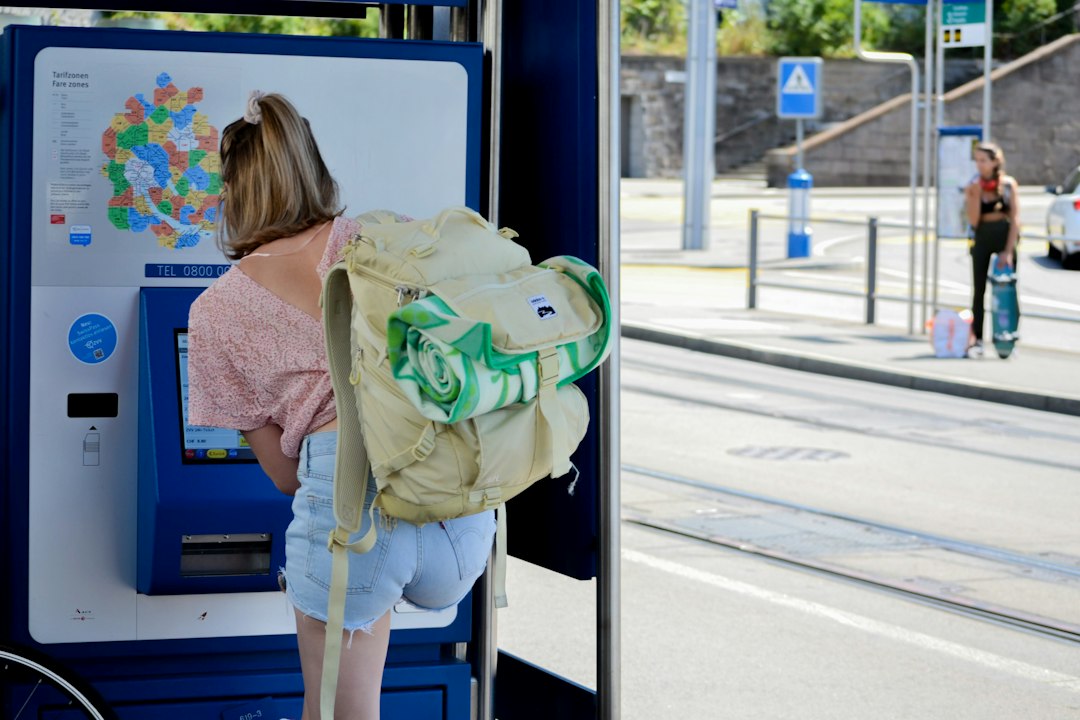
Two better options, in order: withdraw local currency from a bank-owned ATM after you clear the airport, or order a small amount of euros or yen from your own bank before departure, when rates are saner and nobody’s jet-lagged. My rule is enough cash for the first day — a taxi, a meal, a tip — and nothing more. The rest comes from machines attached to actual banks, ideally inside a bank lobby, where the fees are honest and the machines don’t try to upsell you.
“Dollars or Euros?” — Why the Answer Is Always Local Currency
Every card terminal abroad seems to ask the same question, phrased like a favor: would you like to be charged in your home currency? Say no. Every time, say no. The terminal’s “helpful” conversion adds a margin that typically runs three to seven percent over what your bank would charge for the identical transaction, and it happens silently, at the moment you’re thinking about lunch.
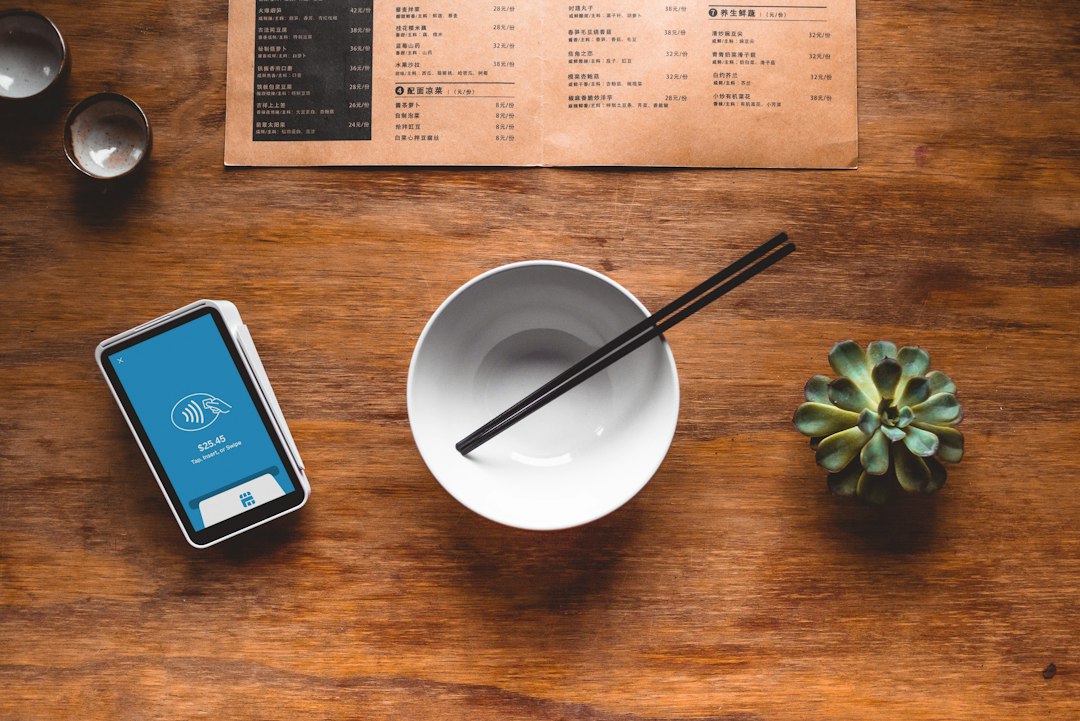
ATMs play the same game with different wording — “convert to dollars before withdrawal?” — and the correct answer is identical. Choosing local currency lets your own bank do the conversion at a rate they can actually explain. My photographer got hit with the ATM version in Mexico City last spring and didn’t notice until her statement arrived: eleven dollars on a single withdrawal. The button she pressed offered zero benefit. It exists purely as a profit center.
One habit that helps: memorize the phrase “local currency, please” in your destination’s language, or just tap the terminal’s local-currency option slowly and deliberately. Slow is the operative word. Every fee trap in this article depends on you moving fast.
The Two-Card Strategy That Keeps Fees Near Zero
Cash still matters abroad, but cards carry most of my spending now, and which cards matters more than anything else on this list. The core rule: carry two cards with no foreign transaction fees — this is non-negotiable, and the annual fee on a good travel card pays for itself in about one international trip. One Visa, one Mastercard, from different networks so that a temporary outage or a stubborn terminal never strands you. A terminal in rural Portugal once refused every Visa in our group; the Mastercard in my backup pocket bought lunch and, more importantly, dignity.
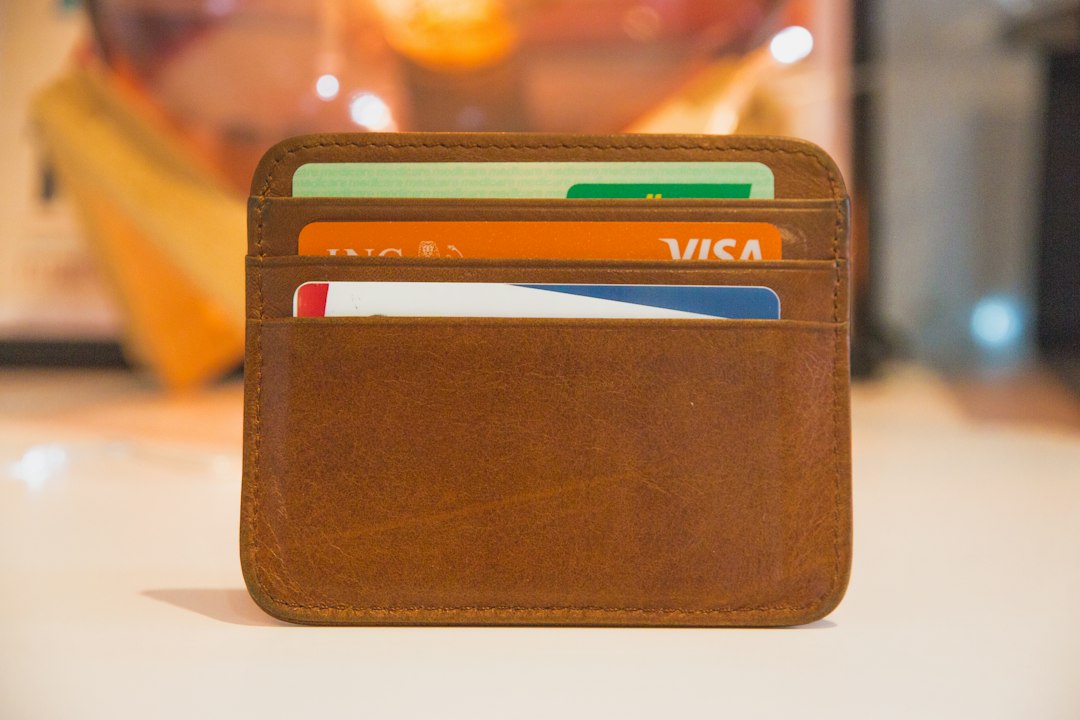
Call your bank before you leave — yes, actually call — and tell them the countries on your itinerary. The frost-factor has dropped since banks got better at fraud detection, but a frozen card in a foreign country is still a rite of passage I’d rather you skip. I keep my primary card in a slim RFID-blocking front-pocket wallet — the Travelambo minimalist leather number has held up through two years of assignments — and the backup lives somewhere else entirely, which brings me to the carry system.

How Much Cash to Actually Carry
The honest answer for most of Western Europe and urban East Asia: less than you think, more than zero. I aim for the equivalent of $100–150 in local bills after arriving, refreshed in bank-lobby withdrawals as it runs low. Markets, small family restaurants, taxi drivers, trailhead parking, the pension in the hills that takes nothing but coins — cash is still the price of admission to the best stuff, and the machines near tourist zones are the most expensive way to get it.

Where you withdraw matters as much as how much. Those standalone ATMs glowing gold in the airport or clustered on a bar street are private machines with private fees — the Euronets of the world, reliably the worst deal in any city. Walk three extra blocks to a bank branch. My team’s standing joke, born in Porto after someone paid $9 in fees for a street-corner withdrawal: “the machine by the ATM is the fee.” It’s not funny. It’s also exactly how they work.

The Split-Wallet Method: Where the Money Lives
Carry-on rules for money, same as for everything else valuable: never put it all in one place. My system, refined with our security-minded producer after a close call in Barcelona that you can read about in our anti-theft bag shootout, splits money into three layers. Day cash rides in a front pocket — small bills, what I’ll actually spend by dinner. The primary card stays in the slim wallet. The backup card, the emergency bills, and the second passport photo live somewhere boring: a HERO neck wallet under a shirt on transit days, or a VENTURE 4TH money belt flat against the waistband when we’re in dense crowds.
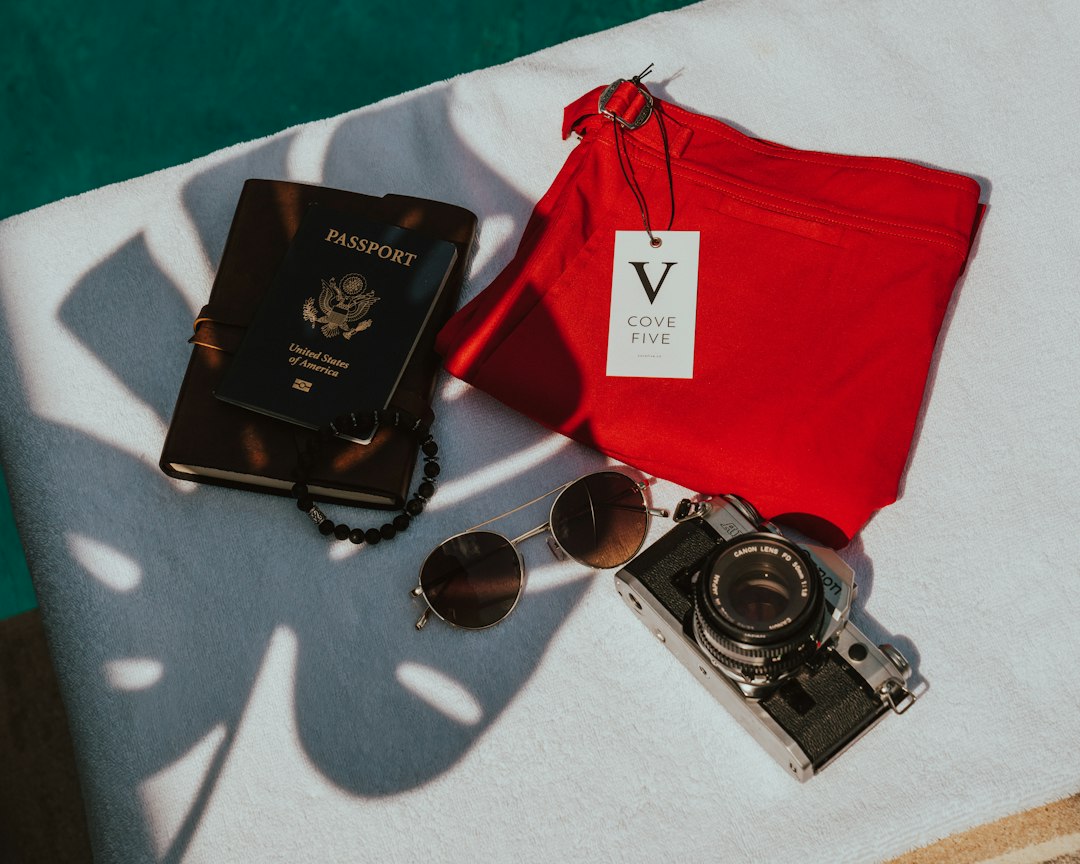
The hidden layer is boring by design. A pickpocket’s economics depend on speed; anything that costs them more than a few seconds to find doesn’t get found. For destinations where I want zero bulk, the Shacke hidden belt wallet threads through a belt loop and disappears under a hem — it carried my backup card through three countries last fall and I forgot I was wearing it, which is the entire point.
When the Machine Eats Your Card: Backup Plans That Matter
Somewhere in a train station in Milan, an ATM swallowed my primary card on a Saturday evening. Not declined — swallowed, with a whir and a receipt for nothing. That trip taught me the last piece of the playbook: true redundancy. Two cards, two banks, and a day’s worth of cash stored separately from your wallet — in your room safe, in your suitcase’s hidden pocket, in your travel partner’s bag. If your hotel has no safe, a cable-locked portable safe like Master Lock’s anchors to a pipe or bed frame and holds the backup layer honestly enough.
The Milano card survived — my bank’s app flagged the withdrawal attempt, froze everything, and reissued within days — but the emergency didn’t touch the trip, because the spare was already in my boot bag. When travel goes sideways in bigger ways, the same separation logic applies: our flight cancellation playbook covers rebooking, and luggage that tracks itself covers the bags — but money is the layer that buys every other fix, so it gets the most redundancy of all. Even a rough landing day has a reset — here’s the ten-minute airport reset my team swears by while the machine spits out your replacement card.
The Travel Money Kit My Team Packs
The full system fits in one pocket organizer. Here’s what’s in it after two years of iteration:
- RFID-blocking slim wallet — primary card, day’s cash, transit pass (Travelambo front-pocket)
- Hidden neck wallet — backup card, emergency bills, spare passport photo (HERO neck stash)
- Money belt — for crowded transit and festival days (VENTURE 4TH), or the zero-bulk slim belt version when even that’s too much
- Family document organizer — one home base for passports and cards when we travel as a crew; the TOPBAG family holder or the waterproof document organizer keeps customs lines civilized
- Spare card sleeve — the backup card’s off-body home (Tipmile slim card holder)
- Portable safe — anchors the backup layer in rooms without safes (cable-lock box)

None of this gear is exciting. That’s the whole thesis. The exciting part of travel is supposed to happen outside — in the market where the vendor counts your change, at the counter where the pastel de nata costs ninety cents. The playbook’s only job is to make sure the money you carry actually pays for those things instead of for the privilege of moving it around.
Start with the two rules that carry the most weight: never exchange at the airport, and always — always — choose local currency when a machine offers to “help.” Those two reflexes alone would have saved me $61 of that original $147. The rest is layering, and layers are cheap. Your future self, sitting at a cafe table with a full wallet and a clean statement, will wonder why it ever felt complicated.
2 thoughts on “Always Say Local Currency: The Travel Money Playbook That Ended My Fee Bleed Abroad”