By ten o’clock on the last night of October, Oaxaca smells like marigolds, copal smoke, and frying dough. Brass bands are working their way up streets you thought you knew, entire families are picnicking beside gravestones under thousands of candles, and nobody — not one person — is wearing a costume. They’re wearing photographs pinned to their shirts. That was my first Muertos three years ago, and I spent the first night getting it wrong: taking flash photos, showing up hungry, trying to see everything. This year my team and I went back with a plan, and this is the field guide I wish someone had handed me before the plane landed.
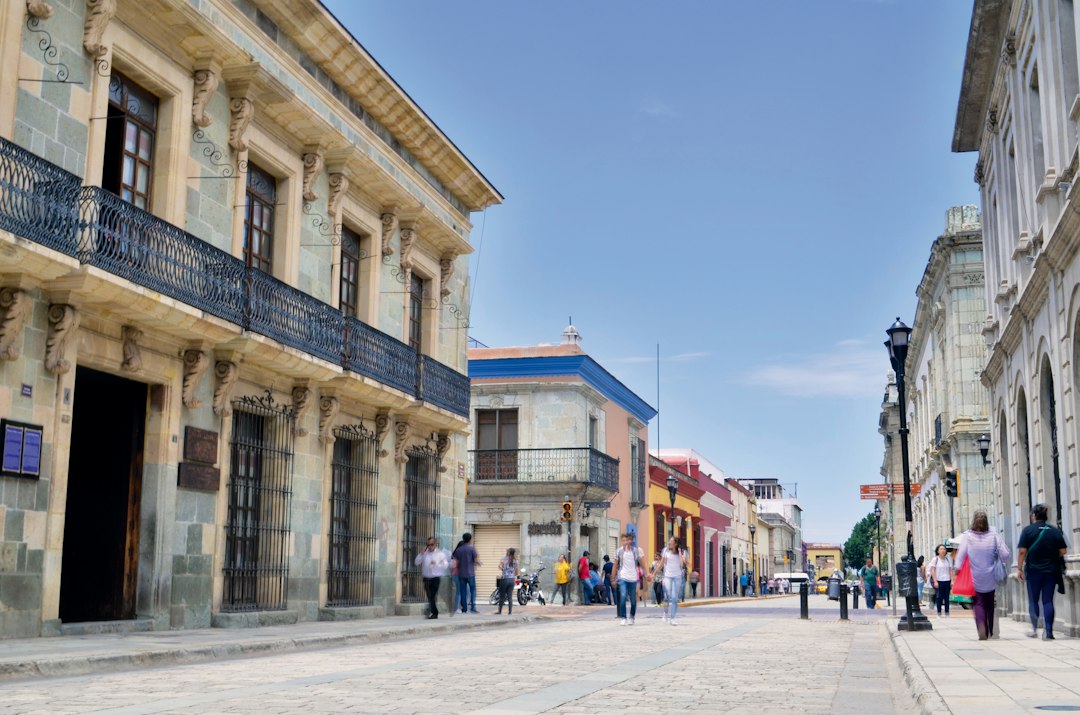
Día de Muertos runs October 31 through November 2, 2026, and Oaxaca is its beating heart — a colonial city of cobblestones and courtyard cafes where the tradition isn’t performed for visitors so much as it simply happens around them. That distinction matters more than any packing tip I can give you.
Book Now or Watch From the Curb
Here’s the uncomfortable truth: if you’re reading this in mid-October, the prettiest guesthouses in the centro are already gone. Our producer booked our rooms in September and still lost her first two choices. The festival has grown every year, and the historic center only has so many rooftops. What’s left tends to sit twenty minutes outside the center — which is fine, honestly, if you’re honest with yourself about late-night taxi math.
Flights into Oaxaca’s airport (OAX) usually connect through Mexico City, Houston, or Dallas. If the fares look brutal, compare flying into Mexico City and taking the seven-hour bus or a cheap connecter — the scenery through the mountains is genuinely worth it. Wherever your documents end up, keep them in a slim passport wallet you can carry across your body, because you’ll be in more crowds in three days than most trips generate in a week.
The Three Nights, Decoded
The single biggest mistake first-timers make is treating Muertos like one event. It’s three, and they have different rhythms.
October 31 is Xoxocotlán night. The famous cemetery in the neighboring town fills with families, marigold arches, sand tapestries, and — by 9 p.m. — a river of visitors walking among the graves. Go early, leave room in your evening, and expect the entrance to feel like a stadium crowd.
November 1 belongs to the angelitos — the children who died, who are believed to come home first. This is also the night the comparsas own the streets: rolling, dancing, brass-blasting processions that go until two or three in the morning.
November 2 is quieter and, honestly, my favorite. Families spend the full day at Panteón General and the village cemeteries, repainting graves, eating, singing. It’s less spectacular and more true. If Salem in October taught me anything about planning around a city’s one big weekend, it’s that you build the itinerary around the emotional peaks, not the Instagram ones — our Salem field plan saved us from exactly this kind of first-timer chaos.
Learning to Read an Ofrenda
Every doorway, hotel lobby, restaurant, and market stall builds an ofrenda — a three-tiered altar meant to welcome specific souls home. Once you know the vocabulary, you stop seeing “a pretty display” and start reading letters. The photograph in the center names the person. Their favorite food sits beside it — tamales for one grandfather, a beer and cigarettes for another. Salt for purity, water for the journey, pan de muerto because no soul should arrive hungry.
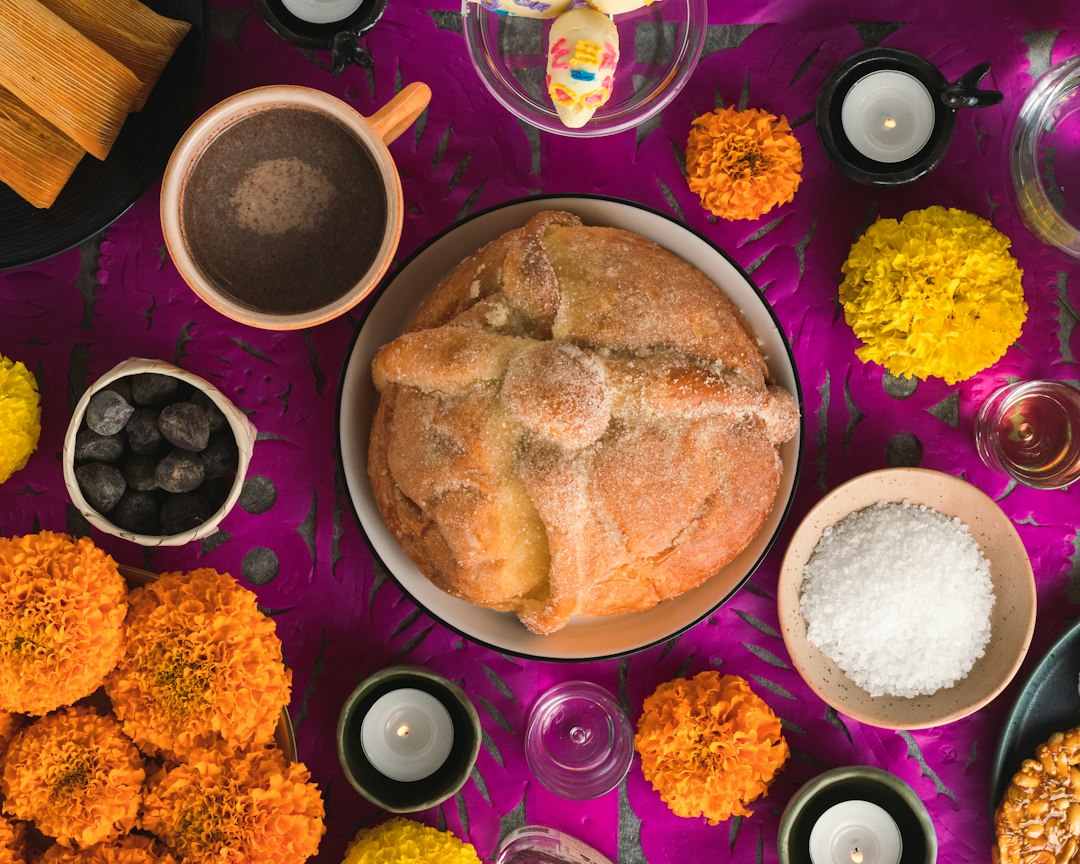
Our fixer walked us through one at a small print shop where the owner had built an altar for her mother: forty candles, a mirror so the soul could fix her hair, and a bottle of tequila that, per the family, had been her only vice. I stood there longer than I stood in front of any church in this city. Walk the side streets east of the Andador Turístico and you’ll find a dozen of these, unvisited and unhurried.
Cempasúchil: The Flower That Does the Signposting
The marigold — cempasúchil — is the whole festival in one flower. Its color and scent are said to guide the dead home, so families scatter petals in a path from the street to their door, like landing lights for a soul. During festival week the mercados sell them by the bucket, and the entire city takes on an orange haze that photographs never quite capture.
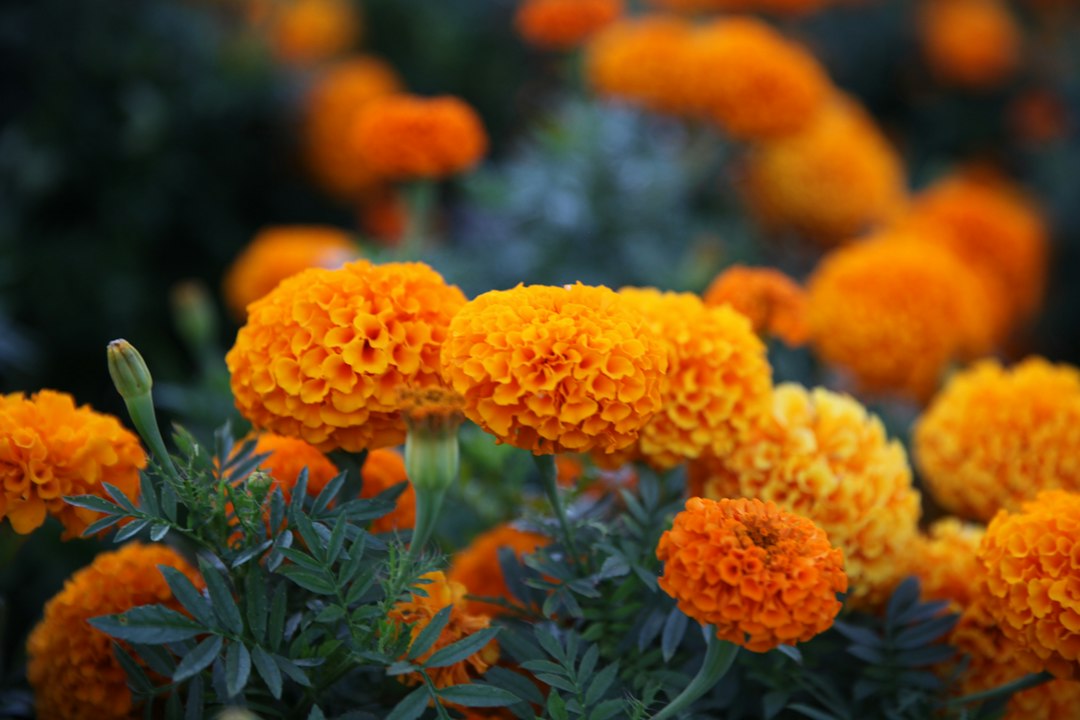
Buy yours from the abuela at the market stall, not the hotel gift shop. It’s a third of the price, ten times the volume, and the money goes where it should.
The Comparsas Will Find You Before You Find Them
You do not need a schedule for the comparsas. You need comfortable shoes and a willingness to be ambushed. Around dusk on November 1, neighborhoods assemble marching bands, costumed dancers with feathered headdresses and painted faces, giant papier-mâché skeletons, and monarca wings — then they tear through the streets for hours, drums echoing off colonial walls, children racing alongside, doors opening to hand out mezcal to passing dancers like it’s a water station.
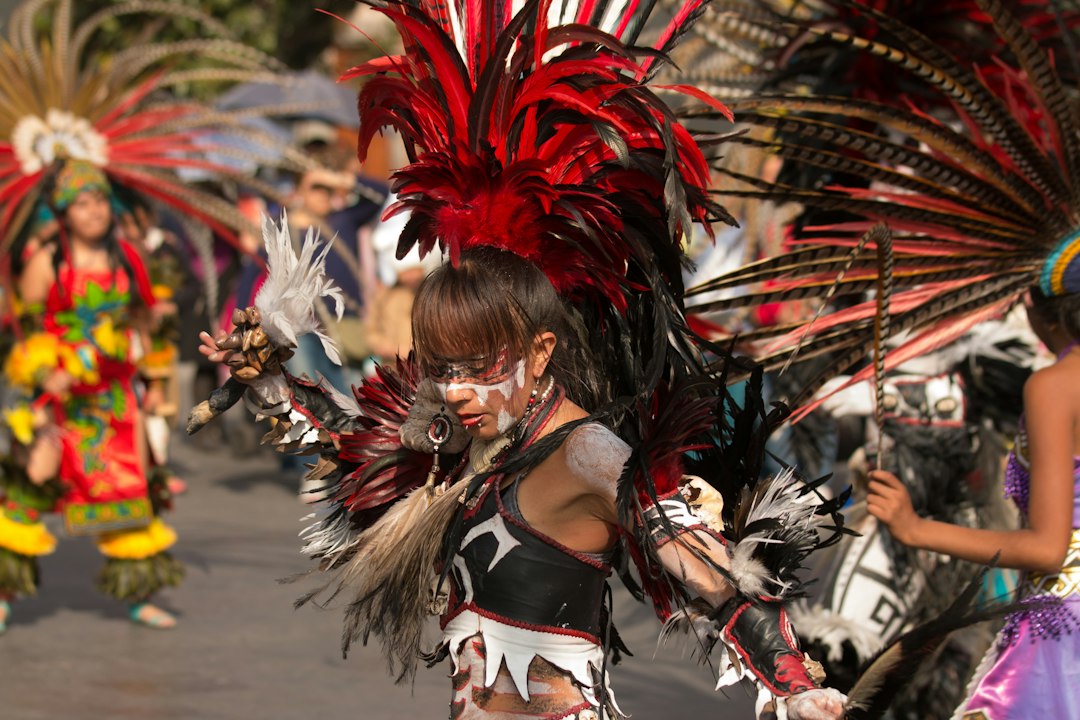
Two practical notes from someone who learned the hard way. First, pickpockets work crowds this dense, so carry everything in an anti-theft crossbody bag with locked zippers and leave everything else locked at the hotel. Second, you will film the entire first comparsa and then discover your phone is at 12 percent before the second one arrives. Bring a power bank that holds a real charge, or accept that some memories will just have to be memories. During the day, a daypack that stuffs into its own pocket is all you need between the mercado and the museum.
Face Paint Has Rules
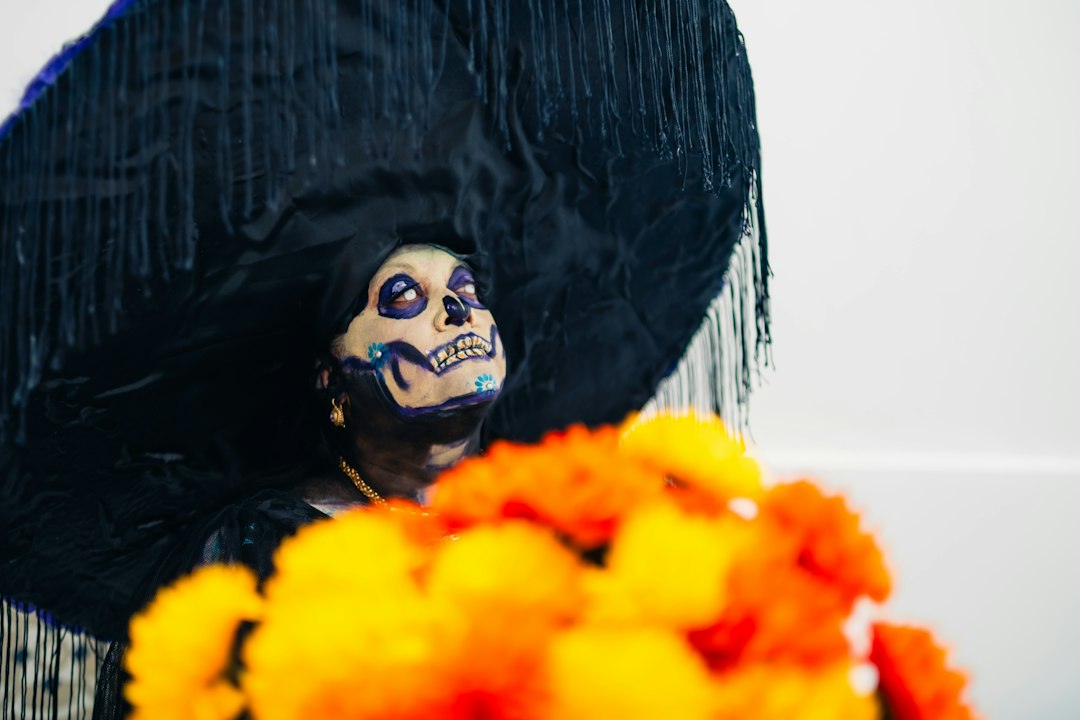
The Catrina — the elegant skull — is Oaxaca’s most famous face, and yes, visitors painting their faces is genuinely welcome. In the streets, at the comparsas, at the plaza: paint up, join the parade, be part of it. The makeup is an homage, not appropriation, and painters set up all over the center from mid-morning onward.
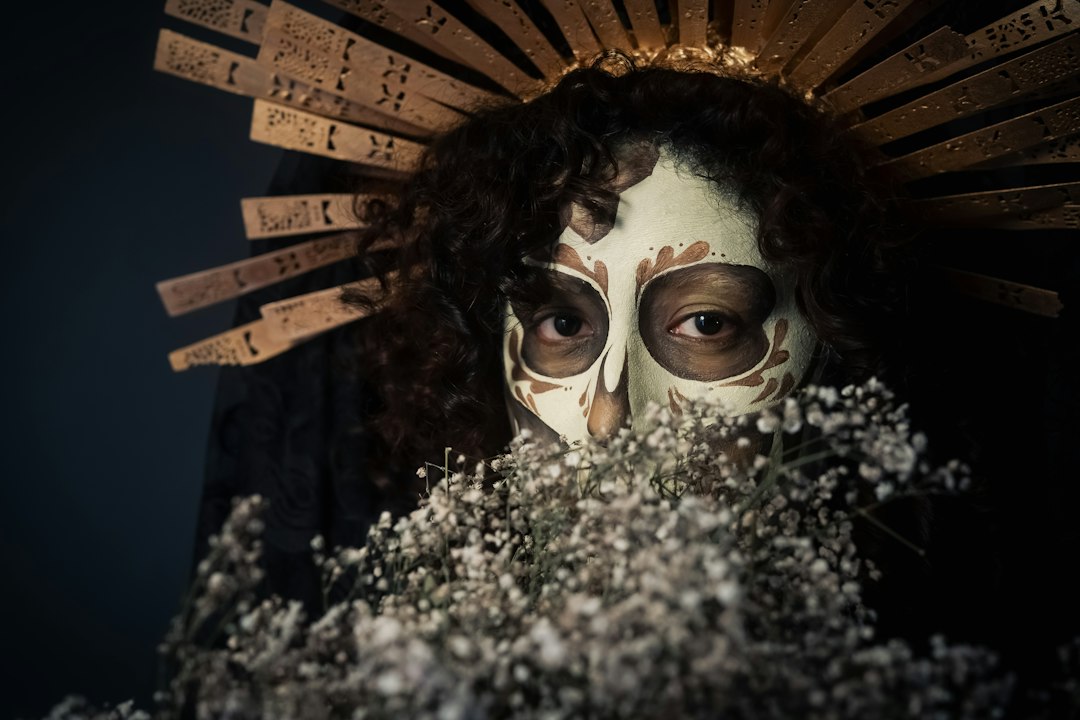
But read the next section before you book a painter for cemetery night.
Going Into the Cemetery at Night
This is where Muertos stops being a festival and becomes something else entirely, and it deserves every ounce of respect you can bring. Families spend the night at gravesides — decorating, eating, singing, crying. You are walking through someone’s family reunion, and in some cases, someone’s fresh grief.
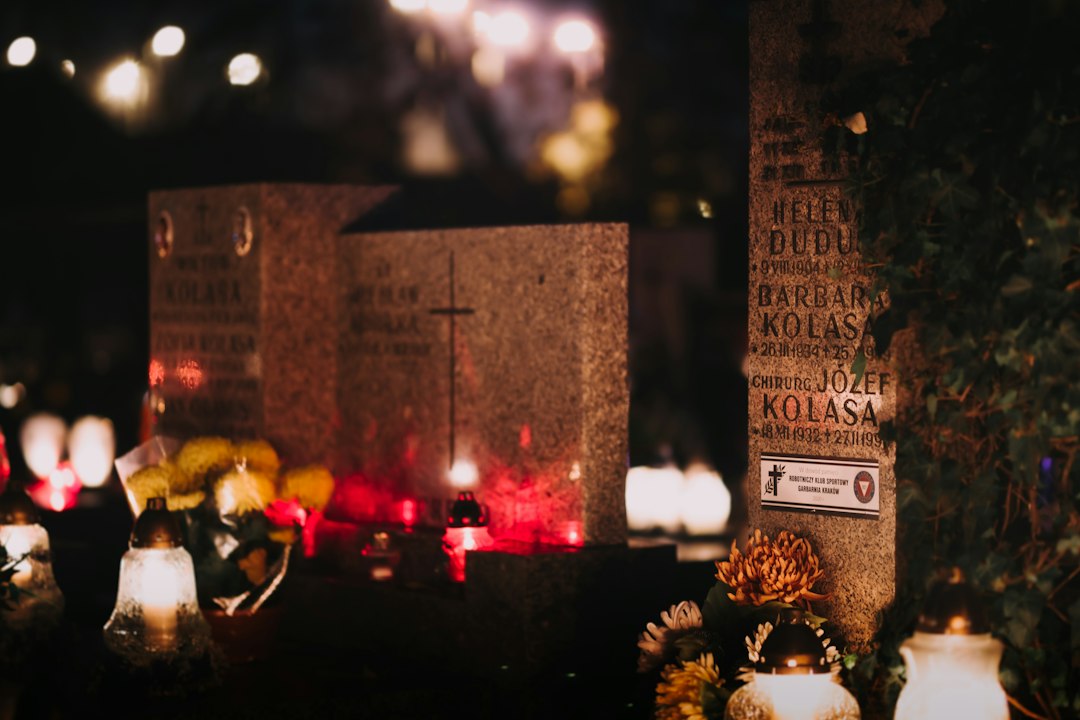
The rules my team follows, earned through a few embarrassing corrections from patient locals: wear dark, muted clothing. Skip the face paint at cemeteries entirely — it reads as a costume at a vigil. Never step on a grave, even the flat ones. Yield the path to anyone carrying armfuls of marigolds, candles, or food; they have somewhere to be. Ask before any close-up photograph — a smile and a nod will get you further than Spanish fluency. If a family is quiet, move along softly. If they wave you over and offer you a tamal, say yes.
Logistics are their own survival game. Agree on your taxi fare before you get in — no meters at midnight in Xoxo — and better yet, arrange your return ride in advance. Improvising transport out of Xoxocotlán at 3 a.m. means negotiating with strangers in the dark while dead tired. For photos, skip the flash entirely: brace your phone against a low wall or bring a bendy phone tripod and let the candles do the lighting. And pack a filter bottle — you’ll drink more water than you expect walking for hours, and refills are everywhere.

Eat Like It Matters, Because It Does
The food is not beside the point — it is the point. Mole negro, the seven-ingredient Oaxacan masterpiece that takes days to make, lands on ofrendas and dinner tables the same week. Hot chocolate whisked until it foams, with a piece of pan de muerto dusted in sugar and orange blossom. Tamales steaming in banana leaf. Around the cemeteries, families grill meat and pour coffee at midnight like it’s a tailgate, because functionally, it is.
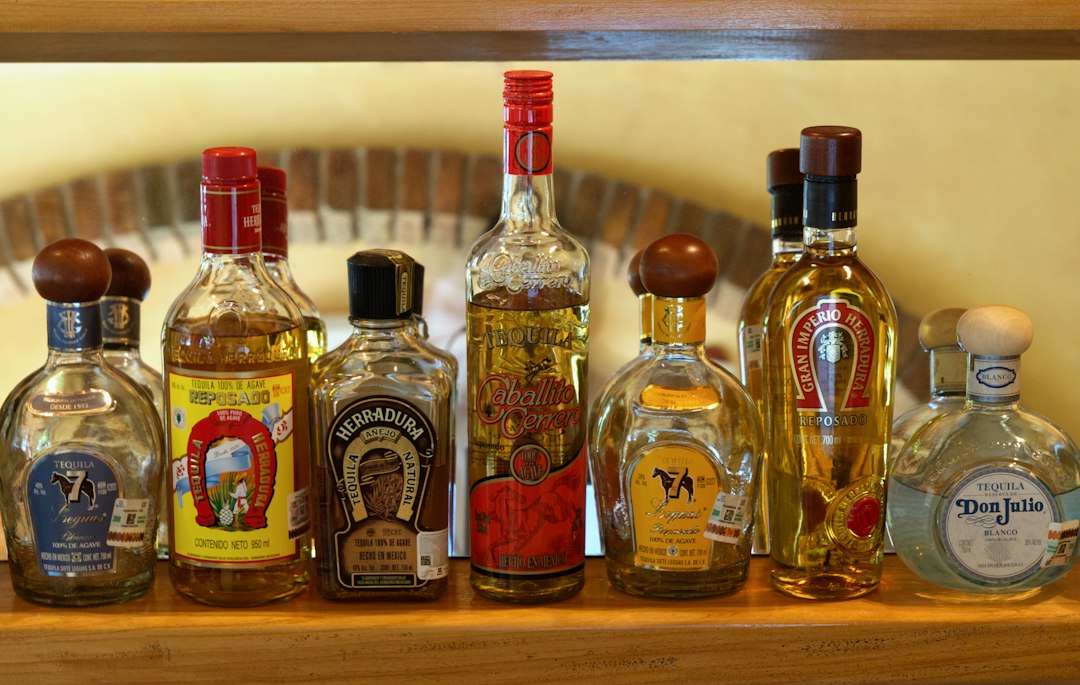
And the mezcal. This is its homeland. Drink it the local way — small sips, never shots, with orange slices and sal de gusano. If your only mezcal experience has been airport gift shops, a tasting at a small palenque outside the city will rearrange what you thought that word meant. Book the third night for dinner somewhere with a courtyard and no agenda after.
What the Team Carries for Three Nights on Cobblestones
Oaxaca in early November runs hot afternoons and jacket-cool nights — the city sits over five thousand feet up, and once the sun drops behind the hills you’ll feel it. Layers are the whole game: a merino base layer under a light jacket handles every hour of the day, and merino packs small enough to disappear into packing cubes without hogging your bag. Footwear is non-negotiable — cobblestones punish dress shoes, so bring actual walking shoes broken in before you fly.
Cash rules the festival. Market stalls, candle sellers, face painters, tamales at midnight — none of it takes a card, and the ATMs near the center run dry by November 1. Carry the day’s pesos in a flat money belt against your body rather than a wallet, and pull from bank ATMs in daylight. We’ve written a whole playbook on saying local currency at every terminal abroad — it will save you real money on this trip.
One more thing on getting around: we skipped renting a car entirely and used taxis the whole trip, which was the right call for festival logistics. If you do rent one for the villages, document every panel before you drive off — a sixty-second walkthrough video once beat a $1,100 damage claim for one of our crew, and that lesson travels everywhere.
Go Home Different
On our last morning, the woman who ran our guesthouse took down her ofrenda and pressed a marigold from it into my hand. Her mother’s altar, her mother’s flower, given to a stranger because he’d asked good questions and stayed quiet at the right moments. That’s the deal this festival offers. You don’t attend Día de Muertos. You’re briefly, generously allowed inside a family’s act of remembering — and if you do it right, you fly home thinking about the people you’d build an altar for.
Book the room. Break in the shoes. Practice one honest question in Spanish. The marigolds will handle the rest.