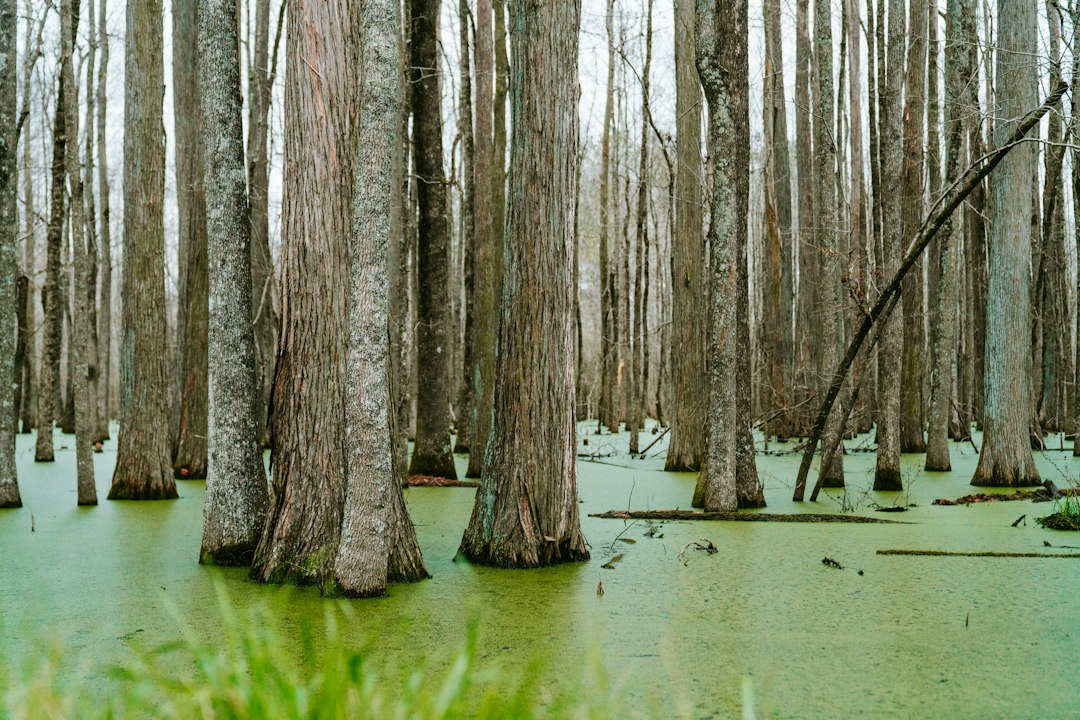
The put-in at Back Johnson’s Landing was still dark when we slid the canoe off the rack, and the air smelled like wet bark and something older underneath it. By the time the sky went from black to gray, steam was lifting off the water in slow columns, and the cypress closest to us had turned the color of a new penny. That’s the moment you understand why people drive four hours from Dallas or Shreveport for this. Photos of Caddo Lake are everywhere — the moss-draped trunks, the mirror-flat water — but nobody warns you that in late October the whole swamp quietly catches fire, one needle at a time.
Caddo Lake sits on the Texas-Louisiana line, about as far east as you can go in Texas without crossing it, and it holds a title no other lake in the state can claim: it’s the only large natural lake in Texas. Everything else with a shoreline down there was dammed into existence by engineers. This one built itself, more or less, out of a river’s bad habit of jamming up.
A Lake a Logjam Built
Geologists think the lake was born a few hundred years ago when the Red River logjammed — an enormous snarl of fallen trees and silt called the Great Raft — backed water up through the low piney woods until tens of thousands of acres flooded. The Caddo people lived around and on that water for centuries before steamboats started working their way up from New Orleans toward the port of Jefferson. In the 1830s, Captain Henry Miller Shreve spent seven years and a crew of 150 men pulling the Raft apart snag by snag, which is why a city in Louisiana wears his name. The lake drained substantially, then partially refilled behind later work, and what survived is the maze of bayous, sloughs, and open ponds you paddle today.
That tangled origin story explains why the place feels like a forest that got flooded rather than a lake that got trees. Because that’s exactly what happened. The bald cypress — thousands of them, some centuries old — stand right in the water on flared knees, and in 1993 the lake earned Ramsar status as a wetland of international importance, the 13th site in the U.S. to get that nod. If you’ve only ever seen Texas as highway and desert, this corner will rearrange your assumptions completely.
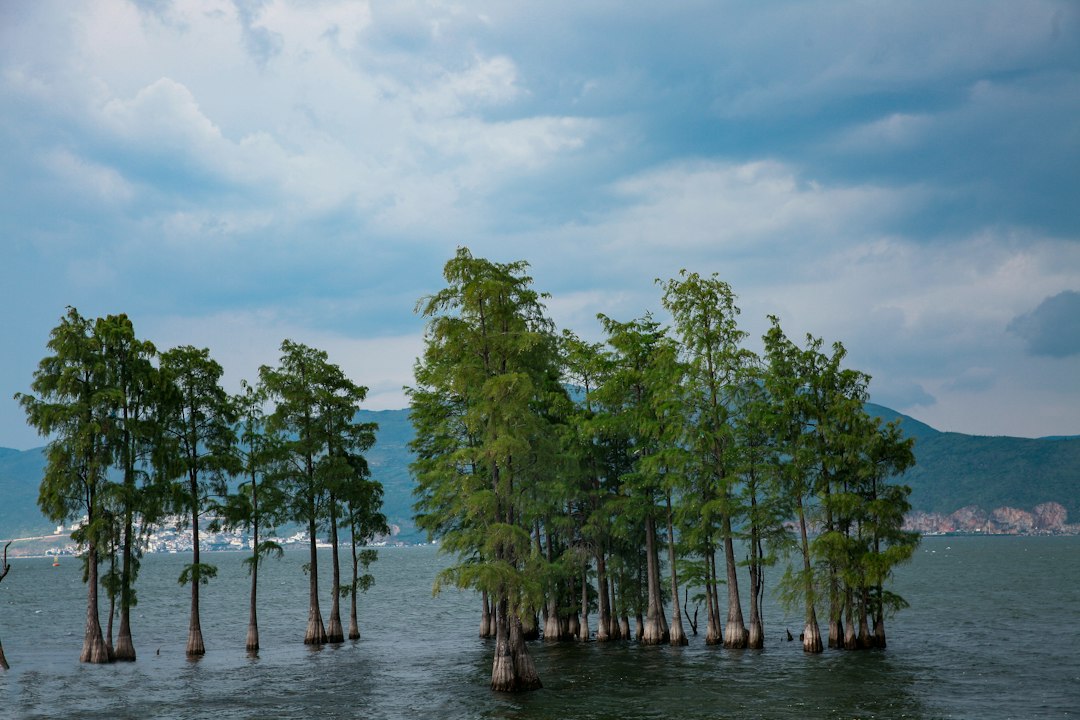
My crew for the weekend was two canoes and a kayak, and we’d deliberately timed the trip for the last week of October. That’s when the cypress needles — soft, feathered, and completely unlike pine — shift from green through gold into a deep rust-orange before dropping into the water all winter long. The transformation is not subtle. Go two weeks early and you get green with hints of brass. Go two weeks late and the trees are bare skeletons wearing moss. The window is generous, running roughly from now through late November, but the sweet spot moves with the cold snaps.
The Two-Week Window Nobody Can Promise
Here’s the honest version of fall-color forecasting for a swamp: nobody can. The needles turn on their own schedule, driven by how early the cool nights arrive, and Caddo doesn’t publish a peak map the way a ski resort reports base depth. What I can tell you is what worked for us. The last week of October through the first ten days of November hit it dead center this season, and locals told us the same stretch usually does. Book lodging and boats for that window and accept the gamble — even a half-turned swamp at 7 a.m., with mist on the water, beats almost anything else happening in Texas this time of year.
The mist deserves its own sentence, because it’s the reason photographers outnumber anglers out here in autumn. Cool air over water that’s still holding summer heat produces fog that stands in columns between the trunks, and it burns off by mid-morning. Every campervan nomad and weekend warrior we met out there had the same alarm set. If you want the postcard, you get up in the dark. There’s no negotiating with the sun.
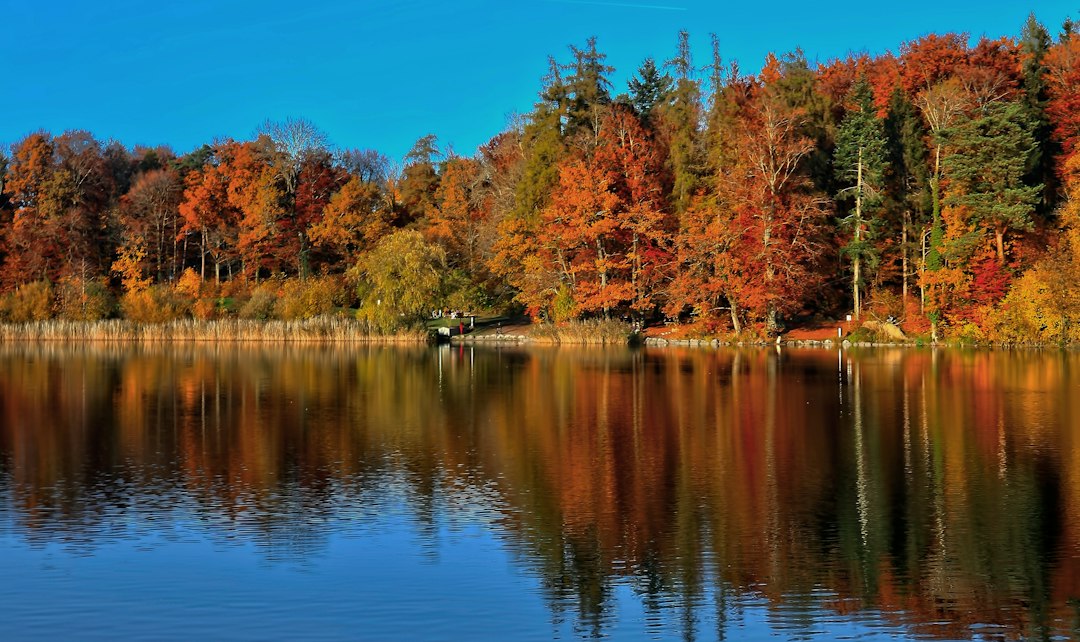
One more reason the late-October timing matters: it’s the front edge of the real season. Summer at Caddo is hot, buggy, and gloriously green. Winter is moody and half-bare. But late fall into winter also brings the bald eagles down from the north, and by November the herons, egrets, and the occasional osprey have the place half to themselves. Bring optics and use them — a decent pair of compact waterproof binoculars lives in my dry bag from October onward precisely for mornings like these, when something big and gray lifts off a snag 80 yards out and you want to know what it was before you commit to paddling over.
Where to Put In
You’ve got three realistic launch strategies, and the right one depends on your comfort level with getting mildly lost.
The simplest is Caddo Lake State Park near Karnack. The park covers 484 acres above the lake on Big Cypress Bayou, and you can rent a canoe right at the park office, drag it down to Saw Mill Pond, and paddle a sheltered, beginner-friendly corner of the system without ever touching the big open water. The CCC-built cabins and trails make it a full-basecamp option, and rangers can point you toward which paddling trails suit your skill. For a first visit, this is where I’d start.
The second is the town of Uncertain — yes, that’s the real name, population barely three digits, on the lake’s western shore — where outfitters run guided pontoon tours and rent kayaks by the day. A guided boat is the correct answer if you’re traveling with people who love the swamp but not the paddling, and the captains who run these tours grew up in these bayous. They know where the alligator gar roll and which channels go dry when the level drops.
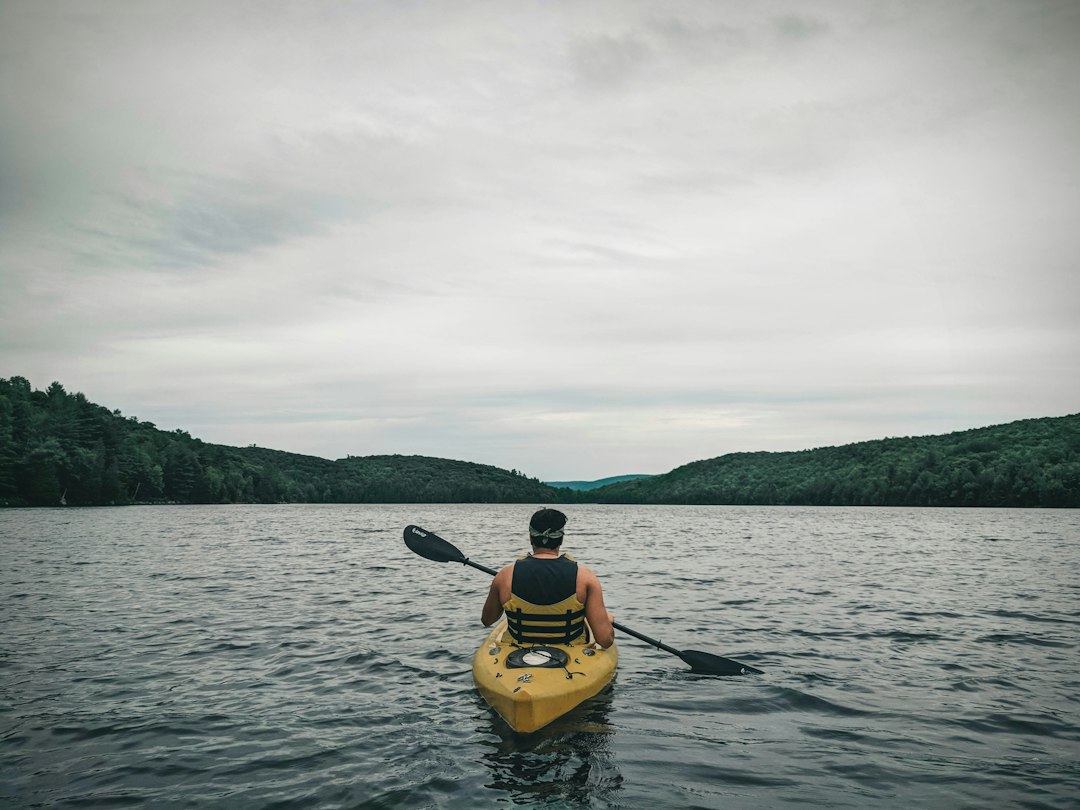
The third option is bringing your own boat and running the marked trails, which is what we did. The Caddo area has ten official paddling routes totaling more than 50 miles, marked with numbered signs nailed to trees. Get the trail map before you go — the Caddo Lake Institute publishes one — because the markers are real but the swamp is under no obligation to make them obvious. Hell’s Half Acre, out toward the open lake, is the trail locals save for confident paddlers: bigger water, more wind exposure, and channels that all look identical at dusk. We ran a loop off Goose Prairie instead and still managed one twenty-minute detour into a dead-end slough, which the team has now agreed to describe as “an extended wildlife viewing opportunity.”
Reading the Water Without Getting Lost
Navigation out here is genuinely different from lake paddling anywhere else, so a few habits matter. Take a photo of the trail map with your phone before you launch, and screenshot your route. Carry a real light and spares, because the fog that makes the place magical also makes 5 p.m. arrive early under the canopy — a rechargeable waterproof headlamp is cheap insurance against paddling out in the dark. And keep your phone in a waterproof pouch on a lanyard, not in your pocket, because nobody stays dry in a canoe forever.
Everything that must survive the trip — snacks, spare layers, camera gear, the map — goes in a roll-top dry bag, and everything else should be assumed lost. Wear the life vest instead of sitting on it; the water is warm, the bottom is muck, and flipping 200 yards from shore in November is a story you only get to tell if you’re wearing one. If you’re renting, ask the outfitter for a vest that actually fits, and if you own your own setup, a low-profile kayak-specific PFD is worth the upgrade over the bulky orange horse-collar styles, if only because you’ll actually keep it on.
Two smaller items earned permanent spots in our kit. The muddy banks at the ramps eat flip-flops, so wear neoprene water shoes you can hose off later. And when you find a channel of birds or a patch of peak color, a lightweight kayak anchor lets you hold position instead of doing constant correction strokes while you shoot photos or eat lunch. It is, per my paddle partner, the difference between drifting through the good part and actually being there for it.
Photographing a Swamp Without Lying About It
Here’s what I’ll admit freely: your first hundred photos of Caddo will be worse than what you’re seeing, and that’s fine. Swamp light is contrast light — black water, bright mist, trunks in every direction — and the fix is timing plus one piece of glass. Go at sunrise, shoot toward the light, and let the moss and trunks go to silhouette. On clear middays, a circular polarizing filter cuts the glare off the water so the reflection and the needles both read at once; it’s the single most useful $30 you can add to a swamp photography kit. Skip the tripod unless you’re serious — the canoe moves more than you think.
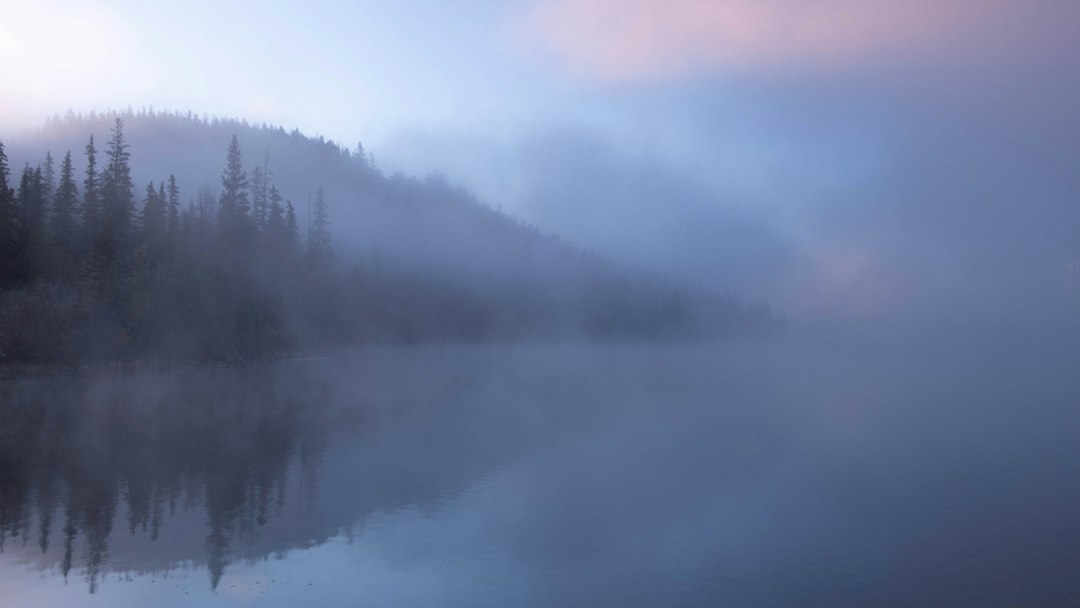
The other trick is to stop chasing the wide postcard and shoot small. One knee reflecting in dark water. A single rust branch against the moss. The way fog erases the far shore until the lake looks infinite. The grand vistas are everyone’s first instinct, but the intimate frames are what make people ask where you went.
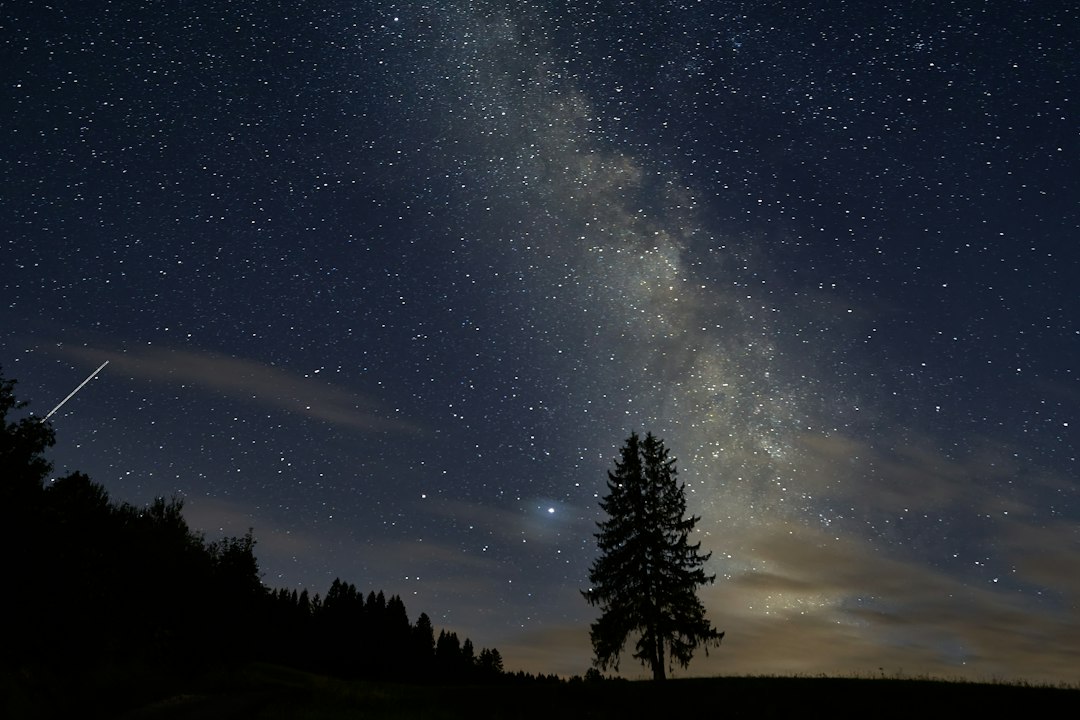
Worth noting for the planning types: this corner of East Texas is genuinely dark at night. The nearest real light pollution is Shreveport, well off to the southeast, and on a clear new-moon night the Milky Way stands directly over the water. We stayed out past dark one evening against my own better judgment and got rewarded with a sky you usually have to drive to the desert for. If autumn stargazing is your thing, our writeup on catching the Orionids meteor shower covers the moon-window logic that applies anywhere this fall.
Where You Sleep Shapes the Trip
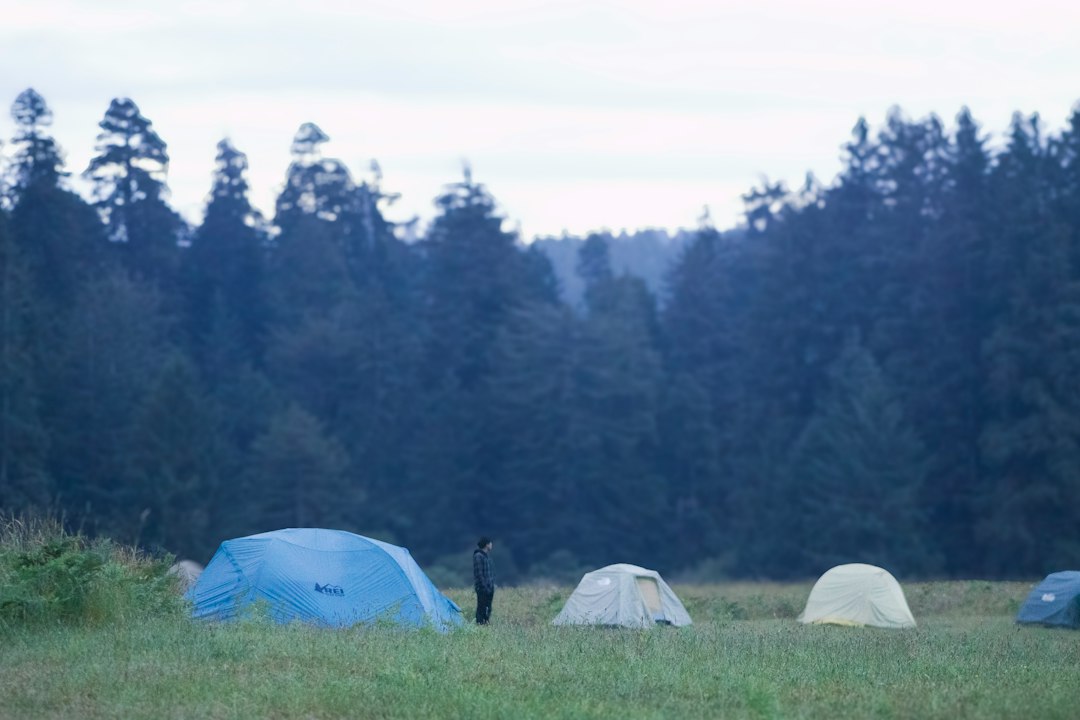
Lodging around Caddo runs the full spread. Inside the state park, the CCC-built stone-and-timber cabins from the 1930s book out early for fall weekends, and the campgrounds among the pines are quiet, wooded, and reliably available when the cabins aren’t. Our tent setup in the woods a short walk from the water cost less than dinner for the crew, and waking up inside the fog line instead of driving to it bought us the best hour of the whole trip.
Outside the park, the town of Uncertain has a handful of fishing lodges and historic inns with screened porches and rocking chairs, and the old river port of Jefferson, twenty minutes west, is the place for proper Victorian bed-and-breakfasts, antique shops, and ghost-story tours. Jefferson also makes a strong half-day on its own — its historic downtown dates to the steamboat era when it was one of the busiest ports in Texas, which is a strange and excellent thing to say about a town two hours from anywhere navigable today.
What I’d Tell a Friend Making the Drive
Go for two nights minimum, and anchor the trip around one foggy sunrise — that’s the headline. Rent canoes at the state park if you’re new to paddling, or book a guided pontoon day out of Uncertain and save your energy for looking up. Pack for mud, pack for bugs on any warm afternoon (a bottle of picaridin-based repellent in the dry bag settles the second problem without melting your gear), and pack a steel vacuum thermos because cold mornings on flat water are what thermoses were invented for. Polarized sunglasses matter more than you’d expect too — the polarized fishing styles cut surface glare so you can actually read the channels and spot turtles and gar beneath you.
And if the calendar is steering you rather than the color forecast, lean into it: this is a genuinely great stretch for a Texas autumn loop. Caddo’s rust swaps naturally into a trip toward Lost Maples, where Texas’s surprise maple season peaks in the same weeks, or you can point the car west afterward and ride the cooling curve into Big Bend’s opening season. East or west, the state does autumn — it just doesn’t advertise.
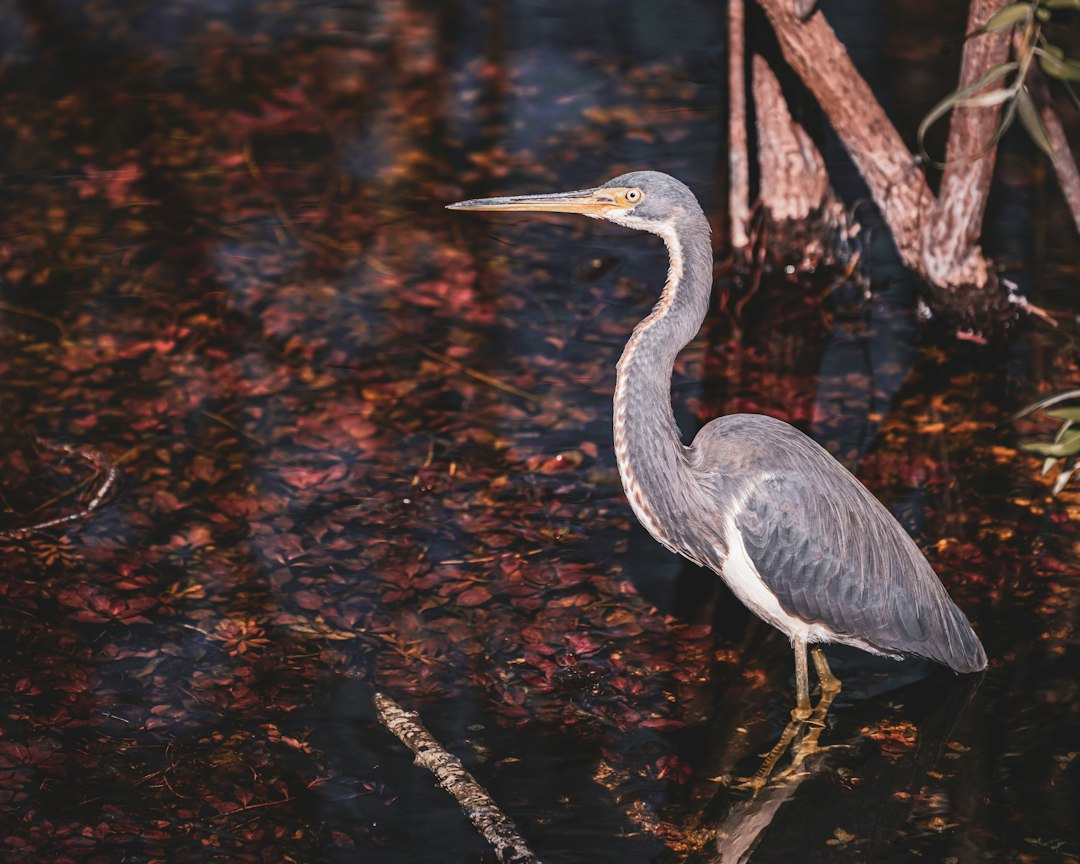
Standing in the last of the mist on our final morning, watching a heron stalk the shallows under a tree the color of rust, one of the crew said what we were all thinking: this doesn’t feel like Texas. It feels like the setting of a story someone made up. But it’s on the map, it’s an easy weekend from two major cities, and for the next few weeks it’s wearing its best coat. Uncertain, Texas, certain payoff. Just don’t forget the dry bag.