The train slides out of Grand Central on the Hudson Line, and forty minutes later the river opens up wide and gray-green on the left, the Palisades throwing early shadows across the water. By the time you step off at Tarrytown, the air smells like wood smoke and wet leaves, and every lamppost on Broadway is wearing a pumpkin. I have covered Halloween towns all over this continent, and I keep coming back to this one for a simple reason: nowhere else leaned in quite this hard. One week from tonight, this two-village stretch of Westchester will host the single most concentrated Halloween celebration in North America, and tonight, as I write this, its parade is already stepping off down Broadway.
My crew and I have now made this run three Octobers running — a photographer who lives for low-light work, a researcher who reads deed records for fun, and me, carrying the thermos. Here is everything we have learned about doing Sleepy Hollow and Tarrytown the right way, distilled into one week-of-Halloween playbook.
Why One Village Changed Its Name for a Ghost
In 1820, Washington Irving published “The Legend of Sleepy Hollow” and accidentally invented the American Halloween story. A superstitious schoolteacher named Ichabod Crane rides home one night past the old Dutch burying ground, meets a headless rider, and is never seen again. The tale made the Hudson Valley’s most famous fictional ghost a permanent resident.
Then in 1996, the village of North Tarrytown did something remarkable: it voted to rename itself Sleepy Hollow. Not a marketing district, not a visitor board rebrand — the actual municipality, letterhead and all, chose the ghost. That decision is why you can today mail a letter to the Headless Horseman’s hometown, and it explains the total absence of irony you feel on every street corner in late October. The horseman is not a mascot here. He is effectively a taxpayer.
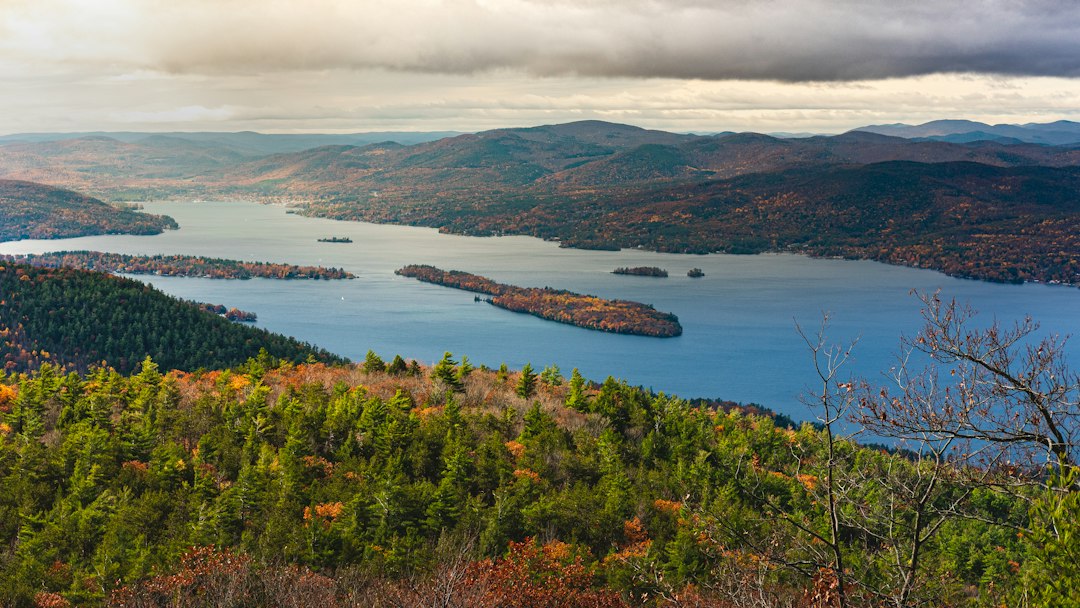
If you want the broader leaf-season picture for the Hudson Valley, our 2026 fall foliage forecast covers how to time the color; late October usually still holds gold on the river hills, especially south-facing slopes.
The Blaze: An Army of Carved Pumpkins on an 18th-Century Lawn
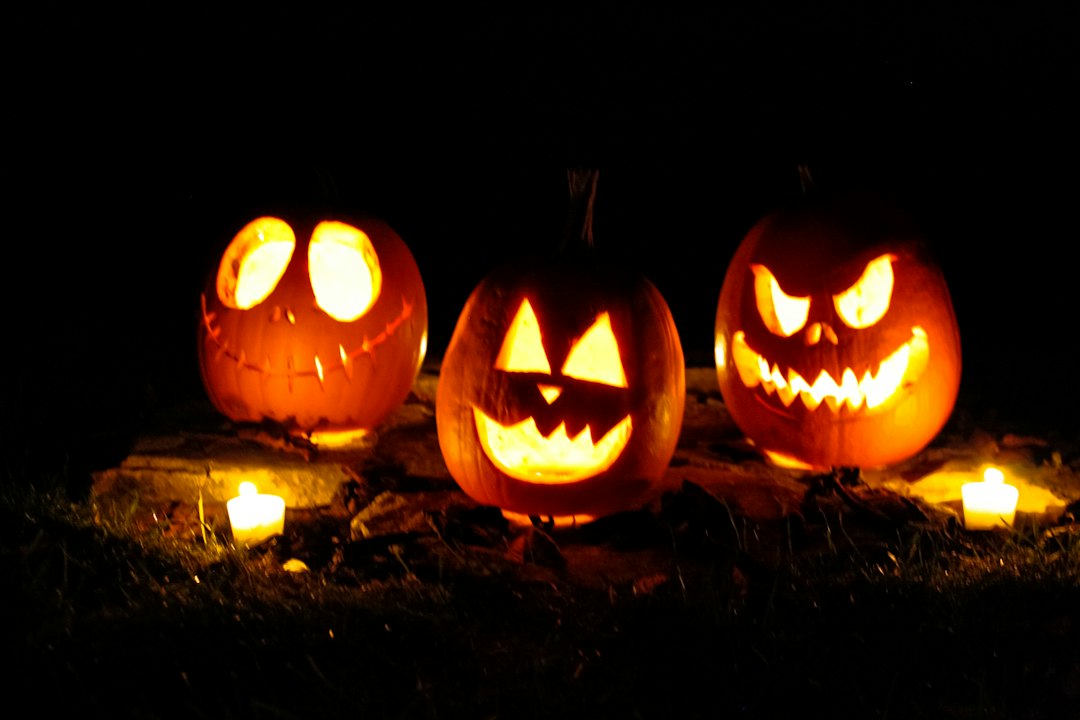
The Great Jack O’Lantern Blaze is the engine of the whole season, and no description quite prepares you for the scale. Historic Hudson Valley has run it since 2005 at Van Cortlandt Manor in Croton-on-Hudson, a fifteen-minute drive north of Tarrytown, and the 2026 edition — running September 18 through November 8 — features the longest trail in the event’s history. Thousands of hand-carved pumpkins are arranged along the riverside grounds: jack o’lantern dinosaurs, a pumpkin Zoltar, cascades of glowing orange arching over stone bridges, all of it staged against the dark silhouette of a genuine colonial estate.
Every night in October is a Blaze night, which is also the warning. Timed-entry tickets are mandatory, and the last two weekends of the month sell out first — we booked our Halloween-week slots in early September and watched our second-choice dates vanish within days. Go on a weeknight if you possibly can. Tuesday and Wednesday crowds move at walking-pace serenity, while Saturday flows like rush hour.
Three tactics that have served us well: take the earliest entry slot of the evening (the light at dusk lets you see the manor grounds before full dark, 
and you beat the crowd wave), spring for the Gourd & Goblet tavern ticket if you want a drink stop mid-trail, and give yourself ninety minutes minimum. My photographer shot the pumpkin tunnel for forty-five minutes alone. A small pocket-size phone tripod earns its spot in your coat on this one — long exposures are the only way to do the displays justice, and the compact ones set up on a fence post in seconds.
Reading the Legend Where It Was Written
The daytime Sleepy Hollow is quieter but no less satisfying, because the source material is physically still here. Irving’s own home, Sunnyside, sits on the river a few minutes south of the village, and this fall Historic Hudson Valley’s Legendary Tours run straight through November 8 — an evening that includes the story of how the Legend was written, an original shadow-puppet film of the tale, and lawn games on the grounds, which sounds twee until you find yourself competing seriously at hoop-and-stick in the dark.
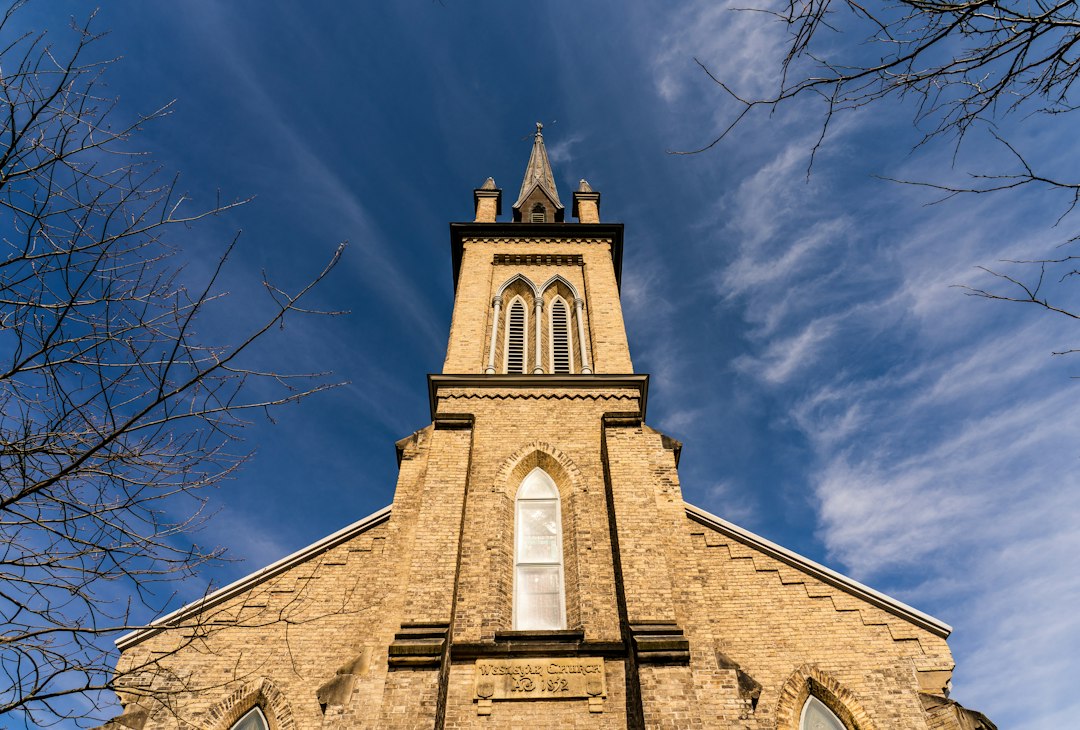
In the village proper, the Old Dutch Church — the one from the story, consecrated in the 1690s — still stands in its ancient burying ground off Broadway. The stone walls are exactly as heavy and low as Irving described them. Weekends bring guided walking tours that connect Philipsburg Manor, the church, and the burial ground in about ninety minutes; the guides here are local historians who know which headstones Irving renamed for his characters, and which family plots still answer questions at the visitor center.
Philipsburg Manor itself, the 18th-century mill and trading site on the Pocantico River, does double duty — historic site by day, haunted attraction by night. Its working waterwheel is one of the most photographed objects in the county, and in October the whole site tips toward the macabre after dark.
The Cemetery After Dark
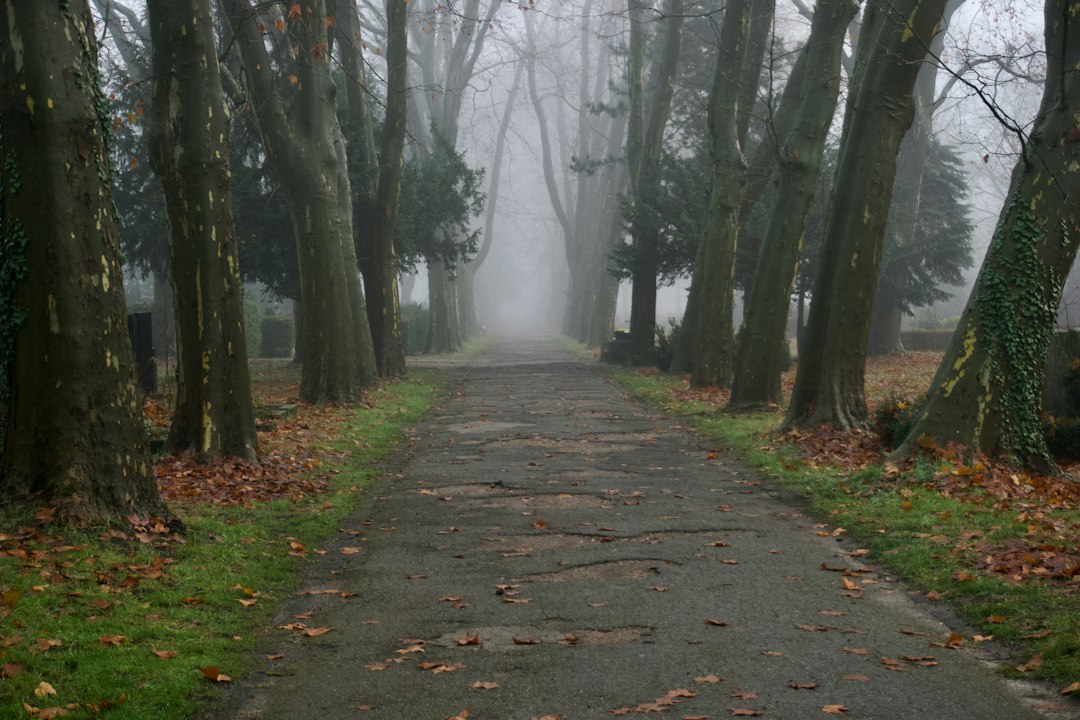
Sleepy Hollow Cemetery is the genuine article: ninety rolling acres where Washington Irving lies a short walk from Andrew Carnegie, Walter Chrysler, William Rockefeller, and Elizabeth Arden. In October, the cemetery runs its classic evening lantern tours — two hours through the grounds lit by kerosene lamp, which is exactly as atmospheric as it sounds. The guides stop at the tycoons’ monuments and at Irving’s grave, where a small reproduction of the Headless Horseman Bridge stands near the plot.
One honest logistics note from our researcher: if visiting Irving’s grave itself matters to you, the daytime tours and grounds hours are the more reliable way to see it up close — October evenings prioritize the lantern route. Book whatever version you choose days ahead; October is the cemetery’s Super Bowl, and walk-up spots evaporate by mid-afternoon. The nighttime walk is genuinely dark, by the way. The lantern is not decoration. Bring your own rechargeable headlamp (red-light mode if you have it — your guide will thank you), or read our piece on the fall light kit we run after sunset before you pick one.
Walk the grounds slowly. The richest detail here is not any single grave but the density of American history stacked along one lane — steel and oil money fifteen feet from a Revolutionary-era sandstone marker, all of it under tulip trees that hit their final gold this week.
Two Ticketed Scares, One Booking Strategy
Beyond the Blaze, the ticketed after-dark events split cleanly into two flavors. Horseman’s Hollow, at Philipsburg Manor, is the professional haunted house — a walk-through of the 18th-century site staged as a village overtaken by the horseman’s curse, with creatures, fog, and the kind of design budget that comes from two decades of refinement. It is genuinely startling; one of our team still does not speak of the cornfield.
The other flavor is literary. This season’s lineup includes An Audience with Poe — an intimate staging built around the master of American dread — alongside Irving’s ‘Legend’ performances. Our rule after three years: pick one scare and one story per night. Back-to-back haunts deaden the nerves; back-to-back classics feel like homework. Advance tickets for all of it, no exceptions, and the same weeknight logic applies. If your tastes run toward the desolate rather than the staged, our October loop through the Mojave’s real ghost towns is the West Coast counterweight to all this curated fog.
The Night the Whole Village Pours Into the Street
The Tarrytown Halloween Parade is the free, un-ticketed counterweight to all the timed entry — an eight-time “Best of Westchester” winner that turns Broadway into a river of marching bands, giant puppets, homeowner association float crews, and children in the seventeenth year of their family’s costume tradition. Tonight’s edition steps off in the early evening, and the village takes it seriously: Broadway (Route 9) closes to traffic from Main Street in Tarrytown up to College Avenue in Sleepy Hollow from about 4:30 to 7:00 p.m., and parking in both villages is effectively gone by late afternoon.
Which is why we never drive on parade night. Metro-North to Tarrytown station drops you a ten-minute walk from the route, runs extra capacity on Halloween week, and lets you abandon the car entirely. Stake out a curb spot on the Sleepy Hollow end of the route and you are positioned for the walk north to the block party afterward.
Daylight Hours: Estates, Carriage Roads, and Farm Stands
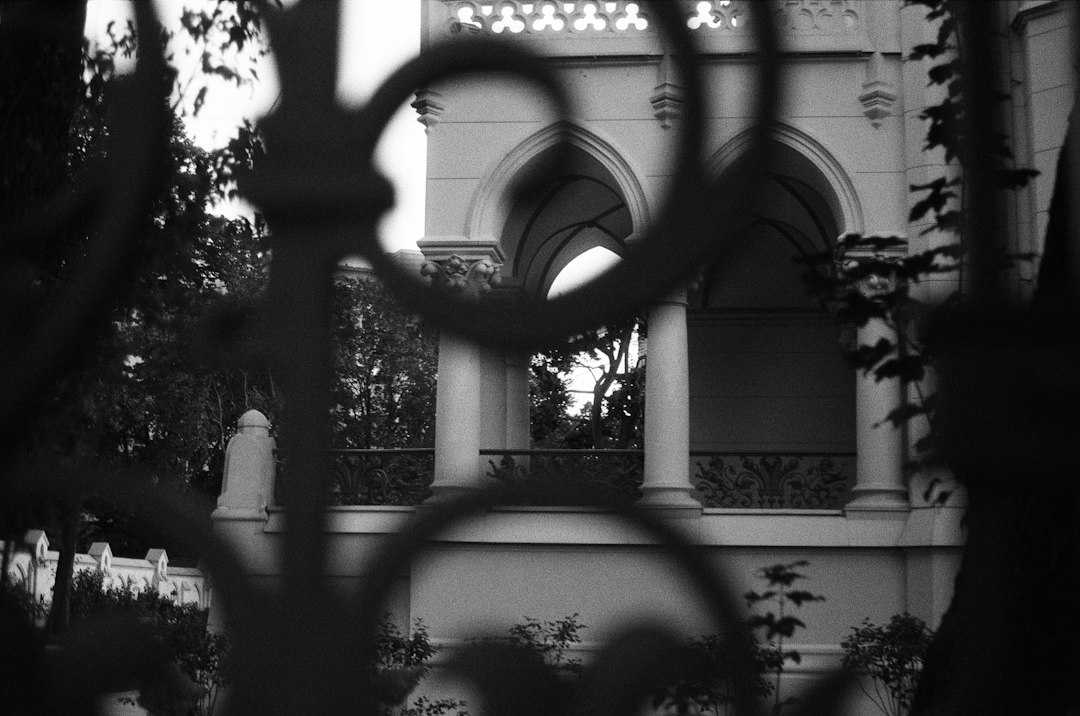
Assume every evening is booked with fog and pumpkins. That leaves your days, and the daytime Hudson Valley at peak color is criminally underrated next to all the staged spookiness. Kykuit, the Rockefeller estate above the village, offers tours of the house, terraced gardens, and an art collection that includes tapestries Picasso had a hand in. South in Tarrytown, Lyndhurst is one of America’s great Gothic Revival mansions — a castle on the river that looks like it was commissioned specifically to out-goth the season, all spires and lawn rolling to the water.
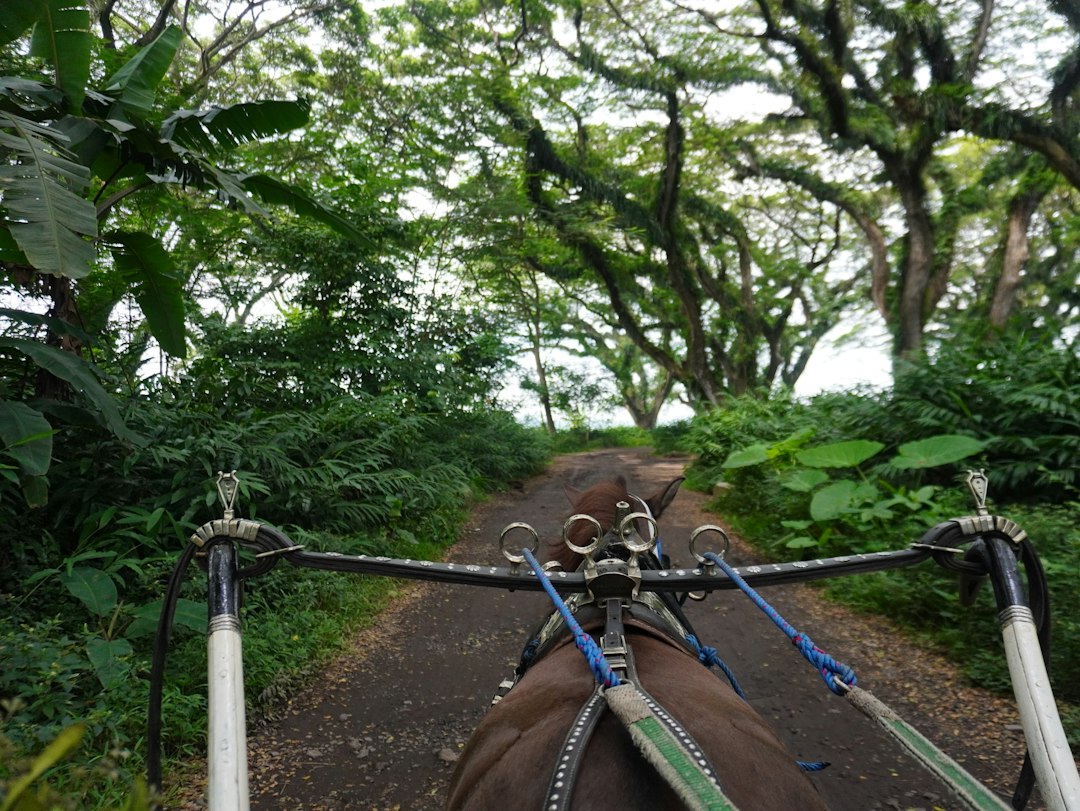
For legs, the Rockefeller State Park Preserve’s carriage-road system puts miles of stone-dust trails through swamp oak and beech woods behind the estate, flat, runnable, and swimmable in fallen leaves. My favorite October morning here is a preserve walk at nine, then the farm stands along Route 9 — cider donuts, gourds in every shape that gourds come in, apples by the bushel. Bring a compact sling bag for market days; it keeps a wallet, a donut’s worth of cash, and a phone camera reachable without unpacking a backpack.
Getting There and Sleeping Over
The geography is simple and it all favors the train. Grand Central to Tarrytown on the Hudson Line is roughly forty minutes, with the river on your left the whole way if you sit on the west side — 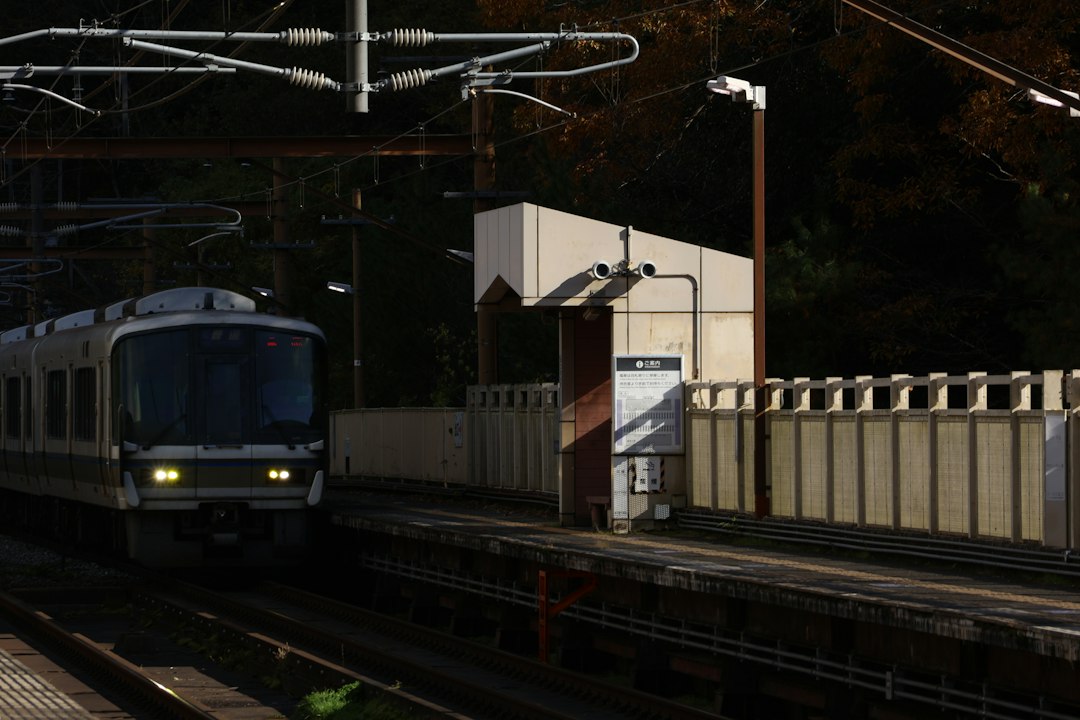
sit on the west side. Tarrytown and Sleepy Hollow are then walkable villages strung along Broadway, a little over a mile end to end, with the cemetery, Old Dutch Church, and Philipsburg Manor all reachable on foot. The Blaze at Van Cortlandt Manor is the one thing you will want a car or a rideshare for, fifteen minutes north.
Lodging is the pinch point. Halloween week fills the village hotels weeks in advance, and rates climb accordingly. Our last two runs we split the difference: one year in the village at painful but walkable prices, one year twenty minutes north near Croton, which put us five minutes from the Blaze and a cheap train ride from everything else. Either works. Neither works if you start looking the week of. If Salem taught us anything — and our field-tested plan for its biggest October ever goes deep on this — it is that October towns reward the early and punish the improvised.
What My Team Packs for Horseman Weather
Late October on the Hudson is forty degrees by parade time, with a river wind that finds every seam in your jacket. The graveyard tours are two hours of slow standing; the Blaze is ninety minutes outdoors; the parade is an hour on cold pavement. Dress for it and the whole week improves. The kit we have converged on:
- A real fleece layer under a shell — a fleece pullover over a tee handles the forty-degree evenings, and it packs down small for the train.
- Merino base layers top and bottom, and merino hiking socks — cold feet on a two-hour cemetery walk is a memory ruiner.
- A packable rain shell — one that folds into its own pocket, because Hudson Valley October forecasts are a suggestion, not a promise.
- Coverage for the extremities: a merino beanie, a fleece neck gaiter, and touchscreen-compatible gloves so the camera phone stays usable at the pumpkin tunnel.
- A double-wall thermos — hot cider or coffee at the curb before the parade changes the entire experience. Our insulated travel thermos has survived three seasons here.
- Reusable hand warmers, charged the night before, one per pocket. Cheap insurance against the 4:30 p.m. temperature cliff.
If You Miss Halloween Entirely, Come Anyway
Here is the local secret that finishes this guide: the week after Halloween might be better. The Blaze runs through November 8 with thinner crowds and the same trail, the Legendary Tours continue at Sunnyside, the cemetery keeps its lantern schedule through Thanksgiving weekend, and the river hills keep their color into the first week of November. The horseman, after all, does not check the calendar. Irving set his ride on “a fine autumn night” — no date given — and the village takes him at his word long after the last plastic pumpkin has been boxed up elsewhere.
Go for the spectacle of Halloween week if you can. But if November is what your calendar allows, know that you are getting the same villages, the same glow, and a better parking situation. And on some cold, quiet Tuesday in early November, standing alone on the recreated bridge above Irving’s grave while the Pocantico runs black underneath, you may find — as I did last year — that the story works even better without a crowd between you and it.