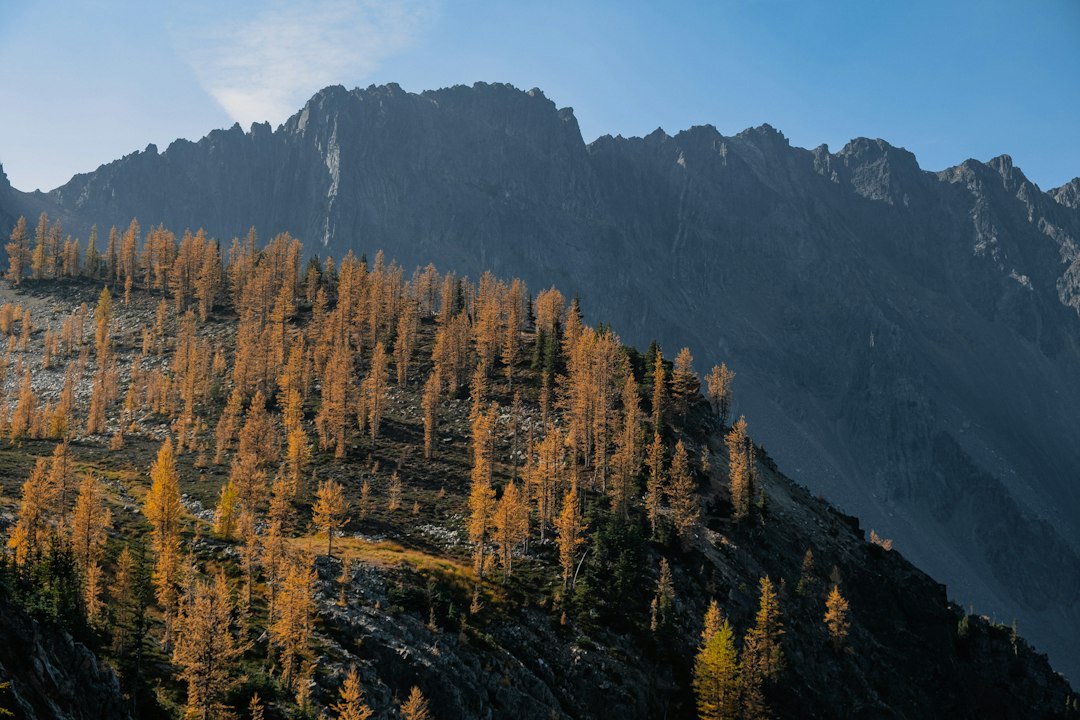
The alarm went off at 4:10 a.m. in a motel room in Winthrop, and I did the math every larch chaser eventually memorizes: headlights on the North Cascades Highway by 4:45, trailhead parking lot before 6:15, or surrender the spot and hike an extra mile from the shoulder. My crew and I had timed this trip around a single week in early October, because in Washington State, gold has an expiration date.
Every autumn, a tree commits a small act of rebellion in these mountains. The larch — a conifer, a cone-bearing evergreen by every anatomical definition — stops being green. Its needles flash amber, then burn out entirely, and the high basins of the Cascades look like someone strung stadium lights through the timberline. Locals call the rush to see it larch madness, and after a decade of covering fall color across North America, I can report the nickname is earned.
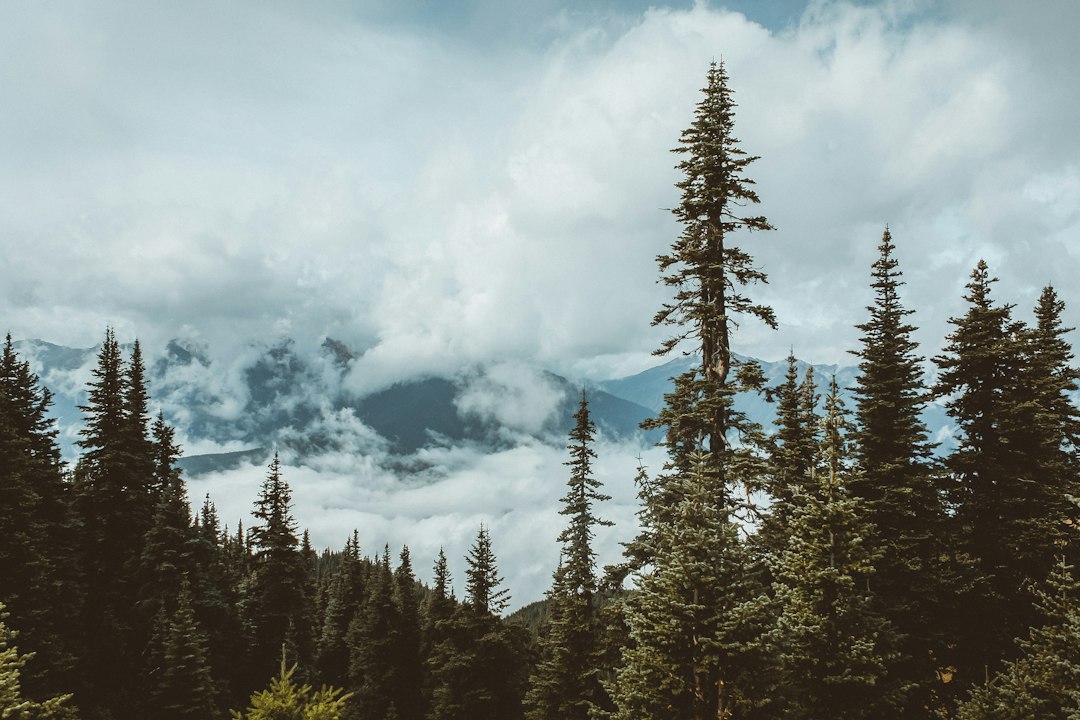
A Conifer That Plays by Deciduous Rules
Here’s the botany in one breath: larches are pines that never got the evergreen memo. They grow needles and cones like any self-respecting conifer, but unlike their spruce and fir neighbors, they shed the whole canopy every winter and start over in spring. It’s a strategy built for brutal high-country seasons — why keep needles alive through months of frozen drought when you can drop them and coast?
Washington runs on two species. Western larch occupies the mid-slope forests on the east side of the range, tall and orange-gold, often lasting into late October. Alpine larch lives higher — 6,000 feet and up — hunched against the wind in granite basins, gnarled, stubborn, and jaw-droppingly bright. Some of those high-elevation elders have been shedding their needles for centuries, possibly a millennium. When you stand under one in October, you’re looking at gold older than the state it grows in.
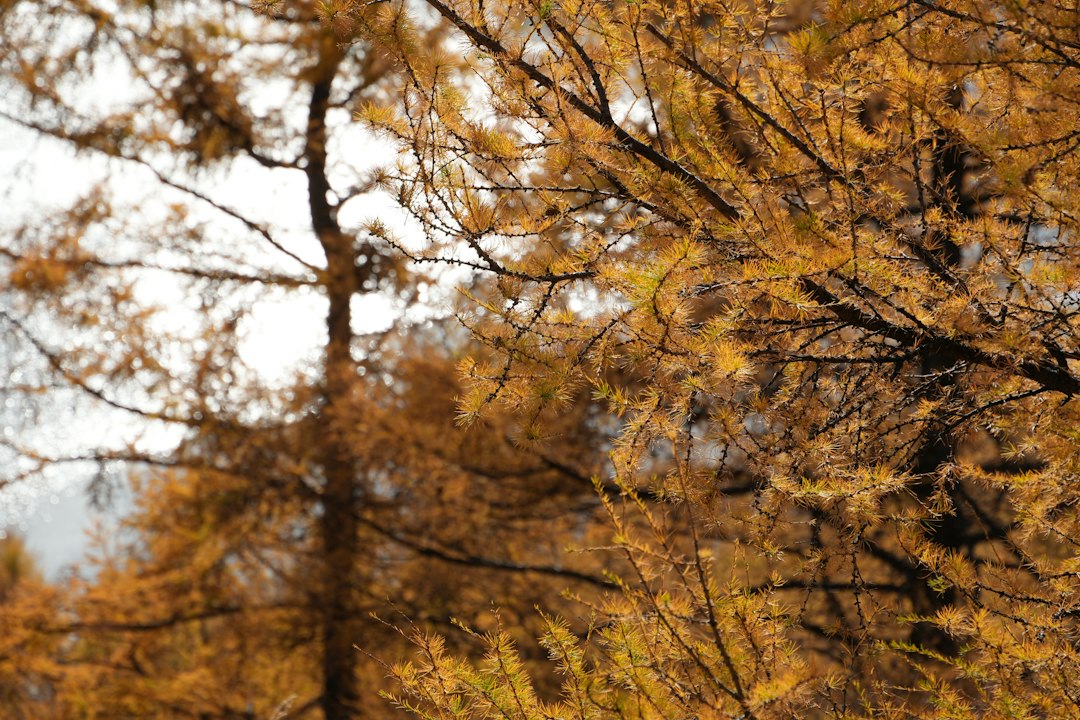
Out East, readers keep asking if these are the same as tamaracks. Same genus, different address — tamarack is the eastern cousin; out here we get the two western varieties, and the alpine one is the showstopper.
The Two-Week Clock Nobody Controls
The maddening part of larch season is its arithmetic. Peak gold in the high basins lasts roughly two weeks, and the whole display can end in a single afternoon — one strong windstorm, one early snow, and the needles rain down like confetti after a parade. You are racing both the calendar and the weather map.
One of my researchers pulled eight years of trail-report data before this trip, and the pattern was almost insulting in its consistency: the first week to ten days of October is the sweet spot for the classic high routes, with an average peak right around October 7. Elevation works like a dimmer — the alpine basins at 6,000-plus feet flame out first, while the western larch belt lower down keeps glowing into mid-October or later. If you miss the window up high, you can literally drive downhill and buy yourself another week.
Two information sources matter. Washington Trails Association trip reports give you day-by-day color intel from hikers who were just there, and the forecast does the rest — plan around the first hard storm, because it will strip the high country without asking. We watched a forecast all week, moved our Ingalls day up 24 hours to beat a Sunday system, and it was the right call.
Four Trails Worth a 5 A.M. Alarm
My trail scout and I argue about rankings every year, but these four are the consensus core of larch country, all within striking distance of Highway 20 between Winthrop and Marblemount. Two warnings apply to all of them: the parking lots on peak October weekends fill before 6:30 a.m., and several want a Northwest Forest Pass displayed on your dash, so sort that before you leave cell coverage.
Lake Ingalls is the nine-mile round-trip pilgrimage. You climb through burn zones into Headlight Basin, where the larches crowd around a turquoise lake under the granite jaw of Mount Stuart, and mountain goats wander the talus with total indifference to your itinerary. I’ve had a goat block my line of travel there for the better part of ten minutes. Bring patience and keep your distance — they’re the locals.
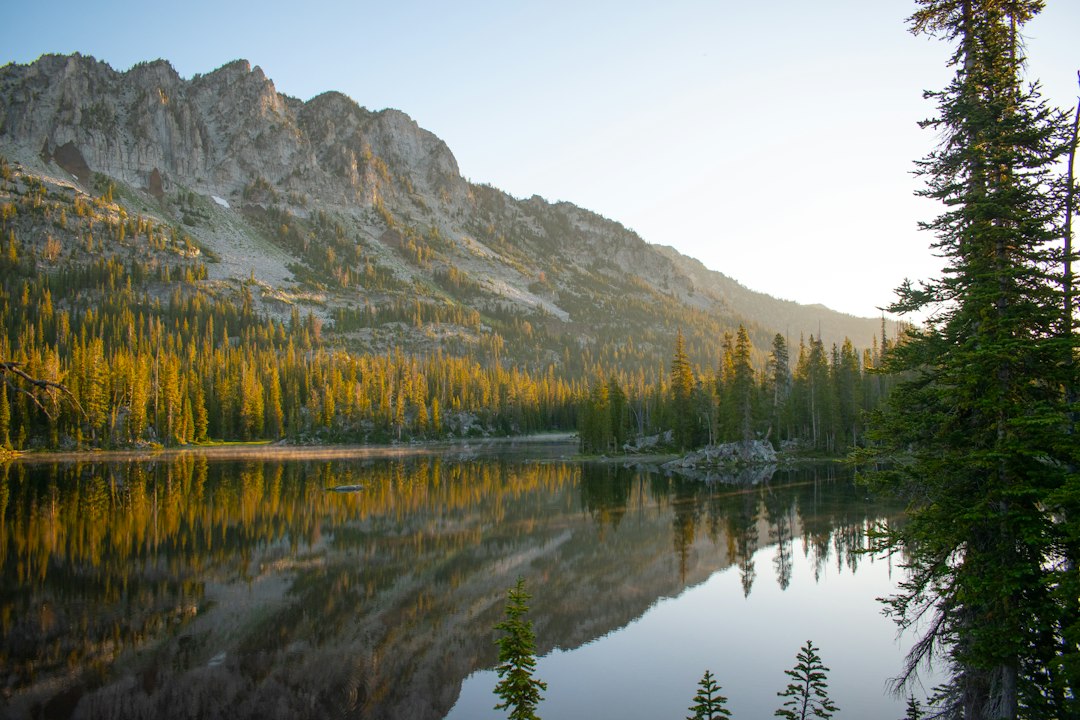
Blue Lake is the friend of the people: about four and a half gentle miles to a lake ringed in gold, doable for kids, older parents, and anyone whose knees have opinions. Maple Pass Loop might be the single best continuous color mile-for-mile in the state — seven miles of ridge walking with larches below you, beside you, and reflected in every tarn — and the half-loop option lets you bail with the views banked. Cutthroat Lake is the easy sleeper at under four miles, and its bigger sibling, the hike up to Cutthroat Pass, stacks the gold in amphitheater tiers for those who want a full day.
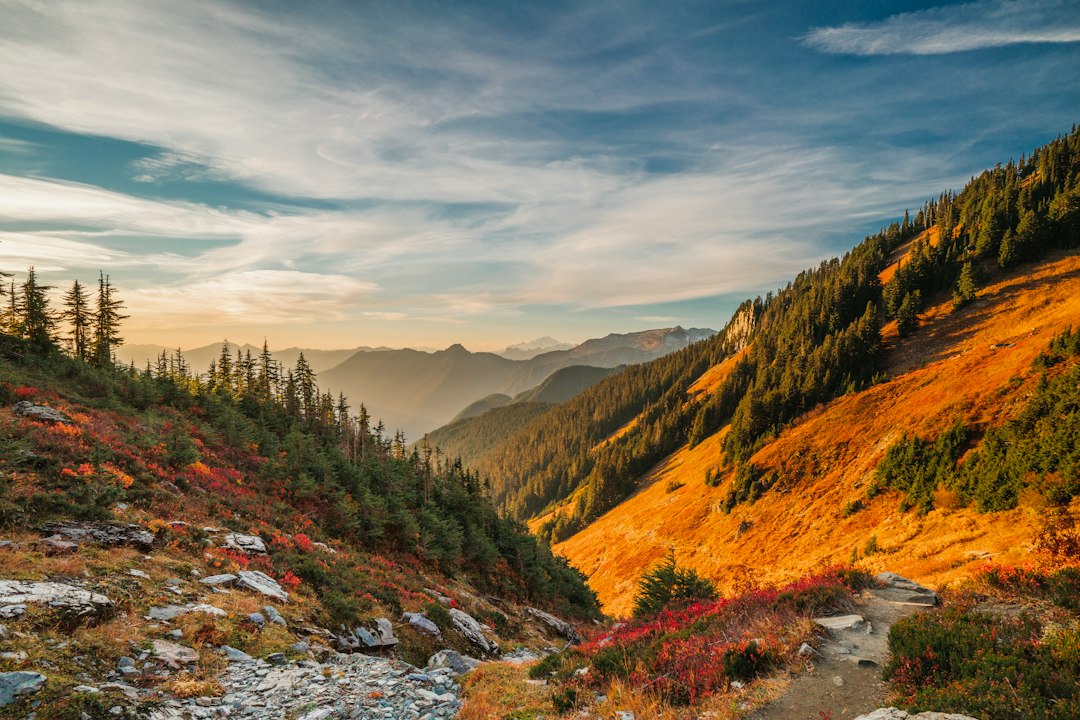
The pro move our crew settled on: pick a primary, then pick its neighbor as plan B. If Maple Pass is socked in, pivot to Blue Lake or Cutthroat. If Ingalls turned early, go higher or slide your week down toward the western larch belt. Flexibility is the whole game in a season this short.
The Windshield Version: Gold at 55 Miles an Hour
Not everyone can hike at altitude, and the larches do not care. You can build a genuinely great drive out of this season. Highway 20 itself — the North Cascades Scenic Highway — delivers the goods between Washington Pass and Rainy Pass, with overlooks that put entire basins of gold in the frame. The pass road generally stays open well into November, but don’t tempt fate with the first snow squall; the high stretch earns its closure reputation.
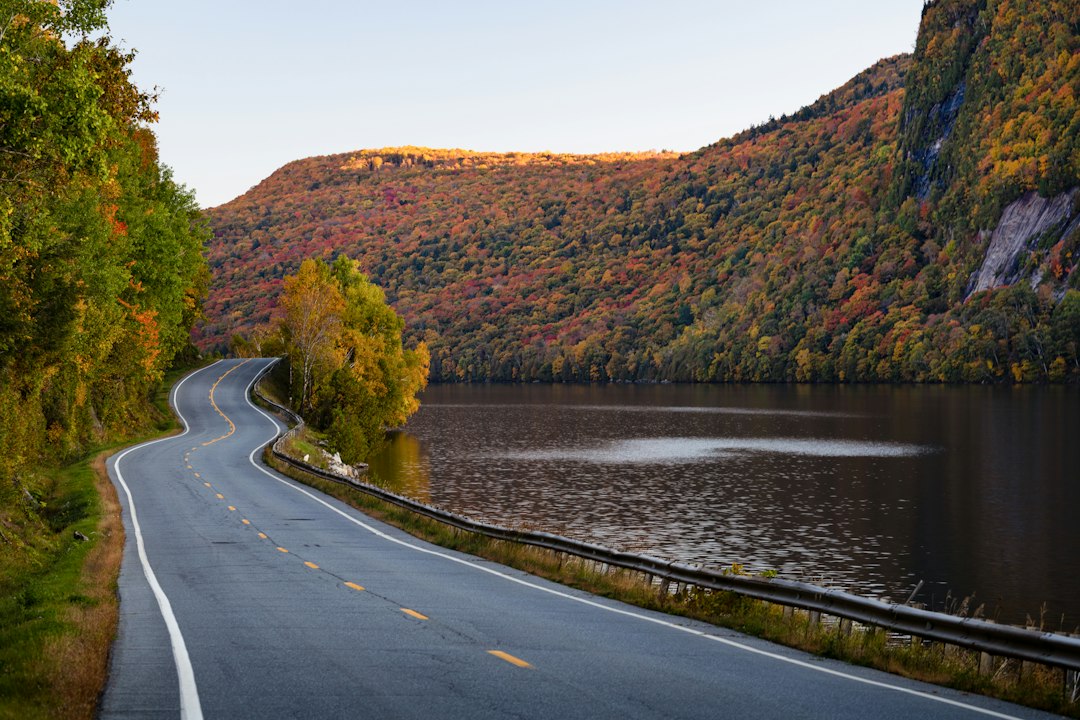
Down on US-2, Tumwater Canyon west of Leavenworth turns into a gauntlet of western larch over the river in mid-October, and the Methow Valley around Winthrop and up toward Sun Mountain offers the same show with a pastry stop attached. Last month I pointed the same car at Oregon’s Wallowas for their September gold, and I’ll say what I said then: the Rocky Mountain aspen playbook — the one that runs downhill in the Eastern Sierra — has a Pacific Northwest understudy, and larch week is it.
What’s in My Pack for Larch Season
October in the North Cascades is a costume change between acts: low forties at the trailhead, twenties in the shadowed basins, and occasionally seventy by the time you’re back at the car. Dress for all three. My system starts with a merino wool base layer — it handles the sweat of the climb and the shiver of the summit in one garment — topped with a packable down jacket that vanishes into the pack when the sun crests the ridge. Wool socks are non-negotiable; I keep a rotation of merino hiking socks because wet cotton at altitude is how a color tour becomes a rescue story.
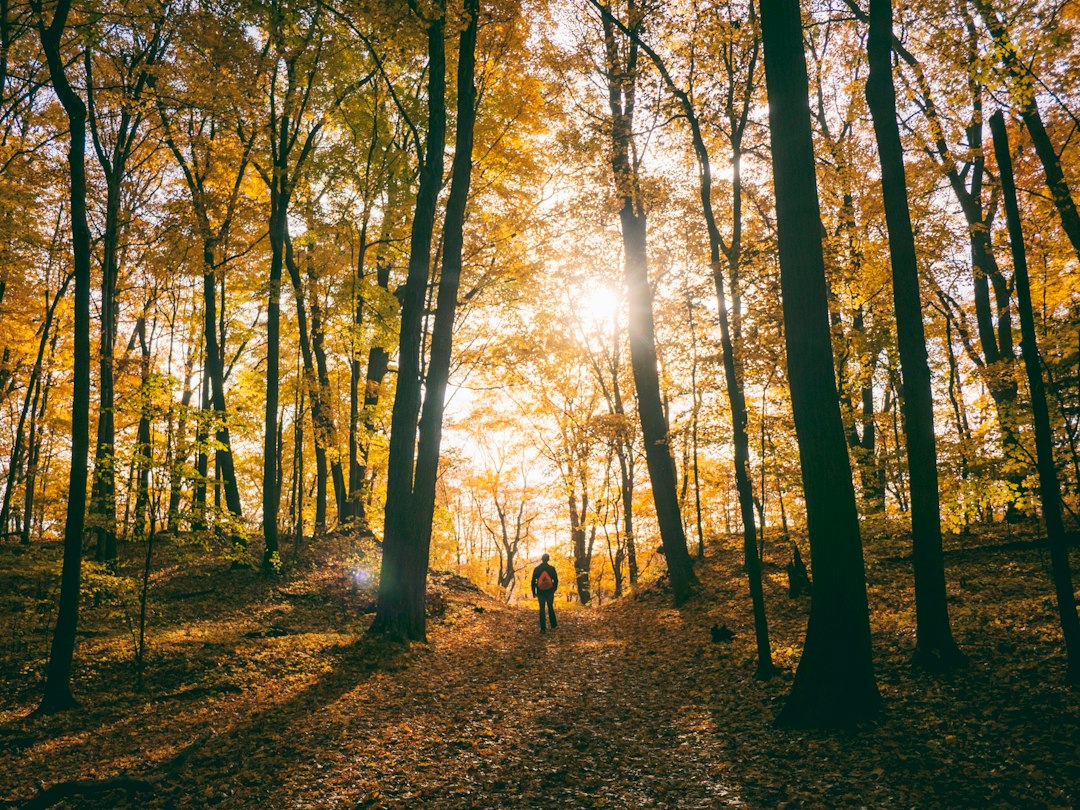
Footwear earns its keep on the granite. The Ingalls approach crosses loose rock and root ladders where waterproof mid-height hiking boots with real ankle support outperform trail runners, and if the forecast shows early-season snow up high, a set of lightweight traction cleats weighs nothing until it saves everything. Poles are the quiet hero of the descent — I wrote a whole field report on how trekking poles rescued my fall hiking season, and every October knee in my crew agrees. If you’re hauling camera glass or the kids’ layers, a 30-liter hiking daypack with a hip belt is the right size for these routes.
And a rule that sounds obvious until you’re cold: an October start is a dark start. The lot fills before sunrise, which means boots hit trail by headlamp. Pack a rechargeable waterproof headlamp with a fresh charge, and a 32-ounce insulated bottle so your water is still liquid at the second lake.
The Gear-Shopping Shortcut That Times Itself
Here’s the part where the calendar does you a favor. Amazon’s Prime Big Deal Days sale is running right now and wraps up October 6 — meaning trail gear, layers, and the exact category of stuff above is sitting at some of the lowest prices it will see until the holidays. If your larch window is the coming weekend, this is the moment to fill the gaps, not after you’ve watched the needles drop from your couch.
The math works because of Prime’s shipping speed: order Monday, gear lands midweek, you’re booted up by Saturday’s trailhead rush. If you’re not a member yet, a Prime trial covers the trip and then some — free fast delivery on the gear plus the sale pricing that’s effectively a member’s discount on top. We rebuilt half our daypack kits during the October sale two years ago and have done it every fall since; my gear editor calls it the unofficial start of larch season.
Go This Week, or Wait a Year
One last thing, and it’s the thing people forget in the golden-hour haze: these basins are fragile. Larch roots run shallow in thin soil, and a single social trail through the wrong patch can undo decades of growth. Stay on the path, give the goats the entire width of the trail, and take your gold from the track that’s already there. The trees did their part for a thousand years; the least we can do is a weekend of good manners.
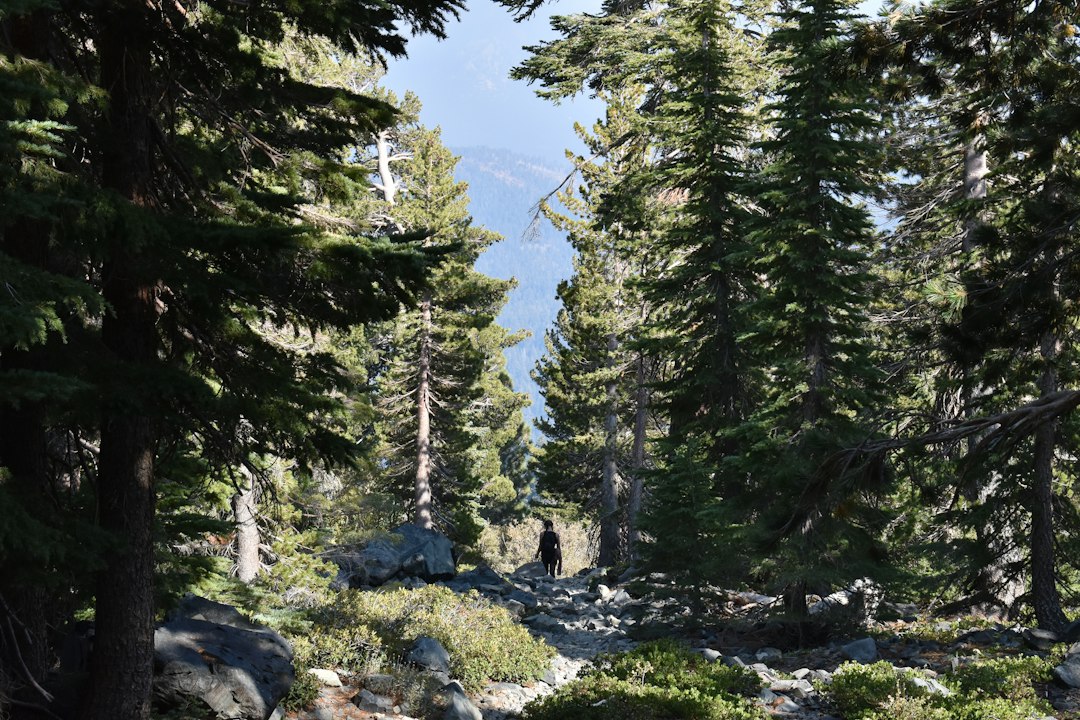
The needles are turning as I write this. By the time the third week of October arrives, the high basins will be bare granite and quiet again, the gold retreating downhill until even the valleys let go. That’s the deal larch season offers every year, the same deal it offered me from that Winthrop motel room: two weeks of impossible color, no extensions, no refunds. Set the alarm. Pack the layers. Go stand under a thousand-year-old tree that decided green was optional — and see how long you can keep your composure. I couldn’t.
1 thought on “The Tree That Forgot to Stay Green: Chasing Washington’s Golden Larch Season”