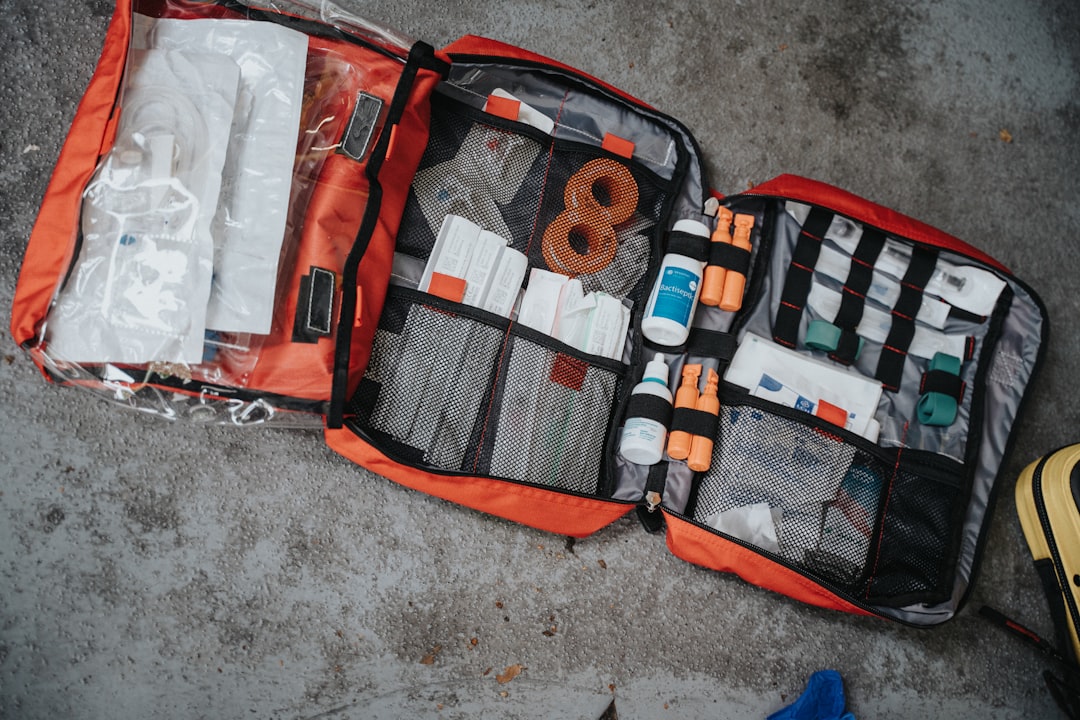
Nobody plans to get hurt on vacation. That’s exactly why every trip I take — whether it’s a weekend camping in the backcountry or two weeks bouncing between European cities — starts with the same unglamorous ritual: building my travel first aid kit. Not a prepacked afterthought from the airport gift shop. A real, thoughtfully assembled medical kit that has genuinely saved trips, relationships, and at least one very dramatic situation involving a hot spring and a torn toenail.
My team and I have spent years refining what goes in, what stays out, and what only sounds like a good idea until you’re actually carrying it up a mountain. Here’s everything I’ve learned the hard way so you don’t have to.
Start With the Right Container
The biggest mistake I see travelers make is grabbing one of those oversized hard-shell kits designed for a family of six and shoving it into a carry-on. It takes up half your bag, weighs more than your tent, and half the contents are things you’ll never use in a million years.
What you actually want is something compact, waterproof, and organized enough that you can find what you need one-handed in the dark. A 150-piece mini first aid kit in a waterproof hard shell hits the sweet spot — small enough for a backpacking trip, comprehensive enough for real emergencies, and the hard case means your supplies don’t get crushed between your water bottle and your laptop.
For shorter trips or carry-on-only travel, the 152-piece TSA-approved travel kit is what I reach for. It slides into a personal item without raising eyebrows at security, and the modular compartments keep bandages separate from medications so you’re not digging through a pile of loose packets when someone’s bleeding.
If you’re traveling with kids or just want maximum peace of mind in a familiar brand, the BAND-AID Travel Ready 80-piece kit includes Neosporin and Tylenol alongside the bandages — two things you’ll be grateful to have within arm’s reach when someone gets a scraped knee at a rest stop sixty miles from the nearest pharmacy.
Blister Care: The Trip Ruiner Nobody Talks About
I once watched a perfectly planned four-day trek through Patagonia turn into a two-day limp back to civilization because my hiking partner brought the wrong socks. Blisters don’t just hurt — they end trips. And yet most travel kits I see have maybe five sad little adhesive bandages that peel off the moment your foot hits sweat.
Real blister care means hydrocolloid pads. These things are basically magic — they cushion the blister, seal out dirt, and speed healing at the same time. I carry Compeed advanced blister care pads in mixed sizes because hotspots show up on heels, toes, and the balls of your feet, and each spot needs a different shape. They stay on through sweat, rain, and stream crossings. I’ve tested them across three continents and I won’t pack without them.
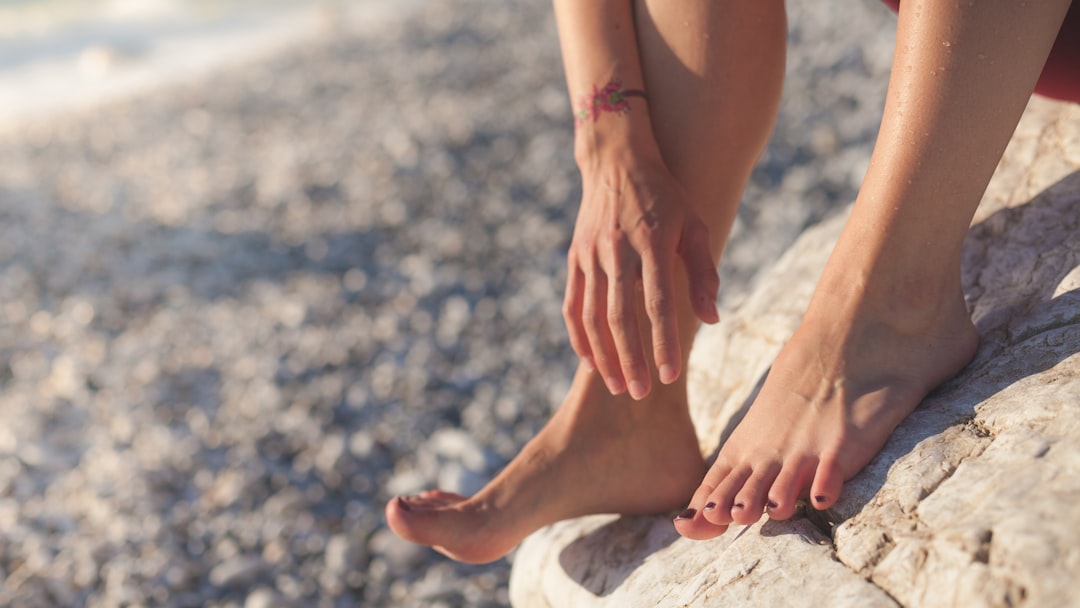
My rule: pack twice as many blister pads as you think you’ll need. They’re lightweight, they’re inexpensive, and they’re the single item most likely to determine whether you make it to the summit or turn around at mile four.
Water Treatment: Because Montezum’s Revenge Is Real
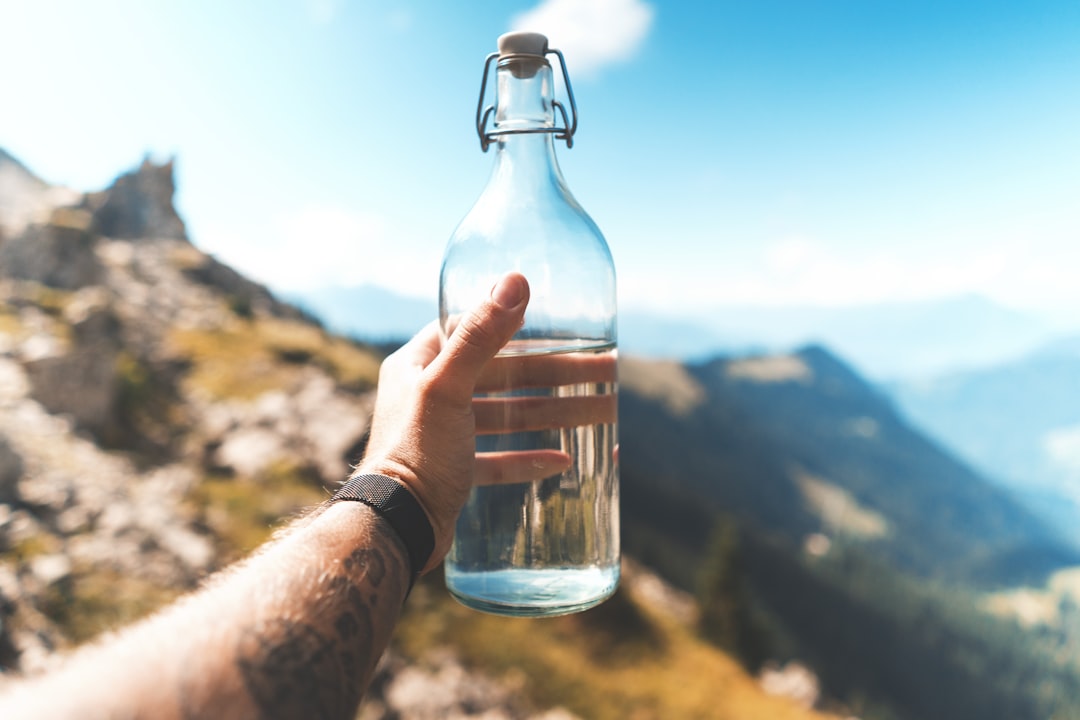
If your travel plans include anywhere with questionable water — and honestly, that includes backcountry streams in the US, not just international destinations — you need water purification tablets. A filter is great for base camp. Tablets are what you carry in your pocket for the moment you’re out longer than planned and your bottle is empty.
I keep Potable Aqua water purification tablets with PA Plus in every kit I own. Two 50-count bottles treat 100 liters of water, they take up almost zero space, and thirty minutes buys you safe drinking water from a cow pond if it comes to that. The PA Plus bottle neutralizes the iodine taste, which matters more than you’d think when you’re already dehydrated and cranky.
This is also where I’ll mention something that ties into a larger travel safety conversation. I wrote about solo travel safety essentials a while back, and water treatment was near the top of that list too. Whether you’re alone or with a group, a waterborne illness doesn’t care about your itinerary.
Wound Care Beyond Band-Aids
Most prebuilt kits get wound care wrong. They give you a pile of adhesive bandages and call it a day. But real wounds — the kind you get from a slip on wet rocks, a clash with coral, or a kitchen knife in a vacation rental — need more than a cartoon-character bandage.
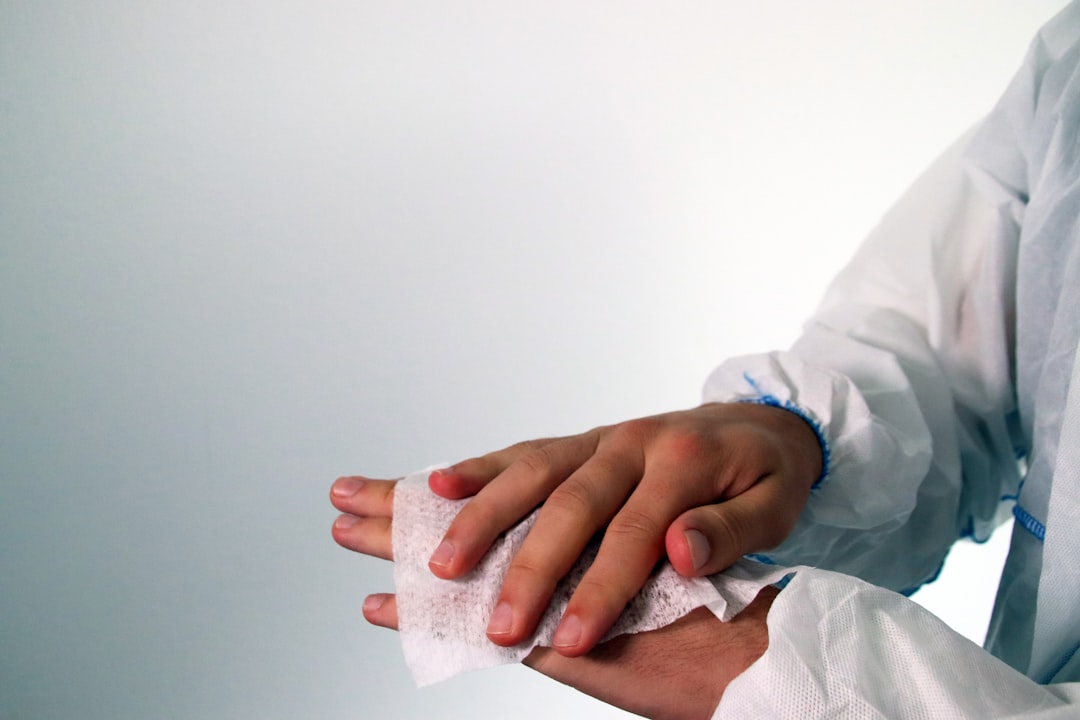
Here’s what actually matters: cleaning, closing, and covering. For cleaning, I pack Dermoplast antiseptic wound wipes. They’re individually wrapped, they don’t sting like alcohol (which makes them usable on kids without a meltdown), and a ten-count pack weighs almost nothing.
For closing larger wounds that a bandage can’t handle, you need proper medical tape. I carry Band-Aid waterproof self-adhesive tape because it sticks through sweat and water, holds gauze pads firmly in place, and can even be used to tape a sprained ankle in a pinch. A single roll is the size of a lipstick — there’s no reason not to have one.
And don’t forget something to cut with. Standard scissors won’t fit in a compact kit, but a pair of 4-inch EMT mini shears will. They cut tape, gauze, clothing, and even seatbelts if things really go sideways. Mine have been through five countries and still work like new.
The Medication Module
Over-the-counter medications are the unsung heroes of any travel medical kit. I can’t count the number of trips that would have been derailed by a headache, allergic reaction, or stomach issue without a tiny packet of pills that cost less than a cup of coffee.
My team built what we call a “medication module” — a small, organized collection of individually wrapped doses covering the most common travel ailments. The easiest way to replicate this is the Rescue Essentials medication dose pack, which includes ibuprofen, acetaminophen, aspirin, antihistamine, anti-diarrheal, and antacid in thirty individually labeled doses. It’s compact enough to fit in a pocket and covers essentially everything that could go wrong at 2 AM in a hostel.
For international travel specifically, the MFASCO 7-in-1 TSA-approved travel medicine kit comes with 28 emergency OTC packets covering seven medication types. Each packet is individually wrapped and labeled, which matters more than you’d think when you’re trying to explain to a foreign customs agent what’s in your bag.
Tick Removal: Not Just for Deep Woods
If you spend time outside — and let’s be honest, the best travel experiences usually involve being outside — tick removal is a skill and tool you need. I’ve pulled ticks off myself in suburban parks, not just backcountry trails. Lyme disease doesn’t care that you were only going for a “short day hike.”
Fine-point tweezers work, but a dedicated tick removal tool works better. I carry the TickCheck premium tick remover kit which includes stainless steel tweezers specifically designed for tick removal, a leather case so they don’t stab through your pack, and a pocket tick identification card. That card has been genuinely useful — being able to identify whether the tick you just pulled off your leg is a Lyme-carrying deer tick or a harmless dog tick is the difference between a phone call to your doctor and two weeks of anxiety.
Hydration and Electrolyte Management
Here’s something most first aid guides miss: dehydration is the most common travel health issue, and plain water often isn’t enough to fix it. When you’re sweating through a humid afternoon in the Southeast or hiking at altitude where the air steals moisture with every breath, you need electrolyte replacement, not just H2O.
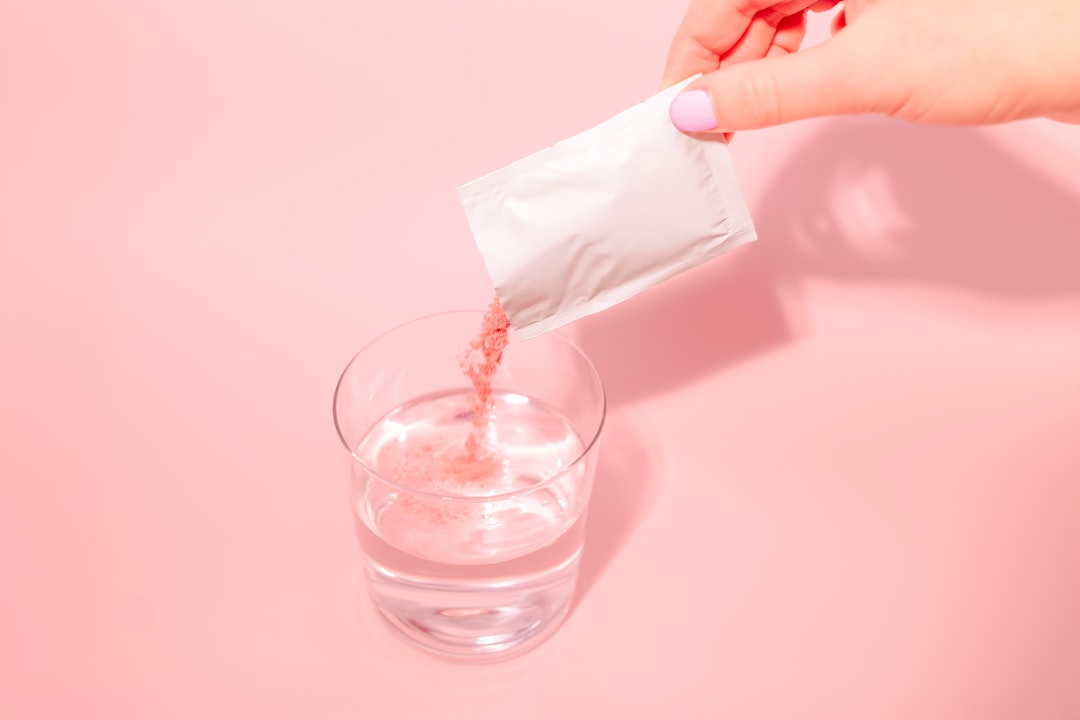
I toss a handful of Ultima Replenisher electrolyte packets into every kit. They’re sugar-free, they come in individually portioned stick packs, and twenty packets weigh about two ounces. Drop one in your water bottle when you feel the afternoon slump hitting and you’ll skip the headache, fatigue, and crankiness that most travelers mistake for jet lag.
I learned this one the hard way on a trip to high-altitude Colorado. Drank water constantly, still felt terrible. It wasn’t until someone handed me an electrolyte packet that the fog lifted. Now they’re as essential to my kit as bandages. This is also why I wrote about the travel rules I wish I’d learned earlier — sometimes the simplest things are the ones that get you.
The Compact Kit Option (When Space Is Non-Negotiable)
Sometimes you simply don’t have room for a full kit. Maybe you’re backpacking through Europe with a 40-liter pack, or doing a fast-and-light day hike where every ounce counts. That’s when the Protect Life 100-piece mini kit earns its keep. It’s wallet-sized, waterproof, and includes an emergency blanket and first aid guide alongside the basics. My team keeps one in every daypack we own — they’re cheap enough that you buy four and forget about them until you need one.
What I Leave Out (And Why)
Just as important as what goes in is what stays out. Here’s what I’ve removed from my kit over the years after carrying them uselessly across thousands of miles:
- Instant cold packs. They’re bulky, single-use, and you can usually improvise with cold water and a bandana. If you’re somewhere genuinely remote, a proper ice substitute isn’t going to cut it anyway.
- Suture kits. Unless you’re trained, you have no business stitching wounds. Butterfly closures and medical tape handle 95% of what you’ll encounter. Leave sutures to the professionals.
- Full-size bottles of anything. Sunscreen, bug spray, hand sanitizer — all essential, but buy travel sizes. Every full-size bottle in your kit is wasted weight and space.
- Prescription medications you haven’t discussed with your doctor. This sounds obvious, but people ask me about carrying antibiotics “just in case.” Don’t. Talk to your doctor, get appropriate prescriptions, and carry those with documentation.
Building the Habit
The best first aid kit is the one you actually carry. A perfect kit sitting in your closet at home while you’re on a trail in Glacier does nobody any good. I wrote about this philosophy when I covered the sun protection kit I wish I’d built earlier — the same principle applies here. You build the kit before you need it, you carry it every time, and eventually you stop noticing the weight because the peace of mind is worth it.
My system is simple. I have three kits: one in my daypack, one in my travel bag, and one in the car. The daypack version is minimal — blisters, antiseptic, pain relievers, tweezers. The travel bag version is comprehensive. The car version sits between the two. When I get back from a trip, I check what was used and replace it immediately. The check takes five minutes. Skipping it means discovering you’re out of ibuprofen on the next trip when you actually need it.
That’s it. No dramatic survival stories required — just a methodical approach to not letting preventable problems ruin hard-earned time off. Build the kit, carry the kit, and then forget about it until the moment it saves your trip.