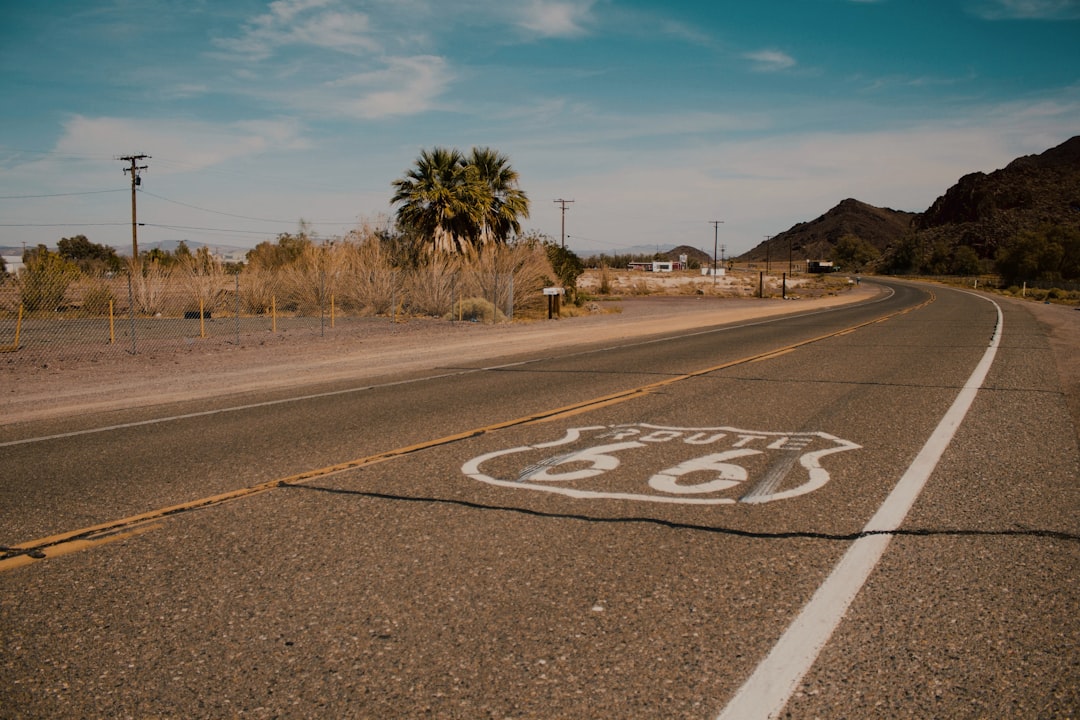
On November 11, 1926, a bureaucrat somewhere in Washington signed off on a number, and a legend got its name. Route 66 was commissioned that day — 2,448 miles of asphalt and gravel stitching Chicago to Los Angeles through eight states that had never before been connected quite like that. A hundred years later, almost to the day, I intend to be standing on that road with a candle-lit slice of pie in hand while the Mother Road blows out its centennial candles.
I’m not winging this one. My producer already has the lodging spreadsheet color-coded by state, one of my researchers spent a full week mapping which centennial events overlap with which historic alignments, and I’ve been assembling the physical kit in my garage since early August. This is the piece I wish someone had handed me before my first long-haul drive: not another list of diners and neon photo ops (we’ve got a complete turn-by-turn guide for that), but the gear, the timing logic, and the small decisions that decide whether 2,448 miles feels like a victory lap or a punishment.
Because here’s the thing about a hundredth birthday party: everyone shows up. And the road is only so wide.
Why November Changes Everything About This Drive
The Route 66 Centennial Commission and the eight state associations have been building toward November 11, 2026 for years, and the schedule reflects it. Springfield, Illinois is hosting a full statewide conference and a ticketed centennial celebration at Motorheads Bar, Grill & Museum — a car-culture temple that sits, fittingly, right on the old alignment. Concerts, car shows, and parades are stacked from the eastern terminus in Chicago all the way to the Pacific. Add in the fact that 2026 is also America’s 250th birthday year, and you have what amounts to a once-a-century traffic forecast.
My crew’s plan is to start in Chicago in late October and drift west with the season, arriving in California just after the official birthday. That direction matters. You chase fall color through Illinois and Missouri instead of watching it disappear in the mirror, and by the time you reach the Arizona desert, the worst of the summer furnace has broken. But it also means packing for a temperature swing that can easily run 50 degrees between a frosty morning in the Ozarks and a warm afternoon outside Oatman. Every layering decision in the kit flows from that single fact.
Book lodging now, and book it for weekdays. The classic motor courts — the Wigwam Village in Holbrook, the Blue Swallow in Tucumcari — have been selling out for months. If you want a bed shaped like a concrete tipi on a November Saturday in the centennial year, that ship may have already sailed. Sunday through Thursday is your friend.
Paper Maps for a Road That No Longer Officially Exists
Here’s the detail that surprises first-timers: Route 66 hasn’t been a real highway since 1985, when it was decommissioned and swallowed by the interstates. What remains is a braided mess of historic alignments, frontage roads, and business loops that GPS apps handle with varying degrees of incompetence. My phone has cheerfully routed me past the good stuff on other historic corridors before, and the San Juan Skyway taught me in Colorado that the most memorable stretches are exactly the ones apps quietly skip.
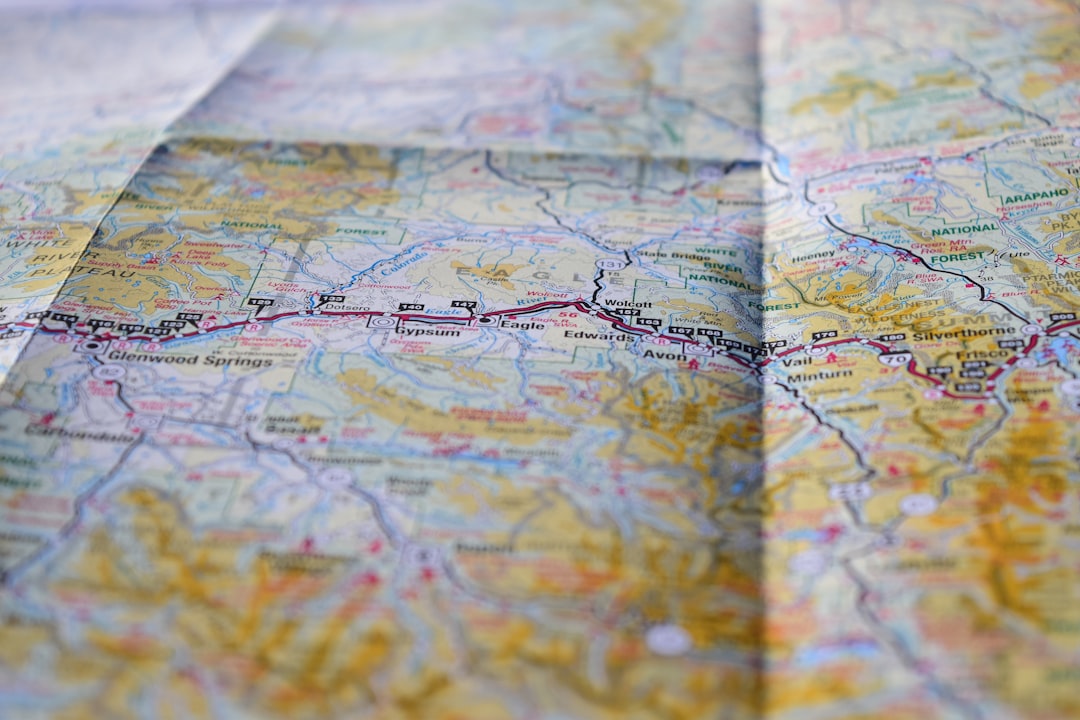
So paper first. I’m carrying a large-scale Rand McNally 2027 road atlas as the backbone, plus National Geographic’s Adventure Edition atlas because its scenic-route overlays do a better job flagging the historic detours worth chasing. The big scale matters more than you’d think — when you’re trying to figure out whether a 1926 alignment is two frontage roads or three ahead, squinting at a five-inch phone screen while your passenger drives is nobody’s idea of navigation.
The team’s rule for the trip: the atlas picks the road, the phone finds the coffee. It has failed us exactly zero times.
Trunk Tetris: Building a Load Plan for Eight States
Two thousand four hundred miles is not a road trip; it’s a logistics operation with sightseeing attached. We sat down with the packing list and divided the trunk into zones — safety, food, layers, documents, fun — because the fastest way to ruin a 6 a.m. departure is excavating a suitcase avalanche to find the tire gauge.
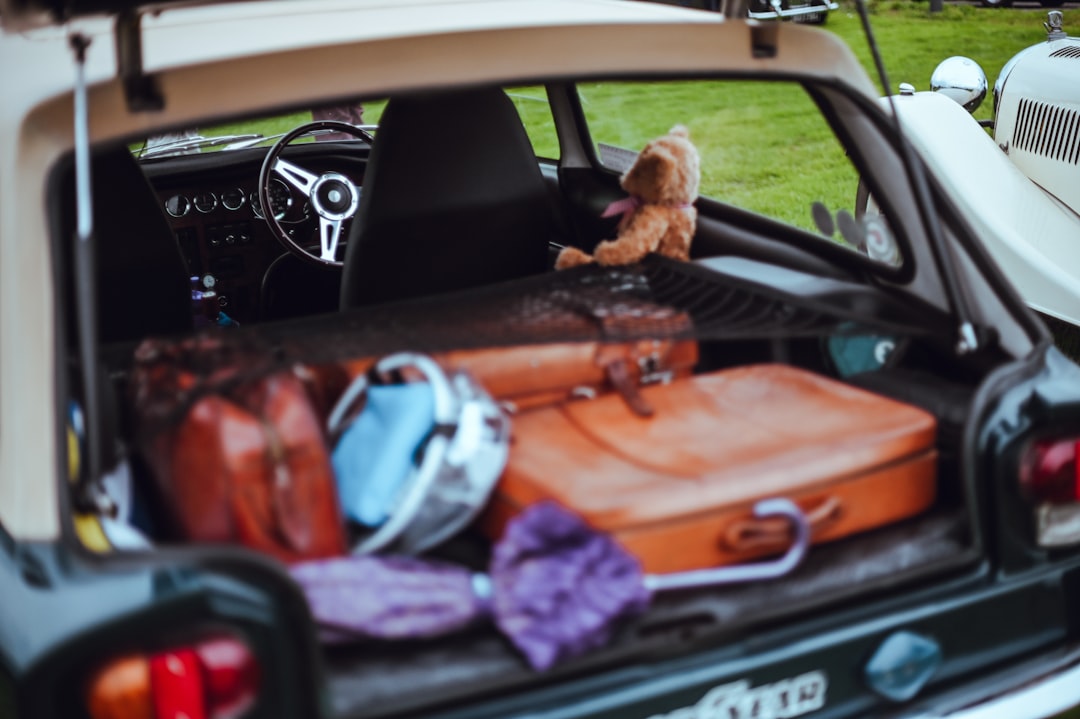
The single best piece of gear in the whole plan might be a 30-can soft-sided cooler that collapses flat when it’s empty. Route 66 runs through genuine food country — the smoked brisket of Texas, the peach orchards outside Peach Springs, green chile cheeseburgers in New Mexico that deserve a protected status — and a working cooler means you can carry a pie from the Ozarks to your anniversary dinner in Albuquerque, or keep real groceries for the long empty stretches where the next meal is 90 miles of nothing. It folds to the thickness of a phone book when you don’t need it, which is most of the time, and that’s exactly the point.
The Resupply Reality of the Western Half
East of Oklahoma City, help is everywhere. West of it, the road thins out in a way your east-coast instincts won’t believe. The Texas Panhandle and the Arizona high country have stretches where the next open gas station, tow truck, or bar of cell signal is well over an hour away, and November daylight is short. The kit gets serious here.
Two items earned permanent spots after long conversations with my mechanic. First, a lithium jump starter that lives in the door pocket — mine has rescued me once in a Walmart parking lot in Amarillo-adjacent nowhere and once from my own driveway, and on a road where a dead battery can mean a very long, very cold wait, it’s the cheapest insurance on this list. Second, a cordless tire inflator, because fall on the high desert means temperature swings that bleed pressure out of your tires overnight, and because the slow leak you pick up on a gravel alignment outside Seligman is a thirty-minute fix with the right tool and a tow-bill without it.
While we’re at it: get the oil changed, the brakes checked, and the spare actually looked at before you leave. The centennial traffic means even routine service stops will be slower than usual this fall.
The Kit I Hope I Never Open
Every veteran road-tripper I interviewed for our centennial driving guide said some version of the same sentence: the first aid kit is the only thing you pack that you’re rooting against. November puts you in deer-strike season through Missouri and Oklahoma, and rural response times out west are measured in distances, not minutes.
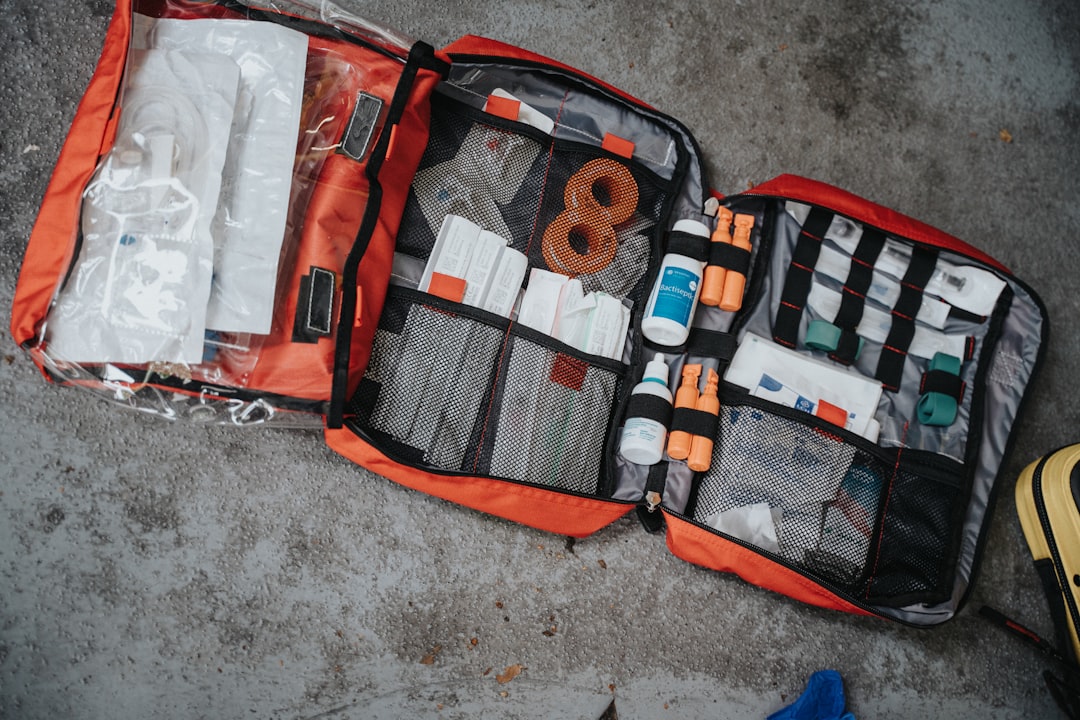
I’m carrying a 150-piece waterproof first aid kit in a hard shell that mounts in the trunk’s safety zone, plus a dedicated paper list of every urgent care and hospital along the route — my researcher typed it up after two glasses of wine and I consider it the most valuable document in the car. Water, a wool blanket, a headlamp for each seat, and a printed list of emergency numbers round it out. Ten minutes of gloom to assemble; a lifetime of gratitude if you ever need it.
A Dash Cam, Because You Will Forget 90% of This
Here is a truth nobody warns you about: the human brain is a terrible storage medium for a two-week drive. The days compress. Cadillac Ranch blurs into the Chain of Rocks Bridge. You’ll remember the thunderstorm in Tucumcari forever and somehow lose the name of that astonishing pie place in Galena. My fix this trip is a dual-channel dash cam recording front and rear — not for insurance paranoia, but as a memory machine. At the end of each night, we scrub the day’s footage for the ten best minutes and it becomes the trip’s running highlight reel.
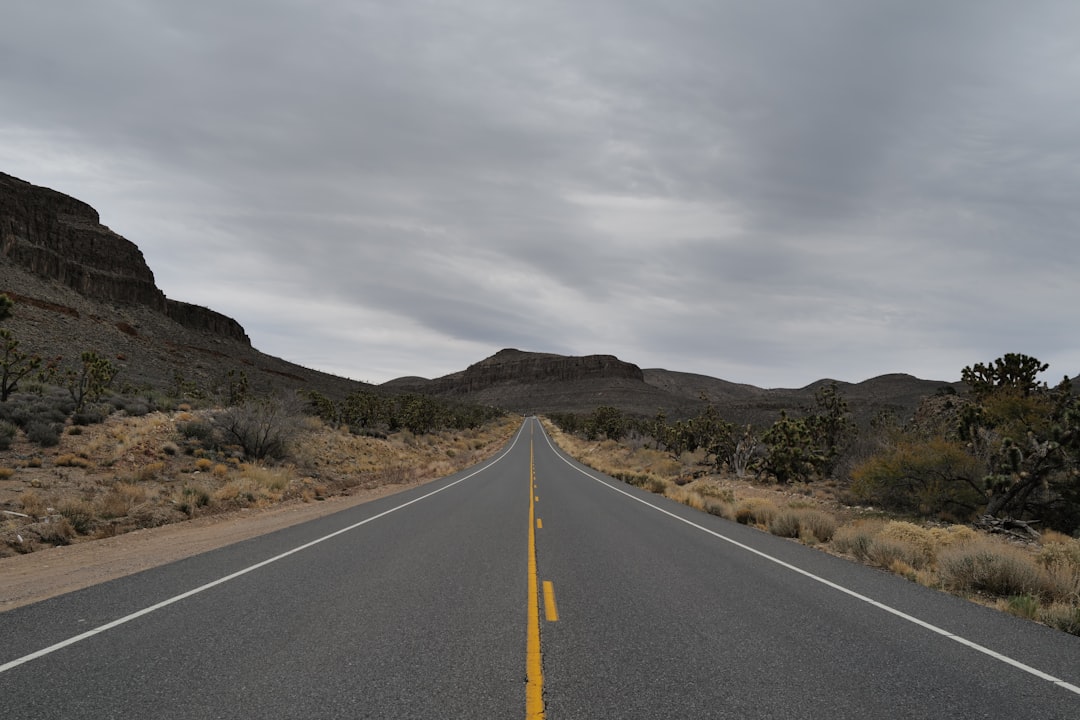
The camera pairs with a suction-mounted phone mount rated for real heat, because a November Arizona afternoon still cooks a dashboard, and a cheap mount that lets go over a cattle guard is how phones die on the Mother Road. Mount it once, check it at every fuel stop, and it stops being a thought.
Neon, Pie, and a Deck of Cards
Not everything in the kit exists for survival. The centennial is, above all, a party — and the heart of Route 66 culture happens after parking the car: the motor court bar games, the diner counter conversations, the long waits for a table in a 12-seat café in a town of 200. For all of it, a waterproof deck of playing cards has somehow become the most socially valuable three ounces in the trunk. It has broken the ice at a bar in Cuba, Missouri, settled a pie-escalation dispute in Arcadia, and taught a retired couple from Stuttgart the worst version of gin rummy ever devised.
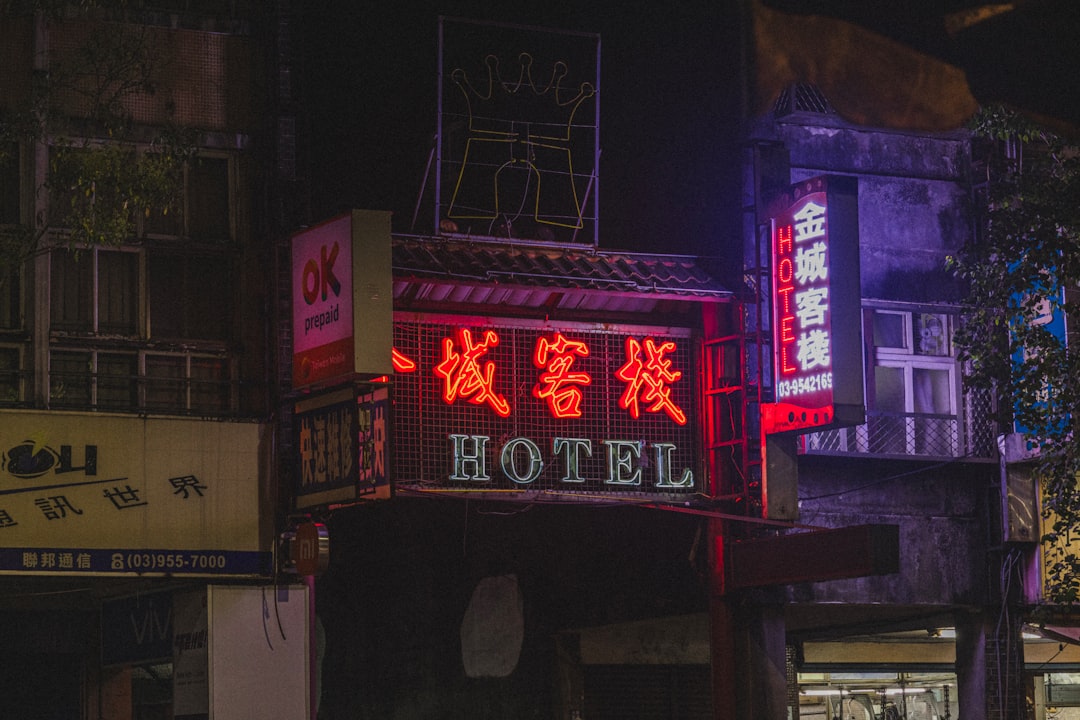
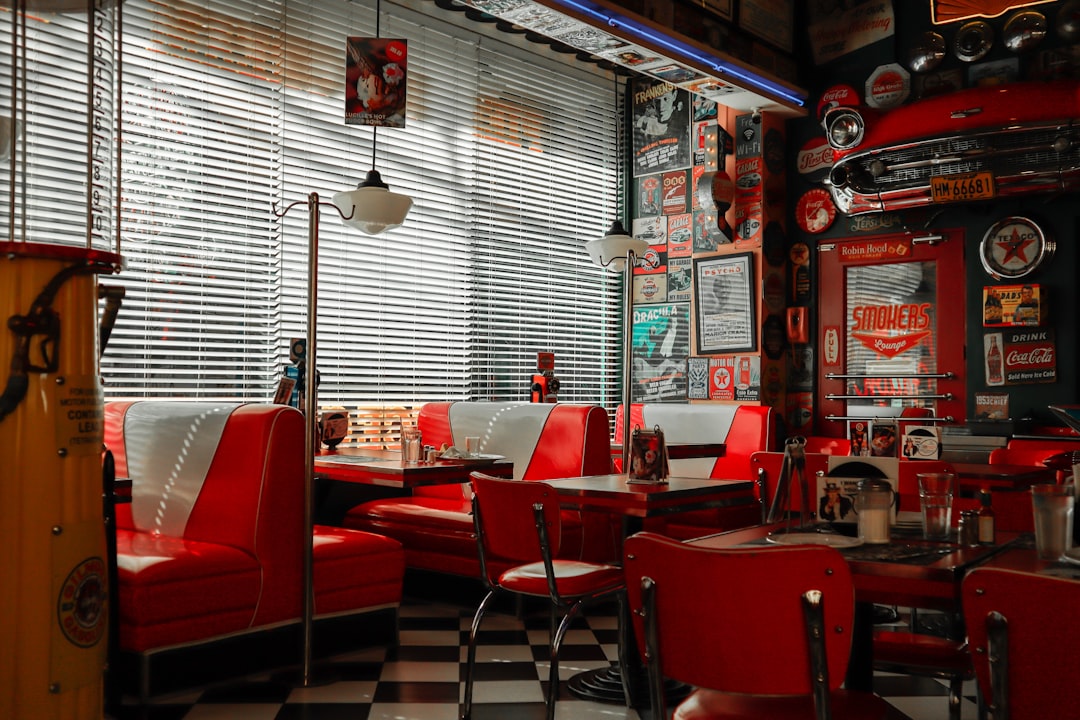
Waterproof matters more than it sounds. This deck has survived a spilled cola in Amarillo, a rainstorm in Winslow, and being used as coasters by someone who will remain nameless. Paper cards would have died three states ago.
The Send-Off
A hundred years ago, nobody threw a parade for a highway number. They just started driving, and the road wrote its own mythology one flat tire, neon sign, and two-lane sunset at a time. The centennial is our generation’s one shot to join that story properly — with a car that won’t quit, a trunk organized like we mean it, and enough paper backup to survive every dead zone from Joplin to Barstow.
The candles are lit on November 11. I intend to be there for the blowing-out — atlas in the back seat, jump starter in the door pocket, cards in my jacket, and 2,448 reasons to take the long way.
1 thought on “2,448 Miles, 8 States, 100 Candles: The Road Kit I’m Packing for Route 66’s Birthday”