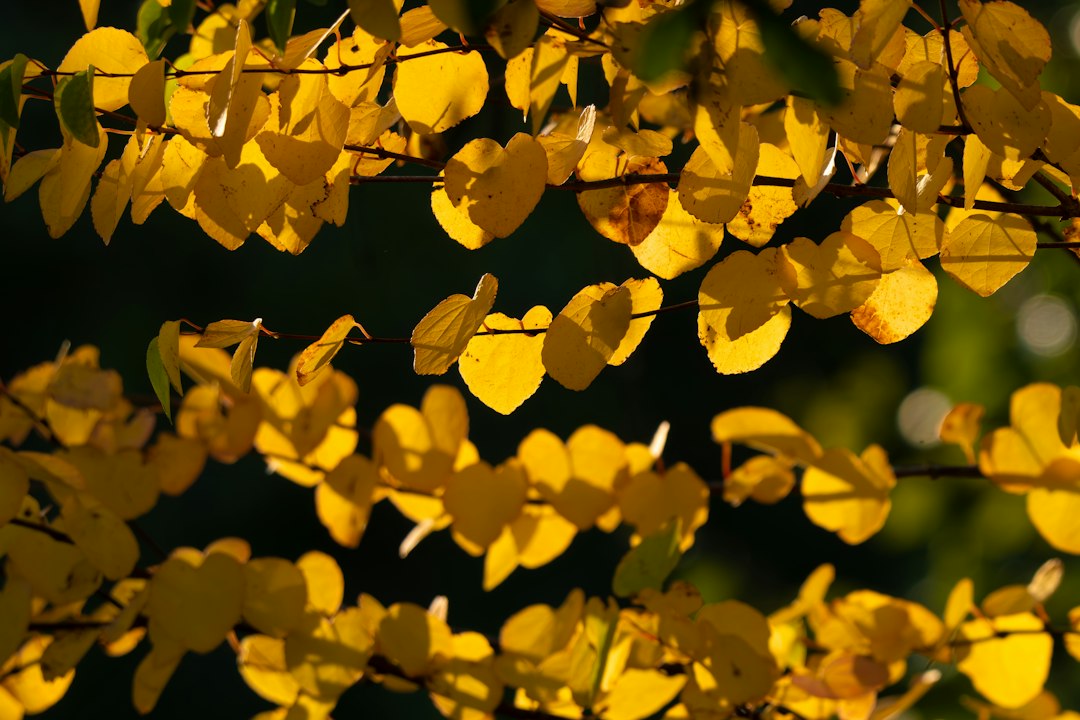
The forecast said the high country around Crested Butte was flipping, so my crew and I pointed the truck west out of town before sunrise, thermoses full, headlamps still in our pockets. By the time the sun cleared the ridgeline above Kebler Pass, we understood why people drive a thousand miles for this. An entire hillside — not a stand, not a grove, a hillside — had gone gold overnight, and it was lit from behind like someone had wired every leaf. Colorado’s aspen season does not whisper. It detonates.
Here is the thing most first-time chasers miss, though: there is no single “peak weekend” in this state. The 2026 fall foliage outlooks keep trying to hand you one date, and Colorado keeps ignoring them. I put together the statewide foliage forecast plan back in August expecting to find one, and what I found instead was a ladder. Fall starts at ten thousand feet in late September and walks downhill for three weeks. If you know how the ladder works, you can watch peak color happen four separate times without ever leaving the state.
The Elevation Ladder Is the Whole Game
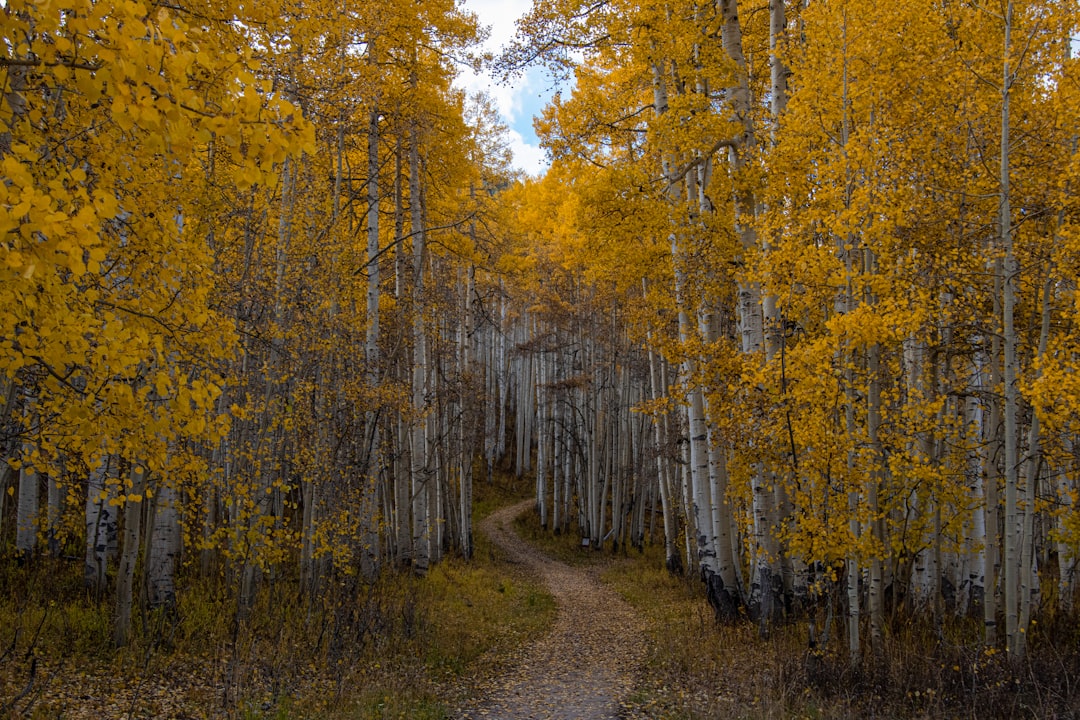
Aspens at 10,000 feet get cold nights weeks before the aspens at 8,000, which get them before the cottonwoods on the valley floor at 7,000. That is the entire secret. The ridgelines above Crested Butte and Aspen typically turn in the last week of September, the mid-elevation benches around the first week of October, and the river valleys of the Gunnison country hold gold into mid-October. One of my photographers calls it “fall with an encore schedule,” which is about right.
What this means practically: pick your elevation, not your weekend. If you can only travel the first week of October, skip the summits — they will already be bare — and aim for the passes and benches. If you are coming in mid-October, the show has moved to the low country, and honestly, that is when I prefer it. Golden cottonwoods along a river with nobody around beats a traffic jam at a summit overlook any day. It is the same logic I use chasing the Eastern Sierra’s aspen window, except Colorado’s ladder has more rungs and a much bigger top.
Kebler Pass: Thirty Miles Through the Biggest Grove Around
Start in Crested Butte, because everyone should. It is a real town — mining bones, bike-culture pulse, good coffee — not a resort stage set, and it makes the perfect base for the drive west. Kebler Pass Road is Gunnison County Road 12, roughly thirty miles of pavement-then-gravel that climbs just shy of ten thousand feet before dropping toward the Paonia side. Locals will tell you it runs through one of the largest aspen groves in North America, and once you are inside it, tunneling through white trunks with a ceiling of gold, the claim stops sounding like tourism-board talk.
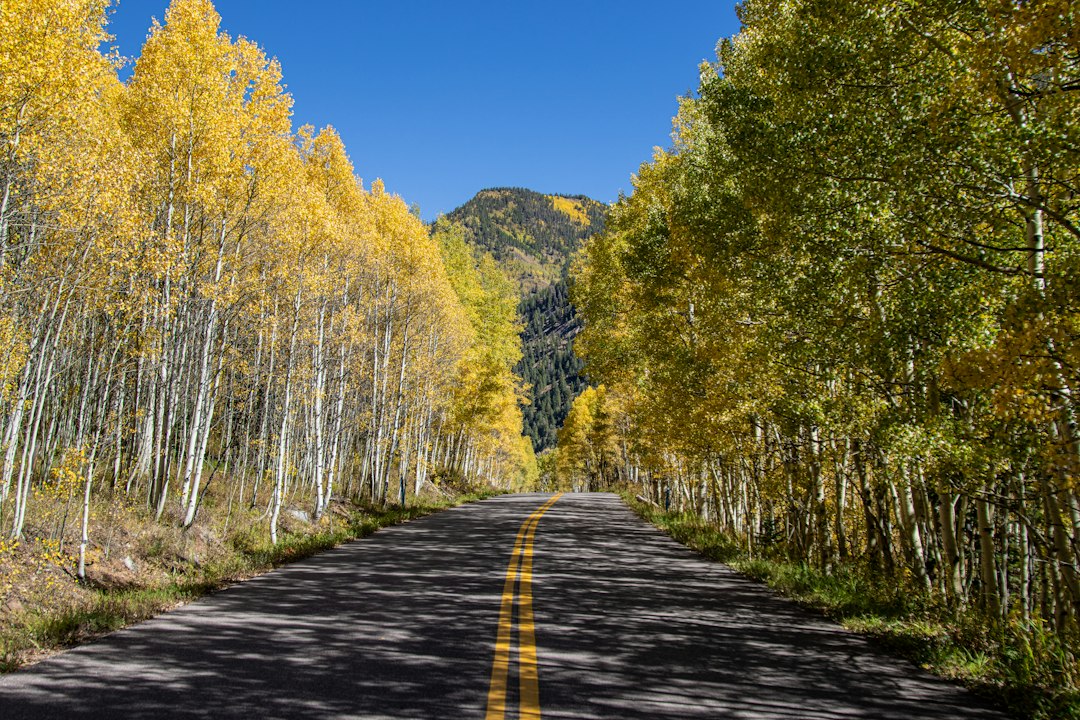
Go early. Not “leave at nine” early — headlights-on early. The light comes sideways through the trunks for about ninety minutes after sunrise, and by ten you are shooting flat light and sharing pullouts. My morning kit for this drive is boring and bulletproof: a 40-ounce vacuum bottle that keeps coffee scalding until noon, a merino base layer under everything, and a packable puffer rolled in the door pocket, because a Kebler dawn can sit in the thirties while Crested Butte hits seventy by mid-afternoon. Dress like the day has two seasons, because it does.
Two practical notes. First, the gravel sections are usually fine for careful passenger cars in dry weather, but check locally after storms — and if you are making a week of gravel roads, a cordless tire inflator riding in the trunk has saved my crew more than once. Aired-down tires handle washboard better, and topping back off at the trailhead takes two minutes. Second, cell service dies fast out here, so screenshot your maps and tell someone your route. This is the same drill I run on New Hampshire’s Kancamagus at first light: the early start is the easy part; the boring preparation is what actually makes the early start work.
The Bells Run on Reservations, Not Luck
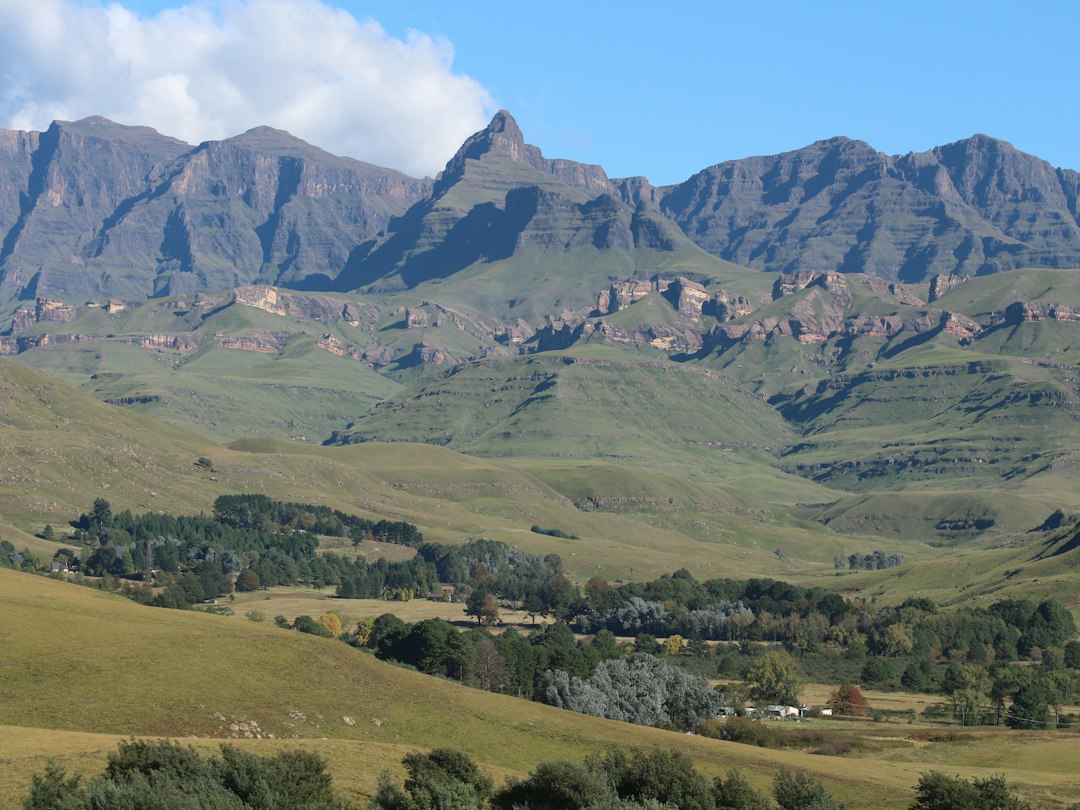
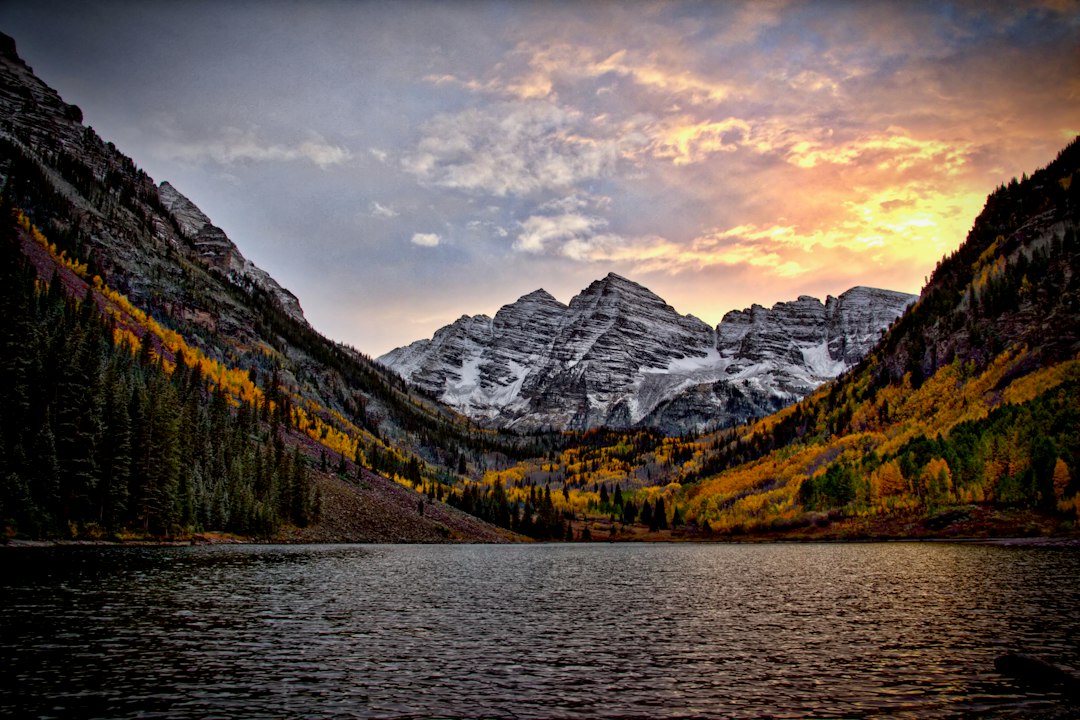
Roughly four hours north and east, on the other side of Independence Pass (open seasonally — check before you route that way) or down through Glenwood Springs, sits the most photographed scene in Colorado: the Maroon Bells floating over Maroon Lake, ringed with gold in late September. You cannot just drive up and see it. The road into the Maroon Bells scenic area requires a reservation — either a scarce parking permit for the crack-of-dawn and evening windows, or a seat on the shuttle that runs from the welcome center at Aspen Highlands. Shuttle tickets are cheap and released online; grab them days ahead for foliage season, because peak-week mornings sell out first.
The play, if you want the calendar shot, is the earliest shuttle you can book. You want to be standing at the lake while the peaks are still pink, before the wind stirs and the reflection breaks. Bring a lightweight tripod — even a compact travel model — because you will want a long exposure for that glassy water, and handheld simply will not hold it in low light. My crew’s rule after two seasons of this: one person claims the classic viewpoint, the others walk ten minutes toward Crater Lake, where the aspens press closer to the trail and the crowds thin to nothing.
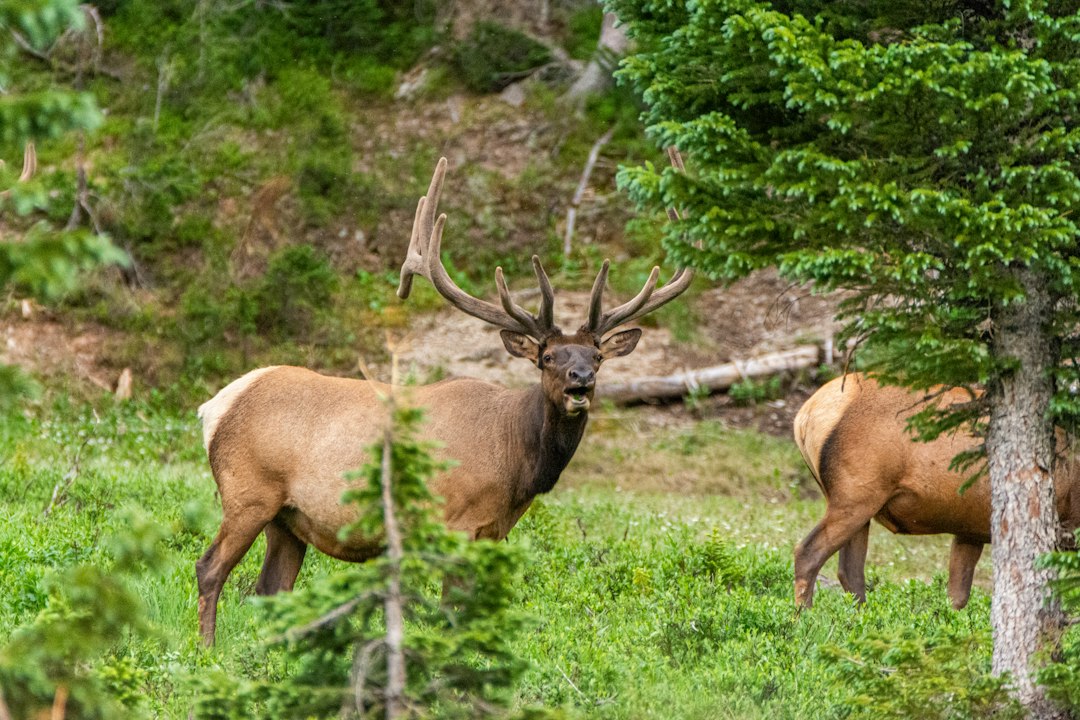
And since you are in the Aspen area at dawn anyway: September is elk rut season across the Colorado high country, and the bugling starts before sunrise. Pack compact binoculars — mine are twelve-power and small enough to live in a jacket pocket — and give any meadow a slow scan in the gray light. We watched a bachelor group work a slope near Aspen one morning, bugles echoing off the walls, and it nearly upstaged the trees. If the rut-and-gold combination is your thing, September in the Tetons plays the same double bill.
When the High Country Fades, Follow the Gold Down
Say you arrive the second week of October and the summits have already gone bare. You have not missed it — you have graduated. The show has simply moved downhill, and the second act is quieter and, I would argue, better. The drive toward Telluride over Dallas Divide is a wall of mid-elevation gold that typically peaks days after Kebler, with Last Dollar Road as the gravel detour everyone photographs. Down south, the passes above Durango hold late. Closer to Denver, Kenosha Pass on US-285 puts on a reliable show, and the river bottoms around Salida and Gunnison keep burning cottonwoods into mid-October.
The ladder even changes what you pack. Down low, days are warmer and the glare coming off golden valleys at altitude is real — I keep polarized sunglasses on my visor for exactly this, because at 8,000 feet the light does not negotiate. And if you are basing out of a cabin or campsite without hookups for a few days while you work down the ladder, a small portable power station quietly becomes the MVP: camera batteries, drones, phones, the whole circus. My rule is a recharge for every rung of the ladder.
What the Wind Takes
Now the honest part. Aspen gold is a loan, not a gift. The leaves hang on a countdown set by cold nights and shortened days, and the first real storm front — the one with the forty-mile-an-hour gusts behind it — can strip an entire hillside in an afternoon. I have watched it happen. It is equal parts devastating and beautiful, and it is exactly why you build a plan B into the trip: if the high country gets hit, drop a thousand feet and keep going. Something is always still holding gold somewhere in Colorado from the third week of September through mid-October. That is the ladder’s real gift — it forgives bad timing.
Follow the local color reports the week you travel, not the week you book. Towns like Crested Butte, Aspen, and Telluride all run live updates, and conditions can run a week early or late depending on the monsoon summer that came before. The forecast you made on your couch is a hypothesis; the one you make from a coffee shop in Gunnison on day one is the actual plan.
The Trunk List That Earns Its Place
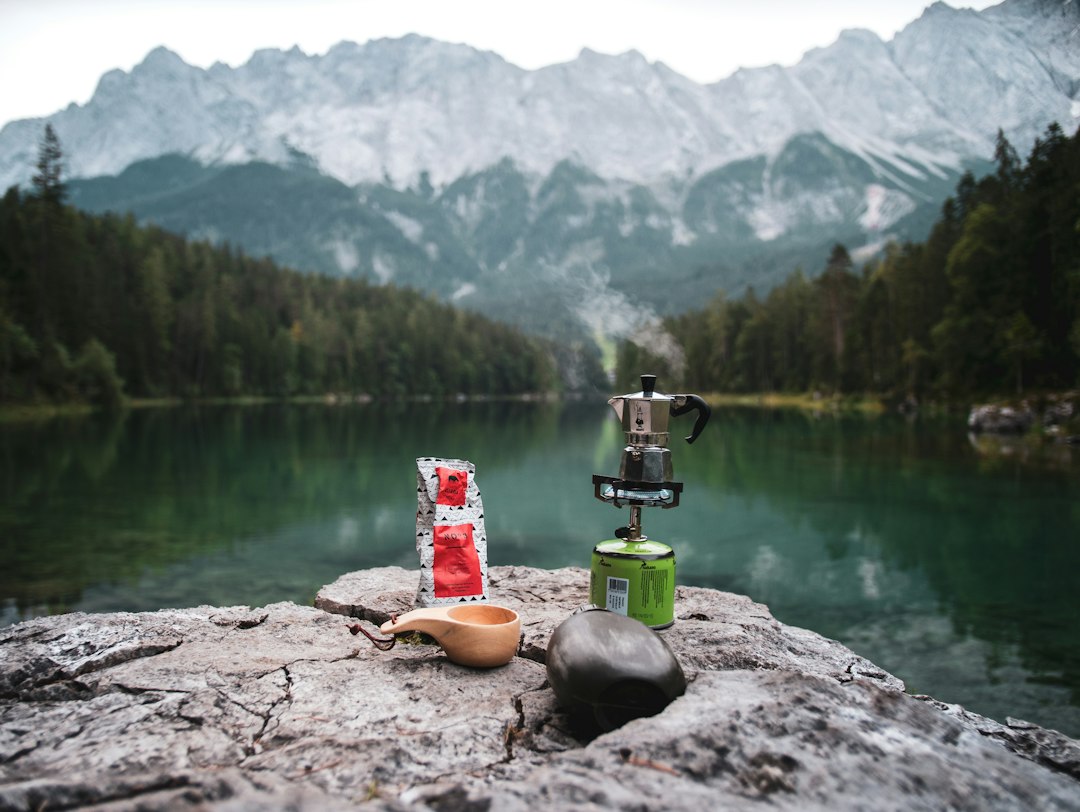
After two full seasons of chasing Colorado’s ladder, my crew’s kit has stabilized around a few workhorses. Layers first: merino base layers for the thirties-at-dawn reality, a packable puffer for the forty-to-seventy daily swing, and polarized sunglasses for the altitude glare. Optics and power next: compact binoculars for the elk meadows, a travel tripod for lake reflections, and a portable power station if you are camped off-grid between towns. Roads and light, finally: the tire inflator for gravel weeks, and a headlamp per person, because every single best morning of this entire season started in the dark.
The season is short. That is not a flaw — that is the entire reason it feels like this. Pick your week, pick your elevation, book the shuttle before you book the hotel, and give the mountains one early morning. The gold will do the rest.