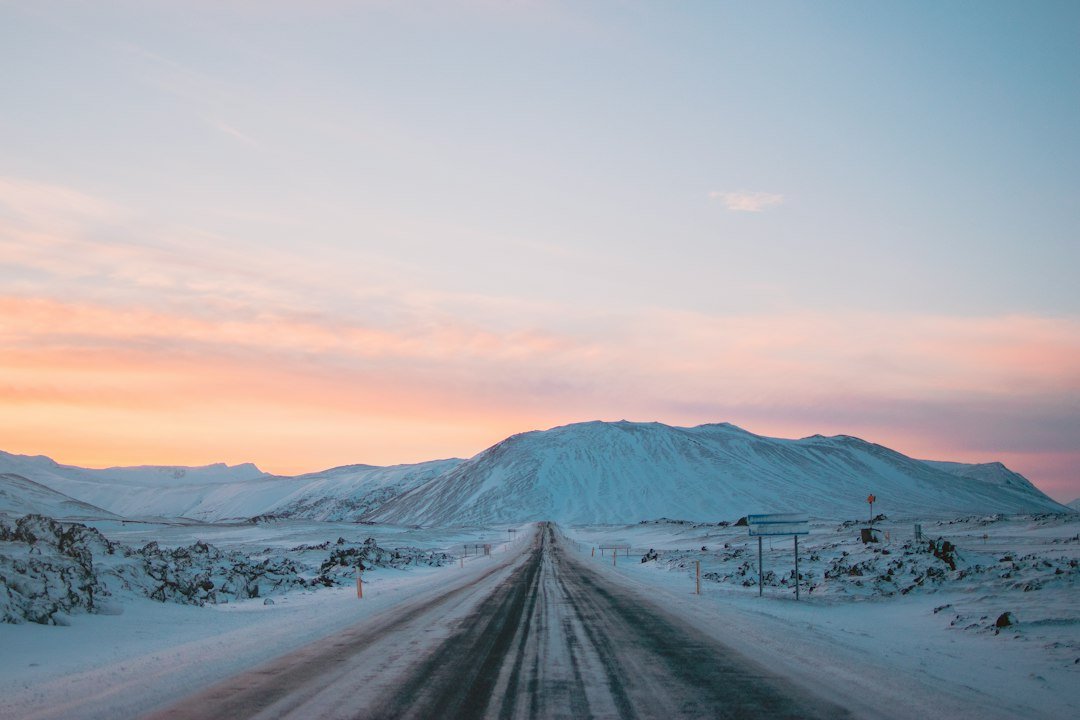
The forecast app on my phone flipped this week. Where it used to say rain, it now says snow possible above 6,000 feet, and that is my annual cue — earlier than most people’s — to rebuild the winter kit that lives behind the driver’s seat of whatever I’m driving. Mid-October sounds paranoid if you live in Phoenix. It sounds like adequate notice if you’ve ever watched a cold front slide down the Rockies and catch an entire interstate dressed for October.
My editor calls it my seasonal itch. The producer I shoot road content with calls it the fourteen-pound box, because that’s roughly what it weighs loaded: one bin, eleven items, none of them exotic. It has been a decade in the making, trimmed and upgraded one frozen lesson at a time, and this is the time of year I walk through it piece by piece before the first hard freeze makes the decisions for me.

The February Morning That Set the Rules
Marquette, Michigan, a few winters back. Minus eleven at sunrise, which is the kind of cold that makes a rental SUV crank slowly on purpose, like it’s negotiating. I was there for a lighthouse story, parked overnight outside a motel, and by 7 a.m. the engine answered with that long dying syllable that every cold-climate driver knows by heart. No jump pack. Cables, but nobody to borrow a battery from. A wool coat that turned out to be mostly fashion.
Ninety minutes, one very generous plow driver, and one borrowed blanket later, I started writing rules. The federal winter driving checklist — shovel, ice scraper, abrasive material, jumper cables, flashlight, warning devices, blankets, food, water, any medications you can’t miss — is right, and I won’t argue with it. But it’s a floor, not a ceiling, and reading it as a shopping list misses the point. Every item answers a specific failure. Once you know the failure, the gear picks itself.
Rule one: cold doesn’t break cars, being unprepared in cold breaks trips. Everything after that is just details.
Start With the Power to Start
Batteries are where winter trips actually die. Cold weather strips cranking power from a battery that was already marginal in July, and it does it on the exact morning you have a deadline. My roadside setup now runs on two layers of backup, and the first is a lithium jump pack the size of a hardcover book. The current generation is absurdly capable — the popular 1,250-amp compact units will start a half-ton pickup, and the 2,000-amp class even pre-heats its own cells so it works when the forecast itself is below zero. Mine lives in a door pocket, charged, and it has started strangers’ cars more often than my own.
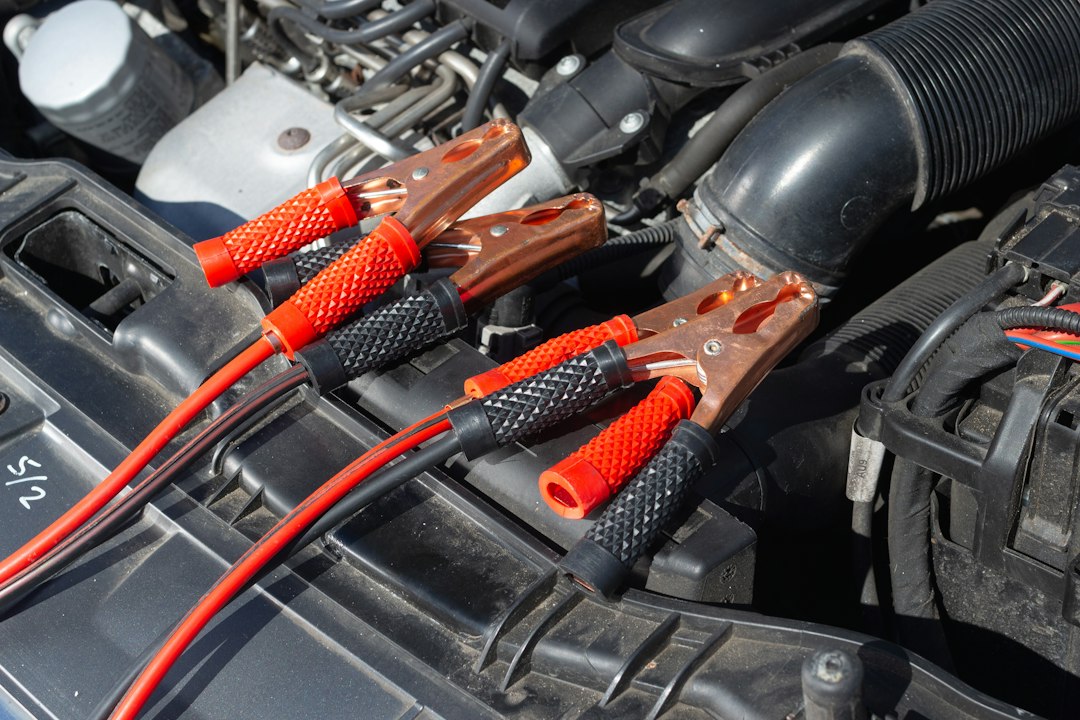
The second layer is old school: a twenty-foot set of heavy-gauge cables. Redundant? Sure. But jump packs fail, sit uncharged all summer, or get lent out and never come home, and you can’t always park nose-to-nose in a snowbanked lot. Twenty feet reaches across two parking spaces. The plow driver who saved me in Marquette had exactly that.
Stuck Means Grip, Not Horsepower
The second classic winter failure isn’t mechanical — it’s spatial. You slide off a driveway lip, or a plow walls you in, and spinning wheels just melt you down to ice. This is where I’ve watched the most money wasted, because the instinct is to floor it. What you actually need is bite under the tire.
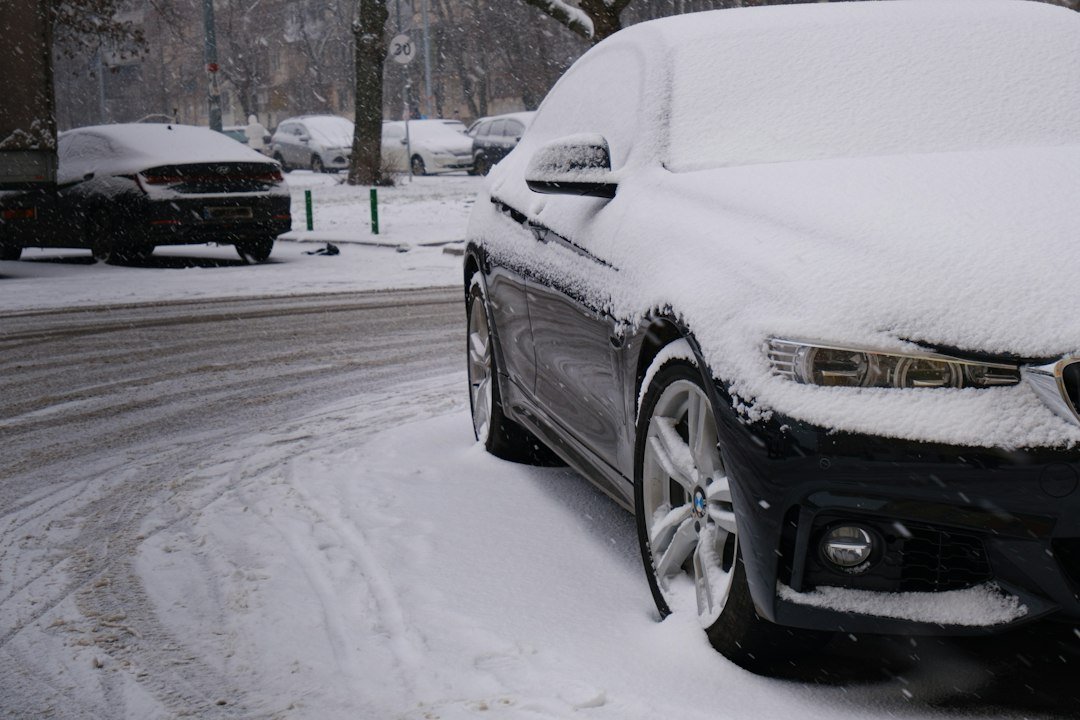
My kit carries a pair of composite traction boards — the ridged ramps overlanders use — because they work on ice crust, they don’t expire, and they double as a digging surface under a jack in slush. The classic alternative is a bag of sand or kitty litter: cheaper, and you get weight over the rear axle all winter as a bonus, but it’s a one-shot solution and it takes a permanent corner of your trunk. Pick one and commit. Before any of that, though, check your pressures: NHTSA’s winter guidance is blunt — inflate to the number on the driver’s door placard, never the one on the tire sidewall, and expect to lose roughly a pound of pressure for every ten degrees the thermometer drops. A compact inflator that lives in the door pocket turns that from a gas-station errand into a two-minute fix in your driveway, which is why mine stays there year-round.
The Warmth Math: Planning for a Long Wait
Here is the scenario that sorts real kits from checkout-counter kits: the road closes. Not stuck-and-solve-it, but the interstate shut, traffic parked, two to six hours of waiting for the wreck to clear and the plows to run. It happens on I-80 in Wyoming, I-94 in Minnesota, and the passes of Colorado every single winter, to people who left the house for a two-hour drive.
The rule everyone should memorize: stay with the vehicle. It is shelter, it is visible to rescuers, and it holds heat better than you do. Run the engine about ten minutes an hour for heat, keep the exhaust pipe clear of snow, and crack a downwind window slightly — the carbon monoxide risk from a blocked pipe is the reason the shovel matters even if you never dig out. Between engine runs, insulation is everything.

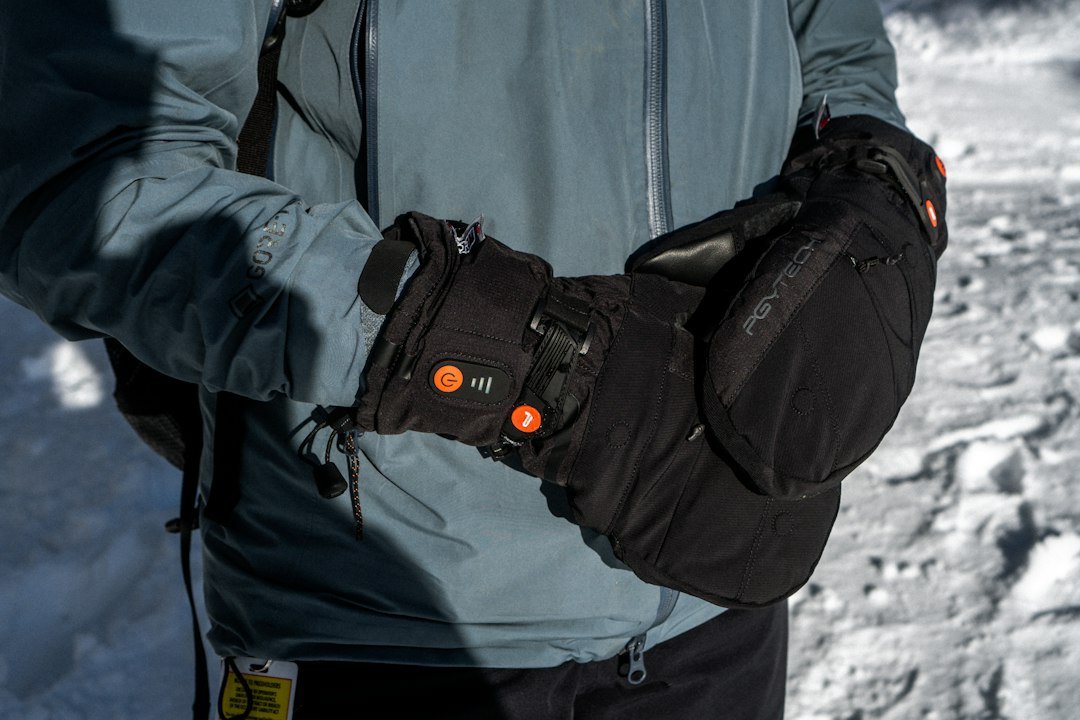
Synthetic throw blankets are decoration at ten degrees. Wool is the answer — heavy, flame-resistant, still insulating when damp — and one proper wool blanket outperforms a stack of fleece. Mine lives in a dry bag with a spare beanie and gloves, sized so two people can share it. For hands, rechargeable hand warmers have quietly become one of my favorite pieces of travel tech: they run six to eight hours per charge, reset in ninety minutes on USB, and most double as power banks, which earns them a second job in the next section.
Be Seen, Be Found, Be Charged
A stranded car in blowing snow is nearly invisible, and the standard advice — flares — deserves an upgrade. Traditional flares burn out in fifteen minutes and don’t love being stored for years in a trunk that swings from 120 degrees to minus twenty. LED road flares are the modern swap: magnetic bases so they stick to the metal, strobe patterns visible for a half mile, and batteries measured in years on standby. Three of them, placed behind the car at intervals, do more for your safety than any single item in this article.
Light you carry matters just as much. A rechargeable headlamp beats any handheld flashlight in winter, because winter problems are two-handed problems — you need one hand for the shovel and one for balance, and you need the light to point where you’re looking. Ours have survived being dropped in slush more times than I’ll admit in print.
Then the charged-phone question, which has two answers. In cell country, the jump pack and hand warmers keep the phone alive, and a 12-volt charger with a fast port covers the engine-off hours. Out of cell country, none of that helps — which is why, before the trails go quiet, I sort out the satellite messenger question separately; dead zones don’t negotiate, and a text-capable device has become standard kit for our winter shoots. For a deeper dive on which emergency car tech earns its trunk space, our tech desk’s trunk audit is worth your ten minutes.
The Dig-Out Tools Nobody Buys Until the Plow Buries Them
Two tools in this kit cost less than dinner combined and get used every single year. The first is a folding shovel — a compact one that telescopes and locks, small enough to stow under a seat. Full-size shovels move more snow, but they don’t fit the rental, and the shovel you actually have with you beats the one in the garage every time. Ask me about the year I dug out with a plastic sled.
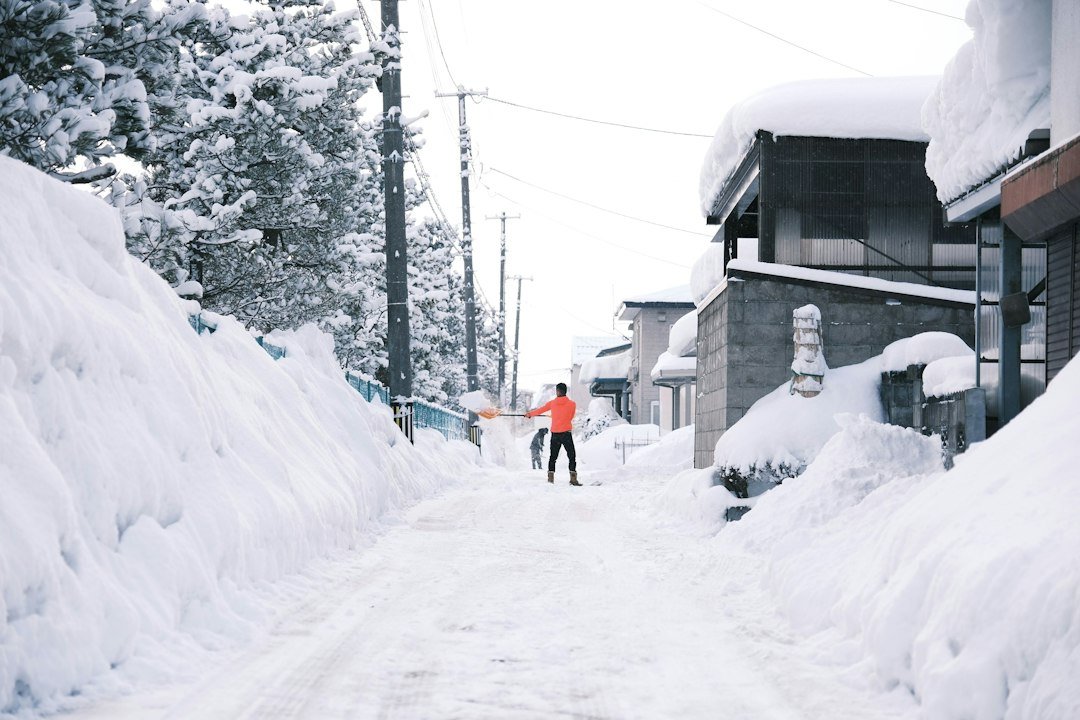
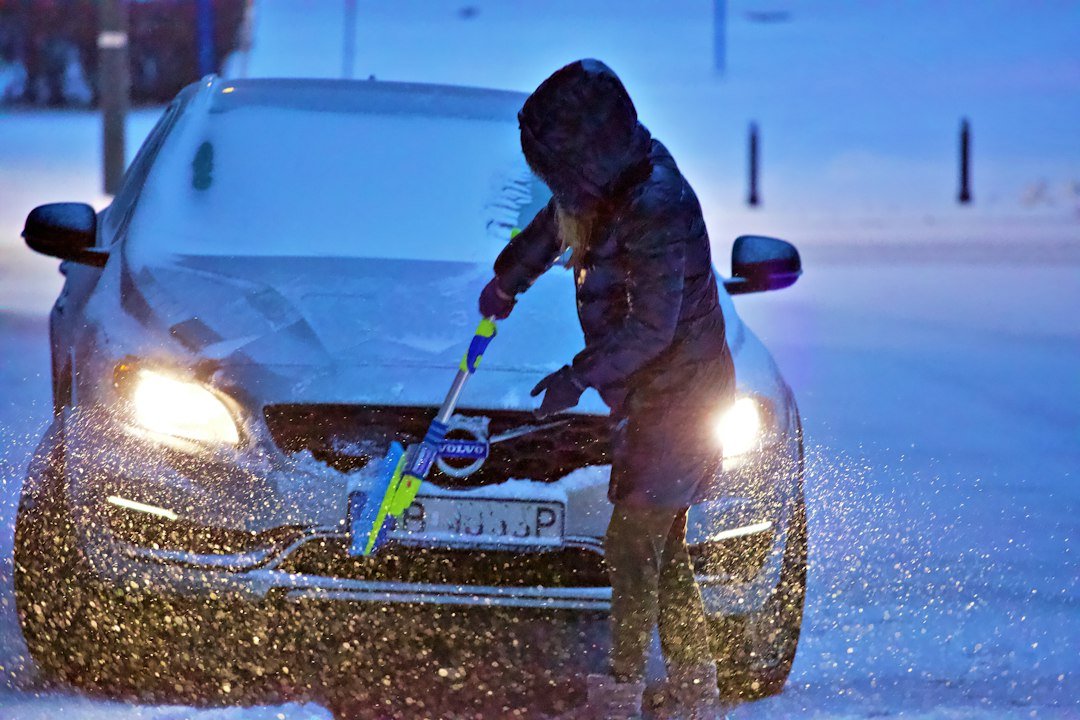
The second is the humble brush-and-scraper combo, upgraded to the longest handle you can store. The long handle isn’t for the windshield; it’s for the roof, which brings up the least obeyed rule in winter driving: clear the whole car, roof included. Ice sheets flying off roofs crack windshields behind you, and a growing number of states now ticket drivers for exactly that. Sixty seconds with a long-reach brush is cheaper than either outcome.
The Unphotogenic Half: Food, Water, First Aid
This is the section with no glamour shots, which is exactly why most winter kits skip it. The food is whatever keeps when frozen — calorie-dense bars, nuts, dark chocolate — packed at roughly 1,500 calories per person and rotated twice a season, because even survival food goes stale. Water is the tricky one: it freezes solid in the trunk, so my bottles ride inside the cabin in an insulated sleeve, two of them, because a closed interstate makes no exceptions for thirst. Medications you genuinely can’t miss belong in the same bag, exactly as the federal checklist says, plus anything your particular body demands that a stranger wouldn’t guess.
The last item is a sealed first-aid kit rated for trunk temperatures, restocked every October. Mine has patched more ski thumbs and split knuckles than roadside emergencies, which is to say it earns its keep for ordinary trips, not just disasters. The snack strategy got its real-world test on a 2,448-mile Route 66 run — the road kit I packed for that trip taught me more about what food actually survives a car than any list ever did.
Where It All Lives, and Why the Layout Matters
Container discipline is the difference between a kit and a pile. Everything rides in one latching bin behind the driver’s seat: heavy items low and aft, first-out items on top, nothing loose on the rear shelf where it becomes a projectile. The bin moves between vehicles in ten seconds, which matters for rentals and loaners. Once a season, in the week the forecast flips, everything comes out, gets tested, charged, re-stocked, and re-loaded — the same weekend ritual my campervan gets its full pink-stuff winter overhaul, so both vehicles cross into the cold season on the same day by design.
The layout also encodes the order you’ll need things. Blanket and flares are reachable from the driver’s seat without getting out. Shovel and traction boards sit deepest because you’ll be standing in the mess anyway when you want them. This sounds fussy until the night it isn’t.
What I’ve Cut After a Decade of Winters
The cuts are as educational as the keeps, so here’s the honest list. Candles and the tin-can heaters: gimmicks with a carbon-monoxide edge, replaced by one blanket and engine-interval heat. The 72-hour complete survival buckets: half the contents are filler you’ll never touch, and they weigh forty pounds. The eighteen-function multitool: I have used the pliers once in ten years. The mylar space blankets that rip if you look at them: replaced by the wool one. Every one of those cuts made the kit lighter, cheaper, and more likely to actually be in the car.
So that’s the box: jump pack, cables, traction, inflator, blanket, hand warmers, headlamp, flares, shovel, scraper, plus the food-water-aid bag. Fourteen pounds, one bin, built for under three hundred dollars if you’re starting from zero, and worth infinitely more than that on the one morning it matters. The first hard freeze is three to six weeks out for most of the country. That’s not a warning — it’s a schedule, and this year you’ll beat it.