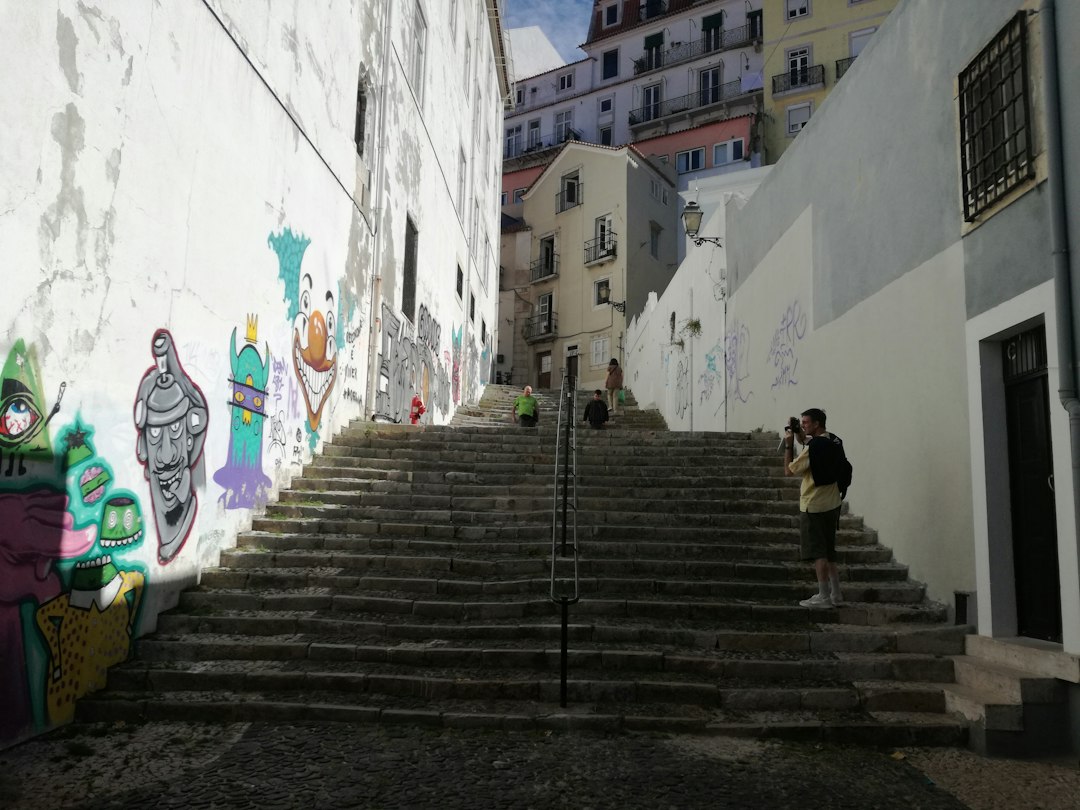
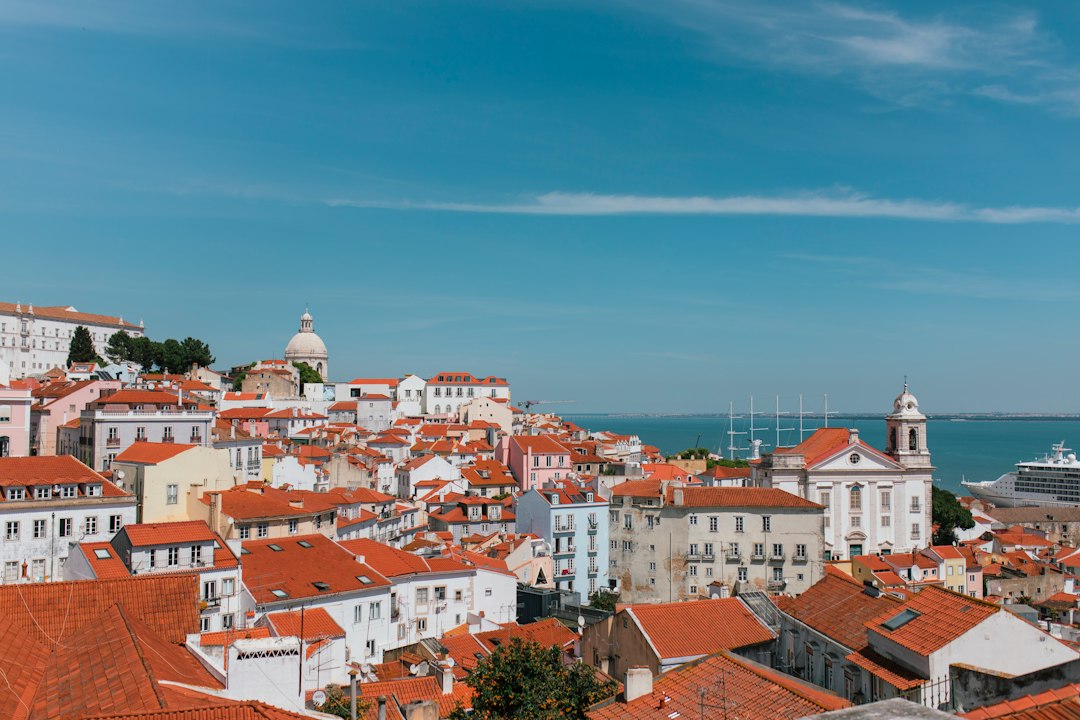
My phone claims I walked 21,347 steps the day we hit Alfama. I believe it, because my arches kept the receipts. Lisbon is the rare European capital that treats your fitness tracker like a scoreboard and your feet like a liability, and for years I treated that as a badge of honor. Fly in, pound the hills, limp to the pastel de nata line, repeat. Then last fall happened — the trip where a fifteen-dollar piece of foam rescued my entire walking season and quietly rearranged how I pack for every stair city on my list.
Here is the field report, cobblestone by cobblestone.
The City That Counts Your Steps in Hills
Lisbon looks compact on a map. It is not. The city is stacked on seven hills, stitched together with calçada portuguesa — those hand-laid limestone cobbles that photograph beautifully and punish ankles all day. The stones are uneven by design, polished by a century of shoes, and slick as ice after the first autumn rain. Every step lands on a slightly different angle, which means the small stabilizing muscles in your feet work overtime while the big cushioned ones never get a flat platform to push off from.
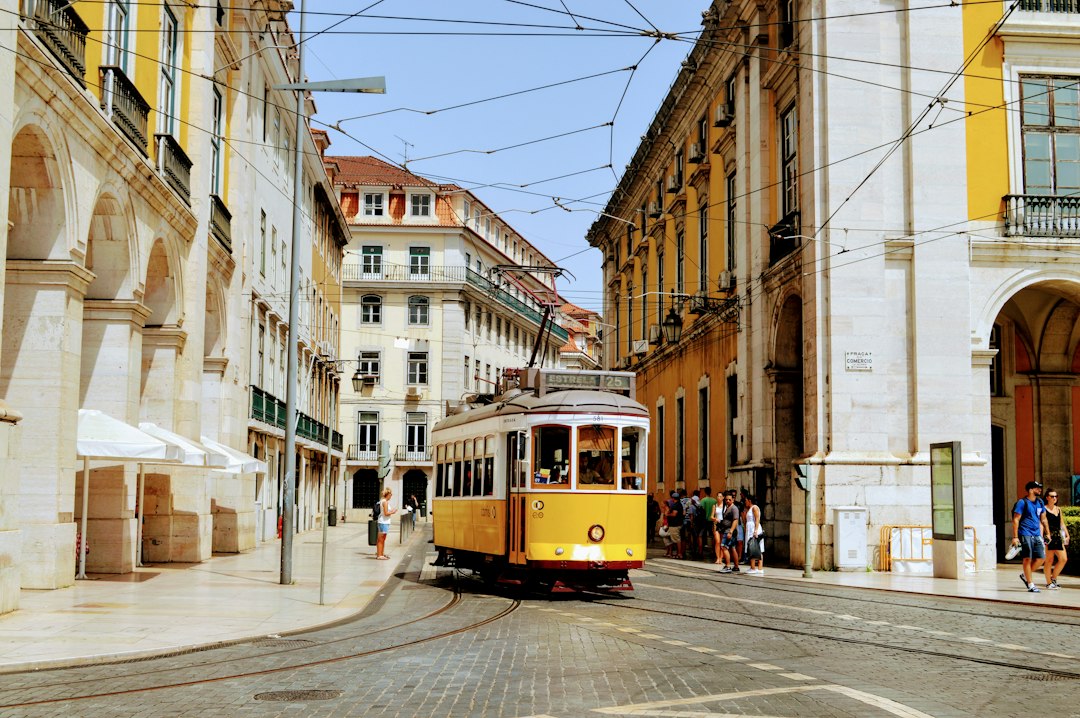
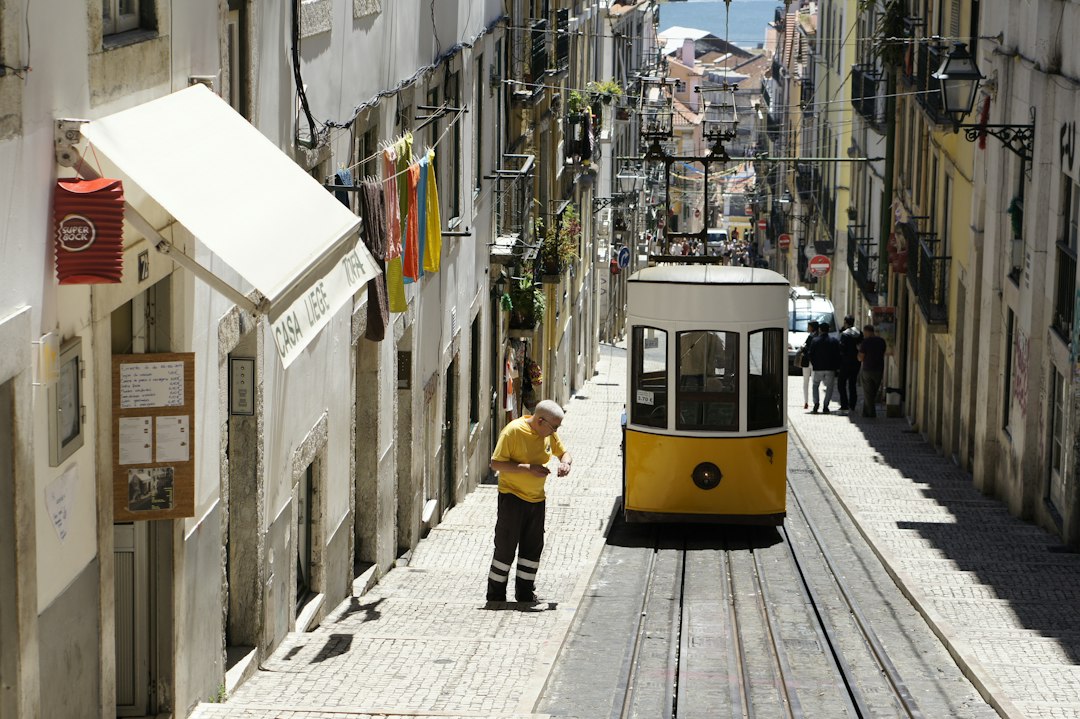
One more thing changed the math this year. The funiculars — those charming inclined railways that used to haul walkers up the steepest faces — have been suspended since the September 2025 Glória disaster, and they were still off when we visited. No Elevador da Glória shortcut, no Bica photo op with a ride attached. The hills that locals used to outsource to cables are now fully yours to climb on foot, which is wonderful for your step count and terrible for everything below your knees.
My team planned a five-day walking itinerary built around that reality: Alfama and the castle on day one, Graça’s viewpoints on day two, Belém’s flat riverside as a breather, then the Chiado-to-Bairro-Alto gauntlet. The plan was sound. My footwear was not.
Day Two, When My Feet Filed a Formal Complaint
The trouble arrived on schedule, about three hours into the Graça loop. Not a blister — something deeper. A hot, grinding ache across the ball of each foot, the kind that makes you negotiate with benches. Cobblestones do that. On flat pavement your weight rolls heel to toe in one clean line. On uneven stone, each step is a micro-adjustment, and the load piles onto the metatarsal heads like gravel in a shoe.
By the miradouro at Senhora do Monte I was doing the tourist shuffle — short steps, stiff ankles, that grim half-smile people wear when they refuse to admit the vacation is hurting. I had good shoes. Broken-in sneakers, decent tread, no crime against podiatry. That was the part that gnawed at me on the tram ride back down: the shoes were fine. The city was simply playing a different sport.
That night, over a bowl of something restorative in Baixa, one of my researchers — who has strong opinions about load distribution — made the case I had been dodging for years. The problem was not the shoe. It was the dead, flat, factory insole inside it, about as cushioned as a cereal box top.
The Fifteen-Dollar Experiment on Rua do Ouro
So the next morning we walked into a farmácia, then a sports shop on Rua do Ouro, and rebuilt my shoes from the inside out for less than the cost of two lunches. The star was a pair of Dr. Scholl’s Travel & Comfort insoles — the specific travel version, with structured arch support and real heel cushioning, not the flat gel pads I remembered from drugstore shelves. If your arches collapse or your plantar fascia complains on long days, the firmer plantar-fasciitis-style walking insoles are the upgrade path; my photographer runs those and swears the morning-after ache never arrives.
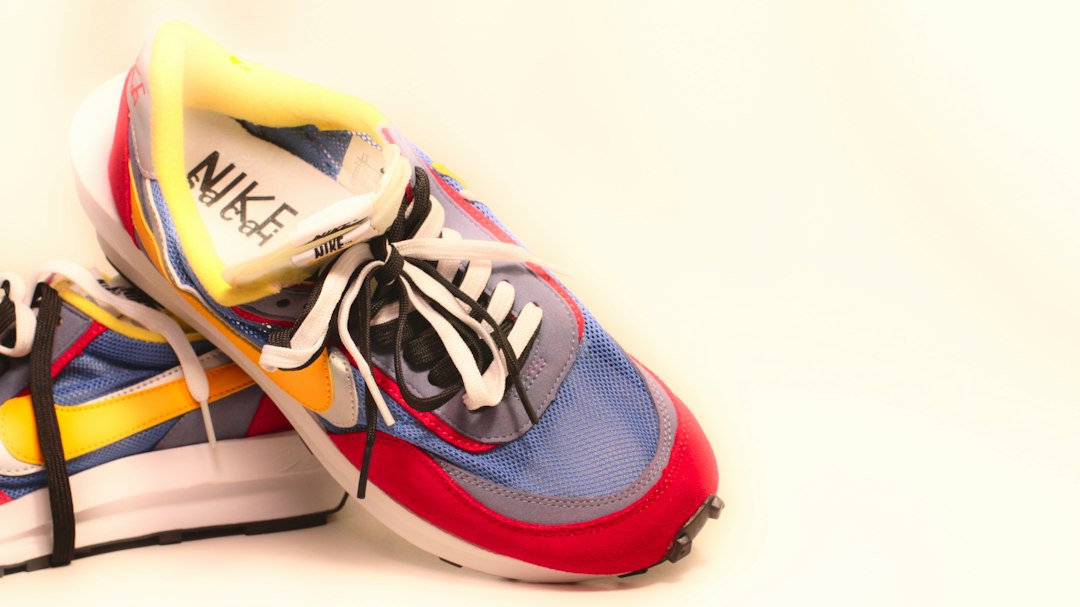
The mechanics are not magic. An insole does two things on cobblestone: it spreads impact across more of the foot instead of letting it concentrate on the ball and heel, and it gives the arch a ramp to push off from so the small muscles stop doing the big muscles’ job. Walking on calçada with flat stock insoles is like driving cobblestones on factory tires. The car runs; everything rattles.
I trimmed the new pair to fit, slid them in, laced up, and took the long flat grid of Baixa as a test lap — deliberately, before any hills. Which brings me to the part most people skip.
Break Them In on the Flat, Not the Hill
An insole changes the geometry of your shoe. Your heel sits a few millimeters higher, your arch gets pressure it forgot existed, and the hot spots move to new neighborhoods. Put fresh arch support in and immediately climb to Castelo São Jorge, and you will blame the insole for the rebellion your foot stages on the way up.
We did it in stages. Day one on the new insoles: the flat rectangle of Baixa and the riverside promenade, maybe eight thousand steps, no grades. Day two: the gentle Avenida-to-Chiado stretch, half hills. Only then did I point them at Alfama’s staircases, and by then my feet had signed the treaty. If your trip is short, break the insoles in at home for a week before you fly — walk the dog in them, do a grocery run, let the foam learn your weight before it has to earn it overseas.
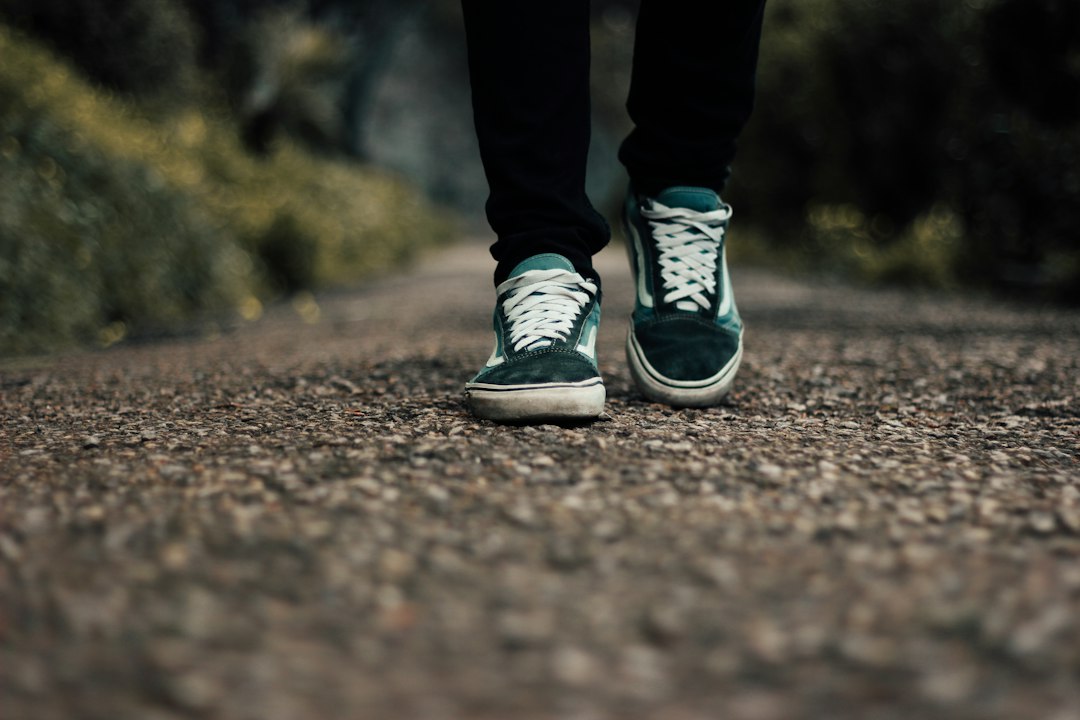
While I was at it, I retired my oldest travel mistake: cotton socks. Cotton holds sweat, softens skin, and manufactures blisters on hills. A couple of pairs of merino wool walking socks regulate temperature and stay relatively dry even when Lisbon’s October humidity turns the staircases into a sauna. Cheaper than shoes, more useful than an extra shirt — they occupy the same luggage real estate as a folded map and do infinitely more work.
The Rest of the Foot Kit Earned Its Place Too
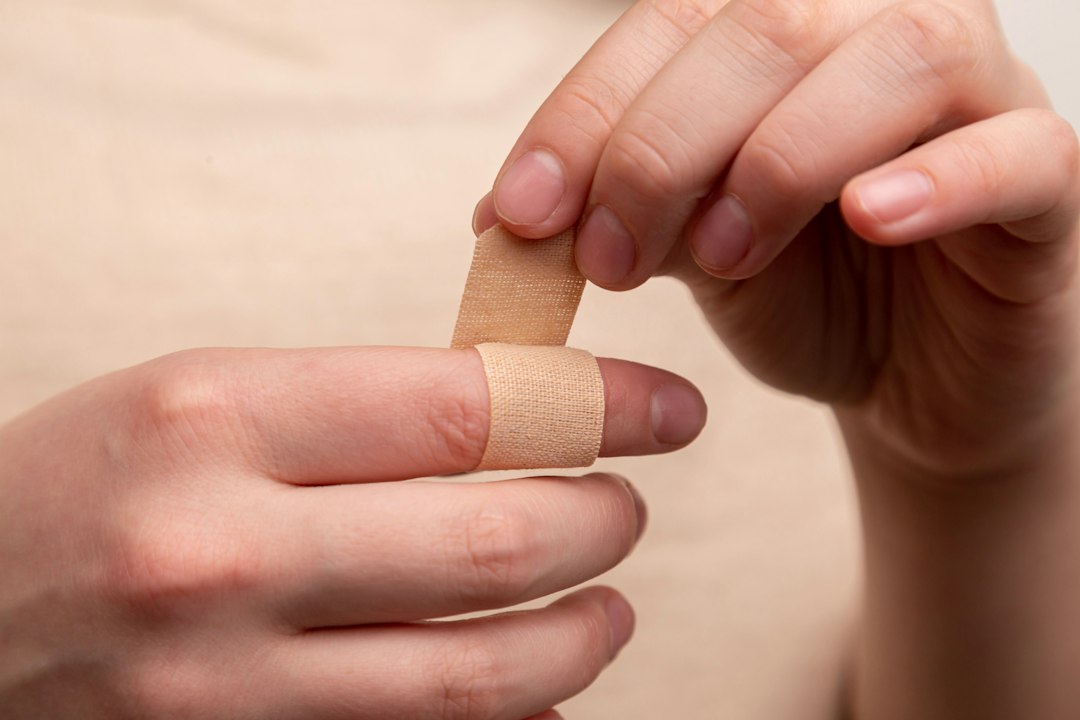
The insole was the headline, but the supporting cast turned a good trip into a great one. First, hydrocolloid blister bandages — the thick ones that stay on for days and turn a would-be trip-ender into a non-event. I carry a strip of them in my daypack now the way other people carry gum. A small stick of anti-chafe balm handles the rub points before they become bandage customers; a swipe on the heel and the little toe seam in the morning buys me a full day.
For the flight over, my editor — who wrote our piece on the compression socks that survived eight long-haul flights — insisted I finally take her advice. A pair of travel compression socks on the overnight into Lisbon meant I stepped off the plane without cankles, which matters more than you think when day one includes a hundred-meter climb to a sunset viewpoint.
And because every ounce matters on a cobblestone trip, my backup pair is now packable walking shoes that flatten to the width of a paperback and weigh about as much. Twenty thousand steps a day is a gear problem as much as a grit problem; treat it like one and the city opens up.
Routing Lisbon Like My Feet Actually Matter
With the hardware sorted, we rebuilt the itinerary around the city’s vertical logic. Lisbon rewards planners. The flat arteries — Baixa’s grid, the waterfront from Cais do Sodré toward Belém — make perfect morning routes when legs are fresh and insoles are still on their best behavior. Save the hills for after lunch, when the light turns honeyed and the miradouros are the prize.
Tram 28 is not cheating; it is infrastructure. Ride it up the Graça flank, walk the ridge between viewpoints, then descend on foot — downhill uses different muscles, and with real cushioning under the heel it stops being a controlled fall. Without the funiculars, the trams and the elevador de Santa Justa queue are doing the city’s vertical lifting, so board with a plan at off-peak hours or the rolling rest becomes a standing one.
The rhythm that worked: one hard-hill day, one flat day, alternating. Our fall-color chasing at home runs on the same logic — we plan Acadia’s October routes downhill-first, the way I described in our field notes on Acadia’s two-week color clock. Cities and mountains agree on more than you would expect: legs are a budget, and routing is how you spend it.
Evenings Are for Recovery, Not Regret
Twenty thousand steps deserves a closing ceremony. Mine costs about ten minutes and happens with my feet up on the hotel bed’s white duvet — the single most underrated moment of any walking day. A small massage ball rolled under the arch melts the day’s cobblestone residue; thirty seconds per foot under the ball, then a smear of foot recovery cream on whatever still complains. After showers, I live in recovery sandals until bed. My team mocks the ritual right up until they try it, at which point the ball disappears into someone else’s room.

This is the part veteran walkers know and everyone else learns expensively: the recovery routine is what makes the ambitious itinerary possible. Skip it for two nights and day three becomes a café-and-ibuprofen day. Spend ten minutes and the whole week stays on the table.
Why Fall Is the Season to Do This
October and November might be Lisbon’s best-kept walking secret. The summer furnace breaks, the cruise crowds thin, and the light goes low and golden across the Tagus, which is precisely why the miradouros feel earned instead of merely visited. You will still sweat on the Alfama stairs — humidity lingers — but 68 degrees and a breeze beats 95 degrees and a furnace wind by about six thousand steps of pure willpower.
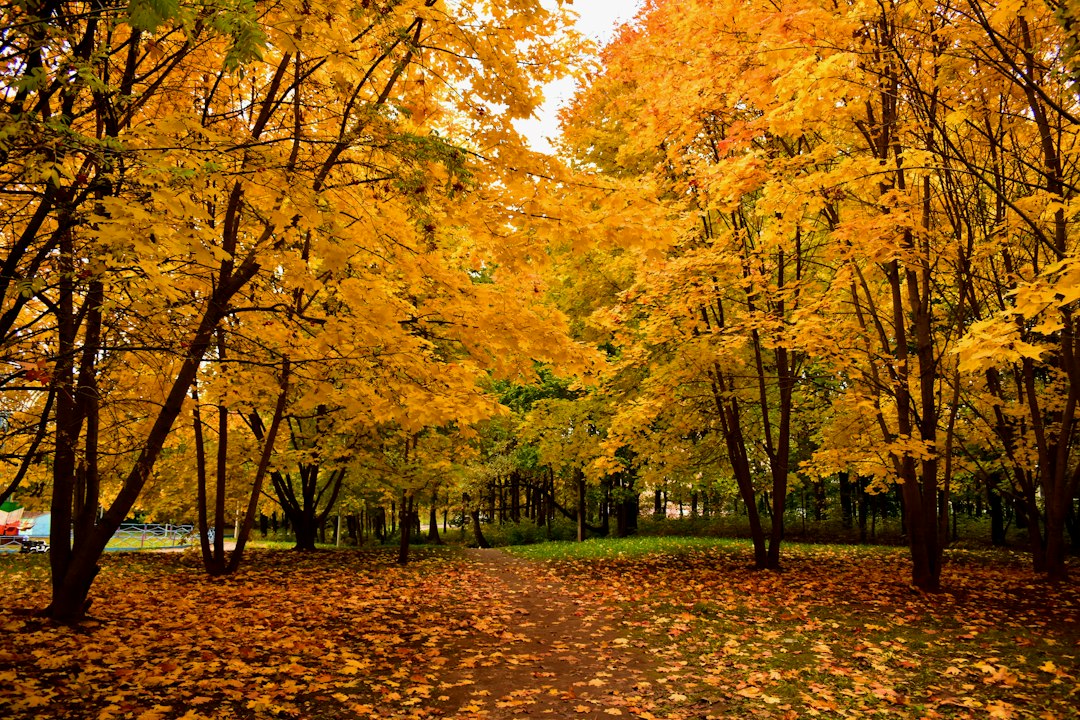
The same season back home is when I load the trail pack again, and the philosophy travels. Downhill knee dread is a solved problem if you believe my field notes on the trekking poles that rescued my fall hiking season. Poles for the descents, insoles for the pavement, merino for everything — the gear is embarrassingly affordable for how much vacation it buys back.
The Verdict, Twenty-One Thousand Steps Later
On our last day in Lisbon I re-climbed to Senhora do Monte — the same viewpoint where, a week earlier, I had negotiated with a bench. This time I took the long way, added a lap through the Graça market, and topped 21,000 steps without a single formal complaint from either foot. The shoes were the same. The city was the same. The fifteen dollars of foam was the only thing that changed.
I used to think insoles were a concession, something for people with problem feet. Lisbon cured me of that. In a city that runs on stairs, suspended funiculars, and beautiful, brutal cobblestone, they are not medical equipment — they are infrastructure. Pack them on top, break them in flat, route your hills with respect, and keep the blister kit close. The stairs are still there tomorrow. So, now, are my arches.