
I never thought I’d be the person writing about compression socks. Two years ago, I associated them exclusively with my grandmother’s hospital visits and long recovery days after surgery. Then I took a 14-hour flight from JFK to Tokyo with swollen ankles so puffy I couldn’t get my shoes back on at baggage claim, and everything changed. A flight attendant pulled me aside in the arrival hall and said something that stuck with me: “Honey, if you’re going to fly like that, at least wear the right socks.” I’ve since worn compression socks on eight long-haul flights across four continents, and my ankles — not to mention my overall comfort — have never been better.
Here’s the thing most travelers don’t realize: compression socks aren’t just for people with medical conditions. They’re for anyone sitting in a cramped metal tube at 35,000 feet for more than a few hours. And the brands making them now? They actually look good. No more beige medical tubes that scream “I’m recovering from surgery.” We’re talking bold patterns, athletic styling, and materials that wick moisture and breathe. After testing more pairs than I care to count, I’ve developed some strong opinions about which ones deserve space in your carry-on bag.
Why Compression Socks Matter on Flights
Let me get the science out of the way quickly, because understanding the “why” makes the “which” a lot easier. When you sit motionless for hours — whether in seat 14B or at your desk — gravity pulls blood into your lower legs. Your calf muscles, which normally act as pumps to push blood back toward your heart, aren’t contracting. The result is pooling blood, increased pressure in your veins, and that heavy, achy feeling you probably chalk up to “just being on a plane.”
Graduated compression socks apply gentle pressure that’s tightest at the ankle and gradually decreases up the calf. This gradient helps push deoxygenated blood back toward your heart, reducing swelling, fatigue, and — critically — the risk of deep vein thrombosis (DVT). The CDC estimates that blood clots affect up to 900,000 Americans annually, and prolonged travel is a known risk factor. I’m not trying to scare you, but a simple pair of socks is an easy layer of protection. Combined with a good neck pillow and my personal jet lag protocol, compression socks have become a non-negotiable part of my flight kit.
Understanding Compression Levels (Without the Medical Jargon)
Compression is measured in millimeters of mercury (mmHg), and the number matters more than you’d think. Here’s the quick breakdown I wish someone had given me before I bought my first pair:
- 8-15 mmHg (Mild): Barely noticeable. Fine for a short commute or a day on your feet at a trade show, but not enough for a transatlantic flight.
- 15-20 mmHg (Moderate): The sweet spot for most travelers. Noticeable compression without feeling like your legs are in a vise. This is where I started, and honestly, it’s probably where most people should stay.
- 20-30 mmHg (Firm): Medical-grade territory. You’ll feel the squeeze. I reserve these for flights over 10 hours or when I know I’ll be immobile for extended periods.
- 30-40 mmHg (Extra Firm): Prescription-only in many cases. Unless your doctor specifically recommends these, you don’t need them for travel.
My advice? Start with 15-20 mmHg for your first few flights wearing compression. Once you’re used to the sensation — and you will get used to it within an hour — you can decide whether you want more pressure for ultra-long routes. I personally rotate between the two levels depending on the flight duration.
The Brands That Actually Hold Up After Months of Testing
I’ve washed, dried, stretched, and sweated through more compression socks than I ever thought possible. These are the ones that earned permanent spots in my travel rotation.
FITRELL 3 Pairs — My Everyday Go-To
The FITRELL compression socks (20-30 mmHg) were my gateway pair, recommended by that same flight attendant in Tokyo. Three pairs for under twenty bucks, with 20-30 mmHg compression that’s surprisingly comfortable for the pressure level. The fabric is a nylon-spandex blend that holds up wash after wash — I’ve had my original set for over a year and they haven’t lost their elasticity. They come in enough colors and patterns that you won’t feel like you’re wearing medical equipment. My only gripe? The sizing runs a touch tight, so if you’re between sizes, go up. For flights under 8 hours, FITRELL also makes a 15-20 mmHg version that’s gentler but still effective.
CHARMKING — Best for Sensitive Skin
If you’ve ever pulled off compression socks after a long flight and found angry red lines where the seams pressed into your skin, the CHARMKING compression socks will feel like a revelation. The seamless toe construction and breathable cotton blend make these the most comfortable pair I tested for all-day wear. I wore them on a 16-hour haul from LAX to Singapore and forgot I had them on — which is about the highest compliment I can give compression gear. The 15-20 mmHg gradient hits that travel sweet spot, and at three pairs per pack, they’re easy to rotate through a long trip.

Laite Hebe — Best Pattern Selection
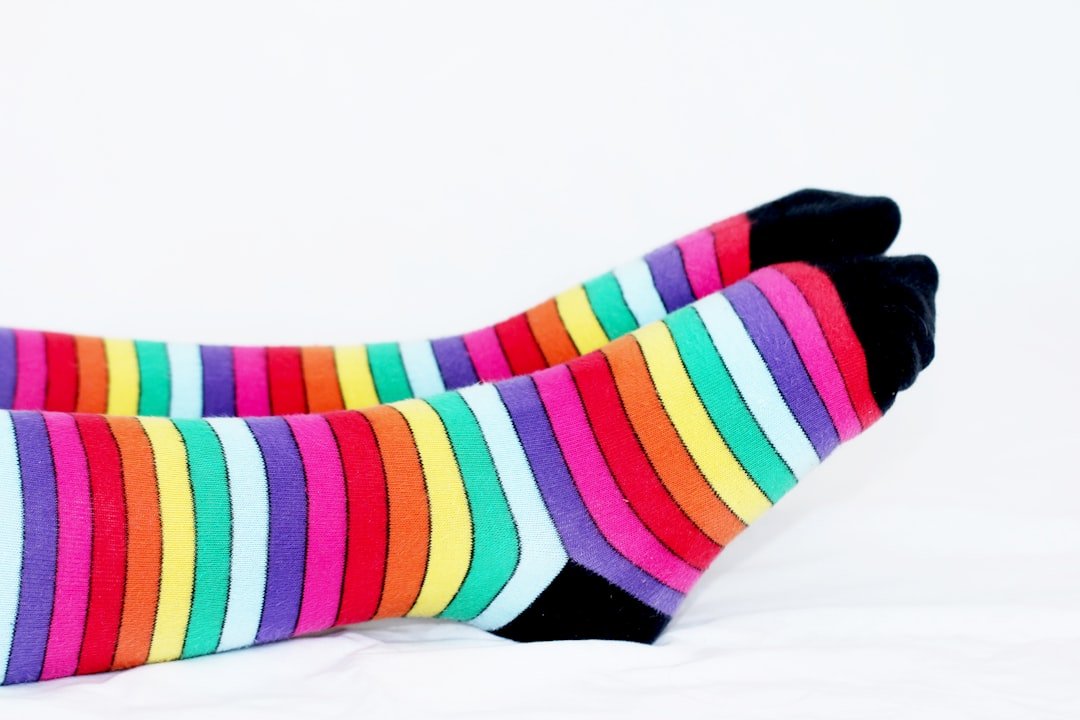
Let’s be honest: one reason travelers avoid compression socks is aesthetics. The Laite Hebe compression socks solve this problem with four pairs of bold, colorful patterns that look more like athletic gear than medical devices. I’ve worn these to brunch the day after a red-eye and gotten compliments — on compression socks. The 20-30 mmHg compression is firm but not oppressive, and the reinforced heel and toe have held up better than any other pair I’ve tested through dozens of airport security lines.
Dr. Scholl’s — When You Want a Brand You Trust
Sometimes you just want the comfort of a known name, and Dr. Scholl’s graduated compression knee highs deliver exactly what you’d expect: reliable construction, a comfortable fit, and a no-nonsense design. These sit firmly in the moderate compression range and are widely available if you need a pair in a pinch at an airport pharmacy. They’re not the flashiest option on this list, but they do the job consistently well.
Beyond Socks: Other Flight Comfort Gear Worth Packing
Compression socks are the foundation, but they work best as part of a comfort system. After dozens of long-haul flights, I’ve found a few complementary items that make a real difference.
A good airplane footrest can change the entire dynamic of an economy seat. I started using the Basic Concepts airplane foot hammock on flights over 6 hours, and it takes pressure off your lower back and improves circulation in your legs — working in tandem with compression socks to keep blood moving. It clips to the tray table and folds flat in your bag. There’s also a two-pack version that’s great if you’re traveling with a partner.
For under-seat comfort, the ComfiLife Ergo-Gel seat cushion has become my secret weapon. The gel-core construction keeps you cool and distributes pressure evenly, which matters on those 12+ hour flights where your backside goes numb around hour four. It pairs well with compression socks because better seated posture means better circulation overall.

How to Wear Compression Socks the Right Way
Buying the right pair is only half the equation. I see travelers make the same mistakes over and over, so here’s my quick guide to getting the most out of your compression socks.
Put them on before you leave for the airport. Don’t wait until you’re crammed into your seat. By the time you’ve walked through the terminal, stood in the security line, and trekked to your gate, your legs are already working harder than they should. I put mine on at home or in the hotel room right before heading out. They slide on more easily when your legs are cool and dry.
Get the right size. This is the single biggest factor in comfort and effectiveness. Measure your ankle circumference at the narrowest point and your calf at the widest. Every brand has a sizing chart — use it. Too loose and you get zero benefit. Too tight and you’ll be miserable within an hour.
Wash them between wears. Compression socks lose effectiveness when stretched by body oils and sweat. I travel with at least two pairs so I can rotate and hand-wash in the hotel sink. They dry overnight.
Don’t sleep in them unless your doctor says so. This was a mistake I made early on, thinking more compression time meant better results. Unless you have a specific medical recommendation, take them off at night. Your body needs periods of normal circulation to recover, and sleeping in compression can sometimes do more harm than good. On overnight flights, I’ll slip them off once I’m settled into sleep mode, then put them back on for landing approach.
Who Should (and Shouldn’t) Wear Compression Socks for Travel
Let me be clear about something: I’m a travel writer, not a doctor. Compression socks are generally safe for most healthy adults during travel, but there are exceptions. If you have peripheral arterial disease, certain skin conditions, or compromised circulation, talk to your physician before strapping on any level of compression. And if you’re pregnant, definitely consult your OB-GYN — many recommend compression for travel, but the right level varies.
For the average traveler? If you’re flying more than four hours, sitting in a car for a long road trip, or taking a train across the country, compression socks will make your journey more comfortable. That’s not marketing — it’s physics. Your veins will thank you, your legs will feel less heavy at your destination, and you’ll arrive ready to explore instead of collapsed on the hotel bed waiting for your feet to deflate.
After eight long-haul flights testing different brands, compression levels, and combinations, I can say with confidence: compression socks are one of the cheapest, simplest upgrades you can make to your travel experience. For the price of an airport coffee, you get measurably better circulation, reduced swelling, and a more comfortable arrival. The only question is which pattern you’re going with.
3 thoughts on “The Compression Socks That Got Me Through 8 Long-Haul Flights (And Why Your Ankles Will Thank You)”