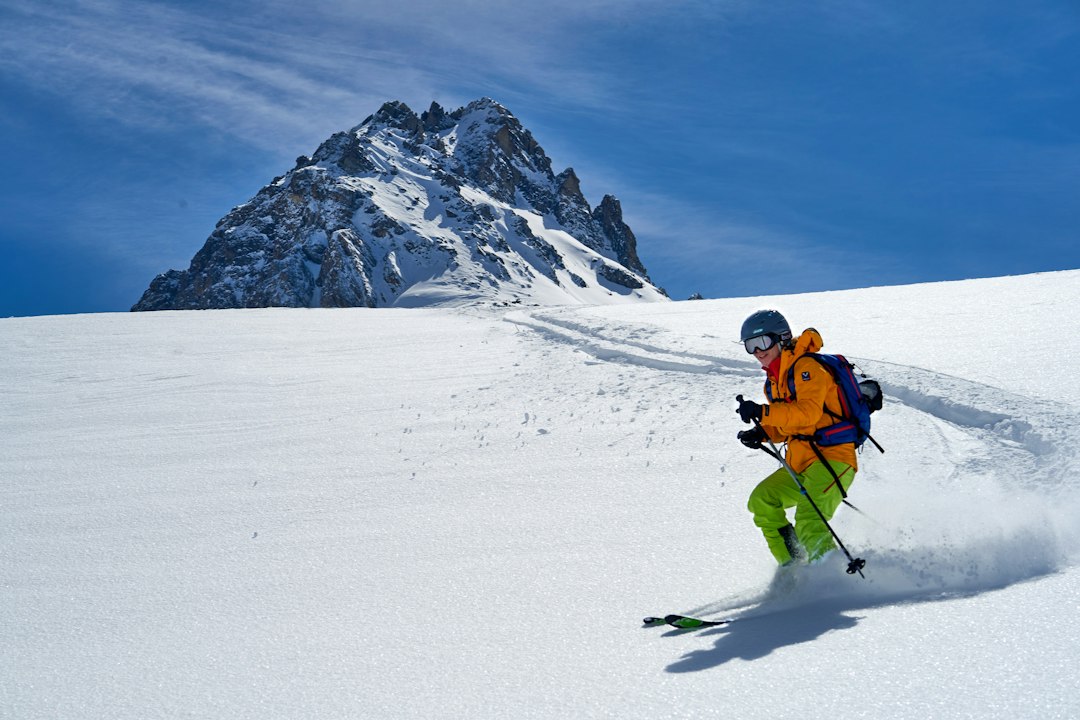
Breckenridge and Copper spin their first chairs this Friday, and my inbox already has the usual flood of “where should we ski this year?” questions. Most winters, I don’t have a strong answer. I tell people to go where their pass works and their friends are, then hope the storms show up. This winter is different. The Pacific is running a strong El Niño, and every serious long-range outlook my team and I have read this fall points the same way: south.
That doesn’t mean the northern resorts are cancelled or that a powder day in Taos is guaranteed. Forecasts shift the odds. They don’t hand out promises. But if you’re about to drop real money on a holiday or late-winter ski trip, it makes sense to lean into the odds rather than ignore them. Here’s how I’m reading the 2026-27 El Niño ski season, where I’d point a trip, and how I’d book it so I can still change course if the storms don’t follow the script.
What the Forecasters Are Actually Saying
NOAA’s Climate Prediction Center has been calling this a strong-to-very-strong El Niño since early October, with the event expected to peak through late fall and early winter. In plain road-tripper terms, El Niño juices the subtropical jet stream, the river of air that slings Pacific moisture across the southern half of the country. When that jet gets energetic, storms that would normally slide into British Columbia and Montana get steered toward California, Arizona, New Mexico and southern Colorado instead.
The independent snow forecasters line up behind that pattern. OpenSnow’s winter preview favors above-normal snowfall across California’s mountains, with the strongest signal in the Central Sierra around Mammoth. SnowBrains puts its strongest positive lean on California’s high Sierra, followed by southern Utah and southern Colorado. AccuWeather’s winter outlook calls for a significantly better season for much of the West, a weaker one for the Great Lakes and Appalachians, and a more typical winter in northern New England. The broad picture is consistent: the southern tier looks like the winner, the northern Rockies and Pacific Northwest lean warm and dry, and the Northeast has to hope cold air and storms arrive at the same time.
There are two big caveats, and I want them on the table before anyone books anything. First, strong El Niño winters tend to run warm. That means some storms arrive as atmospheric rivers with high snow levels, dumping feet of snow up top and cold rain at the base. Second, the last super El Niño, in 2015-16, underperformed in exactly the places it was supposed to shine. Tahoe ended up near average and Southern California came in below. One season doesn’t break a pattern, but it’s a good reminder that “favored” is not the same as “promised.”
Region by Region: Where I’d Point the Car
If I were picking a single trip for this winter with nothing but the forecast to guide me, here’s how I’d rank the options. I’m thinking like a driver as much as a skier, so I’ve noted how each region works from the nearest big airport, too.
The High Sierra: Mammoth and Upper-Mountain Tahoe
California’s high country has the clearest upside on the continent this year. Mammoth Mountain is the headliner, with a summit near 11,000 feet and a base high enough to keep most storms falling as snow. SnowBrains points out that in the three giant El Niño winters on record, Mammoth’s Main Lodge collected between 362 and 546 inches. That’s a wide range, and nobody should promise a record, but even the low end is a very good season.
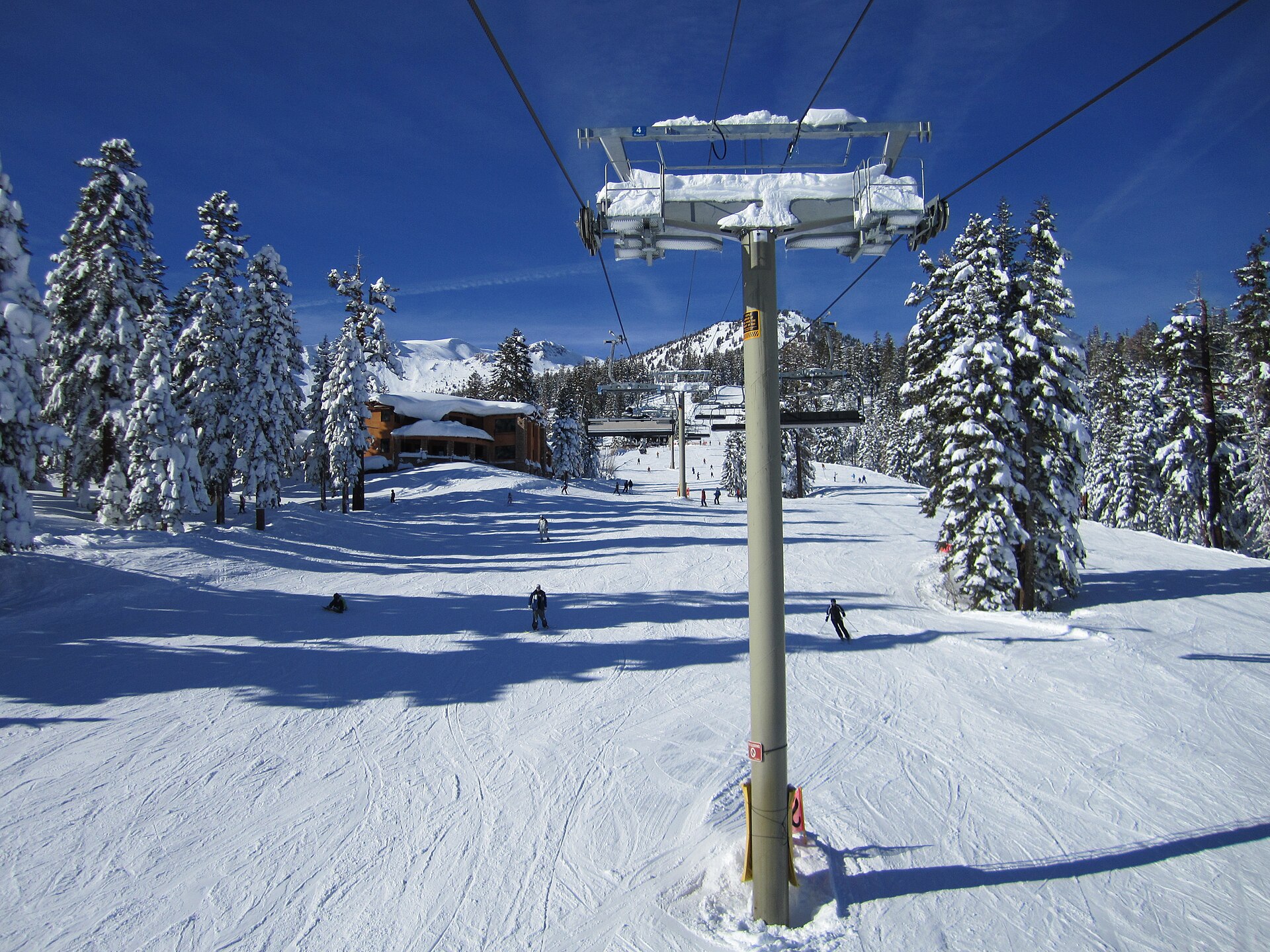
Mammoth opens November 13. The airport in town has limited winter service, so most people fly into Reno and drive about three hours down US-395, or drive five-ish hours up from Los Angeles. In Tahoe, I’d focus on the terrain that sits highest and holds snow best: the upper mountains at Palisades Tahoe, Heavenly and Kirkwood. Heavenly opens November 20 and Palisades November 25. This is the kind of winter where it can rain in South Lake Tahoe while it snows hard at the top of the gondola. Ski high, sleep wherever the price is right.
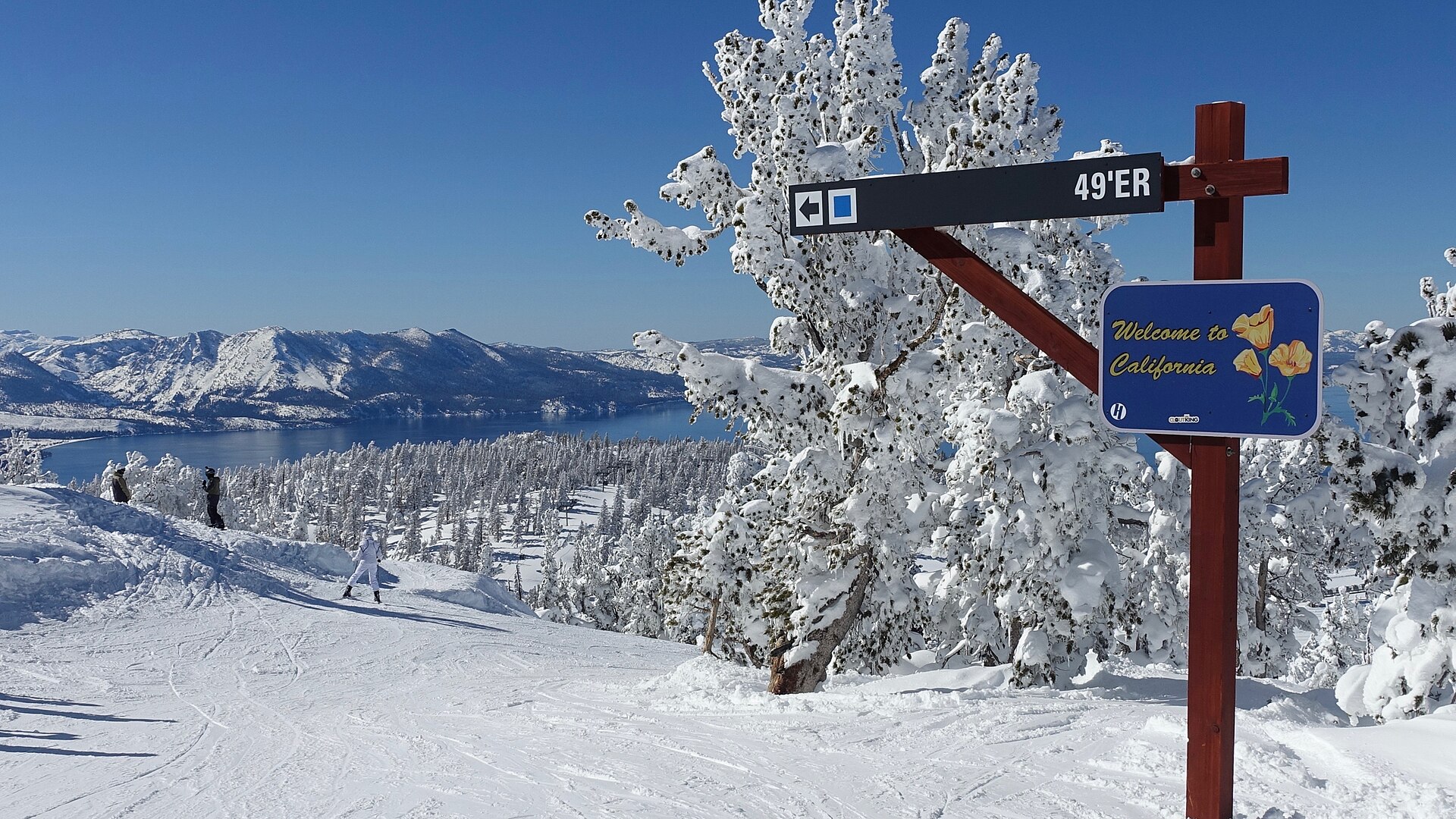
For Sierra trips I’d pack for wet weather first and cold weather second. A fully waterproof shell matters more here than another insulating layer, and a good pair of Ski Goggles With a Low-Light Lens earns its keep on the flat-light storm days these warm systems tend to bring.
Southern Colorado: Wolf Creek, Telluride and Purgatory
Wolf Creek is the resort I’d watch most closely this season. It sits on the Continental Divide in the San Juans, it already has a reputation for the most natural snow in Colorado, and it lies right under the storm track El Niño favors. It’s an independent, no-frills mountain: no village of boutiques, just a lot of snow. Pagosa Springs is the closest town, about 25 miles down US-160, and the hot springs there are the best après plan in the state.
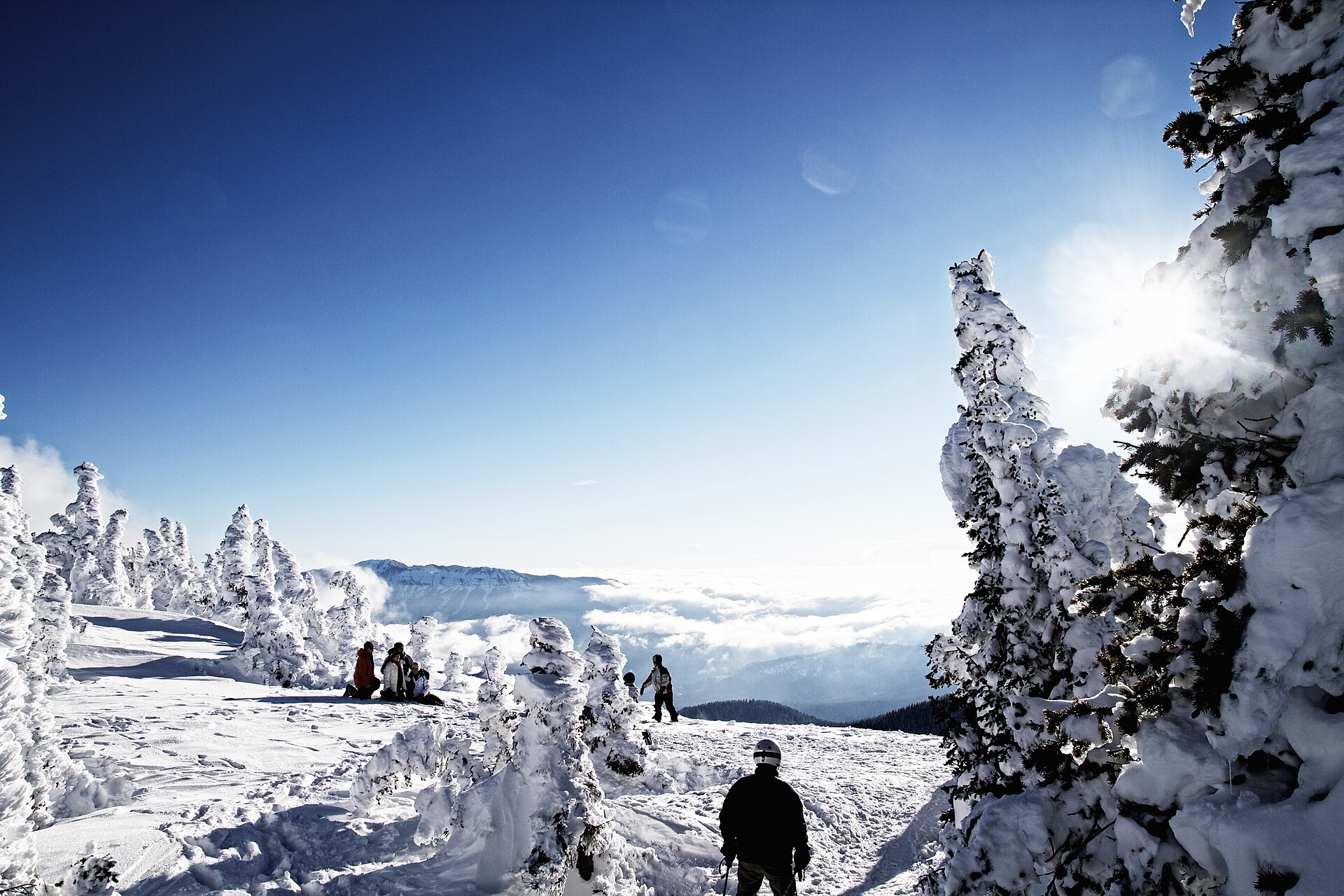
Telluride and Purgatory sit in the same southwestern corner of the state and benefit from the same moisture plumes. Both have bases high enough that most storms fall as snow from top to bottom. The fly-in options are Montrose for Telluride and Durango for Purgatory and Wolf Creek, but I’d seriously consider the drive from Albuquerque or Denver. The roads over the San Juans are beautiful, and having your own car lets you chase whichever mountain got the overnight totals.
Northern New Mexico: Taos and Ski Santa Fe
Taos Ski Valley is the other place I keep circling. The forecasters favor it for the same reason they favor Wolf Creek: it catches Pacific systems and the Gulf of Mexico moisture surges that an active subtropical jet pulls north. The base is high, the terrain is famously steep, and the high ridge terrain up toward Kachina Peak is worth the trip when it’s open. I wrote about the summer side of this country when we drove the Enchanted Circle loop around Taos, and the same roads become a quiet winter route once the snow comes.
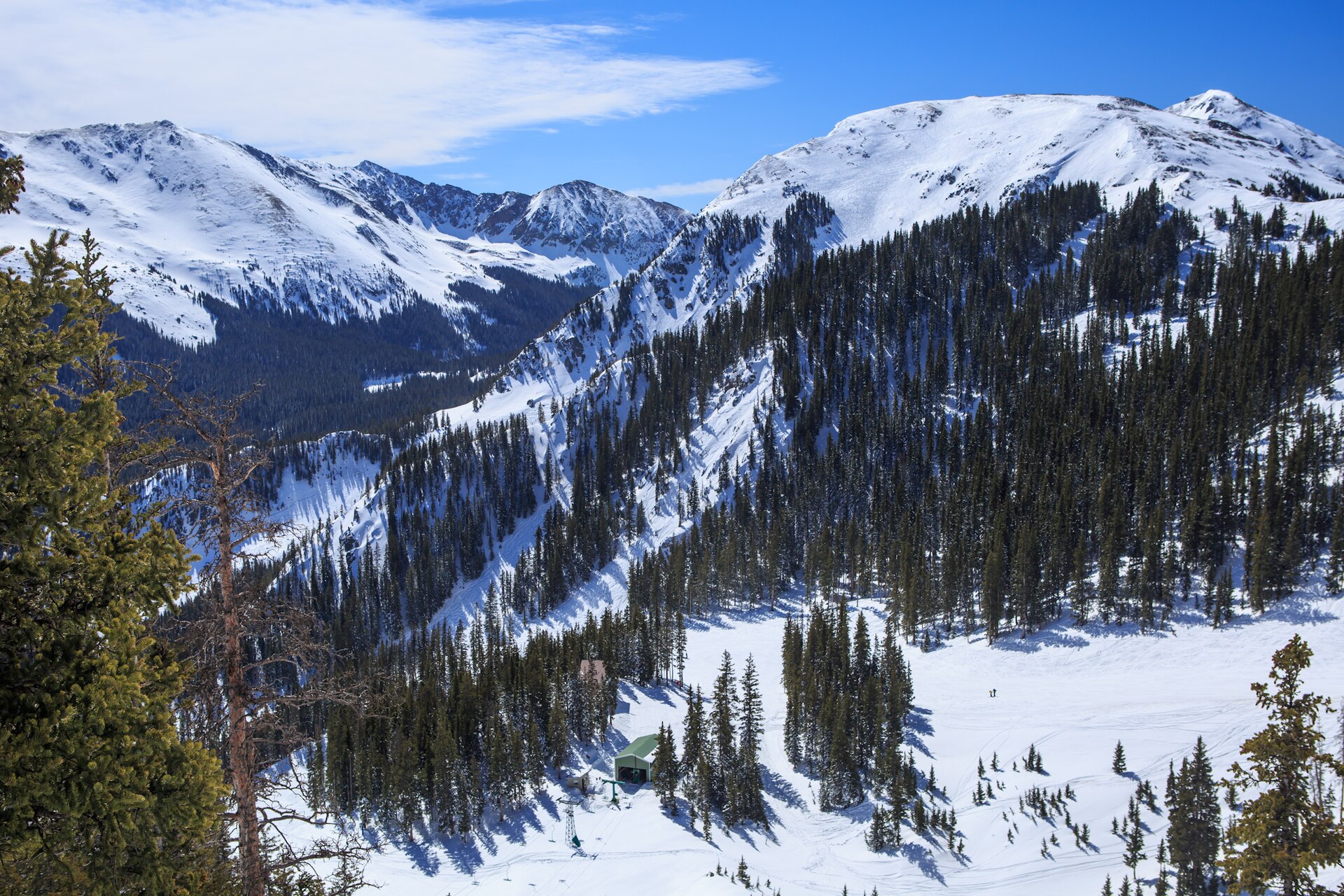
Albuquerque is the easy flight in, about two and a half hours from the ski valley. Ski Santa Fe sits right on the way, 16 miles above the Plaza. That makes an easy two-mountain week: a couple of days at Santa Fe while you adjust to the altitude, then up the High Road to Taos. Keep in mind that Taos is compact and dry spells show quickly, so watch the forecast in the last week before you go.
Southern Utah and Northern Arizona: The Sleepers
Brian Head in southern Utah and Arizona Snowbowl outside Flagstaff are the resorts I’d put on a “surprise me” list. Both sit high, both benefit when southern storms carry real moisture, and both are drivable from big cities that most ski planners ignore. Brian Head is roughly three hours from Las Vegas, and Snowbowl is about two and a half hours from Phoenix. Neither is a destination resort, but for a long weekend after a big storm cycle, they can be excellent values.
The Coin Flips and the Long Shots
Central Colorado and northern Utah are a toss-up this year. They could do fine, especially in late season, but the forecasters don’t give them the same edge as the southern tier. The Pacific Northwest, the northern Rockies and western Canada lean warm and dry, so if your heart is set on Whistler, Big Sky or Jackson Hole, I’d ski the upper mountain and keep your plans flexible. In the East, the Great Lakes and much of Appalachia look mild, while northern New England may have a more typical season. In a winter like this, I’d choose eastern resorts with serious snowmaking and high-elevation terrain.
Timing: Why I’m Not Betting on December
This is the part that changes how I’d book. Historical El Niño analogs, as both OpenSnow and SnowBrains point out, favor a somewhat slow start in December and a strong push from January through March, when the southern moisture advantage really pays off. Early-season conditions are always uncertain, and in a warm El Niño year, lower bases and snowmaking windows face extra risk.
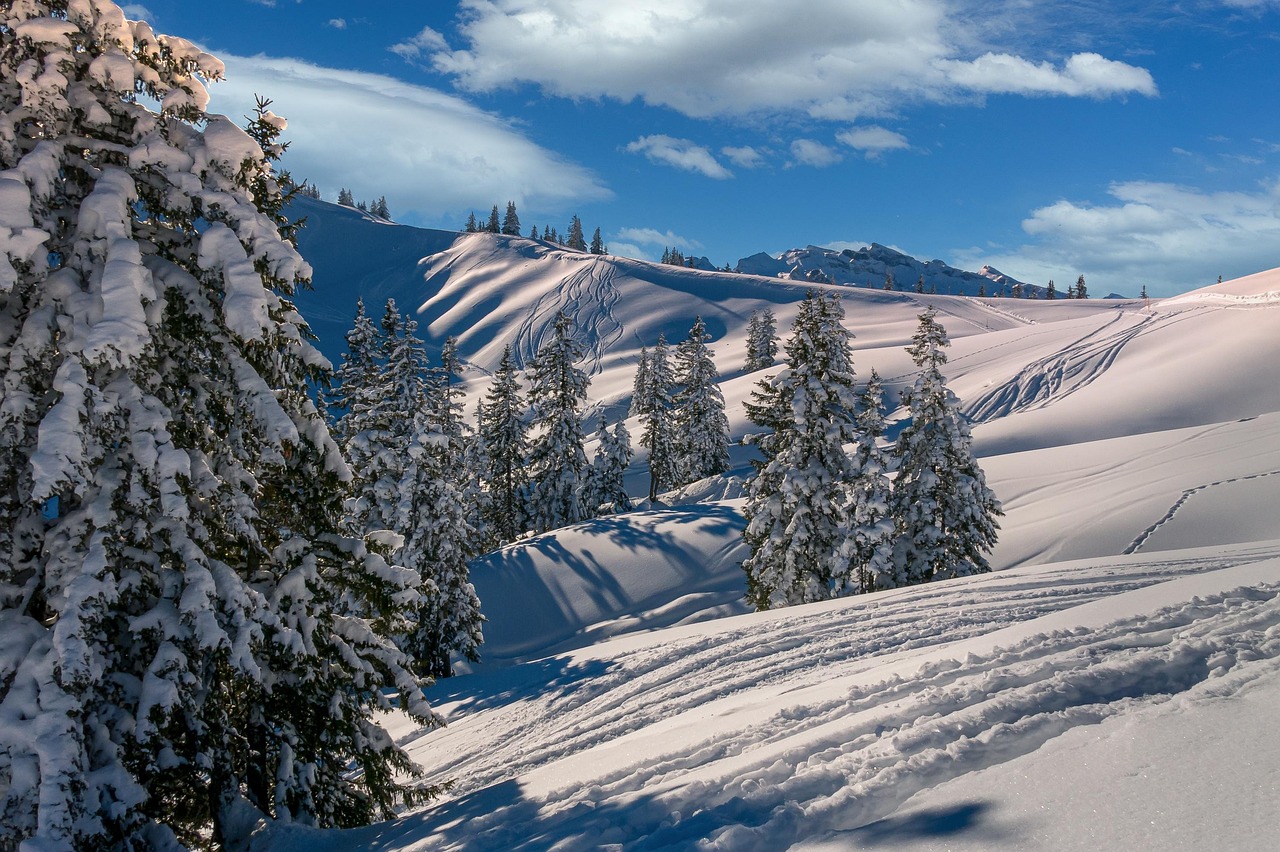
So if the calendar gives you a choice, I’d push a southern trip toward late January, February or March. The San Juans and Taos in March are especially appealing: storms and sunshine tend to show up together, and the snowpack in high southern terrain is set up to carry well into spring. If you’re locked into the holiday week because of school or work, that’s fine. Just pick a mountain with a high base, good snowmaking and plenty of groomed terrain so a slow December doesn’t sink the trip.
If late season is your window, I still think my spring skiing in Colorado guide holds up well, and in a southern-heavy year like this one, March and April could be even better.
Book Like the Forecast Might Be Wrong
Here’s my rule for this winter: lean into the forecast, but book as if it could miss. The 2015-16 season is the reminder. Before anyone spends real money, my team and I run through the same short checklist.
- Refundable or free-cancellation lodging. It costs a little more, but it lets you move the trip a week or two (or to a different region) without eating a deposit.
- Flexible fares, or no flight at all. Basic economy tickets are rarely changeable. If you’re flying, pay for a fare you can change, and watch the holiday price spikes I covered in my 2026 holiday flight booking playbook.
- Know which pass covers where. Mammoth, Palisades Tahoe and Taos are Ikon mountains, while Heavenly and Kirkwood are Vail-owned and on the Epic Pass. Wolf Creek is independent. If you already own a pass, let it narrow your shortlist.
- Book the big-ticket items last. Lift tickets and lessons can usually wait until the week before. Lock in lodging and transportation first, then stay flexible on the rest.
- Price the ski bag before you pack it. Airlines treat ski bags as checked luggage, and fees have climbed. A Digital Luggage Scale keeps you from paying an overweight charge on top of that.
The Drive-To Backup for Every Region
The biggest advantage of this winter’s southern lean is that much of it can be reached by car from cities with cheap, frequent flights or no flight at all. That’s the backup plan I’d build into every trip. If your Sierra week turns warm and wet, you can be in Mammoth from Reno, or from LA, before lunch. If southwest Colorado gets hammered while Summit County sits dry, Wolf Creek is about four and a half hours from Denver. Phoenix families can be at Snowbowl in the time it takes to watch a movie.
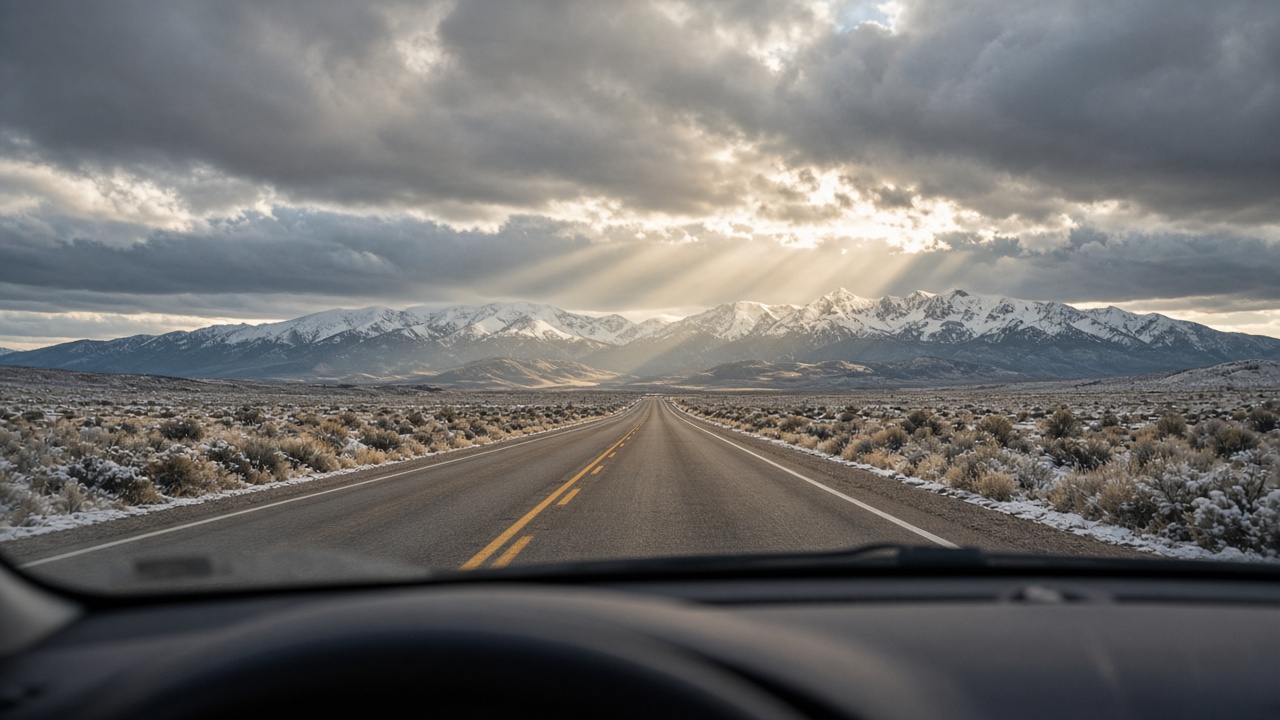
Driving in an El Niño winter does mean planning for heavy, wet storms. In California, chain controls go up on I-80 and US-50 quickly, and even four-wheel-drive and all-wheel-drive vehicles with snow tires are required to carry chains under the middle control level. I keep a set of Passenger Car Tire Chains in the back, along with a Extendable Snow Brush and Ice Scraper long enough to clear the roof.
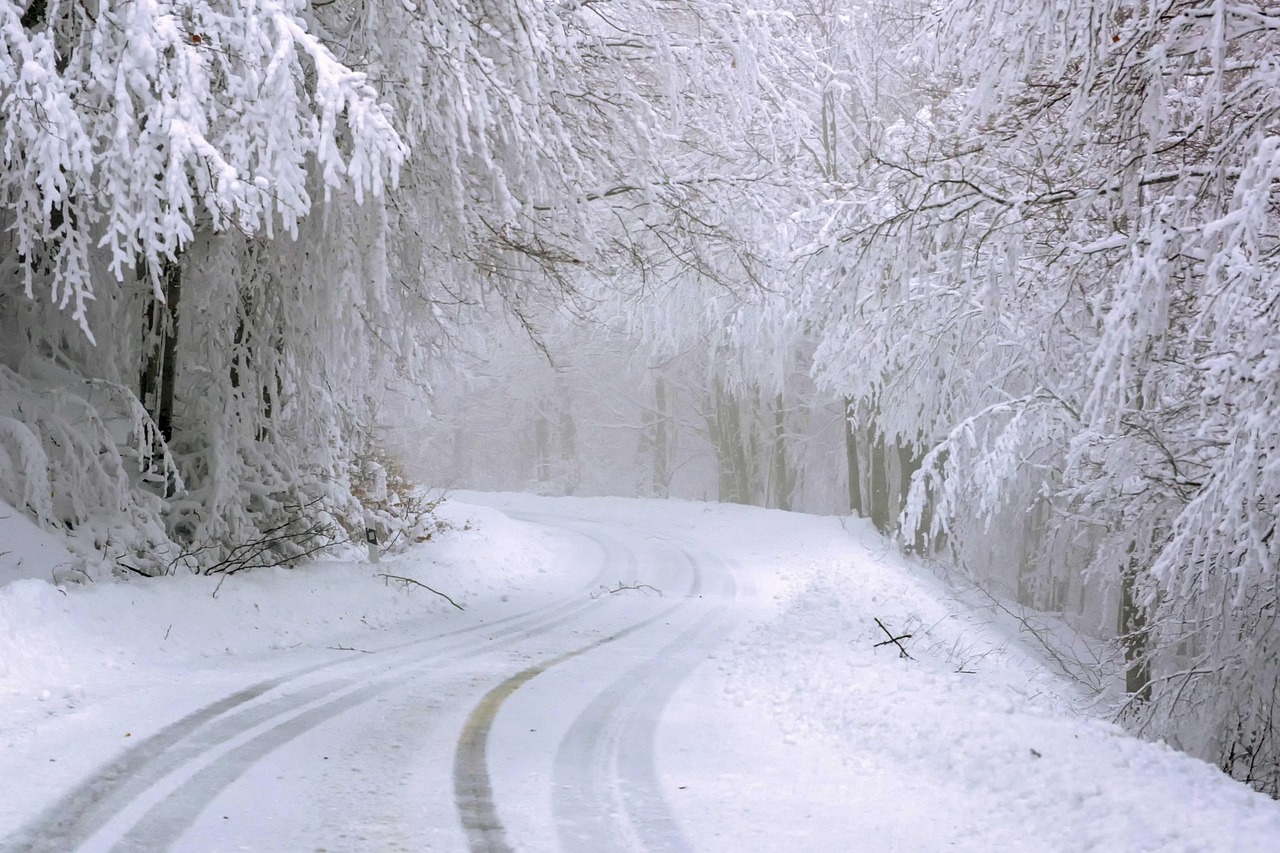
The rest of my vehicle setup is the same kit I put together every fall. I go through all of it in my winter car kit post. For a ski car specifically, I’d add a Rooftop Cargo Box if you’re hauling a family’s worth of skis. It keeps wet gear out of the cabin.
Gear for a Wet, Warm-Storm Winter
A strong El Niño doesn’t just change where the snow falls. It changes what the snow is like. Expect more heavy, dense storm snow and more days when it’s snowing up top and drizzling at the base. That changes how I pack.
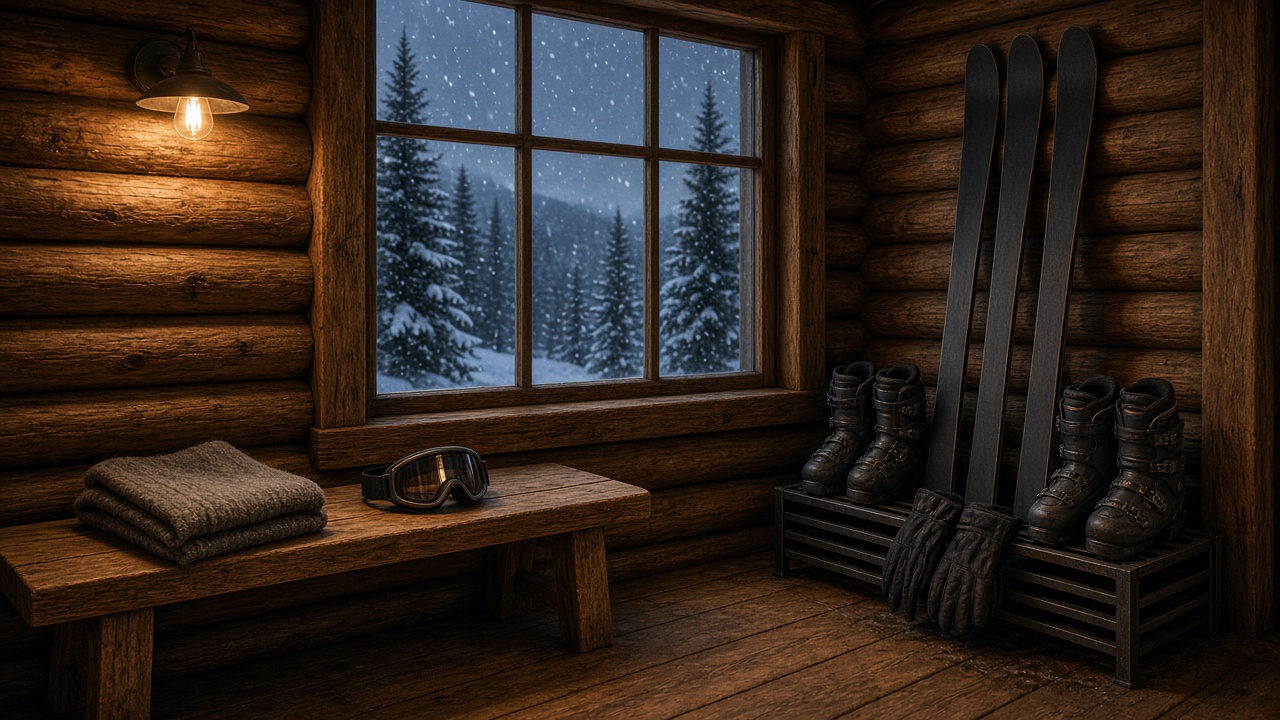
Waterproofing comes first. A Waterproof Ski Shell Jacket with real taped seams beats a puffy insulated jacket in wet Sierra snow, because you can layer under it as temperatures change. Wet gear is the other problem. A Portable Boot and Glove Dryer sounds like a luxury until you’re pulling damp boots back on at 7:30 the next morning. It plugs in beside the bed and makes a bigger difference to day-two comfort than any other piece of gear I carry.
For feet, I’ve stopped buying cotton-blend socks entirely. A couple of pairs of Merino Wool Ski Socks stay warm when they’re damp and don’t smell after a long day in boots. For the chairlift ride through a wet, windy squall, I keep a Fleece Neck Gaiter in a pocket. For the flight out, a Ski Boot Bag Backpack lets your boots ride as a carry-on, which means a lost ski bag won’t ruin your first day.
If you’re bringing your own skis, a Padded Wheeled Ski Travel Bag is worth the upgrade over a thin sleeve. Baggage handlers aren’t gentle, and a bent edge is the kind of trip-ruiner no forecast can fix. On the fitness side, my colleague over on our health site put together a four-week ski-legs plan you can do in the living room, and starting it now means your quads will be ready when the January storms arrive.
The Short List I’m Packing
Everything from this guide in one place:
- For the plane: Padded Wheeled Ski Travel Bag, Ski Boot Bag Backpack and a Digital Luggage Scale
- For the drive: Passenger Car Tire Chains, an Extendable Snow Brush and Ice Scraper and a Rooftop Cargo Box
- For wet storm days: a Waterproof Ski Shell Jacket, Ski Goggles With a Low-Light Lens and a Fleece Neck Gaiter
- For the lodge at night: a Portable Boot and Glove Dryer and Merino Wool Ski Socks
Where I’d Put My Own Money
If I could make just one ski trip this winter, I’d point it at the southern San Juans or northern New Mexico sometime between late January and March, with Mammoth as a close second for anyone who can get to US-395. I’d book refundable lodging and a changeable fare (or plan to drive), and I’d keep a drive-to backup in my back pocket. I wouldn’t count on December, and I wouldn’t write off the north entirely.
The opening dates are close: Breckenridge and Copper this Friday, Mammoth and Vail on the 13th, Heavenly, Park City and Alta on the 20th, and Palisades on the 25th. Over the next few weeks, my team and I will be watching the first real storm cycles roll in to see whether the southern tier starts to pull ahead. If the subtropical jet does what the models expect, this could be the winter people remember for New Mexico and southern Colorado snow. I’d like to be there when it happens.