The clocks fell back at 2 a.m. this morning, and by about 4:45 this afternoon the light over the road will start going thin and gold. Every year that first early sunset flips a switch in my head. It means Thanksgiving is close, and it means the drive to get there is going to happen partly in the dark.
This year more of us are driving than ever. Airfares for the holiday are running well above last year, and plenty of families I’ve talked to have quietly decided that four seats on a plane cost more than one tank of gas and a long podcast. I get it. I’ve done the Thanksgiving drive in a station wagon, a rental minivan and my own van, on interstates from New England to Florida. And I’ve learned that the hour you leave matters more than the route you choose. So my team and I worked out the best day to drive for Thanksgiving 2026, and then the best hour on each of the other days. This is the plan I’m using this year.
Thanksgiving Week 2026 on One Page
Thanksgiving falls on Thursday, November 26, 2026. AAA counts the holiday travel window as the seven days from Tuesday, November 24 through Monday, November 30. Last year AAA counted 81.8 million Americans traveling at least 50 miles over that same week, and about 73 million of them went by car. That’s close to nine travelers in ten, and it was a record. AAA’s 2026 forecast usually lands in mid-November, so we don’t have this year’s official number yet. With gas cheaper than airfare and airlines trimming seats, I’d bet against the road getting any emptier.
The good news is that holiday traffic follows a routine. INRIX, the traffic-data company that builds the driving forecast with AAA, publishes a best-and-worst table every year. Here is last year’s version moved onto this year’s calendar. Read it by day of the week, not by date:
| 2026 date | Worst window (2025 pattern) | Best window (2025 pattern) |
|---|---|---|
| Tuesday, Nov 24 | 12 p.m. to 9 p.m. | Before noon |
| Wednesday, Nov 25 | 11 a.m. to 8 p.m. | Before 11 a.m. |
| Thursday, Nov 26 (Thanksgiving) | Minimal traffic expected | Almost any time |
| Friday, Nov 27 | 1 p.m. to 7 p.m. | Before 11 a.m. |
| Saturday, Nov 28 | 1 p.m. to 8 p.m. | Before 10 a.m. |
| Sunday, Nov 29 | 11 a.m. to 8 p.m. | Before 11 a.m. |
| Monday, Nov 30 | 12 p.m. to 8 p.m. | After 8 p.m. |
Those times are local, so an Atlanta route is on Eastern time and a Los Angeles route is on Pacific. Once you see the pattern it’s easy to remember: mornings are good, afternoons are bad, and the Thursday itself is the quietest day of the week.
The Outbound Plan, Hour by Hour
Here’s how I’d set up the trip out, depending on how far you’re going and how much flexibility you have at work.
Monday night or Tuesday morning: the long-haul crowd
If you’re driving more than about seven hours, I’d seriously look at leaving Monday evening after dinner or very early Tuesday. Monday-night traffic is just a normal Monday night. If you can work remotely on Tuesday, drive Tuesday morning and be off the interstate by noon. That’s when INRIX’s worst Tuesday window starts, and in the big metro areas it lasts until 9 p.m. Six or seven hours of driving starting at 5 a.m. gets you there for a late lunch, before most people have left the office.
Wednesday: wheels rolling before 11
Wednesday is the day that gets people. It’s the day most of the country leaves, and it’s also a regular workday, so commuter traffic and holiday traffic share the same lanes all afternoon. From 11 a.m. to 8 p.m., the roads out of the big metros are at their worst. If Wednesday is your only option, set the alarm and be on the road at dawn. Leaving at 6 a.m. instead of 2 p.m. will save you more time than any shortcut on any map.
For a sense of scale: last year INRIX projected that Boston to Hyannis would take more than double its normal time at the peak, and that Atlanta to Savannah on I-16 would hit about five hours and sixteen minutes on the return Sunday, 53 percent longer than usual. Those are short drives on a normal day. Holiday traffic stretches them a lot.
Thanksgiving morning: the drive most people don’t consider
This is the plan I like most, and almost nobody uses it. If you’re within about four hours of the table and dinner is at three or later, drive Thursday morning. The interstates on Thanksgiving Day are close to empty. The people who were going to travel have already arrived, and everyone else is home basting something. Even corridors like I-95 that are jammed the day before tend to open up on Thanksgiving morning.
There’s one exception. Routes into vacation spots, like the Cape, the mountains or the beach, can peak on Thursday itself because people drive out to rental houses that morning. Check your specific route the night before. If the map shows red at 10 a.m., go at 7.
The trade-off is that you walk in carrying the sweet potato casserole instead of having it made the night before. That’s what an insulated carrier is for. A Rachael Ray Expandable Lasagna Lugger holds a 9×13 dish level and warm for a couple of hours, and it fits behind the driver’s seat so the pie doesn’t end up on the floor at the first hard brake.
Dark by 4:30: The Clock Change Nobody Plans For
This is the part most timing guides skip. With daylight saving time over, Thanksgiving-week sunsets come early. In New York the sun sets around 4:30 p.m. In Chicago it’s even earlier, a little after 4:20. Atlanta gets light until roughly 5:30, and Denver loses it before 4:45. If you leave at noon on Wednesday, you’re not just in the worst traffic of the week. You’ll spend the last few hours of it in the dark, tired, staring at brake lights on wet pavement.
That’s why I push so hard for morning departures. Leave early and you drive during the hours when you’re most alert, the traffic is lightest and the sun is up. Leave in the afternoon and you get all three of those things backwards.
If some night driving can’t be avoided, prepare the car for it. Clean the inside of the windshield, because the haze you don’t notice at noon becomes glare at 6 p.m. A coat of Rain-X Original Glass Water Repellent on the outside makes November rain bead and blow off, which helps a lot with oncoming headlights. Check that both headlights work. Then put your phone where you can see the map without picking it up. A iOttie Easy One Touch 5 Dashboard Phone Mount has been on my dash for years, and it’s the reason I never glance down at my lap at 70 miles an hour.
What the Tank Costs This Year
Gas is the reason some people are second-guessing the drive, so let’s do the math. AAA’s national average for regular is about $4.17 a gallon this weekend. That’s a few cents lower than midweek, but it’s still more than a dollar above where it sat a year ago, about $3.04. Crude oil has been sitting near $100 a barrel, so I wouldn’t count on a big drop before the 26th.
Where you live makes a big difference. In late October, North Carolina averaged around $3.42 and Georgia about $3.61. California was close to $5.94, and Washington and Nevada were both above $5.20. Here’s a round trip I’d consider typical: 600 miles total in a car that gets 28 mpg. That’s about 21 gallons, or roughly $90 in fuel at today’s national average, compared with about $65 last year. It hurts, but split across a carful of people it’s still a fraction of what one holiday plane ticket costs this year. If you want to compare it against flying, my holiday flight booking playbook covers how fares are behaving this season.
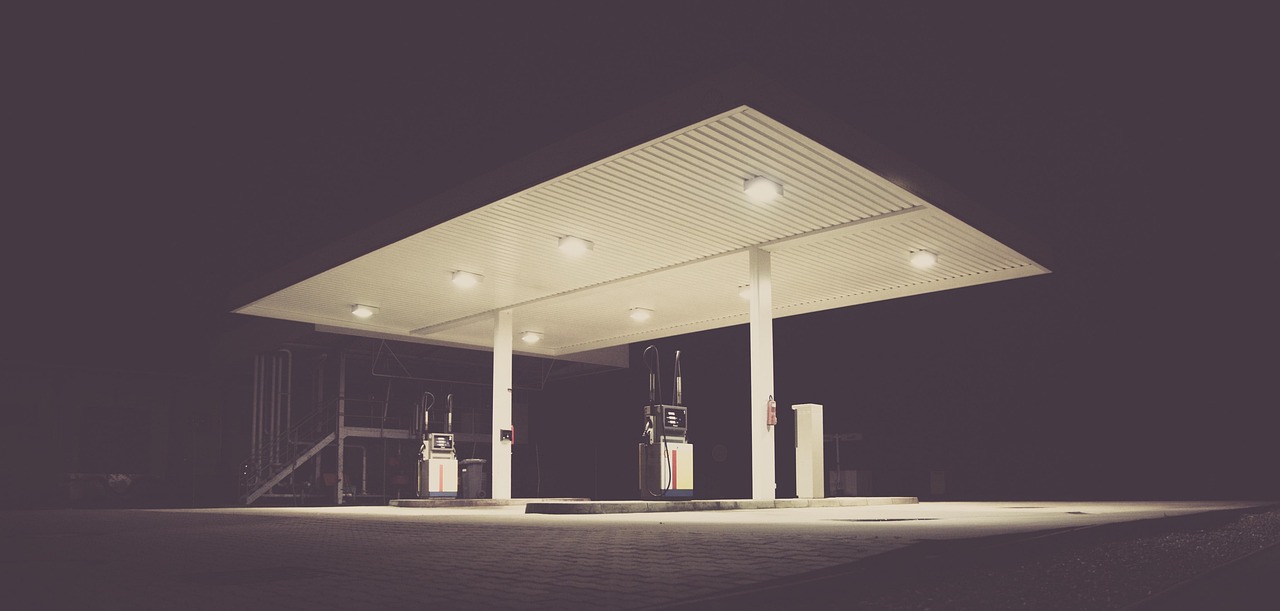
Two small habits help with the cost. First, fill up before you hit the interstate, since the exits on busy holiday corridors are often the most expensive gas in the area. Second, check your tire pressure the morning you leave. Cold November mornings drop tire pressure, and underinflated tires burn more fuel and handle worse in rain. A AstroAI Digital Tire Pressure Gauge lives in my glovebox, and it takes about two minutes to check all four tires in the driveway.
Weather Is the Wild Card
Late November is when the first real winter storm can hit the northern half of the country, and holiday traffic can make a small storm much worse. Wet snow on a crowded interstate, a jackknifed truck, and suddenly a five-hour drive takes nine. If you get caught in one of those stalls, what makes it bearable is having water, snacks, a blanket and a full tank before it starts.
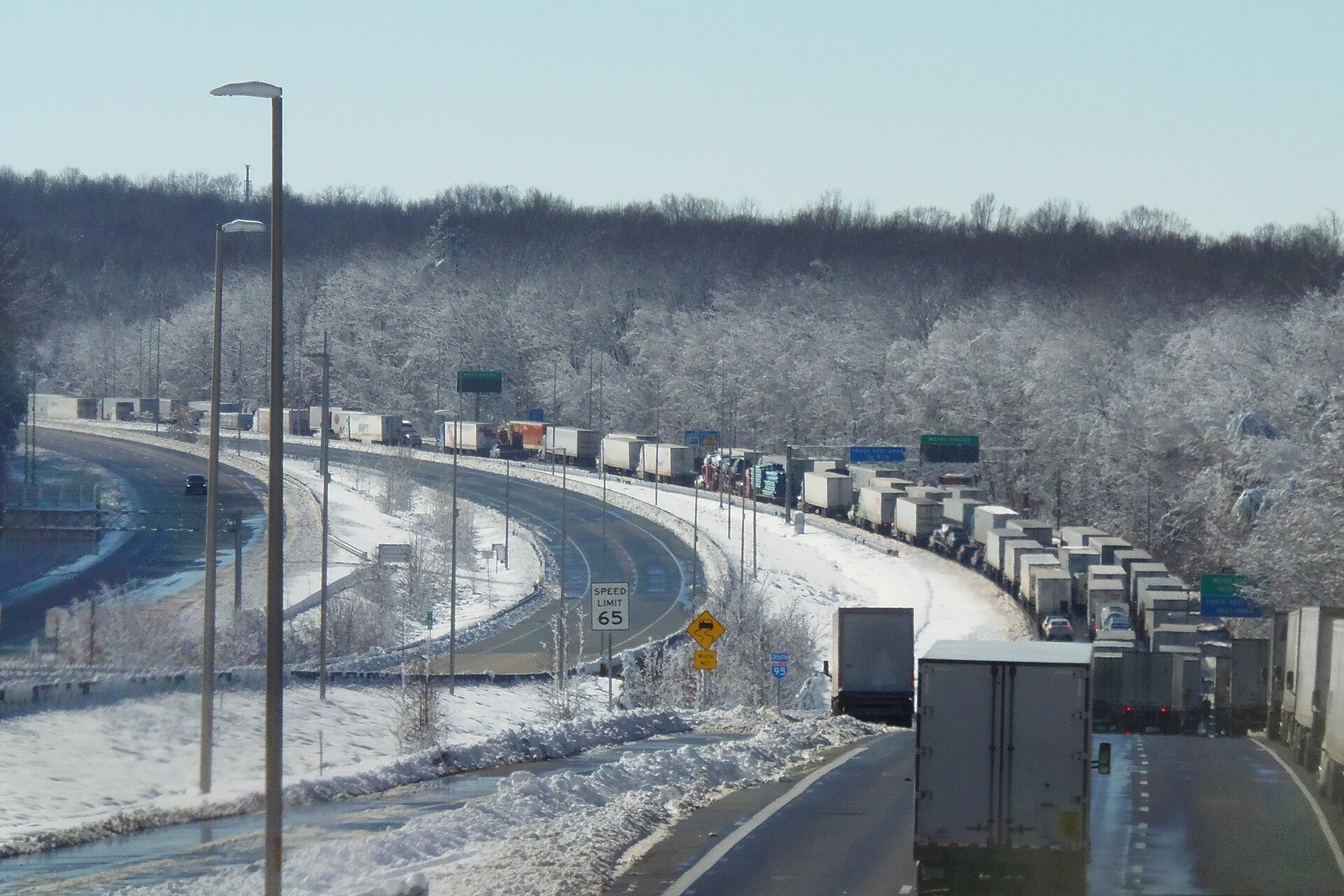
Three days out, start checking the forecast for your whole route, not just for where you’re going. The night before, check your state DOT’s road-conditions site. If a storm is coming, leave a day early or a day late, not in the middle of it. A Thanksgiving dinner can wait. Being stuck overnight on a closed interstate is not worth it.
If you’re heading somewhere that sees ice, look at the full list in my winter car kit guide. The one item I’d tell everyone to have this season is a NOCO Boost Plus GB40 Jump Starter. Cold batteries die in hotel parking lots and in relatives’ driveways, and Thanksgiving morning is a bad time to look for someone with jumper cables. The folks at tech.omnux did a good roundup of what’s actually worth keeping in the car in their trunk audit of emergency car tech.
I’d also put a small Garmin Dash Cam Mini 2 on the windshield before the holidays. Crowded roads mean more fender benders. If someone backs into you at a packed rest stop, you’ll be glad you have video.
Rest Stops, Pacing and the Rule of Two Hours
The best long-drive rule I know is simple: stop before you need to. Highway-safety groups commonly recommend a short break about every two hours or 100 miles, whether you feel tired or not, and ten minutes out of the car is usually enough to reset. On a holiday drive it matters even more, because heavy traffic is tiring in a way that empty roads aren’t.
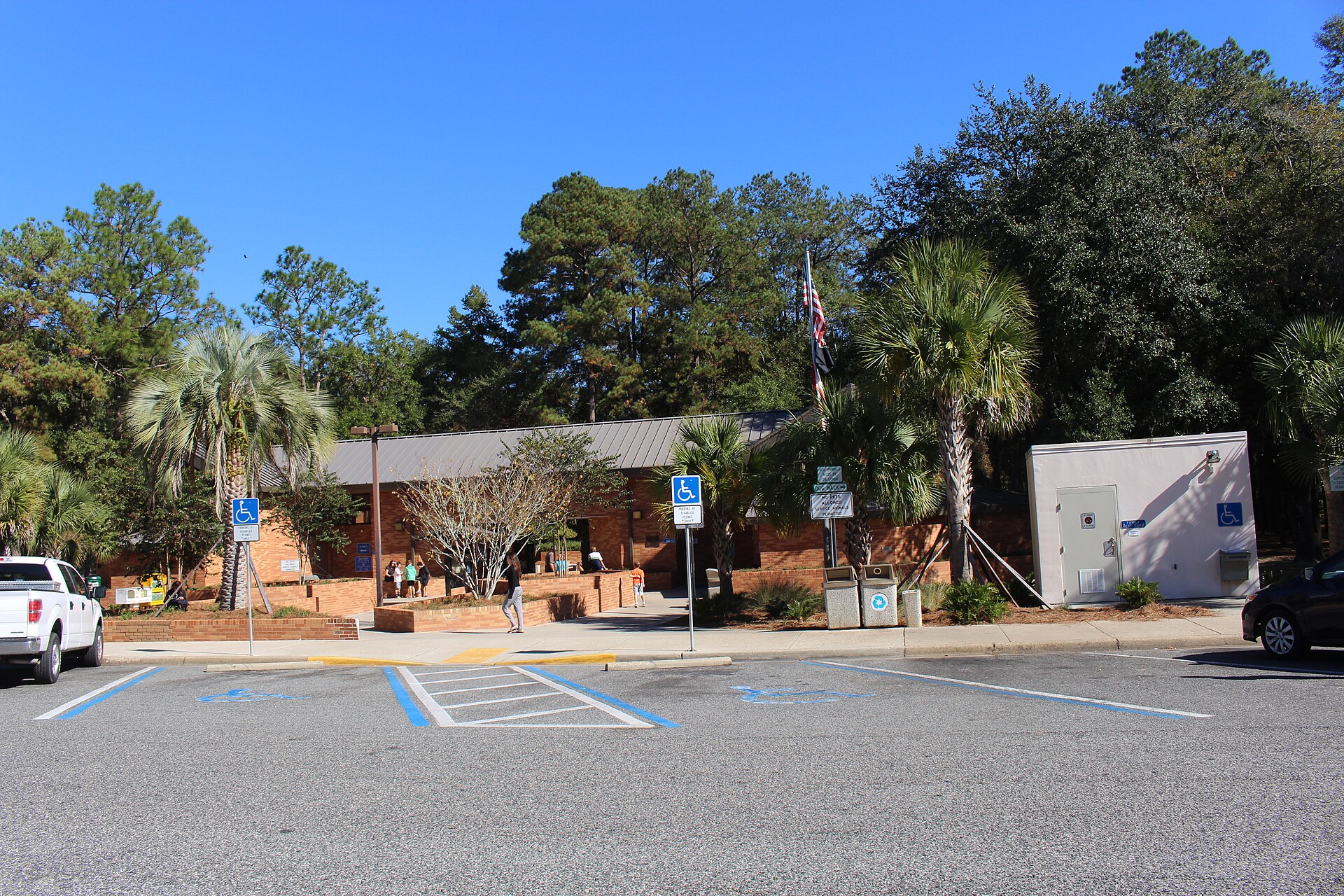
Plan your stops before you leave, and favor the ones a few miles off the main road. A gas station one exit past the obvious one is often half as busy. Pack food so the stops are short. A little Zojirushi Stainless Steel Travel Mug filled at home keeps coffee hot well past lunch. If there are kids in the back seat, a Lusso Gear Backseat Car Organizer on the back of the front seat keeps snacks, tablets and crayons off the floor. Put a EPAuto Waterproof Car Trash Can on the console, because by Wednesday afternoon every family car is full of clementine peels.
Driving to a rental cabin in the mountains? My Boone cabin weekend guide covers the last steep miles, which are usually harder than the interstate.
Coming Home: Beat the Sunday Wall
The return trip is where most families lose their patience. Sunday after Thanksgiving is the busiest return day on the roads, and it’s also been the busiest day of the year at airports for two years running. INRIX’s 2025 table had Sunday’s worst window from 11 a.m. to 8 p.m. That’s practically the whole day.
Here are your options, from best to worst:
- Friday morning. Leave before 11 a.m. and you skip both the Sunday crush and the Black Friday shopping traffic near the malls.
- Saturday early. Be on the road before 10 a.m. Saturday afternoon gets busier every year.
- Sunday at dawn. If you need Saturday with family, leave Sunday before 11, ideally by 8.
- Monday night. If you can work remotely Monday, leave after 8 p.m., when INRIX found traffic was lightest. You’ll drive in the dark, so only do this if you’ve rested well.
I-75 into Florida is one of the most crowded holiday corridors I know. It’s full of snowbirds heading south for the season and families heading home after the long weekend. But at the right hour it can be gorgeous, with the whole sky going orange just before the sun drops. The Make Someday Today channel has a full 360-degree drive along it, and you can watch that I-75 sunset drive here. It’s a reminder that the same road feels completely different at 5 p.m. on a quiet Tuesday than at 5 p.m. on the Sunday after Thanksgiving.
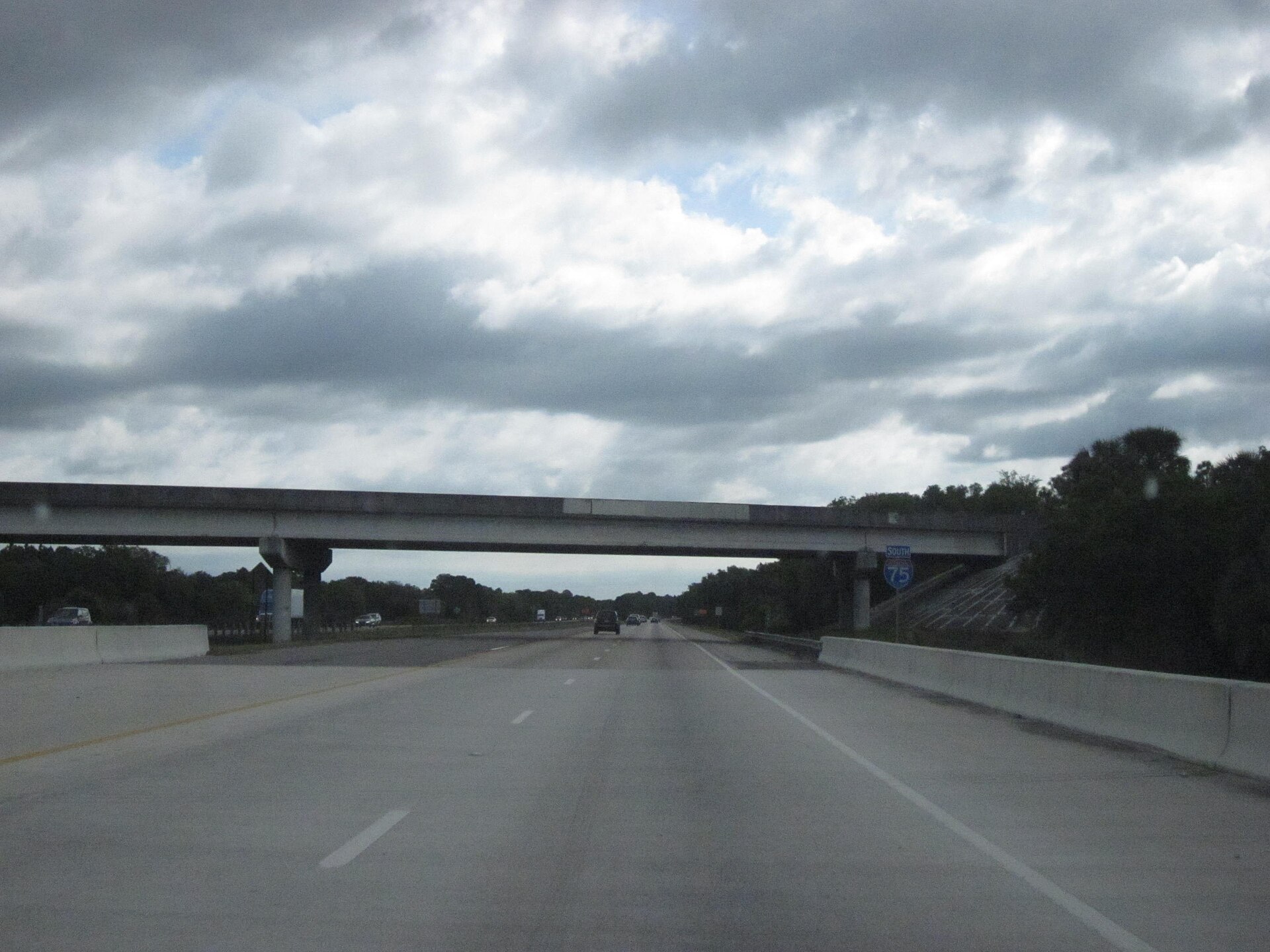
One more thing about the trip home: leftovers. If you’re carrying a cooler of turkey and stuffing for six hours, an ordinary ice chest won’t keep it cold enough by the end. A plug-in Igloo Iceless 40 Qt Thermoelectric Cooler runs off the car’s 12-volt outlet and keeps food safely cold the whole drive. It’s also the most popular thing in my car on the trip home.
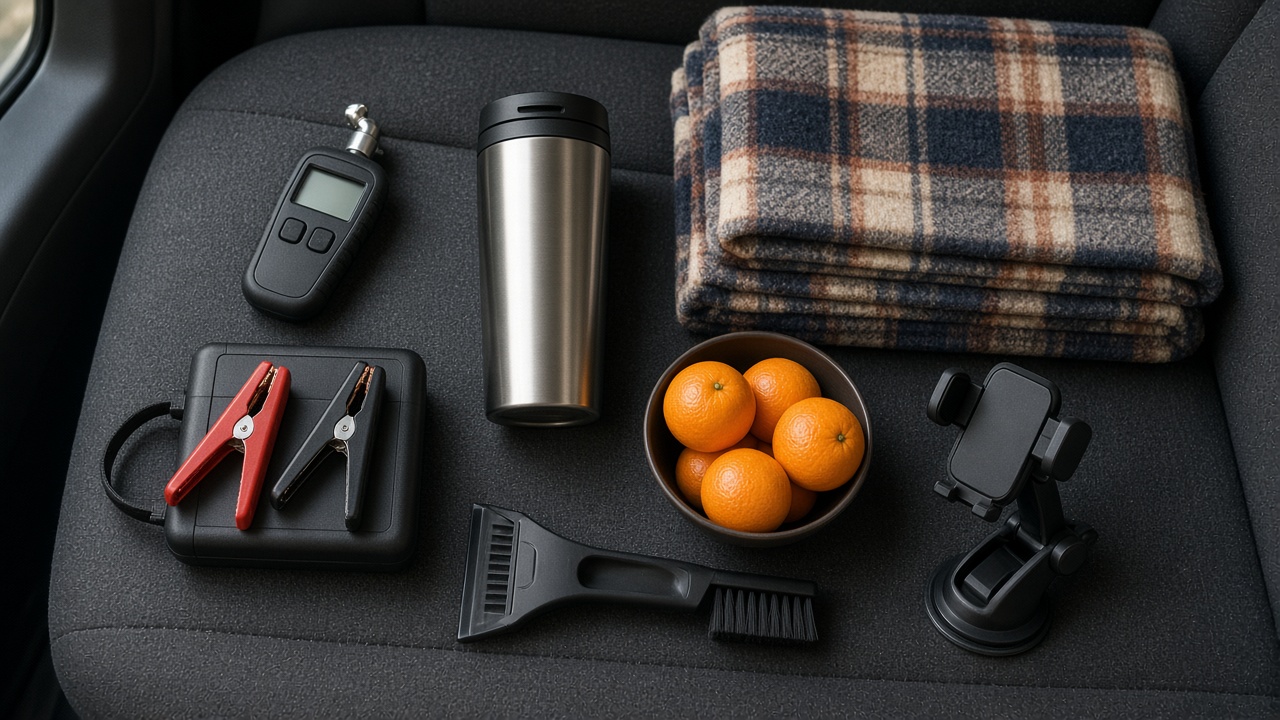
My Thanksgiving Drive Kit
Here’s everything I mentioned above in one list. These are what I’d make sure are in the car before Thanksgiving week:
- AstroAI Digital Tire Pressure Gauge: two minutes in the driveway saves fuel and makes the car safer in the rain.
- NOCO Boost Plus GB40 Jump Starter: for the cold battery in a relative’s driveway.
- Garmin Dash Cam Mini 2: video in case something happens in heavy traffic.
- iOttie Easy One Touch 5 Dashboard Phone Mount: the map at eye level, so you never look down.
- Rain-X Original Glass Water Repellent: less glare on dark, rainy evenings.
- Rachael Ray Expandable Lasagna Lugger: for the dish you’re bringing Thursday morning.
- Zojirushi Stainless Steel Travel Mug: hot coffee from home so the stops stay short.
- Lusso Gear Backseat Car Organizer and an EPAuto Waterproof Car Trash Can: keep the back seat livable.
- Igloo Iceless 40 Qt Thermoelectric Cooler: keeps the leftovers safely cold on the way home.
The Short Version
Leave in the morning. Drive Thursday if you’re close. Come home Friday or very early Sunday. Respect how early it gets dark. Fill up before the interstate, and stop every two hours whether you feel like it or not. None of this is complicated, but almost nobody does all of it, which is why the Wednesday-afternoon jam happens every year.
I’ll be on the road early Wednesday this year, coffee in the cup holder, casserole strapped in behind me, watching the sky go from black to blue somewhere around the second rest stop. If you’re flying instead, my REAL ID and TSA checklist for Thanksgiving will help you get through the airport. Either way, I hope you get there with the pie intact and time to spare before dinner.