Last weekend a friend of mine texted me a photo of her driver’s license with one line underneath: “Is this the right one?” She’s flying to her sister’s place in Phoenix for Thanksgiving, and somewhere between booking the ticket and packing the gravy boat it occurred to her that she had no idea whether her card had the little star on it. It didn’t. It was the old renewal she’d done by mail in 2022, and she had four weeks to sort it out.
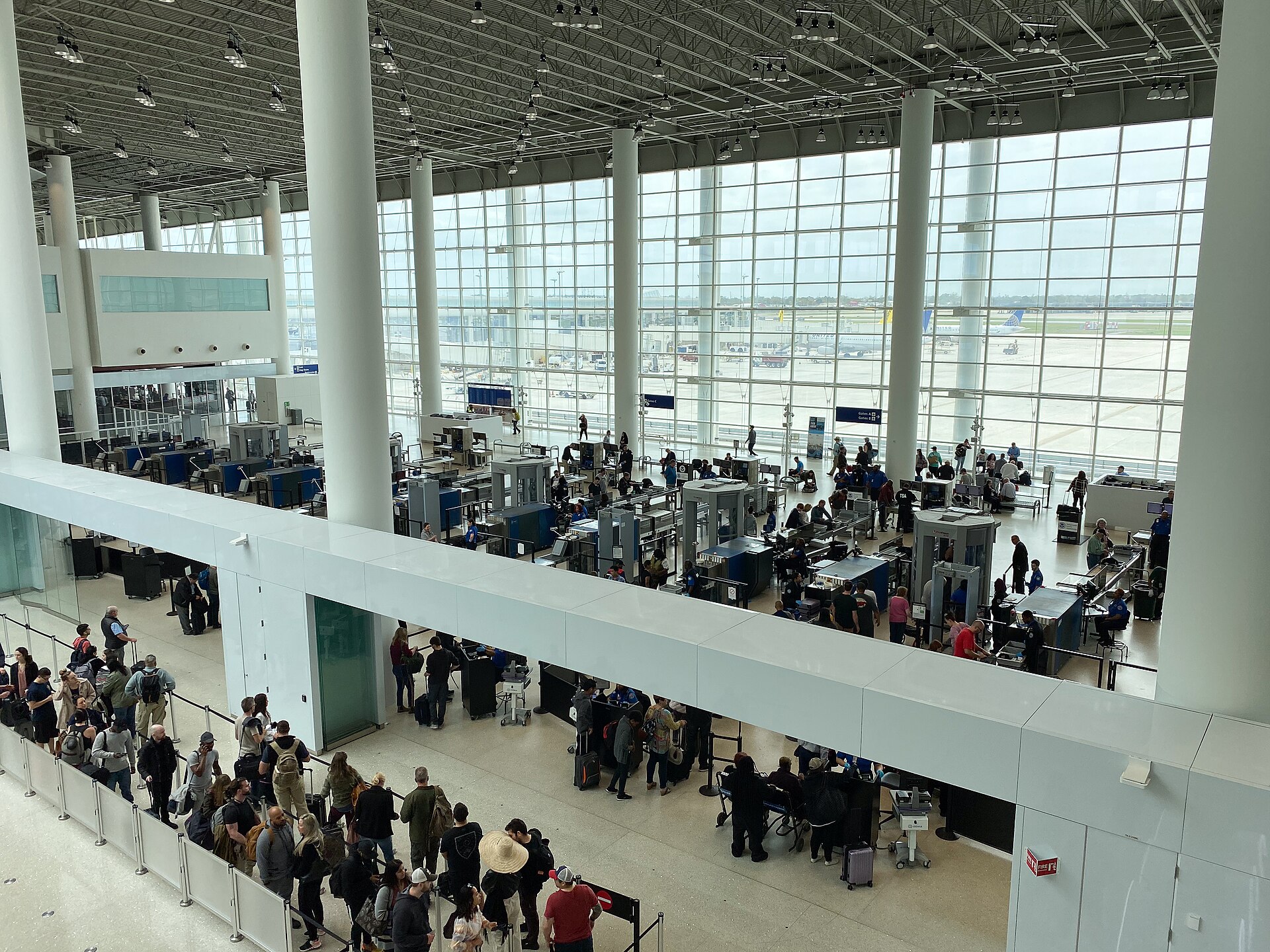
She’s in the minority. TSA says 95 to 99 percent of travelers now show up with a REAL ID or another acceptable document. But the minority is a lot of people when 2026 Thanksgiving week runs through airports, and this is the first Thanksgiving where showing up without the right card has a price tag on it: a $45 fee called TSA ConfirmID. Add in phone-based IDs that work in some states and not others, plus a face-scan PreCheck lane that’s now at 65 airports, and the question “what do I need to get through security?” has more answers than it did a year ago.
So my team and I put this together as a plain-English sort. It covers what each option actually does, what it costs, and how I’d handle it if I were the one holding the wrong card on November 24.
Four Questions to Ask Yourself Tonight
Before you read anything else, pull out your wallet and answer these. It takes about thirty seconds, and it tells you which part of this article you need.
- Does your license or state ID have a star in the top corner, or say “Enhanced”? If yes, you’re REAL ID compliant, and the ConfirmID fee doesn’t apply to you.
- If not, do you have a valid U.S. passport or passport card? Either one works for domestic flights. Bring it.
- If not, do you have a Global Entry, NEXUS or SENTRI card, a military ID, or a tribal photo ID? Those are on TSA’s acceptable list too.
- If you answered no three times: you’re who the $45 fee is for, and the rest of this article is mainly written for you.
One note for families: TSA doesn’t require travelers under 18 to show ID on domestic flights, though your airline may have its own rules for minors, so check with them. The fee and the ID rules apply to each adult in your group, not to the kids.
What TSA ConfirmID Actually Is (and What It Isn’t)
REAL ID enforcement started on May 7, 2025. Since then, a standard non-compliant license hasn’t counted as ID at the checkpoint. For most of last year, people who showed up without acceptable ID went through a slow, improvised verification process and usually got through. On February 1, 2026, TSA formalized that process and attached a fee to it. That’s ConfirmID.
Here’s how it works. You pay $45 through Pay.gov, ideally before you get to the airport. You enter the traveler’s legal name and a travel start date, then pay by card, bank transfer, PayPal or Venmo. You’ll get a confirmation email. At the checkpoint, you show that receipt (printed or as a screenshot) along with whatever government-issued ID you do have, like your old non-star license. An officer then tries to verify your identity through an alternative process. TSA says it averages 10 to 15 minutes and can take 30 or more.
The part people miss is in TSA’s own wording: the fee pays for an attempt to verify you, not for a guaranteed pass. If they can’t confirm who you are, you can be turned away, and you’ve still paid $45. In practice, nearly everyone with a real but non-compliant license gets through. Still, I wouldn’t plan a holiday around “nearly.”
The other practical details:
- It’s per adult. Two adults without acceptable ID pay $90.
- Someone else can pay for you. The name on the card doesn’t have to match the traveler, but the traveler’s name and date must be entered correctly.
- It covers a 10-day window starting on the date you enter, not just one flight.
- It also covers a lost or stolen wallet on the road. If your ID disappears mid-trip, this is the route back through security.
Making the 10-Day Window Fit Thanksgiving Week
Thanksgiving is Thursday, November 26, and this year’s crunch days look the way they usually do: Tuesday the 24th and Wednesday the 25th going out, Sunday the 29th coming home. The good news is that a typical trip, like out Tuesday and back Sunday, fits easily inside one 10-day window. One payment covers both directions.
Where people get caught is the long version of the holiday. If you leave Friday, November 20 to get ahead of the crowds and come back Tuesday, December 1, that trip runs longer than ten days. Your return flight needs a second $45 payment. Use your outbound flight date as your start date, count forward, and if the return falls outside the window, pay for it separately before you leave so you’re not doing it on your phone in a security line in another city.
The bigger issue is time. Thanksgiving security lines are already long. Add 10 to 30 minutes of identity verification on top of that, and the normal “two hours early” rule doesn’t leave much margin. If I were using ConfirmID on the Wednesday before Thanksgiving, I’d plan on getting to the airport at least an hour earlier than usual, and I’d book the earliest flight of the day, when lines are shortest and a missed flight leaves the most rebooking options. If you’re still choosing flights for later in the season, my holiday flight booking playbook covers which days and times are cheapest this year.
The Free Way Through: IDs You May Already Own
Before anyone pays $45, it’s worth checking the drawer. A surprising number of people who don’t have a star on their license have something else that works and just haven’t thought of it.
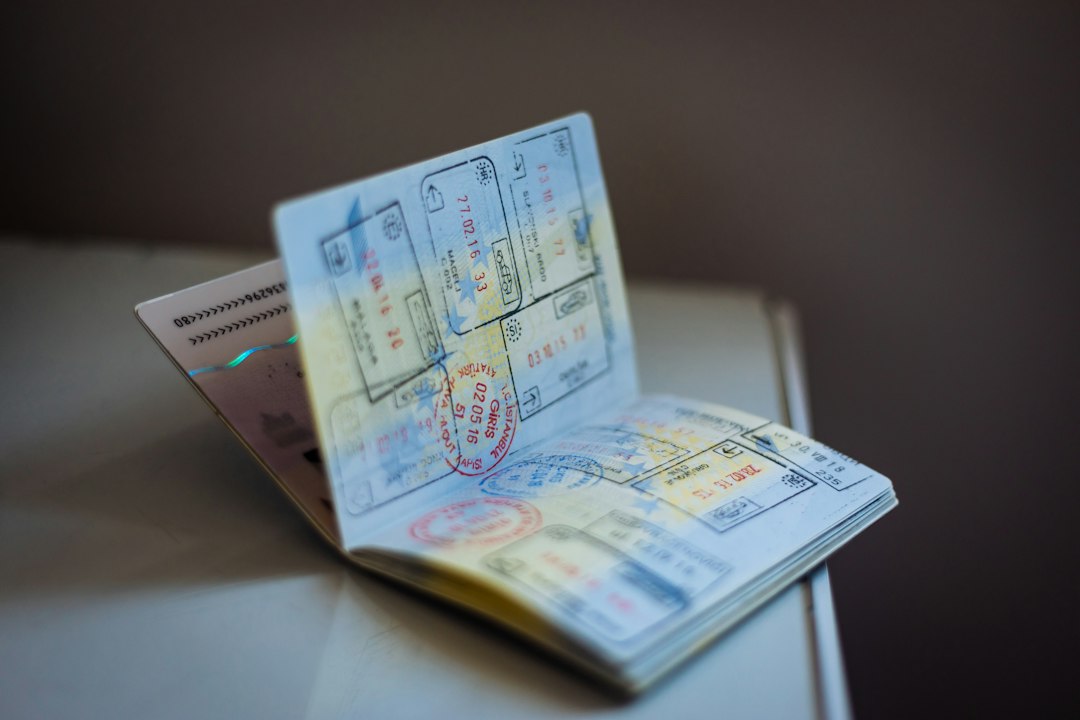
A U.S. passport works for domestic flights, even though plenty of people think of it as an international-only document. So does the wallet-sized passport card, which is cheaper than a passport book and fits in a card slot. A Global Entry card counts as a DHS trusted traveler card. So do NEXUS and SENTRI cards. Military IDs and tribal photo IDs are on the list too. If you have any of these, you’re set for Thanksgiving, and you can deal with the DMV afterward.
If you’re bringing a passport book to fly domestically, though, treat it differently from how you’d treat a license. It’s bigger, it’s easier to leave in a seat-back pocket, and it’s a pain to replace. I keep mine in an RFID-blocking passport wallet that also holds the boarding pass and one credit card, so all my airport documents live in one place and it’s either in my hand or in my jacket’s zipped pocket. Passport cards and enhanced licenses carry RFID chips, and a couple of RFID card sleeves cost almost nothing.
Getting an actual REAL ID before Thanksgiving is still possible in a lot of states, but don’t count on it. DMV appointment backlogs vary wildly. Typically you’ll need proof of identity (a birth certificate or passport), proof of your Social Security number, and two proofs of address. If you’re digging out a birth certificate for that trip, a fireproof document bag is a good place to keep it, along with your passports, once you get home. Look up your state’s DMV appointment calendar this week. If the first opening is after November 24, plan on ConfirmID or a passport for this trip and get the star before Christmas.
Phone IDs Help, but Keep the Card
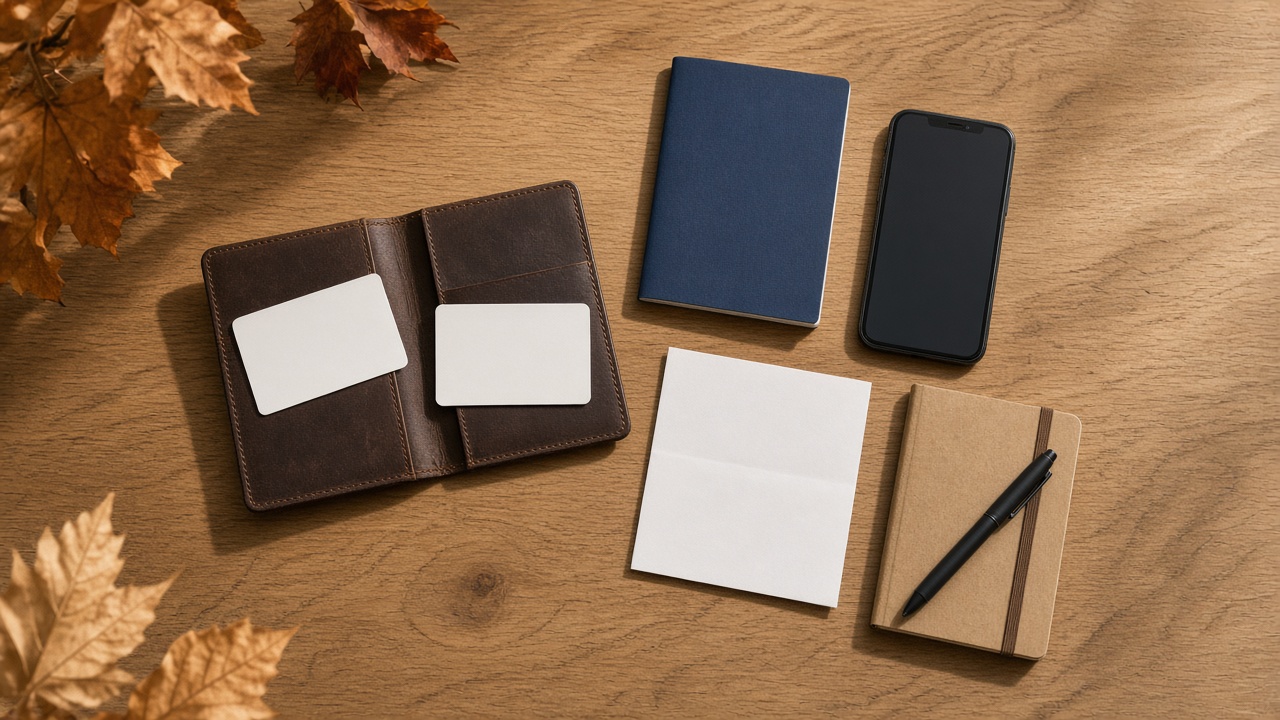
Digital IDs are the part of this that changed the most this year. TSA now accepts mobile IDs at more than 250 airports. If you live in a participating state, like Arizona, California, Colorado, Georgia, Maryland, Ohio or about a dozen others, you can add your license to Apple Wallet, Google Wallet, Samsung Wallet or a state app and tap it at the checkpoint reader. There are also passport-based options for people whose state isn’t on the list: Digital ID in Apple Wallet, ID Pass in Google Wallet, and Samsung ID with CLEAR all work for domestic flights.
Here are the catches, and they matter for the people this article is mostly for:
- A mobile license has to be based on a REAL ID-compliant card. Putting a non-star license on your phone doesn’t make it acceptable.
- TSA explicitly tells travelers to carry the physical ID too. Not every lane has a reader, and the readers don’t always work.
- If you’re a Utah resident, note that TSA will stop accepting Utah’s mobile license on January 1, 2027.
The real risk with a phone ID is battery. Your boarding pass, your ID and your ride home are all on the same device, and holiday travel days are long. I carry an Anker 10,000mAh portable charger in my personal item on every flight now. It’s not about convenience. A dead phone at the checkpoint turns a ten-second tap into a much worse day. If you’d rather not dig through a bag at the podium, a crossbody phone lanyard keeps the phone where your hands can find it while they’re full of bins and a coat.

Touchless ID: The Fast Lane for PreCheck Members
If you already have PreCheck, there’s a newer option worth five minutes of setup. TSA PreCheck Touchless ID uses facial comparison in dedicated lanes. You walk up, a camera takes a quick photo, it matches you to the passport photo on file, and you don’t hand anyone a card. It expanded quickly this spring and is now at 65 airports, from the big hubs to a growing list of mid-size airports. Check TSA’s current list for your departure terminal.
To use it, you need three things: an active PreCheck membership, a valid passport, and either a profile with one of the participating airlines (Alaska, American, Delta, Hawaiian, Southwest or United) with your passport saved and the Touchless option turned on, or Google Wallet’s ID Pass. If you’re deciding whether PreCheck is worth it at all, I compared it with Global Entry and CLEAR in my PreCheck vs. Global Entry vs. CLEAR breakdown. Global Entry still includes PreCheck and gives you an acceptable ID card in the mail.
Two cautions from experience. The lane isn’t in every terminal at a listed airport, and the camera is sometimes down. Touchless ID speeds things up, but it doesn’t replace your ID. Bring the physical card. It’s also opt-in, and you can use the regular lane any time if you’d rather not have your face scanned.

If You Have to Pay: My ConfirmID Game Plan
Say it’s November and you’re my friend with the starless license, no passport, and no DMV slot until December. Here’s exactly what I’d do.
Pay a few days before the flight, not at the airport. TSA says there are payment instructions at checkpoints for people who show up unpaid. But Pay.gov on a phone, in a crowd, with a boarding time coming up, is not where you want to be typing your legal name correctly. Do it at home. Double-check the start date. Then forward the receipt to whoever you’re traveling with.
Keep the receipt in two places. Take a screenshot so it’s available offline, and print a paper copy that goes in the same pocket as your license. Airport Wi-Fi and a 4% battery are a bad combination right when the officer asks for it.
Bring every ID you have. Your expired passport, your old license, a work badge with a photo, a credit card in the same name. TSA’s process is about establishing who you are, and more supporting documents can only help. A family travel document organizer is worth it here, especially if you’re also keeping track of other people’s boarding passes. It keeps all of it in one zippered folio instead of spread across three pockets.
Ask for the right line. Tell the first officer at the podium that you’re using ConfirmID. Don’t wait until you reach the front of the regular line, because they may send you somewhere else.
Budget the time and stay calm. Ten to thirty minutes of verification feels long when the person behind you is sighing. The officers process ConfirmID travelers all day. Be patient, answer clearly, and you’ll get through faster.
The Small Kit That Keeps IDs Where They Belong
I’ve lost exactly one ID on a trip. It was a license that slid out of a jacket pocket on a shuttle bus in Denver, and getting home without it was miserable. That was years before ConfirmID existed, but the lesson is the same now. The cheapest way to avoid a $45 fee, or worse, mid-trip is to never lose track of the card in the first place.
These days my license lives in a MagSafe card wallet stuck to the back of my phone, so the two things I need at the podium are physically the same object. For the wallet itself, I’ve slipped a Chipolo CARD Spot wallet tracker into a card slot. It’s the thickness of a couple of credit cards and shows up in Find My. My checked bag carries an Apple AirTag for the same reason. I wrote about what AirTags taught me about where my luggage really goes, and our sister site ran an AirTag vs. Pixel Tag vs. Chipolo vs. Tile stress test if you’re choosing between networks.
For travelers who carry a passport book through crowded holiday terminals, a hidden neck wallet worn under a sweater is the least glamorous and most reliable option I know. And to keep the rest of the checkpoint moving, a TSA-approved clear toiletry bag sitting at the top of your carry-on saves you from being the person unpacking at the bins while everyone waits.

My Thanksgiving Week Security Checklist
This is the list I’d tape to the fridge the weekend before flying. It’s mostly the decisions above plus the gear that backs them up.
- This week: check your card for the star. If it’s missing, find your passport or passport card, or book a DMV appointment.
- Passport flyers: keep the book in an RFID-blocking passport wallet with your boarding pass, so it’s always in one known place.
- Phone ID users: add the ID to your wallet app now and test it, then pack an Anker 10,000mAh portable charger so a dead battery doesn’t block you at the checkpoint.
- ConfirmID travelers: pay on Pay.gov two or three days out, screenshot and print the receipt, and file both in a family travel document organizer with every other ID you own.
- PreCheck members: save your passport to your airline profile and turn on Touchless ID before you check in.
- Everyone: get there earlier than you think you need to on Tuesday, Wednesday and Sunday, and keep your liquids bag on top.
If you land frazzled anyway, which happens to the best of us during Thanksgiving week, my 10-minute airport reset is how I put myself back together between flights without a lounge.
The Card in Your Wallet Is the Whole Game
My friend ended up finding her passport in a filing box in the garage. It expires in 2028, so she’s flying to Phoenix on it, and she has a DMV appointment for the first week of December to get the star. Total cost: zero dollars and one dusty afternoon. Not everyone will be that lucky, and that’s the reason ConfirmID exists. It’s a workable backup at a fair-ish price. It’s just not something to find out about at 6 a.m. on the Wednesday before Thanksgiving.
So check your wallet tonight. Turkey, pie and the family argument about the thermostat will all still be there. Getting through the checkpoint is the one part of the trip that’s entirely in your control, and it’s settled four weeks early.
Featured image Photo: Tony Webster / Wikimedia Commons, CC BY 2.0
1 thought on “The Star in the Corner: Sorting REAL ID, the $45 TSA ConfirmID Fee and Touchless ID Before Thanksgiving”