
Today is Tuesday, October 27. If you’re flying home on Tuesday, December 22, you’re exactly 56 days out. According to Google Flights’ own historical data, that’s the single cheapest point to book a Christmas fare. I didn’t plan the timing, I just noticed it this morning while I was refreshing a Denver-to-Charlotte search for the third time before coffee, and it hit me that a lot of people are about to miss the best part of the booking window without knowing it existed.
So this is my holiday flight playbook for 2026. It’s not a vague “book early” list. It’s built on the numbers that are out right now, the calendar we’ve actually got this year (Christmas lands on a Friday), and a few hard lessons from airport floors in Decembers past. It’s also a strange year, because jet fuel just hit a record, so the usual advice needs some adjusting.
Why 2026 Christmas Airfare Hurts More Than Usual
I’ll get the bad news out of the way. Hopper’s holiday outlook puts the average domestic round-trip for Christmas at about $452, roughly $85 (around 23%) more than last year. Thanksgiving is averaging about $402, up close to 30%. Both are the highest Hopper has seen in about a decade. If your gut says “this feels expensive,” it’s right.
Most of the reason is fuel. Argus reported that U.S. jet fuel hit a record of around $4.90 a gallon last Thursday, nearly double where it was a year ago. Airlines pass that on in two ways: higher base fares, and less of what I call “slack inventory,” the cheap seats that used to show up on less popular flights. When fuel is that expensive, carriers trim marginal flights and fill the rest of the plane harder, so there are fewer seats in the lowest fare buckets and they sell out sooner.
That’s why timing matters more this year than in a normal season. In a soft year, if you miss the sweet spot it costs you $30. This year, the gap between the bottom of the window and the last-minute price is a lot wider, and nobody I trust expects fuel to drop enough before December to bail out procrastinators.
The 56-Day Rule and How to Find Your Own Date
Google Flights looked at years of holiday pricing and found that domestic Christmas fares were cheapest, on average, about 56 days before departure. The broader low-price window runs from roughly 33 to 67 days out. That sweet spot has crept about five days earlier than last year, which fits the tighter inventory story. Kayak’s data points to a similar dip four to seven weeks ahead, and Hopper’s blunt version is to book before Halloween.
Here’s the part most articles skip: the 56-day mark is a different date for every departure day. Here’s how it works out this year:
- Leaving Saturday, Dec 19: 56 days out was Oct 24. Your window runs about Oct 13 to Nov 16, so you’re in the middle of it now.
- Leaving Monday, Dec 21: 56 days out was yesterday, Oct 26. The window closes around Nov 18.
- Leaving Tuesday, Dec 22: 56 days out is today. The window closes around Nov 19.
- Leaving Wednesday, Dec 23: 56 days out is tomorrow, Oct 28. The window closes around Nov 20.
- Leaving Thursday, Dec 24: 56 days out is Thursday, Oct 29. The window closes around Nov 21.
Treat these as averages, not promises. Your exact route can bottom out a week earlier or later. But if you’re inside that window and you see a fare you can live with, I’d book it. Hoping to save another $20 is how you end up paying $200 more in mid-December.
My actual booking routine
I set a price alert on Google Flights for my exact dates and airports. I watch it for no more than a few days, and then I book the first fare that comes in at or below the “typical” range shown on the price graph. If I’m on the fence, I book with an airline that allows a free 24-hour cancellation (most do for U.S. bookings made at least a week before departure), then I check the alert one more time the next morning. That gives me a day of protection without the anxiety of waiting.
One more thing: a regular Main Cabin ticket on most big U.S. carriers no longer has change fees. If the price drops after you book, you can often rebook and get the difference back as a travel credit. Basic economy usually doesn’t let you do that, which is a big reason I rarely buy it for the holidays.

Fly on the Days Everyone Else Avoids
When you book matters less than people think. Google Flights found that Wednesday is the cheapest day to book, but only by about 1.4% compared with Sunday. That’s pocket change. When you fly matters a lot more.
The same analysis found that leaving on a Monday and coming back on a Tuesday or Wednesday saves about 14% on average compared with a Sunday-to-Sunday trip, and domestic routes can hit around 20%. With Christmas on a Friday this year, here’s where I’d look:
- Best outbound days: Monday, Dec 21, or Tuesday, Dec 22. Flying on Christmas Day itself is often the cheapest of all, if your family can live with you arriving in time for dinner.
- Days I’d avoid: Saturday, Dec 19, and Sunday, Dec 20, when school breaks start and everyone leaves at once.
- Best return days: Monday, Dec 28, or Tuesday, Dec 29. Even Thursday, Dec 31, can be cheap, and New Year’s Day flights often are too.
- Days I’d avoid: Sunday, Dec 27, plus Saturday, Jan 2, and Sunday, Jan 3, when the whole country flies home for school and work.
Last year I flew home on the morning of the 25th, and it was one of the calmest travel days I’ve had: half-empty gates, a cheerful crew, and a seat next to me that nobody took. My family opened presents at 4 p.m. instead of 8 a.m. Nobody minded.
Take the Connection (But Choose the Hub Carefully)
Google’s data also found that nonstop flights cost roughly 20% more than itineraries with a connection. In most of the year I’ll pay extra for a nonstop without thinking. At Christmas I do the math, because 20% on a $450 ticket for a family of four is real money.
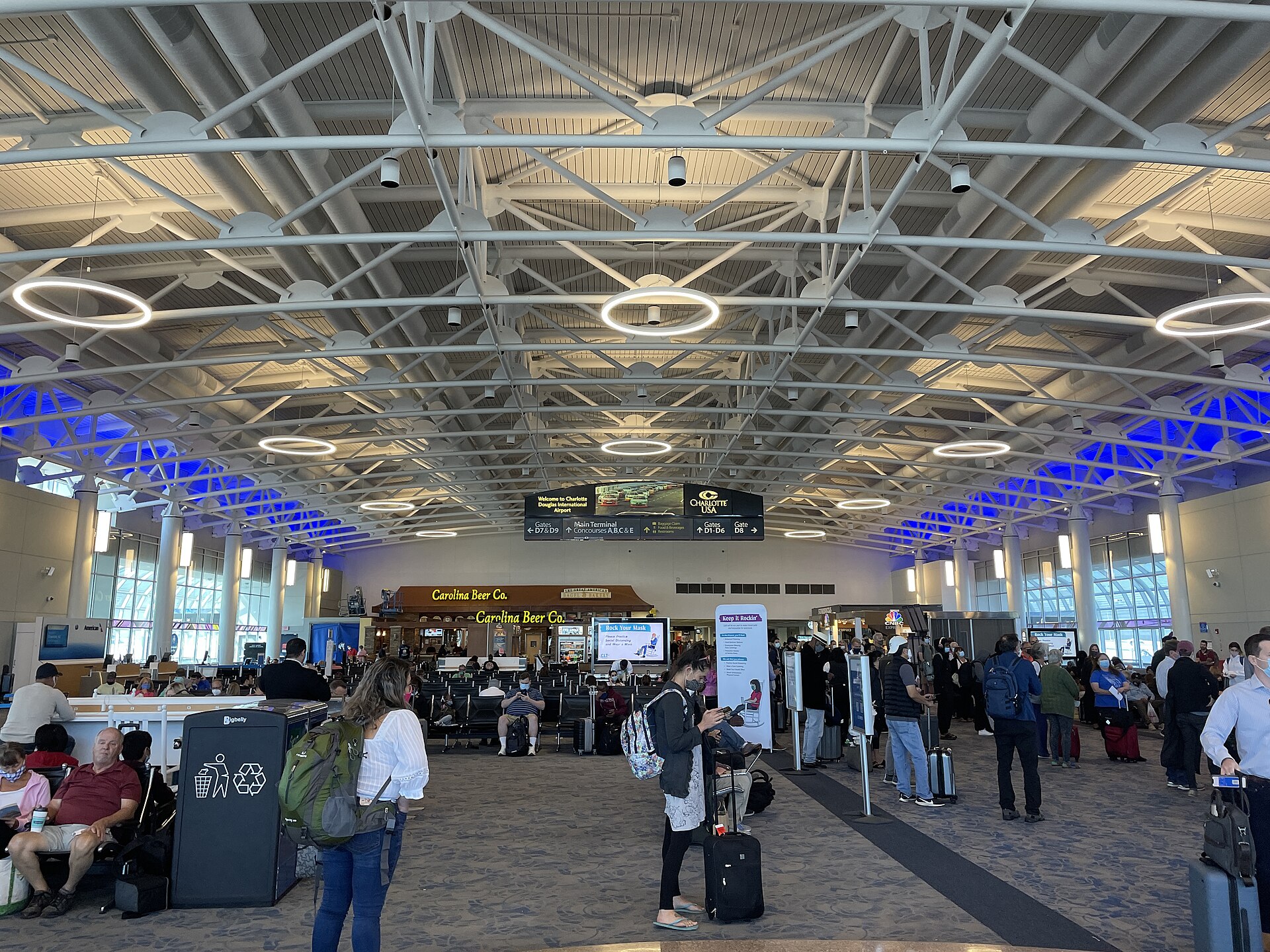
The catch is that a December connection is a bet on the weather. My rule: pick hubs that are less likely to be buried in snow, and never accept a layover shorter than about 75 minutes at holiday time. Charlotte, Atlanta, Dallas, and Phoenix are my preferred connection points in winter. Denver, Chicago, and Minneapolis handle snow remarkably well, but when a big storm does hit, a missed connection there can mean an overnight stay.
If you do connect, book the whole trip on one ticket. If the first flight is late and you miss the second, the airline has to rebook you. On two separate tickets, that problem is entirely yours. I’ve written a whole guide about what to do when it goes wrong anyway: my flight cancellation playbook covers the app-versus-agent-versus-phone strategy that has gotten me home more than once.

The red-eye trick nobody wants to hear
Overnight flights from the West Coast to the East are often among the cheapest seats in the whole holiday schedule, because nobody wants them. If you can sleep sitting up, you save money and skip a vacation day. I’ve gotten pretty good at it, and my red-eye survival guide has the whole routine, including when to eat and what to do the minute you land.
Watch Out for the Basic Economy Trap
When fares are this high, the cheapest number on the search page is very tempting, and that’s usually basic economy. Before you click, add up what you’d actually pay. Depending on the airline, that can mean no seat selection (so your family may get split up), no changes, boarding last, and on some carriers no full-size carry-on at all. Add a checked bag each way and a seat-selection fee, and the “deal” is often more expensive than Main Cabin.

If you do go with a bare-bones fare, the game becomes fitting everything in a personal item. I tested a bunch of bags against the strictest sizers in my personal item sizer smackdown, and the lesson still holds at Christmas: soft-sided beats rigid every time, and a luggage scale at home beats an argument at the gate.
About gifts: TSA advises against wrapping presents in carry-on or checked bags, because if something needs to be inspected, they’ll unwrap it. I switched to reusable fabric gift bags a few years ago. They pack flat, officers can peek inside without destroying anything, and my nieces now treat them like heirlooms.
My Holiday Carry-On Kit
This is what goes in my bag every December. None of it is fancy; it’s simply the stuff that has saved me during delays, crowded gates, and long nights on airport carpet.

- Digital Luggage Scale: I weigh every bag the night before, because overweight fees come on top of already-high fares this year.
- Compression Packing Cubes: these squeeze bulky sweaters down enough to skip a checked bag.
- Leakproof TSA-Approved Travel Toiletry Bottles: refillable bottles that keep me under the 3.4-ounce limit, so a holiday security line doesn’t end with my shampoo in the trash.
- Reusable Fabric Gift Bags: gift wrap that TSA can open and close without wrecking anything.
- Apple AirTag Luggage Tracker: if I do check a bag in December, I want to know where it is before the airline does.
- Slim Portable Power Bank: outlets at crowded gates disappear fast, and your phone holds your boarding pass and your rebooking options.
- Memory Foam Travel Neck Pillow: it makes red-eyes and long delays tolerable.
- Budget Noise-Cancelling Headphones: they block out crying babies, gate announcements, and drink carts. My colleagues at our sister tech site tested a stack of cheap pairs in their budget ANC headphones roundup if you want a specific pick.
- Graduated Compression Socks: these keep my legs from swelling on long or delayed flights.
- Collapsible Silicone Water Bottle: it goes through security empty, gets filled at the fountain, and keeps me from paying $6 for water.
When Flying Just Doesn’t Make Sense
Every year there’s a point where I look at the fare, add bags, add the airport parking, add the rideshare on the other end, and realize driving would be cheaper and less stressful. If your family is within about six to eight hours of you, run the numbers honestly. Gas has gone up too, but a car carries four people and all the presents for the price of one tank.
If you go that route, make a trip of it. I just mapped out a Christmas market road trip from Bryant Park to Denver, and any one leg of it would make a better holiday drive than an hour on the airport curb.

What I’d Do This Week
If I had to boil it all down to a to-do list for the next few days, it would look like this:
- Pick your exact departure date and figure out its 56-day mark from the list above. For most mid-week departures, that’s this week.
- Set a Google Flights alert for your dates, and check flexible dates one or two days each way.
- Compare a Monday or Tuesday outbound and a Monday or Tuesday return against the weekend dates you assumed you’d fly.
- Price out one connection through a warm-weather hub against the nonstop.
- Add up basic economy fees before you get excited about the lowest fare.
- Book with a 24-hour free cancellation and stop checking prices, except to see whether a drop qualifies for a travel credit.
Then forget about it until it’s time to pack. The fares are high this year, and nobody can control jet fuel, but you can control when you book and when you fly. Right now, those two things are worth more than any deal-hunting trick I know. See you at the gate, ideally on a quiet Christmas morning.
2 thoughts on “The Cheap Christmas Seats Are Being Sold This Week: My 2026 Holiday Flight Booking Playbook”