Gas was $3.07 a gallon this time last year. On Monday, AAA put the national average at $3.81. That 74-cent gap is the first number I wrote on the back of an envelope this week, because next Wednesday I’m pointing the car at family 540 miles away. I’ve made that drive for more Thanksgivings than I can count, and I’ve never once checked whether it still makes sense. This year I did, before I fill the tank.
AAA’s holiday forecast, out Monday, says 81.5 million Americans will travel at least 50 miles between Tuesday, Nov. 24 and Monday, Nov. 30, and 72.9 million of them will go by car. That’s about 200,000 fewer drivers than last year, and AAA puts part of the blame on the pump. August, September and October each set monthly price records. The national average on Thanksgiving Day has never been above $4, and the old record is $3.58 from 2022. Prices have been sliding for weeks, but this will very likely still be the most expensive Thanksgiving fill-up on record.
The Short Answer Before the Math
- Driving still wins for two or more people. Even at the IRS’s full 76-cents-a-mile rate, my 1,080-mile round trip costs about $821, against an average $800 per domestic round-trip ticket.
- Solo, it’s close to a tie on money. Gas alone is about $147. The full cost of owning the car is about $821. One plane ticket averages $800.
- The higher gas price adds about $29 to my trip. That’s real money. It isn’t a reason to cancel.
- The cargo box costs more than the price spike. A big roof box at 65 to 75 mph can cut fuel economy by 10% to 25%.
- Speed is the biggest lever you control. Each 5 mph over 50 is like paying about 28 cents more a gallon.
- Leave early, check the tires, carry a jump pack. AAA answered more than half a million roadside calls last Thanksgiving.
Three Numbers, Not One
The mistake I made for years was treating the gas receipt as the cost of the trip. It’s the most visible cost, so it’s the one everybody argues about at the table, but it’s only the first layer. So this year I worked the drive three ways, each one a little more honest than the last.
The car is a crossover that does about 28 mpg on a loaded highway run, a little under its sticker. The trip is 540 miles each way, so 1,080 round trip. That’s 38.6 gallons.
- Gas only: 38.6 gallons at $3.81 is about $147. At last year’s $3.07 it would have been about $118. GasBuddy is projecting a Thanksgiving Day national average of $3.59 to $3.69, so if that holds, I’m looking at something closer to $140.
- Gas plus wear: The IRS medical and moving rate for the second half of 2026 is 23.5 cents a mile, and it’s built only on variable costs like fuel, tires and brakes. At that rate, the trip comes to about $254.
- Everything: The IRS business rate jumped midyear from 72.5 to 76 cents a mile because of fuel prices, and it folds in insurance and depreciation. That puts the full round trip at about $821.
I like having all three because each one answers a different question. The gas number tells me what leaves my checking account next week. The middle number is the one I use when I’m comparing a drive against a flight I’d otherwise take, since the insurance and depreciation on my car don’t stop just because I flew. The full number is the worst case, the price if you think of every mile as a slice of the car’s life.
Where the Plane Comes Out Ahead, and Where It Doesn’t
AAA says domestic round-trip flights for Thanksgiving are running 17% higher than last year, at an average of $800 a ticket. That’s based on what people actually paid when they booked, and averages hide a lot. Somebody flying Detroit to Orlando and somebody flying Boise to Boston both land in the same number. Still, it’s a useful yardstick.
For the four of us, flying would be about $3,200 before bags, airport parking and a rental car at the other end. Driving, even at the full 76-cent rate, is about $821. That isn’t close, and it’s why nearly nine in ten Thanksgiving travelers will be on the road. The price spike barely changes the answer for a family.
Solo is where it gets interesting. $800 for a ticket against $254 in gas and wear is still a clear win for the car, but the drive costs me two long days behind the wheel. If you’re the only person in the car, the distance is more than about 600 miles each way, and your time off is short, the plane earns a serious look. I wrote up how I’d shop those fares in my holiday flight booking playbook, and AAA’s own advice this week is to check secondary airports a little farther from home.
Hotels shift the math too. At 540 miles I can do the drive in one long day. At 800 miles I’d need a room in the middle, and a $150 motel night each way eats a big chunk of the solo driver’s savings.
EV owners are running a different set of numbers. Charging costs haven’t followed gasoline up the same way, but winter range and holiday charger lines bring their own headaches. I covered those in my Thanksgiving EV drive plan.
The Roof Box Costs More Than the Price Spike
This was the number that actually changed my packing. According to the Department of Energy’s fueleconomy.gov, a large, blunt rooftop cargo box can lower fuel economy by roughly 6% to 17% on the highway and 10% to 25% at Interstate speeds of 65 to 75 mph. A rear-mount box or tray costs much less, only about 1% to 5% on the highway.
Run that through my trip. A 15% hit takes the car from 28 mpg to about 24, and the round trip goes from 38.6 gallons to roughly 45. At $3.81, that’s about $26 extra, nearly the whole year-over-year jump in gas prices, from one box. Add the wind noise and the wobble on a gusty bridge, and the box doesn’t earn its spot.
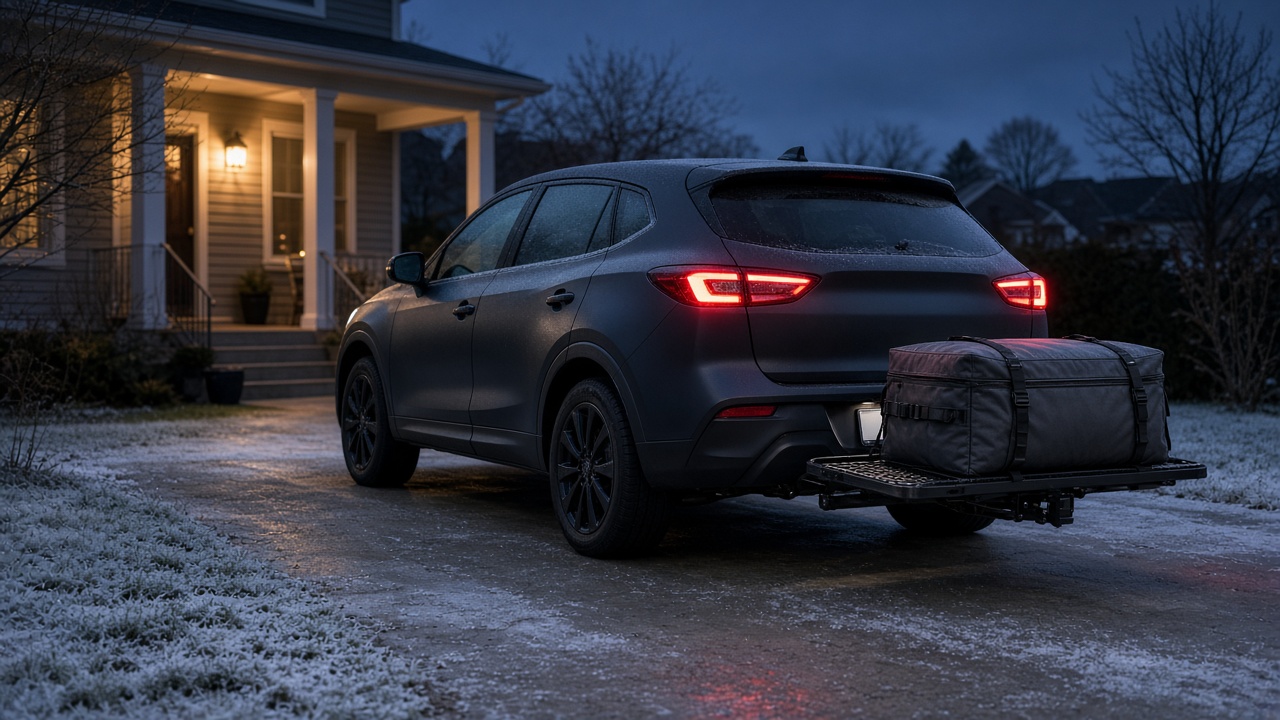
So this year the overflow rides behind the car. I’m using a CURT Folding Hitch Cargo Carrier that folds up against the hatch when it’s empty, with a Waterproof Hitch Cargo Bag strapped on top for the duffels and the folding chairs. If you don’t have a hitch, the next best move is the one that costs nothing: take the box off if it’s empty, and pack heavy, dense stuff inside the car instead. The same DOE data says an extra 100 pounds costs about 1% in mileage, so the weight matters much less than the drag.
Speed Is the Lever You Hold
The government’s rule of thumb is that each 5 mph you drive over 50 is like paying about 28 cents more per gallon, based on Oak Ridge National Laboratory testing at a $4 pump price. On a trip where the whole price spike is 74 cents, that’s worth thinking about. Going 80 instead of 70 is like paying an extra 50-something cents a gallon, which on my route is roughly $20 in fuel to save under two hours, and that’s only if traffic lets you hold 80 the whole way. It won’t, not next Wednesday.
The bigger waste is the jackrabbit driving that holiday traffic brings out. Fueleconomy.gov says aggressive speeding, accelerating and braking can cut mileage by 15% to 30% at highway speeds and up to 40% in stop-and-go. Cruise control on the open stretches and a little patience in the jams do more for me than any app.
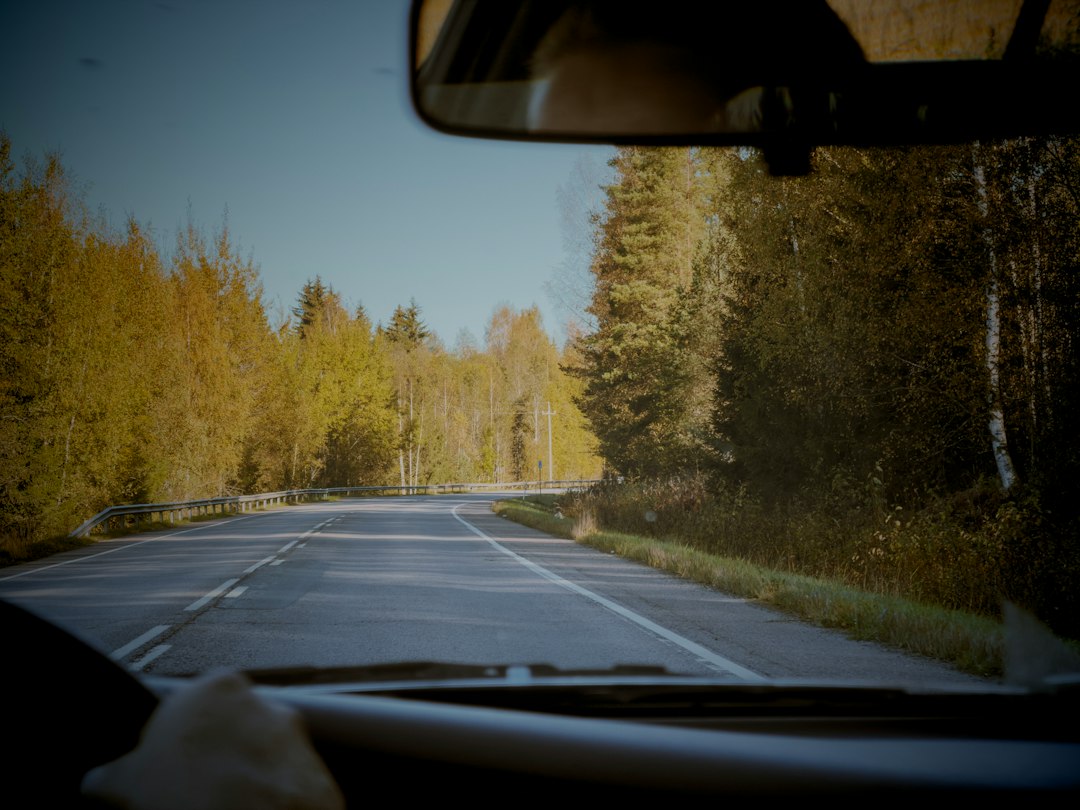
The one tool I do trust is a feedback screen. The same DOE page cites a study where drivers with real-time feedback improved their mileage by about 3% on average, and about 10% when they used it on purpose to save fuel. My car’s trip computer shows instant mpg, and this year I’m actually watching it. A iOttie Easy One Touch 5 Dashboard Phone Mount keeps the navigation and the gas-price app where I can glance at them without picking up the phone. And because a check-engine light 300 miles from home is its own kind of fuel waste, I keep a BlueDriver Bluetooth OBD2 Scan Tool in the glove box. It plugs into the port under the dash and tells me on my phone what the code means, so I can decide whether to keep driving or find a shop.
Pressure, Tread and the Fuel You Don’t Need
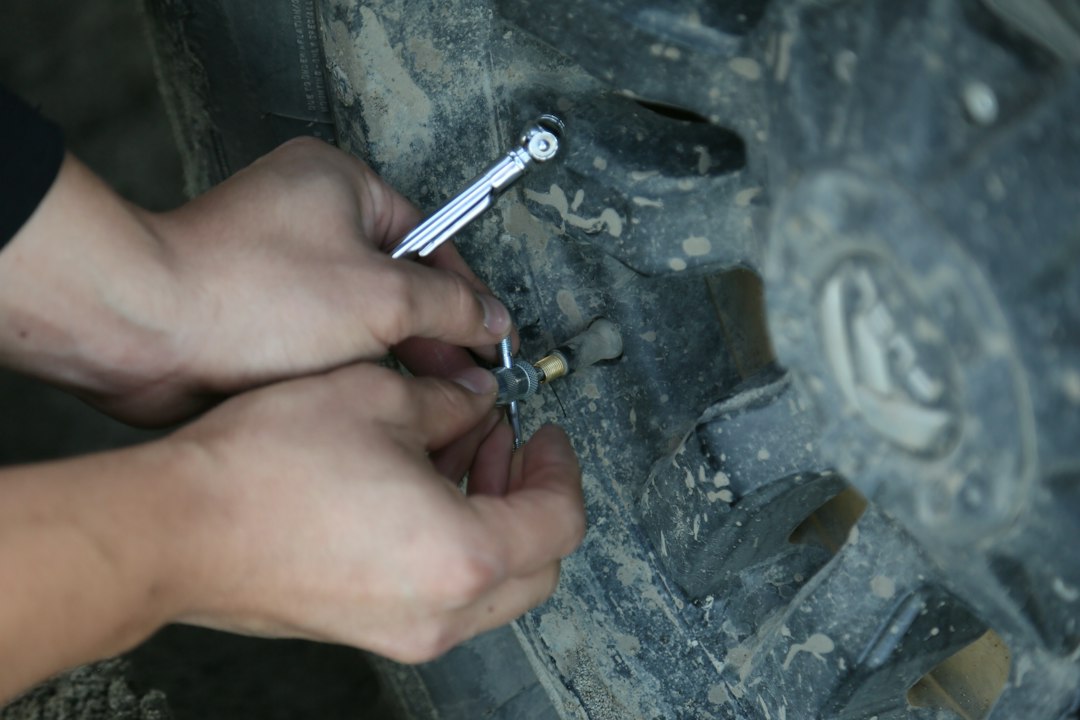
Tires get oversold as a fuel saver. The DOE says proper inflation improves mileage by about 0.6% on average and up to 3% in some cases, and that you lose about 0.2% for every 1 psi drop across all four tires. On my trip, five pounds low on every tire costs well under half a gallon. That’s not why I check them.
I check them because cold mornings knock pressure down. The car will be fully loaded, at highway speed, for nine hours, and flat tires and dead batteries are exactly the kind of calls AAA’s crews spent last Thanksgiving answering. I go by the pressure on the sticker inside the driver’s door, not the maximum printed on the sidewall, and I check before the first drive of the day while the tires are cold. While I’m down there, I check the tread too, especially on the tires that see the most wear.
One more fuel note that saves money right away: use the grade your owner’s manual calls for. Putting premium in a car built for regular won’t get you more miles. It just costs more per gallon. Diesel drivers have it worse. GasBuddy expects diesel around $5.85 to $5.95 on Thanksgiving, so plan fuel stops more carefully than usual.
Half a Million Calls Last Year
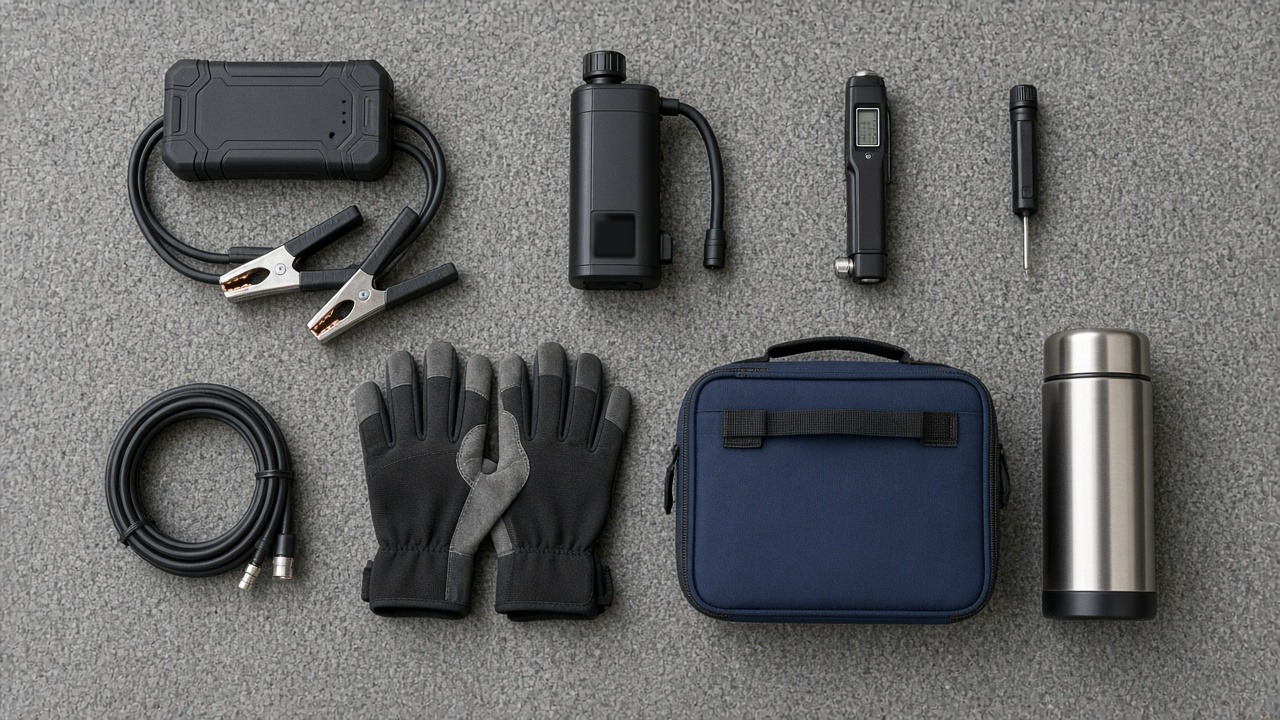
AAA responded to more than 500,000 roadside calls over Thanksgiving last year for flat tires, dead batteries, fuel deliveries, lockouts and tows. I’d rather fix my own problem in ten minutes than wait two hours on the shoulder with a car full of pie. So the trunk kit gets checked before the luggage goes in, and it lives in the same spot every trip.
If you want the full winter version, the one with traction aids, blankets and the cold-weather extras, I laid it out in my first-freeze car kit. Over at tech.omnux.com, The Trunk Audit sorts the electronic emergency gear by what actually earns its space, and it’s worth reading before you buy anything that plugs into the car.
Pack the Lunch, Skip the Exit Plaza
AAA’s budget advice this week includes something my family figured out a long time ago: bring your own food. A sit-down lunch for four off the interstate can easily cost more than the gas spike for the entire trip, and it takes 45 minutes.
The night before, I load a RTIC Soft Pack Cooler with sandwiches, cut fruit and the drinks the kids will actually drink. I fill a Stanley Classic Vacuum Food Jar with hot soup or chili in the morning, and it’s still hot at a picnic table four hours later. The soft cooler rides behind the front seats, so nobody has to unpack the back to get lunch.
Fuel stops get the same planning. AAA points out that gas-station loyalty programs and member discounts add up, and in my experience the stations a mile or two off the interstate often beat the ones at the top of the ramp. I check prices on the phone before the needle gets low, not after.
When You Leave Matters More Than What You Pay
INRIX, AAA’s traffic partner, expects Tuesday and Wednesday to be the heaviest outbound days and Sunday and Monday the heaviest coming home. Some big metros could see more than double their normal congestion. The worst traffic falls in the afternoon and early evening, and the advice is the same nearly every day: leave in the morning. Wednesday, Nov. 25 is worst from noon to 7 p.m. Sunday, Nov. 29 is worst from noon to 8 p.m.
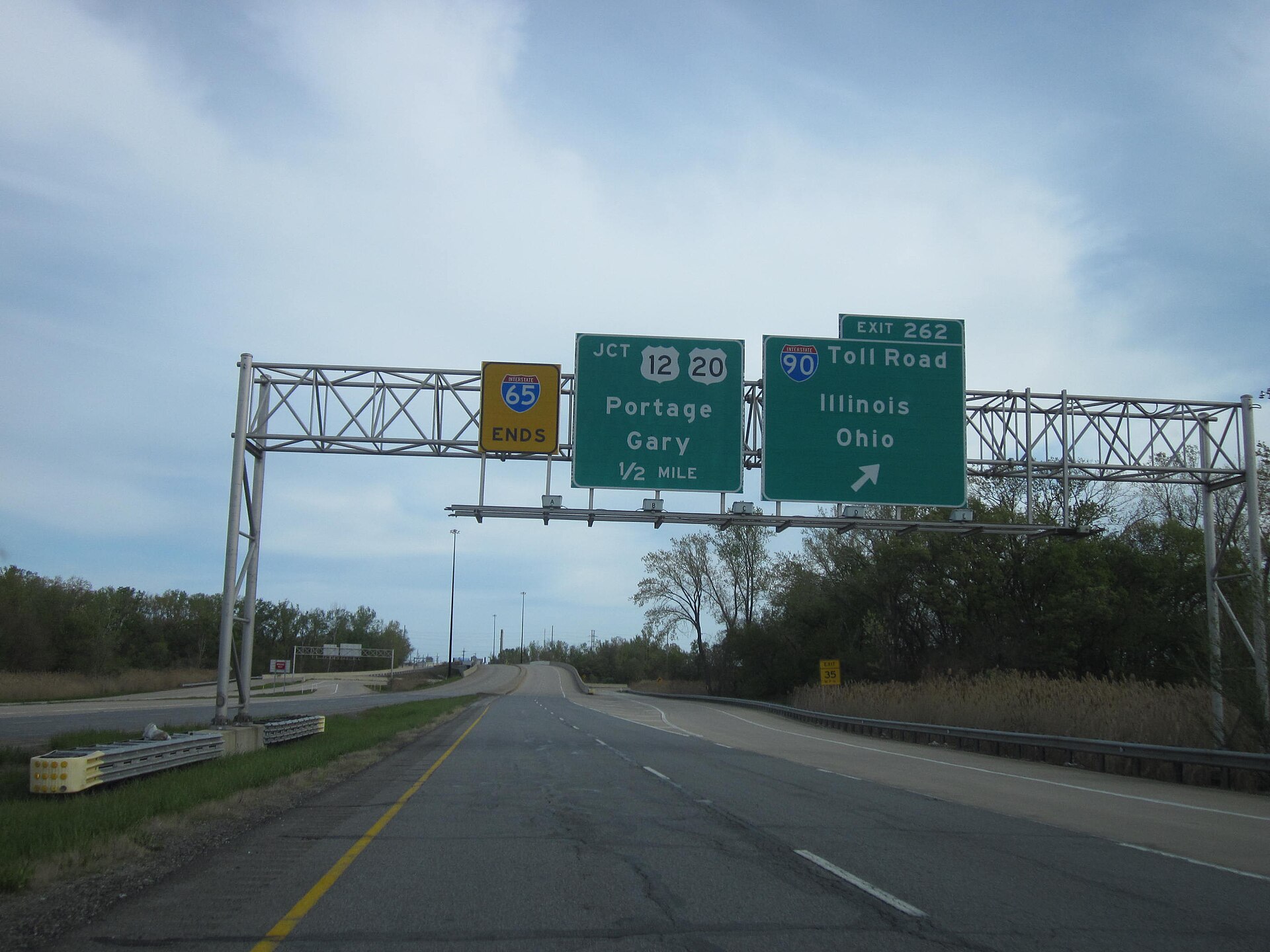
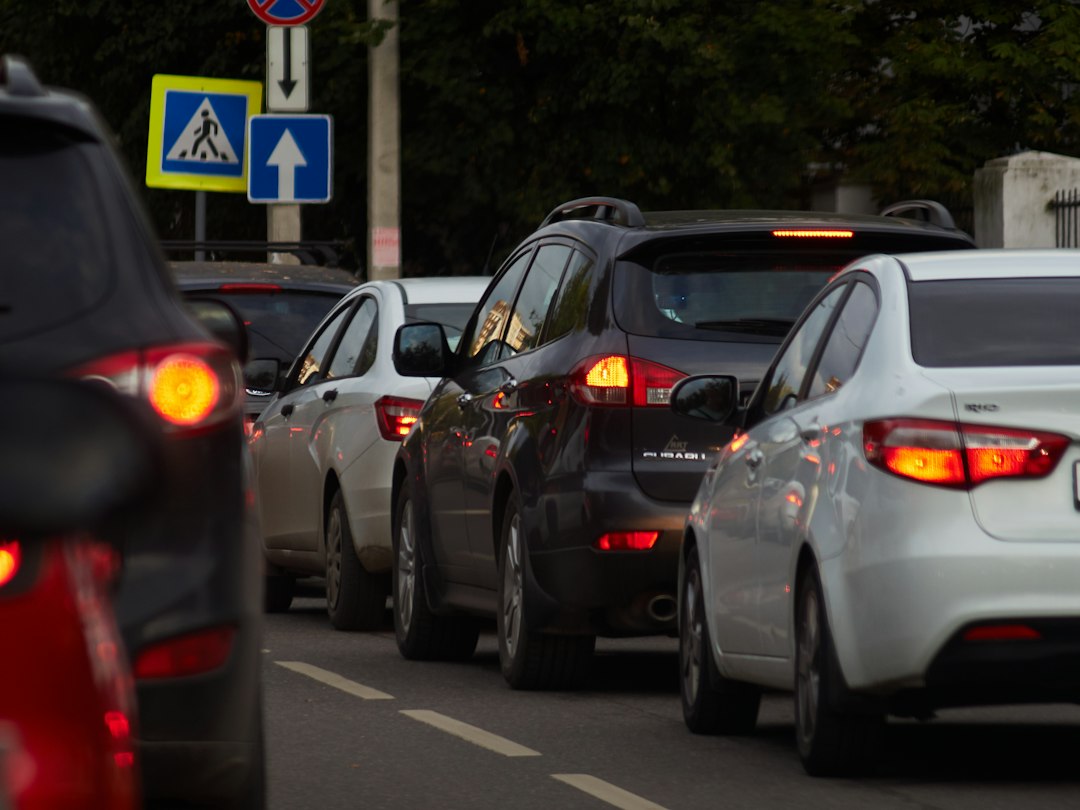
Look at Chicago to Indianapolis on I-65, a drive a lot of Midwest families make. INRIX expects it to peak around 4:30 p.m. on Monday, Nov. 30, at about 80% longer than usual. Sitting in that, idling and creeping, burns gas for nothing. The DOE says idling uses a quarter to half a gallon an hour, so a two-hour jam can quietly undo everything you saved by slowing down.
I built my whole departure schedule around these windows in my hour-by-hour Thanksgiving drive plan. The short version is to be rolling before 11 a.m. and to stop for lunch at the time everyone else is merging.
The Kit, Checked Before Wednesday
These are the four pieces that stay in my trunk year-round and get a quick check before every holiday drive. They’re the ones that turn a roadside call into a ten-minute fix:
- Jump starter: A NOCO Boost Plus GB40 Jump Starter, charged the weekend before. Cold mornings at a relative’s house are when weak batteries give out.
- Inflator: A Fanttik Cordless Tire Inflator that tops off a tire at a rest stop without hunting for a working air machine.
- Pressure gauge: An AstroAI Digital Tire Pressure Gauge for cold-tire checks against the door-sticker number.
- Tread gauge: A Tire Tread Depth Gauge, because a loaded car on wet holiday roads is no place for bald tires.
What 74 Cents Actually Buys
When I finished the math, the answer was smaller than the headlines. The gas spike adds about $29 to my trip. Taking the roof box off saves nearly that much. Holding 70 instead of 80 saves about $20, and leaving before the afternoon jam saves gas I’d otherwise burn standing still. Packing lunch can save more than all of them put together. None of that changes where I’m eating turkey next Thursday.
What it changed was the order I do things. The tires and the jump pack get checked Sunday, the box comes off Monday, and the cooler gets packed Tuesday night. Wednesday morning, I’ll fill up a mile off the interstate before 9, set the cruise control and let the people who left at 3 p.m. pay for the idling.