Our Tesla doesn’t get charged in our own driveway, because we don’t have one. We live in a condo association, and running a 240-volt circuit out to a shared parking space was going to cost thousands of dollars and a year of board meetings. So the car lives on public chargers, on the occasional hotel plug, and, on the weeks the campervan isn’t going anywhere, on the van’s battery bank. It makes me count kilowatt-hours before every long drive, and a Thanksgiving cold snap sharpens that habit fast.
Thanksgiving is Thursday, November 26 this year, which puts the big getaway on Tuesday and Wednesday, the 24th and 25th. If you’re driving an electric car to the family table, you’re stacking three problems on top of each other that week: the battery holds less usable range in the cold, a cold battery accepts a fast charge more slowly, and every fast charger along the interstate is about to get busier than it’s been all year. None of that should keep you home, but the plan is easier to fix twelve days out than at a frozen charging plaza at 9 p.m. on Wednesday.
The Short Answer Before You Pack the Pie
- Plan on about 70 percent of your summer range at 20°F. That’s the average from Recurrent’s real-world winter data, and it’s a fair planning number for a holiday highway drive.
- Warm the battery on the way to every fast charger. Set the charger as your navigation destination so the car preconditions. Skipping it can stretch a stop by a lot more than you’d think.
- Charge 10 to 70 percent, then go. Two short stops beat one long one on a crowded day, and busy sites may cap you at 80 percent anyway.
- Carry the adapter that opens a second network. If your car has a Tesla-style NACS port, a Lectron CCS1-to-NACS Fast-Charging Adapter turns a stacked-up Supercharger into one option instead of the only option.
- Heat the people, not the air. A 12-Volt Heated Seat Cushion and a lower cabin setpoint give back real miles on a long cold leg.
Why the Battery Shrinks When the Thermometer Does
The most useful winter study I’ve found comes from Recurrent, a battery-analytics company that pulls real driving data from tens of thousands of EVs instead of testing a handful in a lab. Its 2025-26 winter study covered more than 30,000 cars across 34 popular models. At 32°F, those cars kept an average of 78 percent of their best warm-weather range. At 20°F, the average fell to 70 percent. The best model kept 88 percent at freezing; the weakest, 69. Cars with a heat pump held on to about 10 percent more range at 32°F than cars without one.
The government’s numbers are harsher, and they’re worth knowing as the bad-day scenario. The Department of Energy’s fueleconomy.gov says an EV’s range can drop by roughly 41 percent at 20°F in mixed driving with the heater running, with about two-thirds of the extra energy going into heating the cabin. AAA’s 2019 lab test landed on the same 41 percent.
The cause matters because it tells you what you can fix. A cold battery’s chemistry runs slower, and that part you mostly can’t change on the road. The bigger cost is heat. A gas engine warms the cabin with waste heat; an efficient electric motor has almost none to spare, so the car spends battery to keep you warm. Argonne National Laboratory measured blown-air cabin heaters drawing 2,000 to 4,000 watts. A heated seat draws something closer to 50. That gap is where most of my winter planning lives.
So my working rule for a holiday drive is simple. I take the range I’d trust on a mild fall day, multiply it by 0.7 for a forecast in the 20s, knock off a little more if I’ll be running 75 mph into a headwind, and then plan every leg to arrive with at least 15 to 20 percent left. That buffer is what lets me skip a broken or packed charger and keep going.
The Night Before: Fill Up Where It’s Calm
If you can charge at home, the best charge of the whole trip happens in your own garage the night before. Tesla’s own winter guidance is to schedule charging so it finishes close to your departure time, which leaves the pack warm when you pull out. This is also the one morning I’d charge to 100 percent without a second thought; the advice against sitting at full charge is about leaving the battery there for days, not a holiday departure.
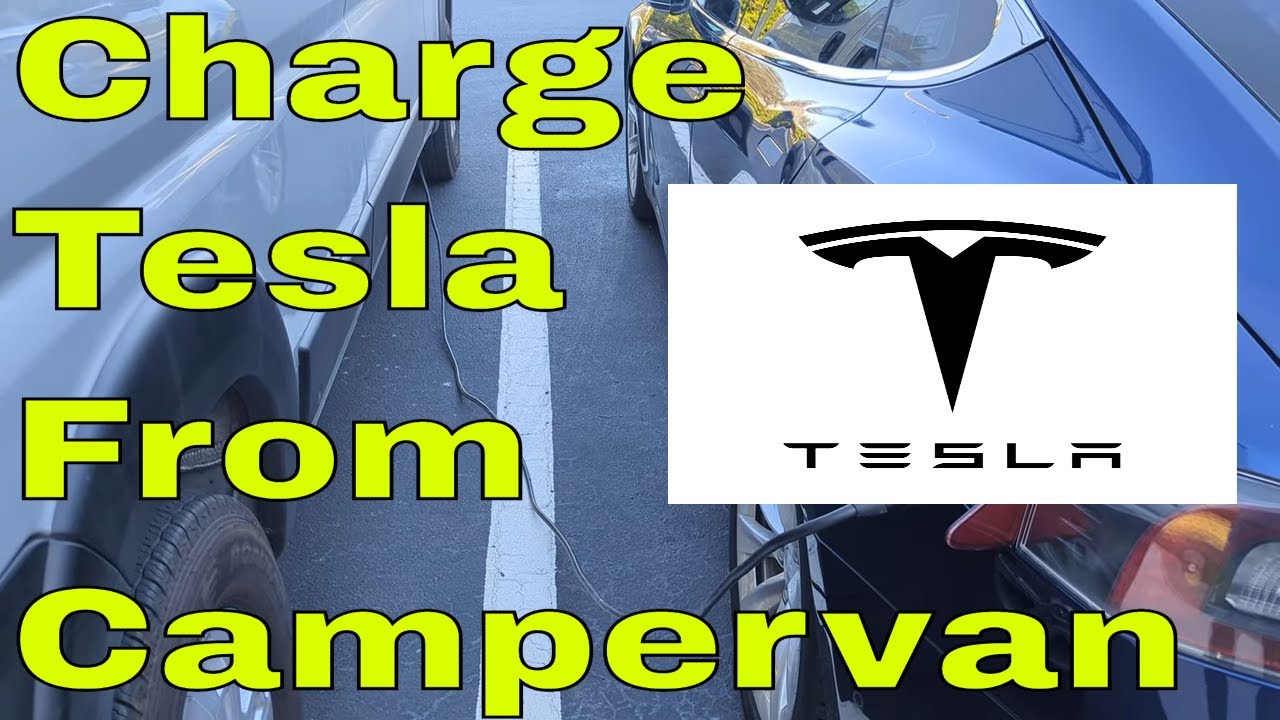
We can’t do that at our place, so I fill up the evening before at a quiet charger on a weeknight, then top up from the van. A while back we made a short video of the setup: the campervan has 37 kilowatt-hours of battery and 1,280 watts of solar on the roof, and on the weeks we’re not traveling in it, we use it to put roughly 100 miles back into a car with a 100-kilowatt-hour pack. You can watch charging our Tesla from the campervan’s batteries on our channel. I wouldn’t build it just for a car, but it means the Tesla leaves for a holiday drive full.
Whatever the setup, do the preconditioning before you unplug. Warming a cold car takes more energy than keeping a warm car warm, and if the car is still on the plug, that energy comes from the wall instead of the battery. Twenty minutes of app-started cabin and battery heat before you leave is free range for the first leg. If you’ll be parking outside the night before, a Magnetic Windshield Frost Cover saves you from running the defroster at full blast for ten minutes on a cold battery while everyone stands in the driveway holding casseroles.
Holiday Charger Lines, and How I Plan Around Them
The fast-charging network is much bigger than it was a few winters ago, but holiday weeks still find its weak spots. The busiest sites are big interstate plazas halfway between major cities, at lunchtime and late afternoon on the Tuesday and Wednesday before the holiday, and again on Sunday. The fix is timing and options. I try to be plugged in before 10 a.m. or after 2 p.m., and I check stall availability before committing. Tesla’s app and in-car trip planner show live availability, and the big map apps now show open stalls at many Superchargers too (a good job for the passenger).
The most useful habit is choosing a backup for every stop, one site before it and one after. If the planned site shows two open stalls and a dozen cars circling, I go to the backup, and I set that backup as the new navigation destination so the car keeps warming the battery on the way. If you just drive there, the car may not precondition, and you’ll pull in with a cold pack and a slow charge.
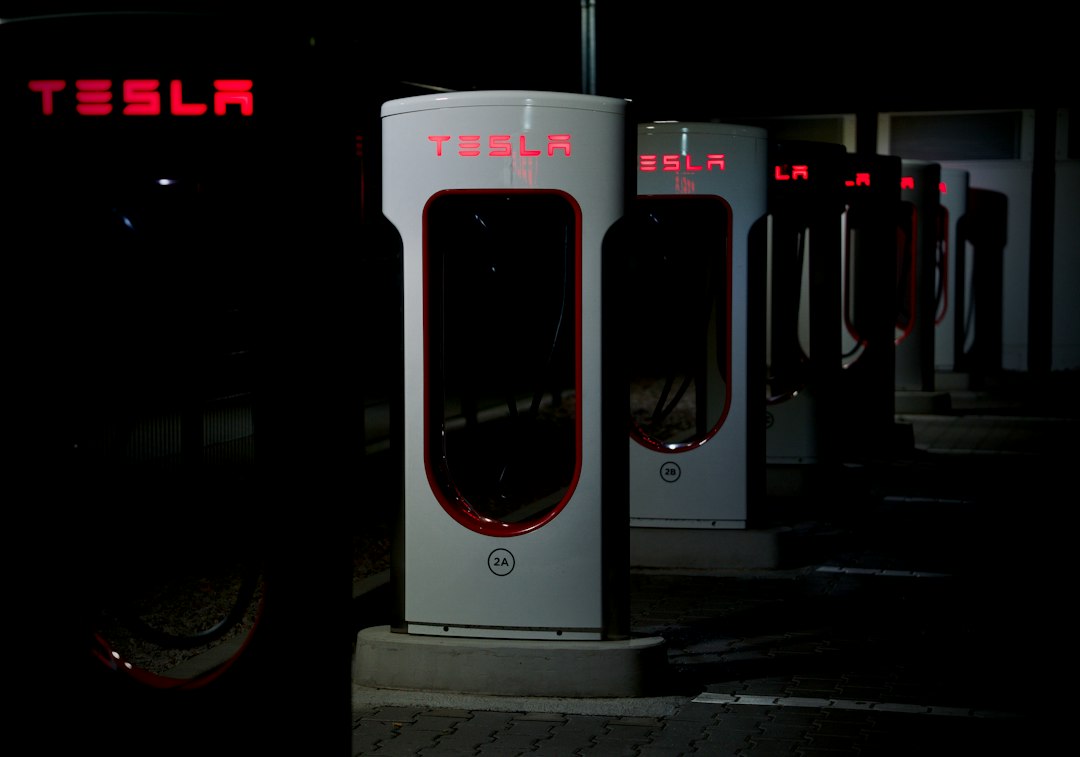
How much does preconditioning matter in the cold? A test published this fall by an EV accessories company on a 77-kilowatt-hour battery found that a 10-to-80 percent charge took 37 minutes at 60°F. At 25°F it took 40 minutes with the battery preconditioned and 59 minutes without. At 14°F, skipping preconditioning nearly doubled the session to 79 minutes. That’s one test on one car, but the direction matches everything else I’ve read.
Then there’s the 80 percent wall. Every EV charges fastest when the battery is low and slows down sharply as it fills. On a crowded day, two stops from about 10 to 70 percent are faster overall than one long stop to 95, and they free up the stall for the family waiting behind you. Tesla also says busy sites may cap your charge at 80 percent automatically and may add congestion fees when the site is crowded and your battery is nearly full. Take what you need for the next leg plus your buffer, and get back on the road.
The Adapter That Doubles Your Options
If your car uses the Tesla-style NACS port, the single best piece of holiday insurance is a CCS1 adapter. Most fast chargers that aren’t Superchargers, such as Electrify America and EVgo sites, use the CCS1 plug, and a Tesla with CCS adapter support can use them through an adapter. First check that your car shows “CCS Adapter Support: Enabled” in its software info screen; some older cars need a retrofit. The Lectron CCS1-to-NACS adapter is the one I keep seeing recommended. Its listing claims UL 2252 certification and an operating range down to −22°F, which matters for something that lives in a trunk all winter.
If you drive a CCS car, the picture flipped the other way over the last couple of years: many newer models now have NACS ports or come with a manufacturer adapter for Superchargers. Check what your automaker supplies and approves before the trip. Either way, keep cables and adapters in one place. An EV Charging Cable Storage Bag sounds fussy until you’re digging through a trunk full of luggage and wrapped gifts for a cold, wet charging cord.
Charging at the Family House Without Tripping a Breaker
Most of us will spend two or three nights at someone else’s house, and that’s real charging time. Even an ordinary 120-volt outlet adds a few miles of range an hour, though in the cold some of that goes into keeping the battery warm. Over a long weekend, it adds up. A 240-volt dryer or range outlet is much better. Many garages have a NEMA 14-50 outlet, and a Portable Level 2 EV Charger with a NEMA 14-50 Plug can refill most batteries overnight from one.
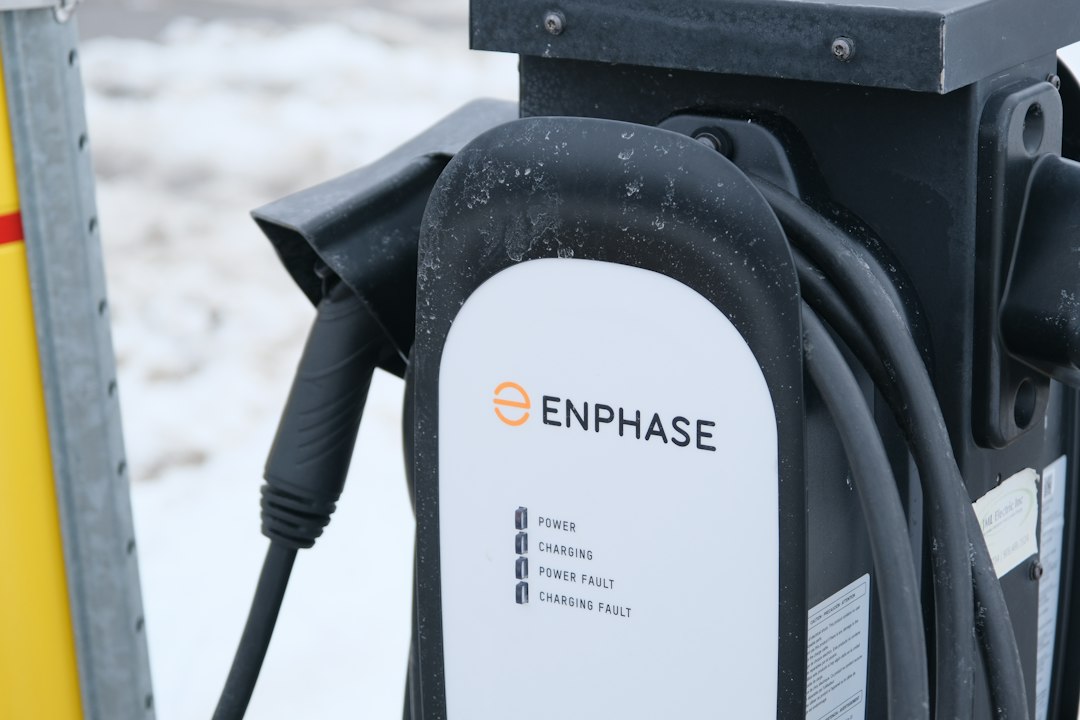
A few rules I don’t bend: ask first. Don’t share a circuit with a space heater or the garage freezer. And never run a charging cable through an extension cord, especially not an old one from the holiday light bin. And three nights of charging shows up on a relative’s electric bill, so offer to cover it or do the grocery run.
Heat the People, Not the Air
This is where I’ve gotten the most range back. Instead of keeping the cabin at 72°F, I run it at 64 or 65 with seat heaters on and a layer on. For any seat without a heater, a 12-Volt Heated Seat Cushion plugs into the 12-volt socket and draws a small fraction of what the cabin heater does. The back row gets a 12-Volt Heated Travel Blanket.
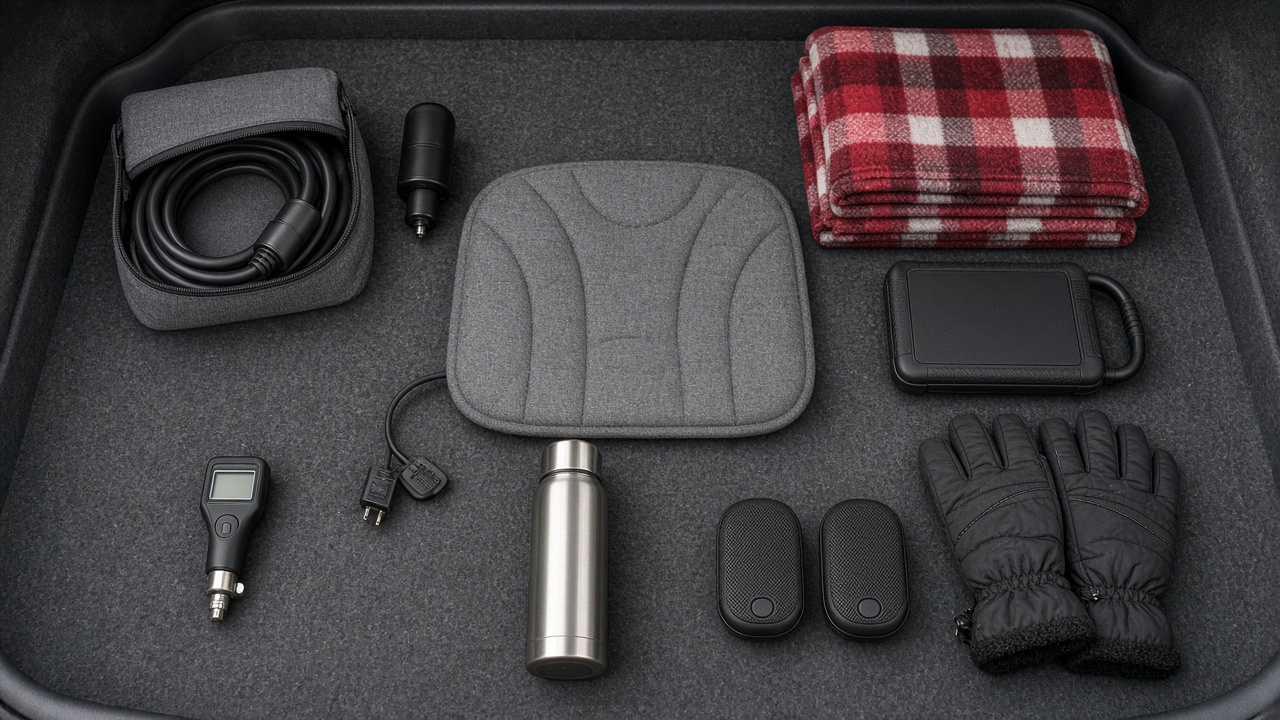
A Stanley Classic Insulated Thermos of coffee filled at home means one less reason to idle at a charger with the heat on while someone runs inside. A pair of Rechargeable Hand Warmers makes a cold charging stop more comfortable, and they recharge from the car’s USB ports on the next leg. Be skeptical about big loads on the car’s outlets, too. I wrote earlier this week about building a winter road-trip induction kit around your vehicle’s outlet. On a tight-range EV leg, save that for the driveway.
Tires and the Little Battery Nobody Thinks About
Cold air lowers tire pressure, roughly a pound per square inch for every ten-degree drop, and underinflated tires cost range on any car. I check all four cold, before the first drive of the day, with a Digital Tire Pressure Gauge, and top up with a Cordless Portable Tire Inflator to the number on the door jamb, not the one on the sidewall. Mountain traction rules apply to EVs like everyone else. I covered snow socks and Colorado’s I-70 traction law yesterday.
The other thing that catches EV owners off guard is the small 12-volt battery. Nearly every EV still has one, and it powers the computers that wake the car up. When it fails in the cold, a car with a full high-voltage pack can still refuse to start. A compact NOCO Boost Lithium Jump Starter is cheap insurance. Find the jump points in your manual now; on many EVs they hide behind a panel in the front trunk. The rest of my cold-weather car kit, including the blanket, shovel and headlamp, is in my fourteen-pound winter car kit, and it rides along whether the car burns gas or not.
A Sample Getaway-Day Plan
Here’s what this looks like for a 450-mile Thanksgiving drive with a forecast in the low 20s, in a car rated around 300 miles. My cold-weather planning range is about 210 miles, and I want to keep a 15 to 20 percent buffer. That means three stops on the way out, with a backup for each. The car leaves home at 100 percent, preconditioned on the plug. I drive the first leg until I’m near 20 percent, warm the battery on the way into the first stop, and charge to about 70. Repeat. The final leg is planned to arrive at the family house with at least 20 percent, so that if the outlet there turns out to be a bust, I can still get to a charger in town on Friday morning.
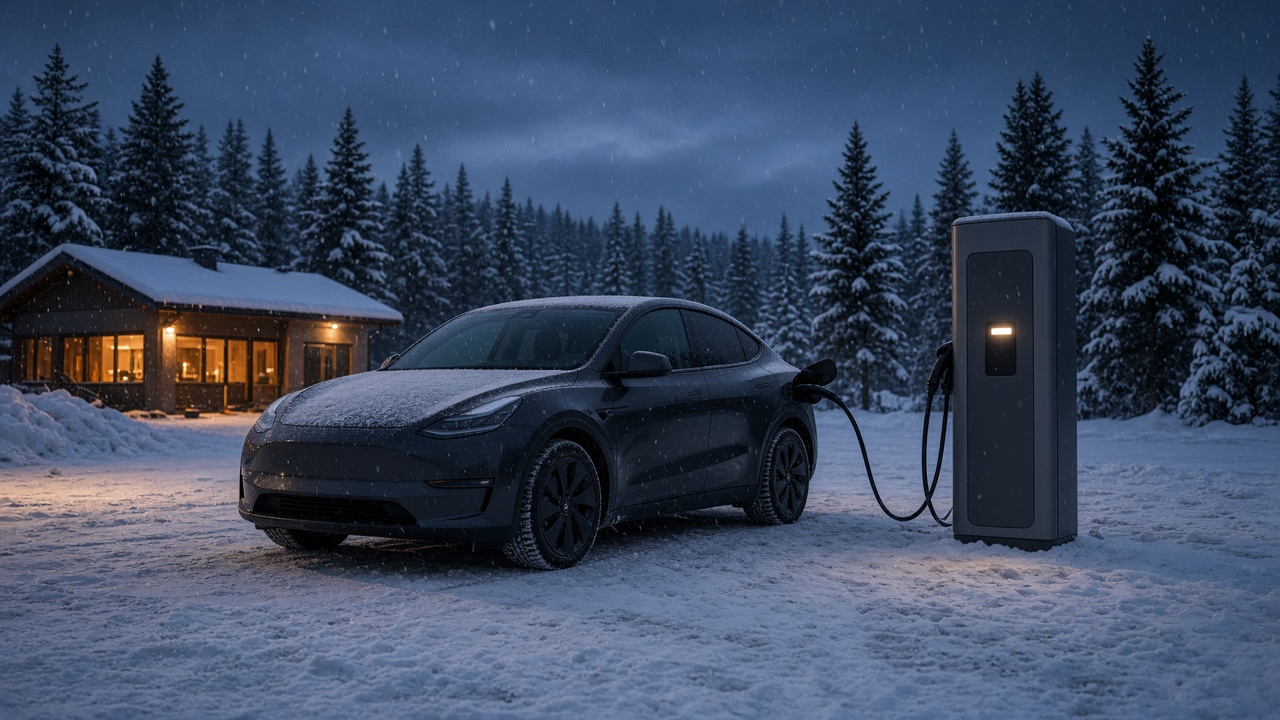
Timing matters as much as distance. My hour-by-hour plan for driving to Thanksgiving leans hard on leaving early, and that goes double in an EV, because the morning chargers are calm and the 3 p.m. ones are not. Monday, or Thanksgiving morning itself, is gentler than Wednesday afternoon. Plan the Sunday drive home the same way.
Small Habits at the Charging Stop
Charging stops are also stretching stops, which I like. In late November, though, the walk from the charger to the building is often across a parking lot that was plowed once and then refroze. My colleague on the health site has a good black-ice walking plan that I’ve started thinking about at every winter charging stop: short steps, feet flat and hands out of your pockets.
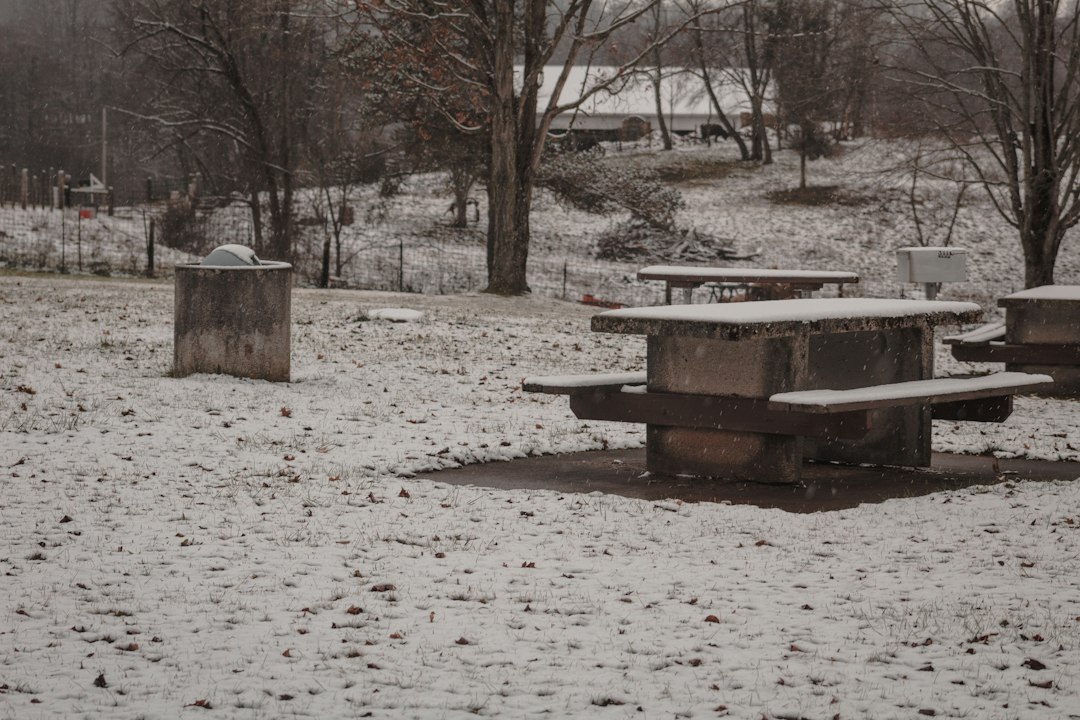
A few more things I’ve learned. Don’t leave the car parked at a full stall once you hit your target, because on a holiday someone is waiting and congestion fees can stack up. Lower regenerative braking on icy roads if your car allows it, so braking stays predictable. And keep an offline copy of your charger list, because rural cell coverage hasn’t improved just because the chargers did.
Is It Worth Driving the EV at All?
For most Thanksgiving drives under 500 miles, yes, and comfortably. Where I’d think twice is a long trip through a thin charging corridor during a hard freeze, with no charging at the destination and a hard arrival time. Then I’d take a gas car or split the drive with a night at a hotel that has Level 2 chargers.
The rest is just planning. Know your cold-weather range, warm the battery before every fast charge, keep a backup charger in mind and arrive with a buffer. Do that and the electric car becomes the easy part of Thanksgiving. The hard part is still getting everyone to agree on who brings the rolls.