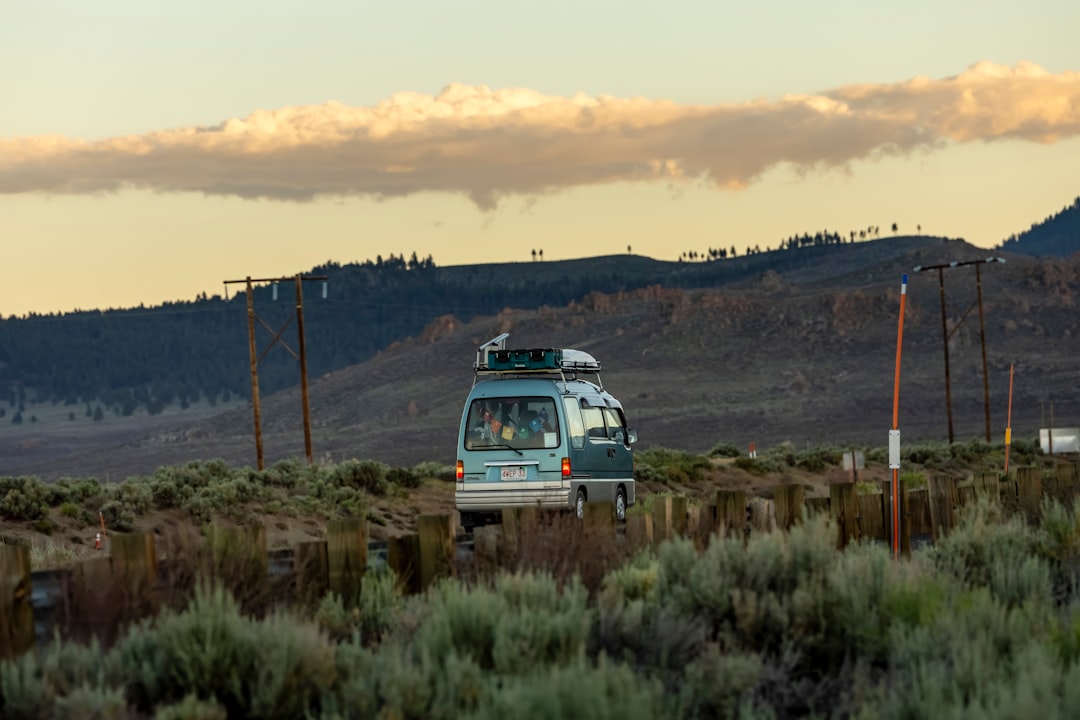
When my team and I loaded up the SUV for a two-week camping circuit through Utah and Arizona last spring, I had a duffel bag full of power banks, a tangle of charging cables, and a nagging feeling it wasn’t going to be enough. Three days in, somewhere between Capitol Reef and a dirt road that Google Maps insisted was a “shortcut,” my phone was at 11%, my portable speaker was dead, and the small USB battery pack I’d brought couldn’t even push a single charge to my laptop. That was the trip that convinced me to take portable power stations seriously.
I’ve spent the months since running four of the most popular units through real-world testing — not lab benchmarks or spec-sheet comparisons, but actual dirt, dust, 100-degree heat, and the kind of use that happens when you’re living out of a vehicle for days at a time. Here’s what I learned, what held up, and what I’d pack differently next time.
Why a Power Station Beats a Pile of Power Banks
Most travelers eventually hit the same wall I did. Power banks are fine for a phone charge or two, but the moment you need to run a 12V electric cooler, keep a CPAP machine breathing through the night, or edit photos on a laptop at camp, those little rectangular bricks hit their limit fast. A portable power station changes the math entirely — think of it as a silent, fume-free generator you can carry with one hand.
The category has exploded recently. What used to be a niche product for van lifers and overlanders has gone mainstream, with major brands pushing prices down and lithium iron phosphate (LiFePO4) battery chemistry making these units safer and longer-lasting than ever. If you’ve been following our deep dive on designing electrical systems for off-grid travel, you already know why LiFePO4 is the gold standard — thousands of charge cycles, thermal stability, and no fire risk when bumped around in a trunk.

The Four Units I Tested Across 2,000 Miles
I kept this simple. No spec-sheet racing, no chasing the highest watt-hour number. I wanted to know which units actually performed when the conditions weren’t perfect. My testing crew and I ran each station through the same gauntlet: charging phones and laptops simultaneously, running a 12V cooler for an afternoon, powering LED tent lights overnight, and occasionally charging a drone battery between flights. Here’s where each one landed.
The Heavyweight Champion: Anker SOLIX C1000 Gen 2
This was the unit I reached for first on every trip after the first week. The Anker SOLIX C1000 Gen 2 packs 1,024 watt-hours into a shell that weighs just over 25 pounds — light enough that I didn’t dread moving it from the car to the picnic table. The 2,000-watt continuous output handled everything I threw at it, including a brief attempt to run a small electric grill (which worked, though I wouldn’t make a habit of it).
What set the C1000 Gen 2 apart was the charging speed. Anker claims a full charge in under an hour from a wall outlet, and in my testing, it delivered. That matters more than you’d think — when you’re passing through a town and have 45 minutes at a coffee shop, a fast top-up can buy you another two days off-grid. The unit also survived being bounced across 50 miles of unpaved road in southern Utah without so much as a flicker on the display.
If you want the bundle with a solar panel for true off-grid charging, the SOLIX C1000 Gen 2 with 100W bifacial panel is worth the upgrade. My team tested the panel in partial shade and still pulled 60-70 watts on a clear afternoon — enough to keep the station topped up indefinitely at a basecamp.
The Strong Runner-Up: Bluetti Elite 100 V2
Bluetti has been nipping at Anker’s heels for a couple of years now, and the Elite 100 V2 is their most competitive offering yet. Same 1,024Wh capacity, same 1,800W output, and a price tag that frequently undercuts the Anker by $50-80 depending on sales. Build quality felt solid — maybe slightly more utilitarian than the Anker’s sleek finish, but that’s not a complaint when you’re dragging something through the desert.
Where the Bluetti pulled ahead was port selection. It has six AC outlets compared to Anker’s five, and the layout is more spaced out, which meant I wasn’t fighting to fit bulky power bricks side by side. The companion app works well for monitoring, though I’ll be honest — I rarely used it. When I’m camping, I’m not staring at my phone watching battery percentages. The unit tells me what I need on its built-in screen.
For travelers who already have reliable power banks for phone charging and want a station primarily for larger devices, the Elite 100 V2 is a smart pick.
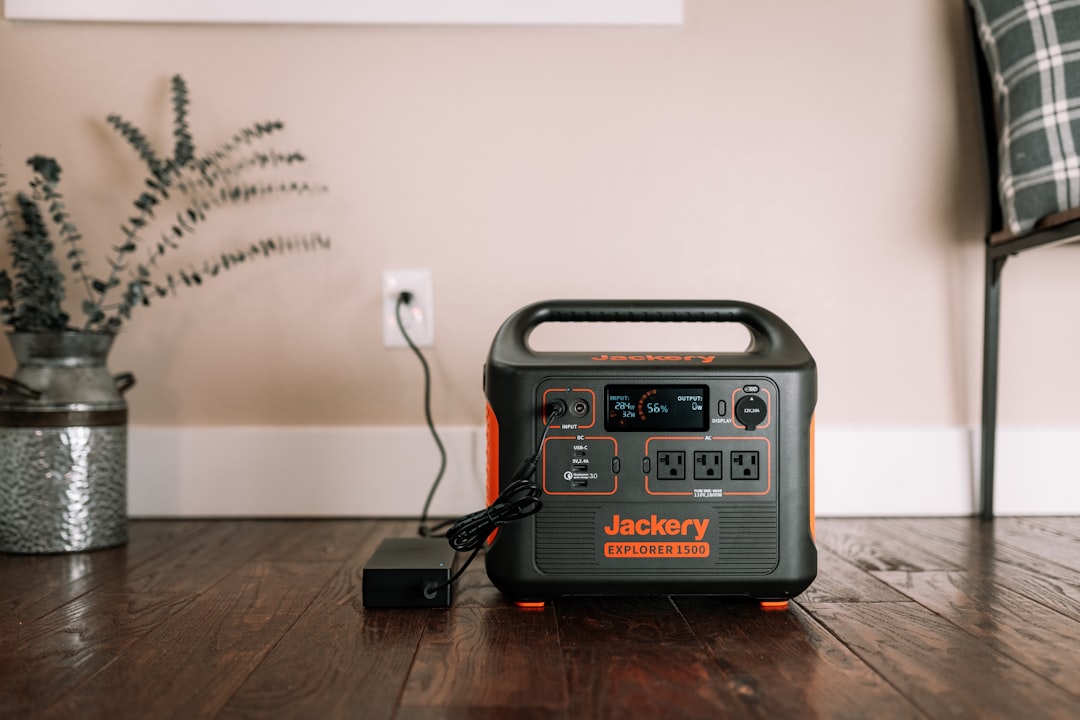
The Budget Workhorse: Jackery Explorer 1000 v2
Jackery was the brand that basically invented this category, and the Explorer 1000 v2 shows they haven’t lost the script. At 1,070Wh and 1,500W output, it’s in the same weight class as the Anker and Bluetti, though it runs a bit heavier at around 32 pounds. That extra weight comes from Jackery’s continued use of NMC battery chemistry rather than LiFePO4, which means fewer total charge cycles (around 500 vs. 3,000+) before the battery starts degrading.
Is that a dealbreaker? For weekend campers and occasional road trippers, probably not. For full-time van lifers or anyone planning to use a power station daily for years, it’s worth thinking about. Jackery’s case is still the most user-friendly I’ve seen — the handle folds flat, the shape fits perfectly behind a car seat, and the interface is dead simple. Three buttons, a clear screen, no learning curve.
The Lightweight Option: Bluetti Elite 30 V2
Not everyone needs a kilowatt-hour of capacity. If your power needs top out at charging phones, running a rechargeable camping lantern, and maybe keeping a tablet alive for a long flight delay, the Bluetti Elite 30 V2 at 288Wh is the sweet spot. It weighs under 10 pounds, fits in a backpack, and costs less than half what the big units run.
I carried this one on a three-day backpacking trip where every ounce mattered. It couldn’t run a cooler or a laptop, but it kept two phones and a headlamp charged for the entire weekend with power to spare. The 600W surge output even handled a quick burst from a small electric pump for an air mattress. For day hikes and car-camping overnights where you’re only topping up devices, this is all the power you need.

What About Solar Charging?
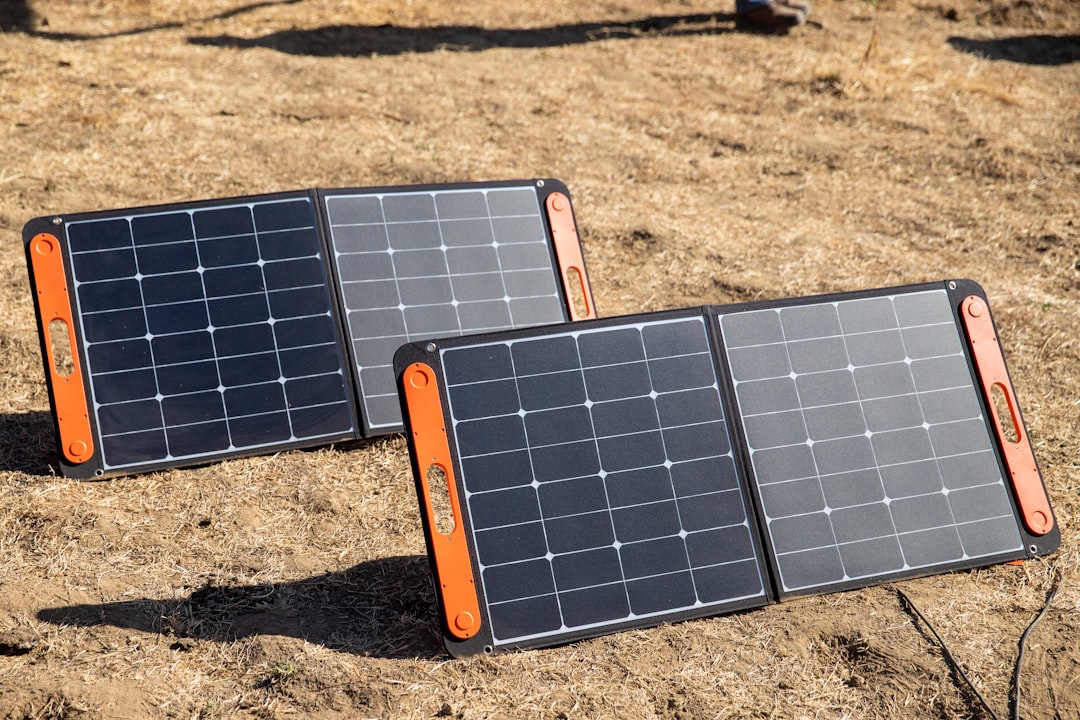
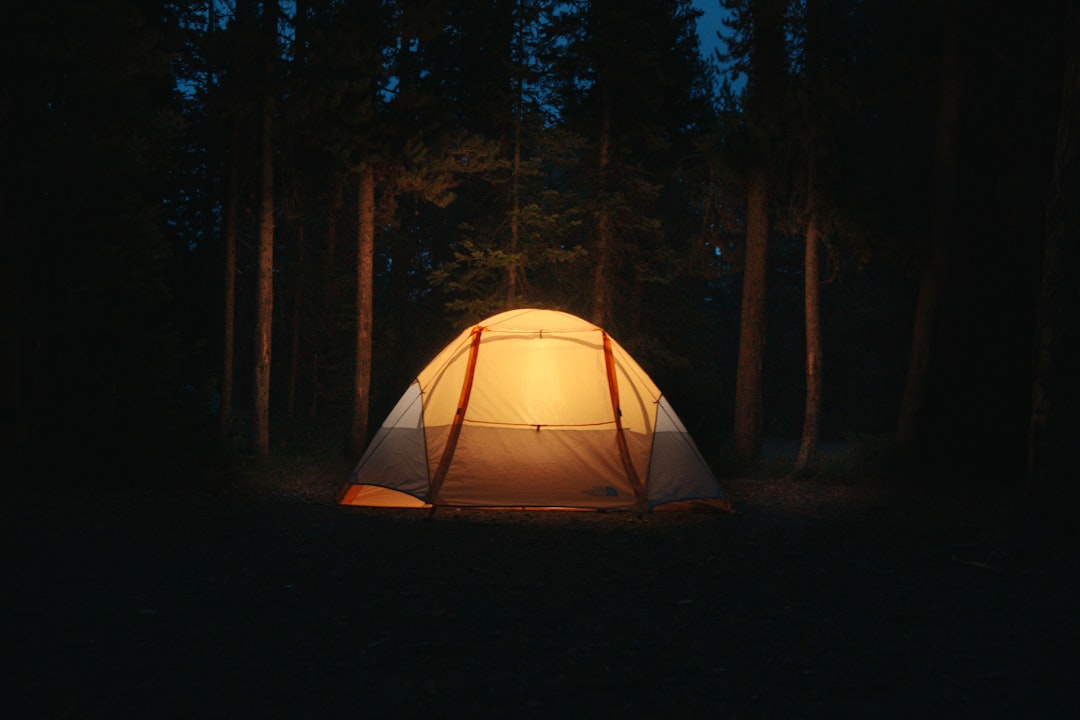
A power station is only as good as your ability to recharge it away from the grid. All four units I tested support solar input, and I paired them with a couple of different panel options. The standout was the BigBlue 28W dual-port solar charger — it’s not going to refill a 1,000Wh station in a day, but for the smaller units, it was remarkably effective. I clipped it to the back of my backpack on a day hike and came back to a fully charged Elite 30 V2.
For the big stations, you’ll want dedicated panels in the 100-200W range. Anker, Bluetti, and Jackery all sell matching panels for their units, and the compatibility is seamless. Third-party panels work too, as long as you pay attention to voltage limits. If you’re planning a long off-grid trip, budget for at least one panel — it transforms a power station from a finite battery into a renewable power source.
The Gear That Pairs Well With Portable Power
A power station opens up possibilities that go beyond just charging your phone. Once you have 1,000 watt-hours sitting in your trunk, the right accessories turn a good camping setup into a great one. Here’s what earned a permanent spot in my kit this season.
The biggest quality-of-life upgrade was the EUHOMY 12V portable refrigerator. Once you’ve had cold drinks and fresh food at camp without the melty mess of ice, you won’t go back to a traditional cooler. At 53 quarts, it’s large enough for a week of meals for two people and sips power at roughly 40-60Wh per hour — easily within what a 1,000Wh station can handle overnight. The compressor design means it actually freezes, not just chills.
For shorter trips where a full fridge is overkill, I still rely on a Coleman Classic cooler. Five-day ice retention is the real number, not marketing spin, and at a fraction of the cost and weight of an electric fridge, it’s the right call for weekend warriors.
Lighting is the other category where a power station changes the experience. I’ve been using the Glocusent LED camping lantern — 1,500 lumens on the high setting, which is enough to light up an entire campsite. It recharges via USB-C, so I can top it off from any of the stations. On the medium setting, a single charge lasted three evenings of camping.
Real-World Battery Math: What Actually Lasts
Spec sheets will tell you a 1,000Wh station has enough power to charge a phone 60 times or run a laptop for 15 hours. Those numbers are technically accurate and practically useless. Here’s what I actually measured over two months of testing.
Running a 12V cooler continuously: about 14-16 hours on the Anker and Bluetti 1000-class units before they hit 20%. Charging two phones, a laptop, and a lantern over a long weekend: both big units handled it without breaking a sweat, arriving home with 40% remaining. Running a CPAP machine overnight (without heated humidification): the Anker dropped about 25% in eight hours, which means it could handle three nights before needing a recharge.
The smaller Bluetti Elite 30 V2 was good for about four phone charges, two tablet charges, or a weekend of headlamp and lantern use. If your needs are strictly small-device charging, it’s plenty. The moment you introduce anything with a compressor or a heating element, step up to the 1,000Wh class.
I also tested the original Anker SOLIX C1000 (first generation) that my colleague brought on a separate trip. Still an excellent unit, and if you find it on sale, the Gen 1 is a legitimate option — you just give up the faster charging speed and lighter weight of the Gen 2.

How to Choose Without Overthinking It
After all this testing, the decision framework is simpler than the spec sheets make it seem. If you’re a weekend car camper who wants to charge devices and maybe run a light or two, something in the 300Wh range like the Bluetti Elite 30 V2 or the Jackery Explorer 300 will serve you well for under $300.
If you’re doing multi-day trips, boondocking, or running anything with a motor or compressor, step up to the 1,000Wh class. Among those, the Anker SOLIX C1000 Gen 2 is my pick for its weight-to-capacity ratio and charging speed. The Bluetti Elite 100 V2 is right behind it — close enough that sale pricing could easily flip my recommendation.
And if you want a power station that can serve double duty as home backup during an outage, look at the Bluetti AC180. At 1,152Wh with 1,800W output and a built-in UPS feature, it transitions seamlessly from camping trip to power outage without missing a beat. That versatility is hard to argue with for anyone who lives in hurricane country or deals with unreliable grid power.
The bottom line from 2,000 miles of testing: there’s no single best power station, but there’s a clear best for how you travel. Figure out what you actually need to power, be honest about how many days you’re off-grid, and buy accordingly. The right unit disappears into your setup — you stop thinking about battery management and start enjoying the trip. That’s the whole point.