
There is a specific moment on every long trip when the romance of van life quietly renegotiates its terms. For me it was a Tuesday evening outside Bishop, California, five days into a boondocking stretch, when I turned my faucet handle and got a sad gurgle, a splutter, and nothing. No shower. No pasta water. No coffee the next morning unless I drove twenty miles to a spigot. That was the trip that convinced my build crew and me to stop treating water as an afterthought and start engineering it like we meant it.

Most first-time builders pour their energy into solar arrays and lithium banks, then bolt a five-gallon jug and a hand pump into whatever corner is left. I understand the instinct — electricity feels glamorous and water feels like plumbing. But after three rebuilds and a couple thousand nights on the road, I can tell you the water system is what decides whether your van feels like a home or a very small, slightly damp tent. Here is the blueprint we eventually landed on, piece by piece, with the mistakes baked in so you can skip them.
Start With an Honest Water Budget
Before you buy a single fitting, track your actual usage for a week. My team kept a tally sheet taped inside the cabinet during our first winter trip, and the numbers surprised us. Cooking ran about a gallon and a half a day. Dishes, done conservatively in a basin, took two more. Drinking water for two people added two gallons, and a Navy shower — the thirty-second kind where you wet down, shut off, lather, and rinse — cost roughly three gallons each. That is close to twelve gallons a day without a single luxury.
Builders are trending toward bigger tanks for exactly this reason, and it is one of the rare trends I endorse. My current van carries a 20-gallon fresh tank under the galley and I still top it off every three or four days. If you have the underfloor space and the payload, something like a 36-gallon capacity tank buys you a full week between fill-ups, which changes where you can point the van on a Thursday night. A compact 20-gallon model fits most mid-size builds if your floor plan is already tight. Weigh the full-tank weight against your cargo rating before you commit — water is 8.3 pounds per gallon, and it does not negotiate.
The Pump Is the Heart of the System
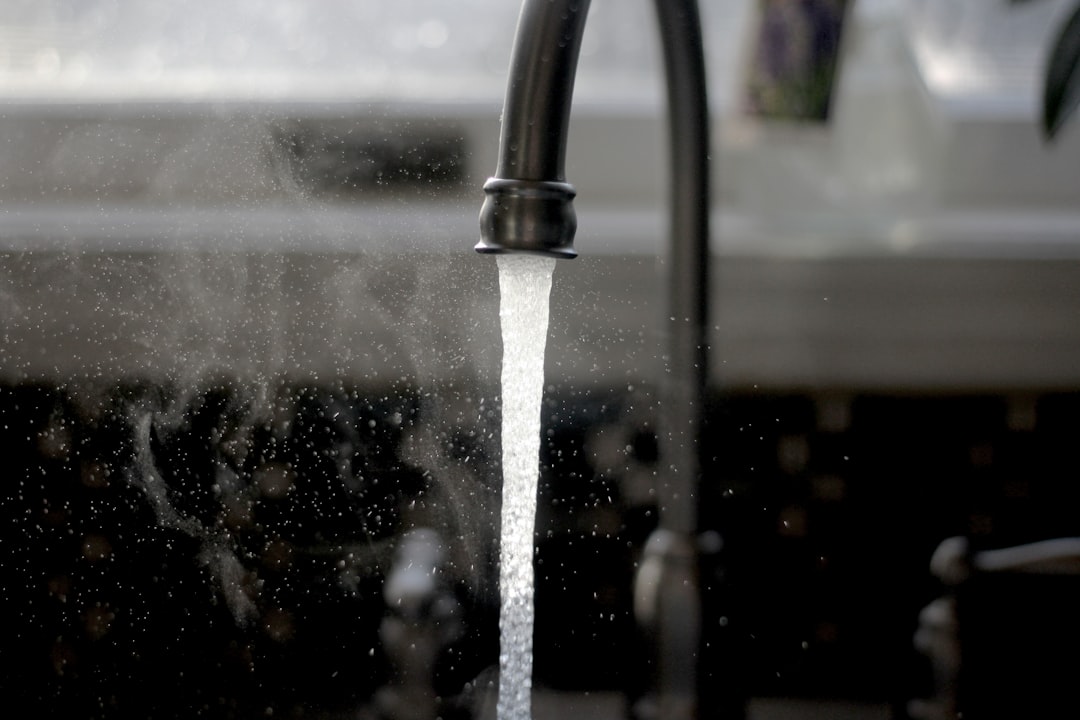
Cheap pumps announce themselves. They whine, they hammer, they cycle on at 3 a.m. for no reason until you lie there plotting their removal. The fix is a quality 12-volt diaphragm pump with an internal pressure switch — it self-primes, runs dry for short periods without dying, and maintains steady pressure at the tap. We run a 12V self-priming diaphragm pump that has quietly moved thousands of gallons without drama, and I keep a tiny submersible backup pump in the spares bin because redundancy has saved more trips than any gadget I have ever bought.
Two installation details matter more than the pump you choose. First, mount it on rubber isolators away from where you sleep, because sound transmits through the floor like a rumor. Second, put an inline strainer before the pump inlet. A single piece of tank debris can jam a check valve, and you will spend an afternoon lying under the van learning vocabulary you did not plan to use on vacation.
Sizing Pipes and Pressure Without Overthinking It
Half-inch PEX is the standard for a reason: it is cheap, it tolerates freezing better than rigid line, and the barb fittings forgive a first-timer’s learning curve. Keep runs short and gentle, avoid sharp ninety-degree elbows where a sweeping bend will do, and install a small accumulator tank if your pump cycles annoyingly at low flow. It is forty dollars of plumbing that makes the difference between a faucet that feels civilized and one that coughs like it is clearing its throat before every pour.
Drain plumbing deserves equal respect. I gave my grey water a straight, sloped run with a serviceable trap at the tank, and it has never once smelled. A friend buried his drain line flat behind his fresh tank and spent a memorable February thawing it with a hair dryer fed through an extension cord out the slider. Learn from him.
Hot Water Without a Tank of Regret
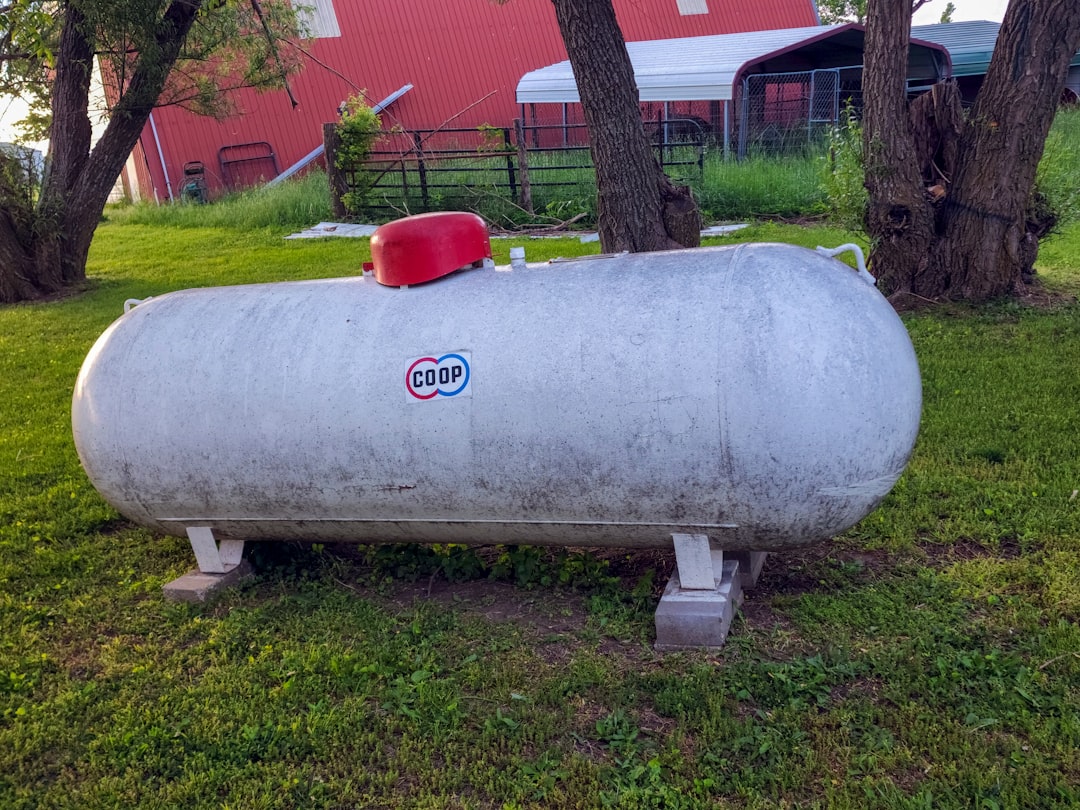
For years, hot water in a van meant a six-gallon tank heater that fired the burner twenty minutes before you wanted a shower and then went cold on you mid-rinse. Tankless changed the equation. My unit runs on propane with a 12-volt ignition draw so small my electrical system barely notices — a fraction of what our off-grid power design was built to handle — and it produces endless hot water the moment the faucet opens.
I installed a propane tankless RV water heater after our second build and it remains the single biggest quality-of-life upgrade in the van. Winter mornings in the desert go from endurance test to genuinely pleasant when hot water is a ten-second wait instead of a twenty-minute plan. Pair it with low-flow fixtures or you will watch your fresh tank vanish in real time; on-demand heat is efficient, but it cannot make water you have already sprayed into the sand.
The Exterior Shower: Underrated and Overdue
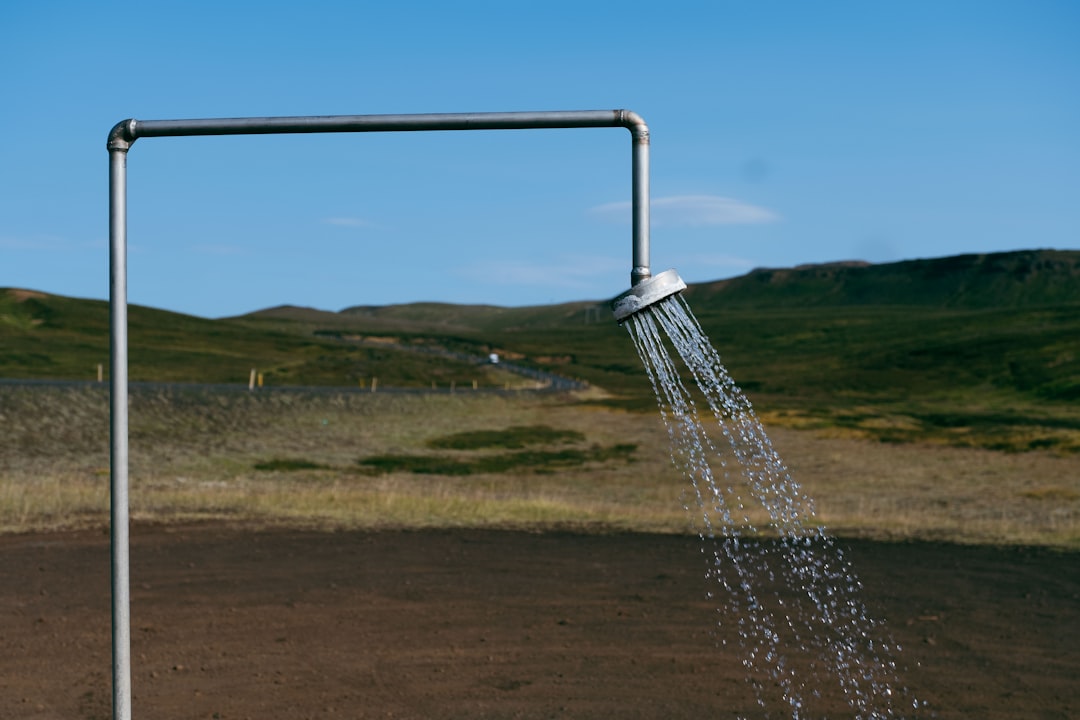
If I could retroactively add one feature to my first build, it would be an outside shower. Rinsing off sand, mud, trail dust, or a dog before any of it comes inside protects your interior in a way no mat can match. An exterior shower box kit plumbs into the same hot and cold lines as your galley, mounts through the wall in an afternoon, and locks to keep curious campsite fingers out of your fixtures.
Check your local rules before you lather up, though. Plenty of public lands and most established campgrounds prohibit grey water discharge of any kind, soap or not. I keep a fold-down basin under the shower head to catch rinse water and dump it only in designated drains. Hot showers in the backcountry are a privilege; keeping them legal is part of the deal.
Filling Up: Hoses, Regulators, and Filter Discipline
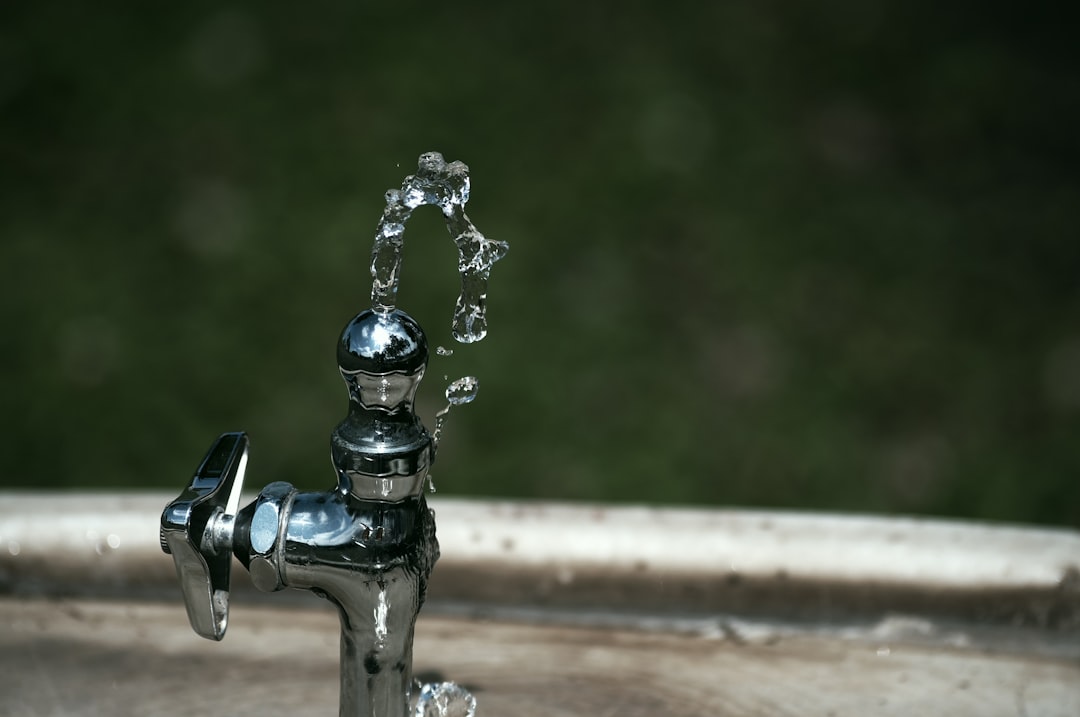
Filling stations are where good systems meet bad water. Campground spigots can carry sediment, tastes, and pressures that range from polite to alarming, so my fill routine has three fixed steps. First, a dedicated drinking-water-safe hose that never touches anything else — not the black tank flush, not the dog bowl, nothing. Second, a brass water pressure regulator threaded onto every unfamiliar spigot, because 100 PSI municipal pressure will find the weakest joint in your system eventually. Third, an inline RV water filter at the fill point so everything entering the tank arrives already cleaned.
That last item earned its permanent spot after a fill-up in a small town where the water was technically safe and practically undrinkable. GAC and KDF filtration strips the chlorine band-aid taste that makes van coffee tragic. For added redundancy I carry a collapsible water container for hauling and backup supply — it flattens to nothing when empty and has rescued more than one dry-camp morning.
Wastewater: The Unsexy Half of the System

Nobody writes love letters to their grey tank, but neglecting it is how vans acquire a personality. Size it slightly smaller than your fresh tank so it never becomes the constraint, slope every drain run toward it, and dump it before it is full rather than after. I treat the grey tank with enzyme monthly and rinse it with the hose whenever I have access to a dump station. Compared to the moisture problems that poor ventilation caused me, managing wastewater is simple, predictable work.
One rule my crew adopted after a bad week in Utah: nothing greasy ever goes down the galley drain. Wipe pans with a paper towel first, every time. Grease that cools in a line is a clog with a delay timer on it, and the fix always costs a Saturday.
Making It All Fit Your Build
A water system does not exist in isolation — it competes for the same underfloor cavities as your batteries, your heating, and your storage. When we laid out the galley, the tank went in first and everything else negotiated around it, which is the correct order of operations. The plumbing runs had to respect the same square-inch math that governed our roof layout, just aimed at the floor instead. If you are still early in your build, rough in the water lines before insulation goes in. Retrofitting PEX through finished walls is possible; it is also a form of self-punishment.
Winterizing matters even if you only occasionally chase cold weather. My routine takes twenty minutes: drain the tank, blow the lines clear with a small compressor at the city inlet, and pour a cup of non-toxic antifreeze into every trap. It has kept the system intact through teens-temperature nights that cracked a neighbor’s pump housing like a walnut.
The Payoff
Last month I stood under my outside shower at the edge of a mesa, hot water falling, storm light moving across the valley, and not a hookup in sight. That moment is the entire argument for doing water properly. Every fitting we sweated over, every regulator and strainer and sloped drain, exists so that comfort stops depending on infrastructure.
Start with an honest budget of how much water you actually use, buy the pump once, filter everything that enters the tank, and give hot water serious consideration early rather than later. Do that, and the gurgle-and-splutter story becomes someone else’s story — one you can hear sympathetically from across the campfire, coffee in hand, sixty feet of drinking-water hose coiled and ready in the bin.
2 thoughts on “Plumbed for Freedom: Designing a Campervan Water System That Never Leaves You Thirsty”