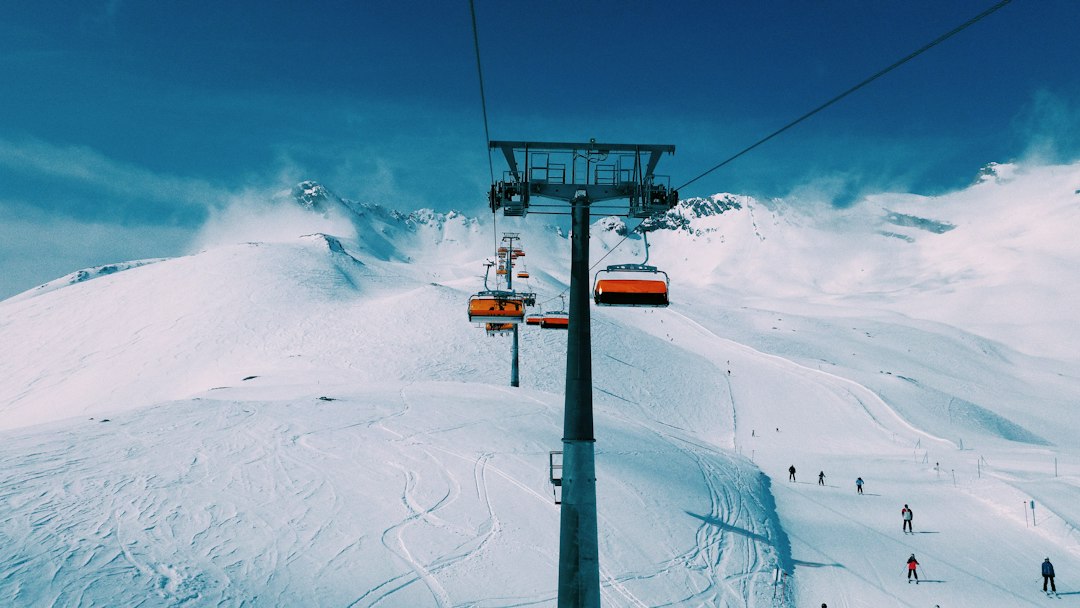
The original November 6 opening targets for Breckenridge and Copper Mountain have shifted. As of November 7, Breckenridge lists opening day as ‘ASAP,’ while Copper schedules Sunday, November 8; recheck each resort before leaving. Vail follows a week later. Beaver Creek waits until the Wednesday before Thanksgiving. That narrow strip of November — between the first Friday of the month and the holiday rush — is the only window on the Colorado calendar when you can still ski without sharing every groomer with the entire Front Range plus half of Texas.
I’ve spent enough Novembers on I-70 to know what that window is and what it isn’t. It isn’t deep powder and a full mountain. It is a ribbon of man-made snow, a handful of lifts, cold mornings, and lodging rates that still look like October. If you treat it like a midwinter trip, you’ll be disappointed. If you treat it like what it is — first turns, short days, cheap rooms — it is one of the better travel bargains of the year.
Here’s how I’d ride Colorado’s opening weeks in 2026 without getting steamrolled by Thanksgiving traffic, thin-base rocks, or a surprise bag fee on the way home.
The Calendar That Actually Matters
Opening dates shift with weather, so treat the slate as a plan to recheck, not a promise. Arapahoe Basin opened on October 28 and Keystone on October 30, so the corridor already has two working options. As of November 7, Breckenridge’s official status is “OPENING DAY: ASAP!” and Copper’s opening event is scheduled for Sunday, November 8. Vail Mountain and Eldora are set for Friday, November 13. Beaver Creek and Crested Butte land on Wednesday, November 25 — the day before Thanksgiving — and Aspen Mountain, Snowmass and Telluride are aiming at Thanksgiving Day itself.
Those dates are why this week matters. Once Thanksgiving week starts, every open resort on the Epic and Ikon maps fills with holiday traffic, and lodging that was $180 a night in early November jumps into holiday pricing. The people who wait until the Saturday before Thanksgiving to book are competing with every family that already bought tickets in September.
If you already read my note on where a Super El Niño winter might dump the best snow across the West, think of this piece as the near-term companion. That one is about where to point a December or January trip. This one is about getting on snow in Colorado before the turkey hits the table.
Which Mountain Fits Which Week
Not every open resort is the same kind of early-season day. Matching the mountain to the week keeps the trip from feeling like a long drive for three runs.
Now Through November 5: A-Basin and Keystone
If you’re reading this on November 5 and can leave tomorrow morning for something already spinning, Arapahoe Basin and Keystone are the working options. Early A-Basin days often mean a single lift and one intermediate run. Keystone’s opening pattern in recent seasons has been the River Run Gondola feeding a couple of green groomers. Neither mountain is trying to impress you with acreage. Both will get you the first turns of the season and a reality check on how your legs feel after a summer off.
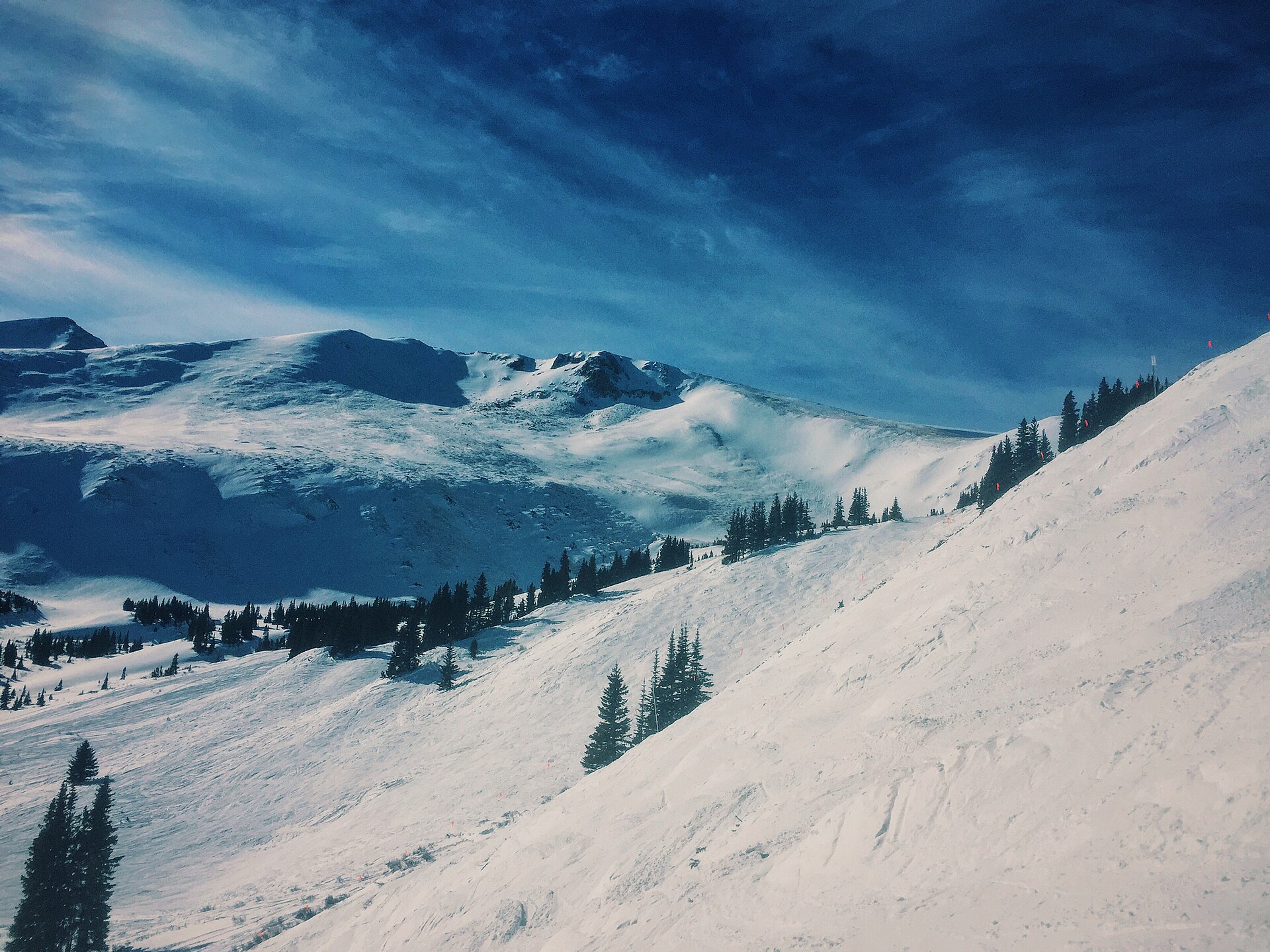
That last part is underrated. A short day on thin snow tells you more about your readiness than a month of living-room squats — though if you want a four-week plan before your next trip, Sophia’s ski-legs countdown for the living room is a solid cross-check.
November 6–12: Breckenridge and Copper
Do not build a two-resort trip around the old Friday-the-6th targets: check that both mountains are actually operating. Breckenridge and Copper sit about forty minutes apart on I-70, and they split the pass map: Breck is Epic, Copper is Ikon. Opening day at Breckenridge is historically centered at the base of Peak 8 — a green and a blue under the Colorado chair, then more terrain as snowmaking and natural snow allow. Peak 9’s longer groomers usually wait until closer to Thanksgiving. Copper’s opening weekend often includes its Snowsation festival, which is fun and also a signal that the base will be busier than a normal November Friday.
My own bias for that first week: skip Friday and Saturday if you can. Go Monday or Tuesday of the following week, when the opening-weekend energy has burned off and the same handful of runs feels less like a parade. You still get limited terrain. You just share it with fewer people who drove up for the Instagram post.
November 13–24: Vail Joins, Crowds Still Manageable
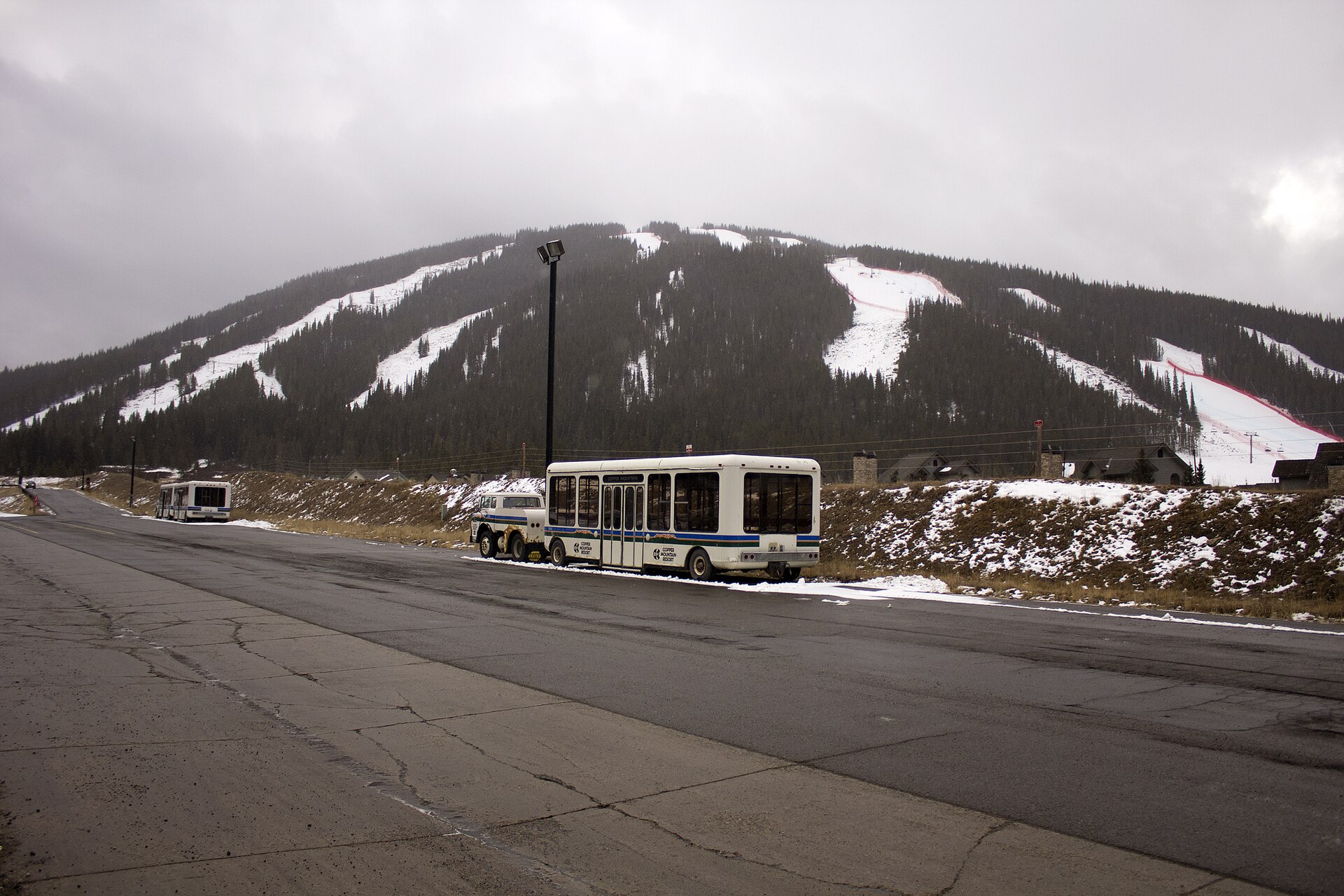
Vail’s November 13 date is the second big pulse. Front Side terrain opens first; the Back Bowls and Blue Sky Basin wait on real snow. Midweek between the 13th and the Saturday before Thanksgiving is, in most seasons, the sweetest early window on the mountain — more runs than the first week of November, lodging still short of holiday rates, and the Front Range weekend crush not yet in full holiday mode.
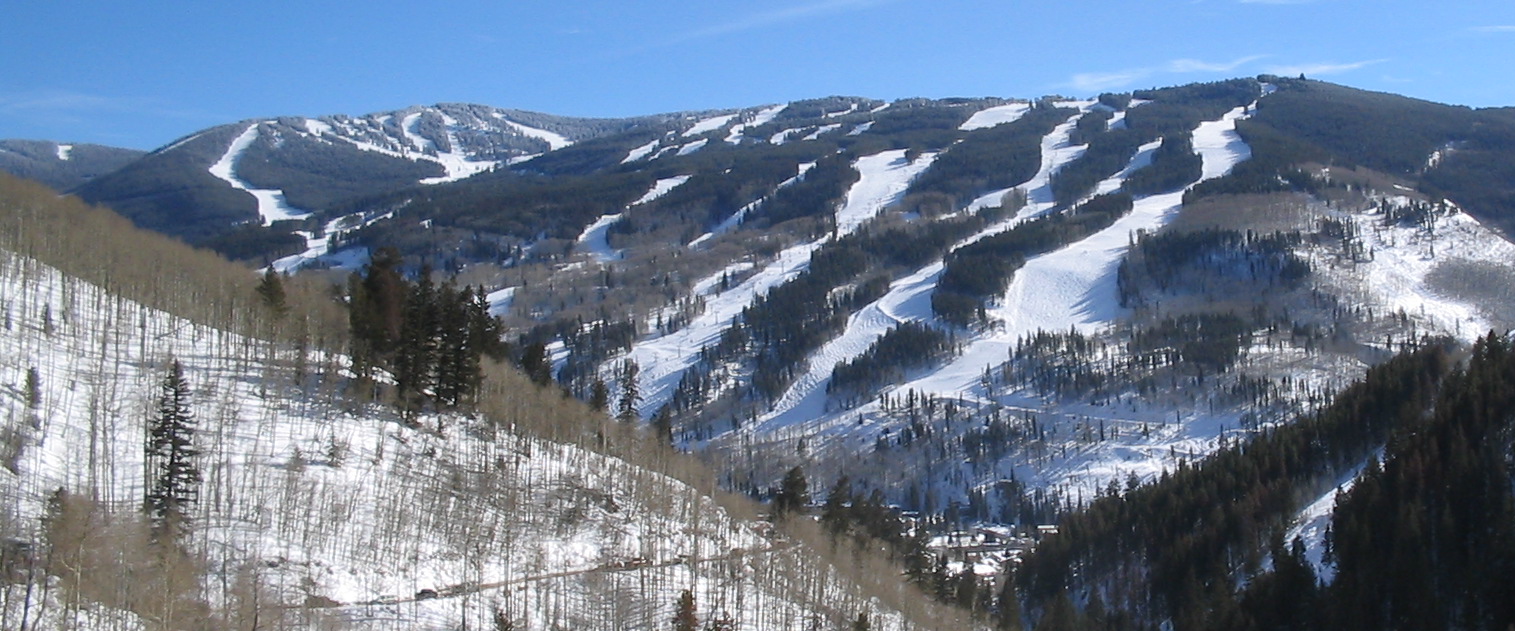
Beaver Creek on November 25 is a different calculation. Opening the day before Thanksgiving means the first chair is already a holiday chair. I’d treat Beaver Creek as a Thanksgiving-week destination, not an early-season escape.
What Early-Season Snow Actually Feels Like
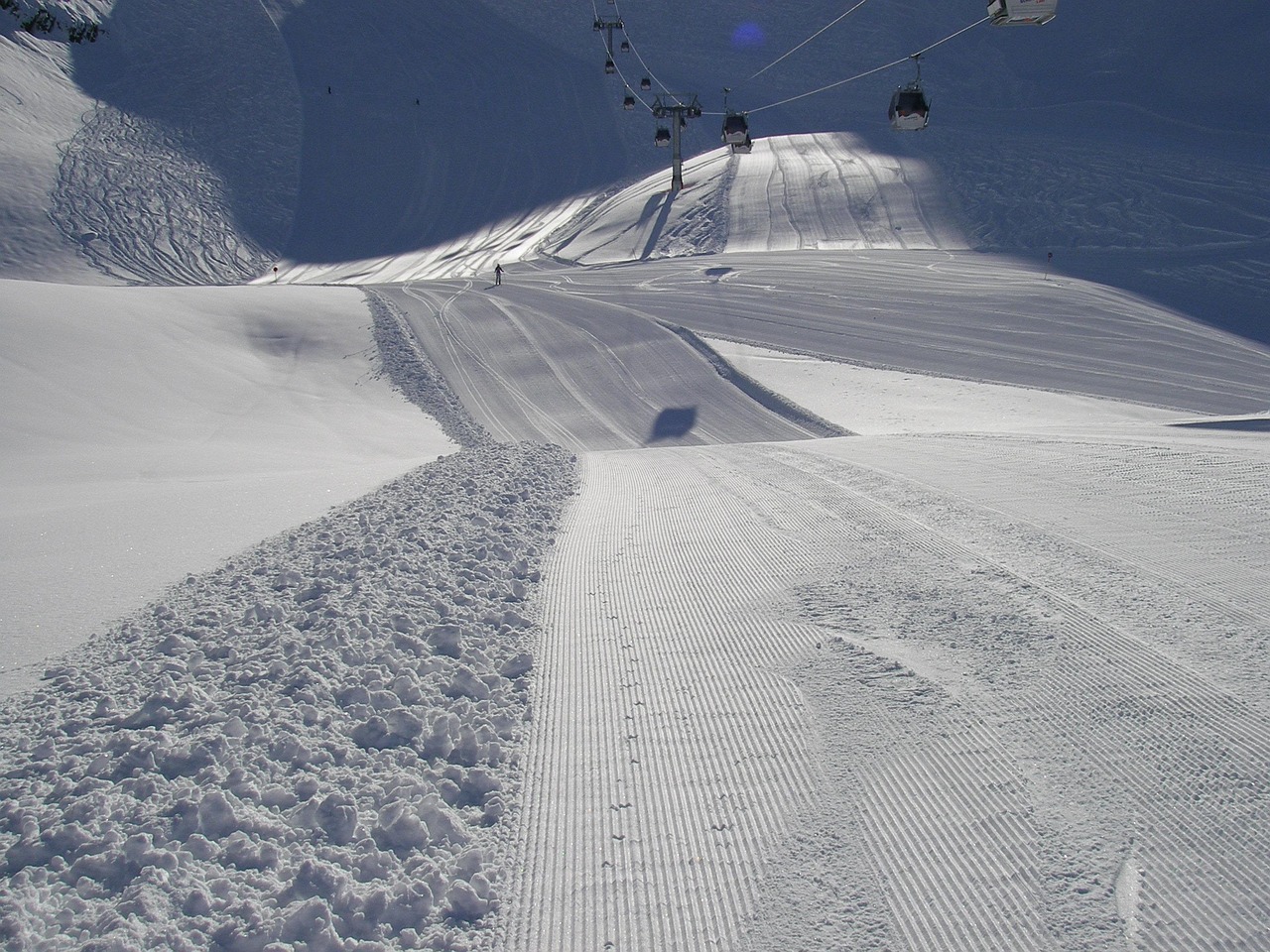
November skiing in Colorado is a white ribbon on brown mountain. Snowmaking crews build a base on a few prioritized runs. Everything else is dirt, rocks, and the occasional ice lens. Wolf Creek’s own early reports routinely warn about unmarked obstacles. That warning applies on every mountain this month, even the ones with newer snowmaking.
Three rules keep early season from ending your ski year:
- Bring rock skis. This is not the weekend for the new quiver. Scraped bases and dinged edges are part of the deal on a thin man-made ribbon. Soft rubber Soft Rubber Ski Tip Protectors help in the car and on the rack, but they won’t save you from a rock under two inches of snow. Old boards that you already like are the right tool.
- Stay on the open, groomed runs. Off-piste and side hits look tempting when the corduroy is short. Under that thin cover is last year’s stumps, rocks and drainage. Early season is for laps on what patrol has opened, not for exploring.
- Ski slower than your ego wants. Half the people on those first chairs have not stood on skis since April. Low-angle groomers plus rusty legs equal collisions. Stop at the edge of the run, not in the middle, and look uphill before you go.
A small Ski Edge Tuning Kit in the condo drawer is worth packing for a multi-day trip. After two days of scraping over early-season ice, a five-minute edge pass overnight makes the next morning feel like a different ski. Save the full shop tune for when you get home.
I-70 Timing Before the Holiday Crush
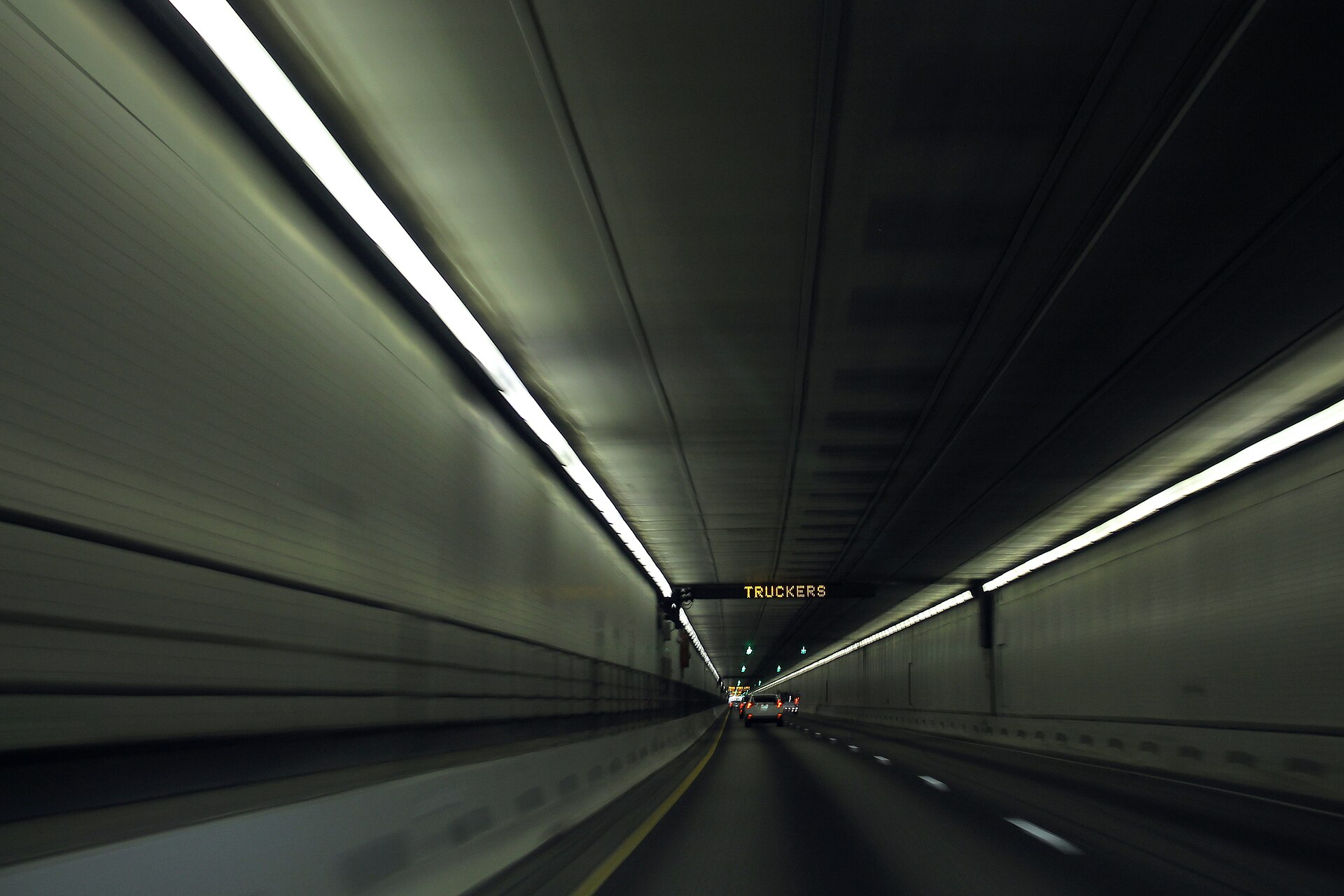
The drive is half the trip in early season, and November has its own rules. Clocks fell back on November 1, so the drive home is darker earlier. Eastbound morning sun glare on Floyd Hill is already in season and runs through February; CDOT’s seasonal detour notice concerns the sunrise period, not the evening ski return. A Winter Weather Advisory above 10,000 feet can dump useful snow on the mountains and ugly slush on the interstate in the same afternoon.
Check COtrip before you leave the Front Range, and again at the Georgetown or Silverthorne exit. Traction laws can kick in with little notice. If your car is on worn all-seasons, this is not the month to find out. A charged Portable Car Jump Starter belongs in the hatch for cold parking lots at 10,000 feet, where a weak battery that started fine in Denver sometimes doesn’t turn over at 4 p.m.
For the broader Thanksgiving-week drive math — when to leave, which hours to avoid, how to keep the car kit sane — I already mapped that in the hour-by-hour Thanksgiving drive plan. Use that for the holiday itself. For opening weeks, the rule is simpler: leave early enough to be in boots before the first chair, and check live traffic before the Denver-bound return. Treat Floyd Hill’s eastbound morning sun-glare closures as a separate hazard, not an evening departure rule.
Flying In: Boot Bags, Ski Bags and the Fee Dodge
Not everyone is driving from Denver. If you’re flying into DIA and renting a car, the bag plan matters more than the lodging plan, because holiday checked-bag fees are climbing and ski equipment is exactly the kind of awkward luggage airlines love to price aggressively.
Do not assume a ski/snowboard bag and a boot bag always count as two charged items. Some carriers include qualifying ski equipment and a boot bag within one equipment allowance, subject to their exact packing, contents and combined-weight rules; United, for example, specifies that its set must be in one bag. Fees and restrictions still vary by carrier. The only safe move is to check your specific airline the week you fly, then weigh everything at home. A Digital Luggage Scale that lives in the boot bag has paid for itself every season I’ve used one. The detailed fee math for this holiday stretch is in the bag-fee piece from late October; the short version for skiers is weigh twice, never assume the sports exception is free, and keep boots in a soft bag you can carry on if the gate agent gets creative.
For the bags themselves, I like a soft Padded Ski Boot Bag Backpack that doubles as a day pack on the mountain, and a Padded Wheeled Ski Travel Bag long enough for rock skis without bending the tips. Hard cases protect better and weigh more. Soft bags are easier to stuff into a rental SUV with three other people.
Where to Sleep Before Holiday Rates Hit
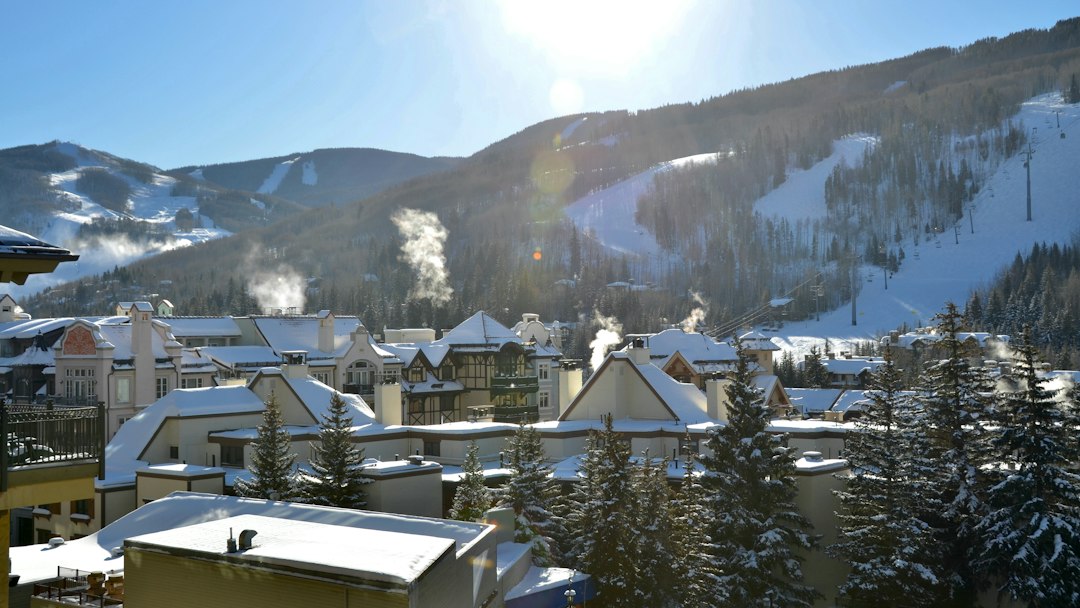
Early November lodging in Summit County and the Vail Valley still behaves like shoulder season. Townhomes that will be $450 a night the Wednesday before Thanksgiving can still be booked midweek this week in the low $200s. Frisco and Silverthorne are usually cheaper bases than lodging at the Peak 8 base, and the free BreckConnect Gondola (once it is running for the season) turns a Frisco stay into a workable Breckenridge day without paying resort-base prices.
Copper’s village is self-contained, which is either a feature or a trap depending on whether you want to leave the resort. For a pure early-season ski weekend, sleeping in the village and walking to the lifts is hard to beat. For a trip that also includes a grocery run and a non-resort dinner, Frisco or Dillon gives you more options.
Whatever you book, run the same room check you would anywhere else on a holiday stretch. The fifteen-minute hotel routine in Bags in the Bathroom First applies as cleanly to a condo hallway in Breckenridge as it does to a chain hotel off an interstate.
What I Pack for Thin-Base Weeks
Early-season packing is different from midwinter packing. You still need real warmth for a cold chair at 8:30 a.m., but you also need gear that survives scraping, bright high-altitude sun on a thin snowpack, and the kind of day that ends at 1 p.m. because the open terrain is done entertaining you.
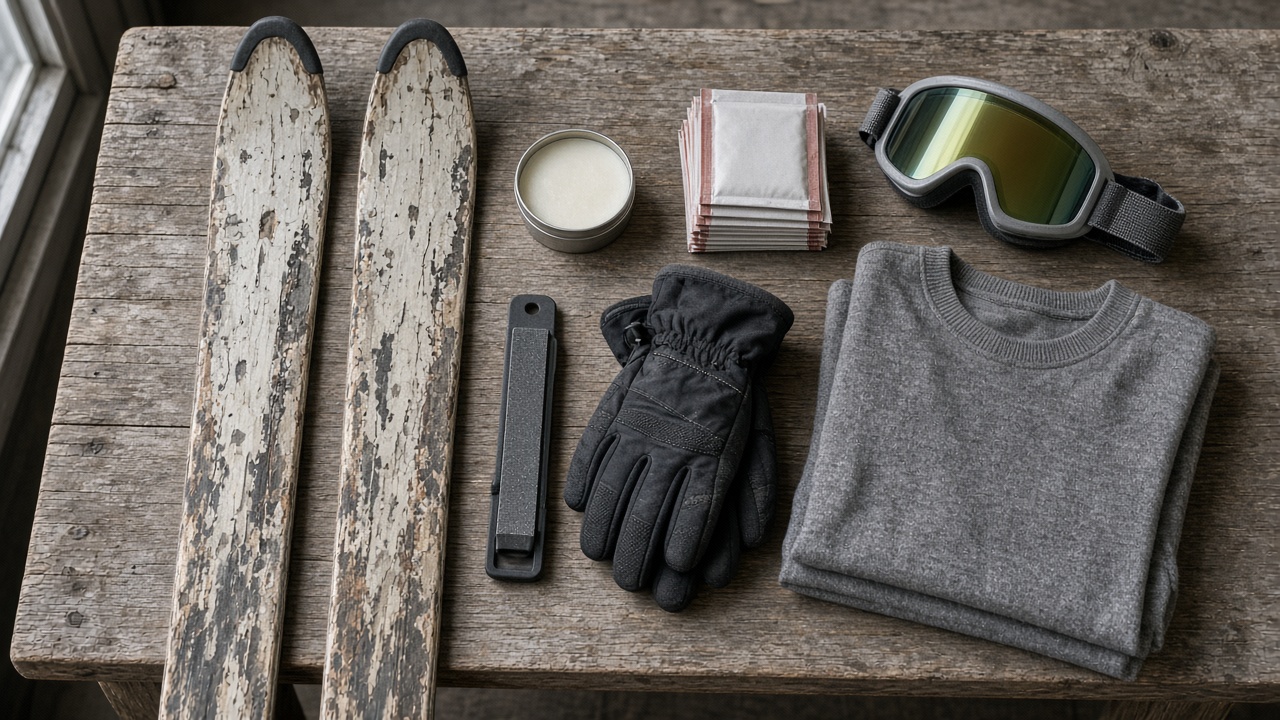
Layers start with a Merino Wool Base Layer Top that I can wear for two cold mornings without smelling like a rental shop. Over that, a softshell or a light insulated piece depending on the wind. Waterproof Waterproof Touchscreen Ski Gloves matter more in November than in January, because you’re hanging around in lift lines with phones out, checking terrain maps, and the gloves get taken on and off constantly.
A multipack of Disposable Hand Warmers lives in the jacket pocket. Early chairs are colder than the air temperature suggests when you’re standing still on a metal ramp. I also pack an SPF 30 Lip Balm and use it like it’s medicine. High-altitude November sun on reflective man-made snow will split your lips by lunch if you don’t.
Goggles get a low-light lens for the first hour and a brighter lens once the sun clears the ridge. A pair of Dual-Lens Ski Goggles With Low-Light Lens beats carrying two separate frames. Keep a microfiber cloth in a zip pocket; early-season snowmaking spray will fog anything you leave hanging around your neck.
Hydration is the thing people forget on short days. An Insulated Stainless Steel Water Bottle in the locker or the car beats buying $6 resort water three times. Thin air plus dry November air dehydrates you faster than a long January powder day, because you don’t feel like you’ve worked as hard.
A Sample Three-Day Plan
If I had a midweek free and a car in Denver, this is the trip I’d run between November 6 and Thanksgiving week:
- Day 0 (evening): Drive up after rush hour, sleep in Frisco or Silverthorne. Groceries on the way. No reason to pay resort-base parking for a 4 p.m. arrival.
- Day 1: Breckenridge Peak 8, only once the resort confirms it is open. First chair if the legs feel ready, or a 9:30 start if they don’t. Quit when the open terrain gets repetitive — often early afternoon in the first week. Tune edges that night.
- Day 2: Copper if you’re on Ikon, or back to Breck / over to Keystone if you’re on Epic. Same short-day philosophy. Afternoon walk through town, early dinner, early bed.
- Day 3 (optional): If Vail has opened and midweek lodging still looks sane, shift west for a Front Side day. Otherwise, one more Summit County morning and a midday drive home after checking current road and traffic conditions.
That plan is deliberately light. Early season punishes people who book a full week and then discover the mountain has eight open runs. Two or three focused days, with an easy exit, beats a stubborn week.
The Short List I’m Throwing in the Car
If you only grab the essentials for a pre-Thanksgiving Colorado opener, make it these:
- Rock skis and Soft Rubber Ski Tip Protectors — protect what you can; accept that bases will get marked.
- Ski Edge Tuning Kit — overnight touch-ups after ice days.
- Merino Wool Base Layer Top — cold chairs, short days, repeat wear.
- Waterproof Touchscreen Ski Gloves — on-off constantly in early lift lines.
- Disposable Hand Warmers — November ramps are colder than the forecast.
- Dual-Lens Ski Goggles With Low-Light Lens — gray openers turn bright by 11.
- SPF 30 Lip Balm — altitude plus man-made snow glare.
- Padded Ski Boot Bag Backpack and Padded Wheeled Ski Travel Bag — fly or drive without wrecking the quiver.
- Digital Luggage Scale — know the fee before the counter does.
- Portable Car Jump Starter — cold lots at elevation.
- Insulated Stainless Steel Water Bottle — dry air, short days, fewer lodge stops.
Where I’d Put My Own Money This Month
If the forecast holds and Breck/Copper confirm they’re operating before I leave, I’d take a Monday–Wednesday trip the week of November 9, sleep in Frisco, ski Peak 8 and Copper, and be home before the weekend warriors fill the canyon. If a storm loads the high country and Vail looks honest by mid-month, I’d shift that same midweek pattern to the Vail Valley between the 16th and the 20th, before Beaver Creek’s Thanksgiving opening turns the whole valley into a holiday zone.
What I would not do is wait for “more terrain to open” and then try to book the Saturday before Thanksgiving. That Saturday is when early season ends and holiday season begins, whether the bowls are open or not. The chairs will still be turning. The quiet will be gone.
First chair before Thanksgiving is a small, specific kind of trip: limited snow, limited crowds, limited patience for people who show up expecting January. Bring the rock skis, leave early, quit while the corduroy is still fun, and save the deep-winter itinerary for when the mountain has earned it.