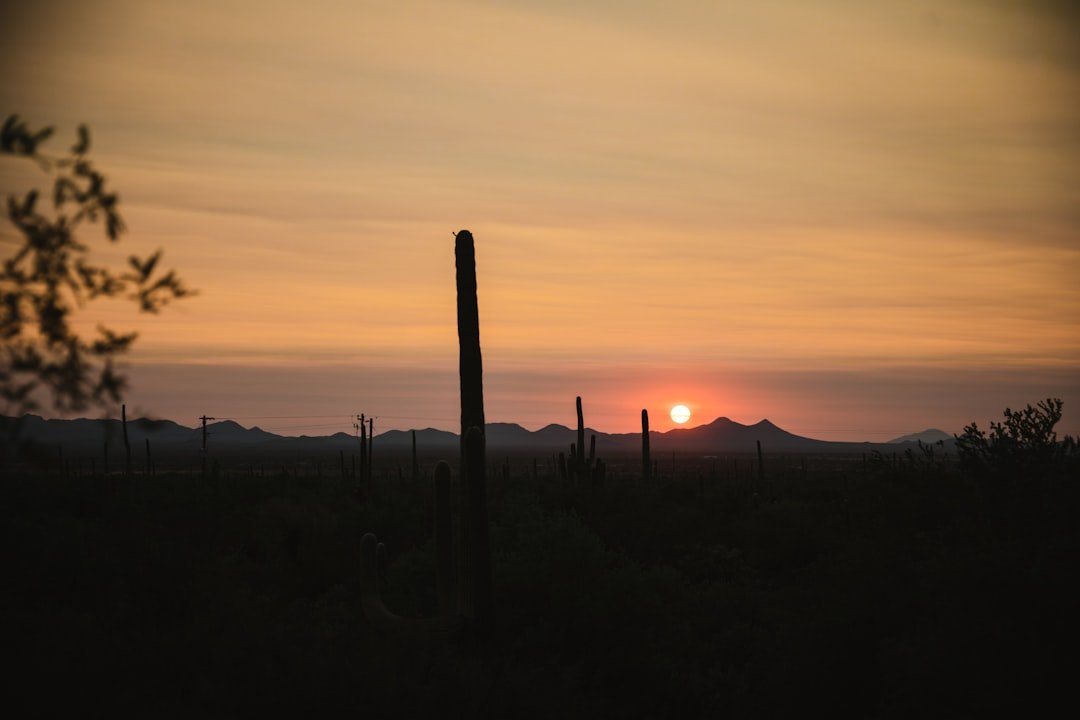
There’s nothing quite like waking up to desert sunlight painting Arizona’s red rocks gold, your campervan parked on public land that didn’t cost you a dime. I’ve spent years exploring Arizona’s vast Bureau of Land Management (BLM) acreage, and let me tell you—this state is a boondocking paradise that rivals any paid campground experience you’ve ever had. During my first Arizona campervan trip back in the early 2000s, I nervously parked on some scattered BLM land outside Sedona, worried I was doing something wrong. Instead, I found community, stunning views, and the freedom that only comes with dispersed camping. Now, after countless nights parked from Quartzsite to the Grand Canyon’s backdoor, I’m sharing everything I’ve learned about Arizona’s incredible free camping opportunities with solar power systems that keep you powered anywhere.
Why Arizona Boondocking is Special
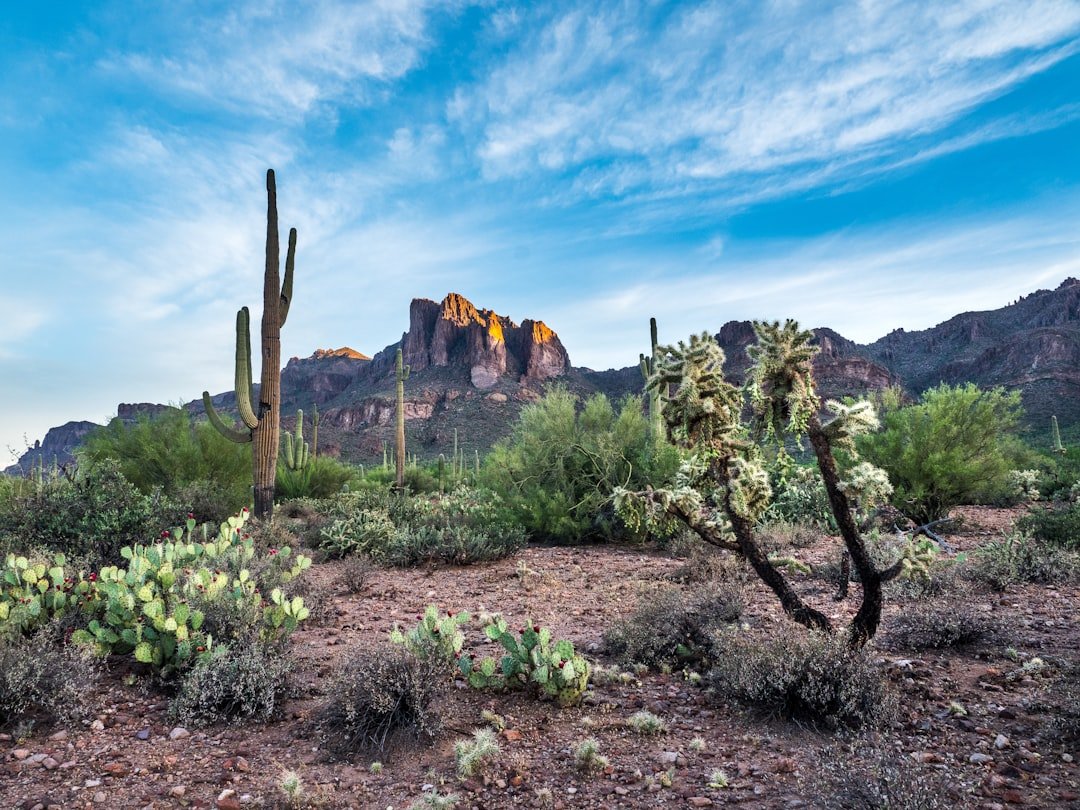
Arizona offers over 450 documented boondocking locations across BLM land, national forests, and state trust lands, giving you incredible diversity in landscapes and experiences. What makes Arizona truly special is the sheer variety of ecosystems—you can be parked among saguaro-studded desert floors in the morning and sleeping beneath ponderosa pines at 7,000 feet by evening. Spring (March through May) is arguably the perfect time for Arizona boondocking, with comfortable daytime temperatures, cooler nights for sleeping, and desert wildflowers transforming the landscape into carpets of gold, purple, and orange. During my spring 2024 trip through the Mogollon Rim, I witnessed a superbloom that turned normally barren hills into vibrant wildflower gardens—a memory that still ranks among my top travel experiences made possible by reliable portable power stations that keep my devices charged anywhere.
The Golden Rules of Arizona Dispersed Camping
Before we dive into specific locations, let’s cover the essential rules that keep Arizona’s public lands open and beautiful. BLM dispersed camping follows a standard pattern: you can camp for up to 14 days within any 28-day period, after which you must move at least 25 miles to a new location. This rule prevents long-term camping from degrading the land and ensures everyone gets a chance to enjoy these special spots. Always practice Leave No Trace principles—pack out everything you pack in, dispose of human waste properly, and respect wildlife and other campers. I’ve seen too many beautiful areas ruined by careless campers, so please join me in protecting these lands for future generations with proper portable toilet solutions. Remember that you’re camping in wild country—prepare for extreme weather, carry emergency weather radios, and know your vehicle’s capabilities before venturing into remote areas.
Top Arizona Boondocking Destinations
Quartzsite Area: The Boondocking Capital
If you’re new to Arizona boondocking, Quartzsite is your perfect introduction. This small desert town transforms into a temporary city of campervans and RVs each winter, with thousands of boondockers spread across BLM land that offers free camping for miles. The Hi Jolly BLM Dispersed Camping Area is the most famous spot, offering hundreds of level sites with easy access for any campervan size, plus the camaraderie of fellow travelers who gather around sunset to share stories and tips. During my January visit, I learned more about boondocking from my neighbors in one evening than I’d discovered in months of solo research—this community is welcoming, knowledgeable, and always willing to help newcomers. Beyond Hi Jolly, explore Dome Rock dispersed camping for more secluded sites with stunning mountain views, or head down Plomosa Road for quieter spots that still offer reasonable access to town’s resources. Many Quartzsite boondockers upgrade their setups with RV water heaters for comfortable showers right in their campervans.
Sedona’s Red Rock Paradise
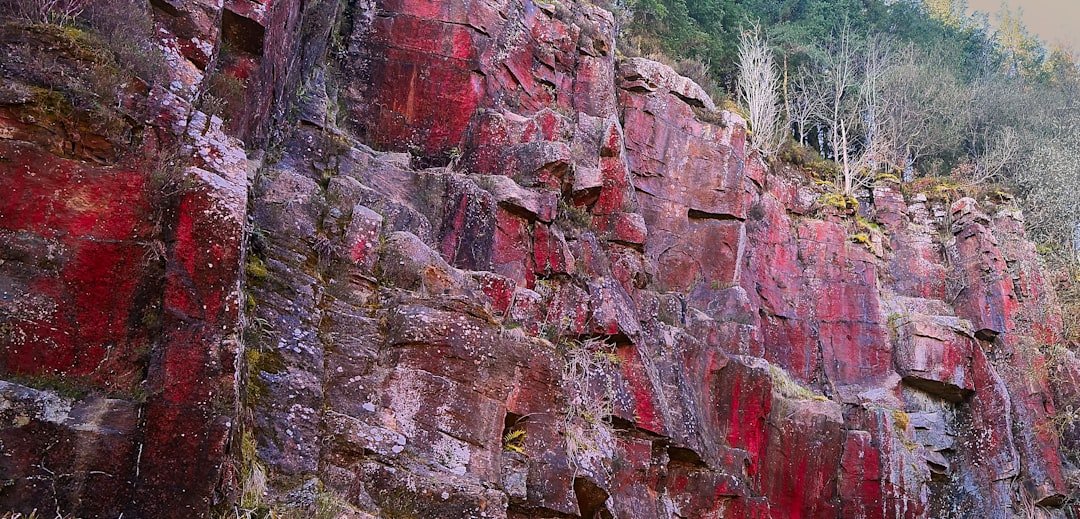
Boondocking near Sedona offers an entirely different experience: free camping with some of the most spectacular scenery on Earth. The Pumphouse Wash Dispersed Camping Area, located just off Highway 89A between Flagstaff and Sedona, provides a peaceful forest retreat with easy access to both towns. I’ve spent several nights here, and there’s something magical about falling asleep to the sound of wind through ponderosa pines while knowing you’re minutes from Sedona’s famous vortexes and hiking trails. For those willing to venture onto rougher roads, the Loy Butte Road dispersed camping (Forest Road 525) delivers incredible red rock views that rival any paid campground—just be prepared for narrow sections and some challenging spots that require clearance and careful driving. Edge of the World lives up to its dramatic name, offering jaw-dropping sunset views across Sedona’s red rock wilderness that make every bump in the road worthwhile. Spring is especially beautiful here, with moderate temperatures perfect for hiking and smaller crowds than you’ll find during peak season. Many Sedona boondockers use solar shower bags for comfortable outdoor bathing.
Grand Canyon Gateway Camping
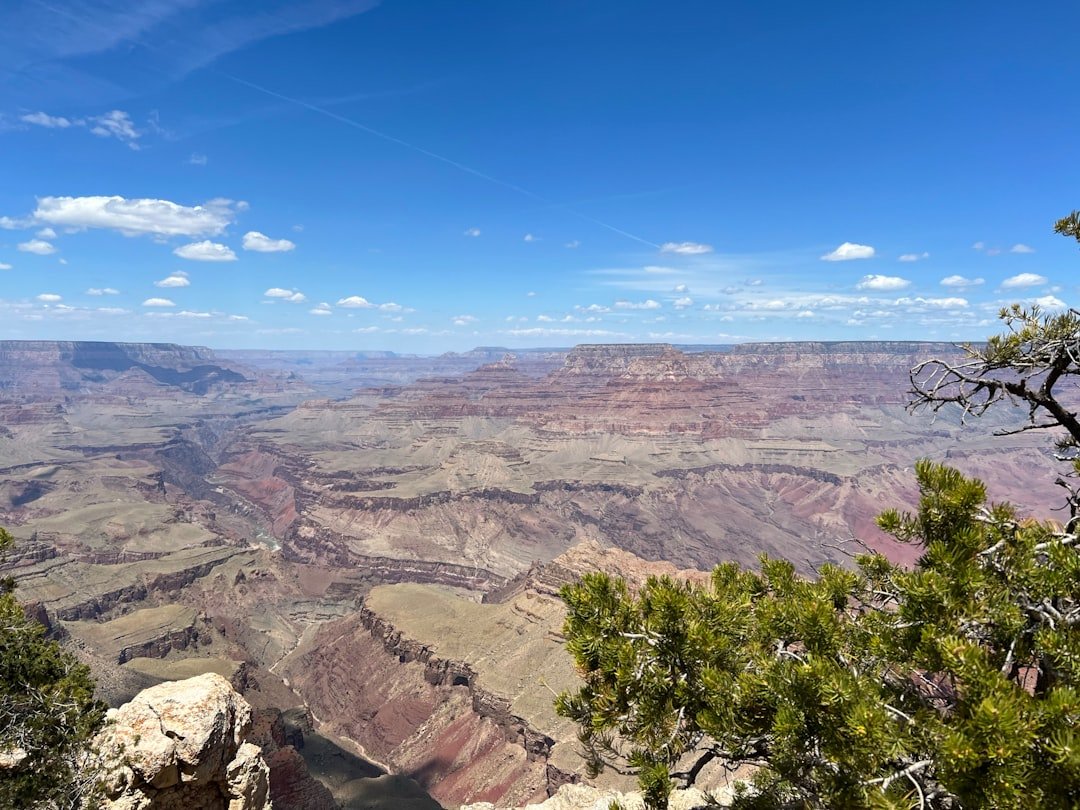
Imagine waking up just minutes from Grand Canyon National Park without paying resort prices—that’s the reality of boondocking near the canyon’s perimeter. Over 50 free dispersed campsites dot the BLM and Forest Service land surrounding the park, offering incredible options for self-contained campervans. The area near Tusayan provides convenient access to the South Entrance, while spots along Forest Road 302 (often called “the loop” by regulars) offer more secluded camping with surprisingly easy access for smaller campervans. During my spring trip, I found a perfect site just 15 minutes from the park entrance, allowing me to watch sunrise over the canyon before most tourists even arrived. These spots fill quickly during peak seasons, so arrive early in the day or have backup locations mapped out. Pro tip: download offline maps before arriving—cell service is spotty at best, and you don’t want to rely on GPS when navigating forest roads. Pack reliable 12V refrigerators to keep your food fresh during extended Grand Canyon area stays.
Mogollon Rim: Arizona’s Alpine Escape
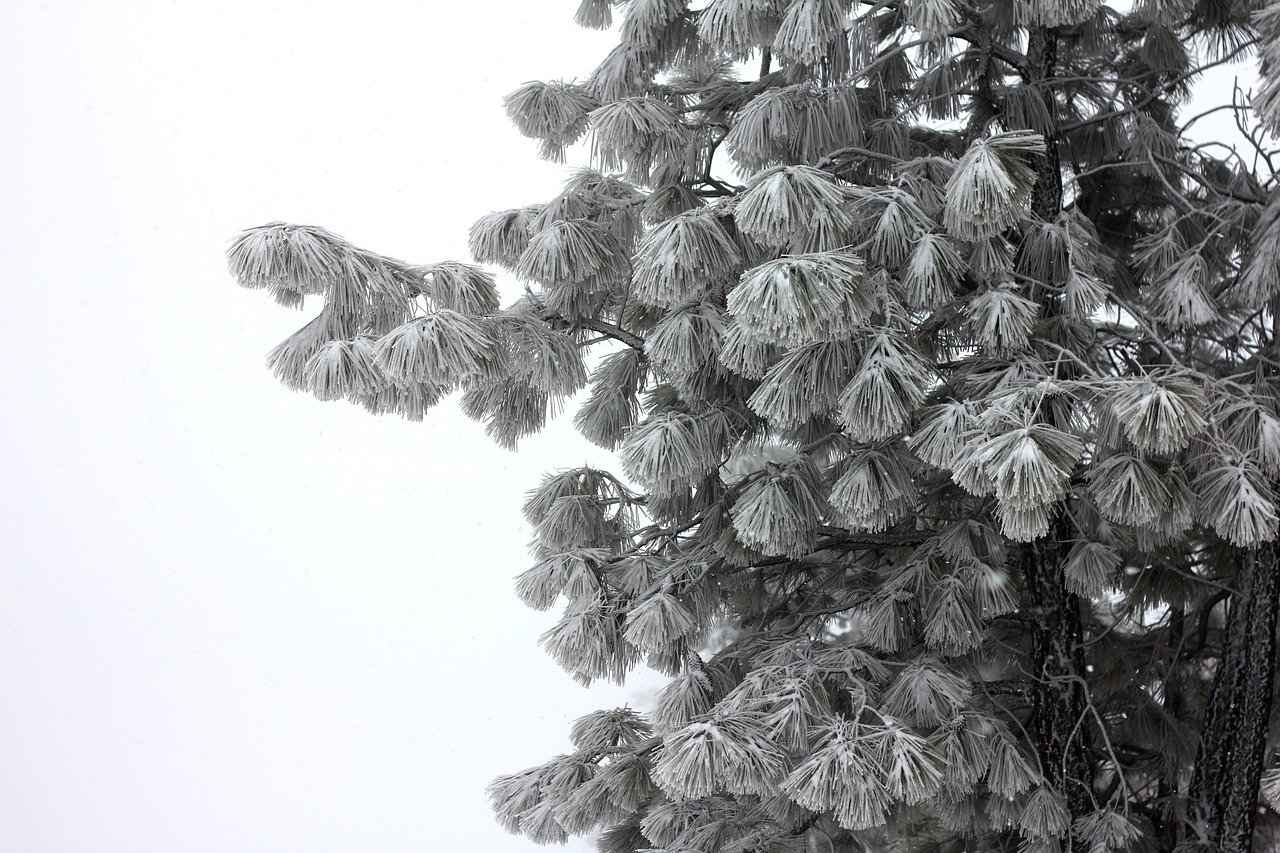
When desert temperatures climb, the Mogollon Rim offers cool mountain retreats at elevations exceeding 7,000 feet. This massive escarpment stretches across central Arizona, providing hundreds of miles of forest roads with dispersed camping opportunities that cost absolutely nothing. Areas around Pine, Strawberry, and Knoll Lake offer particularly easy access with well-maintained roads suitable for most campervans. I discovered Dutch Flats Dispersed Camping during a June road trip when Phoenix temperatures pushed 110°F—up on the rim, I slept comfortably in the 60-degree mountain air. Spring brings gorgeous weather to the Mogollon Rim, with wildflower-filled meadows and fewer crowds than summer. The area around Chevelon Canyon Lake offers spectacular fishing and hiking opportunities, while Cragin Reservoir provides a quieter alternative to more popular spots. Remember that mountain weather can change rapidly—summer brings daily thunderstorms, and temperatures can drop 30 degrees after sunset. Pack thermal curtains and warm bedding even during seemingly mild weather forecasts for mountain camping.
Essential Boondocking Gear for Your Campervan
Successful Arizona boondocking requires the right equipment—public lands don’t offer hookups, so you need to be self-sufficient for power, water, and waste management. Your campervan’s electrical system is your lifeline, and investing in quality solar panels transforms your boondocking experience from stressful to comfortable. During my first year of serious boondocking, I struggled with limited power until I upgraded my solar setup—now I can run lights, fans, and devices indefinitely without worrying about draining my batteries. Water management is equally critical; I recommend carrying at least 20 gallons of fresh water for extended trips, plus collapsible containers for easy transport to fill stations. Many boondockers use portable waste tanks to extend their stay without needing to move their campervan, which is especially useful when you’ve found that perfect spot you don’t want to leave. Consider installing a 12V water pump for convenient water access throughout your van.
Navigation tools are non-negotiable for Arizona backcountry camping. I never venture onto BLM land without downloading offline maps through apps like Gaia GPS or onX Offroad, which show public land boundaries, camping regulations, and road conditions in detail. Paper maps serve as essential backups—GPS devices fail, batteries die, and cell service disappears in Arizona’s remote areas. A dedicated GPS unit designed for backcountry use offers advantages over phone apps, including better battery life and more detailed topographic data. Communication equipment deserves careful consideration too; while many boondockers appreciate the disconnect, satellite messengers provide emergency communication when cell service is unavailable. I’ve spent nights completely alone in areas where rescue would take hours—having that satellite connection provides peace of mind that’s worth every penny.
Campervan Solar Power Systems
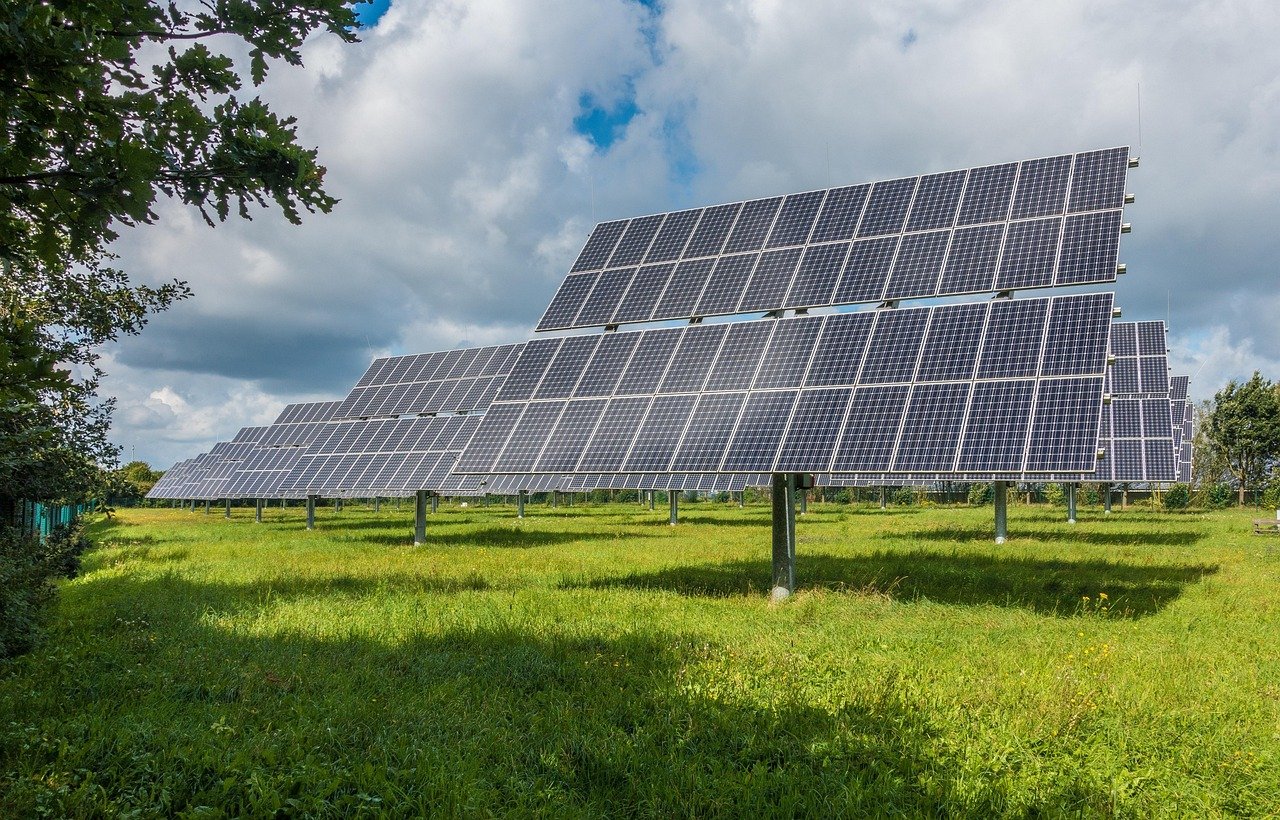
The heart of any serious boondocking setup is a robust solar power system that keeps your campervan comfortable and functional off-grid. During my five years of full-time van life, I’ve experimented with countless configurations and learned what actually works in real-world conditions. A quality solar array starts with flexible panels that conform to your roof’s curves—rigid panels work but limit mounting options and can be damaged by branches on rough forest roads. I recommend at least 200 watts of solar capacity for basic needs (lights, fans, device charging), with 400-600 watts for those running refrigerators, laptops, or more substantial power needs. The investment in MPPT charge controllers pays for itself in efficiency gains over cheaper PWM models, especially in Arizona’s intense sun where every amp matters.
Battery technology has revolutionized boondocking—modern lithium batteries like LiFePO4 offer twice the usable capacity of traditional lead-acid batteries in the same size, weigh significantly less, and charge faster. My current setup uses a 200Ah lithium battery paired with a 3000W inverter, giving me enough power to run my laptop, camera equipment, and even small appliances without worrying about draining my system. Smart battery monitors with Bluetooth connectivity let me track power usage and charging efficiency from my phone—essential for understanding what’s actually consuming energy during extended stays. Don’t forget wiring and fuses—properly sized cables and quality fuses prevent fires and ensure efficient power transfer throughout your system. The folks at Make-Someday-Today have excellent videos on 1,280-watt solar installations that transformed their Ram ProMaster build.
Finding Your Perfect Boondocking Spot
The best boondocking locations balance accessibility, scenery, and solitude—but finding these spots requires research and flexibility. I start by checking BLM and Forest Service websites for current camping regulations and road conditions, then cross-reference with apps like Campendium and iOverlander where real users share recent experiences and photos. Facebook groups dedicated to Arizona boondocking provide up-to-date information about road conditions, weather impacts, and newly discovered spots that haven’t yet made it into guidebooks. During spring 2025, I found an incredible location near Superstition Mountains through a Facebook group recommendation—it wasn’t listed in any app, but the community intel was accurate and led to one of my favorite camping nights ever. When you arrive at potential sites, scout the area carefully: look for level ground, check for drainage issues (avoid washes that could flood during storms), assess road conditions for exiting, and verify you’re on public land using mapping apps.
Seasonal considerations dramatically affect your Arizona boondocking experience. Winter draws thousands of snowbirds to Quartzsite and southern Arizona deserts, creating temporary communities with organized activities and shared resources. Spring offers my favorite conditions—comfortable temperatures throughout the state, blooming desert wildflowers, and manageable crowds before peak season hits. Summer pushes most boondockers to higher elevations; the Mogollon Rim and White Mountains become hotspots as Phoenix temperatures soar. Fall brings pleasant conditions returning to lower elevations, with smaller crowds than spring and beautiful autumn colors in higher elevations. I’ve boondocked in every season, and each offers unique advantages—spring and fall provide the most comfortable conditions across the state, while winter delivers unparalleled community building in the south and summer offers perfect mountain retreats. Check out my guide on portable fans and ventilation for summer desert camping tips.
Arizona’s Spring Wildflower Spectacular
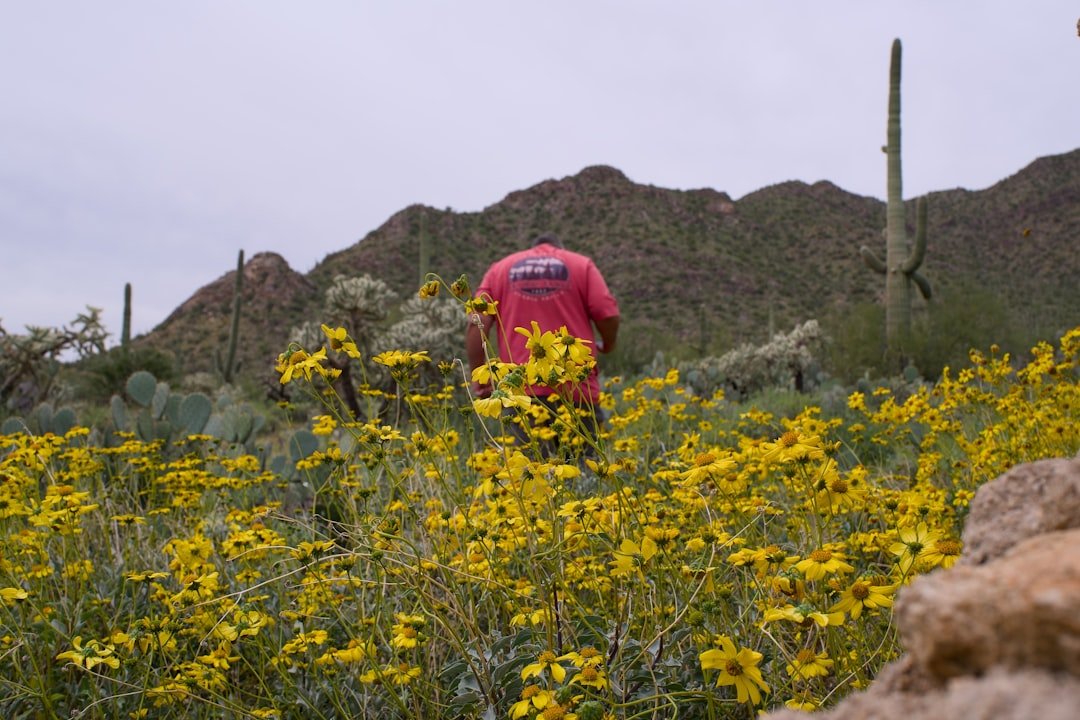
Nothing beats Arizona during spring wildflower season—an annual transformation that turns normally brown desert landscapes into vibrant carpets of gold, purple, and orange. My most memorable spring blooming occurred in March 2024 when unexpected winter rains triggered a superbloom across southern Arizona. I spent a week camped near Organ Pipe Cactus National Monument, waking each morning to new flowers opening in the sun—Mexican gold poppies, desert marigolds, and purple lupines creating a natural masterpiece that changed daily as different species reached their peak. The Mogollon Rim offers entirely different wildflower experiences with mountain meadows filled with penstemon, Indian paintbrush, and wild iris typically peaking in late May through June. These fleeting displays require perfect timing—monitor wildflower reports through DesertUSA and Arizona State Parks websites, follow recent Instagram posts from local photographers, and be ready to travel when conditions align. Peak blooms often last just two weeks, so flexibility in your travel schedule is essential for catching the show. Pack quality macro photography equipment to capture the delicate details of Arizona’s ephemeral desert gardens.
Boondocking Safety and Etiquette
Arizona’s public lands offer freedom, but that freedom comes with responsibility for your own safety and environmental stewardship. Weather extremes pose real threats—summer temperatures can exceed 110°F in desert areas, while winter nights regularly drop below freezing at higher elevations. I always check weather forecasts for multiple locations around my planned camping area, since conditions vary dramatically across Arizona’s diverse landscapes. Flash floods present serious dangers in desert washes and canyons; even distant storms can send walls of water through normally dry areas hours later. Never camp in washes or low-lying areas during rainy seasons, and always have an escape route planned. Wildlife encounters require respect and preparation—javelinas, coyotes, rattlesnakes, and mountain lions all call Arizona’s public lands home. Store food securely, give wildlife plenty of space, and learn to recognize the signs of animal activity around potential campsites. Carry comprehensive first aid kits designed for wilderness settings and know basic emergency procedures.
Boondocking etiquette exists for good reasons, and following these unwritten rules ensures everyone can enjoy these special places. Give other campers plenty of space—in wide-open desert areas, that means parking at least 100-200 yards from neighbors unless you’re intentionally joining an established gathering like Quartzsite’s winter crowds. Keep noise respectful, especially during quiet hours, and remember that sound carries incredibly far in open desert terrain. Generator use should be limited to necessary charging times, and always ask neighbors before running one for extended periods. I once spent three days next to a camper who ran his generator 24/7, completely destroying the peaceful desert atmosphere—don’t be that person. Lighting matters too; excessive outdoor lighting ruins night sky viewing for everyone, so use minimal lighting and consider red light options that preserve night vision. When it’s time to leave, thoroughly clean your campsite—pack out all trash, disperse fire rings (unless in established areas), and leave the site looking undisturbed. Following scenic drive routes through Arizona can help you discover new boondocking areas while respecting the land.
Building Your Arizona Boondocking Skills
Like any worthwhile pursuit, boondocking skills develop gradually through experience and learning from mistakes. Your first trip might feel overwhelming—you’ll probably forget something, choose a less-than-perfect campsite, or encounter unexpected challenges. That’s completely normal and part of the learning process. During my early boondocking years, I once parked in a wash that flooded during a rainstorm, learned my lesson about site selection the hard way, and became much more thoughtful about terrain evaluation. Another time, I underestimated water consumption and had to break camp early to find a fill station—now I always carry more water than I think I’ll need using collapsible water containers. These experiences taught me valuable lessons that improved every subsequent trip.
As your confidence grows, gradually challenge yourself with more remote locations and longer stays. Progress from easily accessible dispersed sites to spots requiring higher clearance driving. Extend your trips from weekends to week-long adventures. Experiment with different environments—desert, forest, mountain, and riparian areas each offer unique boondocking experiences and challenges. Connect with experienced boondockers who can mentor you and share hard-won knowledge. The boondocking community is incredibly generous with information and support; I’ve learned countless tips from fellow campers that improved my setup and skills. Document your trips with notes about what worked, what didn’t, and what you’d change—this journal becomes invaluable planning resource for future adventures. The Make-Someday-Today channel has great videos on Thinsulate installation and roof fan installation that transformed their campervan comfort levels.
The rewards of Arizona boondocking far outweigh the challenges—the freedom to camp amid stunning landscapes, the community of like-minded travelers, the self-reliance that develops through off-grid living, and the incredible experiences that money simply cannot buy. I’ve watched sunrise paint the Grand Canyon from a free campsite that most tourists never see, fallen asleep under more stars than I knew existed in the Mogollon Rim’s dark sky reserves, and built lasting friendships around desert campfires that began with simple neighborly greetings. Your Arizona boondocking adventure awaits—start planning, prepare carefully, and discover why so many of us return to Arizona’s public lands year after year. The desert is calling, and your campervan is ready to answer with reliable all-terrain tires that can handle Arizona’s varied terrain.
5 thoughts on “Campervan Boondocking in Arizona: The Ultimate Free Camping Guide”