After twenty-five years of crisscrossing the globe and chasing perfect weather across six continents, I’ve learned that the most rewarding destinations often hide behind intimidating reputations. Hilo, on the Big Island of Hawaii’s east side, has spent decades as that “rainy town” travelers rush through on their way to the manicured resorts of Kona. But in 2026, according to Google Flights data showing it as America’s fastest-growing spring break destination, savvy travelers are finally discovering what I’ve known for years: Hilo’s dramatic rainfall is precisely what makes it magical.
The statistics alone are mind-bending. Hilo receives over 127 inches of rain annually, more than twelve times what falls on typical tropical paradises. But here’s what most guidebooks miss: that rain doesn’t mean dreary gray days. It means sudden, spectacular downpours that pause for brilliant sunshine, rainbows arching across valleys that seem to appear from nowhere, and waterfalls that cascade from every cliff face like the island itself is weeping with joy. During March and April, you’ll find temperatures in the comfortable 78-82°F range, brief refreshing showers that keep the air feeling impossibly clean. Having the right lightweight rain jacket makes all the difference in staying comfortable during these refreshing showers.
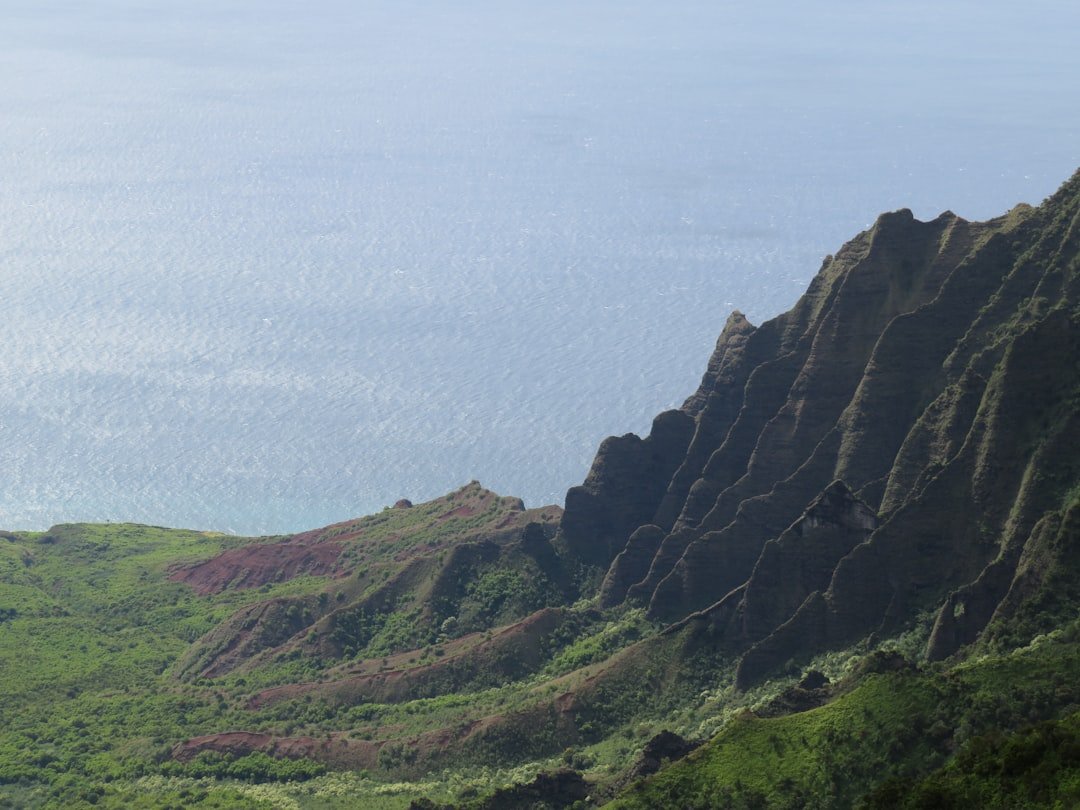
What sets Hilo apart from every other Hawaiian destination is its raw, unfiltered authenticity. While Kona offers predictable sunshine and carefully curated experiences, Hilo serves up Hawaii exactly as nature intended: wild, wet, and utterly unforgettable. The Hamakua Coast drive north of town ranks among the most spectacular coastal routes I’ve ever traveled, surpassing even California’s Highway 1 in drama. Vertical cliffs plunge hundreds of feet into a churning turquoise ocean, waterfalls cascade down green mountainsides that seem to float in mist, and around every bend lies another view that makes you pull over and question whether you’re actually awake.
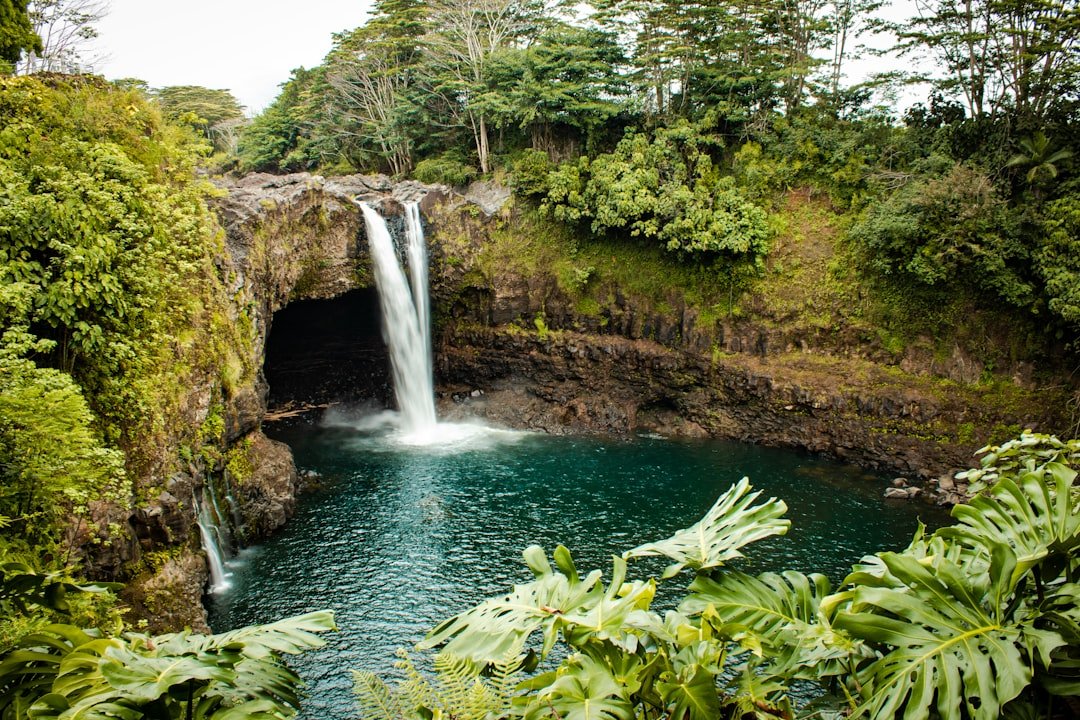
Rainbow Falls, just minutes from downtown Hilo, perfectly captures the town’s essence. This 80-foot waterfall spills into a turquoise pool surrounded by dense rainforest, and if you arrive shortly after sunrise when morning light hits the mist just right, you’ll witness rainbows arching through the spray that give the falls its name. I’ve made this walk dozens of times, and it never gets old. A short trail leads through an ancient banyan tree whose roots create cathedral-like chambers, and you’ll often find yourself alone with the sound of rushing water and birdsong echoing through the canopy. Wearing reliable waterproof hiking sandals will keep your feet comfortable on the damp trails.
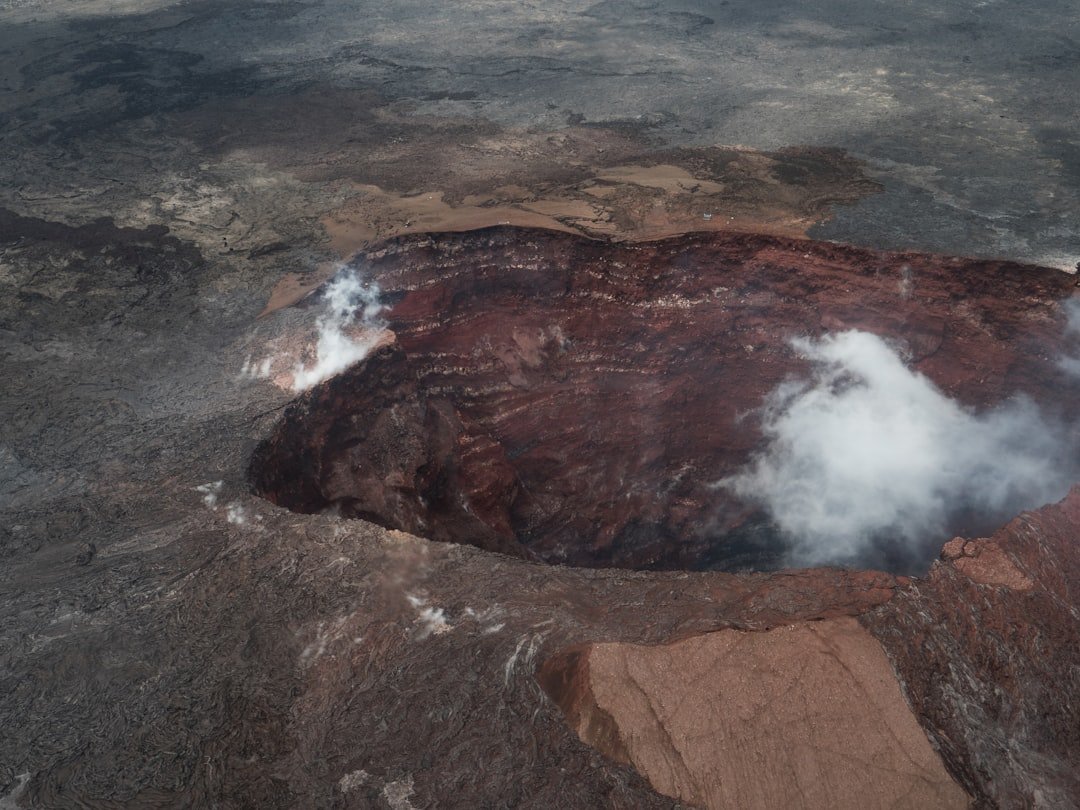
The real magic happens when you venture beyond the obvious attractions. Hawaii Volcanoes National Park, less than an hour’s drive south, offers an otherworldly landscape that makes you question whether you’re still on Earth. I’ve hiked across solidified lava lakes that still radiate heat, stood on volcanic craters that stretch as far as the eye can see, and watched steam rise from cracks in the earth where molten rock flows just beneath the surface. Kilauea, one of the world’s most active volcanoes, has been continuously erupting since 1983, and witnessing this living geology reshaping itself in real-time changes how you understand our planet. The park’s rugged terrain demands sturdy hiking boots and careful preparation.
For travelers willing to embrace Hilo’s unique climate, the rewards are extraordinary. The town’s farmers’ markets rank among Hawaii’s best, overflowing with exotic fruits like rambutan, dragon fruit, and passion fruit that you’ve probably never seen in mainland stores. Local farms offer tours where you can taste chocolate straight from the pod, sample fresh-roasted Kona coffee (yes, it grows on this side too), and learn about sustainable agriculture that’s been practiced here for generations. The Hawaii Tropical Bioreserve and Garden, just north of town, showcases over 2,000 species of tropical plants in a setting that feels like stepping into Jurassic Park minus the dinosaurs. You might want to bring a quality water bottle to stay hydrated during farm tours.
What surprises most first-time visitors is Hilo’s rich cultural scene. The ‘Imiloa Astronomy Center tells the story of how ancient Polynesian navigators used the stars to cross thousands of miles of open ocean in double-hulled canoes—a feat of maritime engineering that still baffles modern scientists. The Lyman Museum offers a fascinating look at missionary history and how different cultures merged to create modern Hawaii. And unlike some tourist towns where culture feels curated for visitor consumption, Hilo’s heritage feels lived and authentic, a place where families have lived for generations and are genuinely proud to share their home.
Getting to Hilo has become increasingly easy, which explains its surging popularity. Direct flights now connect Hilo International Airport (ITO) with several mainland cities, and inter-island flights from Honolulu take just 50 minutes. Once you’re there, renting a car is essential—Hilo spreads across a large area, and the best experiences require driving beyond the town center. The roads are well-maintained, signage is clear, and driving on the left (yes, Hawaii follows British driving rules) becomes second nature after a few confused minutes at intersections. Having a good GPS navigation system or offline maps can be incredibly helpful.
Where to stay in Hilo depends on your priorities. Downtown offers walkable access to restaurants, the famous farmers’ market, and Rainbow Falls, though you’ll want to choose accommodations with good air conditioning since humidity can be intense. For a more authentic experience, vacation rentals in residential neighborhoods let you live like a local, though you’ll miss the convenience of being walking distance to attractions. I’ve stayed in both options multiple times, and while downtown hotels offer convenience, the residential neighborhoods provide peace and often spectacular ocean views at better prices.
The food scene deserves special mention. Hilo isn’t known for fine dining, but it excels at honest, flavorful local cuisine. Poke here rivals anywhere in Hawaii—fresh ahi tuna marinated in soy sauce and sesame seeds, served over rice with a side of seaweed salad. Local cafes serve loco moco (rice topped with a hamburger patty, fried egg, and brown gravy) that’ll fuel you for a day of adventure, and the Portuguese sausage at breakfast spots puts any mainland version to shame. For something truly special, seek out a traditional Hawaiian luau where you can try kalua pig cooked in an imu (underground oven) while watching hula dancers tell stories through movement.
For outdoor enthusiasts, Hilo offers activities that range from gentle strolls to serious adventures. Akaka Falls State Park features an easy 0.4-mile loop trail that leads to a 442-foot waterfall plummeting through a lush gorge—it’s accessible for almost everyone and delivers views that would require multi-day treks elsewhere. More adventurous hikers can tackle the Waipio Valley trail, a steep descent into a valley that time forgot, where taro patches still feed families as they have for centuries and wild horses roam black sand beaches. Just be warned: the hike back out is a genuine workout, and the trail can be muddy after rain (which happens often). Packing collapsible hiking poles can provide extra stability on muddy terrain.
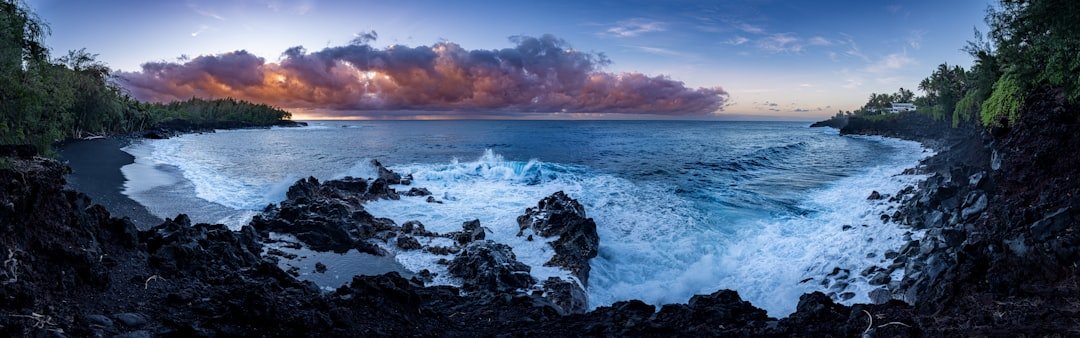
Water activities abound, though they’re different from what you’ll find on calmer leeward coasts. Carlsmith Beach Park offers calm, protected swimming in a lagoon formed by a lava rock wall, making it perfect for families and less confident swimmers. Richardson Ocean Park provides snorkeling opportunities, though visibility varies with conditions. For experienced ocean-goers, the winter months bring powerful surf that attracts bodyboarders and surfers, but please respect the ocean—Hilo’s waters can be treacherous for those who underestimate them. A good waterproof phone case is essential for protecting your electronics during water activities.
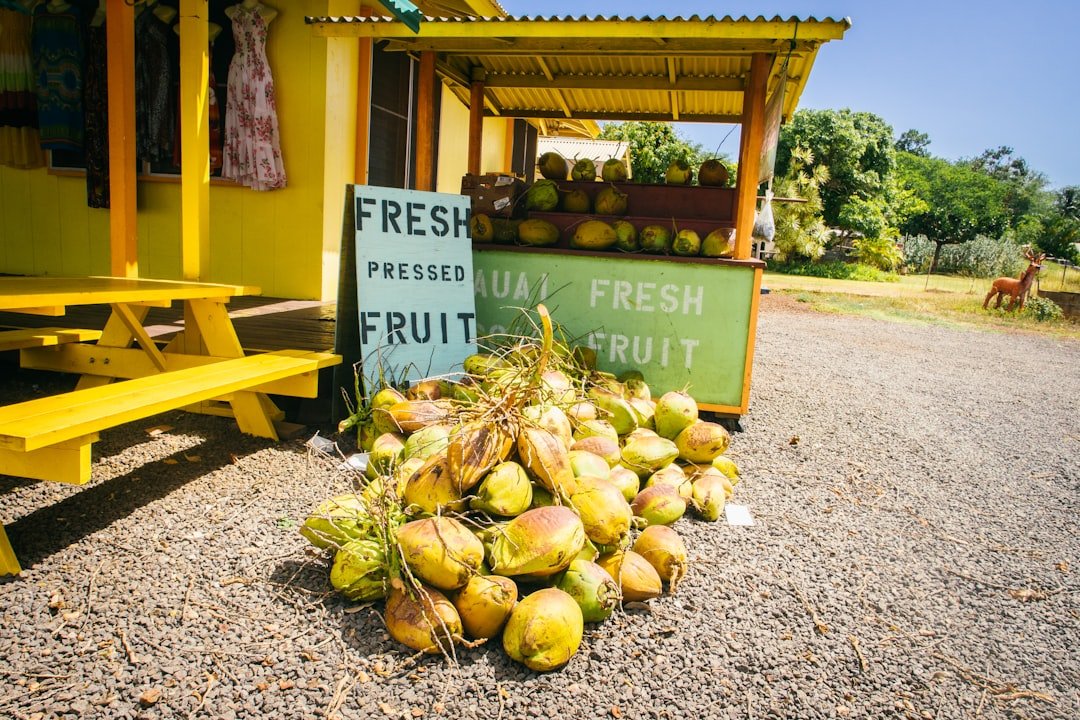
Shopping in Hilo focuses on authentic local crafts rather than mass-produced souvenirs. The downtown area has numerous galleries featuring local artists, and you’ll find everything from traditional koa wood bowls to contemporary paintings inspired by Hawaiian landscapes. The farmers’ market, held Wednesdays and Saturdays, is an experience itself—local farmers set up at dawn and sell everything from fresh tuna caught that morning to tropical flowers grown in backyard gardens. Arrive early (before 8 AM) for the best selection and genuine interactions with growers who’ve worked these fields for generations. Consider bringing a lightweight daypack to carry your market finds.
Timing your visit to Hilo requires understanding its unique rhythm. March through May offers ideal conditions—warm but not hot, occasional rain that keeps everything lush and green, and the possibility of whale watching as humpbacks migrate through Hawaiian waters. This timing aligns perfectly with what I’ve written about the best time to visit Hawaii, where I dive deeper into seasonal patterns across all the islands. Summer months bring warmer temperatures and calmer seas, though also higher humidity and more crowds. Fall can be spectacular, with occasional rain showers and temperatures that feel almost perfect. Winter brings bigger surf and cooler evenings, plus the chance to see whales breaching just offshore.
What makes Hilo special isn’t any single attraction or experience—it’s the feeling of being somewhere genuine, a place that hasn’t been packaged for tourist consumption. You’ll find yourself sitting in a local café listening to residents discuss community issues in Hawaiian and English, browsing shops where the owner knows every customer by name, and walking through neighborhoods where families have lived for generations. It’s the Hawaii that existed before mass tourism, and it’s still here if you know where to look.
If you’re planning other Hawaiian adventures, my guide to early spring beach destinations features several other Hawaiian locations worth exploring.
The secret’s getting out, of course. Those Google Flights statistics showing Hilo as America’s fastest-growing spring destination mean change is coming. But Hilo’s rain and remoteness will always protect it from becoming another overdeveloped resort town. The people here value their community and environment too much to let that happen. And smart travelers who visit now, while it’s still authentically itself, will discover what I’ve been telling anyone who’ll listen for years: the best Hawaiian experiences aren’t found on postcard-perfect beaches, but in places like Hilo, where the rain keeps everything real and the rewards for those who embrace it are absolutely extraordinary.