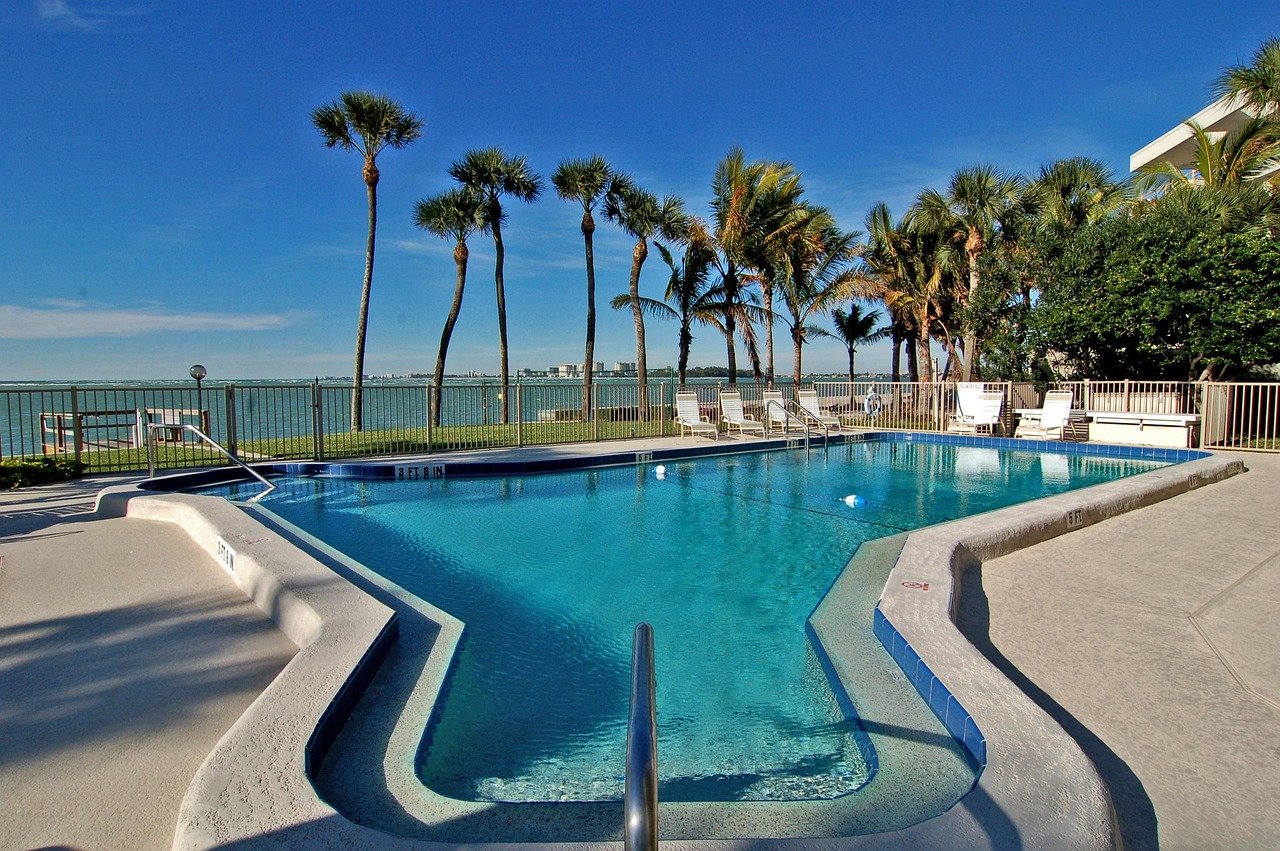
After spending a week camping through the Florida Keys last spring, I discovered something most travelers never realize: America’s most famous island chain isn’t just for luxury resorts and sunset cocktails. Some of the best camping experiences in the entire country are tucked away along that 120-mile stretch of turquoise paradise, and they won’t drain your vacation fund. I’m talking about waking up to ocean breezes, falling asleep to waves lapping at the shore, and having world-class snorkeling spots practically at your doorstep—all for a fraction of what you’d pay at those beachfront hotels everyone talks about.
The Florida Keys offer a completely different kind of camping experience than you’ll find anywhere else in America. You’re not just pitching a tent in the woods; you’re setting up camp in a tropical paradise where the Atlantic Ocean meets the Gulf of Mexico. The water is crystal clear, the sunsets are legendary, and the fishing? Let’s just say I caught my dinner two nights in a row without trying very hard. But here’s what nobody tells you: camping in the Keys requires planning. Like, serious planning. The good spots book up months in advance, especially during winter and spring break season. After learning this the hard way (ended up at a overpriced RV park the first night), I’ve put together everything you need to know about the best campsites in the Florida Keys, plus how to actually get a reservation without losing your mind.
Why Camp in the Florida Keys?
Beyond the obvious appeal of tropical island camping on a budget, the Florida Keys offer something truly unique: accessibility to world-class outdoor adventures without the luxury markup. When I stayed at Bahia Honda State Park, I could literally walk from my tent to one of the most beautiful beaches in the Keys within five minutes. Try finding that kind of access at a hotel without paying $400+ per night. Plus, camping puts you in the heart of the action. Instead of driving to attractions, you’re already there. I rolled out of bed, grabbed my snorkel gear, and was swimming alongside tropical fish before most tourists had even finished their hotel breakfast buffets.
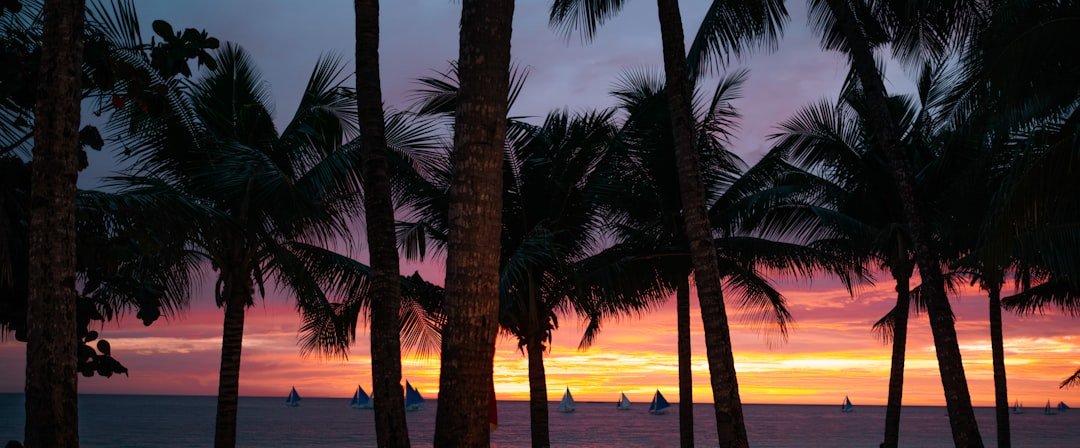
The budget aspect is huge. While hotels in Key West routinely run $250-500 per night during peak season, I paid $36 per night plus taxes and fees at Bahia Honda. Even with a rental car and campground fees, my entire week-long trip cost less than three nights at a mid-range resort. And let’s be real: camping in the Keys isn’t exactly “roughing it.” Most campgrounds offer hot showers, electric hookups, and easy access to supplies. You get the adventure experience without sacrificing basic comforts. If you’re looking to explore lightweight travel tents that can handle tropical conditions, you’ll find plenty of options that balance comfort with portability. For more budget travel inspiration, check out my guide to affordable spring break beach getaways that won’t break the bank.
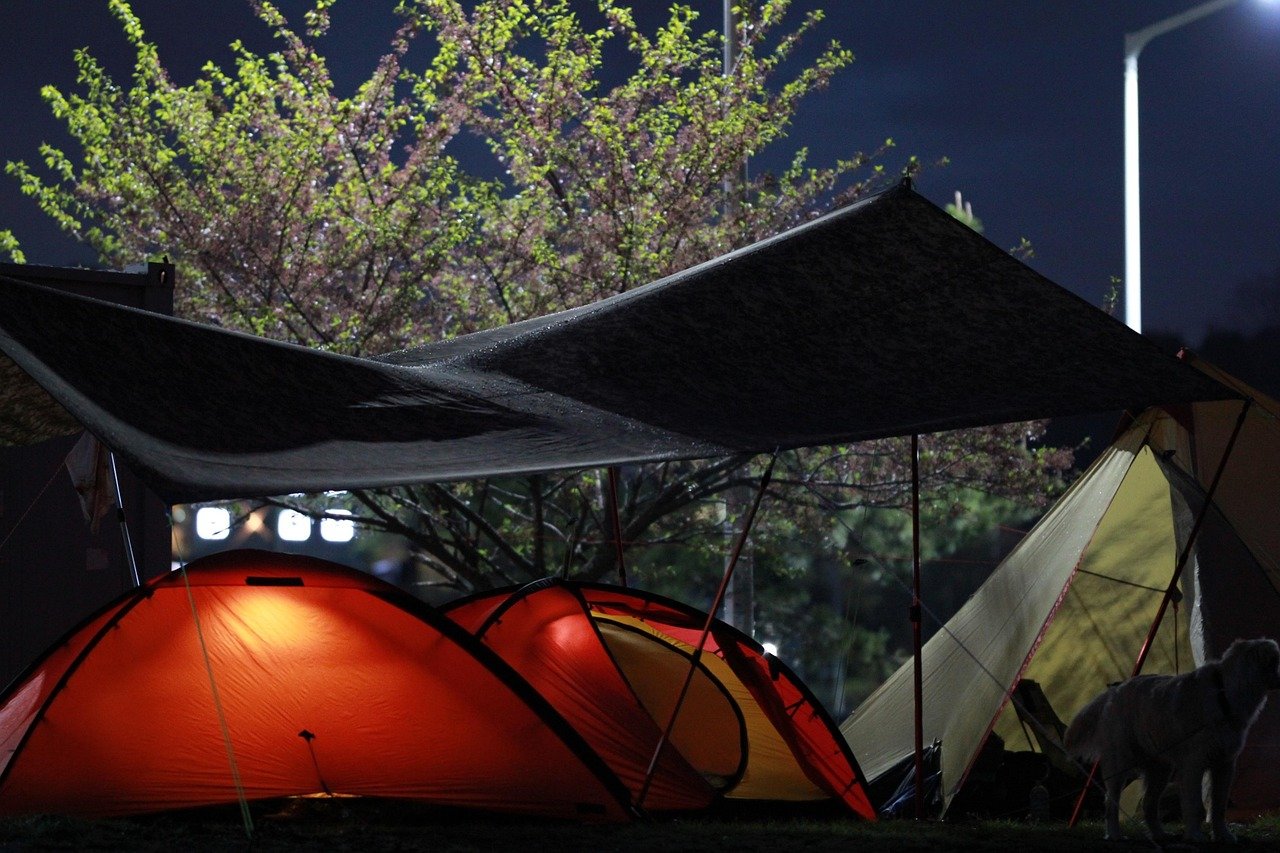
Bahia Honda State Park: The Crown Jewel
Bahia Honda State Park is hands-down the most spectacular campground in the Florida Keys, and I’m not just saying that because it’s consistently ranked among the best beaches in America. The campground sits on both the Atlantic Ocean and the Gulf of Mexico, giving you your pick of waterfront views. I lucked into a site on the Gulf side, which meant calm waters perfect for morning kayaking and sunsets that literally stopped me in my tracks mid-setup. The park has three beaches: Calusa Beach on the Gulf side (calm, shallow water—perfect for families), Loggerhead Beach on the Atlantic (better for snorkeling), and the famous Sandspur Beach (currently undergoing restoration as of 2026, so call ahead).
The camping setup here is excellent. You’ve got hot showers, clean restrooms, and picnic tables at each site. The RV sites have water and electric hookups, while tent sites are more rustic but still within easy walking distance of everything. I paid $36 per night plus tax, plus a $6.70 reservation fee and a $7 nightly utility fee if you need electric (only for RVs). Tent campers skip the utility fee, bringing your total to around $43 per night—still incredible for this location. The park also offers canoe and kayak rentals, plus a snorkeling tour that takes you to Looe Key Reef, one of the best dive spots in the Keys. Pro tip: Book exactly 11 months in advance if you want waterfront sites. They sell out within hours of opening reservations.
What makes Bahia Honda special is the sheer variety of activities. I spent mornings snorkeling the coral reefs just offshore, afternoons lounging on Calusa Beach (the water is so shallow you can walk out hundreds of yards), and evenings grilling fresh-caught fish at my campsite while watching the sun dip below the horizon. The Old Bahia Honda Bridge, which was part of the original Overseas Railroad, offers incredible photo opportunities and is perfect for sunset watching. If you’re into fishing, the waters around Bahia Honda are teeming with bonefish, permit, and tarpon. Just make sure you pack proper compact travel fishing gear—space is limited at campsites, so collapsible equipment is your friend.
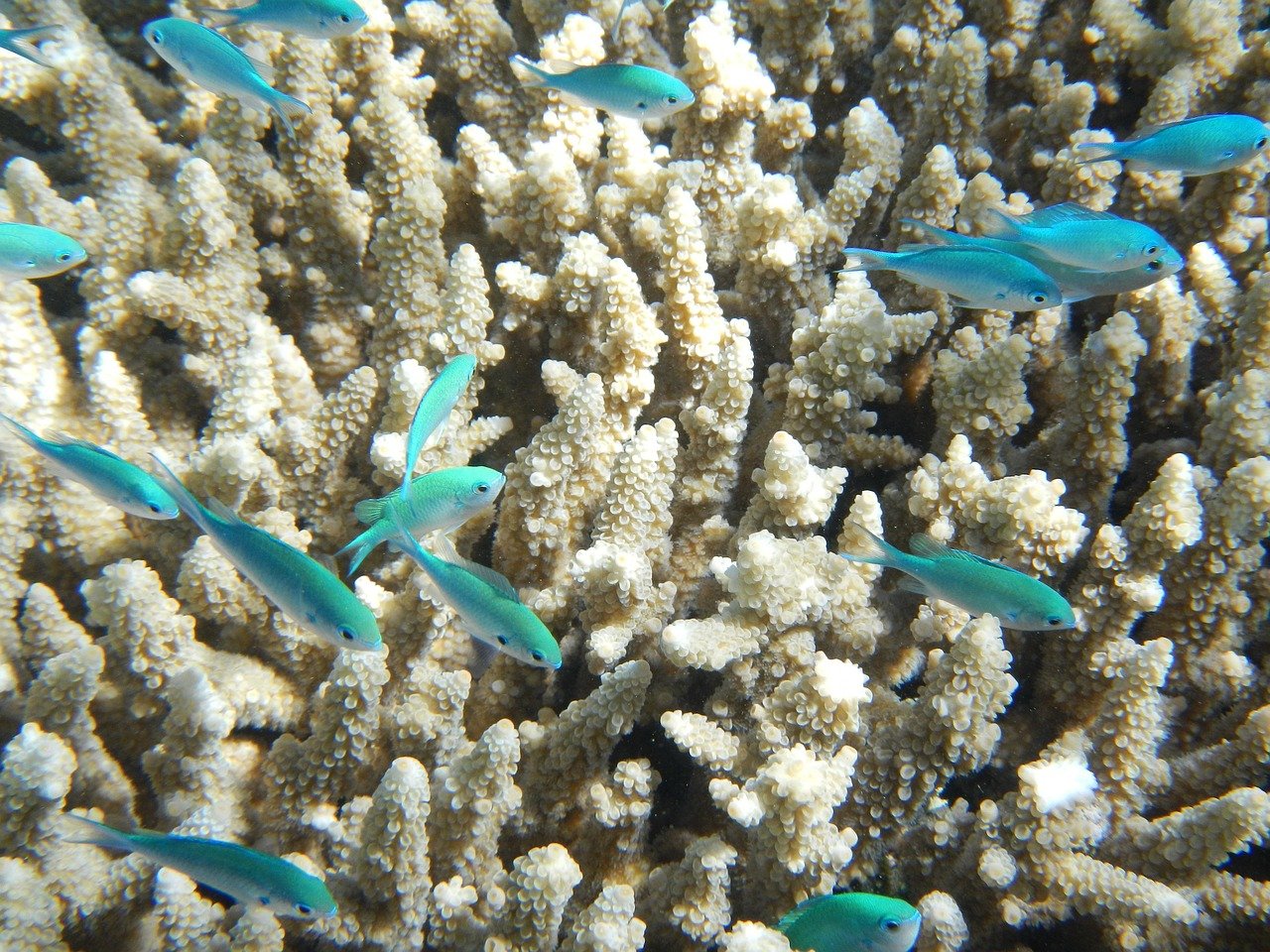
John Pennekamp Coral Reef State Park: Underwater Wonderland
Located in Key Largo at the very top of the Keys, John Pennekamp Coral Reef State Park is America’s first underwater preserve and arguably the best destination for snorkelers and divers. The campground here is smaller and more basic than Bahia Honda, but the location is unbeatable if you’re serious about exploring the Florida Keys National Marine Sanctuary. I spent two nights here specifically to access the offshore reefs, and I wasn’t disappointed. The park offers glass-bottom boat tours, snorkeling excursions, and scuba diving trips that depart directly from the campground marina. If you’re interested in other Florida beach destinations, I also recommend checking out Fort Myers Beach, a Gulf Coast paradise that’s rebounding beautifully.
The campground itself is functional rather than fancy. You’ll find paved sites with picnic tables, grills, and access to hot showers. What you won’t find are oceanfront views—most sites are tucked into the mangroves, which provides privacy but less scenery. However, you’re just a short walk or bike ride from the visitor center, beaches, and marina. Rates are competitive with state park standards, usually running $30-40 per night depending on your setup. The real draw here is the access. At 7 a.m., while most tourists were still driving down from Miami, I was already in the water exploring Molasses Reef, watching sea turtles glide past and counting colors of tropical fish I didn’t even know existed.
Pennekamp is perfect if you’re bringing your own snorkel or dive gear, but the concessionaire rents equipment if you’re traveling light. The glass-bottom boat tour is worth it even if you don’t swim—you’ll see coral reefs and marine life without getting wet. The park also has excellent kayaking trails through the mangroves, where I spotted manatees and rays during a morning paddle. One thing to note: the campground can be noisy at times due to its location near Highway 1. If you’re a light sleeper, pack some quality sleeping earplugs or request a site away from the road when you reserve.
Long Key State Park: The Quiet Alternative
If Bahia Honda is the popular kid everyone talks about, Long Key State Park is the quiet, underrated sibling that locals try to keep secret. Located between Marathon and Islamorada, Long Key offers a more laid-back camping experience with fewer crowds and equally stunning scenery. The campground is smaller (only about 60 sites) and more primitive, but what it lacks in amenities it makes up for in atmosphere. I spent a peaceful night here listening to waves crash on the Atlantic side, and honestly? It might be my favorite spot in the entire Keys for pure relaxation.
The park is famous for two things: incredible sunrises and excellent fishing. Each campsite has an ocean view (yes, every single one), and there’s a nature trail that winds through mangroves and ends at a perfect sunrise viewing platform. I woke up early my first morning, grabbed coffee, and watched the sun paint the sky in oranges and pinks while dolphins played in the surf just offshore. It’s the kind of moment that reminds you why you started camping in the first place. The fishing here is legendary—Long Key was a favorite fishing destination of presidents and celebrities in the mid-20th century. The campground has a boat ramp and cleaning station, making it ideal if you’re bringing a fishing setup.
Facilities are basic but adequate. You’ll find restrooms, hot showers, and a dump station for RVs, but there’s no camp store, so bring everything you need. Sites are spacious and private, with vegetation buffers between most spots. Rates are typically $30-35 per night, making it one of the more affordable options in the Keys. What I loved most about Long Key was the sense of solitude. Even when the campground was full, it never felt crowded. I spent an entire afternoon reading in my hammock without seeing another person. If you’re looking to escape and disconnect, this is your spot. Just make sure you have reliable portable power for camping—electric hookups aren’t available at every site.
Big Pine Key RV Park: Comfort Meets Paradise
Sometimes you want the Keys experience without giving up every comfort of home. That’s where Big Pine Key RV Park shines. Located on Big Pine Key (about 30 minutes from Key West), this RV resort offers a bit more luxury while still keeping you connected to the natural beauty of the Keys. Formerly known as Big Pine Key Fishing Lodge, the park has been renovated and upgraded while maintaining its laid-back Keys atmosphere. I stayed here for two nights during my trip, and it was the perfect mid-range option—nicer than a state park but far more affordable than Key West resorts.
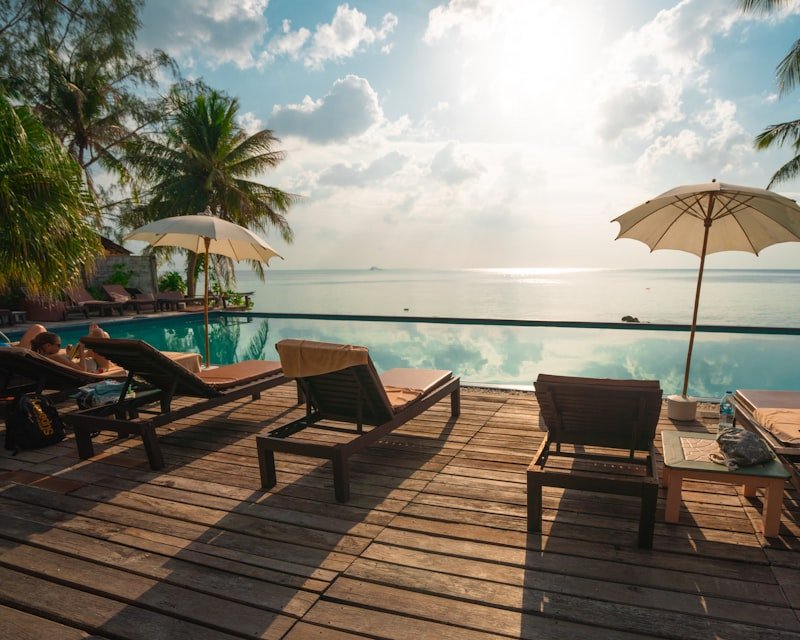
What sets Big Pine Key RV Park apart is the variety of camping options. You can choose from waterfront RV sites with full hookups, rustic tent campsites tucked into the vegetation, or even luxury rentals like Airstreams and travel trailers if you don’t have your own gear. This flexibility makes it perfect for groups with different camping styles. The resort also offers amenities you won’t find at state parks: a camp store, laundry facilities, and organized activities during peak season. I appreciated the convenience of being able to grab ice, firewood, and last-minute supplies without driving 20 minutes to the nearest store.
The location is strategic—Big Pine Key is close enough to Key West for day trips but far enough away to avoid the crowds and prices. It’s also home to the National Key Deer Refuge, where you can spot the tiny Key deer (an endangered species found only here) roaming freely. I saw several does and fawns right from my campsite. Rates vary based on site type and season, but generally run $50-80 per night for RV sites and $30-50 for tent sites. It’s pricier than state parks but still significantly cheaper than hotels, especially considering the amenities. The resort is also very popular during Mini Lobster Season in late July—book months in advance if you’re planning a summer trip.
Boyd’s Campground: Key West on a Budget
Let’s be honest: most people visiting the Florida Keys want to experience Key West, but most can’t stomach Key West prices. Boyd’s Campground solves that problem. Located on Stock Island (just across the bridge from Key West), Boyd’s offers the closest camping to Duval Street at a fraction of the cost. It’s not glamorous—the sites are cramped, it’s right off the highway, and you’re definitely not here for the scenery. But you are five minutes from downtown Key West, and that’s worth the tradeoff if you want to experience Mallory Square sunset celebrations, Duval Street nightlife, and everything else Key West offers without paying $300+ per night for a hotel room.
Boyd’s is a no-frills operation. You get a basic site with water and electric hookups, access to restrooms and showers, and not much else. But that’s kind of the point—you’re not here to hang out at the campground. You’re here to explore Key West. I stayed here for one night during my trip, spent the entire day and evening exploring Key West, then crashed at the campground before driving home the next morning. It worked perfectly. Rates are surprisingly reasonable for the location, typically $60-90 per night depending on season and site type. Compare that to $250-400 for even a basic Key West hotel, and it’s a no-brainer for budget travelers.
The campground is popular with RVers and snowbirds, so it can feel a bit crowded during peak season. Tent campers might feel squeezed—the sites are really designed for RVs. But if you’re doing a Keys road trip and want to experience Key West without breaking the bank, Boyd’s gets the job done. Just don’t expect a resort atmosphere. You’re here for the location, not the amenities. If you need supplies, there’s a Walmart and various restaurants nearby on Stock Island. And if you’re planning to explore Key West by bike, consider bringing or renting a folding travel bike—parking in Key West is expensive and bike parking is free.
Budget Tips for Florida Keys Camping
Camping in the Keys already saves you money compared to resorts, but there are ways to stretch your budget even further. First and foremost: book early. I mentioned this before, but it bears repeating—Bahia Honda waterfront sites book up 11 months in advance, sometimes within hours of reservations opening. Use Campnab, a service that alerts you when cancelled campsites become available. I scored a prime Bahia Honda spot over Christmas week using this trick. Second, travel during shoulder season. Late April through May and September through November offer great weather, fewer crowds, and lower rates. Winter and spring break are peak seasons with prices to match. If you’re looking for other early spring beach destinations before the summer crowds arrive, the Keys offer a perfect alternative to popular spots.
Stock up on supplies before you reach the Keys. Groceries, sunscreen, bug spray, and alcohol are significantly more expensive in the Keys than on the mainland. I stopped at a Walmart in Florida City before driving south and saved easily 30-40% on supplies. Cooking at your campsite instead of eating out every meal will also save you a fortune. Pack quality camping cooking equipment and grill your catch of the day or prepare simple meals. Most state parks have grills at each site, and the seafood is fresh enough that you don’t need to do much to it.
Take advantage of free activities. Swimming, snorkeling, beachcombing, hiking nature trails, and stargazing don’t cost a dime. Many state parks offer free ranger programs and guided walks. I attended a sea turtle talk at Bahia Honda that was fascinating and completely free. If you’re traveling with a group, split costs on campsites and supplies. Most state park sites allow two tents and up to eight people, so you can split the nightly rate multiple ways. Finally, consider shorter trips. Instead of a week, do a long weekend. You’ll still get the Keys experience but spend less on campground fees, food, and supplies.
When to Visit the Florida Keys
Timing is everything when it comes to Keys camping. The winter months (December through February) offer perfect weather—mild temperatures, low humidity, and almost no bugs. This is also peak season, so expect crowds and higher prices. If you can handle 85-90°F heat, September and October are the secret weapons for Keys camping. The weather is still warm enough for swimming, the summer crowds have gone home, and you’ll often have entire campgrounds to yourself. The tradeoff? It’s hurricane season, so keep an eye on weather forecasts and purchase travel insurance that covers cancellation due to storms.
Spring (March through May) is arguably the best overall time to visit. Temperatures are comfortable, the water is warming up, and you’ll avoid the worst of hurricane season while still beating the summer crowds. April and May are particularly sweet spots—fantastic weather, thinner crowds, and lower prices than winter. Summer (June through August) is hot and humid, with frequent afternoon thunderstorms. However, if you don’t mind the heat, you’ll find the lowest prices of the year and virtually no competition for campsites. Just pack plenty of sunscreen, stay hydrated, and be prepared for sudden rain showers. A quality waterproof dry bag is essential for keeping your gear dry during those afternoon downpours.
What to Pack for Keys Camping
Packing for the Keys requires some specialized gear. Sun protection is non-negotiable—bring high-SPF sunscreen, a wide-brimmed hat, polarized sunglasses, and lightweight long-sleeve shirts for snorkeling. The Florida sun is intense, especially on the water. Bug spray is also essential, especially for dawn and dusk when mosquitoes are most active. I recommend a picaridin-based spray rather than DEET—it’s less corrosive to gear and works just as well. Your tent should have good ventilation—temperatures can remain warm at night even in winter, and airflow makes a huge difference.
Water shoes or sandals with grips are crucial for rocky shorelines and coral reefs. I cut my feet on my first Keys trip before learning this lesson. A dry bag will protect electronics and other valuables from salt spray, sudden rain, and boat splashes. If you’re planning to snorkel or dive, consider bringing your own mask and snorkel—rental gear is available but nothing fits as well as your own. For fishing, compact travel rods that break down into small sections are ideal for fitting into packed cars and small campsites. And definitely invest in quality solar power stations for keeping devices charged—remote campsites often have limited electric hookups.
Don’t forget entertainment for downtime. The Keys are famous for relaxing, and you’ll have plenty of downtime between beach sessions and snorkeling trips. A hammock is perfect for napping between activities, a waterproof speaker for campsite music, and binoculars for spotting wildlife—manatees, dolphins, and countless bird species are common around Keys campgrounds. Finally, bring cash. Many campgrounds, especially smaller private ones, may not accept cards, and having cash on hand is always smart for tips, parking, and small purchases throughout the Keys. And don’t forget to pack some compact first-aid kits—basic medical supplies can be expensive and hard to find in remote areas of the Keys.
The Bottom Line
Camping in the Florida Keys offers an unbeatable combination of adventure, natural beauty, and value. Yes, it requires more planning and preparation than booking a resort, but the experience is infinitely more rewarding. Waking up to ocean waves, cooking fresh-caught fish at your campsite, and falling asleep under stars brighter than you’ll see anywhere else—these are the moments that make travel memorable. And doing it all for a fraction of what most tourists pay? That’s just smart travel.
My week-long Keys camping trip cost less than three nights at a mid-range Key West hotel, yet I experienced more of the real Florida Keys than most resort tourists ever do. I snorkeled pristine coral reefs, caught my own dinner, watched dolphins play from my campsite, and met fellow travelers who shared tips and stories around campfires. You don’t get that from a hotel balcony. So pack your tent, book that site 11 months in advance, and discover why the Florida Keys are America’s most underrated camping destination. The turquoise waters are waiting.
1 thought on “Best Campsites in Florida Keys: 2026 Budget Camping Guide”