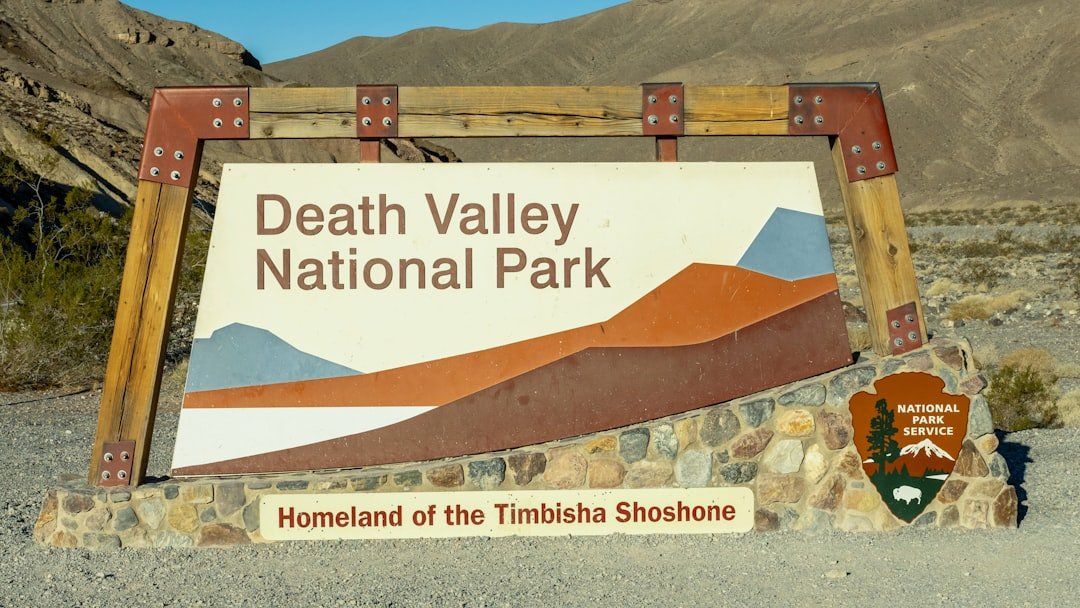
Standing on a hillside below Death Valley’s entrance sign, I watched golden waves of Desert Gold stretch toward the horizon—a sight I’d been waiting ten years to witness. The park’s 2026 superbloom is transforming America’s hottest, driest place into a carpet of yellows, pinks, and purples. After months of perfect winter rains and mild temperatures, dormant seeds that have slept in the sand for decades are finally awakening. This isn’t just a good wildflower year—it’s the best display since 2016, and if you’ve ever considered visiting Death Valley in spring, this is the moment.
I’ve chased wildflowers across the Southwest for years, and there’s something magical about seeing life burst forth in one of Earth’s most extreme environments. What makes Death Valley’s superbloom so special is the sheer scale: millions of flowers covering thousands of acres in a landscape that usually looks like the surface of Mars. The showy yellow Desert Gold dominates the landscape, but look closely and you’ll find Desert Five-Spot with its purple cup-shaped blooms, gravel-loving Mojave Poppy painting washes in orange, and delicate Desert Chicory standing tall against the badlands backdrop.
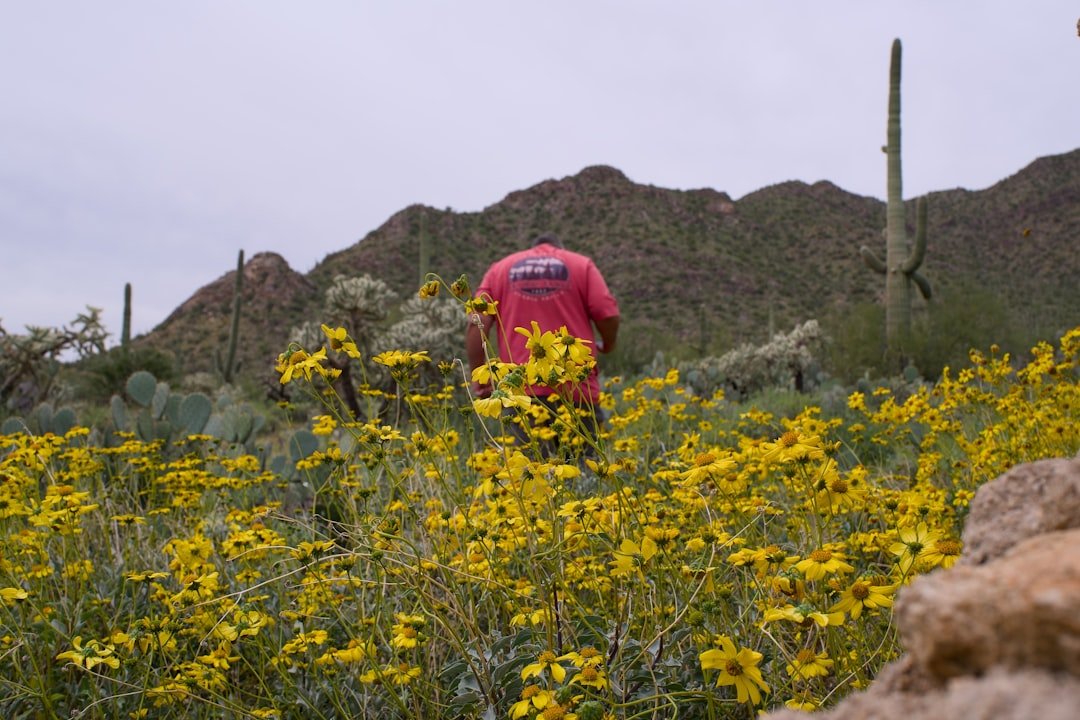 Here’s the thing about superblooms: they’re unpredictable, fleeting, and absolutely worth the effort. The National Park Service is calling this an above-average bloom year—the best in a decade—but timing is everything. Low-elevation flowers are already past peak in some areas and will likely persist only until mid-to-late March, depending on weather. Higher elevations along the mountain slopes will bloom from April through June, extending the season but changing the flower mix. If you’re reading this in March 2026, you’re in the sweet spot for the main show—but you need to plan now.
Best Locations to Catch the Superbloom Right Now
During my recent visit, I found several spots that delivered knock-your-socks-off wildflower displays, though some areas are already fading. The key is knowing where to look—and when. Death Valley is massive (3.4 million acres), so don’t waste time driving randomly. Head straight to these proven locations:
Highway 190 Corridor: This main park road is delivering reliable blooms right now. The hillsides just past the entrance sign are still putting on a show, especially on the back side of the flood control berm—park in the designated pullout, walk to the top, turn left, and you’ll see sprays of gold covering the slopes. Further west, the alluvial fans near Furnace Creek are sporting carpets of yellow that look like sunshine poured across the desert floor.
Artists Drive: This one-way scenic loop is famous for its colorful volcanic rocks, but right now the wildflowers rival the geology. I found thick patches of Sand Verbena (those low-growing pink clusters) mixed with Desert Gold along the lower elevations. The contrast between the pink flowers, yellow blooms, and the green, pink, and brown hillsides creates a photographer’s dream. Go early—parking is limited and this area gets crowded by 9am.
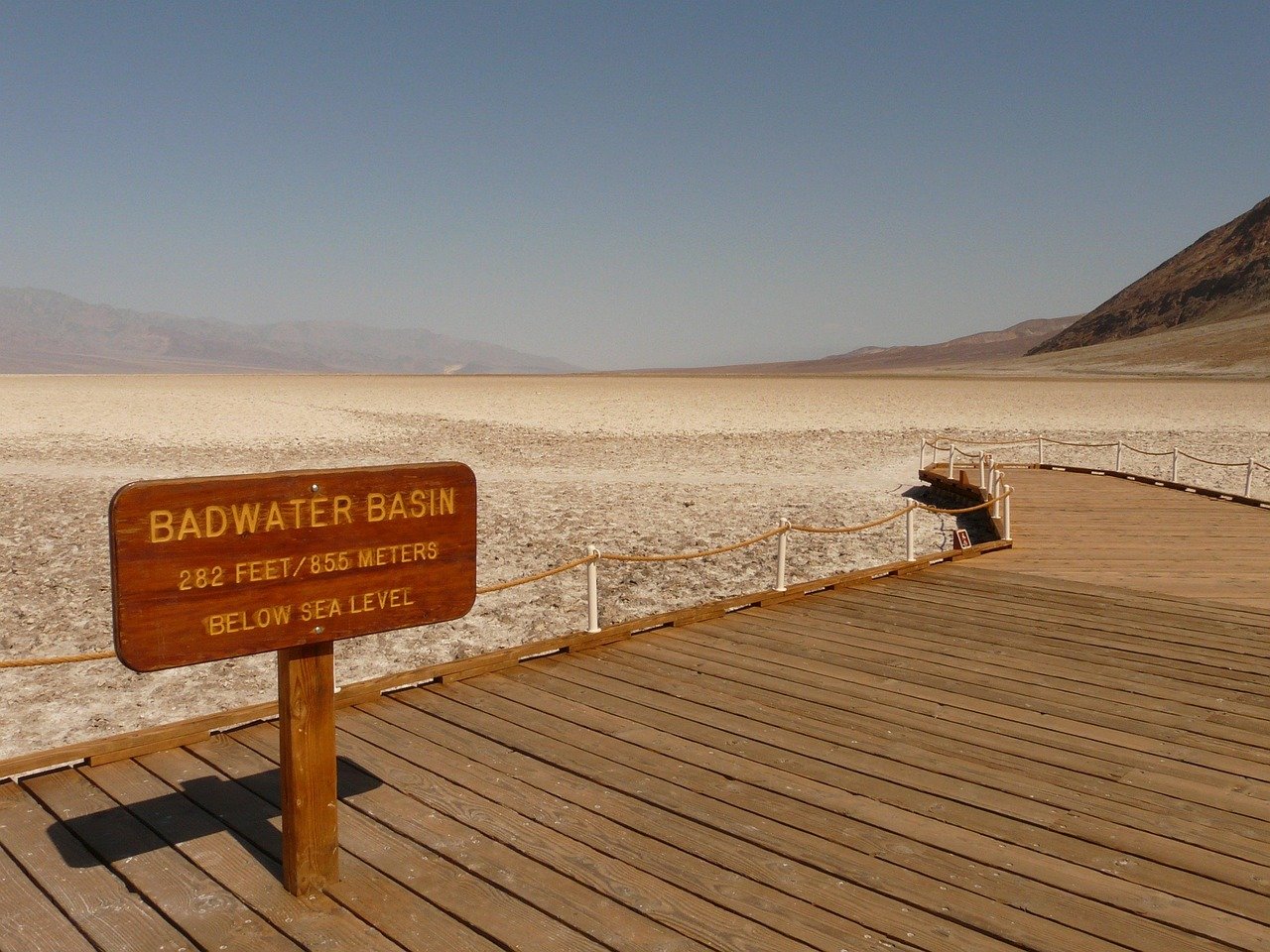
Badwater Basin: North America’s lowest point isn’t typically a wildflower hotspot, but this year is different. The salt flats themselves are still barren (that’s normal), but the alluvial fans above the basin are dotted with Desert Gold and Gravel Ghost. What I love about this location is the composition: delicate white flowers against the vast white salt pan, with the Panamint Mountains rising behind. It’s minimalist, stark, and unexpectedly beautiful.
Ashford Mill Ruins: About 30 miles south of Furnace Creek, this historic mining site is delivering some of the park’s most concentrated displays. The ruined mill provides a perfect focal point for photos, while the surrounding washes are packed with blooms. I spent two hours here just watching the light change across the valley as the sun dropped behind the mountains.
Ubehebe Crater: This massive volcanic crater is at a higher elevation, so its bloom timeline runs later. While lower elevations are past peak, Ubehebe should be hitting its stride in April and May. The crater rim offers sweeping views of wildflower-filled valleys below, and the black volcanic soil creates dramatic contrast with colorful blooms. Plan this as an April destination if you miss the March peak elsewhere.
Practical Gear: What You Actually Need for Death Valley in Spring
Let me be straight with you: Death Valley in spring is deceptively comfortable. Daytime temps in the 60s and 70s feel downright pleasant compared to summer’s 120°F scorchers. But that comfort masks serious hazards. The desert will punish the unprepared, so pack smart. Here’s what I never visit Death Valley without:
Water—and lots of it: The official NPS recommendation is one gallon per person per day, but I carry more. Heat, wind, and dry air suck moisture out of you faster than you realize. I use a 3-liter hydration pack for hands-free drinking while hiking, plus two backup water bottles in the car. Trust me, nothing ruins a wildflower chase faster than dehydration headaches.
Sun protection that actually works: The desert sun at 4,000 feet elevation is no joke. I learned this the hard way years ago, ending a trip with sunburned lips (agony). Now I pack broad-spectrum SPF 50 sunscreen and polarized sunglasses—the sunglasses are crucial for photography, cutting glare and helping you see wildflower colors more accurately.
Layering system: Mornings in the 40s, afternoons in the 70s, nights back to the 40s. That’s spring in Death Valley. I wear a moisture-wicking base layer topped with a lightweight fleece and windproof shell. The shell doubles as rain gear (spring storms happen) and wind protection on exposed ridge hikes. Bottom line: dress like you’re visiting three different climates in one day.
Footwear for mixed terrain: You’ll encounter paved paths, gravel washes, sandy slopes, and rocky scrambles—sometimes in the same hour. I wear lightweight hiking boots with good ankle support. Trail runners work too if you’re sticking to main areas, but the extra stability of boots saved my ankles more than once on uneven desert terrain. Pair them with merino wool hiking socks—they prevent blisters, resist odor (crucial for multi-day trips), and regulate temperature better than cotton.
Navigation and safety tools: Cell service is virtually nonexistent in most of Death Valley. I carry paper topographic maps as backup to GPS, plus a dedicated GPS unit with preloaded waypoints. A satellite messenger provides emergency communication if something goes wrong beyond cell range. These devices once seemed like overkill to me—until I spent an unplanned night in the backcountry. Now they’re essential.
Timing Your Visit: The Narrow Window You Need to Hit
Here’s the brutal truth about Death Valley’s superbloom: you’ve got maybe 3-4 weeks total at each elevation zone. I arrived on March 8th and found low-elevation areas already past peak in some spots. The NPS estimates low-elevation blooms will persist until mid-to-late March, but weather could shorten that window. A sudden heat wave or windstorm can end the show practically overnight.
That said, don’t let past-peak reports scare you away. Even fading displays are spectacular compared to most years. And here’s the secret savvy travelers know: different elevations bloom at different times. Miss the low-elevation peak in March? Head to higher elevations in April and May for the second act. Up-to-date guidebooks and NPS wildflower reports (updated weekly) help you track the bloom’s progression.
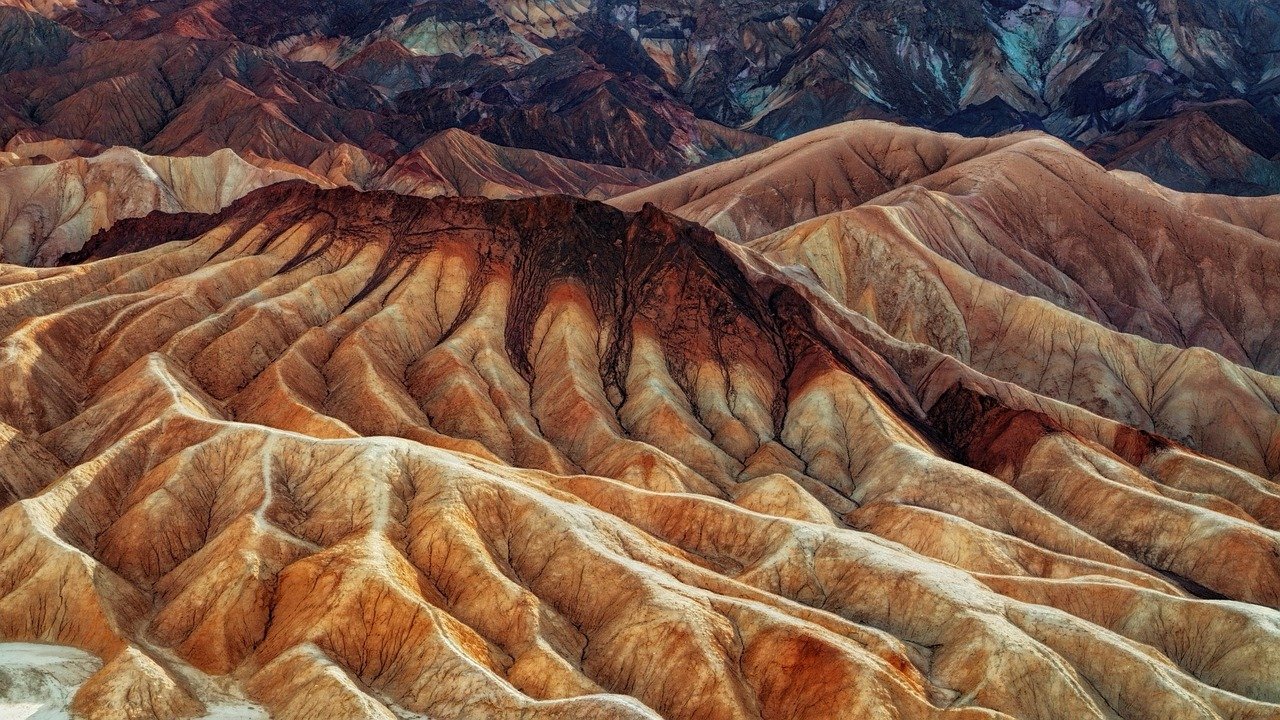
For photographers, timing within the day matters as much as timing within the season. Midday sun washes out colors and kills drama. I aim for golden hour (sunrise and sunset) when low-angle light creates texture and depth. Wildflowers practically glow in the warm morning light, and the soft evening light produces those magazine-cover shots. If you’re serious about aerial perspectives, check NPS regulations first—drone rules in national parks are strict.
Crowds are another timing consideration. Spring is Death Valley’s busiest season. Expect full parking lots by 8am at popular spots like Artists Drive and Badwater Basin. My strategy: arrive at sunrise (6:30-7am in March) for solitude and the best light, then move to less-crowded areas as the day progresses. Having a portable coffee maker in the car makes those early starts feel like a luxury rather than a chore.
Where to Stay: Camping, Lodging, and the Middle Ground
Death Valley’s accommodation options are surprisingly varied, but they book solid during superbloom years. I’ve stayed in everything from luxury resorts to back-of-my-truck campsites, and honestly, each has its place depending on your travel style and budget.
Furnace Creek Resort Area: This is the park’s main hub, with two distinct options. The Inn at Furnace Creek is upscale—pool, restaurant, AC, proper beds—and shockingly civilized given the remote location. The Furnace Creek Ranch is more basic but still comfortable. Both put you central to major wildflower areas and offer the convenience of on-site dining. Book months in advance during superbloom years—seriously.
Stovepipe Wells Village: About 30 miles northwest of Furnace Creek, this smaller option offers motel-style rooms, a restaurant, and general store. I like Stovepipe Wells for its proximity to Mesquite Flat Sand Dunes (great for sunrise wildflower photography) and lower key vibe. It’s also often easier to book than Furnace Creek.
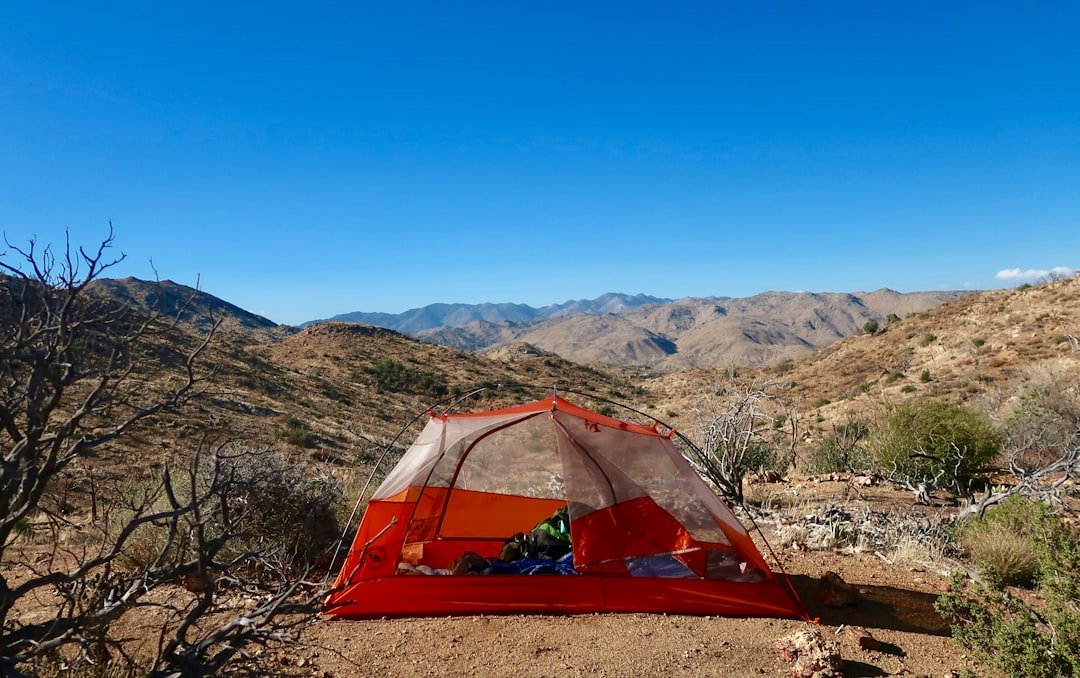
NPS Campgrounds: Death Valley has nine campgrounds, and most operate first-come, first-served. Furnace Creek and Stovepipe Wells accept reservations and fill fast. I’ve lucked into sites at Emigrant (mid-park, quieter) and Texas Spring (near Furnace Creek) by arriving mid-week. A quality 3-season tent plus 30°F sleeping bag handles March nights comfortably. Pro tip: campgrounds at higher elevations (like Emigrant) stay cooler and are often less crowded.
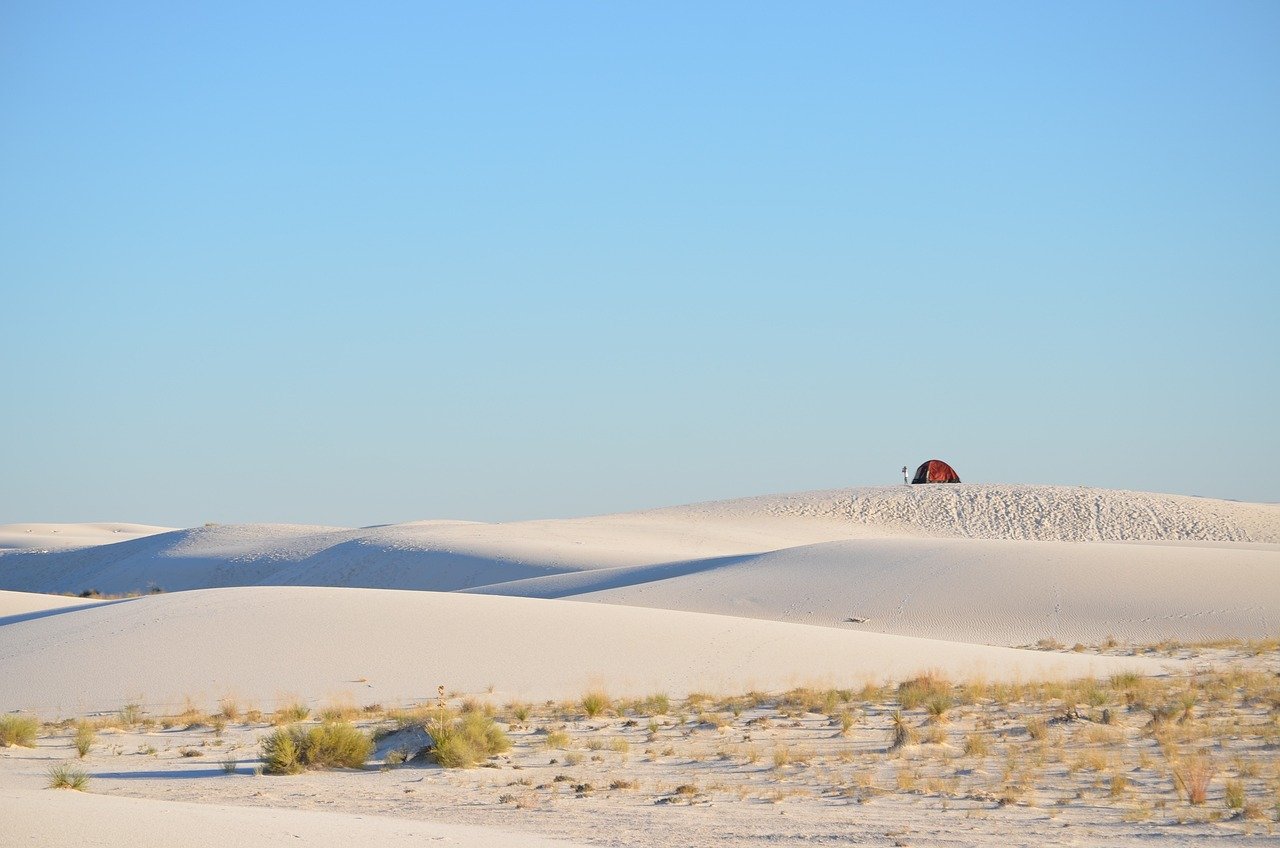
Dispersed Camping: Much of Death Valley allows backcountry camping with some restrictions. This is my favorite way to experience the park—pitch your rooftop tent or regular tent on an isolated bajada, fall asleep under more stars than you’ve ever seen, and wake up to wildflowers outside your door. Key requirements: camp at least 200 feet from roads/trails, pack out everything, check current fire restrictions, and be fully self-contained. Backcountry registration is free but required.
Gateway Towns: If park accommodations are full, base yourself outside. Beatty, Nevada (30 miles east) has motels and casinos. Pahrump, Nevada (60 miles east) offers more lodging and services. Lone Pine, California (100 miles south) puts you within range of the Alabama Hills (film location for tons of Westerns) and Mt Whitney. Not ideal for daily Death Valley access, but workable if you’re exploring the broader region.
Safety First: The Real Risks of Desert Travel
I’ve seen firsthand how quickly Death Valley can turn from paradise to peril. Here’s what keeps me safe in the desert:
Never hike alone without telling someone: Leave your itinerary with a trusted person. Include your route, expected return time, vehicle description, and emergency contacts. Death Valley’s vastness means a twisted ankle or heat exhaustion can become life-threatening if no one knows you’re missing. A personal locator beacon provides added security for solo travelers like me.
Stay on marked trails and roads: The desert soil is fragile—cryptobiotic crusts take decades to form and seconds to destroy. Beyond ecological damage, off-road travel is dangerous. Deep sand, sudden drop-offs, and uneven surfaces trap vehicles annually. If you’re driving with a tire inflator and emergency car kit in your vehicle, you’re better prepared for flats or breakdowns in remote areas.
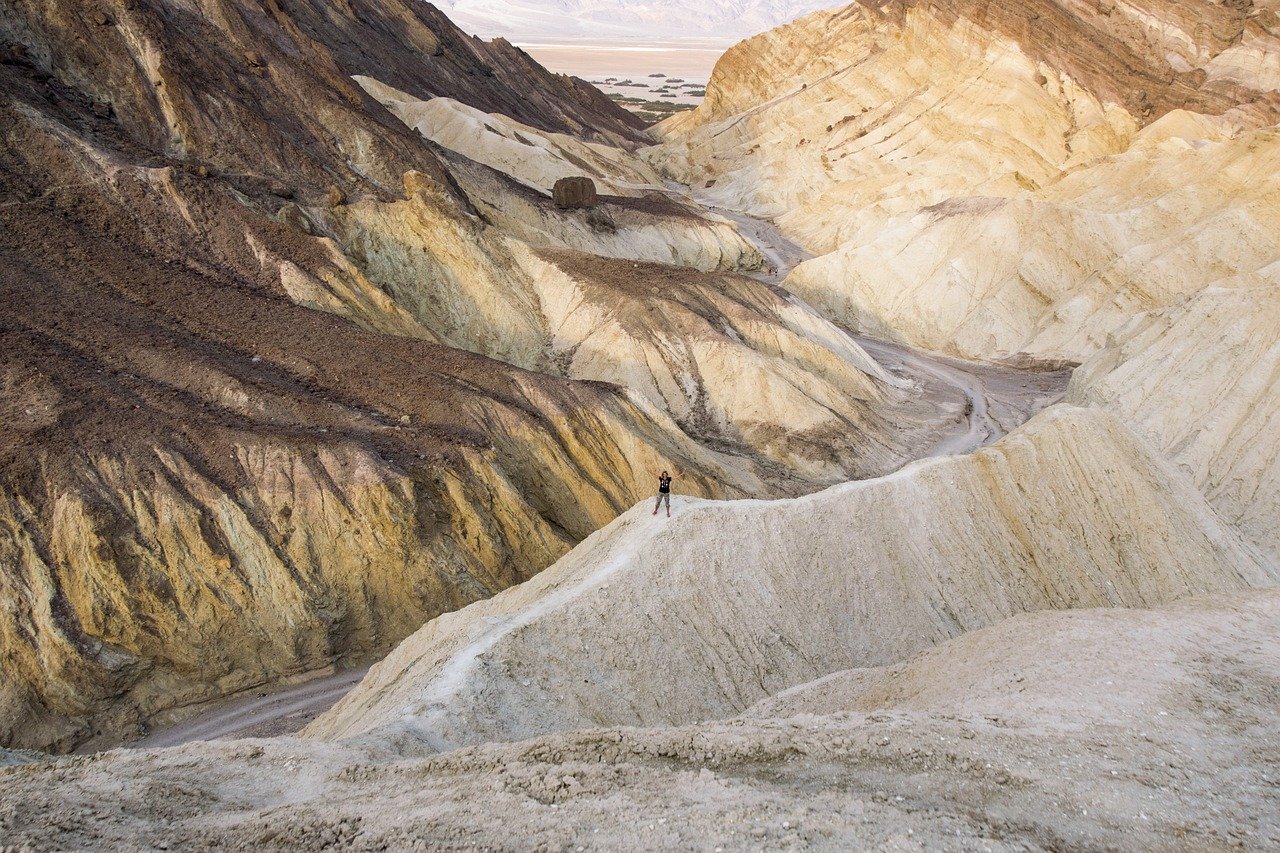
Know your limits: Death Valley’s elevations range from -282 feet to 11,049 feet. That’s massive. Altitude sickness can hit anyone, even at moderate elevations. Start slow, drink constantly, and rest frequently. I turn back if I feel dizzy, nauseous, or unusually fatigued—symptoms I’ve learned to respect over years of desert travel.
Wildlife awareness: Rattlesnakes, scorpions, and desert tarantulas call Death Valley home. They’re generally not aggressive but will defend themselves if threatened. Watch where you put your hands and feet. Trekking poles help you probe ahead in brush and loose rock, plus they reduce knee strain on uneven terrain. Greet snakes with a wide berth—they’re part of the ecosystem, not enemies.
Photography Tips: Capturing the Superbloom Like a Pro
After years of photographing Death Valley’s wildflowers, I’ve learned techniques that consistently deliver stunning images. The key is understanding light, composition, and the unique challenges of desert photography.
Shoot during golden hour: This is non-negotiable. The hour after sunrise and hour before sunset transform the desert. Harsh midday light flattens colors and kills texture. Golden hour light is soft, warm, and directional—perfect for illuminating delicate wildflowers and creating dramatic shadows. I set my alarm for 5:30am to catch sunrise at Badwater Basin. The stillness, the colors, the quality of light—it’s worth every lost minute of sleep.
Get low: Most wildflower shots fail because they’re taken standing up. I kneel, crouch, or even lie on the ground to shoot at flower level. This perspective emphasizes blooms against the landscape rather than looking down on them. A compact camping stool makes low-angle shooting more comfortable, especially on longer sessions. Bonus: you’ll notice details and compositions you’d miss from standing height.
Use foreground/background contrast: Death Valley’s simple landscapes are perfect for layered compositions. Place colorful wildflowers in the foreground, let the mid-ground fade into desert textures, and use mountains or sky as backdrop. This technique creates depth and guides the eye through the image. I look for natural lines—washes, ridges, flower-filled slopes—that lead viewers into the frame.
Embrace weather: Clear blue skies are boring. Clouds add drama, texture, and interest. I’ve gotten some of my best wildflower shots during passing storms or in the dramatic light before thunderheads break. Rain makes colors pop (flowers are more vibrant wet). Wind is the enemy—use a travel tripod and fast shutter speeds to freeze motion, or embrace blur for artistic effect. There’s no bad weather for creative photographers, just different challenges.
Respect the flowers: I never pick, trample, or damage wildflowers for a photo. Not only is it illegal in national parks, it’s ethically wrong. The NPS reports that some flowers can cause skin irritation anyway, so avoid handling them. Use proper camera equipment for close-up detail without contact, or physically stabilize your camera instead of bracing against plants. Leave blooms for others to enjoy.
Beyond the Blooms: Don’t Miss These Death Valley Highlights
While wildflowers are the star attraction this spring, Death Valley offers world-class sights that deserve your time. I recommend building these into your itinerary:
Mesquite Flat Sand Dunes: These pristine dunes are most photogenic at sunrise and sunset when low-angle light creates dramatic shadows ripples across the sand. The highest dune is about 100 feet—perfect for climbing without committing to an all-day hike. I’ve spent entire mornings here just watching light play across the curves. Desert gaiters keep sand out of your boots, which sounds minor until you’ve hiked with sand in your shoes.
Dante’s View: At 5,475 feet, this overlook delivers the most sweeping views in Death Valley. On clear days, you can see both the lowest point (Badwater Basin at -282 feet) and highest point (Telescope Peak at 11,049 feet) in the contiguous United States. The road up is steep but paved, and the view alone is worth the drive. Bring layers—it’s significantly cooler than the valley floor.
Devil’s Golf Course: This surreal landscape of jagged salt formations looks like another planet. The name comes from a 1934 NPS guidebook claiming only the devil could play golf here. The formations are sharp enough to damage shoes, so wear sturdy footwear. I love this spot for black-and-white photography—the textures and shapes are incredible without color.
Racetrack Playa: The famous sailing stones leave tracks on this dry lakebed, and scientists only recently figured out how they move (thin ice sheets pushed by wind push stones across wet mud). The road is rough—high clearance recommended—and it’s a 27-mile drive each way from Ubehebe Crater. Plan 3-4 hours minimum. The playa itself is flat, but the approach through the Cottonwood Mountains offers stunning desert scenery.
The Bottom Line: Is This Superbloom Worth the Trip?
After visiting Death Valley during multiple bloom years, including 2016’s last superbloom, here’s my honest take: yes, absolutely. But go for the right reasons. Don’t expect carpet-to-carpet flowers in every direction. Do expect a transformed desert landscape that shows how resilient life can be in Earth’s most extreme environments.
The 2026 superbloom is special because it’s the best display in a decade. Dormant seeds that have waited years for the right conditions are finally germinating. This isn’t guaranteed to happen again anytime soon—superblooms require perfect winter rainfall, temperature, and timing conditions. Missing this one could mean waiting another decade for the next show.
Practically speaking, plan for 3-4 days minimum. That gives you time to hit all major wildflower areas without rushing, plus explore Death Valley’s otherworldly landscapes. Budget for park entrance ($30 per vehicle, valid 7 days), gas (prices in the park are high—fill up in gateway towns), and accommodations that book solid. Consider a National Parks Pass if you’re visiting multiple parks this year.
Most importantly, go soon. The window is closing. Low-elevation blooms will likely fade by late March, and while higher elevations extend the season, you’ll miss the main event if you wait too long. I’m already planning my return trip in early April to catch the higher-elevation blooms—and to witness how the landscape changes as spring progresses toward summer.
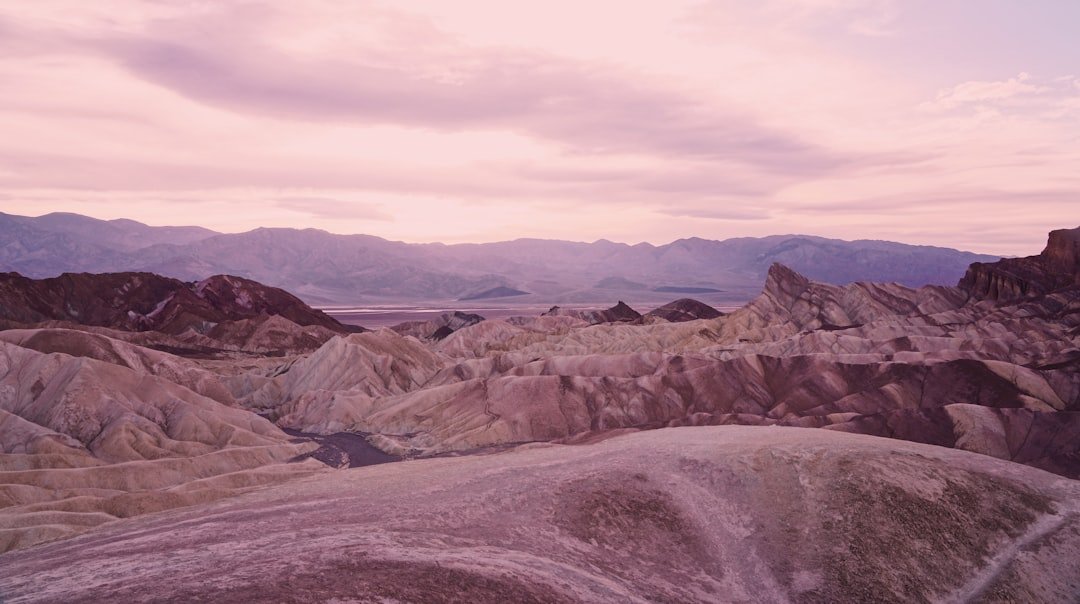
Death Valley’s superbloom is more than just pretty flowers. It’s a reminder of nature’s capacity for surprise, resilience, and breathtaking beauty in the most unlikely places. Standing on a hillside surrounded by millions of blooms, with the Panamint Mountains glowing gold in sunset light, I felt that same wonder I felt seeing my first desert wildflower years ago. That feeling never gets old—and this year, it’s better than it’s been in a decade.
Don’t wait. Pack your day pack, fill your water bottles, and go see what ten years of waiting looks like when Death Valley finally decides to put on a show.
1 thought on “Death Valley’s 2026 Superbloom: A Once-in-a-Decade Event You Can’t Miss”