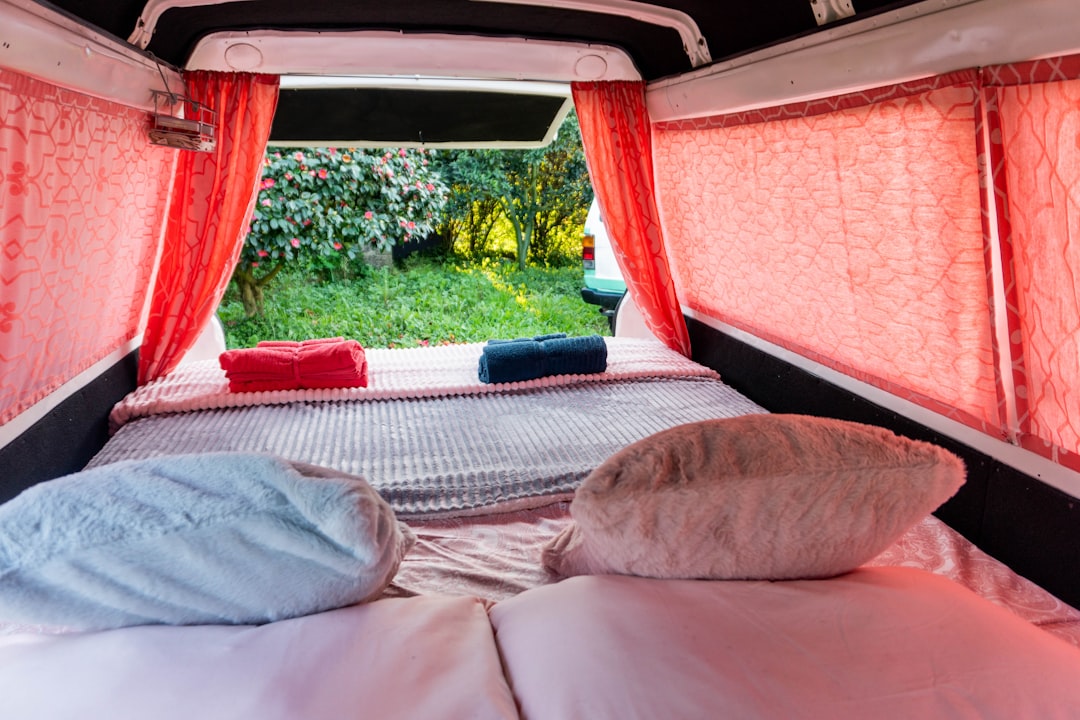
Three years ago, I stood in a parking lot staring at a 2016 Ford Transit with $87,000 in savings, wondering if I was making the biggest mistake of my life. I’d just quit my marketing job, sold almost everything I owned, and was about to convert this cargo van into a rolling home. Everyone told me vanlife was expensive—a money pit disguised as freedom on Instagram. But here’s what nobody tells you: vanlife costs exactly what you want it to cost, and I’ve met people living comfortably on $1,200 a month while others blow through $4,000. After three years on the road, tracking every single expense across 38 states, I’m breaking down exactly what vanlife really costs in 2026.
The numbers might surprise you. My first year, I spent $28,400 total—roughly $2,366 monthly. But here’s the thing: $12,000 of that went into my initial buildout, meaning my actual living expenses averaged $1,366 per month once the van was finished. Last year? I spent $18,200 total, averaging $1,516 monthly with zero major repairs. That’s less than rent in most mid-sized cities, and I wake up to ocean sunsets in Oregon, mountain overlooks in Colorado, and desert sunrises in Arizona. Let me show you exactly where that money goes.
The Setup Costs: What It Really Takes to Get Rolling
Before we talk monthly expenses, let’s address the elephant in the room: building out a van isn’t cheap. But it doesn’t have to cost $60,000 like those YouTube makeovers suggest. My total buildout came to $11,800, and I’ve met plenty of vanlifers who’ve done it for under $8,000. Here’s my breakdown: the van itself cost $28,000 (used 2016 Transit with 67,000 miles), insulation and wall panels ran $1,200, my electrical system—solar panels, batteries, inverter—cost $3,400, the bed platform and storage framing ate up $1,800, and I spent another $2,400 on finishes, curtains, and vanlife essentials like a portable stove and water container. If you’re tackling the build yourself, I’ve written about practical installation techniques like proper window installation and water system mounting that can save you thousands in labor costs.
Could I have spent less? Absolutely. I know vanlifers who’ve built out their rigs for under $5,000 using reclaimed materials and DIY ingenuity. But I also know people who’ve dropped $40,000 on professional conversions. The sweet spot for most people lands between $8,000 and $15,000 depending on whether you’re handy with tools and how much comfort you need. The good news? These are one-time costs, and vans hold their value surprisingly well if you maintain them. When I eventually sell my Transit, I expect to recoup at least half my initial investment.

Fixed Monthly Costs: The Bills You Can’t Escape
Here’s where vanlife gets interesting: my fixed monthly expenses total $368, and I know people who’ve whittled this down to under $200. Let me break it down. Insurance runs me $127 monthly—I found a specialty vanlife insurer that understands I’m not a commercial vehicle. Phone and internet costs $98 for an unlimited data plan; I work remotely, so reliable connectivity is non-negotiable. I keep a mail forwarding service for $19 monthly, which sends my important mail to wherever I’m camping. Then there’s a maintenance sinking fund: I automatically transfer $124 monthly into a separate account for repairs, tires, and the inevitable mechanical issues that come with high-mileage vehicles.
That’s it. No rent. No utilities. No gym membership I barely use. Compare that $368 to the average apartment rent of $1,800 plus utilities, internet, and insurance, and suddenly vanlife looks pretty reasonable. But—and this is a big but—those fixed costs are just the beginning. The variable expenses are where vanlifers either save a fortune or spend themselves into the poorhouse.
Fuel: The Wildcard That Determines Your Budget
Fuel is my single biggest expense, averaging $447 monthly over the past year. Some months I’ve spent as little as $280 when I’m stationary in one area, working and exploring locally. Other months, like when I drove from Oregon to Florida and back, I’ve dropped over $700 on diesel. Your fuel costs depend entirely on how much you move. I’ve met vanlifers who work seasonal jobs and stay put for months at a time, keeping their fuel under $200 monthly. Then there are the perpetual travelers, crossing the country every season, who regularly spend $600-plus on gas.
Here’s what I’ve learned: driving less doesn’t mean experiencing less. In fact, my favorite months have been the ones where I stayed in one region, really exploring the backroads and hidden gems instead of rushing between highlights. I use fuel price tracking apps to find the cheapest stations along my route, and I’ve learned that premium fuel—while recommended for my diesel engine—isn’t always necessary if I’m not towing or hauling heavy loads. Over three years, that adjustment alone has saved me hundreds.
Camping: From Free to $50 Per Night
This is where vanlife offers the most flexibility. My camping costs average $156 monthly, but that number swings wildly based on my travel style and location. On average, I spend about 40 nights per month in free campsites—Bureau of Land Management land, national forest roads, and boondocking spots I’ve found through apps and local knowledge. Another 10 nights might be in budget campgrounds averaging $20 nightly, usually when I need laundry facilities and reliable showers. The remaining nights split between higher-end RV resorts (when I’m treating myself) and occasional nights in friends’ driveways.
I’ve met vanlifers who virtually never pay for camping, religiously seeking out free spots and maximizing their time on public lands. Others prefer the convenience of established campgrounds with hookups and amenities, budgeting $600-plus monthly for camping fees. Most people fall somewhere in the middle. The key is knowing what you need: if you work remotely and require reliable internet, you might find yourself in paid campgrounds more often. If you’re off-grid and self-sufficient, public land camping is virtually unlimited and free.

Food: Cooking in a Van Versus Eating Out
I average $412 monthly on food, but this category has the most variation among vanlifers I know. Some people treat vanlife as an extended camping trip, cooking simple meals on a portable propane stove and keeping their food costs under $300. Others eat out regularly, spending $600-plus monthly. I land in the middle: I cook breakfast and most dinners in the van, but I’ll grab lunch at a cafe when I’m working in town or exploring a new city.
Cooking in a van has forced me to become a better meal planner. With limited refrigeration (I use a high-quality 12-volt refrigerator), I can’t stock up like I used to. I shop more frequently, buy less, and waste almost nothing. I’ve also learned that having the right compact cookware makes a huge difference—a good cast iron skillet, a quality pot, and sharp knives turn simple ingredients into restaurant-quality meals. The bonus? Eating in means I’m supporting my budget instead of someone else’s profit margin.

Miscellaneous: The Unexpected Costs Nobody Talks About
This is the category that catches most new vanlifers off guard, averaging $132 monthly for me. It includes everything from portable shower memberships to truck stop laundry, from campground reservations to unexpected gear replacements. Last month, I spent $200 replacing worn-out suspension components—routine maintenance for a high-mileage vehicle, but still an expense I hadn’t anticipated. The month before, I dropped $150 on a backup solar panel after my primary system needed repairs.
The smartest vanlifers I know treat their miscellaneous budget like an insurance policy, setting aside $100-$150 monthly regardless of whether they need it. Some months, that money rolls over to the next. Other months, it disappears instantly on repairs or replacements. The key is anticipating these expenses rather than being blindsided by them. I also keep a separate emergency fund for major repairs—three months of living expenses, stored in a high-yield savings account. In three years, I’ve had to dip into it twice.

So What’s the Real Monthly Total?
Add it all up, and my average monthly expenses come to $1,516: $368 in fixed costs, $447 for fuel, $156 for camping, $412 for food, and $132 for miscellaneous expenses. Some months I’ve spent as little as $1,200. Others, like when I replaced my tires and brake pads, I’ve edged toward $2,000. But compared to my previous life—$1,800 for rent, $350 for utilities, $450 for food, $300 for car payments and insurance, plus all the other expenses that come with stationary living—vanlife has saved me roughly $800 monthly, and that’s not even counting the income I’ve earned from remote work while traveling.
I’ve met vanlifers living on $1,000 monthly by working seasonal jobs, minimizing driving, and maximizing free camping. I’ve also met couples spending $4,000 monthly on luxury vanlife, eating out regularly, staying in high-end RV resorts, and driving cross-country every few weeks. The point isn’t that there’s one right number—it’s that vanlife gives you control over your expenses in a way traditional housing never can.
The Hidden Savings Nobody Calculates
Here’s what vanlife budget breakdowns usually miss: the money you stop spending. No more furniture purchases. No more home improvement projects. No more commuting costs. No more buying stuff to fill rooms you barely use. In my first year of vanlife, my overall spending dropped by nearly $15,000 compared to my stationary life, even accounting for the buildout costs. That’s not just about lower monthly expenses—it’s about fundamentally changing your relationship with consumption.
I also earn differently now. Instead of a traditional 9-to-5, I pick up freelance consulting gigs, seasonal work at national parks, and remote contract projects. Some months I earn more than I did in my corporate job. Other months, I earn less but spend less too. The flexibility means I can chase opportunities—spending a summer working at a resort in Jackson Hole, or taking a month off to explore Baja without worrying about requesting vacation time.
Is Vanlife Actually Cheaper? The Honest Answer
Here’s the truth: vanlife isn’t automatically cheaper than traditional living. It can be, if you’re strategic about your buildout, conscious of your driving, and willing to embrace a simpler lifestyle. But it can also be more expensive if you’re constantly moving, paying for premium camping, and eating out regularly. The difference is control. In an apartment, your baseline expenses are fixed—you’ll pay the same rent whether you’re home or traveling. In a van, your expenses scale with your choices.
For me, vanlife has meant saving $800 monthly while living a more adventurous, fulfilling life. But more importantly, it’s given me options. I can choose to work less and travel more. I can park myself in one place for months and save aggressively. I can chase good weather, good jobs, or good scenery without asking anyone’s permission. That flexibility? That’s the real value proposition, and it’s not something you can quantify in a spreadsheet.

My Advice for Anyone Considering Vanlife in 2026
If you’re thinking about hitting the road, start by tracking your current expenses for three months. Be honest about what you actually spend, not what you think you spend. Then research vanlife costs realistically—account for insurance, maintenance, and the inevitable surprises that come with living in a vehicle. Build out a budget that includes a maintenance sinking fund and an emergency reserve. Don’t assume vanlife will be cheaper; assume it’ll be different, and plan accordingly.
Start small, too. Rent a van for a month before committing to buying one. Test out the lifestyle, the cooking, the bathroom situation. See how you handle the uncertainty and the constant problem-solving. Vanlife isn’t for everyone, and there’s no shame in deciding that stationary living suits you better. But for those who embrace it, the financial freedom and lifestyle flexibility are transformative.
Three years in, I still wouldn’t trade this life for anything. I’ve saved money, yes—but I’ve also gained experiences, perspectives, and a sense of possibility that apartment living never offered me. The numbers matter, but the life those numbers buy me matters more.
1 thought on “Vanlife Budget Breakdown: What It Really Costs to Live on the Road in 2026”