Why Spring Is Joshua Tree’s Best-Kept Secret
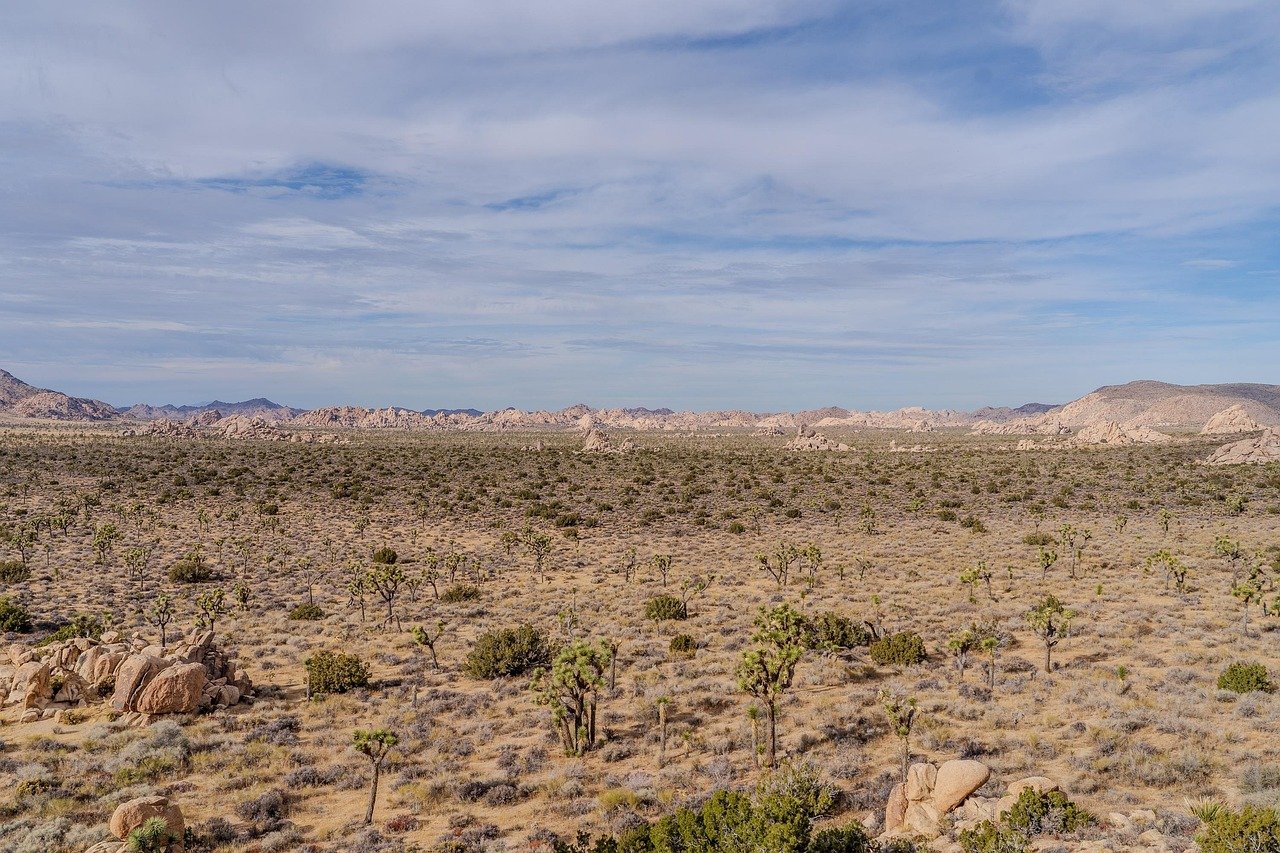
Most people think of Joshua Tree as a scorching summer wasteland or a winter retreat for snowbirds, but spring? Spring is when this desert national park truly shines. I’ve been visiting Joshua Tree for over a decade, and I’ll tell you something the guidebooks won’t: March through May offers the perfect trifecta of comfortable temperatures, blooming wildflowers, and manageable crowds. You can actually hike during the day without heat exhaustion, camp at night without freezing, and photograph the iconic Joshua trees against a backdrop of colorful desert blooms.
Spring daytime temperatures typically hover in the comfortable 70s°F, perfect for hiking and rock climbing. Nights cool down to the 40s and 50s—ideal for stargazing and camping. The wildflower season typically peaks in March and April, transforming the seemingly barren landscape into a canvas of yellow, purple, and orange. Even in non-superbloom years, you’ll find patches of brittlebush, desert dandelion, and Mojave aster dotting the hillsides.
The Complete Spring Hiking Guide
Joshua Tree’s hiking trails range from easy nature walks to challenging scrambles, but spring weather opens up all of them comfortably. Here’s what I recommend based on years of spring visits:
Hidden Valley Nature Trail (1 mile loop, easy) – Start here. Always. This trail introduces you to the park’s signature rock formations and Joshua tree forests. In spring, you’ll find wildflowers blooming between the massive boulders. The trail is flat, well-marked, and takes about 45 minutes at a leisurely pace. Bring a lightweight daypack for water and snacks.
Ryan Mountain (3 miles round-trip, moderate-strenuous) This trail climbs 1,000 feet to the highest point in the park. The view from the top? Unmatched 360-degree vistas of the entire park. Spring is the ideal time to tackle this hike—summer temperatures make it dangerous, and winter ice can make the rocky sections treacherous. Pack sturdy hiking boots with good ankle support; the trail is rocky and uneven.
Barker Dam Nature Trail (1.1 miles loop, easy) This short trail leads to a historic water tank built by early ranchers. Spring rains sometimes fill the dam, creating a rare desert reflecting pool. The trail is also one of the best spots for spring wildflowers, especially after wet winters. Keep an eye out for desert bighorn sheep, which are occasionally spotted near the water source.
Skull Rock Trail (1.7 miles round-trip, easy) The trailhead starts right at Jumbo Rocks Campground, making it perfect if you’re camping there. The star attraction is a rock formation that looks remarkably like a human skull. Spring lighting makes for incredible photographs here—visit in the late afternoon when the sun casts long shadows across the rocks. A compact travel camera with manual controls will capture the textures best.
Rock Climbing in Spring: Prime Season
Joshua Tree is a world-class rock climbing destination, and spring is arguably the best season to send. The temperatures are cool enough for friction climbing, but warm enough that you won’t be fumbling with frozen fingers. I’ve climbed here in every season, and spring offers the most consistent conditions.
The park has over 8,000 climbing routes, from beginner-friendly slabs to terrifying crack climbs. If you’re new to outdoor climbing, consider hiring a guide from one of the local certified services. They’ll provide all the gear you need—though serious climbers will want to bring their own climbing shoes and harness.
Popular spring climbing areas include Intersection Rock (approachable from the parking area), the Real Hidden Valley (sport and trad routes), and Hall of Horrors (for experienced climbers seeking a challenge). Even if you don’t climb, watching other climbers scale these massive boulders is entertainment in itself—especially when you’re relaxing with a thermos of coffee at the base.
Camping: Where to Stay and What to Bring
Spring camping in Joshua Tree requires planning. The park’s nine campgrounds fill up months in advance, especially on weekends. If you’re planning a spring 2026 trip, reserve your spot at Recreation.gov as soon as reservations open (six months in advance). Trust me—showing up without a reservation on a Friday in April is a recipe for disappointment.
Inside the Park: Jumbo Rocks is my top pick for first-timers. It’s centrally located, has some of the best rock formations right in the campground, and offers easy access to multiple trails. Hidden Valley Campground is smaller but puts you right at the trailhead for one of the park’s best hikes. Both campgrounds have pit toilets and picnic tables, but no water or hookups—come prepared with plenty of water containers. If you’re considering other desert camping adventures, my guide to campervan boondocking in Arizona covers essential desert survival skills.
Outside the Park: If you can’t get a reservation inside, consider BLM land just outside the park boundaries. It’s free, first-come-first-served, and offers a more primitive camping experience. You’ll need to be fully self-contained, though—no facilities, no water, no designated sites. This is where having a quality camping shower and portable toilet makes the difference between a memorable adventure and a miserable experience.
What to Bring for Spring Camping: Even in spring, desert nights get cold. I’ve learned this the hard way, shivering in a summer-weight sleeping bag. Pack a cold-weather sleeping bag rated for at least 20°F. A quality insulated sleeping pad is equally important—it’s what actually keeps you warm by insulating you from the cold ground.
Days can be surprisingly warm, so pack layers you can shed or add. A base layer of moisture-wicking fabric, a mid-layer like fleece, and a windproof outer layer will cover any condition. Don’t forget sun protection clothing—the desert sun is intense even in mild temperatures.
Photography: Capturing Joshua Tree in Spring
Joshua Tree is a photographer’s dream, and spring offers unique opportunities you won’t find in other seasons. The wildflowers add splashes of color to an otherwise monochromatic landscape, and the angle of spring light creates dramatic shadows that emphasize the park’s surreal rock formations.
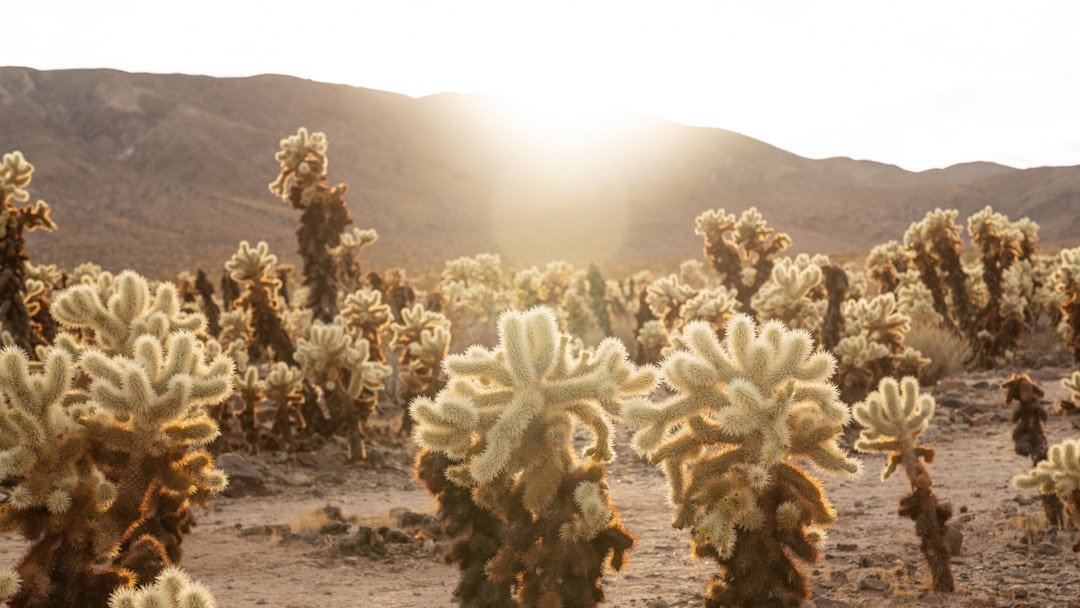
Golden Hour: Plan your photography for the hour after sunrise and the hour before sunset. The low-angle light brings out textures in the rocks and makes the Joshua trees cast long, dramatic shadows. My favorite sunrise spot is Keys View—the park’s highest viewpoint. Watching the sun rise over the Coachella Valley is a spiritual experience. Sunset? Head to Cholla Cactus Garden. The light hitting thousands of cholla cacti creates a glow you have to see to believe.
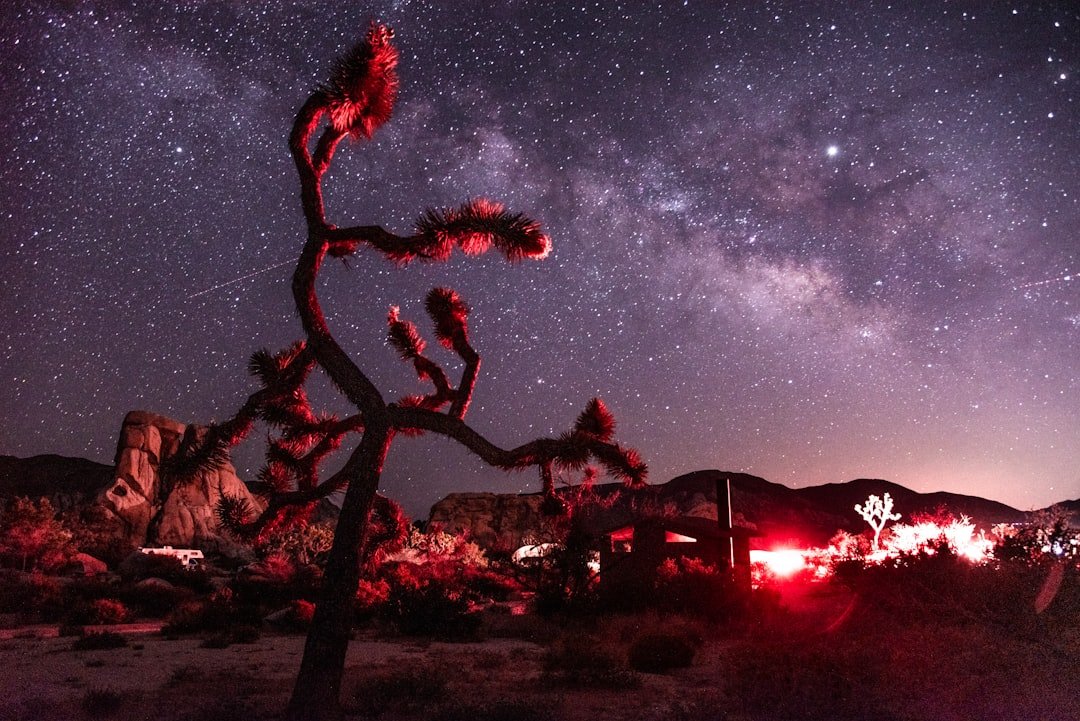
Night Photography: Joshua Tree is an International Dark Sky Park, meaning it has some of the darkest night skies in Southern California. Spring nights are clear and comfortable for astrophotography. The iconic silhouette of Joshua trees against a star-filled sky is the shot everyone wants. Bring a sturdy travel tripod and a camera with manual controls. A headlamp with red light mode will preserve your night vision while you’re setting up shots.
Wildflower Season: What to Expect
Spring wildflowers in Joshua Tree aren’t guaranteed—they depend on winter rainfall patterns. But when conditions align, the desert puts on a show that rivals any flower garden on Earth. The 2024-2025 winter has seen above-average rainfall across Southern California, setting the stage for potentially excellent wildflower displays in spring 2026. For another incredible desert flower experience, check out my guide to Death Valley’s 2026 superbloom.
What you’ll see depends on timing and location. Early spring (March) brings desert lilies, sand verbena, and desert primrose. Mid-spring (April) peaks with brittlebush turning entire hillsides yellow, plus desert dandelion, pincushion flowers, and the vibrant purple of Mojave aster. By late spring (May), the show shifts to higher elevations, with cactus blooms taking center stage.
For wildflower hunting, head to these hotspots: Pinto Basin Road (the lower elevation areas bloom first), Cottonwood Spring (oasis environment with different species), and any area that burned in recent fires—wildflowers love disturbed soil. Check the park’s wildflower updates online before your trip and be flexible with your plans. Bloom timing shifts by weeks depending on elevation and microclimate.
Beyond the Park: Nearby Attractions
If you’re spending a long weekend in the area, don’t limit yourself to the national park. The surrounding region offers worthy diversions that round out a Joshua Tree spring trip.
Pioneertown: Just 15 minutes from the park’s west entrance, this Old West movie set turned real town is worth an afternoon. Stroll down Mane Street (yes, that’s really what it’s called), grab a drink at the legendary Pappy & Harriet’s Pioneertown Palace (live music venue and BBQ joint), and soak up the Old West atmosphere. The cowboy boots are optional but encouraged.
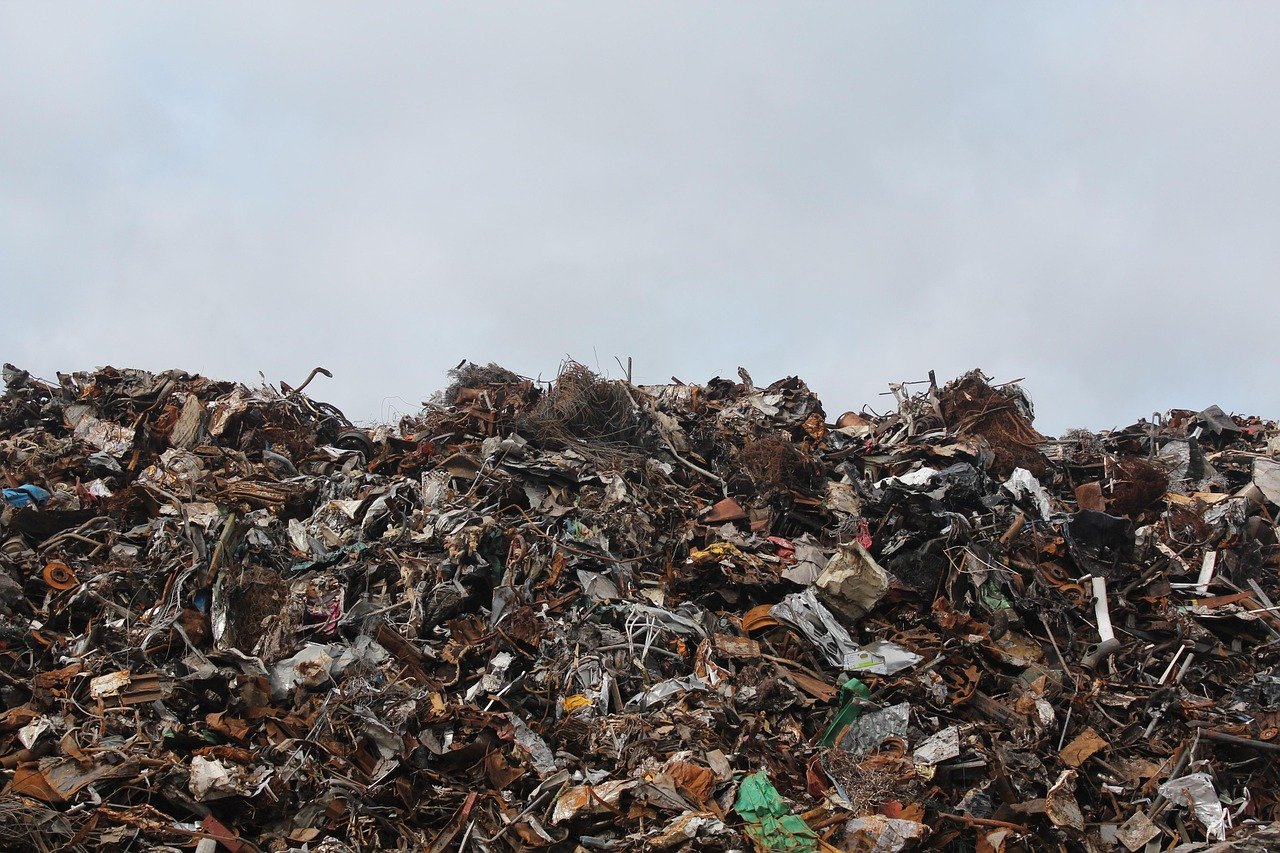
Noah Purifoy Outdoor Desert Art Museum: Ten miles outside Joshua Tree, this open-air museum features large-scale sculptures built from junk and found materials. It’s weird, wonderful, and completely free. The sculptures have weathered beautifully in the desert sun, creating a unique art experience that feels like it belongs in this landscape. Bring a wide-angle lens if you have one—some pieces are massive.
Integratron: This acoustically perfect wooden building in Landers offers sound baths—meditative sessions where you lie on the floor and absorb resonant tones from quartz singing bowls. It sounds woo-woo, but I’ve done it, and it’s genuinely relaxing. Book well in advance; sessions sell out months ahead. Even if you don’t do a sound bath, the building itself is worth a look—like a spaceship landed in the desert.
Practical Tips for Your Spring Visit
Water: This cannot be overstated. There is no water available in most of the park. Bring at least one gallon per person per day, more if you’re hiking or camping. I carry a 3-liter hydration pack plus extra bottles. Dehydration sneaks up on you in dry air, even when temperatures feel mild.
Sun Protection: The desert sun at 4,000 feet elevation is stronger than you think. Apply broad-spectrum sunscreen before you even leave your car, and reapply every two hours. Wear a wide-brim hat and polarized sunglasses. I learned this lesson the hard way, spending my second day in Joshua Tree hiding from the sun with a throbbing sunburn headache.
Cell Service: Don’t count on it. Service is spotty to nonexistent throughout most of the park. Download maps and offline navigation before you arrive. I always carry a paper topographic map as backup—GPS batteries die, but paper never fails.
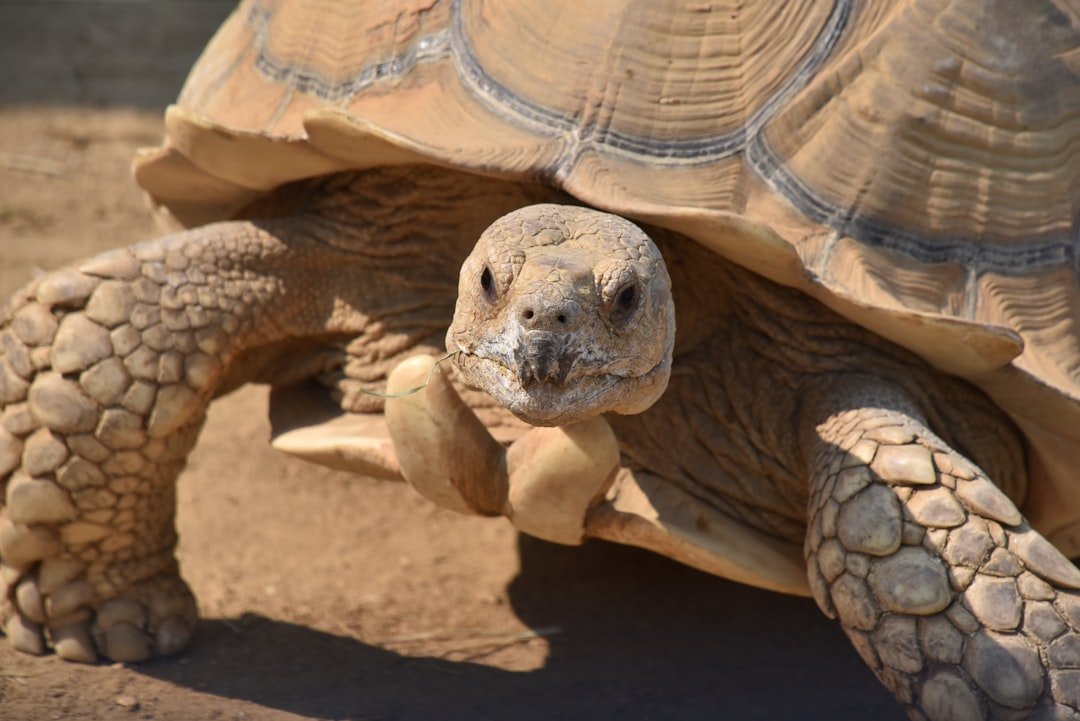
Wildlife: You might encounter desert tortoises, rattlesnakes, scorpions, or tarantulas. Give them space. Never touch or feed wildlife. Rattlesnakes are generally docile if left alone—most bites happen when people try to handle or kill them. If you’re camping, shake out your shoes in the morning (scorpions love dark hiding spots). A bright camping lantern helps with campsite checks at night.
Fees and Passes: The park entrance fee is $30 per vehicle (valid for 7 days). If you’re planning multiple national park visits this year, consider the America the Beautiful Pass ($80)—it pays for itself after three parks and gets you into over 2,000 federal recreation sites for a full year. For more budget-friendly national park strategies, see my guide on budget national park travel.
Spring Trip Itinerary: Perfect Long Weekend
Here’s how I’d structure an ideal three-day spring visit to Joshua Tree, based on dozens of trips over the years:
Day 1: Arrival and Orientation
– Arrive by early afternoon, check into your campground or lodging
– Stop at the Visitor Center for current conditions, wildflower updates, and backcountry permits (if needed)
– Drive Keys View for sunset panorama of the Coachella Valley
– Evening stargazing at Cap Rock (easy access, dark skies)
– Dinner in town at Joshua Tree Saloon
Day 2: The Full Park Experience
– Sunrise at Hidden Valley (first light on the rocks is magical)
– Morning hike: Ryan Mountain for the park’s best views
– Picnic lunch at Jumbo Rocks
– Afternoon: Skull Rock Trail and Barker Dam Nature Trail
– Late afternoon photography at Cholla Cactus Garden for golden hour
– Evening: Relax at camp, grill dinner, stargaze
Day 3: Hidden Gems and Departure
– Early morning: Fortynine Palms Oasis trail (different ecosystem, fan palms)
– Mid-morning: Pioneertown exploration and lunch at Pappy & Harriet’s
– Afternoon: Noah Purifoy Outdoor Desert Art Museum
– Final stop: One last viewpoint or short hike before heading home
– Depart by late afternoon to avoid driving in the dark
This itinerary hits the highlights without rushing. Joshua Tree rewards those who slow down and spend time simply being present in the landscape. Some of my best memories here aren’t from specific sights but from sitting on a rock watching the light change, or listening to the wind through the Joshua trees at sunset.
The Bottom Line: Why Spring 2026 Is the Time to Go
Joshua Tree in spring offers the rare convergence of perfect weather, blooming landscapes, and manageable crowds. You’ll have comfortable hiking conditions, incredible photography opportunities, and the chance to see the desert come alive with color. After a wet 2024-2025 winter, spring 2026 could be an exceptional year for wildflowers—the kind that happens only a few times per decade.
But more than that, spring in Joshua Tree just feels right. The temperatures let you fully experience the park without fighting the elements. The light is softer, the colors are richer, and there’s a sense of renewal in the air that only spring brings. Whether you’re hiking, climbing, camping, or just driving through with the windows down, this is Joshua Tree at its absolute best.
Start planning now. Reserve your campsite or accommodation the moment reservations open. Gather your gear. Study the trails. Then show up with an open mind and flexible plans—the best experiences in Joshua Tree are often the ones you didn’t plan for.
See you in the desert this spring.
1 thought on “Joshua Tree National Park: The Complete Spring 2026 Guide”