Why Spring 2026 is the Perfect Time for Family Stargazing
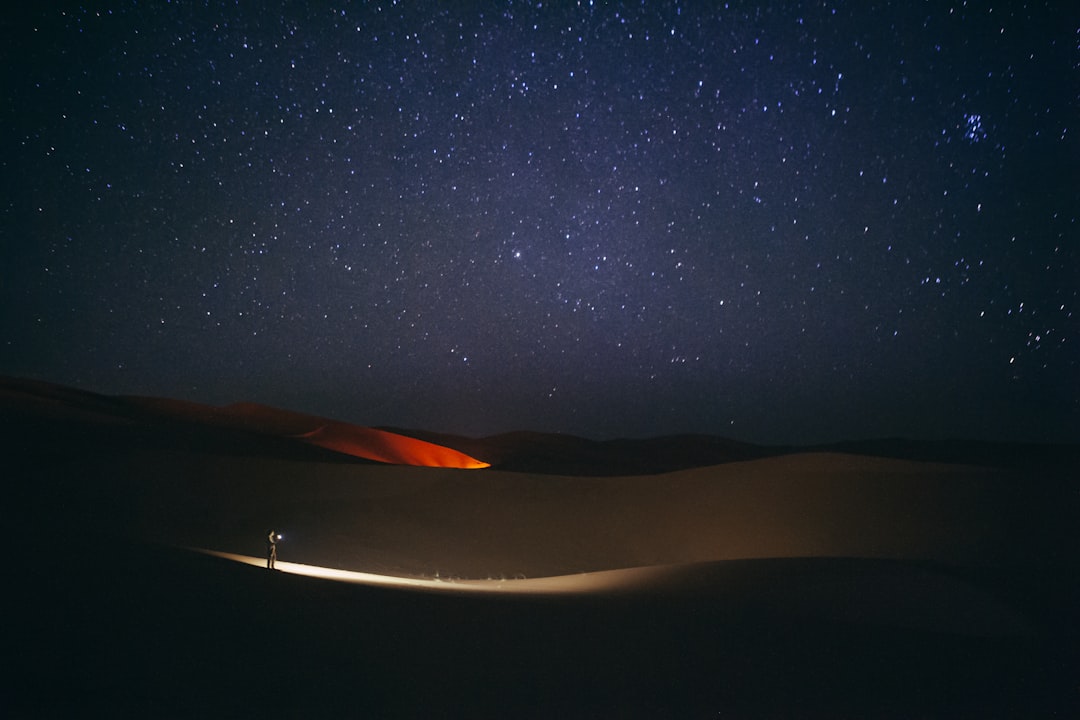
Last April, I stood beneath a canopy of stars with my eight-year-old niece at Bryce Canyon National Park, watching her eyes widen as the Milky Way unfurled across the sky like a celestial river. She pointed excitedly at Orion’s Belt, then gasped when a shooting star streaked across the darkness. That moment of shared wonder—when a child grasps the vastness of our universe—is exactly why spring 2026 is the ideal season to introduce your family to stargazing. The nights are comfortably cool, the skies are clearer than winter’s haze, and family camping gear is more accessible than ever.
Spring stargazing offers a unique window for families. With sunset times gradually shifting earlier, you can enjoy incredible night sky views without keeping kids up past their bedtime. March through May brings some of the most stable atmospheric conditions of the year, meaning less twinkling and clearer views of planets, star clusters, and even distant galaxies through beginner telescopes. Plus, spring break timing gives many families the perfect opportunity to escape city light pollution and experience truly dark skies for the first time.
Understanding Dark Sky Parks and Why They Matter for Families
Not all stargazing locations are created equal. Dark Sky Parks are specially designated areas that meet strict criteria for light pollution control and public education. These parks actively preserve natural darkness, and for families, that means the difference between seeing a dozen stars and witnessing thousands. The International Dark-Sky Association has certified over 130 places worldwide, with 17 right here in U.S. National Parks alone. Each offers something unique for children: Junior Ranger astronomy programs, constellation tours led by park rangers, and even kid-friendly astronomy apps that enhance the experience.
What makes these parks particularly special for families isn’t just the darkness—it’s the infrastructure. Many have designated observation areas with parking close by, essential when you’re hauling sleeping children back to the car at midnight. Others offer red-light flashlights for loan, which preserve night vision while keeping pathways safe. Some even host regular astronomy events where volunteers set up powerful telescopes and invite kids to take turns viewing Saturn’s rings or Jupiter’s moons. These amenities transform an abstract concept into tangible memories.
Top 5 Family-Friendly Dark Sky Parks for Spring 2026
After visiting dozens of dark sky locations with my own family and researching extensively for this guide, I’ve identified parks that balance incredible celestial views with kid-friendly amenities. Each offers something special, but all share one thing in common: they make the cosmos accessible to children while keeping parents sane.
Bryce Canyon National Park, Utah
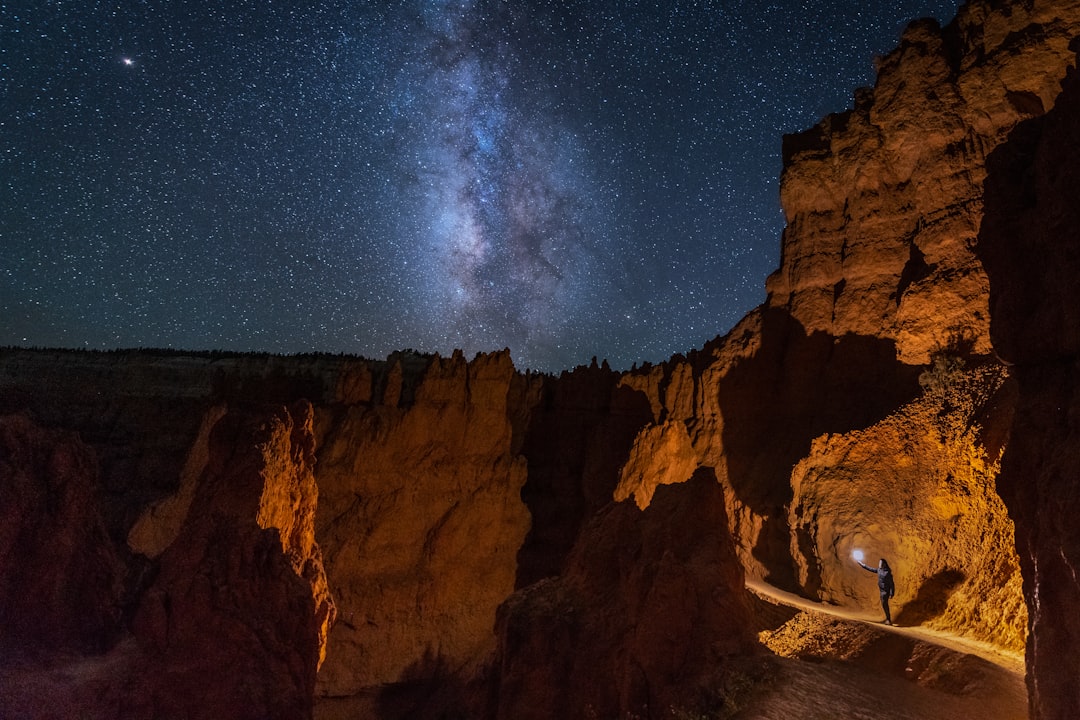
Bryce Canyon tops my list for one reason: the Annual Astronomy Festival (typically in June, but spring offers equally spectacular skies with smaller crowds). At 8,000-9,000 feet elevation, you’re literally above much of the atmosphere’s distortion. The park’s hoodoos—those eerie red rock spires—create an otherworldly foreground for constellation photography. What families love most is the ranger-led “Full Moon Hikes” where kids learn how moonlight illuminates the landscape differently than sunlight. The park also loans astronomy binoculars and offers Junior Ranger astronomy badges. Spring temperatures (40s-60s°F) mean comfortable stargazing without winter’s extreme cold, though you’ll still want warm layers.
Great Basin National Park, Nevada
This hidden gem receives less than 100,000 visitors annually (compared to Yellowstone’s 4+ million), yet boasts some of the darkest skies in North America. What makes it exceptional for families is the Great Basin Astronomy Festival each September and year-round ranger programs at the Lehman Caves Visitor Center. The 3,000-year-old bristlecone pines provide a surreal foreground for astrophotography. Kids can complete the Dark Sky Junior Ranger booklet, which teaches light pollution concepts through interactive activities. The park’s high elevation (13,063-foot Wheeler Peak) means thinner air and better viewing, though spring snow can limit access to upper elevations. Stick to lower trails and you’ll still see more stars than you’ve ever witnessed.
Joshua Tree National Park, California
Joshua Tree’s International Dark Sky Park designation came in 2017, but families have been enjoying its star-filled skies for decades. What’s unique here is the combination of desert landscapes and relatively mild spring temperatures (70s°F daytime, 50s°F at night). The park offers “Night Sky” programs throughout spring, often at the Cottonwood Spring area which is less crowded than other sections. Kids love spotting the Joshua Tree silhouettes against the Milky Way. For an extended family adventure, combine stargazing with the park’s family-friendly hiking trails during the day. Pro tip: the Skull Rock area provides natural seating for constellation storytelling.
Natural Bridges National Monument, Utah
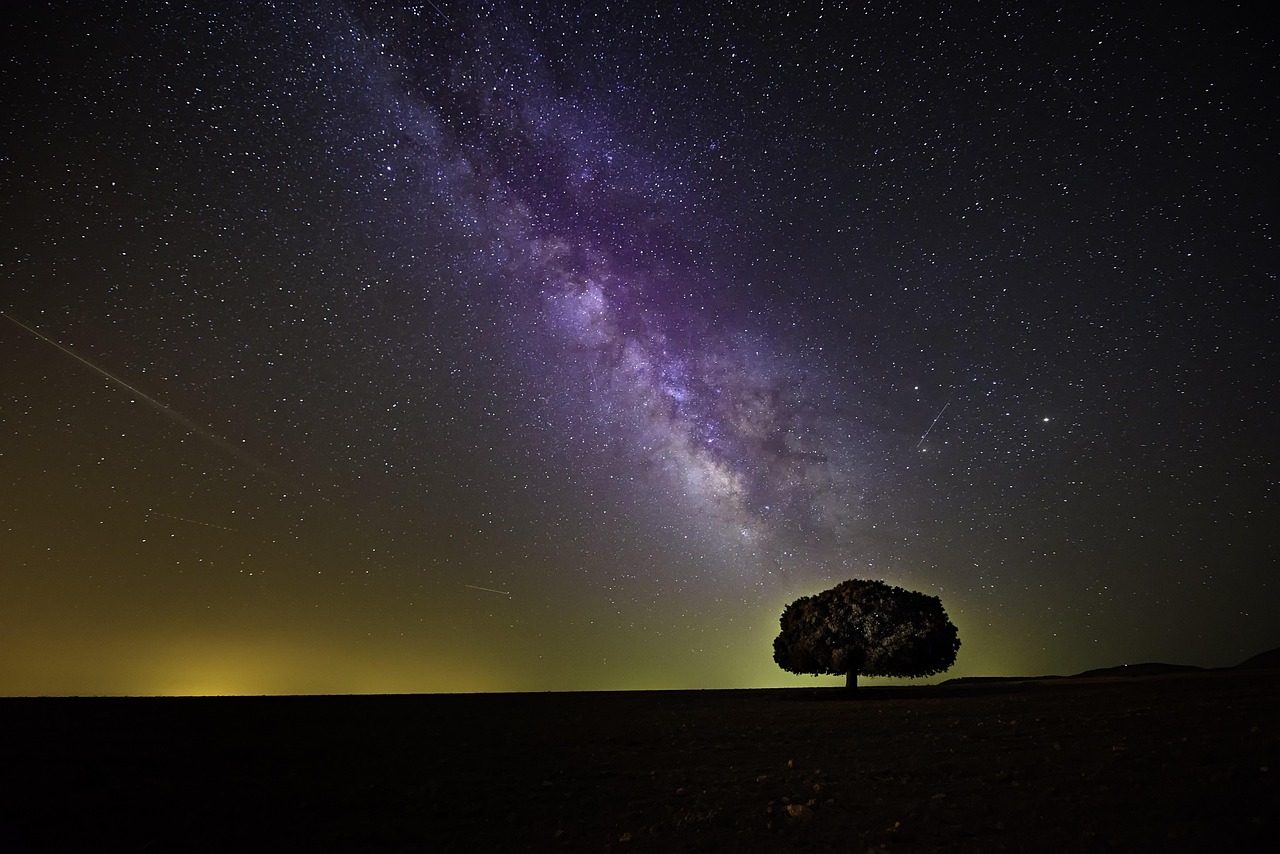
Though smaller than other parks on this list, Natural Bridges holds a special distinction: it was the first International Dark Sky Park certified in the world (2007). The Owachomo Bridge creates a natural frame for celestial photography, and rangers frequently offer astronomy programs that kids find genuinely engaging. Spring brings mild temperatures and the bonus of waterfall flow in the canyons—rare in the desert. What families appreciate most is the manageable size: you can experience world-class stargazing without the logistical complexity of larger parks. Plus, the nearby town of Blanding offers family accommodation if camping isn’t your style.
Chaco Culture National Historical Park, New Mexico
This park offers something truly unique: stargazing from the same spot where ancestral Pueblo people observed the heavens a thousand years ago. The park’s “Chaco Night” programs connect ancient astronomy with modern observation, helping kids understand how humans have always been fascinated by the night sky. Spring brings comfortable temperatures and the chance to see phenomena like the zodiacal light—a faint pyramid of light visible after dusk in truly dark locations. The remote location (miles from any city) means exceptional darkness, though it also requires careful planning for family road trip supplies.
Essential Gear for Family Stargazing Adventures
You don’t need expensive equipment to introduce kids to astronomy, but a few key items dramatically improve the experience. Based on years of family trips and countless mistakes, here’s what actually matters:
Red Flashlights and Headlamps
White light destroys night vision for 20-30 minutes. Red light preserves it. Every family member needs their own red LED headlamp or flashlight. Look for models with adjustable brightness—dimmer is better for astronomy. Pro tip: cover any white light apps on phones with red cellophane or use dedicated astronomy apps with red-light modes.
Comfortable Seating and Warmth
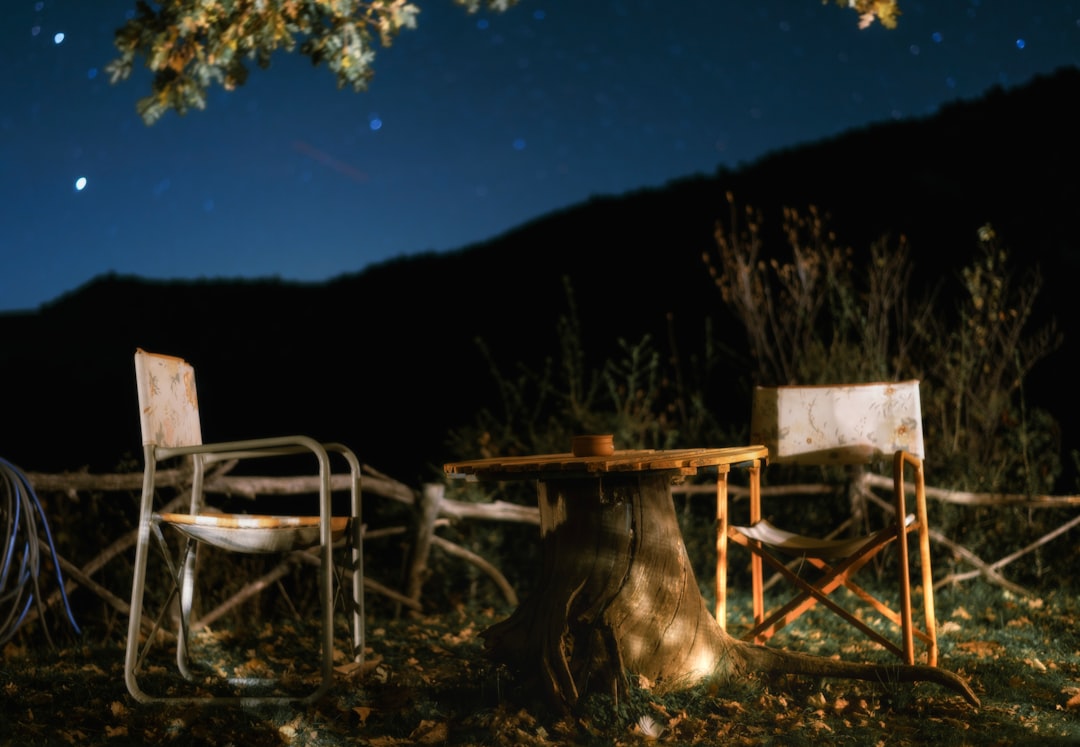
Stargazing involves extended periods of stillness, and kids get cold faster than adults. I’ve learned this the hard way. Pack portable camping chairs, thick blankets, and hot drinks in thermoses. Spring desert temperatures drop 30-40°F after sunset, so dress kids in layers. Hand warmers are game-changers for little fingers holding binoculars.
Binoculars Before Telescopes
For most families, binoculars beat telescopes for first-time stargazing. They’re easier to use, require no setup, and show wide-field views that are actually more impressive to kids. Look for 7×50 or 10×50 models—larger lenses gather more light. Image-stabilized binoculars are worth the investment if your budget allows, as they counteract shaky hands and hold the image steady. Only upgrade to telescopes once your family has mastered binocular viewing and can identify constellations.
Astronomy Apps and Guides
Technology, when used thoughtfully, enhances rather than detracts from the experience. Download star map apps like Sky Safari or Stellarium before leaving home (cell service is spotty in dark sky parks). These apps use your phone’s gyroscope to identify constellations as you point at the sky. For younger kids, pack constellation guidebooks with simplified illustrations. The key is preparation: familiarize yourself with major constellations (Orion, Ursa Major, Cassiopeia) before your trip so you can point them out confidently.
Making the Most of Your Family Stargazing Trip
The difference between a magical evening and a frustrating one often comes down to timing and expectations. Here’s what I’ve learned from dozens of family astronomy outings:
Timing Your Visit Around Moon Phases
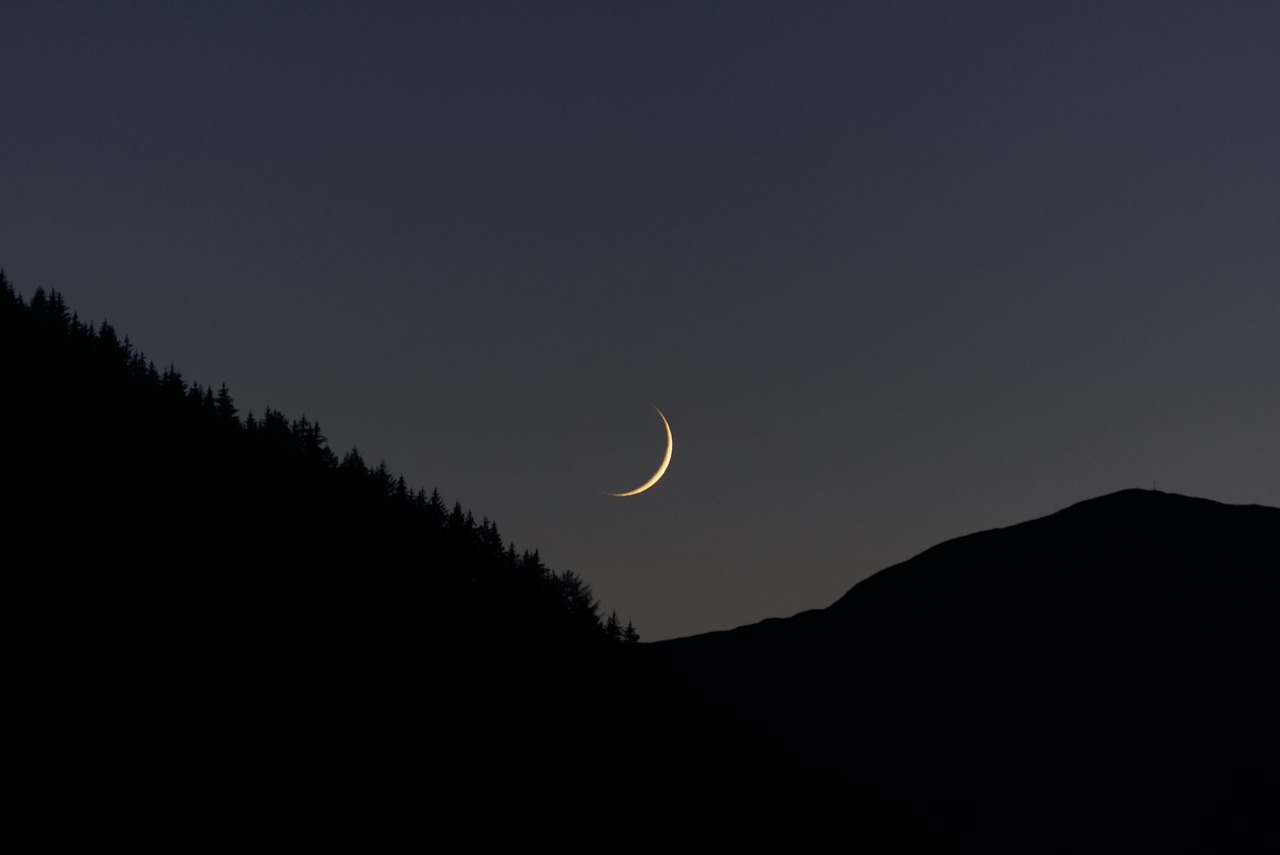
The moon is both a friend and foe to stargazers. A full moon washes out all but the brightest stars, making it terrible for deep-sky observation. But a crescent moon provides enough illumination to navigate safely while still revealing thousands of stars. Use moon phase calendars to plan around the new moon (darkest skies) or first/last quarter phases. Spring 2026 new moons fall on March 13, April 11, and May 11—prime windows for family stargazing trips. However, don’t let moon phases deter you entirely: even under a quarter moon, kids can still see major constellations and planets.
Managing Expectations and Energy Levels
Children have limited attention spans, especially late at night. Plan for 60-90 minutes of actual observation, not the all-night marathons you might attempt alone. Start with easily identifiable targets: the moon, bright planets (Jupiter and Saturn are spectacular through binoculars), and major constellations. Let kids control the red flashlight and lead the way to observation spots. If boredom sets in, shift to constellation storytelling or playing connect-the-dots with stars. The goal is fostering wonder, not memorizing star catalogs.
Safety Considerations for Night Adventures
Dark environments present real hazards for families. Establish boundaries before darkness falls: stay within designated observation areas, keep children on marked trails, and pair adults with kids during bathroom breaks. Every family member should carry a whistle and know the meeting point if separated. Desert parks add specific risks: cactus spines, scorpions, and rattlesnakes (less active in spring but still present). Comprehensive first aid kits are non-negotiable, and everyone should wear closed-toe shoes. Finally, never leave children unattended near drop-offs or water, even under moonlight.
Capturing Memories Without Ruining the Experience
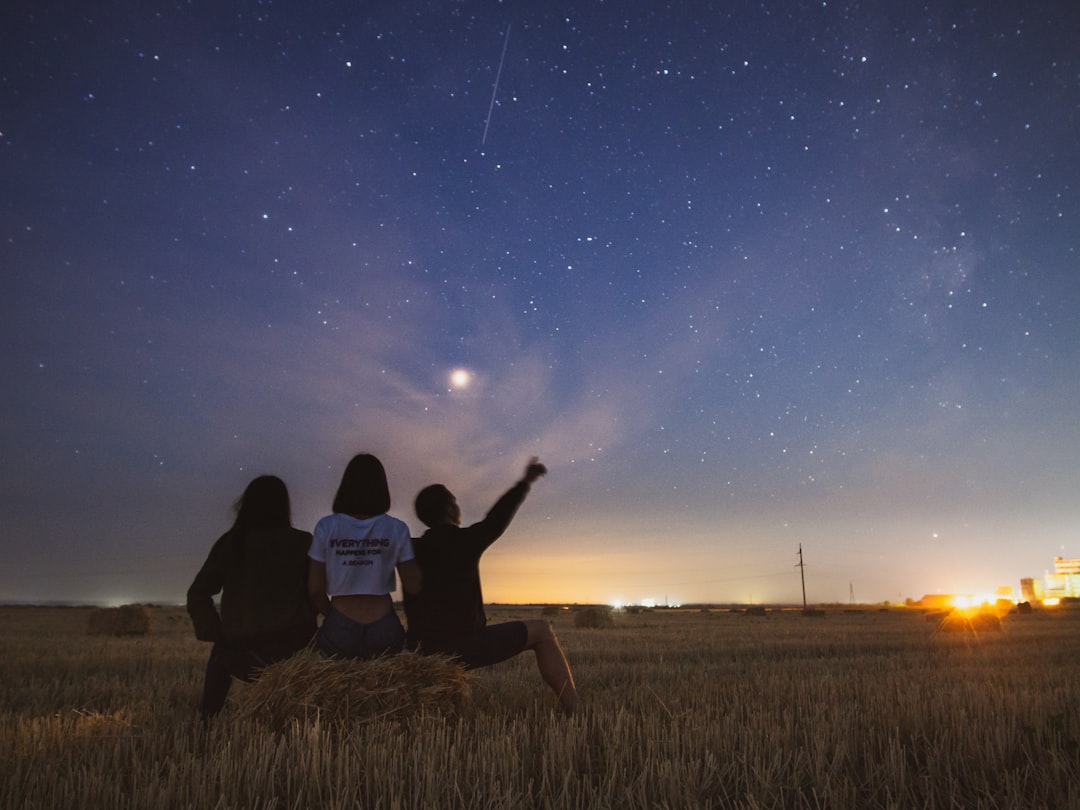
Astrophotography with kids is tricky. Long exposures require stillness, and the technical demands can kill the magic. Instead, focus on smartphone photography of your family enjoying the sky rather than the sky itself. Use silhouette shots against the Milky Way, capture kids’ expressions through telescope eyepieces, and document the setup process. Some of my favorite family photos are the candid ones: my niece explaining Orion to her grandfather, my partner struggling to set up a tripod while laughing, kids wrapped in blankets staring upward in silence. These images preserve the experience better than any technically perfect astrophotograph.
Educational Activities That Actually Engage Kids
Beyond simply looking up, structured activities help children process what they’re seeing and develop lasting interest in astronomy. Here are strategies that work across different age groups:
Constellation Storytelling and Mythology
Every culture has constellations with accompanying stories, and these narratives provide hooks that help kids remember star patterns. Greek myths are easiest to find resources for: Orion the Hunter, Cassiopeia the vain queen, Ursa Major as the Great Bear. But also explore indigenous astronomy: Navajo constellations like “The Revolving Male” and “The Revolving Female,” or Hawaiian star knowledge used for wayfinding. These stories connect astronomy to culture and history, making the experience richer. I recommend printing constellation mythology cards before your trip and having kids act out the stories while lying under the stars.
Junior Ranger Programs and Ranger-Led Activities
Most Dark Sky Parks offer specialized Junior Ranger astronomy booklets. These aren’t just busywork—they’re thoughtfully designed to teach concepts like light pollution, star magnitudes, and constellation identification through age-appropriate activities. Completing the booklet earns kids a wooden badge or patch, providing tangible recognition. Ranger-led programs vary widely but often include constellation tours where rangers use green lasers to point out features (absolutely magical for kids), telescope viewing sessions, and sometimes even astronomy-themed crafts. Check park websites for spring program schedules and arrive early—these programs fill quickly.
Simple Experiments and Demonstrations
Hands-on activities solidify abstract concepts. One effective experiment is using a flashlight and umbrella to demonstrate why stars twinkle: shine the light through the umbrella’s fabric ribs to show how atmosphere distorts light. Another favorite: make a homemade star wheel (planisphere) using cardboard and brads, then practice using it to identify tonight’s visible constellations. Older kids can calculate distances using the parallax method with their thumb held at arm’s length against distant objects. The key is connecting observation to understanding—kids retain more when they experience the science directly rather than just hearing about it.
Citizen Science Projects
Families can contribute to real scientific research during stargazing trips. The Globe at Night project asks observers to estimate visible star counts to map light pollution worldwide—kids love counting stars and contributing their data. Other citizen science opportunities include tracking meteor shower activity (the Perseids in August and Leonids in November are family-friendly with high rates) or reporting nocturnal cloud formations. These activities give children ownership of their observations and connect them to a global community of sky watchers. Most projects have simple reporting forms accessible via smartphone before bed.
Planning Your Trip: Practical Considerations for Spring 2026
Successful family stargazing trips require logistics that go beyond astronomy. Here’s how to handle the practical side:
Accommodation Options: Camping vs. Nearby Lodging
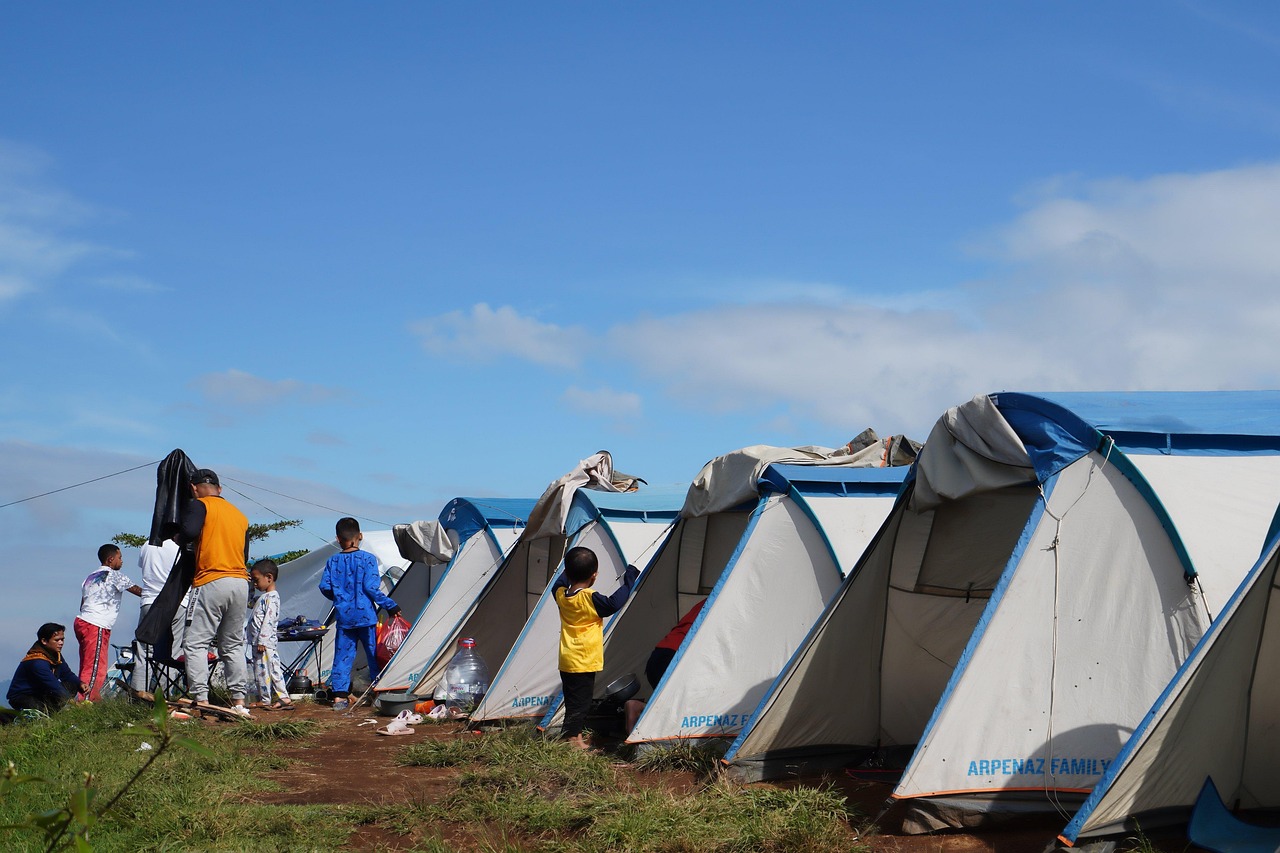
Camping within or near Dark Sky Parks offers the most immersive experience—simply step outside your tent and observe. However, camping with kids adds complexity: bathroom trips in the dark, sleeping discomfort, and safety concerns. If your family isn’t experienced campers, consider staying in nearby towns with hotel accommodations and driving to the park for evening observation. Many parks have designated stargazing areas with parking lots, making this approach practical. The key is choosing lodging within 30 minutes of the park—longer drives exhaust kids and cut into observation time. Spring camping requires weather-appropriate gear: temperatures can drop below freezing at high-elevation parks like Bryce Canyon and Great Basin.
Packing Checklist for Families
Beyond the astronomy-specific gear mentioned earlier, certain items are non-negotiable for family stargazing trips. Warm clothing is critical: think layers, hats, gloves, and extra socks—kids lose heat faster than adults. Plenty of snacks and water prevent meltdowns; stargazing burns more energy than you’d expect. Entertainment for downtime: card games, books, and quiet activities for when weather or moonlight interferes. Portable power banks keep phones and tablets charged for astronomy apps. Finally, a basic emergency kit: first aid supplies, flashlights with extra batteries, and a whistle for each family member. The goal is preparing for contingencies without overpacking to the point of burden.
Budget Planning for Family Stargazing
Astronomy can be an expensive hobby, but family stargazing trips don’t have to break the bank. National Parks charge $20-35 per vehicle for entry, valid for 7 days—excellent value if you visit multiple parks in one trip. Camping runs $15-30 per night, significantly cheaper than hotels. Gear represents the biggest investment: quality binoculars cost $100-300, while entry-level telescopes run $200-500. However, you can start with budget binoculars under $50 and upgrade as interest grows. Many parks loan equipment for free, reducing initial costs. Food costs depend on whether you camp cook or eat in towns—plan roughly $50-75 per day for a family of four. Overall, a three-day stargazing trip to a nearby National Park can cost under $500 including gas, food, and park fees.
Connecting with Local Astronomy Communities
Most Dark Sky Parks have active volunteer astronomy groups that host public events. These communities welcome families and provide expertise that enhances visits. Check park websites for spring 2026 event calendars: many offer weekly telescope viewing sessions, full moon hikes, or astronomy festivals. Local astronomy clubs often set up equipment at these events and enthusiastically teach kids how to use telescopes. Building connections with these communities pays dividends: volunteers share tips on the best viewing spots, alert you to special celestial events like meteor showers or planetary alignments, and sometimes offer equipment loans. Plus, kids meeting real astronomers and amateur stargazers can inspire lasting interest in science.
Conclusion: Creating Lasting Family Memories Under the Stars
Five years after that first Bryce Canyon stargazing trip with my niece, she’s now a teenager who still requests family astronomy outings. She can identify more constellations than I can, explains light pollution to her friends, and dreams of visiting Kitt Peak National Observatory. That initial spring evening didn’t just teach her about the cosmos—it connected her to something larger than herself, sparked curiosity about science, and created a family tradition we continue today.
Spring 2026 offers your family the same opportunity. The Dark Sky Parks described here represent just a fraction of accessible locations across North America. You don’t need expertise or expensive equipment to begin—just curiosity, patience, and willingness to share wonder with children. Start small: perhaps a campground with decent darkness, a pair of binoculars, and a clear moonless night. Let kids set the pace and follow their questions. Some nights will be cold, some will be cloudy, and some will feature more whining than wonder. But when that perfect night arrives—when the Milky Way arches overhead like a river of diamonds and your child grips your arm in genuine awe—you’ll understand why families have been looking up together for thousands of years.
The universe is waiting. Spring 2026 is calling. Pack your red flashlights, bundle up, and introduce your family to the night sky. The memories will last longer than any vacation photos, and the wonder you spark might just last a lifetime.