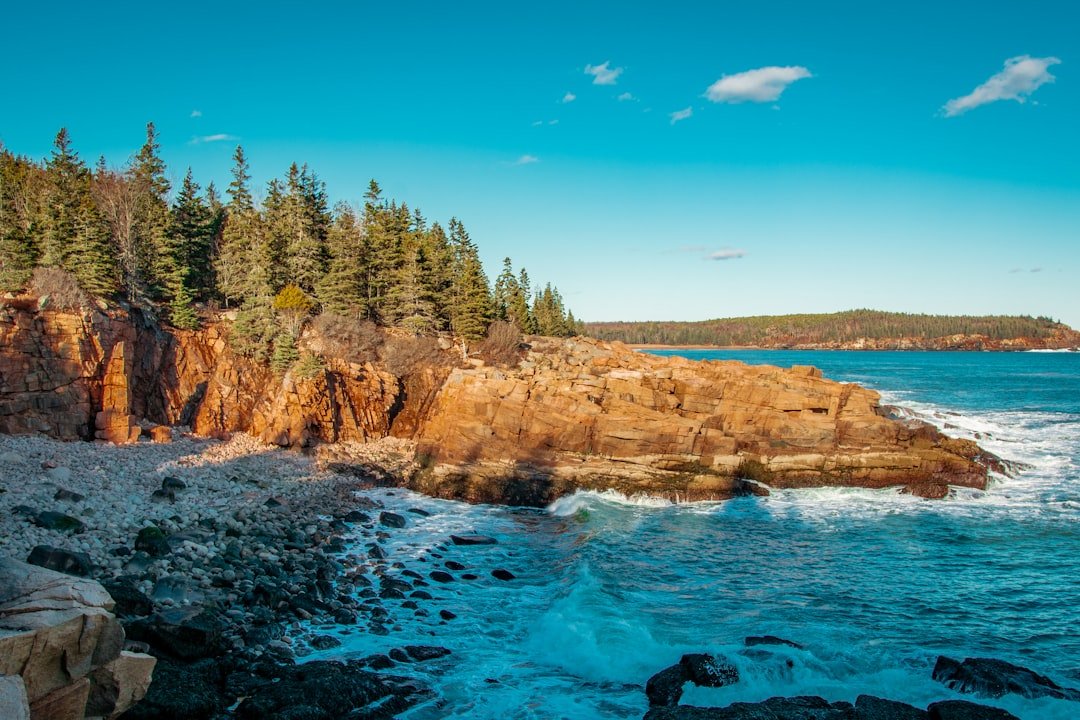
I showed up at Acadia National Park on a foggy June morning with a coffee-stained map and zero expectations. Three hours later, I was standing on a granite outcrop above Sand Beach, watching the fog burn off to reveal one of the most absurdly beautiful coastlines I’ve ever seen — and I’ve driven most of them. That trip rewired something in me. Maine’s only national park isn’t just a destination; it’s a place that reminds you why you started traveling in the first place.
If you’re planning a summer 2026 visit to Acadia, here’s everything I wish someone had told me before I made the drive up the coast — the trails worth your time, the ones worth skipping, where to eat, where to sleep, and how to experience this park without getting swallowed by the Bar Harbor crowds.
Why Acadia in Summer Hits Different
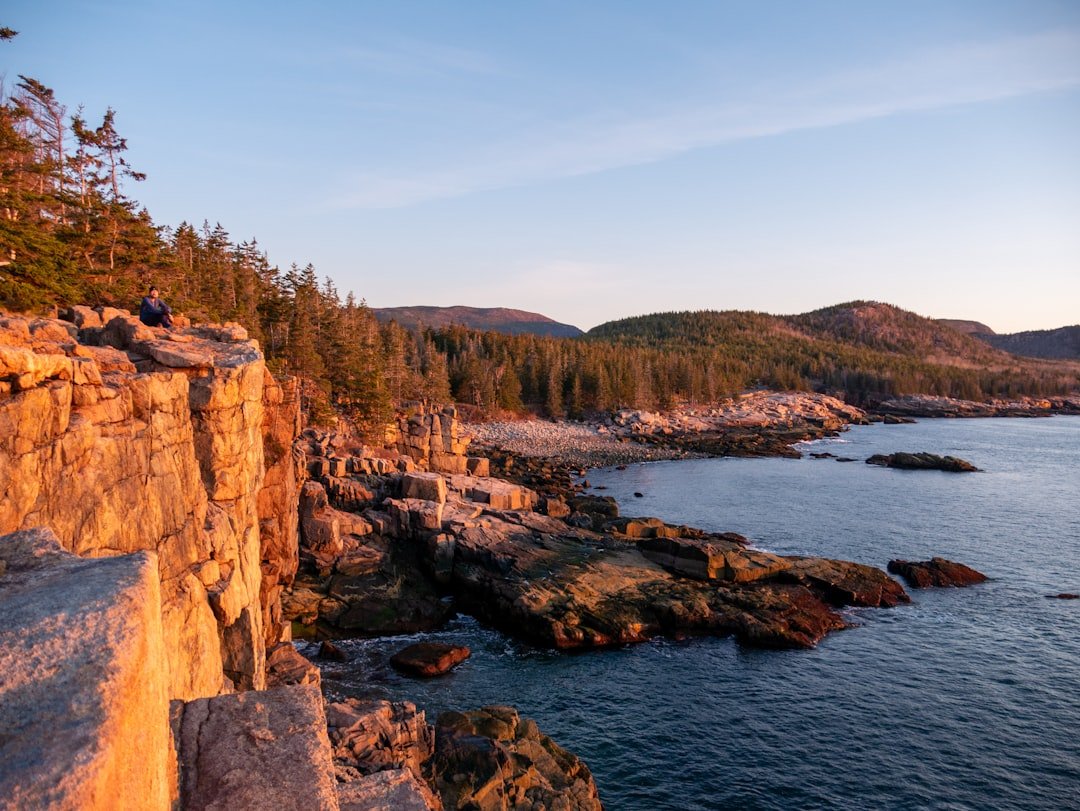
Let’s get the obvious out of the way: summer is peak season. Park Loop Road is fully open, the Island Explorer shuttle is running, wildflowers are blooming along the carriage roads, and the water is finally warm enough that swimming at Sand Beach stops being an act of defiance. But what really makes summer special here is the light. Maine’s coastal sunsets hit differently when they’re filtered through pine silhouettes and reflected off granite. I’ve watched sunsets from Cadillac Mountain, from the rocks at Monument Cove, and from a blanket on Sand Beach — none of them disappointed.
The trade-off, of course, is crowds. July and August bring serious volume, especially around Thunder Hole, Jordan Pond, and the Beehive Trail. But I’ve found that even on the busiest days, the park is big enough to find quiet if you know where to look. More on that in a minute.
Cadillac Mountain: Earn That Sunrise
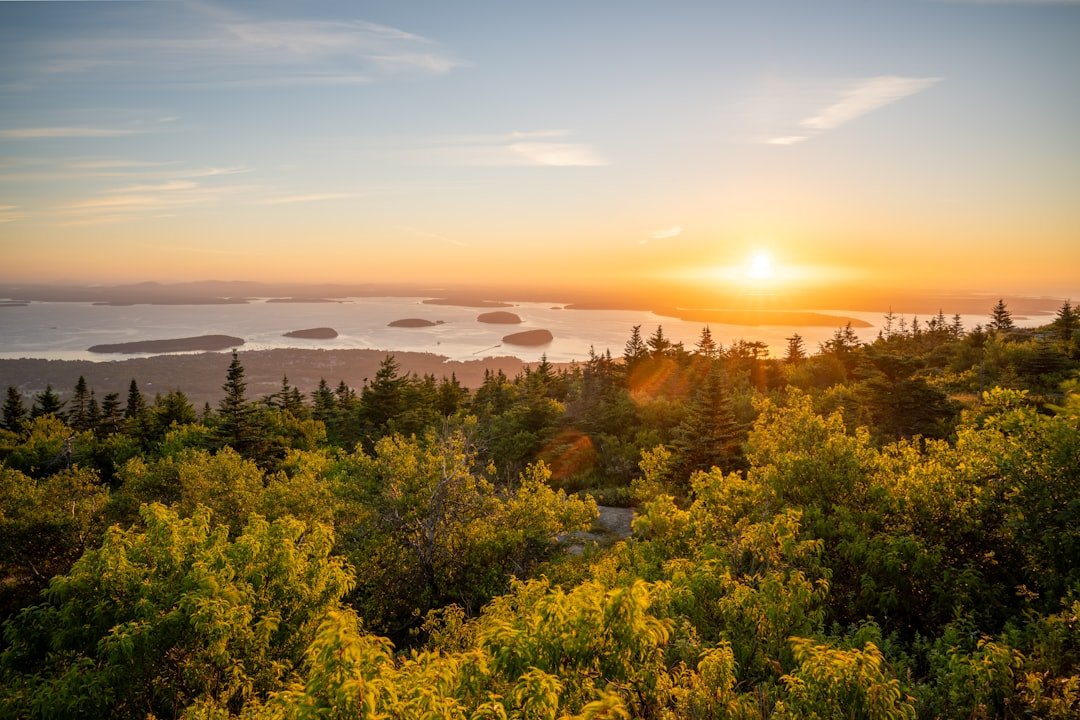
Yes, everyone tells you to do the Cadillac Mountain sunrise. I’m going to tell you too — but with a twist. Starting in 2024, the park implemented a reservation system for vehicles driving to the summit during peak season, and that system is still in place for 2026. You need to book your spot on recreation.gov ahead of time, and slots fill fast. Set a reminder for 10 days before your visit when reservations open.
Here’s my real advice, though: skip the drive and hike it. The South Ridge Trail is a 7-mile round trip that gains about 3,000 feet of elevation through blueberry barrens and exposed granite. You’ll pass a fraction of the people who drove up, and the gradual reveal of the ocean as you climb is infinitely more rewarding than stepping out of a parking lot. Bring a good rechargeable headlamp for the pre-dawn portion — the trail is well-marked but rocky, and you’ll want your hands free.
On a clear morning from the summit, you can see the Porcupine Islands, the Schoodic Peninsula, and occasionally Mount Katahdin nearly 100 miles to the north. It’s the first place in the United States to see sunrise from October through early March, and even in summer, those early light shows are transcendent. Pack a good insulated travel mug — you’ll want coffee at the top, and it gets surprisingly windy up there even in July.
The Trails That Actually Matter
Acadia has over 150 miles of hiking trails, and I’ve hiked maybe a third of them over multiple visits. Here’s my honest breakdown of what’s worth your limited time.
The Beehive Trail is the one you’ve seen on Instagram — iron rungs bolted into cliff faces, exposed ledges, and a climb that feels more like scrambling than hiking. It’s only about 1.5 miles round trip, but it’s genuinely thrilling. I’ve seen people freeze on the rungs, so be honest with yourself about your comfort with heights. The views of Sand Beach from the top are exceptional. Pair it with a dip at Sand Beach afterward and you’ve got a perfect half-day.
Jordan Pond Path is the easy, flat, 3.2-mile loop around one of the most photogenic bodies of water in any national park. The pond is flanked by the Penobscot and Pemetic mountains, and on a calm morning, their reflections in the water are gallery-worthy. After your walk, grab popovers at Jordan Pond House — it’s touristy, it’s expensive, and I do it every single time. Some traditions exist for a reason.
Precipice Trail is for the adventurous. It’s a 2.5-mile round trip that gains nearly 1,000 feet in less than a mile, with iron rungs, narrow ledges, and sections where you’re essentially rock climbing without ropes. The NPS sometimes closes it during peregrine falcon nesting season (typically through mid-August), so check conditions before you go. If it’s open and you’re comfortable with exposure, it might be the single most exciting mile of trail in the Northeast.
Gorham Mountain Trail is my pick for best moderate hike that most visitors skip. At 4 miles round trip with about 700 feet of gain, it delivers Cadillac-level views without the reservation hassle or the crowds. The Cadillac Cliffs side trail adds some fun scrambling. I’d take this over the Beehive any day if you want beauty without the anxiety.
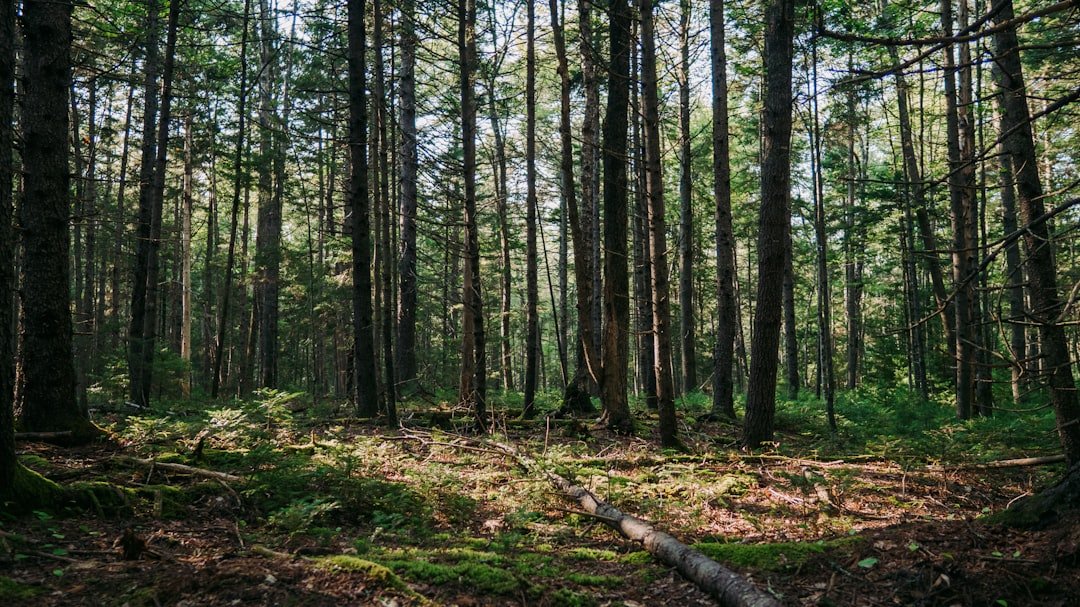
Schoodic Peninsula: The Quiet Acadia
Here’s the thing most Acadia guides won’t tell you: about an hour’s drive from Bar Harbor, on the mainland, there’s a section of the park that receives a fraction of the visitors. Schoodic Peninsula has the same dramatic granite coastline, the same crashing surf, the same spruce-fir forests — but you can actually hear the waves instead of someone’s Bluetooth speaker.
The 6-mile one-way Schoodic Loop Road is free to drive and doesn’t require a park entrance pass. I’ve spent entire afternoons here watching waves crash against the rocks at Schoodic Point without another person in earshot. The compact travel binoculars I carry everywhere really earn their keep here — seals, bald eagles, and occasionally whales are visible from shore.
If you’re looking for a quieter East Coast destination, this is it. There’s a campground at Schoodic Woods with electric hookups and modern facilities, and the nearby town of Winter Harbor has a handful of lobster shacks that serve better food than half the places in Bar Harbor at half the price.
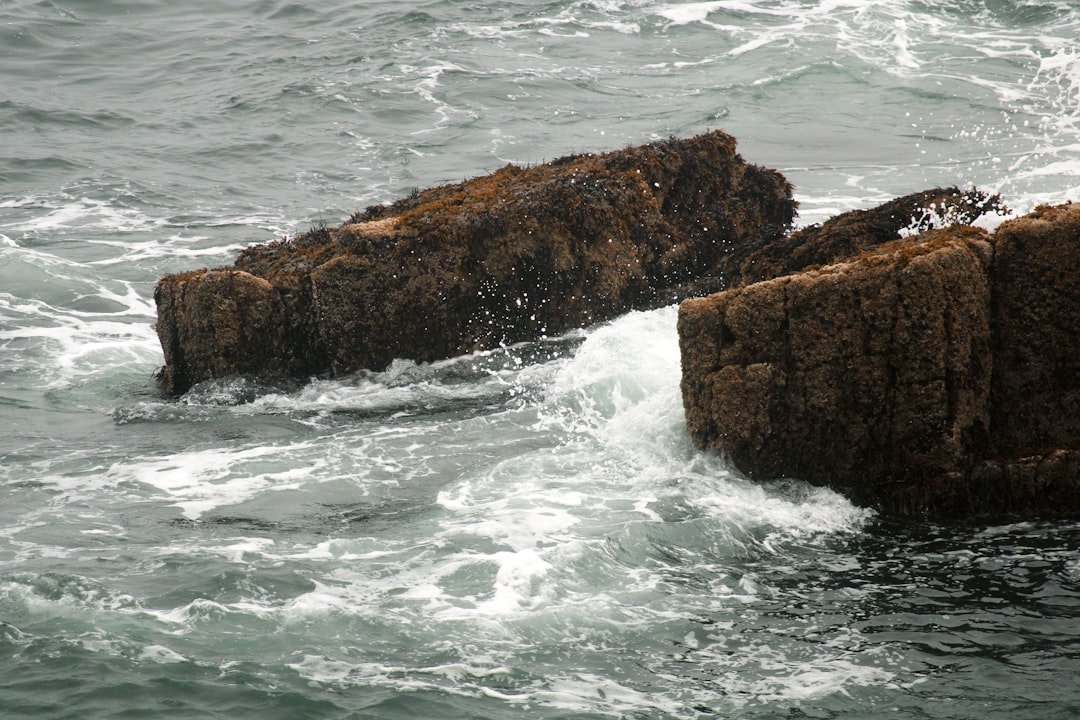
Thunder Hole and Sand Beach: Managing Expectations
Thunder Hole is Acadia’s most famous attraction after Cadillac Mountain, and it’s the one most likely to disappoint if you time it wrong. This narrow inlet amplifies the sound of waves to a thunderous boom — but only when the tide is coming in and the surf is active. At low tide or calm seas, it’s essentially a puddle in a rock. Check the tide charts and aim for two hours before high tide for the best show.
Sand Beach, on the other hand, is exactly as advertised: a gorgeous 290-yard stretch of sand nestled between granite mountains. The water temperature hovers around 55-60°F even in midsummer, which makes your swim feel more like a dare than a leisure activity. I bring a quick-dry travel towel and treat it as a quick plunge rather than a lounging experience. The beach fills up by 10 AM on summer weekends, so arrive early or take the Island Explorer shuttle to avoid the parking nightmare.
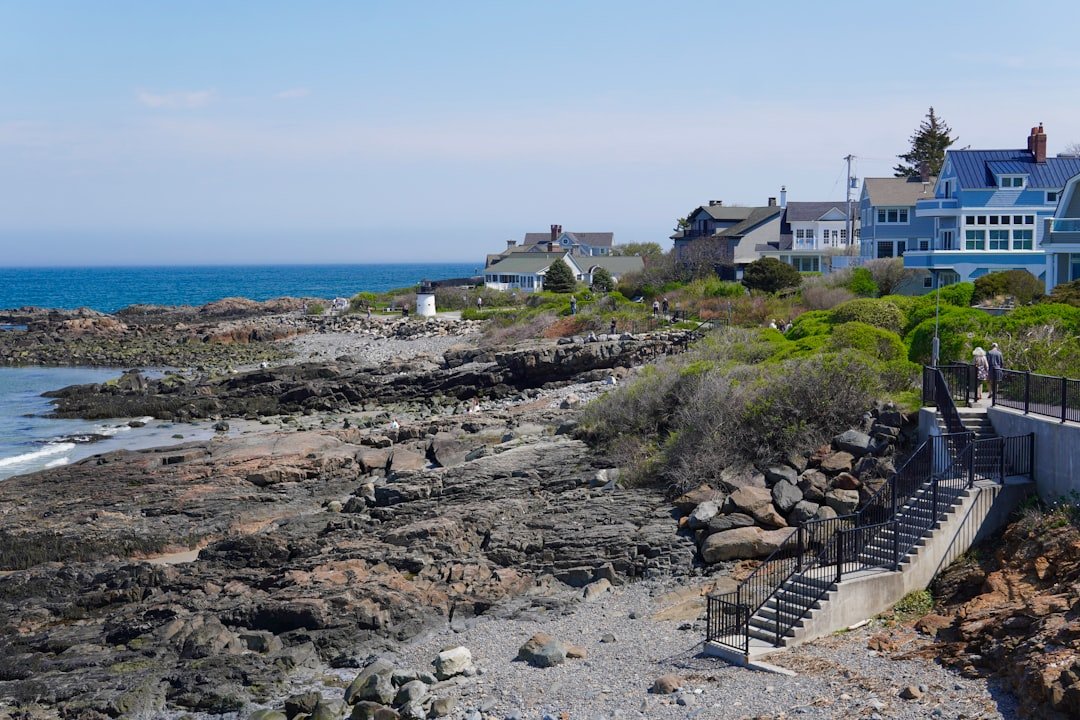
Bar Harbor: Eat Well, Sleep Smart
Bar Harbor is the gateway town to Acadia, and it leans hard into the tourist experience. That said, it’s also genuinely charming, and the food scene punches well above its weight for a town of 5,000 people.
For lobster, skip the restaurants on Main Street with the long lines and head to Thurston’s Lobster Pound in Bernard (about 20 minutes from Bar Harbor). You eat at picnic tables overlooking the working harbor, and the lobster comes out of the water and onto your plate in a timeframe that would make a city chef weep. Bring a seafood cracker set if you’re particular about your shell-cracking tools, though they provide the basics.
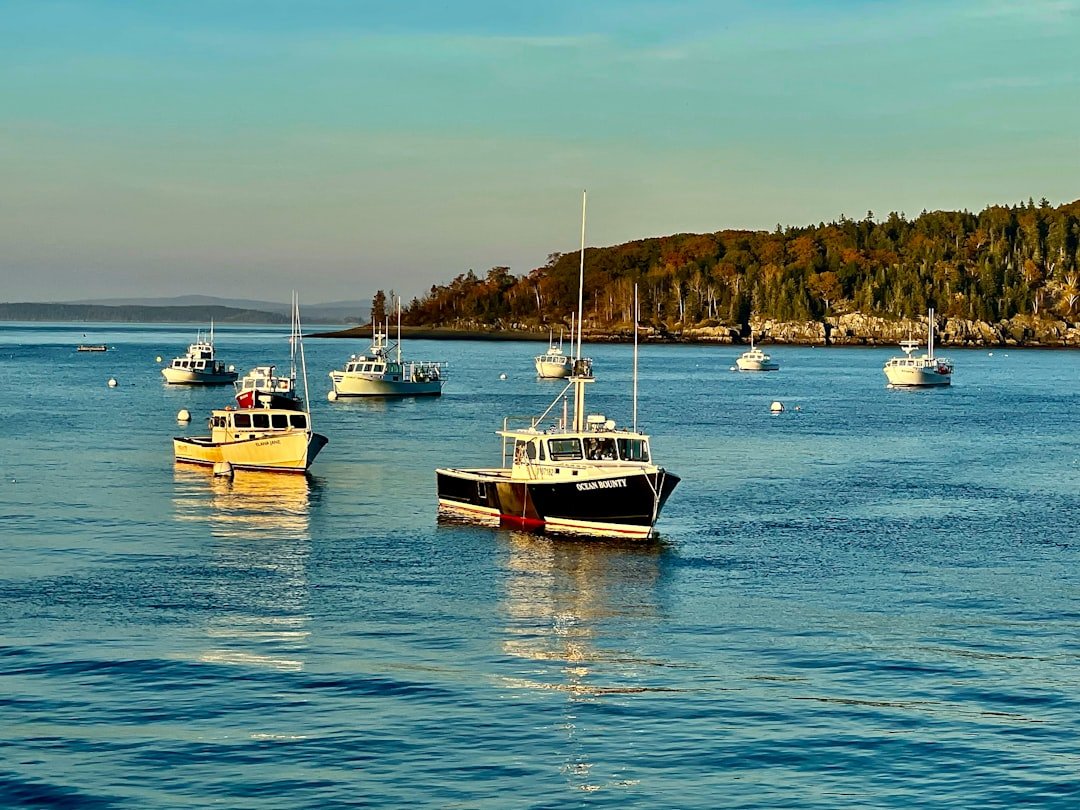
For accommodations, Bar Harbor has everything from budget motels to luxury resorts, but summer rates are punishing. I’ve had good luck staying in nearby Trenton or even Ellsworth (about 20-30 minutes from the park) and driving in. If you’re camping, Blackwoods Campground inside the park is the most convenient option, though it books months in advance. Seawall Campground on the quieter western side of the island is equally good and often has last-minute availability.
Don’t skip the coastal drives outside the park, either. The drive along Route 3 from Ellsworth to Bar Harbor, and then the reverse Shore Road from Bar Harbor to Bass Harbor, gives you a tour of working fishing villages, lighthouses, and roadside blueberry stands that feel like stepping back several decades.
Practical Tips I Learned the Hard Way
Park pass: A vehicle entrance pass is $30 and valid for 7 days. Buy it online or at the Hulls Cove Visitor Center. If you’re planning more national park visits this year, the America the Beautiful annual pass ($80) pays for itself after your third park.
Getting around: The Island Explorer shuttle is free and runs from late June through mid-October. Use it. Parking at popular trailheads fills by 9 AM in July and August, and the shuttle drops you steps from the trailhead. I always pack a lightweight 20-liter daypack with water, snacks, and layers, and let the shuttle handle the logistics.
Weather: Maine coastal weather is famously unpredictable. I’ve experienced 40-degree temperature swings in a single day. Pack layers — a packable rain jacket is non-negotiable even on sunny mornings. Fog can roll in fast and reduce visibility to near-zero, especially on exposed trails.
Timing: If your schedule allows, visit in late June or early September instead of peak July-August. You’ll get nearly identical conditions with maybe half the crowds. The New England shoulder seasons are criminally underrated.
What to Pack for Acadia
Acadia rewards preparation. The combination of rocky trails, coastal weather, and the occasional need to carry everything on your back means your gear matters more here than at most parks. Beyond the basics, I always bring solid grippy hiking shoes with good ankle support — the granite is slippery when wet, and it’s always wet somewhere. A waterproof phone pouch is clutch for beach days and boat tours. And if you’re planning to photograph sunrise or sunset, a compact travel tripod will make a real difference on those low-light granite shots.
The Bottom Line
Acadia National Park is one of those rare places that manages to feel both grand and intimate. You can stand on top of Cadillac Mountain and see 50 miles of coastline, then drive 20 minutes to a secluded cove where the only sounds are waves and wind. It’s accessible enough for first-time visitors and rugged enough to challenge experienced hikers. And unlike some western parks that require days of driving just to reach the boundary, Acadia is a direct flight to Bangor followed by an hour on a scenic road.
If you’ve been on the fence about visiting, summer 2026 is the year. Just make your Cadillac reservations early, pack more layers than you think you need, and for the love of everything, eat the lobster. You can thank me later.
1 thought on “Acadia National Park Summer 2026: Cadillac Mountain, Hidden Trails, and What I Wish I Knew Before My First Visit”