There’s something about a milestone birthday that makes you want to go all out. When my best friend turned 30, we rented a lake house, set off fireworks from the dock, and stayed up until sunrise arguing about whether hot dogs qualify as sandwiches. America’s 250th birthday? That’s a whole different level of celebration — and this year, the entire country is pulling out all the stops.
July 4, 2026, marks the semiquincentennial of the Declaration of Independence, and cities across the nation are planning celebrations that dwarf anything we’ve seen since the bicentennial in 1976. I’ve spent weeks researching the best places to witness history in the making, and honestly, the hardest part was narrowing it down. Whether you’re a history buff, a fireworks junkie, or just someone who wants an excuse to eat good food outdoors, here’s where you should be when America blows out 250 candles.
Washington, D.C.: The Main Event
Let’s start with the obvious. If there’s one place that knows how to throw a patriotic party, it’s the nation’s capital. DC250, the city’s official semiquincentennial organization, has been planning this for years — and the week of July 4th is shaping up to be a multi-day blowout that’ll make every previous Independence Day feel like a warm-up act.
The National Mall will be ground zero for the celebration. The National Archives is hosting a multiday, family-friendly event culminating in a dramatic reading of the Declaration of Independence on July 4th itself — and yes, you can actually view the original document. The Smithsonian’s National Museum of American History is unveiling “In Pursuit of Life, Liberty & Happiness,” an exhibit featuring 250 objects that embody the ideals of the Declaration, including Thomas Jefferson’s portable writing desk.
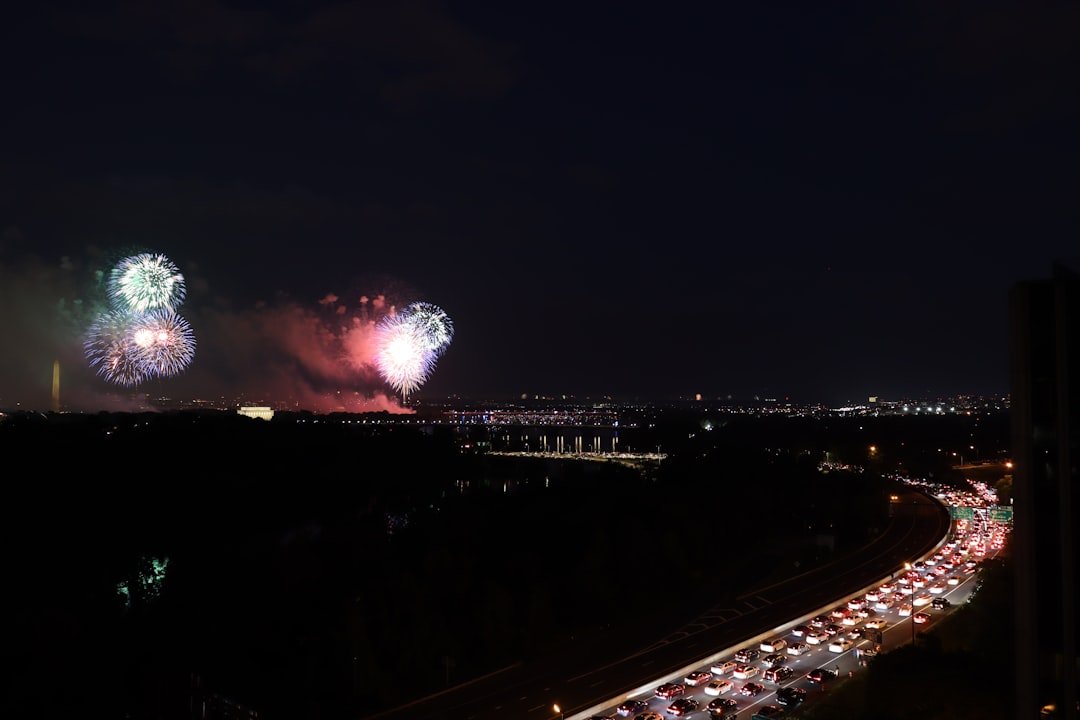
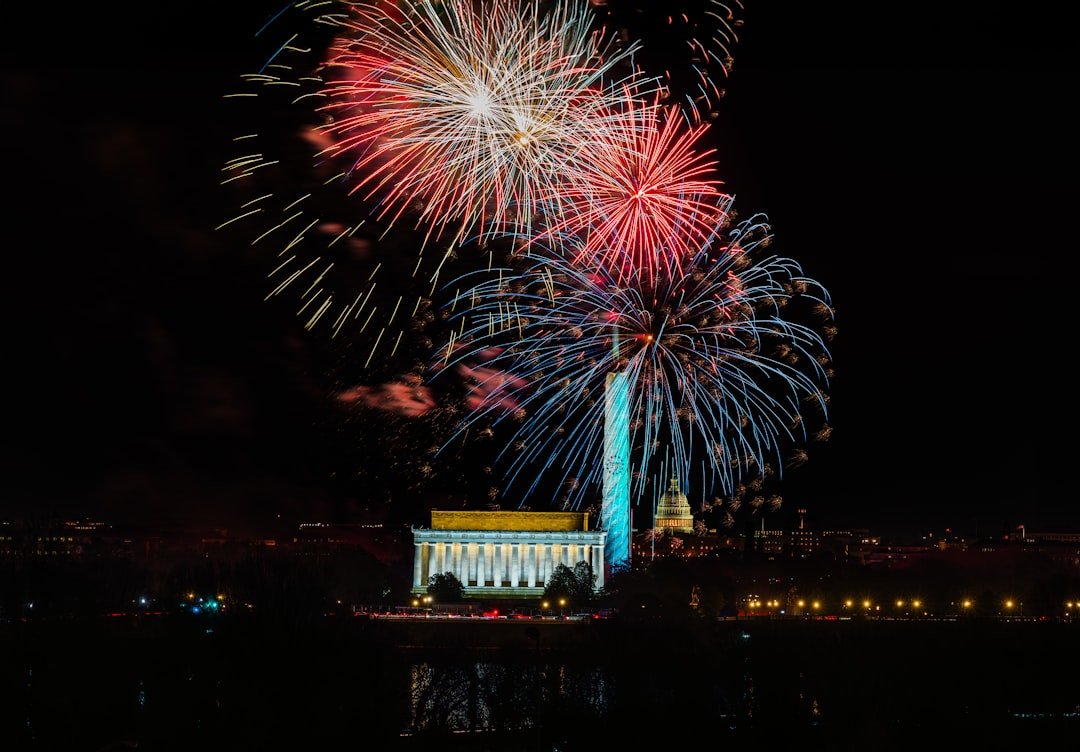
The Independence Day parade along Constitution Avenue is always a spectacle, but this year promises to be something else entirely — representatives from all 50 states and territories, military bands, and enough red, white, and blue bunting to wrap around the Capitol twice. Cap it all off with the annual PBS Capitol Fourth concert and fireworks display over the Washington Monument, and you’ve got the ultimate Fourth of July experience.
Pro tip: Book your hotel now. Like, right now. D.C. hotels are filling up faster than a cooler backpack at a tailgate. The city is also hosting FIFA World Cup matches this summer, so competition for rooms is fierce. Consider staying in Arlington or Alexandria and taking Metro in.

Philadelphia: Where It All Began
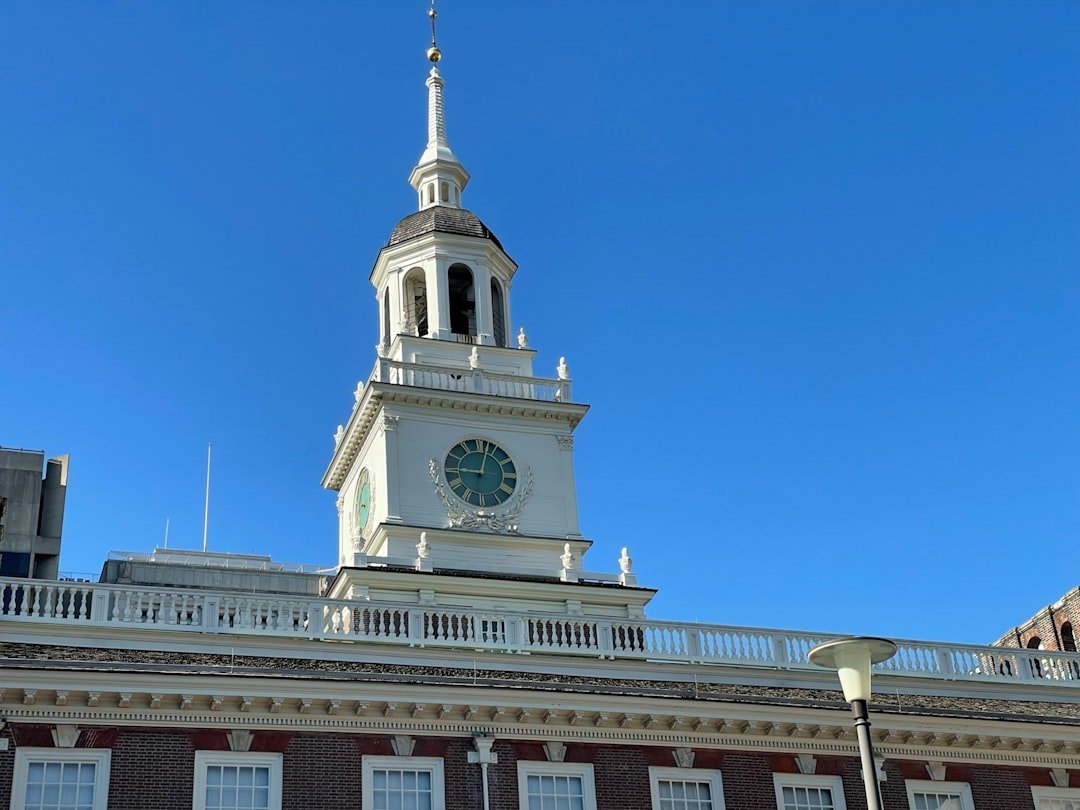
You can’t talk about America’s birthday without talking about Philadelphia — the city where the Declaration was actually signed. I already wrote a deep-dive guide to celebrating America250 in Philly, but here’s the short version: this city is going absolutely all out.
The Wawa Welcome America Festival runs from June 19 through July 4, packing two weeks with free concerts, six nights of fireworks, an Independence Day parade representing all states and territories, and block parties scattered across the city. ArtPhilly, a five-week arts and culture festival running May 27 through July 4, is bringing more than 30 performances and exhibitions under the theme “What Now: 2026,” challenging artists to blend art and history.
The Museum of the American Revolution is hosting “The Declaration’s Journey” exhibit — over 120 rare artifacts and documents tracing the Declaration’s influence across 100 nations. The National Constitution Center is displaying one of only 14 original copies of the U.S. Constitution. And the Betsy Ross House is throwing its annual Flag Fest with special semiquincentennial programming.
Here’s what nobody tells you about July 4th in Philadelphia, though: it gets hot. Like, brutally hot. Pack a rechargeable portable fan and a good water bottle, because you’ll be walking miles between historic sites, and the humidity coming off the Delaware River is no joke. Also, the Phillies are hosting the 2026 MLB All-Star Game this summer, and the city is also a World Cup host — so if you thought crowds were bad before, you haven’t seen anything yet.
Boston: Walking in Revolutionary Footsteps
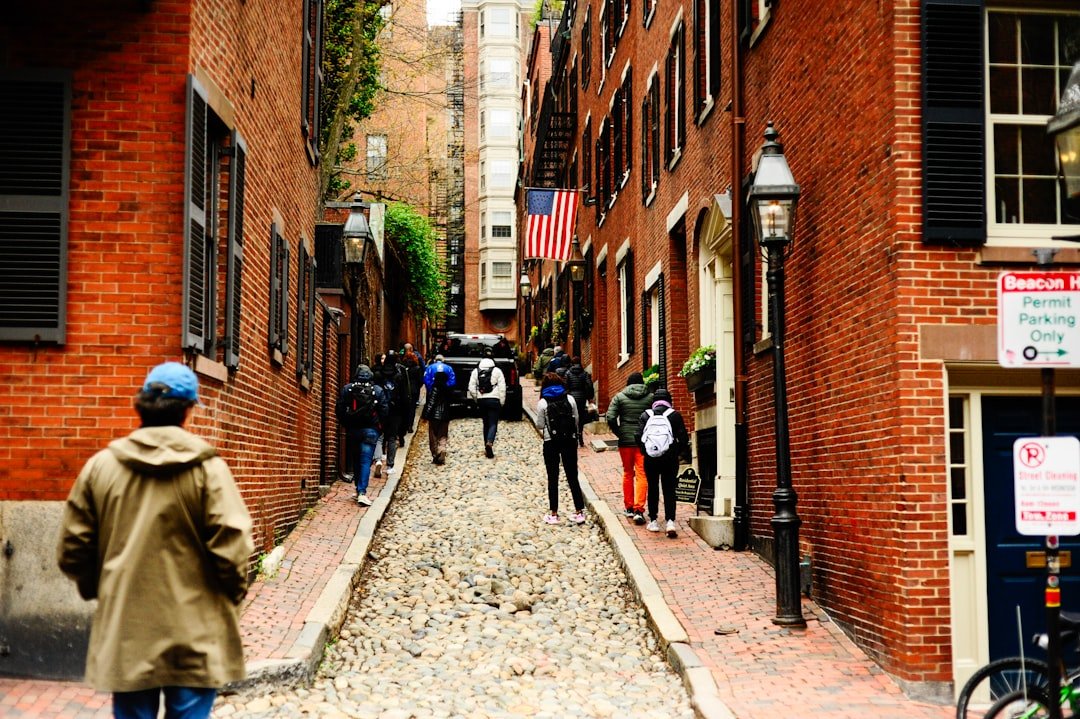
Boston is where the Revolution was born — where the Tea Party turned a harbor into a political statement, where the first shots rang out at Lexington and Concord, and where the Sons of Liberty plotted over pints at the Green Dragon Tavern. Walking through downtown Boston today means navigating modern skyscrapers towering over 300-year-old pubs and streets that suddenly turn to colonial cobblestone. It’s a city that wears its history on its sleeve.
The Freedom Trail is the centerpiece of any Boston July 4th trip. This 2.5-mile red brick path winds through the city’s oldest neighborhoods and landmarks, connecting 16 historically significant sites. The National Park Service offers a free audio guide that narrates your journey, but honestly, I prefer wandering at my own pace with a good guidebook in hand.
Don’t skip the Bunker Hill Monument. After touring the museum, you can climb 294 steps to the top for one of the best views of the entire city. It’s near the USS Constitution — Old Ironsides — the world’s oldest commissioned warship, which is worth the visit even if you’re not a military history nerd. Nearby Charlestown also has the Warren Tavern, established in 1780, where you can raise a glass at the same bar as Paul Revere.
Boston’s July 4th celebration centers on the Boston Pops Fireworks Spectacular on the Charles River Esplanade — a tradition dating back to 1929. For the 250th, expect the stakes to be raised significantly, with historical reenactments, outdoor concerts, and special programming across the city’s museums and cultural institutions throughout the year.
New York City: The Biggest Fireworks Show on Earth
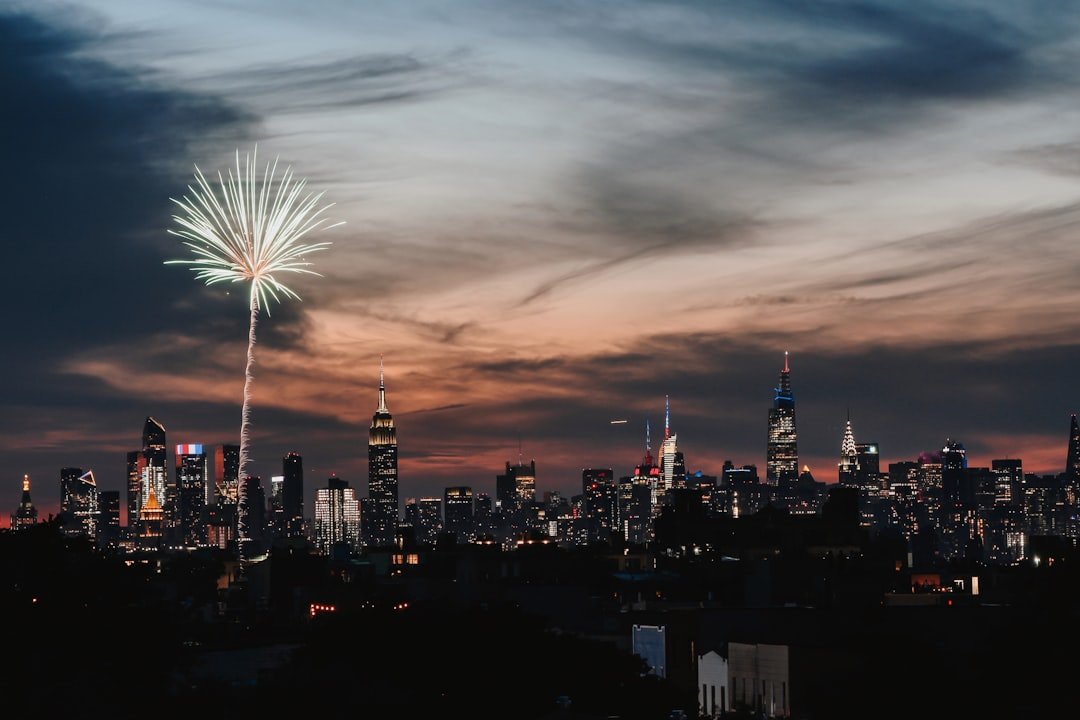
Macy’s has been launching fireworks over New York City since 1976 — the bicentennial year — and for America’s 250th, they’re pulling out something special. The Macy’s 4th of July Fireworks show on the East River is always the largest Independence Day display in the country, but this year promises to be bigger than anything they’ve done before. There’s even a free ticket lottery for prime viewing spots, with additional free viewing areas along the East River, Lower Manhattan, and New Jersey.
But New York’s semiquincentennial celebrations go beyond fireworks. Sail4th 250 is organizing a massive tall ships event — a fleet of historic vessels sailing into New York Harbor in a scene that’ll look like something out of a painting. The Jones Beach Air Show is going all out for the 250th, and expect special programming at the Statue of Liberty, Ellis Island, and museums across all five boroughs.
New York in July is not for the faint of heart. The heat radiates off the asphalt, the subway platforms feel like saunas, and you’ll be competing with roughly a gazillion other people for sidewalk space. Bring travel-size SPF 50 sunscreen, wear comfortable walking shoes (seriously, not the cute ones), and hydrate like it’s your job. If you want to watch the fireworks, stake out your spot hours early — I’m talking mid-afternoon at minimum.
Mount Rushmore and the Black Hills: Patriotic Grandeur
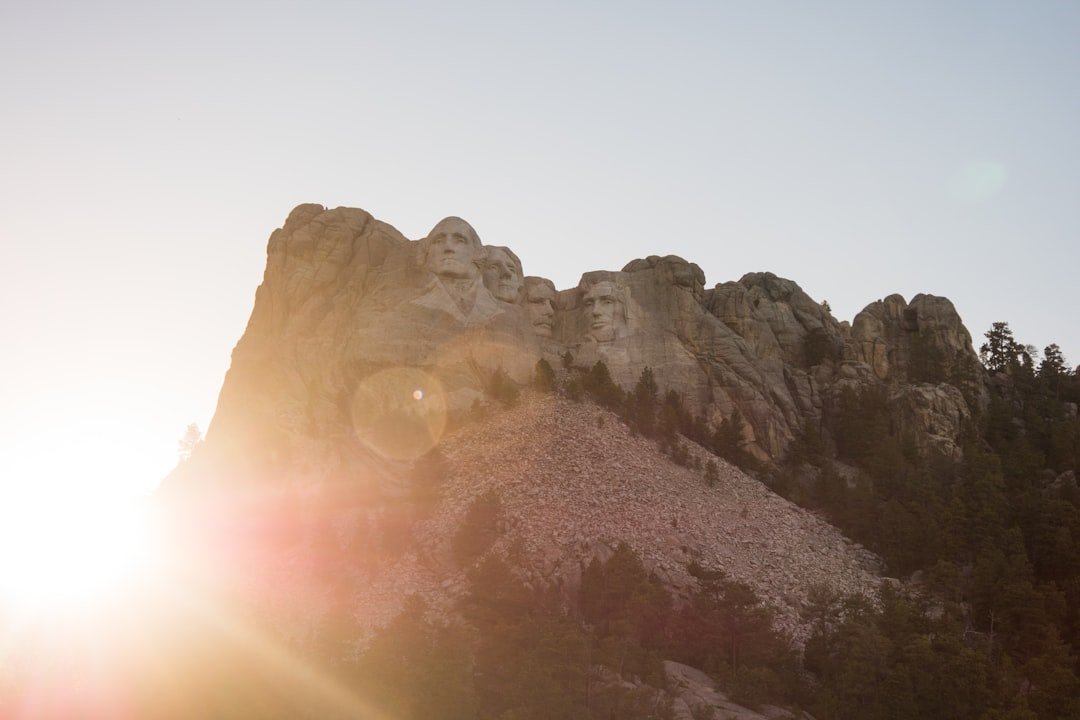
Not every great July 4th destination is on the East Coast. If you want to combine history with some of the most spectacular scenery in America, head to South Dakota. Mount Rushmore is about as on-the-nose as it gets for a 250th birthday celebration — four presidents carved into a granite mountainside, presiding over the Black Hills like stone sentinels.
The area goes all out for Independence Day. Nearby Keystone hosts a patriotic parade, and the Black Hills region offers a quieter, more contemplative way to celebrate the semiquincentennial. You can visit the Crazy Horse Memorial, explore Badlands National Park, and drive some of the most scenic byways in the country — all within a few hours of each other.
What I love about spending July 4th in the Black Hills is the contrast. Back east, you’re surrounded by the literal buildings where history happened. Out here, you’re surrounded by landscapes that look exactly as they did 250 years ago — wide-open prairies, towering granite formations, and skies so dark at night that the Milky Way looks close enough to touch. It’s a different kind of patriotic experience, and honestly, one that might hit harder.
Pack for the outdoors. You’ll want a solid day hiking backpack, good hiking boots, and layers — Black Hills weather in July can swing from blazing sun to afternoon thunderstorms in the span of an hour. A packable rain jacket is non-negotiable.
Charleston, South Carolina: Southern Charm Meets History
Charleston rarely gets mentioned in the same breath as Philadelphia and Boston when it comes to Revolutionary War history, and that’s a shame. This city was a crucial battleground — the Siege of Charleston in 1780 was one of the worst American defeats of the war, and the city’s plantations and historic districts tell a more complex, more honest story of what those 250 years actually mean.
July in Charleston means linen everything and plenty of sweet tea. The city’s Fourth of July celebration at Patriots Point in Mount Pleasant features fireworks over Charleston Harbor — with the USS Yorktown as a backdrop. Fort Sumter, where the Civil War began, offers a powerful reminder that the fight for liberty didn’t end in 1776. The Charleston Museum, founded in 1773, is America’s first museum and is hosting special semiquincentennial exhibits.
What sets Charleston apart is the food. After a day of historical sightseeing, you can celebrate America’s birthday with she-crab soup, shrimp and grits, and a cocktail on a wraparound porch while the fireflies come out. It’s the Fourth of July at a slower pace, and sometimes that’s exactly what you need.
Planning Your Semiquincentennial Trip
Here’s the thing about July 4, 2026: it falls on a Saturday. That means the entire country gets a three-day weekend, and every hotel, flight, and rental car within 200 miles of a major celebration site is going to be booked solid. I’m not exaggerating when I say that if you haven’t started planning, you’re already behind.
For the East Coast cities — Philly, D.C., Boston, New York — Amtrak is your best friend. The Northeast Corridor connects all four cities, and train travel means you don’t have to deal with parking, traffic, or the absolute chaos that airports will become that weekend. Book your seats now, because they’re selling out fast.
If you’re flying, lock in your tickets this week. Not next month — this week. Fares are only going up, and with the World Cup running concurrently in multiple U.S. cities, competition for flights is intense. Pack light with a quality carry-on spinner to avoid checked bag delays.
For accommodations, think creatively. Hotels in city centers will be astronomical. Consider vacation rentals in residential neighborhoods, staying in nearby smaller cities and commuting in, or — if you’re feeling adventurous — camping at nearby state or national parks. Many parks are hosting their own July 4th programming, and waking up in nature before heading into the city for fireworks is a pretty great way to spend the holiday.
What to Pack for a July 4th History Trip
Whether you’re walking the Freedom Trail in Boston or staking out a spot on the National Mall, July travel in the eastern U.S. means heat, humidity, and crowds. Here’s what I never leave home without:
A 32oz insulated water bottle — you’ll refill it constantly and the insulated version keeps water cold even in 95-degree D.C. heat. A rechargeable neck fan sounds ridiculous until you’re standing on the National Mall at 2pm in July, and then it sounds like the greatest invention in human history.
Comfortable walking shoes are non-negotiable. You’ll easily log 15,000-20,000 steps per day exploring these historic cities. A crossbody anti-theft bag keeps your essentials secure in crowds — and there will be crowds. Finally, a portable power bank is essential, because you’ll be taking photos, navigating, and looking up historical facts all day, and your phone will die before the fireworks start if you’re not prepared.
July 4, 2026 comes around once. Two hundred fifty years of the American experiment — flawed, ongoing, complicated, and still worth celebrating. Pick a city, book the ticket, and be there when the candles get blown out. I’ll see you on the Mall.