**Meta Description:** Traveling solo? Don’t let fear hold you back! Our comprehensive guide covers everything from pre-trip planning and emergency preparation to accommodation safety, transportation tips, and essential gear. Stay safe while exploring the world on your own terms.
**Keywords:** solo travel safety, travel safety tips, solo female travel, travel security, safe travel destinations, travel safety gear, solo travel advice
Introduction: Why Solo Travel Safety Matters
There’s something undeniably liberating about traveling alone. No compromises on where to eat, what to see, or when to wake up. Solo travel offers unparalleled freedom, self-discovery, and the chance to meet people you might never have encountered otherwise. But with that independence comes responsibility—especially when it comes to your personal safety.
The truth is, millions of people travel solo safely every year. The key isn’t to avoid solo travel, but to prepare smartly. Whether you’re a seasoned solo adventurer or planning your first independent journey, understanding travel safety fundamentals transforms anxiety into confidence. This guide covers every aspect of staying safe on the road, from pre-trip research to trusting your instincts in the moment.
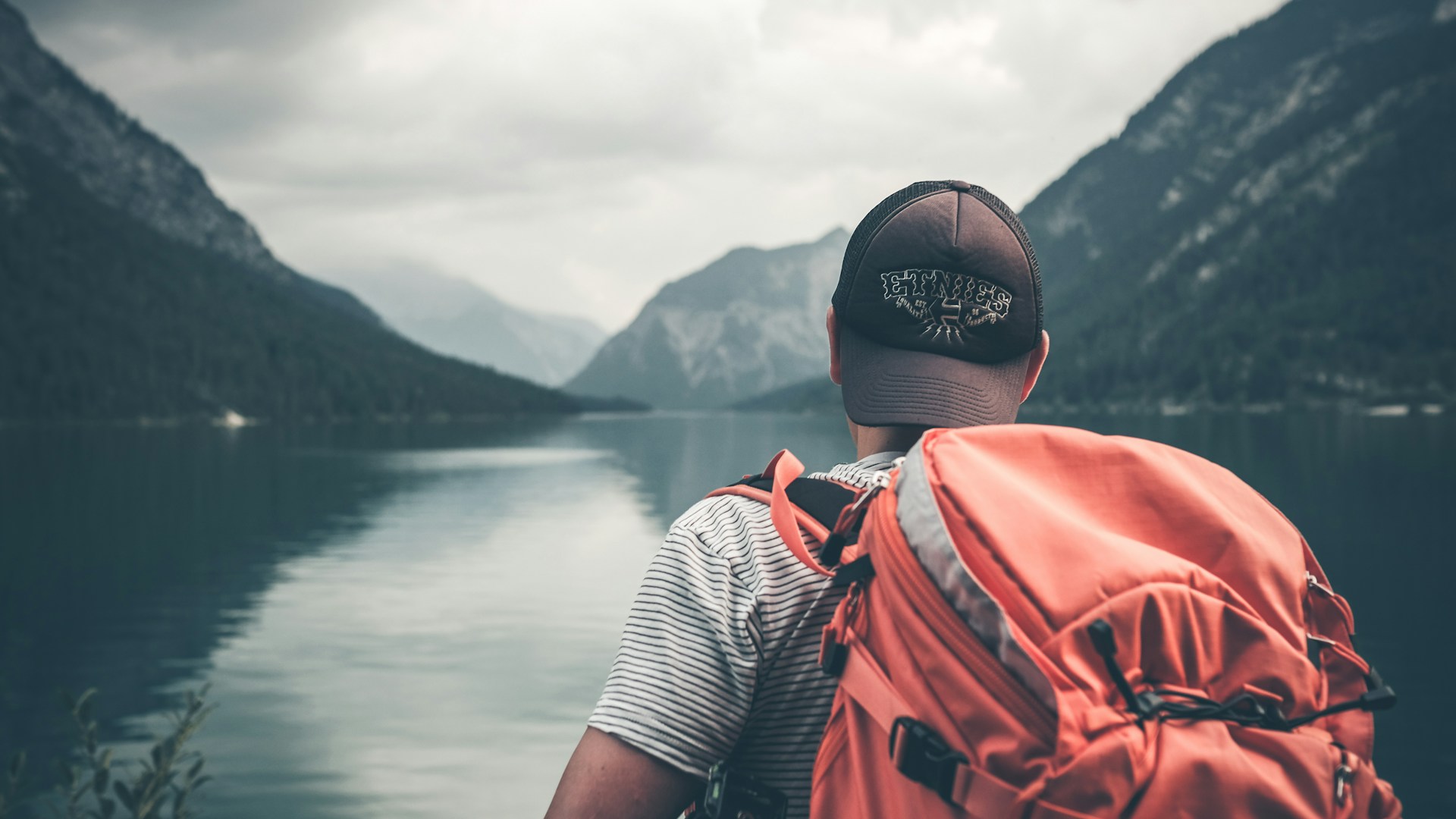
*Photo: A confident solo traveler explores a new destination, prepared and aware*
**February Safety Note:** Winter travel brings unique challenges—shorter daylight hours, unpredictable weather, and fewer crowds in popular destinations. Use these seasonal factors to your advantage by planning extra indoor activities and always carrying backup lighting options.
Part 1: Pre-Trip Planning and Research
Smart safety begins before you ever leave home. Thorough preparation is your first line of defense against potential problems.
Research Your Destination Deeply
Don’t just skim travel blogs—dig into the specifics of your destination:
– **Government Travel Advisories:** Check the U.S. State Department’s website for current alerts and safety information for your destination
– **Local News:** Spend time reading local English-language news sources to understand current events and issues
– **Seasonal Considerations:** February means winter in the Northern Hemisphere. Research weather patterns, daylight hours, and seasonal closures
– **Recent Traveler Reviews:** Look at reviews from the past 2-3 months on accommodation and transport sites for the most current information
**Pro Tip:** Join destination-specific Facebook groups and Reddit communities. Ask about recent safety concerns—locals and recent travelers often share insights you won’t find in guidebooks.
Share Your Itinerary with Trusted Contacts
Before departure, create a detailed itinerary including:
– Flight details with confirmation numbers
– Accommodation addresses and contact information
– Transportation bookings (trains, buses, rental cars)
– A rough daily schedule with planned activities
– Emergency contact information for each destination
Share this with at least two trusted people back home. Set up regular check-ins via WhatsApp, Signal, or another reliable communication method.
Travel Insurance: Non-Negotiable
Comprehensive travel insurance is your safety net. It covers medical emergencies, trip cancellations, lost luggage, and emergency evacuations. For solo travelers, having 24/7 assistance is invaluable when you’re navigating unfamiliar healthcare systems alone.
We recommend **World Nomads Travel Insurance** for comprehensive coverage designed specifically for adventurous travelers. Their policies cover everything from medical emergencies to trip interruptions, with 24/7 emergency assistance worldwide.
Part 2: Destination Safety Assessment
Not all destinations carry the same risks. Assessing your destination’s safety profile helps you prepare appropriately.
Understanding Different Types of Risk
Safety isn’t just about crime rates. Consider:
1. **Petty Crime:** Pickpocketing, bag snatching, and theft—common in tourist areas worldwide
2. **Violent Crime:** Rarely targeting tourists, but worth understanding regional patterns
3. **Political Instability:** Civil unrest, protests, or government tensions
4. **Natural Disasters:** Weather events, earthquakes, or other natural hazards
5. **Health Risks:** Disease outbreaks, food and water safety, altitude sickness
6. **Scams:** Tourist-targeted fraud schemes
Red Flags to Watch For
– High rates of petty crime targeting tourists
– Recent political protests or demonstrations
– Extreme weather warnings or natural disaster risks
– Travel advisories warning of kidnapping or terrorism
– Limited emergency infrastructure (hospitals, police response)
**Green Flags:**
– Well-developed tourism infrastructure
– Low violent crime rates
– Good healthcare accessibility
– Stable political situation
– Strong tourist police presence
Part 3: Emergency Preparation
When you’re traveling alone, being your own first responder is crucial. Solid emergency preparation turns crises into manageable situations.
Create Your Emergency Action Plan
Before each trip, document:
1. **Emergency Contacts:**
– Local emergency numbers (not every country uses 911)
– Nearest embassy or consulate contact information
– Local emergency services for your accommodations
– Trusted contacts back home with international dialing codes
2. **Medical Information:**
– Blood type, allergies, and current medications
– Basic medical history translated into local languages
– Travel insurance policy number and emergency hotline
– Location of nearest hospitals to each accommodation
3. **Digital Backups:**
– Scanned copies of passport, visas, and insurance documents
– Stored securely in cloud storage and on a password-protected USB drive
– Both digital and physical copies separated from originals
Pack a Comprehensive First Aid Kit
When you’re solo, minor injuries can become major problems. Always carry a well-stocked first aid kit tailored to your destination.
The Surviveware Small First Aid Kit is perfect for solo travelers—compact, organized, and stocked with medical-grade supplies. It includes trauma supplies, medications, and wound care items in a durable, water-resistant bag.
**Essential Items:**
– Bandages, antiseptic wipes, and antibiotic ointment
– Pain relievers and anti-inflammatory medication
– Anti-diarrheal medication and rehydration salts
– Any personal prescription medications (in original containers)
– Tweezers, scissors, and thermometer
– Insect repellent and sunscreen (destination-dependent)
Emergency Cash Stash
Always keep emergency cash separated from your main money supply. Hide $100-200 USD (or equivalent in local currency) in a separate location—inside a sock, tucked in a toiletry bag, or sewn into a piece of luggage. This backup fund can be a lifesaver if you’re robbed or lose your wallet.
Part 4: Accommodation Safety Tips
Where you stay significantly impacts your overall safety. Smart accommodation choices provide peace of mind and a secure base for exploration.
Choosing Safe Accommodations
**Prioritize These Features:**
– 24-hour reception or secure entry systems
– Safes in rooms or at reception for valuables
– Well-lit entrances and public areas
– Security cameras in common areas
– Located in safe, well-trafficked neighborhoods
– Good reviews specifically mentioning safety
**Read Reviews Strategically:**
Look for recent reviews mentioning:
– Security and safety
– Neighborhood safety at night
– Staff responsiveness to concerns
– Cleanliness and maintenance
– Noise levels (which can mask security issues)
Room Selection Strategies
When booking, request rooms:
– Above the ground floor (harder for break-ins)
– Below the top floor (better fire escape access)
– Away from street-level entrances
– Near elevators (but not directly next to them)
In-Room Safety Practices
Upon arrival:
1. **Check all locks:** Doors, windows, and any balcony access
2. **Test the peephole:** Ensure it works and isn’t covered
3. **Locate emergency exits:** Count doors to the nearest exit and stairwell
4. **Inspect the safe:** Test it before trusting valuables to it
5. **Note staff uniforms:** Know who legitimately works there
**Portable Door Lock Game-Changer:**
The Addalock Portable Door Lock provides instant security in any room with a standard door. This small, lightweight device adds an extra layer of protection—it’s impossible to open from the outside, even with a key. Perfect for solo travelers, especially in budget accommodations or rentals.
Part 5: Transportation Safety
Getting from point A to point B safely requires awareness and preparation. Transportation hubs and journeys present unique safety challenges.
*Photo: Busy airport terminal—a place where vigilance matters most*
Airport and Station Vigilance
Transportation hubs are hotspots for petty crime. Stay alert by:
– Keeping valuables inside closed bags, not in outer pockets
– Using luggage with zippered compartments and TSA-approved locks
– Never leaving bags unattended, even for “just a second”
– Being wary of distractions (spilled drinks, commotions, overly friendly strangers)
– Keeping electronics close and carrying them in nondescript bags
Taxi and Ride-Share Safety
– **Verify before boarding:** Check license plates and driver identification against app details
– **Share your ride:** Use ride-share apps’ features to share trip details with trusted contacts
– **Sit behind the driver:** In taxis, sit behind the driver (more difficult to reach you)
– **Know your route:** Follow GPS on your own device to ensure you’re on course
– **Trust your instincts:** If something feels wrong, ask to stop in a safe, public area
Public Transportation Best Practices
– **Avoid empty train cars:** Especially at night—choose cars with other passengers
– **Stay awake:** Don’t sleep on public transport alone
– **Secure your belongings:** Keep bags on your lap or between your feet with a strap around your leg
– **Plan ahead:** Know your stop and route before boarding
– **Keep exits accessible:** Position yourself near doors when possible
Rental Car Considerations
– **Don’t advertise:** Keep valuables out of sight in the trunk
– **Lock up:** Always lock doors, even while driving in unfamiliar areas
– **Park smart:** Choose well-lit, populated areas—never isolate your vehicle
– **Fuel up:** Don’t let your tank get below half-full in unfamiliar areas
– **Keep maps offline:** Download areas for offline navigation in case of poor cell service
Part 6: Communication Strategies
Staying connected while traveling solo is both a safety necessity and a practical challenge. Smart communication strategies keep you reachable and informed.
International Phone and Data
Always have a working phone with data:
– **Unlock your phone:** Before departure, ensure your phone is carrier-unlocked
– **Local SIM vs. eSIM:** Local SIM cards are cheaper; eSIMs offer convenience without swapping physical cards
– **International plans:** Your home carrier’s plans are convenient but often expensive
– **Backup communication:** Carry a cheap unlocked phone as backup
VPN: Essential for Digital Safety
Public Wi-Fi is everywhere when traveling, but it’s often unsecured. A VPN (Virtual Private Network) encrypts your internet connection, protecting your data from hackers and snoops.
NordVPN is our top recommendation for travelers—fast, reliable, with servers in 60+ countries. It works on all devices and includes features like automatic kill switches and malware protection. Your online banking, emails, and communications stay secure, even on sketchy café Wi-Fi.
Regular Check-Ins
Establish a check-in routine with trusted contacts:
– Daily check-ins via text or call
– Location sharing via apps like Find My Friends or Google Location Sharing
– Scheduled video calls (more personable than text)
– Emergency phrase codes (like “I’m thinking of you” meaning “I need help”)
Translation Apps
Language barriers can create dangerous situations. Download translation apps that work offline:
– **Google Translate:** Download language packs for offline use
– **DeepL:** Often more accurate than Google for complex phrases
– **iTranslate:** Includes conversation mode for real-time dialogue
Part 7: Valuables Protection
Your passport, money, and electronics are lifelines when traveling solo. Protecting them requires strategy, not just luck.
Money Belt: Still Worth It
Yes, money belts are unfashionable. But they’re also incredibly effective at preventing theft. Wear a slim money belt under your clothing for:
– Emergency cash
– Backup credit/debit card
– Passport photocopy
– Emergency contact information
The Alpha Keeper Money Belt is designed for comfort and security—slim, breathable, and RFID-blocking. It’s virtually undetectable under clothing, making it perfect for crowded markets, public transport, and high-risk areas.
Digital Valuables Security
**For Your Phone:**
– Set a strong passcode (not 1234 or 0000)
– Enable two-factor authentication on all accounts
– Disable “notifications on lock screen” (reveals too much info)
– Install a tracking app (Find My iPhone, Android Device Manager)
– Keep it charged—carry a Anker PowerCore 10000 Portable Charger (lightweight, reliable, fast-charging)
**For Your Laptop/Tablet:**
– Full-disk encryption (FileVault for Mac, BitLocker for Windows)
– Strong, unique passwords for all accounts
– Backup everything to cloud storage before traveling
– Consider a privacy screen for public use
– Never leave unattended, even briefly
Daily Money Management
– **Never carry all your cash:** Split between money belt, wallet, and secure stash
– **Use ATMs strategically:** Withdraw larger amounts less frequently, use bank ATMs inside branches during daylight hours
– **Carry small bills:** Avoid flashing large bills for small purchases
– **Watch for card skimmers:** Wiggle card readers—if they’re loose, don’t use
– **Separate your cards:** Keep debit and credit cards in different locations
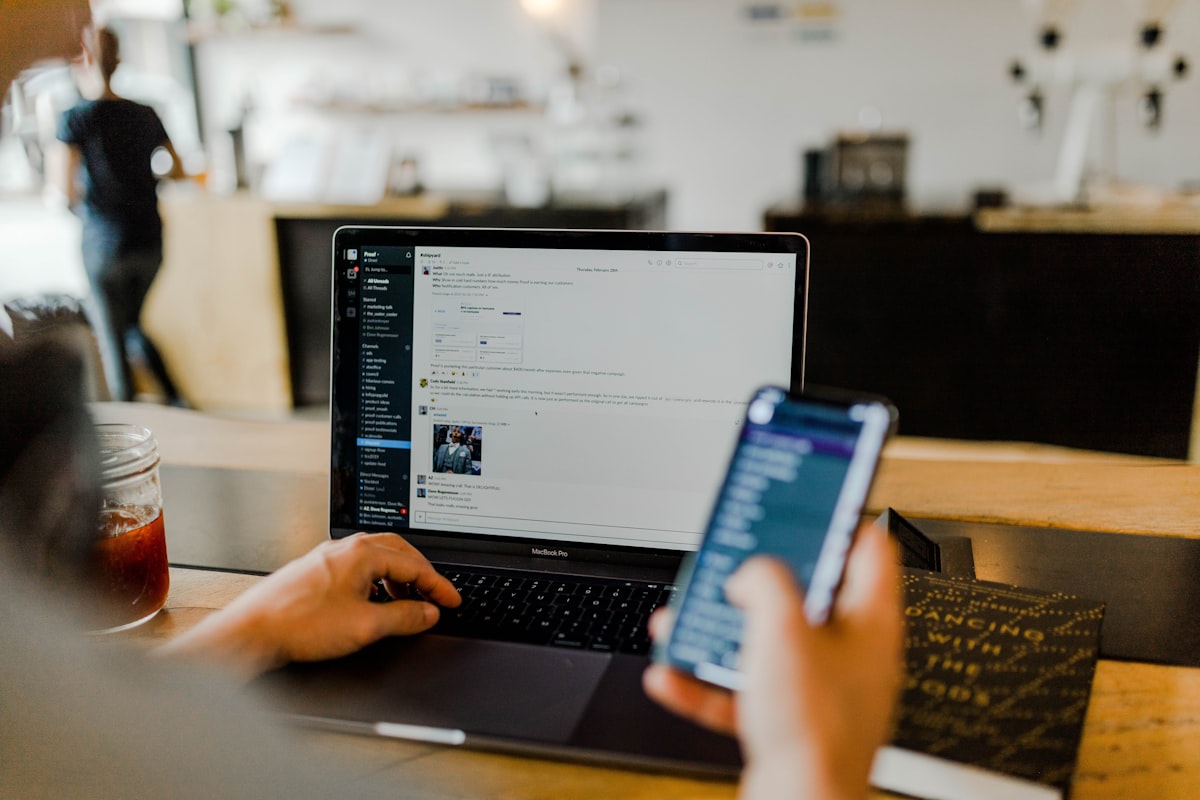
*Photo: Smartphone with travel apps and communication essentials*
Part 8: Cultural Awareness and Blending In
Standing out as a tourist can make you a target. Cultural awareness and effort to blend in significantly enhance safety.
Research Local Customs
Before arrival, learn about:
– Appropriate dress (especially for religious sites)
– Social norms and taboos
– Common scams targeting tourists in that specific destination
– Local laws that might differ from home (photography restrictions, medication legality, etc.)
– Tipping culture (overtipping can attract unwanted attention)
Dress Like a Local (Sort Of)
You don’t need a complete wardrobe overhaul, but subtle adjustments help:
– Avoid obvious “tourist uniform” (cargo shorts, white sneakers, fanny packs)
– Observe what locals wear and aim for similar modesty levels
– Neutral colors blend in better than bright patterns
– Comfortable, practical footwear that doesn’t scream “expensive hiking boots”
Learn Key Phrases
Even basic phrases in the local language earn respect and de-escalate tense situations:
– “Hello,” “please,” and “thank you”
– “I need help” and “Where is the police?”
– “How much?” (for shopping)
– “No, thank you” (for unwanted approaches)
– Numbers and basic directions
Be Camera-Smart
Photography etiquette affects safety:
– Ask permission before photographing people
– Avoid photographing government buildings, military sites, or airports
– Be discreet with expensive camera equipment
– Consider using your phone instead of a dedicated camera for lower profile
Part 9: Health Precautions for Solo Travelers
When you’re alone, managing health issues falls entirely on you. Preparation and prevention are your best strategies.
Pre-Travel Health Preparation
**6-8 Weeks Before Departure:**
– Schedule a travel health consultation
– Check CDC and WHO recommendations for your destination
– Update routine vaccinations
– Get destination-specific vaccines (typhoid, hepatitis A/B, yellow fever, etc.)
– Fill prescriptions with extra supplies
**Pack a Health Kit:**
– Prescription medications in original containers with copies of prescriptions
– Over-the-counter medications you prefer or might need
– Glasses/contacts with backup pair and prescription
– Medical alert bracelet if you have conditions or allergies
Food and Water Safety
Stomach issues can be dangerous when traveling solo, especially in remote areas.
**Water Safety:**
– When in doubt, drink bottled water (seal unbroken)
– Use a LifeStraw Personal Water Filter for emergencies—filters bacteria and parasites from any water source
– Avoid ice in drinks
– Use bottled water for brushing teeth in high-risk areas
– Peel fruits and vegetables yourself
**Food Safety:**
– Eat where locals eat (high turnover = fresh food)
– Avoid street food that’s been sitting out
– Fully cooked, hot food is generally safest
– Be cautious with raw fruits/vegetables unless you peel them
– Trust your instincts—if a place looks questionable, skip it
Managing Illness Alone
If you get sick while traveling solo:
– Stay hydrated and rest (don’t push through)
– Use telemedicine services if your travel insurance offers them
– Know when to seek local medical care (high fever, severe symptoms, no improvement after 48 hours)
– Don’t be afraid to ask accommodation staff for help finding doctors or clinics
– Keep a supply of electrolytes and easily digestible food
Part 10: Trusting Your Instincts
The most important safety tool you possess is your intuition. Learn to trust it—it’s often picking up on subtle cues your conscious mind hasn’t processed.
Recognize Your Instincts
Your instincts manifest physically:
– A “bad feeling” in your gut
– Hair standing up on your neck or arms
– Sudden urge to leave a situation
– Feeling watched or followed
– Unexplained anxiety or tension
These aren’t paranoia—they’re your brain’s pattern recognition system alerting you to potential danger.
The “No Excuse” Rule
When your instincts say something’s wrong, leave immediately. No excuses, no explanations needed to strangers. Common situations that trigger instincts:
– Someone being overly friendly or pushy
– An area that feels wrong (too quiet, too aggressive, etc.)
– A ride or driver that feels off
– An accommodation that doesn’t match its listing
– A tour or activity that feels disorganized or unsafe
Create Exit Strategies
Always know how to quickly leave situations:
– Keep taxi/ride-share apps ready and accessible
– Carry enough cash for emergency transportation
– Know where you are (save your accommodation’s address offline)
– Have phrases ready to decline unwanted attention
– Don’t worry about being polite—safety > politeness
Solo ≠ Alone
Remember: being solo doesn’t mean being isolated. You can:
– Stay in hostels or guesthouses to meet other travelers
– Join group day tours for activities
– Take classes or workshops (cooking, language, craft)
– Use coworking spaces if working remotely
– Attend meetups or events via apps like Meetup or Facebook Groups

Essential Solo Travel Safety Gear Checklist
Here’s your complete packing list for safe solo travel:
Safety & Security
– [ ] **Personal Safety Alarm** – 130dB alarm to attract attention
– [ ] **Portable Door Lock** – Addalock for room security
– [ ] **Money Belt** – Alpha Keeper RFID-blocking belt
– [ ] **TSA-Approved Luggage Locks** – Secure your bags
– [ ] **GPS Tracker** – For remote adventures (consider Garmin inReach Mini)
Health & Medical
– [ ] **Comprehensive First Aid Kit** – Surviveware Small First Aid Kit
– [ ] **Personal Medications** – Extra supply, in original containers
– [ ] **Water Filter** – LifeStraw for emergencies
– [ ] **Hand Sanitizer & Wipes** – Choose alcohol-based options
– [ ] **Insect Repellent** – DEET 20-30% for effective protection
Tech & Communication
– [ ] **VPN Service** – NordVPN for secure internet
– [ ] **Portable Charger** – Anker PowerCore 10000
– [ ] **Unlocked Phone** – For local SIM cards
– [ ] **Tracking App** – Find My iPhone or Android Device Manager
– [ ] **Translation Apps** – Google Translate with offline downloads
Documentation & Money
– [ ] **Passport** – Valid 6+ months beyond travel dates
– [ ] **Travel Insurance** – World Nomads or similar comprehensive coverage
– [ ] **Emergency Cash** – Hidden stash in separate location
– [ ] **Multiple Cards** – Debit and credit cards kept separate
– [ ] **Document Copies** – Digital and physical copies separated from originals
Conclusion: Confident Solo Travel is Possible
Solo travel safety isn’t about fear—it’s about preparation and awareness. With proper research, the right gear, and trust in your instincts, you can explore the world independently and confidently. Millions of people do it safely every year, and you can too.
Remember:
– **Preparation prevents panic** – Plan ahead, but stay flexible
– **Awareness beats paranoia** – Stay alert, not afraid
– **Instincts are intelligence** – Trust your gut, always
– **Community exists everywhere** – You’re never truly alone if you reach out
– **Experience is the best teacher** – Start with easier destinations and build confidence
The world is waiting, and you’re capable of exploring it safely. Pack smart, stay aware, and trust yourself. Your solo travel adventure begins with that first step out the door.
**Stay safe, travel confidently, and enjoy every moment of your solo adventure!**
Recommended Gear
3. Tarriss Travel Luggage Scale
6. EarthPak Waterproof Dry Bag
7. Epicka Universal Travel Adapter
11. Hydro Flask Standard Mouth
Shop Gear on Amazon
Find the perfect gear for your trip:
• Portable Phone Chargers & Power Banks
2 thoughts on “Solo Travel Safety Tips: The Ultimate Guide for Exploring the World Alone”