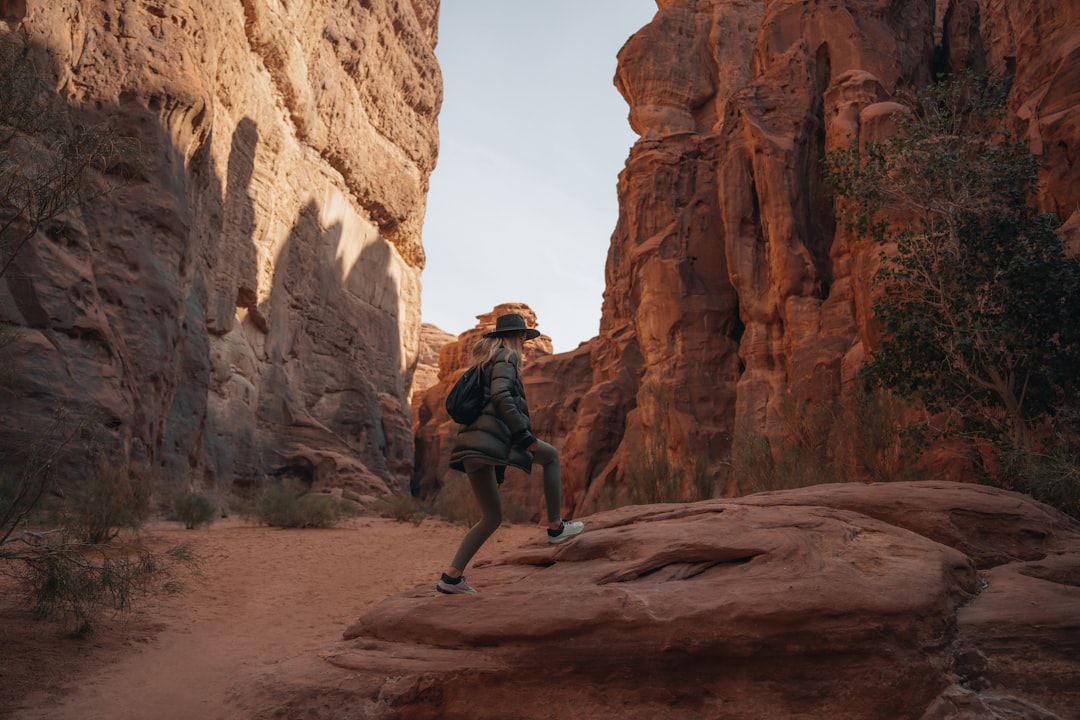
I learned the hard way that sunscreen alone doesn’t cut it. It was a 14-mile day on a section of the Arizona Trail, mid-June, and by mile 10 the back of my neck felt like a stovetop. I’d slathered on SPF 50 twice, but sweat and friction from my pack straps had stripped it down to nothing. That evening, sitting in my tent trying to find a position that didn’t make my shoulders scream, I committed to overhauling my entire sun protection kit.
What I discovered after months of testing is that the best sun protection isn’t one product — it’s a system. Clothing, hats, neck coverage, sunglasses, and yes, sunscreen all work together. When each piece does its job, you can stay out longer, recover faster, and actually enjoy exposed terrain instead of suffering through it. Here’s what earned a permanent spot in my pack after I put it all through real-world abuse.
The Foundation: Why UPF Clothing Beats Sunscreen Alone

Here’s the thing about sunscreen that nobody tells you: most people apply it wrong, reapply it late, and miss spots that matter. The Skin Cancer Foundation estimates that the average person uses only 25-50% of the recommended amount. So that SPF 50 you slapped on this morning? It’s probably functioning closer to SPF 15 by the time you hit the trailhead parking lot.
UPF (Ultraviolet Protection Factor) clothing flips the math. A UPF 50+ fabric blocks 98% of UVA and UVB rays, and unlike sunscreen, it doesn’t wash off when you sweat, rub off under pack straps, or require you to stop every two hours to reapply. I was skeptical about whether a long-sleeve shirt could actually feel comfortable in 95-degree heat, but modern sun shirts are engineered differently from your average cotton tee. They’re lightweight, moisture-wicking, and honestly cooler than bare skin because they keep direct solar radiation off you.
The Roadbox UPF 50+ sun protection hoodie became my daily driver for desert hiking. The hood eliminates the need for a separate neck buff on most days, and the fabric has a noticeably smooth, almost silky feel against the skin. At around $25, it’s also one of the most affordable options I’ve tested — which matters when you’re building an entire kit from scratch.
For anyone who prefers a non-hooded option, the Roadbox UPF 50+ long-sleeve rash guard offers the same protection in a crew-neck design. I wore mine fishing in the Florida Keys and came home without the forearm sunburn that used to be inevitable on boat days.
What About Women’s Options?
The market for women’s UPF gear has exploded recently, and the quality has kept pace. My partner swears by her TBMPOY women’s UPF 50+ sun hoodie, which has a more tailored cut and a slightly lighter fabric weight than my Roadbox. The thumbholes are a genuine feature, not a gimmick — they keep the sleeves from riding up when you’re reaching for holds or scrambling over boulders.
For those who want something even more minimal, the women’s UPF 50+ quick-dry hiking top is a solid sleeve-only option that skips the hood entirely. It’s perfect for high-exertion activities where you want maximum ventilation without sacrificing arm coverage.
Head and Neck: Your Most Exposed Real Estate

Your face, ears, and the back of your neck get more direct UV exposure than anywhere else on your body. It’s also the area most people protect inconsistently — a ball cap covers your forehead and nothing else. I used to be a ball cap person. I’m a convert now.
The shift happened on a trip to those high-altitude towns where the air is thin but the UV index is brutal. At 9,000 feet, sunscreen evaporates off your face faster than you can apply it. A wide-brim hat creates its own microclimate of shade, and once I started wearing one, I never went back.
The FURTALK wide-brim sun hat with ponytail hole is the one my partner reaches for. The UPF 50+ rating, foldable design, and thoughtful ponytail opening solve the three biggest complaints women have about sun hats. It packs flat in a backpack and springs back into shape at the trailhead.
For a more gender-neutral option, the EINSKEY packable bucket hat has been my go-to. It’s waterproof (which surprised me — I wore it through a rain squall in the Smokies and stayed dry), has a chin strap for windy ridges, and the brim is wide enough to actually shade your neck, not just your face. I also tested the waterproof wide-brim boonie hat on a week-long Utah trip and appreciated its stiffer brim, which held its shape better in strong winds.
The Missing Piece: Neck and Face Coverage
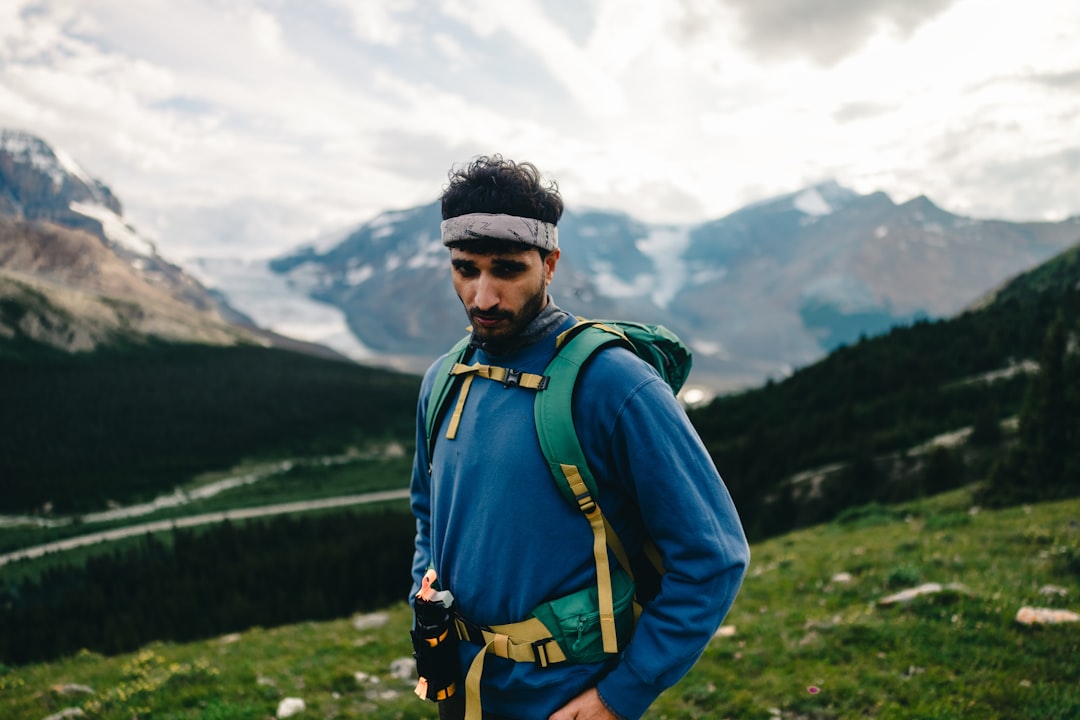
A hat shades your face from above, but reflected UV off water, sand, and light-colored rock still cooks the underside of your chin and your neck. This is where a neck gaiter earns its keep. I know, I know — neck gaiters had a weird moment during the pandemic and people have feelings about them. But for sun protection, they’re unmatched.
The five-pack of UV protection neck gaiters gives you enough rotation for a week-long trip without doing laundry. They’re breathable enough to wear on hot trails, and they pull up over your nose when you hit a particularly exposed stretch. On a 2,000-mile Southwest road trip last spring, I wore mine as a neck covering, a headband, and even an emergency dust mask during a windstorm in Monument Valley.
Arms: When Short Sleeves Aren’t Enough
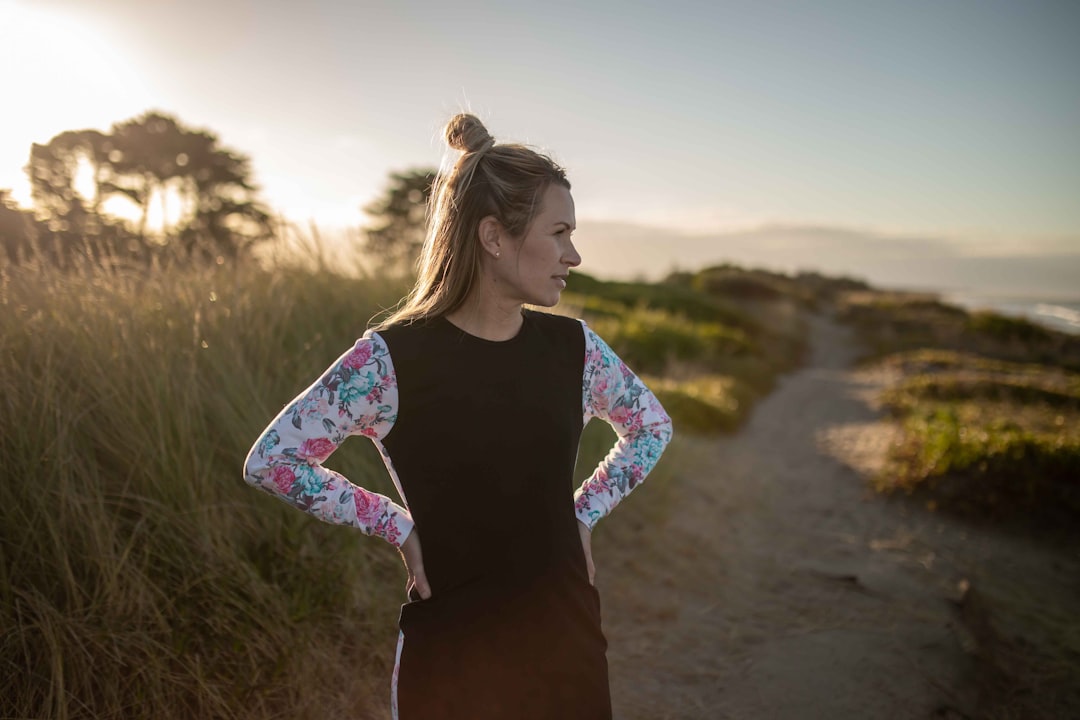
There are days when a full long-sleeve shirt is overkill — maybe you’re hiking in and out of forest cover, or you’re doing a high-output activity where you need maximum ventilation. That’s where UV arm sleeves come in. They’re essentially compression sleeves made from cooling fabric, and they let you push your sleeves up and down without dealing with a whole shirt.
I tested the ROXUN cooling arm sleeves on a mountain bike trip in Colorado and was impressed by how well they stayed put. Most compression sleeves I’ve tried either squeeze too tight or slide down after an hour of activity. These hit a good middle ground, and the four-pair pack means you can stash a set in every bag you own — daypack, glove box, bike bag.
Eyes: UV Damage You Can’t Undo

Here’s something I didn’t take seriously until an optometrist friend sat me down: UV damage to your eyes is cumulative and irreversible. Prolonged sun exposure contributes to cataracts, macular degeneration, and photokeratitis (basically a sunburn on your cornea). Cheap sunglasses without UV protection are actually worse than no sunglasses at all, because the dark tint causes your pupils to dilate, letting in more unfiltered UV.
You need polarized lenses with proper UV400 protection. The three-pack of polarized sport sunglasses is what I carry for travel. Three pairs means I can lose one, loan one to a travel partner who “forgot” theirs, and still have a backup. They’re lightweight, wrap around for peripheral coverage, and at this price point, I don’t baby them.
Sunscreen: Still Essential, But Not Your First Line
With all this UPF clothing in play, sunscreen becomes your supplement rather than your primary defense — which is exactly how it should be. You still need it for the gaps: face, ears, hands, the V-neck area your shirt doesn’t cover. But you’ll use less of it, apply it less often, and it won’t be the difference between a great trip and a miserable one if you miss a spot.
I carry the Sun Bum SPF 50 travel-size lotion in a hip belt pocket. At 3 ounces, it flies under the TSA radar, and it’s reef-safe if your travels take you somewhere with marine sanctuaries. The coconut smell is divisive — you either love it or you’re tired of it by day three — but the formula goes on clean without the white cast that cheaper sunscreens leave behind.
Building Your Kit: What Actually Matters

After a full season of testing this stuff across deserts, alpine trails, coastal paddling, and everything in between, here’s my honest take on what matters most:
- Start with one good UPF shirt. If you buy nothing else, get one quality long-sleeve sun hoodie. It covers more skin per dollar than anything else in your kit, and you’ll wear it constantly. The Roadbox hoodie is the budget pick I’d recommend to anyone.
- Upgrade your hat. A ball cap is better than nothing, but a wide-brim hat with at least 3 inches of brim is transformative. Your neck will thank you.
- Don’t forget your eyes. Polarized sunglasses aren’t a luxury. They’re preventive healthcare that also happens to cut glare on water and snow.
- Keep sunscreen as backup. Use it for the spots clothing can’t reach, and reapply every few hours on those gap zones.
The total investment for a complete sun protection kit — shirt, hat, sunglasses, neck gaiter, and travel sunscreen — runs about $80-100. That’s less than the cost of a single dermatologist visit for a suspicious mole, and it will outlast multiple bottles of sunscreen. Trust me on this one: I learned the expensive way.
If you’re planning to spend serious time outdoors this summer, or if you’ve got a gear-intensive trip like a photography expedition that has you standing in the sun for hours, sun protection gear isn’t optional. It’s the difference between finishing strong and tapping out early — and it might be the difference between healthy skin and a diagnosis you don’t want to hear in ten years.
Build the kit. Test it on a day hike before you commit to a week-long trip. And for the love of everything, throw away those gas station sunglasses.