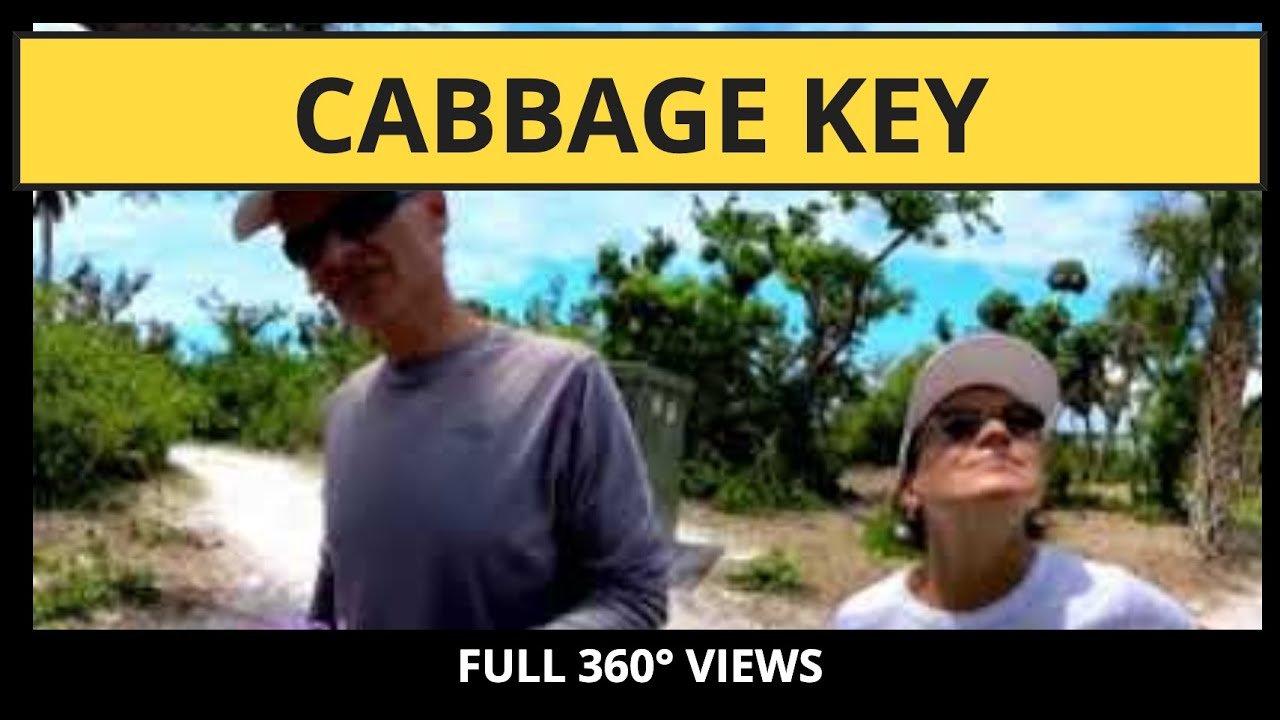
Some of the best travel destinations don’t have parking lots. No bridges, no ferry terminals, no ride-share drop-off zones. Cabbage Key, a tiny mangrove-and-palm island tucked into Pine Island Sound on Florida’s Gulf Coast, is one of those places. You can only get there by boat — and that single fact shapes everything about the experience once you arrive.
I’d been exploring the waterways around Pine Island and Matlacha for years before finally making the short run out to Cabbage Key. What I found was an island that feels frozen in old Florida time: dirt trails through dense tropical canopy, a historic inn that’s been serving the same signature burger since 1944, and a nature preserve where the loudest sound is wind through cabbage palm fronds. If you’re looking for the Florida that existed before the high-rise condos and theme park lines, this is where you’ll find it.
Where Is Cabbage Key and How Do You Get There?
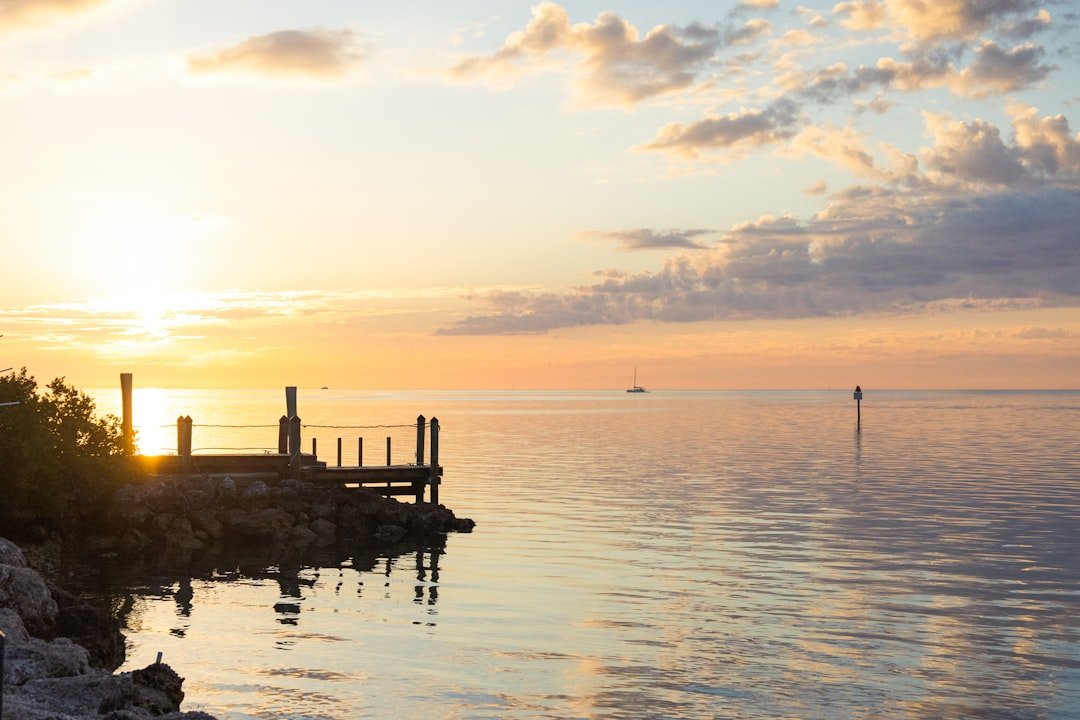
Cabbage Key sits in the northern stretch of Pine Island Sound, roughly halfway between the mainland town of Pineland and the barrier islands of Sanibel and Captiva. The island is about 100 acres, with a portion developed as the Cabbage Key Inn and Restaurant and the remainder preserved as a nature sanctuary. There are no cars, no paved roads, and no bridge. Your boat — or a rented vessel — is your only way in.
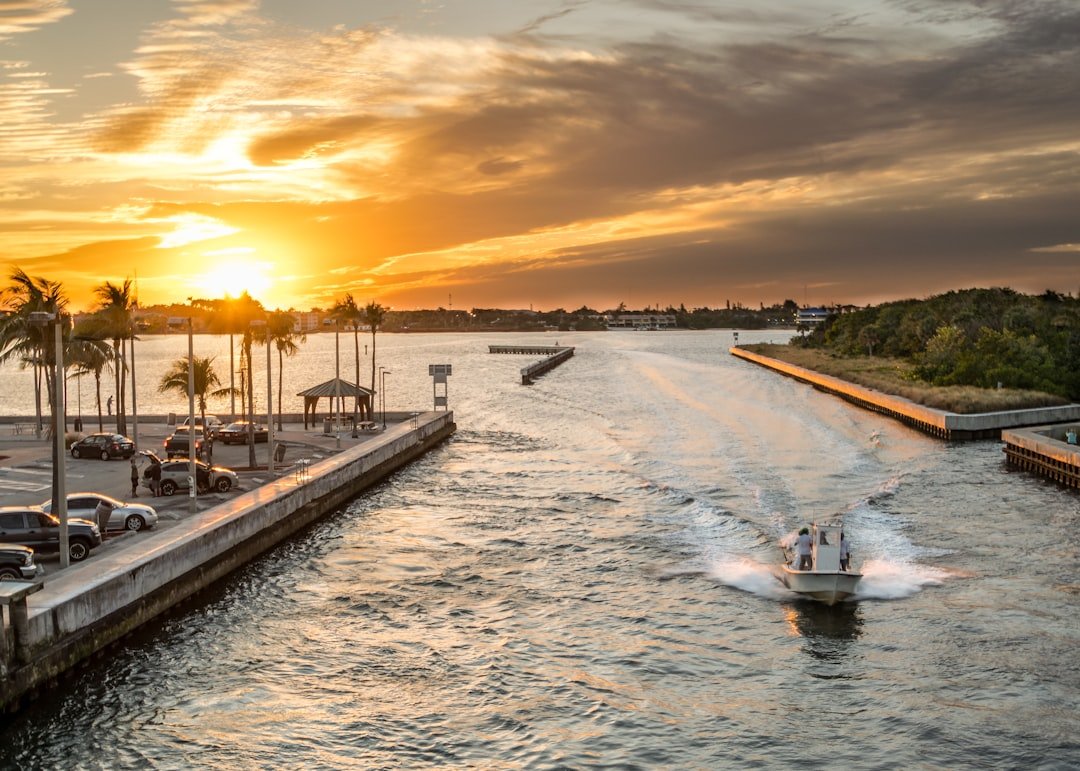
The most common launch points are from Pineland Marina (about a 15-minute boat ride), Bokeelia at the north end of Pine Island, or various marinas around Fort Myers if you’re staying farther south. If you don’t own a boat, pontoon rentals are available from several outfitters along the Pine Island coast, and guided eco-tours run daily during season (December through April). The run across the Sound is protected, generally calm, and navigable even for relatively inexperienced boaters — just watch for shallows and follow the channel markers.
For travelers without boating experience, the Florida Gulf Coast travel guides available online list several charter captains who run half-day trips to the island. These charters typically include time for lunch at the inn, a walk on the nature trail, and dolphin-watching on the transit. It’s one of the most rewarding day trips you can take from the Fort Myers area, and far less crowded than the more publicized Sanibel shell beaches.
Walking the Island: The Cabbage Key Nature Trail
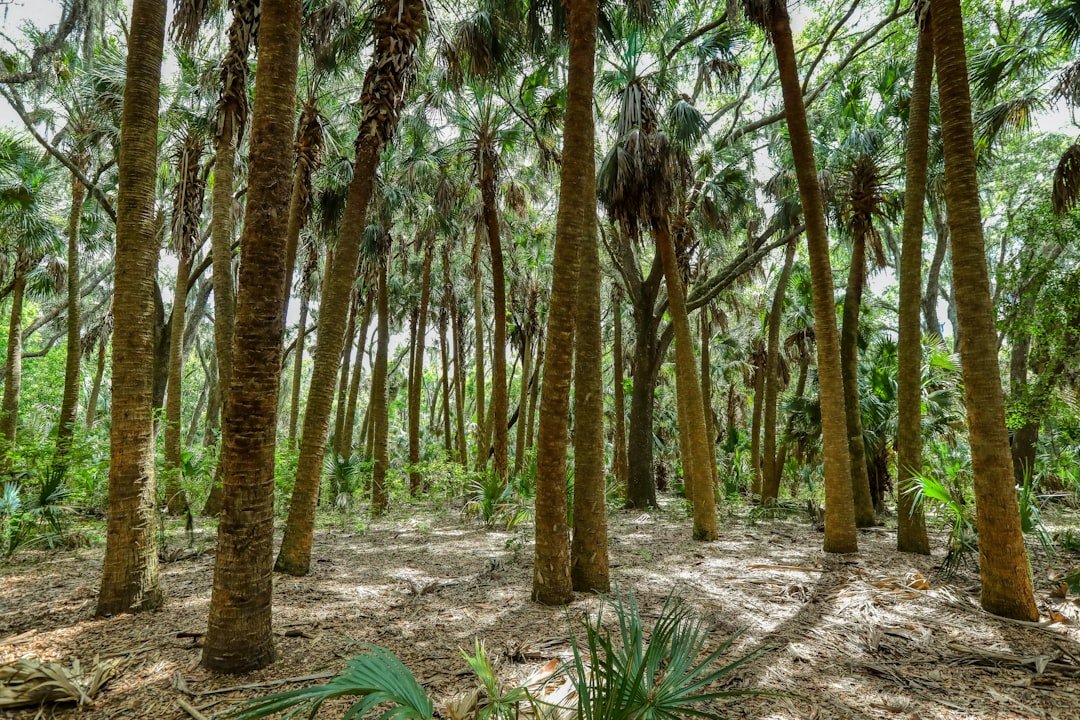
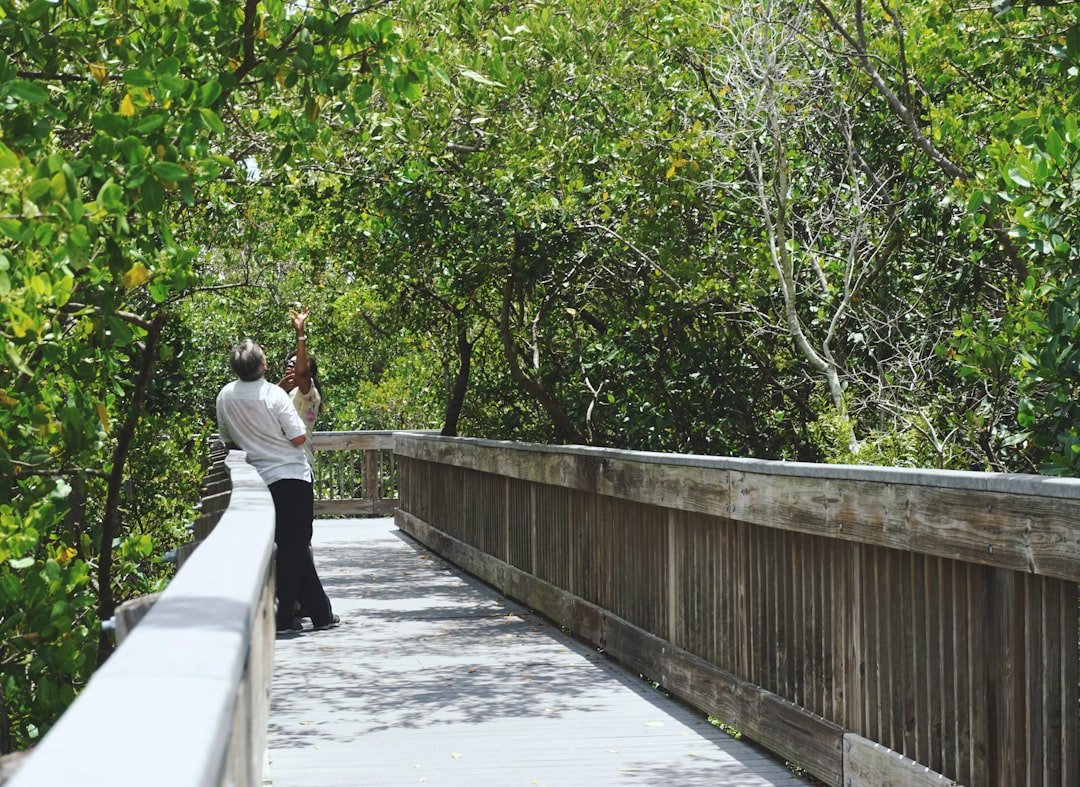
The developed trail system on Cabbage Key is relatively short — roughly a half-mile loop — but what it lacks in distance it makes up for in botanical density. Within the first hundred yards, you’ll pass under a canopy of cabbage palms (the island’s namesake), live oaks draped with resurrection fern, and massive gumbo limbo trees with their distinctive peeling red bark. The understory is thick with Spanish stopper, wild coffee, and strangler figs wrapping themselves around older hosts in slow-motion combat.
Informational plaques along the trail identify the major plant communities and explain the island’s ecology. The forest here is a classic tropical hardwood hammock, similar to what you’d find in the Florida Keys but with a distinctively Gulf Coast flavor. The trees create their own microclimate — noticeably cooler and more humid than the open water surrounding the island. On a hot February afternoon, the shade felt like air conditioning.
The trail surfaces are a mix of packed shell and bare dirt, so sturdy shoes are helpful even though the terrain is flat. I made the mistake of wearing flip-flops on my first visit and spent the entire hike with bits of shell between my toes. A good pair of water-friendly hiking shoes would have been a much better call, especially if you plan to explore the shoreline after the trail.
Wildlife Watching on a Protected Island
Because Cabbage Key has never been heavily developed, it functions as a de facto wildlife refuge. Birdlife is abundant — cardinals, herons, ibises, and the occasional bald eagle all make appearances. On my walk, I spotted a great white heron stalking the shallows near the dock, moving with the kind of prehistoric patience that makes you forget to check your phone. Bring a decent pair of binoculars if you have any interest in birding; the canopy birds are often easier to hear than to see, but the wading birds along the shoreline are spectacular and close.
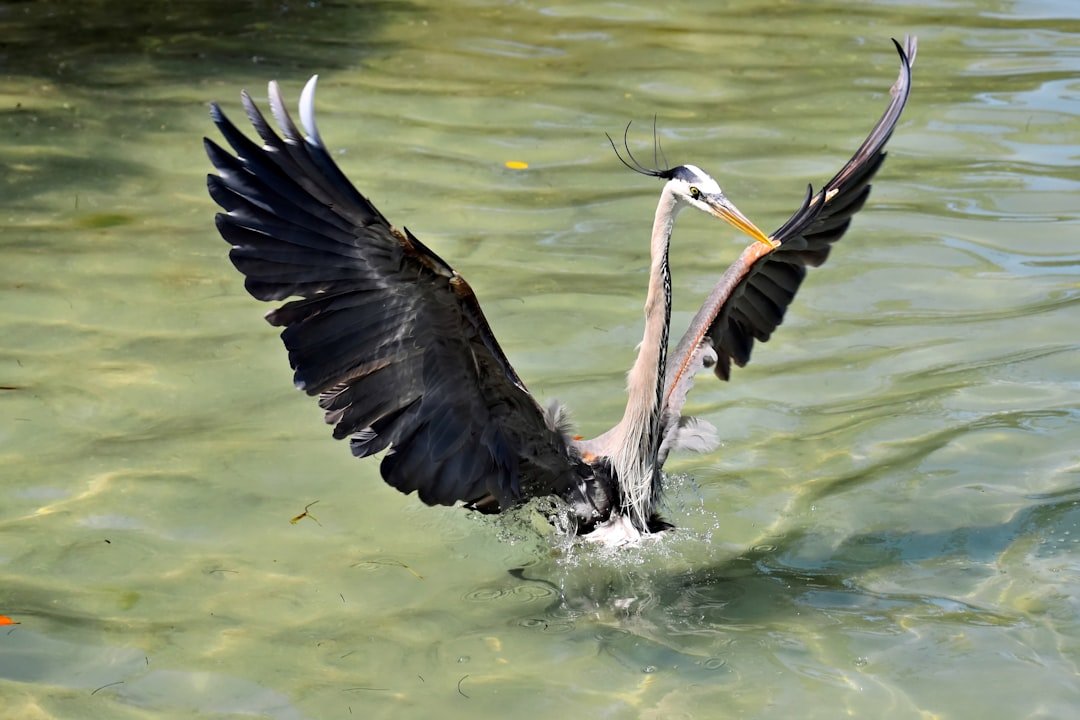
The waters around the island hold the usual Gulf Coast cast: dolphins are nearly guaranteed on any boat transit through Pine Island Sound, manatees show up in the warmer months, and the fishing is excellent if you’ve brought gear. The island’s interior trail mentions the possibility of indigo snakes and river otters, though both are shy and sightings are rare. What you will notice are the insects — this is subtropical Florida, after all, and the mosquitoes can be intense during summer and after rains. Pack serious insect repellent with DEET, not the natural stuff. The natural stuff is lovely in theory and useless in practice against salt-marsh mosquitoes.
If you’re visiting during the cooler months (November through March), the bug situation is dramatically better. This is peak season for a reason — mild temperatures, low humidity, clear water, and minimal insects. It’s also when the manatees gather near warm-water discharges around Fort Myers, making it possible to combine a manatee-watching morning with a Cabbage Key afternoon.
The Calusa Heritage: Ancient Mounds Beneath Your Feet
Long before the Cabbage Key Inn existed, the island was inhabited by the Calusa — the powerful indigenous people who dominated South Florida for over a thousand years before European contact. The Calusa built extensive shell mounds throughout Pine Island Sound, using them as foundations for dwellings, temples, and defensive structures. Cabbage Key’s highest ground, where the inn and water tower now stand, sits atop one of these ancient mounds.
The shell middens scattered through the island’s soil are a tangible reminder that people have been drawn to this spot for centuries. The Calusa chose it for the same reasons we do today: protected waters, abundant seafood, natural beauty, and a sense of separation from the mainland. There’s something humbling about eating lunch on top of a mound that was already old when Ponce de León first arrived on Florida’s shores. For a deeper dive into the region’s history, Cabbage Key: History of an Island covers the full arc from Calusa settlement to modern-day inn.
Dining at the Cabbage Key Inn
If there’s one thing that draws boaters to Cabbage Key more than the trails and the history, it’s the restaurant. The Cabbage Key Inn has been operating since 1944, and its signature item — the Cabbage Key Burger — has achieved a kind of cult status among Gulf Coast boaters. The restaurant is perched on the highest point of the island, with outdoor seating that offers sweeping views of Pine Island Sound and the distant profile of Captiva Island on the horizon.
The atmosphere is pure old Florida: casual, unhurried, and deeply tolerant of sandy feet and salt-crusted hair. The walls inside are papered with thousands of dollar bills signed and stapled by previous visitors — a tradition that dates back decades and apparently started as a way for fishermen to guarantee they’d have money for a drink on their next visit. It’s quirky, charming, and exactly the kind of thing you can’t replicate in a chain restaurant.
The inn also offers a handful of rental cottages for overnight stays, which is the only way to experience the island after the day-trippers head back to the mainland. Watching the sunset from the dock with the island to yourself — no engine noise, no crowds, just dolphins surfacing in the twilight — is the kind of travel experience that stays with you.
Planning Your Cabbage Key Day Trip
Here’s what I’ve learned from multiple visits to Pine Island Sound’s island destinations:
- Best time to go: December through April offers the most comfortable weather. Summer brings heat, humidity, and the full force of mosquito season. If you’re going in summer, go early in the morning and bring extra reef-safe sunscreen.
- Boat rentals: Pontoon boats run $200-400 for a half-day depending on the season. You don’t need a captain’s license — just a valid ID and a quick orientation. If you’re nervous about navigating, hire a guide for your first trip.
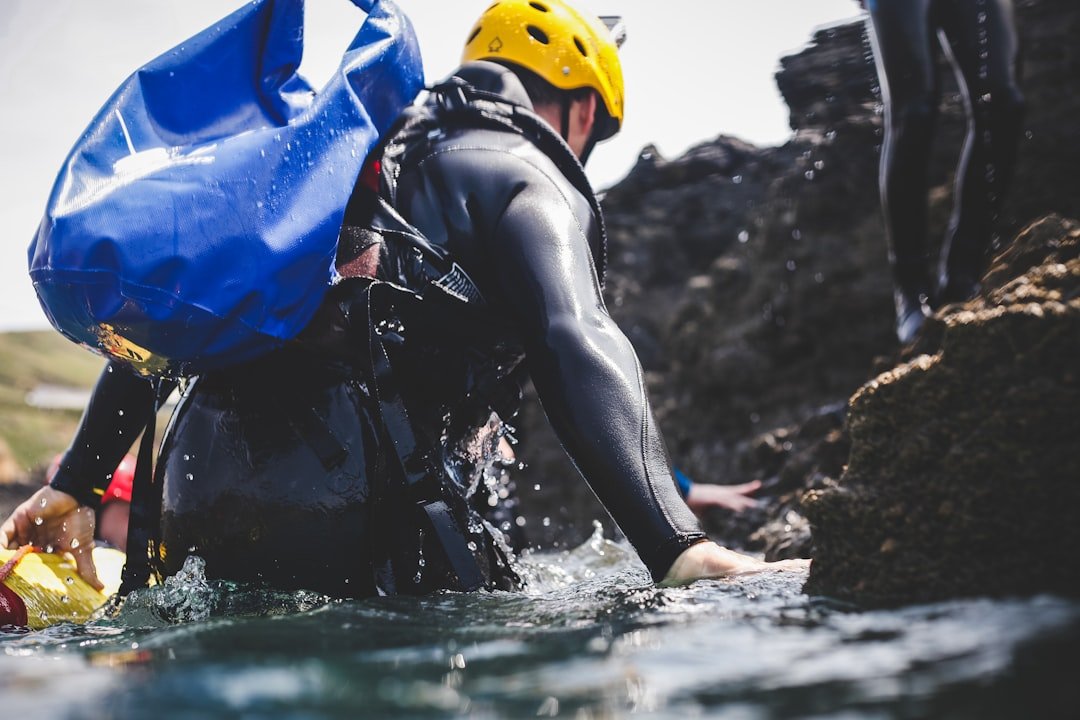
- What to pack: A soft cooler with extra water (the island has limited supplies), a dry bag for phones and wallets (things get wet on boats, always), insect repellent, and more sunscreen than you think you need.
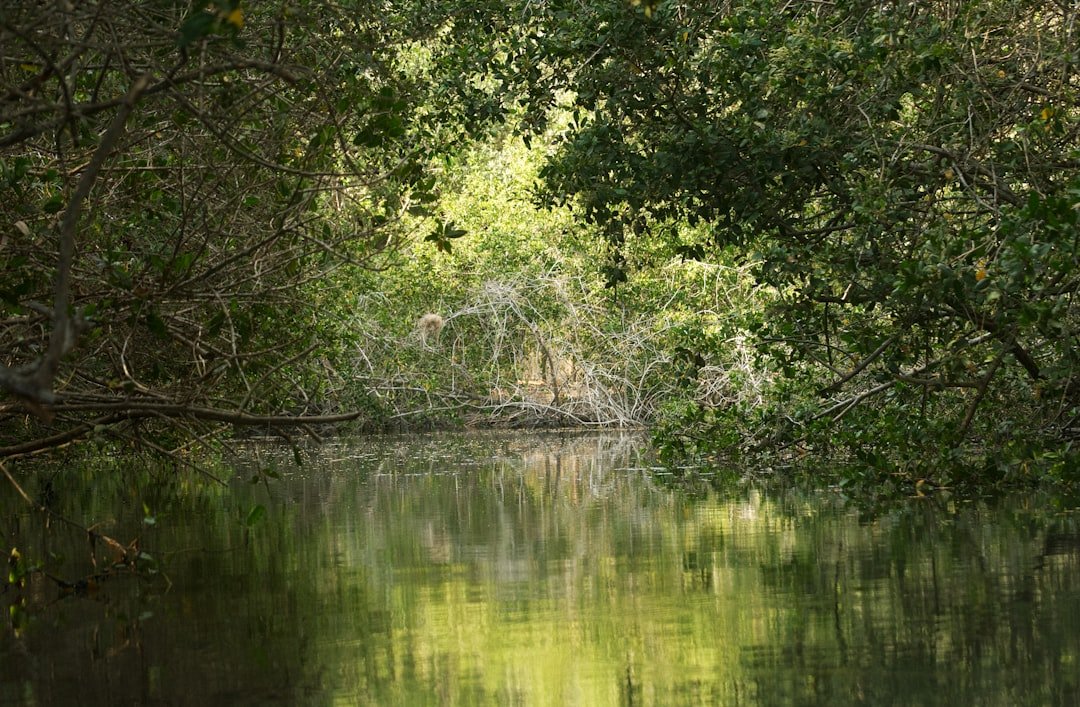
- If you want to kayak: The mangrove tunnels and protected bays around Cabbage Key are perfect for paddle exploration. An inflatable kayak that you can bring on your boat opens up the quieter corners of the Sound that power boats can’t reach.
- Restaurant hours: The Cabbage Key Inn is typically open for lunch and dinner during season, but hours can be limited in the off-season. Call ahead or check their website before committing to the boat ride.
- Fuel and supplies: Fill up at the mainland marina. There are no fuel docks on the island, and running out of gas in Pine Island Sound is an expensive tow back.
The Big Picture: Why Boat-Only Islands Matter
There’s a reason destinations like Cabbage Key feel different from everything else on Florida’s Gulf Coast. The barrier to entry — literally needing a boat — creates a natural filter. You won’t find bus tours, traffic jams, or overflow parking lots. The people who make the effort to get there tend to be the ones who appreciate quiet trails, slow lunches, and the particular satisfaction of exploring a place that can’t be rushed to.
The entire Pine Island Sound region rewards this kind of slow exploration. Start with the fishing village of Matlacha on the mainland, spend a morning watching manatees at the warm-water discharge near Fort Myers, then run a boat out to Cabbage Key for lunch and a trail walk. That’s a Florida day that has nothing to do with theme parks and everything to do with the actual place — the water, the wildlife, the history, and the quiet.
I’ve spent a lot of time exploring Florida’s Gulf Coast, and Cabbage Key remains one of the few places that feels genuinely removed from the machinery of modern tourism. It’s not fancy. It’s not easy. And that’s exactly the point. Some of the best places in the world are the ones you have to work a little to reach — and the boat ride out is part of the experience, not just the transportation. If you’re planning a Southwest Florida trip, do yourself a favor and build in a day for the island you can’t drive to. You won’t regret the extra planning, and you’ll come back with a story that most travelers never get to tell.
For more detailed trail information across the region, grab a copy of 50 Hikes in South Florida — it covers Cabbage Key and dozens of other hidden trails throughout the Gulf Coast and Everglades. And if you’re driving down, check out our guide to America’s most scenic drives for route inspiration to get there.