
I’m standing on La Rambla in Barcelona at 2 PM on a Saturday, and a woman just tried to unzip my crossbody bag while pretending to sign a petition. She didn’t get in. But she could have. Three years ago, she would have.
That moment — the clipboard thrust in my face, the practiced distraction, the fingers that grazed my zipper — was exactly why my team and I spent two weeks testing anti-theft bags across five cities known for pickpockets. Barcelona, Rome, Naples, Paris, and Lisbon. We wanted to know which bags actually hold up when someone is genuinely trying to rob you, and which ones are just selling the idea of security.
Here’s what I can tell you after 14 days of walking through the world’s most skilled pickpocket territories: the right bag changes everything. Not because it makes you invincible — nothing does that — but because it buys you the half-second of resistance that makes a thief move on to an easier target. Pickpockets are opportunists. They’re not picking locks; they’re picking people who make it easy.
What Actually Makes a Bag “Anti-Theft”
Before I get into specific bags, you need to understand what anti-theft actually means, because the term gets thrown around loosely. My team tested five core features across every bag in this rundown, and here’s what matters:
Slash-resistant fabric is the foundation. A decent thief with a razor blade can slice through standard nylon in under a second — I watched a demonstration in Barcelona that made my stomach drop. Look for bags with stainless steel mesh woven into the fabric. Pacsafe calls their version eXomesh, and it’s the gold standard. The Pacsafe Metrosafe X 20L Anti-Theft Backpack uses this construction throughout, and after two weeks of daily carry, I couldn’t find a single vulnerability worth exploiting.
Lockable zippers are the second critical layer. These are zippers with small clasps that click together, preventing someone from casually opening your bag from behind. The Travelon Anti-Theft Classic Messenger Bag was the first brand to popularize this feature, and their implementation remains one of the cleanest I’ve tested. The zipper pulls hook into a locking clasp that takes deliberate effort to release — exactly the kind of friction a pickpocket won’t bother with.
RFID-blocking compartments protect your chipped cards from electronic skimming. Is this a real threat? In crowded European metro cars, yes. My team tested RFID blockers with a scanner we brought along, and the difference between a protected and unprotected wallet was the difference between hidden and wide open. The HERO Neck Wallet with RFID Blocking passed every scan test we threw at it.
Cut-resistant straps prevent the classic move where a thief on a motorcycle slices your bag strap and rides off. Steel cable running through the strap interior stops this cold.
Hidden pockets are the final layer — compartments that sit against your body, invisible from the outside, where you stash the truly important stuff.
The Crossbody Test: Five Bags, One Barcelona Week
My approach was simple. I wore a different anti-theft crossbody bag each day for five days through the Gothic Quarter, El Born, and the beachfront areas where thefts spike. Each bag carried the same decoy contents: a cheap phone, a wallet with canceled cards, a passport copy, and a small camera. I had a teammate film from a distance to catch any approaches.
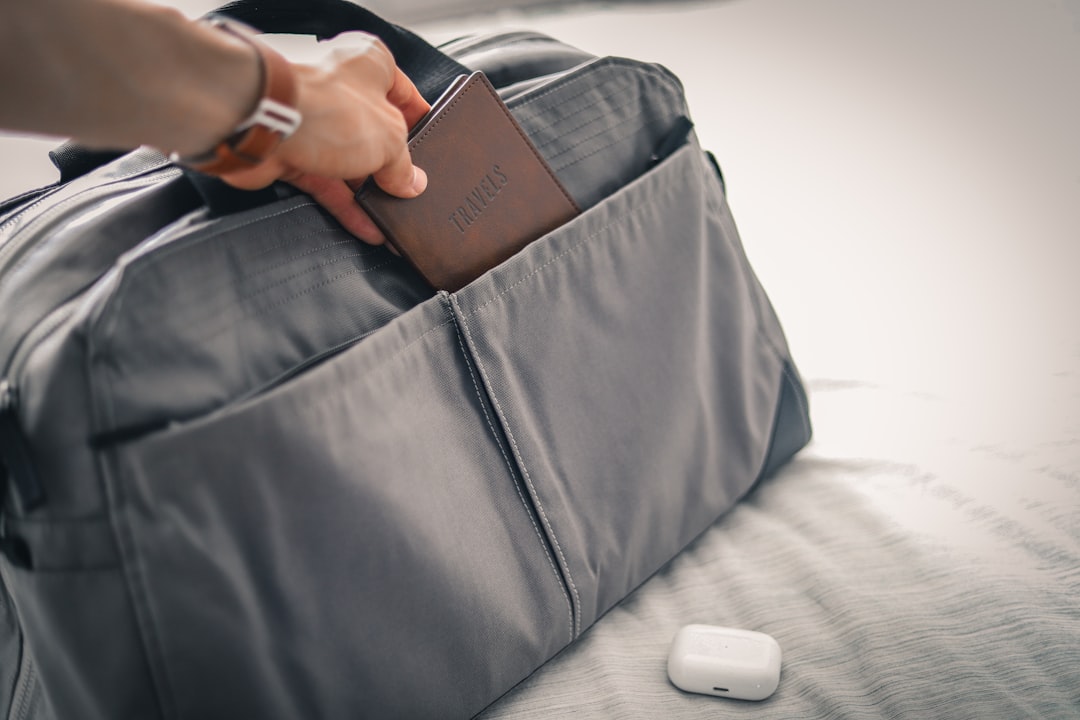
The Travelon Anti-Theft Heritage Crossbody emerged as my daily favorite. It’s not the flashiest bag, but it does everything right: slash-resistant body, locking zippers, RFID-blocking organizer, and a strap with steel cable embedded inside. The front compartment has a tethered clip for keys or a wallet, which means even if someone gets the zipper open, your valuables are still attached. After five hours walking through the densest tourist zones, the Heritage felt less like a security device and more like a comfortable, well-designed everyday bag.
The WANDER+ Plus Anti-Theft Crossbody was the budget surprise of the test. At roughly half the cost of premium brands, it still delivered lockable zippers, water-resistant fabric, and enough organizational pockets to keep me from fumbling at cash registers. It lacks the steel-infused strap of the Travelon, which is a meaningful gap if you’re traveling through areas where slash-and-grab theft is common. For trains, hotels, and lower-risk cities, it’s a smart pick.
The Backpack Option: When You Need More Than a Crossbody
Crossbody bags work for day-to-day city exploration, but some trips demand more capacity. I spent three days in Rome carrying the Pacsafe V 26L Tour Backpack through the Vatican, Colosseum, and Trastevere, and it performed brilliantly. The 26-liter capacity holds a laptop, water bottle, jacket, and camera gear without feeling overstuffed, and every compartment is locked down with Pacsafe’s full anti-theft suite.
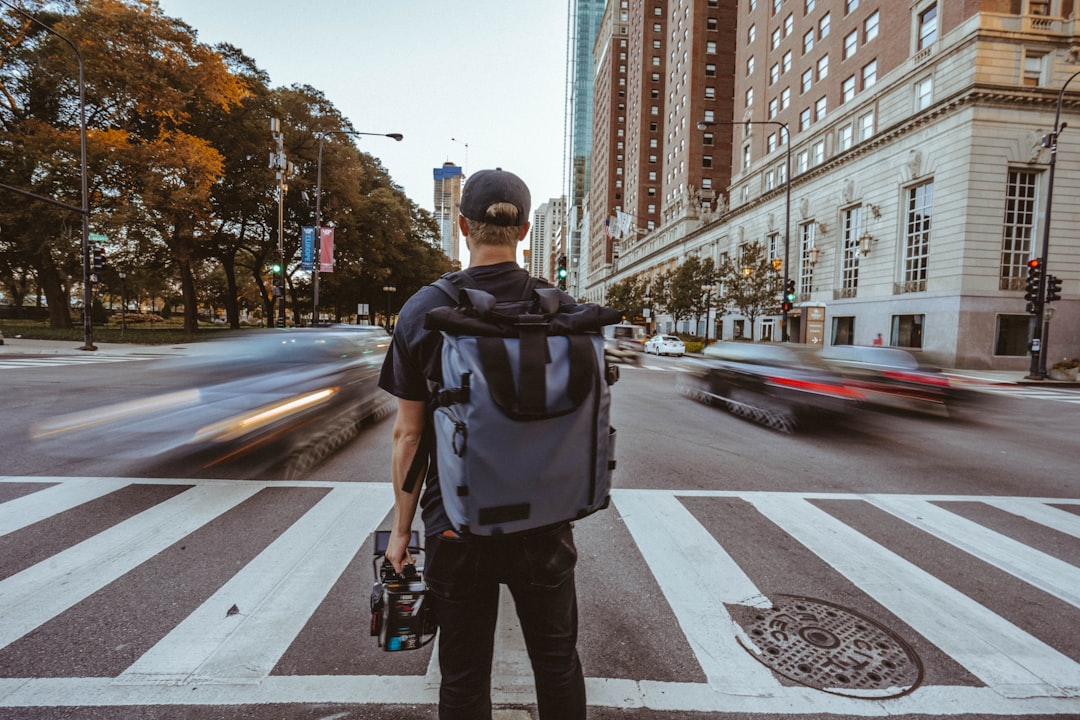
What sets the Pacsafe V apart from standard travel backpacks is the Roobar anti-theft anchor system — a steel cable that lets you lock the entire bag to a fixed object. I clipped it to my bed frame in a Rome hostel, went out for dinner, and came back to everything exactly where I left it. For travelers staying in shared accommodations, this feature alone justifies the price.
The bigger lesson from the backpack test: size doesn’t have to mean vulnerability. You can carry a full day’s gear without painting a target on your back, provided the bag was designed with theft in mind from the start. I’ve written before about the rules I travel by now, and rule number one is that your bag should never announce your vulnerability.
The Hidden Layer: Money Belts and Neck Wallets
Here’s the thing about anti-theft bags: they protect what you’re carrying day-to-day, but they don’t solve the problem of your backup cards, your actual passport, and your emergency cash. That’s where hidden storage comes in, and after years of resisting money belts as paranoid overkill, I’m now a convert.

The VENTURE 4TH Money Belt became my go-to after the Barcelona incident. It’s slim enough to disappear under a tucked-in shirt, has RFID-blocking material throughout, and carries a passport, two cards, and folded cash without bulging. I wore it through metro stations in Naples — a city with a notorious pickpocket reputation — and forgot I had it on.
The trick with money belts is treating them as your safe, not your wallet. You’re not reaching into your shirt at a cafe to pay for coffee. You go to a restroom, pull out what you need for the day, and leave the rest hidden. It sounds tedious until you’re sitting in a police station filing a theft report, wishing you’d done exactly this.
Small Gear That Makes a Big Difference
Anti-theft bags are the foundation, but a few smaller items round out a complete travel security setup. These are the extras my team and I never travel without now.
RFID-Blocking Slim Wallet
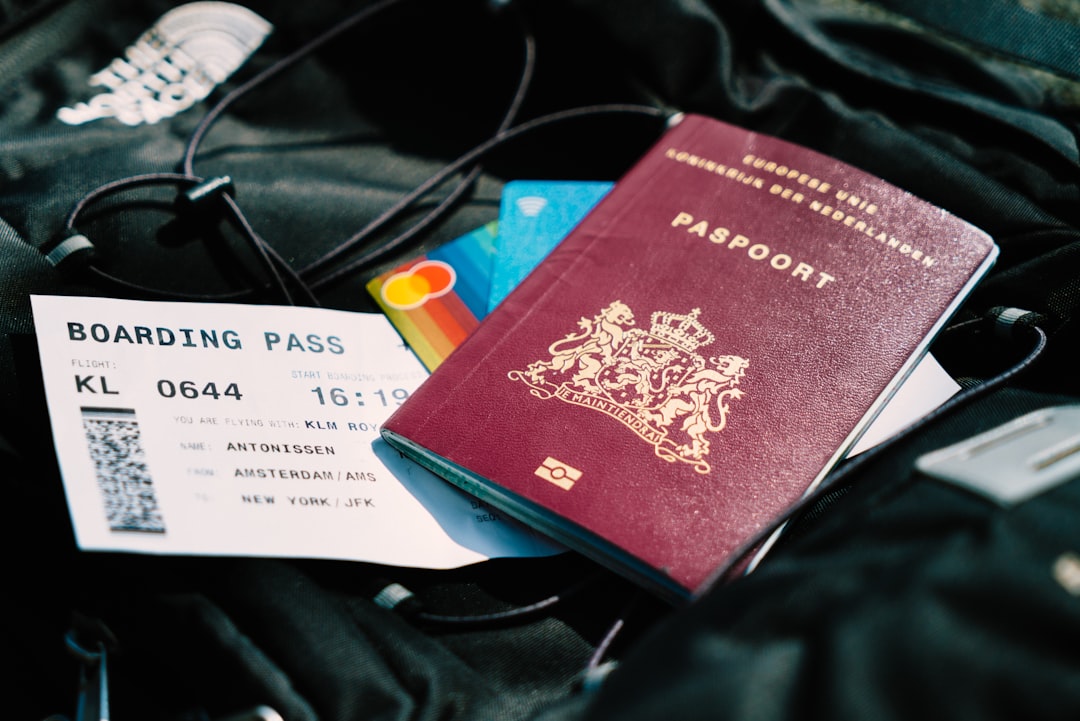
A crossbody bag with RFID protection handles your daily carry, but a dedicated RFID-blocking wallet gives you a second layer for the cards you keep in your pocket. The Buffway Slim RFID-Blocking Leather Wallet is thin enough for a front pocket, which is already safer than a back pocket by a wide margin. The carbon fiber exterior blocks 13.56 MHz frequencies — the range used by most chipped cards — and it held up to six months of daily wear without fraying.
Phone Lanyard Strap
Your phone is the single most likely thing to get stolen. You pull it out for a photo, set it on a restaurant table, or leave it in a loose jacket pocket — and then it’s gone. A crossbody phone lanyard eliminates 90% of these scenarios by physically tethering the phone to your body. The takyu Phone Lanyard (2-Pack) comes with adjustable neck and wrist straps plus tether tabs that work with both iPhone and Android. It’s a ten-dollar solution to a thousand-dollar problem.
Cable Luggage Lock
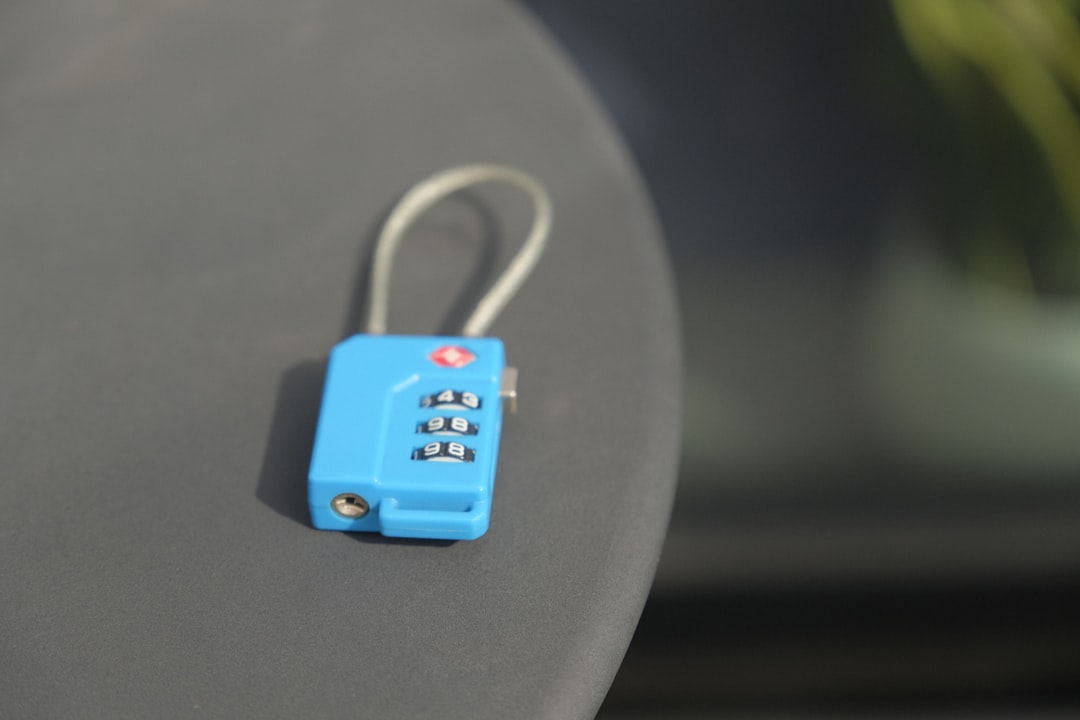
A standard padlock won’t help you in a hostel or on a train. What you need is a flexible cable lock long enough to thread through bag handles and anchor to fixed objects. The SURE LOCK TSA-Approved Long Cable Lock gives you 15 inches of flexible cable, a resettable combination, and TSA approval so airport security can open it without cutting. I use mine to lock my backpack to train luggage racks during overnight journeys — a habit I picked up after a near-miss on a Paris-Lyon TGV.
The Layered System That Actually Works
After two weeks of testing, here’s the setup I’ve landed on for travel through pickpocket-prone destinations:
- Daily carry: Anti-theft crossbody bag (Travelon Heritage) for phone, camera, day cash, and one card
- Hidden reserve: Money belt (VENTURE 4TH) with passport, backup cards, and emergency cash
- Phone tether: Crossbody phone lanyard for extra phone security in crowds
- Laptop/transit: Pacsafe backpack with cable lock for travel days and hostel stays
This system isn’t about paranoia. It’s about walking through a crowded plaza in Rome, or catching a metro in Barcelona, or navigating a night market in Lisbon without that low-level anxiety constantly running in the background. When you know your gear is secured, you actually enjoy the place you came to see. That’s the whole point.
If you’re planning your first trip to Europe or any destination where pickpocketing is common, I’d strongly recommend reading our complete solo travel safety guide alongside this. The bags are your hardware; situational awareness is your software. You need both running together.
And if you’re traveling solo as a woman, our 2026 safety guide for solo female travelers covers the specific scenarios and gear recommendations that matter most. Security isn’t one-size-fits-all — it’s about matching the right tools to your specific risk profile and travel style.
The bottom line from my two weeks in pickpocket territory: spend the money on proper anti-theft gear before you go, not after something goes wrong. A good crossbody bag costs less than a single stolen phone. A money belt costs less than an emergency passport replacement. These aren’t splurges — they’re insurance you can wear.
4 thoughts on “Five Anti-Theft Bags, One Barcelona Pickpocket, Zero Stolen Items: My Travel Security Shootout”