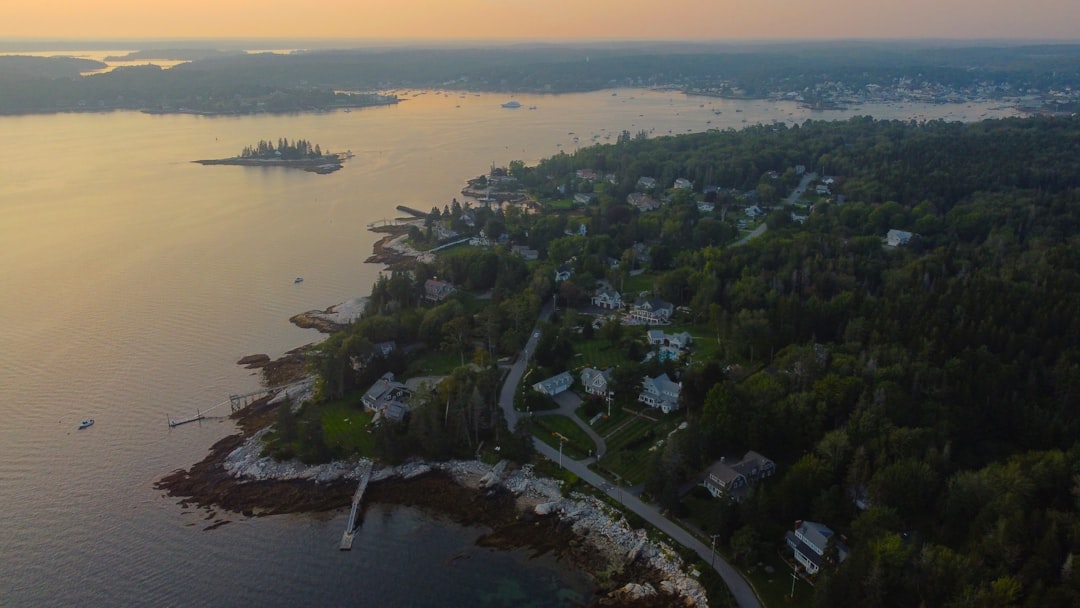
I almost didn’t write this. My team had been pushing me to cover the usual suspects — Cape Cod, Nantucket, Bar Harbor — but after three weeks of researching overcrowded New England beach towns where you’ll pay $400 a night to hear your neighbor’s kids through thin motel walls, I needed something different. I pulled up a map of the southern Maine coast and started tracing the shoreline south of Portland. One name kept surfacing in travel forums with a cult-like devotion I couldn’t ignore: Ogunquit.
The name translates to “Beautiful place by the sea” in the Abenaki language, and the Wabanaki people who named it weren’t exaggerating. This thin strip of coastline — barely four square miles — packs in a 3.5-mile stretch of pale sand beach, a cliff walk that rivals anything in Big Sur, a working harbor straight out of a Wyeth painting, and a theater scene that draws Broadway talent every summer. I spent four days here in mid-July with my research crew, and by the end, I was looking at real estate listings. That’s not a joke.
The Beach: Why Ogunquit’s Main Stretch Earns Its Reputation
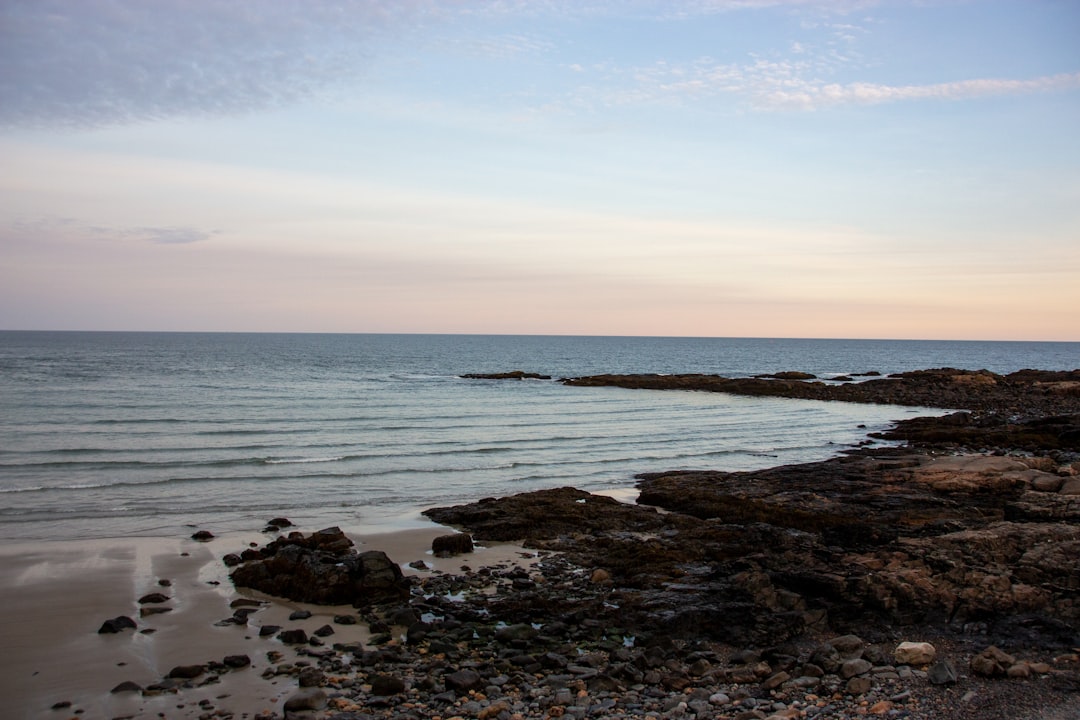
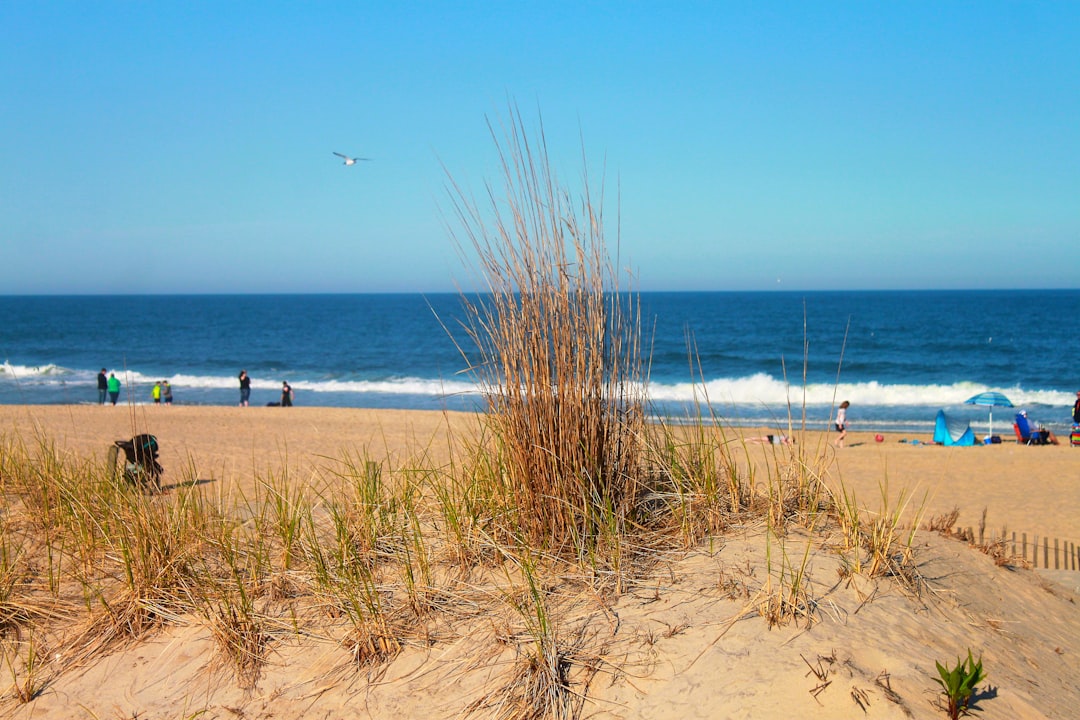
Ogunquit Beach is a barrier spit that separates the Ogunquit River from the Atlantic, and the way the tides shift here creates two completely different waterfront experiences. The ocean side is all rolling waves and wide-open sand — body-surfing territory, where the water temperature in July hovers around 65 degrees, which sounds bracing until you’ve been baking in the sun for an hour. The river side is calm, shallow, and nearly warm at low tide, making it the spot where families with toddlers set up camp for the day.
We arrived at 8 AM on a Tuesday in July and had no trouble parking at the main lot off Beach Street. By 11 AM, the lot was full and cars were circling. This is the rhythm of Ogunquit — early birds get easy access and the best sand real estate. I set up a sand-free beach blanket near the river inlet and watched the tide pools form as the water receded. Hermit crabs, tiny flounder, and the occasional startled sandpiper made for better entertainment than anything on my phone.
One thing I’ll say: the sand here is genuinely soft. Not the coarse, shell-fragment stuff you get further south. Walking barefoot from the river side to the ocean cut at low tide is one of those small travel moments that sticks with you. I carried everything in a cooler backpack loaded with sandwiches and cold drinks, and it handled the trek across the sand without any of the awkward ungainly wobbling you get with standard hard coolers. My crew appreciated not watching me face-plant.
Marginal Way: The Cliff Walk That Made Me a Morning Person
I am not someone who sets a 6 AM alarm on vacation. But the team had read that Marginal Way — the 1.25-mile paved path that hugs the cliffs between Ogunquit Beach and Perkins Cove — transforms at sunrise, and they practically dragged me out the door. They were right, and I’ll never forgive them for it because now I have to admit that early mornings on coastal trails are worth the sacrifice.
The path begins near the Sparhawk Oceanfront Resort on Shore Road and winds along the rocky headland, with the Atlantic crashing below on one side and staggeringly expensive summer cottages on the other. There are 39 benches along the route, each with a slightly different view — some looking back toward the beach, others facing open ocean, and a few angled toward the Nubble Lighthouse in the distance. I sat on at least a dozen of them.
The geology alone is worth the walk. Ledgerock formations jut out into the surf at odd angles, creating tide pools and small coves that you can access via short spur paths off the main trail. We found a spot about halfway along where the rocks created a natural Jacuzzi — warm water pooling in a shallow depression, replenished by the occasional wave over the top. I could have stayed there all day.
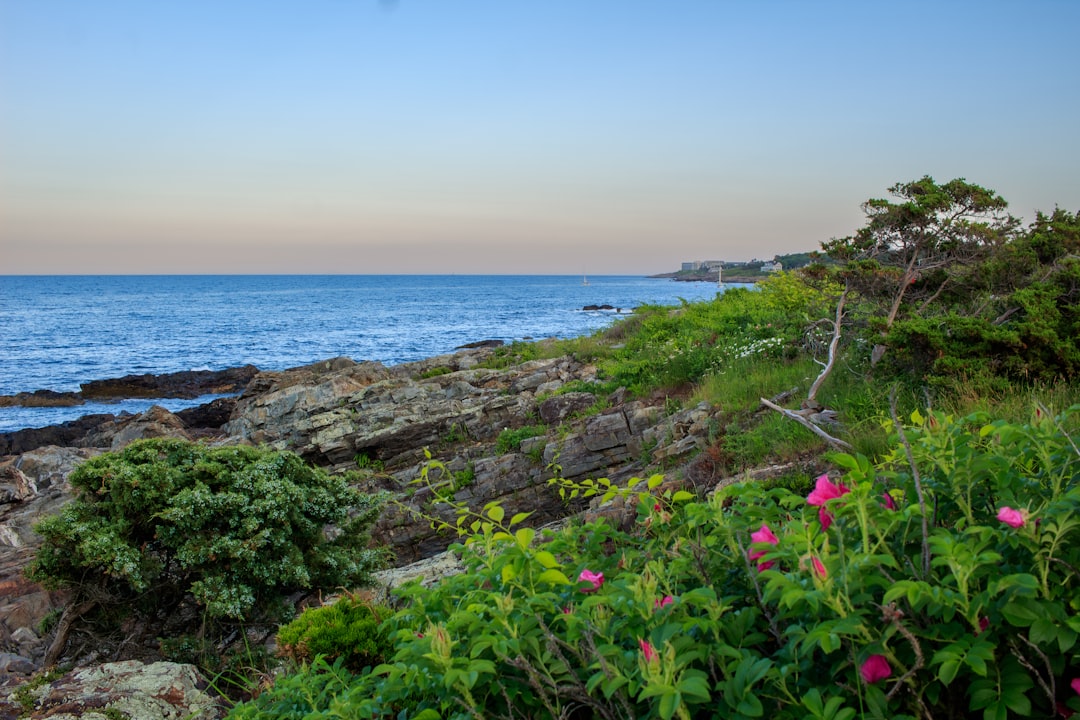
By 9 AM, the path gets busy with joggers, dog walkers, and couples doing the slow stroll that Marginal Way seems to demand. Go early or go late — the golden hour before sunset turns the rock faces amber and the ocean into a sheet of molten copper. Either way, this isn’t a trail you power through. It’s a trail you inhabit for an hour or two and then think about for years.
Perkins Cove: Where Working Waterfront Meets Postcard Maine
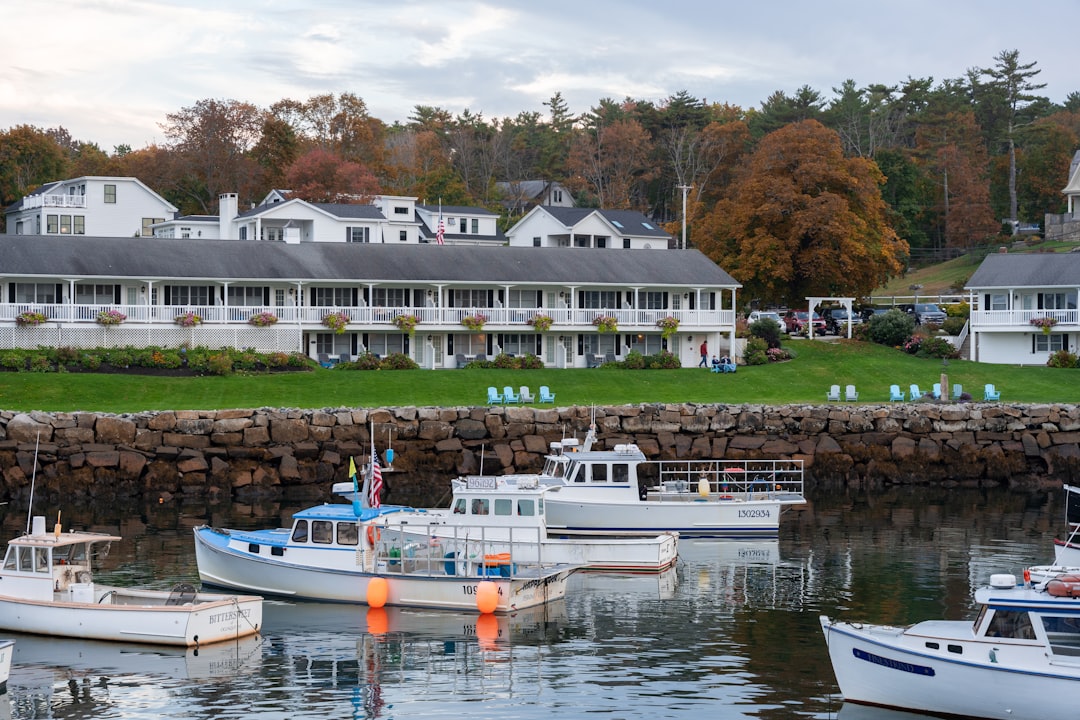
The southern terminus of Marginal Way deposits you in Perkins Cove, and the transition from wild coastline to charming harbor is immediate and slightly disorienting. One minute you’re watching cormorants dive off craggy rocks; the next, you’re standing on a footbridge watching lobster boats unload their catch while a guy in a viscose shirt sells you a whoopee pie.
I mean that in the best possible way. Perkins Cove is what every New England tourist town aspires to be — small enough to feel authentic, polished enough to be genuinely enjoyable. The harbor is ringed by weathered shingled buildings housing galleries, saltwater taffy shops, and restaurants that serve lobster in forms I didn’t know existed. Lobster bruschetta. Lobster mac and cheese. Lobster grilled cheese. A lobster omelet that I’m still thinking about three weeks later.
The cove is also the departure point for scenic boat cruises. We took a 90-minute sailing trip on a schooner that left the harbor at sunset, and the view of the coastline from the water rearranged my understanding of the place entirely. From offshore, you can see how Ogunquit sits on a natural crescent — the beach curving north, the cliffs rising to the south, and behind it all, the dark green ridge of the inland forest. It’s the kind of landscape that makes you understand why artists have been coming here since the 1890s.
I kept my phone and camera dry thanks to a waterproof dry bag clipped to the rail. Salt spray is no joke on these boats, and I watched at least two tourists discover that their “water-resistant” phone cases were anything but. Don’t be that person.
The Lobster Situation (and Everything Else You Should Eat)
Let’s address the crustacean in the room. Yes, you can get a lobster roll in Ogunquit. Yes, it will be excellent. But the lobster roll is the beginning, not the end, of the culinary story here.

The team made reservations at five restaurants over four days and walked into three more on spec. The standout wasn’t the most expensive — it was a dockside shack in Perkins Cove where the lobster had been in the ocean that morning and was in my stomach by noon. Butter-poached, split, and served on a paper plate with a wedge of lemon. No fuss, no gimmicks, just ingredient-to-mouth efficiency. I added a Hydro Flask full of iced coffee to the mix and called it the perfect lunch.
Beyond lobster, the food scene punches well above its weight class. There’s a French bakery on Main Street that makes croissants that would not embarrass a Parisian patissier. A farm-to-table spot sourced greens from a hydroponic farm ten miles inland. And the ice cream — sourced from a creamery in nearby Wells — was rich enough to make me reconsider my lifelong allegiance to gelato. If you’re planning a food-focused trip, Ogunquit warrants at least three days just to eat your way through it.
Where to Stay and How to Pace Yourself
Ogunquit is small, which means your accommodation choice matters more than usual. There are three general zones: the beach area (convenient but busy), the village center (walkable to shops and restaurants), and the Perkins Cove end (quieter, romantic, slightly removed). My crew and I split a rental cottage near the village center, which put us within a ten-minute walk of everything except the far end of the beach.
The pace here is different from other East Coast destinations I’ve covered, like Block Island, Rhode Island, where the whole point is escaping civilization. Ogunquit embraces its cultivated charm. There’s an Ogunquit Playhouse that mounts professional musical theater productions all summer — we caught a performance that had been workshopped in New York, and the talent was genuinely Broadway-caliber. There are art galleries featuring local painters whose work captures the quality of Maine light that has drawn artists for over a century.
If you’re planning a New England road trip, Ogunquit pairs perfectly with Acadia National Park to the north. It’s roughly a four-hour drive, and the contrast between Ogunquit’s gentle southern coast and Acadia’s wild Mount Desert Island makes for a trip that hits two completely different notes of the Maine experience.
The Gear That Made the Trip Better
I’ve tested a lot of beach gear over the years, and Ogunquit’s particular conditions — soft sand, tidal pools, salt spray, and sudden temperature drops when the sea breeze kicks in — put equipment through a genuine trial. A few items proved their worth repeatedly:
First, a UPF 50+ beach tent that my assistant set up in under three minutes on the river side of the beach. Ogunquit’s beach is exposed — there’s zero natural shade — and the July sun is intense even when the air temperature feels mild. Having a reliable shelter meant we could stay from 8 AM to 2 PM without frying. It packed down to nothing and weighed less than the cooler.
For seating, I’ve become a convert to the Tommy Bahama backpack beach chair. It carries like a backpack (free hands for the cooler and dry bag), reclines to five positions (including fully flat for that mid-afternoon nap), and has a towel bar and cup holder. My team fought over the two we brought, and I ended up buying a third at a shop in town at a markup. Worth it.
Sun protection is non-negotiable here. The ocean breeze masks how much UV you’re absorbing, and I watched more than one tourist learn this lesson the hard way. I applied reef-safe SPF 50 sunscreen every two hours and still came back a shade tanner than intended. Maine’s sun is no joke just because the air is cool.
Finally, I’ll mention the microfiber travel towel set that lived in my daypack all trip. Ogunquit’s tidal pools and river mouth invite spontaneous wading, and having a quick-dry towel meant I wasn’t sitting in wet swim trunks for the rest of the afternoon. They weigh almost nothing, dry in 20 minutes, and take up less space than a paperback.
Beyond the Beach: Day Trips and Detours
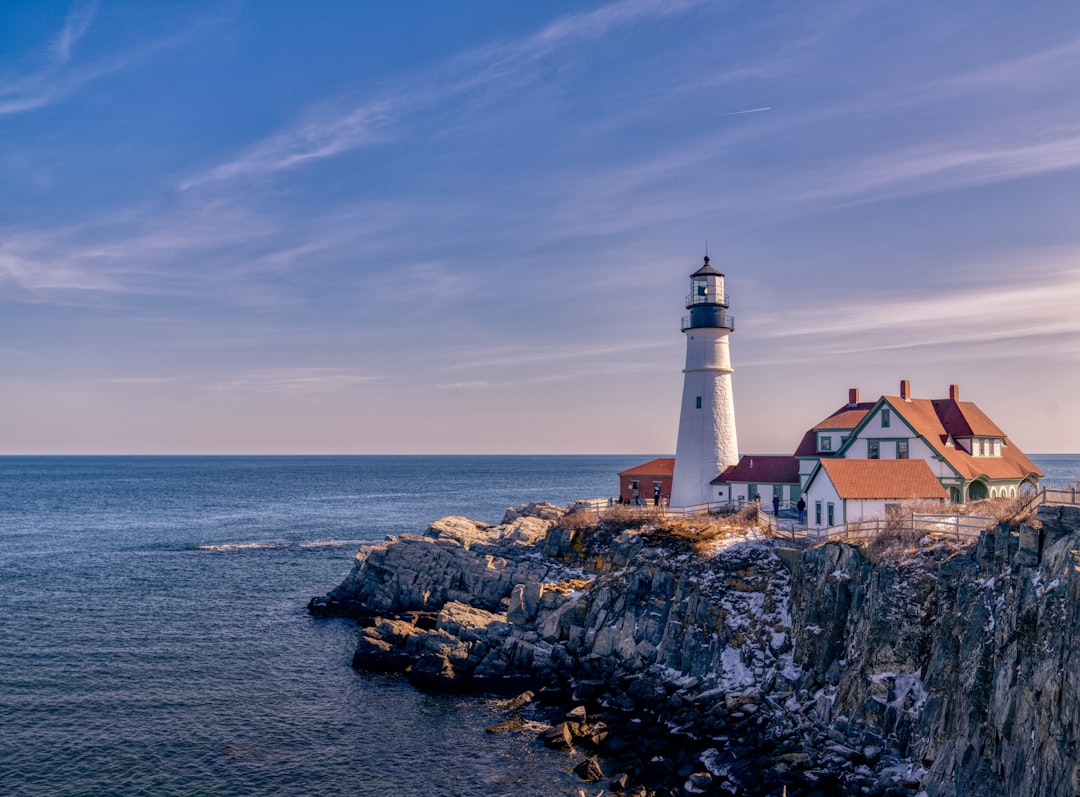
Ogunquit works as a base camp for exploring the southern Maine coast. The town of Kennebunkport is 15 minutes north — yes, the Bush compound is there, but the real draw is the walking paths along the Kennebunk River and the cluster of seafood shacks at the harbor. York, just south of Ogunquit, has the Nubble Lighthouse, one of the most photographed lighthouses in New England and a quick detour that delivers exactly the image you’ve seen on every Maine calendar.
If you have an extra day, drive 30 minutes inland to the town of South Berwick and explore the Vaughan Woods State Park — 250 acres of old-growth forest along the Salmon Falls River. It’s the polar opposite of the coastal experience, all moss and ferns and filtered green light, and it provides a necessary counterpoint to four days of sun and salt.
For a longer excursion, Ogunquit is also one of the stops I’d recommend in a broader East Coast beach itinerary. It shares the same uncrowded charm as some of the destinations in our underrated East Coast beach towns roundup, but with a more developed dining and arts scene that makes it ideal for travelers who want charm without sacrificing comfort.
The Bottom Line
Ogunquit is what happens when a place has been a destination for over a century but hasn’t let that fact ruin it. The infrastructure is excellent — parking, restrooms, and showers at the beach; well-maintained public paths; a free trolley that runs through town — but none of it feels corporate or sterile. Locals still outnumber tourists at the harbor. The lobster still comes off the same boats. And on a Tuesday morning in July, I still found a stretch of sand with no one on it.
That’s increasingly rare on the East Coast, and it’s the reason my team keeps arguing over whether I should even publish this article. Ogunquit feels like a secret, even though it isn’t. Go anyway. Go early. Bring good gear and a healthy appetite. And when you’re sitting on bench number 23 along Marginal Way watching the tide come in, understand that the Abenaki people got it exactly right: this is a beautiful place by the sea, and no amount of postcards, guidebooks, or AI-generated articles can prepare you for how it actually feels to be there.
1 thought on “Ogunquit, Maine: The Coastal Escape That Ruined Every Other Beach Town for Me”