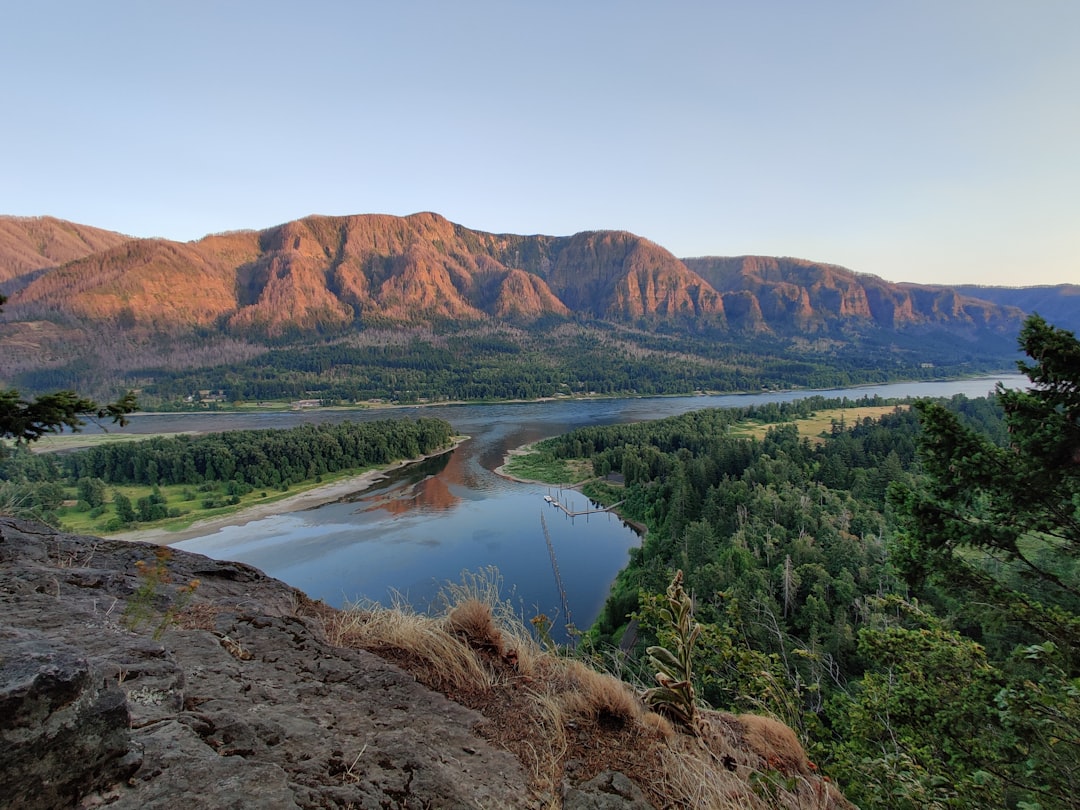
There’s a particular moment on the Multnomah Falls viewpoint bridge when the mist hits your face and the 620-foot cascade drowns out every other sound. I’ve stood there in July, shoulder-to-shoulder with two hundred strangers all jostling for the same selfie angle. But last September, I had it to myself for nearly ten minutes. Just me, the basalt amphitheater, and a raven that seemed annoyed I’d interrupted its morning. That’s when it hit me: the Columbia River Gorge doesn’t belong to summer. It belongs to September.
The team and I had been planning a Pacific Northwest scouting trip for weeks, trying to pin down the ideal window. Summer in the Gorge means packed trailheads, 90-degree heat in the eastern sections, and a relentless wind that makes Hood River feel like a wind tunnel designed by someone who hates hair. October brings moody fog and rain-slicked trails that turn sketchy fast. But September? September is the Goldilocks month that nobody talks about, and after spending five days driving, hiking, and eating our way through 80 miles of this river canyon, I’m convinced it’s the most underrated shoulder-season destination in the country.
Why September Works: The Weather Sweet Spot
Let’s talk numbers, because they matter here. In September, average highs in the western Gorge drop from the mid-80s to the low 70s, which is precisely the temperature range where hiking feels good instead of survivable. The eastern Gorge around Hood River and The Dalles cools from brutal to beautiful. And here’s the critical part: the waterfalls are still flowing. The Gorge’s creeks and falls are fed by snowmelt and aquifer systems that hold water well into early fall. By October, many of the smaller cascades thin to a trickle, but in September, Multnomah, Wahkeena, and Latourell are still putting on a show.
I checked the precipitation data from the Hood River station before we left. September averages less than an inch and a half of rain. Compare that to November’s five-plus inches, and you start to understand why locals treat September like a final exhale before the long wet season. Trails are dry. Forest roads are passable. The mossy rock that would be a death trap in March has the grip of a climbing wall.
And then there’s the light. I’m not being poetic for the sake of it. The September sun angle in the Gorge creates a golden quality that photographers chase across continents. The canyon walls catch it differently in fall, throwing long amber shadows across the basalt columns by late afternoon. My photographer, who usually complains about everything, went quiet for an entire afternoon.
The Waterfall Run: Historic Highway to Multnomah and Beyond
Start early. Not “vacation early” where you roll out at 9:30 and grab coffee. I mean 6:45 AM early, because the Historic Columbia River Highway between Troutdale and Multnomah Falls is a two-lane time machine that gets congested fast, even in shoulder season. The road itself is worth the trip. Built between 1913 and 1922, this was America’s first planned scenic highway, and the engineers who designed it believed that the journey should be as beautiful as the destination. They weren’t wrong.
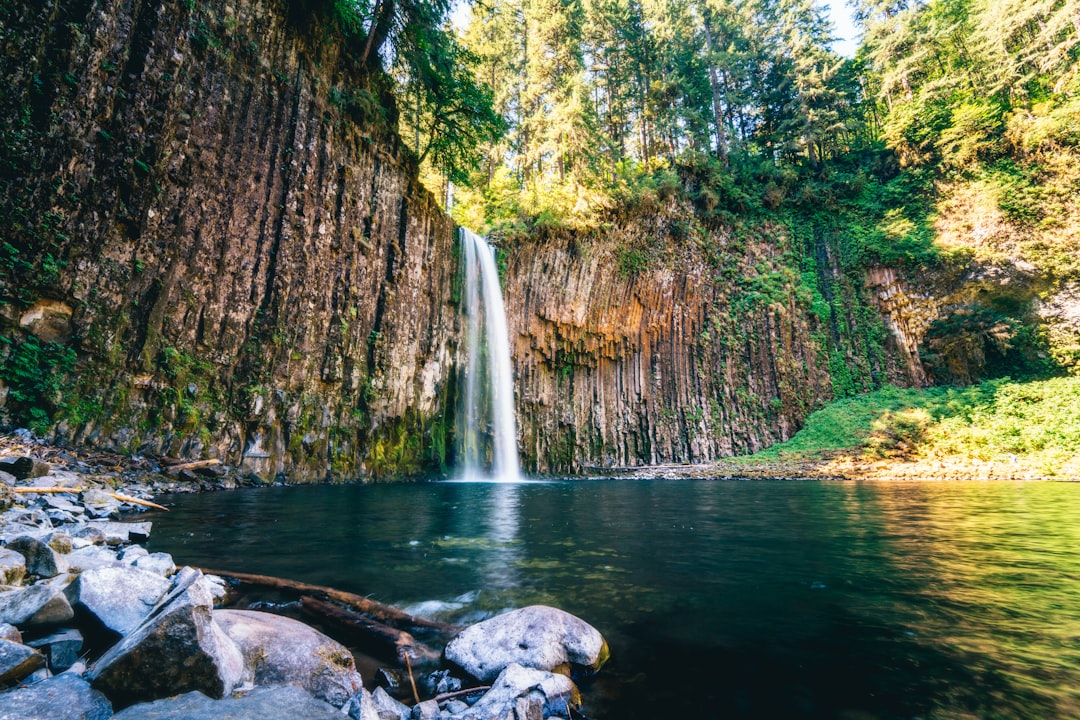
The classic waterfall run hits six major falls in about 15 miles. Latourell Falls comes first, a 224-foot plunge over columnar basalt that’s stunning in its simplicity. A quick walk from the parking area and you’re there. We spent twenty minutes and saw three other people. In July, that same viewpoint has a line.
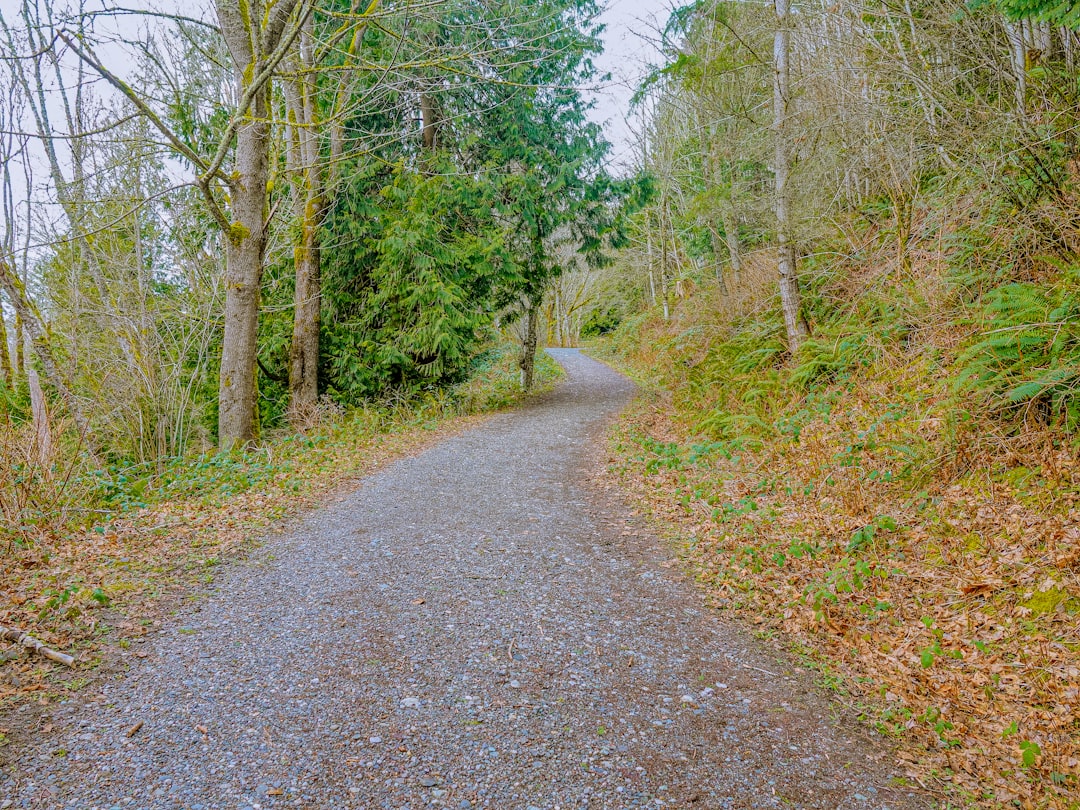
Wahkeena Falls is next, and this is where I’ll give you a tip most guides skip. Don’t just snap the photo from the viewing area. Take the half-mile climb to Wahkeena Springs. The falls transform from a single cascade into a multi-tiered water feature, and the springs at the top bubble up clear and cold from an underground source that’s been flowing since before European settlers found this canyon. The trail is steep but short, and in September’s cooler air, it’s a pleasure rather than an ordeal.
Multnomah Falls is the headliner, and yes, it’s busy even in September. But “busy” here means two dozen people, not two hundred. The Benson Bridge viewpoint, halfway up the falls, gave us this surreal moment where the spray created a localized rainbow at 8:30 in the morning. The visitor center wasn’t even open yet.
Beyond Multnomah, the road continues to Oneonta Gorge, which is where things get interesting. This narrow basalt slot canyon requires wading through waist-deep water to reach a hidden waterfall at the end. In summer, this is a miserable experience because of crowds and the creek runs warm and murky. In September, the water is clearer, the temperature is bearable with a decent pair of water shoes, and we saw exactly four people in the entire gorge. The logjam at the entrance, which has become a genuine hazard in recent years, is also easier to navigate when you’re not being shoved by a queue of impatient tourists.
I brought a pair of Columbia Transverse waterproof hiking boots for exactly this kind of terrain, and they earned their keep on the Oneonta wade. A good waterproof boot with actual ankle support is the difference between a fun scramble and a twisted ankle on slick basalt. The Transverse has a grippy outsole that held firm on wet rock that would have sent me swimming in trail runners.
Hood River: Where the Gorge Gets Adventurous
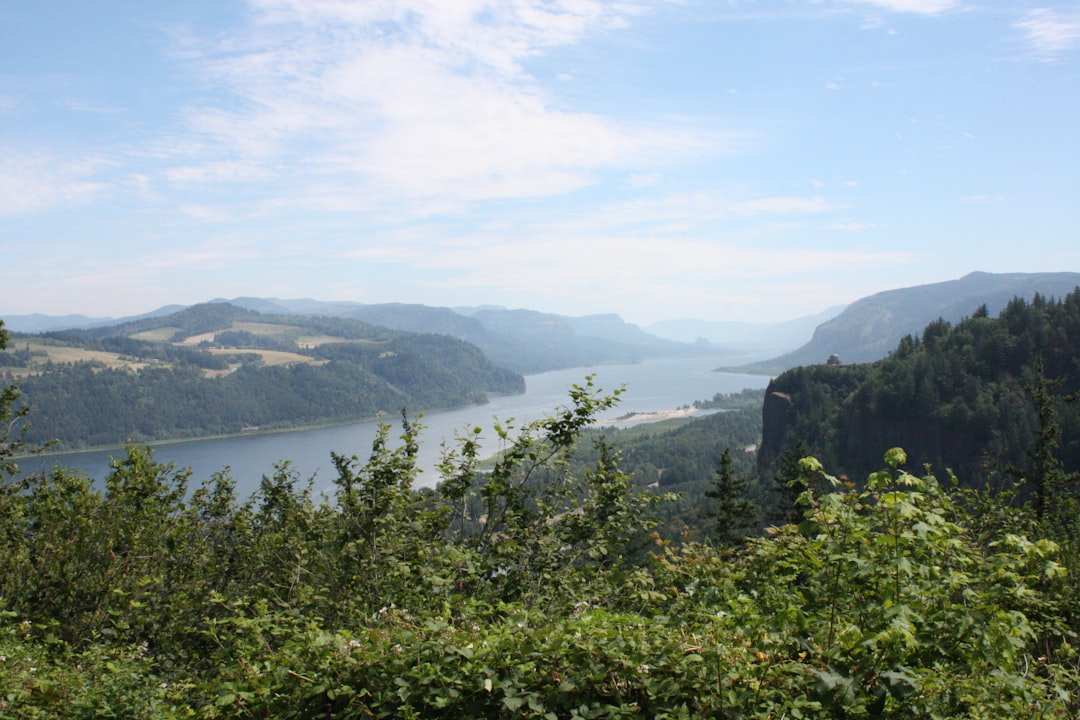
About 45 minutes east of Multnomah, the landscape transforms. The dense Douglas fir forest thins as you move into the rain shadow of the Cascades, and the Gorge widens into a dramatic canyon with grassy hillsides and exposed basalt rims. This is windsurfing country, and Hood River is its capital.
The wind that makes summer uncomfortable here is the same wind that makes September magical. By fall, the temperature differential between the cool Pacific air funneling through the Gorge and the warm eastern desert creates a thermal engine that cranks up every afternoon. We’re talking consistent 15-25 mph winds that draw kiteboarders and windsurfers from across the globe.
I don’t windsurf. I tried it once in the Dominican Republic and spent most of the session tangled in the rig like a fish in a net. But even as a spectator, watching dozens of kiteboarders carve across the river against a backdrop of Mount Hood at sunset is one of the most visually arresting things I’ve seen in North America. My team set up at the Hood River Event Site and just watched for an hour. It was free entertainment that beat anything I’ve paid for recently.
If you do want to get on the water, September is actually the ideal time to learn. The wind is reliable but not violent, the water temperature is still comfortable from summer warming, and the rental shops are running end-of-season discounts. Big Winds, a shop that’s been in Hood River since 1987, was offering 20% off lessons when we passed through.
The Eagle Creek Alternative: A Trail That Nearly Killed Me (and Why I’d Do It Again)
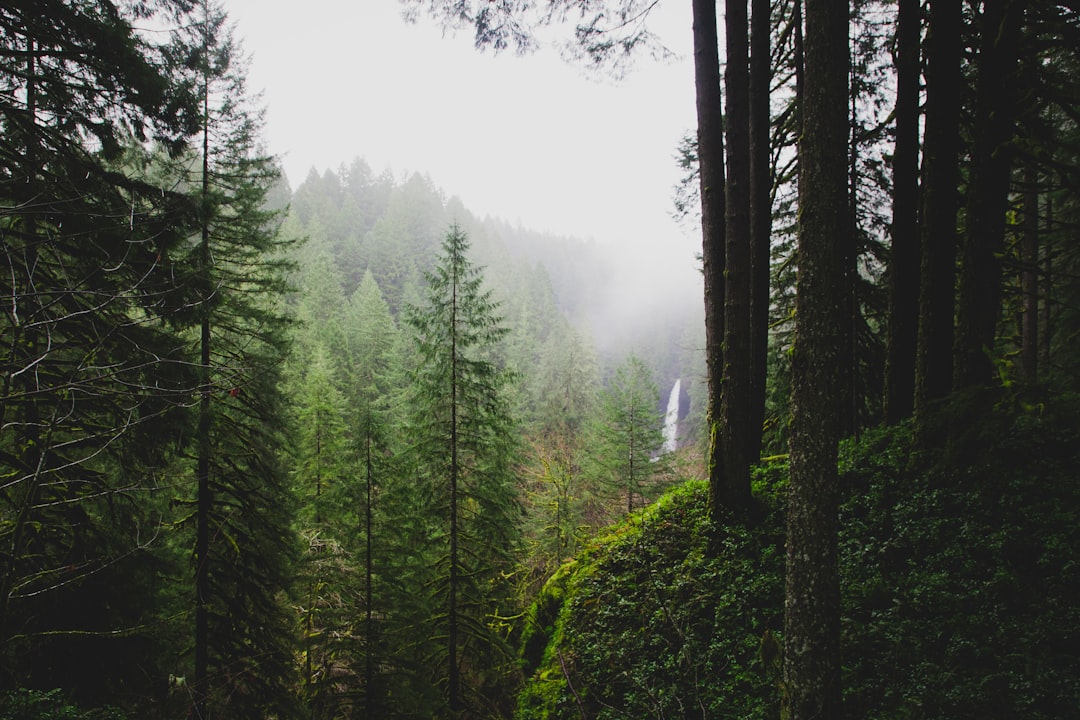
I need to talk about Eagle Creek, because it’s one of the Gorge’s signature trails and my relationship with it is complicated. In 2017, a teenager threw a firework into the canyon and started a 48,000-acre wildfire that closed the trail for three years. When it reopened in 2021, the landscape was transformed, charred and raw in places, improbably lush in others. Hiking it in September 2026, the recovery is well underway, with wildflowers colonizing burn zones and the creek running crystal clear.
The full Eagle Creek Trail to Tunnel Falls is 13 miles round-trip with about 800 feet of elevation gain, but it’s a gentle grade thanks to the trail’s original 1910s construction. What makes it special is that the creek is a constant companion, with at least a dozen waterfalls along the way. Punch Bowl Falls, where the creek has carved a perfect swimming hole into basalt, is at mile 2.2 and is worth the trip on its own.
What nearly killed me wasn’t the trail itself but my own overconfidence about hydration. It was only 68 degrees, and I underestimated how much fluid you lose on a 6-hour hike, even in cool weather. By mile 9, I was dizzy and cranky, which my team informs me is my default hiking personality anyway. The point is, carry more water than you think you need. I switched to a CamelBak Thrive 32-ounce insulated bottle after that trip, and it keeps water cold for hours even when the sun is beating down on your pack.
The turnaround point at Tunnel Falls is one of those places that makes you stop talking. The creek punches through a natural tunnel in the basalt, and the trail literally goes behind the waterfall. Standing there with the water thundering inches from your head, you understand why someone carved this trail into a cliff face a century ago. Some places are worth the engineering.
Gear That Actually Matters for a September Gorge Trip
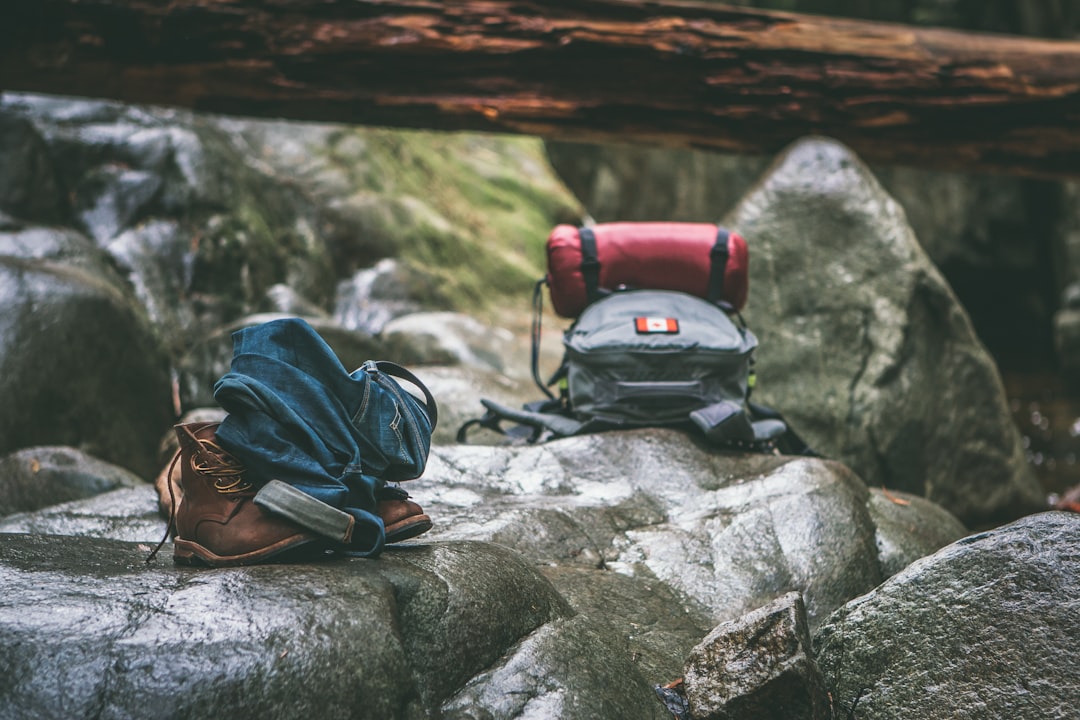
September in the Gorge is forgiving, but it has a split personality. The western end can be cool and misty in the morning, the eastern end can hit 85 by afternoon, and the trails in between can be dry, damp, or dripping depending on elevation. You need gear that adapts. Here’s what the team and I actually used and depended on over five days.
A lightweight rain jacket is non-negotiable. Even in September’s dry window, the microclimate around the waterfalls generates enough mist to soak through a cotton hoodie in minutes. I carried the Outdoor Ventures packable rain jacket, which weighs almost nothing, stuffs into its own pocket, and kept me dry through the Oneonta Gorge wade and an unexpected drizzle near Multnomah. The packable design means it lives at the bottom of your daypack until you need it, then deploys in about three seconds.
For the daypack itself, I’ve been testing the Osprey Sportlite 20 on this trip, and it’s the right tool for the Gorge. Twenty liters is enough for layers, water, snacks, and a first aid kit without being so large that you overpack. The ventilated back panel matters more than you’d think on a trail that transitions from shaded forest to exposed rim. And at under two pounds empty, it disappears on your back during long miles.
I also carried TrailBuddy trekking poles for the steeper sections, particularly the Wahkeena Springs climb and the return from Tunnel Falls. They’re aluminum, adjustable, and they fold small enough to strap to a daypack when you don’t need them. On the steep, root-choked descents that characterize Gorge trails, trekking poles save your knees and your confidence. Mine have been on four trips now, and the cork grips are still intact.
Power management is a real consideration in the Gorge. Cell signal is spotty on the trails, which means your phone works harder searching for towers and burns battery faster. By the second day, I learned to keep the INIU 45W portable charger in my hip belt pocket, topped off and ready. It’s small enough to forget about until you need it, and the 45W output fast-charges a dead phone to 50% in about 25 minutes.
The Non-Negotiables
- First aid kit: I never used to carry one on day hikes. Then I watched someone slice their hand open on basalt at Oneonta Gorge. Now the 150-piece mini first aid kit lives in every pack I own. It weighs four ounces. There’s no excuse.
- Picnic setup: The Gorge has incredible roadside viewpoints where you can pull over, spread out, and eat lunch with a view that costs nothing. We used a waterproof picnic blanket at the Rowena Crest viewpoint and had one of the best meals of the trip, deli sandwiches from a Hood River market eaten at 700 feet above the river with nobody else around.
- Trail snacks: Don’t underestimate how many calories you’ll burn. Even on a “short” 6-mile Gorge hike, the elevation changes add up. I loaded up on a Nature Valley variety pack before the trip and ate through most of it. Protein bars and granola bars are cheap insurance against the crabby, low-energy crash that ruins a good hike.
The Eastern Gorge: Dry, Dramatic, and Worth the Extra Miles
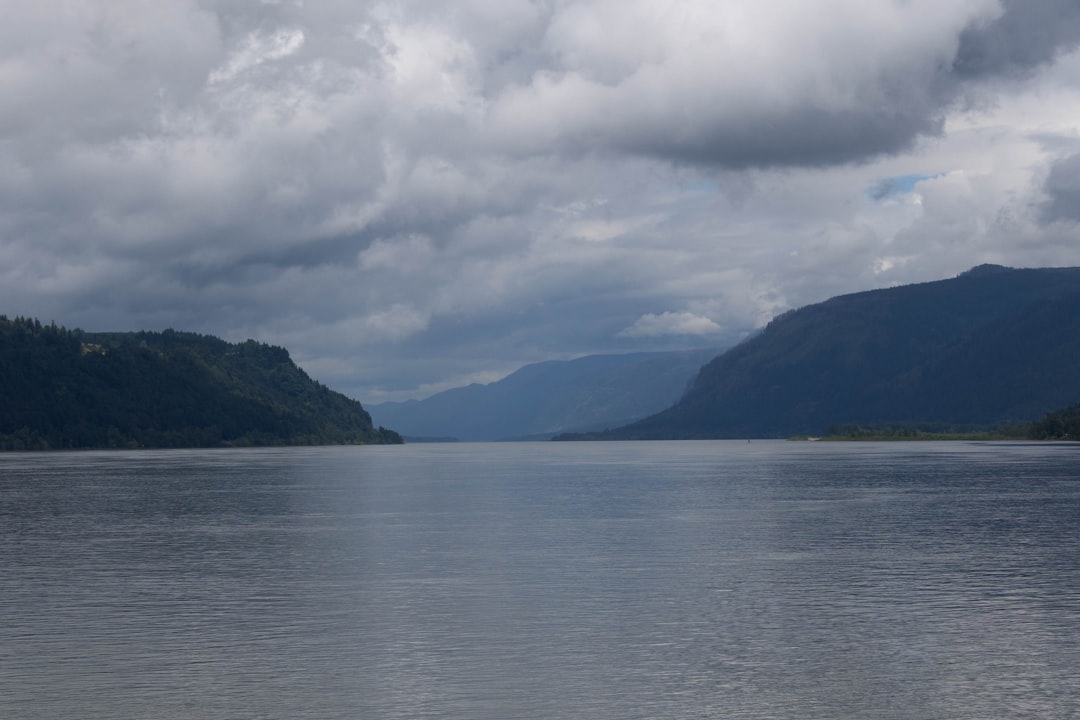
Most visitors never get past Multnomah Falls, and that’s fine. It means the eastern Gorge is wide open. Past Hood River, the landscape transitions to high desert, with golden hills and oak savanna replacing the fern-heavy understory of the western corridors. Rowena Crest, about 20 miles east of Hood River, offers what might be the single best roadside viewpoint in the Pacific Northwest. The highway curves along a basalt promontory 700 feet above the river, and on a clear September day, you can see 30 miles in each direction.
Mosier, a town of about 450 people between Hood River and The Dalles, is a hidden gem within the hidden gem. Its main street is three blocks long, but it has a cider house, a taco truck that serves some of the best carnitas I’ve had outside of Mexico, and a population that seems genuinely delighted you showed up. We spent an afternoon at the Mosier Farmers Market, which runs through late September, and walked away with local apples, huckleberry jam, and a profound sense that this is what travel is supposed to feel like.
Maryhill Museum, perched on a bluff above the eastern Gorge, is one of those places that shouldn’t work but absolutely does. It’s a Beaux-Arts mansion in the middle of nowhere, housing an eccentric collection that includes Rodin sculptures, Native American basketry, and a gallery dedicated entirely to Queen Marie of Romania. I’m not making that up. The grounds alone are worth the $15 admission, with sweeping views of the river and a replica of Stonehenge built as a World War I memorial just up the road. In September, the surrounding vineyards are in full harvest, and the whole area smells like crushed grapes.
And if you’re thinking about extending the trip, consider that Olympic National Park is about a four-hour drive from Portland. We didn’t make it that far this trip, but the team is already planning a combined Gorge-Olympic itinerary for next fall.
Where to Stay: Lodging Strategies for September
The Gorge has a lodging problem, and it’s the same problem that affects every beautiful place within two hours of a major city. Everything books up. The trick with September is that you’re no longer competing with summer vacationers, which means vacation rentals open up and prices drop. We found a cabin in Cascade Locks, a tiny town mid-Gorge, for about 30% less than the July rate. It had a deck overlooking the river, and we ate breakfast every morning watching barges push upstream against the current.
If you prefer hotels, Hood River is the best base camp. It has the most infrastructure: breweries, restaurants, gear shops, and a walkable downtown. The Society Hotel in Bingen, Washington, just across the river from Hood River, is a converted schoolhouse with hostel-style bunks and private rooms at prices that make sense. And if you’re van camping or RVing, the Gorge has excellent state parks. Viento State Park, right on the river, has sites available in September without a six-month reservation window.
One strategic note: if you’re planning to visit on a late summer trip through the Pacific Northwest, consider making the Gorge your anchor destination and radiating outward from there. It’s an hour from Portland, three hours from the coast, and close enough to Mount Hood for a day trip. The geography makes it a natural hub.
The Verdict: Go in September or Don’t Go
That’s hyperbole, but not by much. The Columbia River Gorge in peak summer is a magnificent place that you’ll share with thousands of your closest strangers. In winter, it’s moody and beautiful but trails close and weather can turn dangerous. September is the window when everything aligns: temperatures are ideal, waterfalls are still flowing, trails are dry and empty, and the locals have reclaimed their canyon.
I’ve been to a lot of scenic drives and natural areas across North America, and the Gorge in September ranks in my top three. Not because it’s the most spectacular landscape I’ve seen, but because it’s the most accessible world-class experience you can have right now without fighting crowds. The infrastructure is excellent, the driving distances are manageable, and the variety is staggering, all within 80 miles of canyon.
My team and I are already planning a return trip for the second week of September next year. If you go, tag me. I want to know if that raven is still holding down Multnomah Falls.
1 thought on “The Columbia River Gorge in September: Why the Pacific Northwest’s Best Shoulder Season Is Right Now”