
Introduction: The California You Haven’t Met
Everyone knows California. Golden Gate Bridge, Hollywood sign, Disneyland, Yosemite—these are postcard-perfect icons that draw millions of visitors each year. But here’s the truth: California’s most magical experiences often exist well off the tourist trail.
The Golden State spans 163,695 square miles of incredible diversity. You’ve got rugged coastline, ancient forests, ghost towns, desert oases, and mountain communities that feel trapped in time. While the crowds battle for parking at Malibu and wait three hours for Space Mountain, savvy travelers are discovering places that feel like their own private California.
We’re talking spots where you might be the only person on the beach. Where locals ask, “How did you find this place?” Where you can actually hear yourself think. These 15 hidden gems aren’t just worth visiting—they’re the experiences that make a California trip unforgettable.
Pro tip: Many of these spots require decent hiking footwear. We recommend the Merrell Moab 3 Ventilator Hiking Shoes for comfort and traction on California’s varied terrain. Let’s explore the California beyond the brochures.
1. Bowen’s Bay – Big Sur’s Secret Beach
Location: Big Sur (roughly 10 miles south of Bixby Bridge) Access: Short hike from Highway 1 (unmarked pullout) Best Time: Sunrise or weekday mornings
Why It’s Special: While McWay Falls attracts Instagram armies, Bowen’s Bay remains blissfully uncrowded. This secluded cove features tide pools, sea arches, and some of the most dramatic coastline scenery in Big Sur—without the tour buses.
How to Find It: Look for an unmarked pullout approximately 2 miles past Bixby Bridge (heading south). You’ll see a worn path leading toward the ocean. The hike is only 0.3 miles but requires some scrambling over rocks.
What You’ll See:
- Starfish and anemones in tide pools
- Sea arches carved by Pacific waves
- Fog dancing through cypress trees
- Possibly sea lions or seals
Pro Tip: Bring waterproof boots—the tide pools require wading. The Muck Boot Woodymax Arctic Sport handles slippery rocks and cold water comfortably.
2. Bodie State Historic Park – The Best-Preserved Ghost Town in America
Location: Eastern Sierra, near Bridgeport Access: Highway 395, then 13 miles on Bodie Road (unpaved but passable) Best Time: Summer (June-September) – winter closes the road Cost: $8 per vehicle (cash only)
Why It’s Magical: Bodie isn’t a tourist trap recreation—it’s a genuine gold-mining town frozen in time. In 1880, Bodie had 10,000 residents, 65 saloons, and a reputation for lawlessness. Today, about 170 structures remain in “arrested decay”—preserved but not restored.
What Makes It Authentic:
- Interiors remain as they were left (you can peer through windows)
- Personal items still sit on shelves (books, dishes, clothing)
- No commercial development—just authentic buildings
- Paint still peeling from the 1800s
Don’t Miss:
- The Standard Mill (massive processing facility)
- The church (remarkably well-preserved)
- The schoolhouse (desks still inside)
- The cemetery (reveals harsh pioneer life)
Photography Gold: Golden hour light on weathered wood and rusty metal is unreal. The Sony Alpha 7 IV captures incredible dynamic range in these high-contrast scenes.
Important: Do NOT remove anything. It’s illegal, and it ruins the experience for others. Take only photos, leave only footprints.
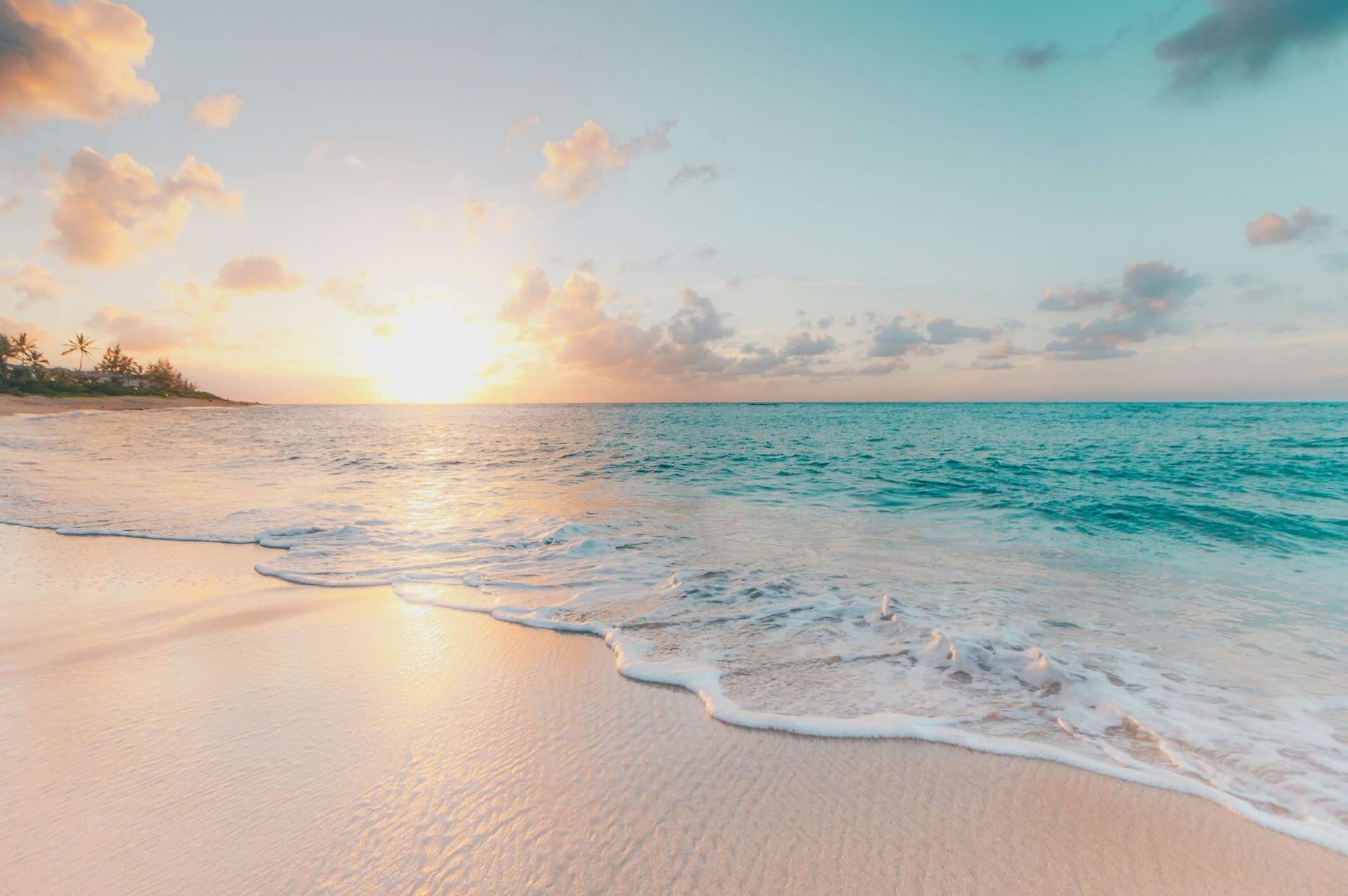
3. The Lost Coast – California’s Rugged Coastline
Location: Northern California, Humboldt County Access: Multiple trailheads from Highway 101 near Petrolia/Garberville Best Time: Spring or Fall (summer fog can be heavy) Difficulty: Moderate to challenging hiking
Why It’s Extraordinary: When Highway 1 was built, engineers deemed this stretch too rugged to pave. The Lost Coast remains roadless—25 miles of wild coastline accessible only by foot. Think dramatic cliffs, black sand beaches, and zero development.
Hiking Options:
- Day hike: 6-mile round trip to Shipman Creek
- Overnight: 15-mile northern section (2-3 days)
- Full traverse: 25 miles (3-4 days, experienced hikers)
What You’ll Experience:
- Sea lions, seals, and possibly whales
- Tide pools teeming with life
- Wildflowers in spring
- Beach camping (permits required for overnight)
Critical Planning:
- Check tide tables—some sections become impassable at high tide
- Carry plenty of water (streams require filtration)
- Fog is common—bring navigation skills
- Black bears inhabit the area (proper food storage required)
Gear Essential: The Katadyn BeFree Water Filter lets you safely drink from coastal streams—critical since water sources are scarce.
4. Mitchell Caverns – Mojave’s Underground Wonderland
Location: Mojave National Preserve, I-40 near Essex Access: Providence Mountains State Recreation Area Best Time: October-April (summer heat is dangerous) Tours: Guided only, $10 adults, reservations recommended
Why Tourists Miss It: Most people rush through Mojave on I-40 to get to Phoenix or Vegas. They have no idea this incredible limestone cave system exists 1,000 feet above the desert floor.
Cave Features:
- Elaborate stalactites and stalagmites
- Rare helictites (twisted formations)
- Underground pools
- Constant 65°F temperature (year-round)
Tour Details:
- 1.5 hours, 1.5-mile round trip
- 400 stairs (moderate fitness required)
- Jackets recommended (cave is cool)
- Tours limited to 15 people
Combo Visit: Combine with Mojave National Preserve’s Kelso Dunes (massive sand dunes) for a full day of desert wonders.
Getting There: It’s remote—nearest services are 30+ miles away. Fill up on gas and bring water. The Osprey Manta AG 24 Hydration Pack keeps water handy during desert explorations.
5. Glass Beach – Fort Bragg’s Sea Glass Paradise
Location: Fort Bragg (Mendocino County) Access: End of Elm Street, short walk to beach Best Time: Low tide, early morning
The Fascinating History: From 1906-1967, residents dumped garbage (including cars and appliances) directly onto this beach. Over decades, the ocean pounded everything into smooth, colorful sea glass. It’s now an unintended wonderland of red, blue, green, and aqua glass pebbles.
What You’ll Find:
- Millions of sea glass pieces (mostly green, brown, white)
- Some rare finds (red, blue, multi-color)
- Interesting rock formations
- Tide pools at low tide
Rules:
- You may TAKE glass (unlike most California beaches)
- Limit is modest (don’t fill buckets)
- No tools or digging
- Respect the environment
Nearby: Fort Bragg’s Skunk Train offers historic railway rides through redwood forests—great combo day trip.
6. Lassen Volcanic National Park – Yellowstone Without the Crowds
Location: Northeastern California, near Chester Access: Highway 89 Best Time: July-September (snow closes roads October-June) Entry: $30/vehicle (7-day pass)
Why It’s Underrated: Yellowstone gets 4 million visitors annually. Lassen gets 500,000. Yet Lassen offers hydrothermal features, volcanic landscapes, and mountain scenery that rival its famous cousin—without the traffic jams.
Must-See Features:
- Bumpass Hell: Largest hydrothermal area (boardwalk trail)
- Lassen Peak: Hike to 10,457-foot summit (still active volcano)
- Cinder Cone: Perfectly preserved volcanic cone
- Manzanita Lake: Reflections of Lassen Peak
What Makes Lassen Unique:
- All four volcano types found here (shield, cinder cone, plug dome, strato)
- Hydrothermal features more accessible than Yellowstone
- Backcountry feels genuinely wild
- Dark sky park (incredible stargazing)
Hiking: Ranges from easy lake loops to challenging summit climbs. The Kahtoola MICROspikes provide traction on icy trails early in the season.
7. Point Reyes – Abbotts Lagoon Wildlife
Location: Point Reyes National Seashore (Marin County) Access: Pierce Point Road, Abbotts Lagoon Trail Best Time: Spring (wildflowers) or fall (migrating birds)
Why Locals Love It: Most Point Reyes visitors head straight to Bear Valley or the lighthouse. Abbotts Lagoon offers a different experience: incredible bird watching, wildflower meadows, and often-empty trails.
What You’ll See:
- Migratory shorebirds (fall/winter)
- Tule elk (introduced herd, often visible)
- Wildflowers (spring: lupine, poppies, iris)
- Dune ecosystems
- Harbor seals (sometimes)
The Hike: 3-mile round trip, flat and easy. Perfect for families or casual walkers. The trail winds through coastal scrub before reaching the lagoon system.
Photography Tip: Late afternoon light on the dunes is spectacular. The Canon RF 70-200mm lens captures elk and birds without disturbing them.
8. Death Valley’s Racetrack Playa – Mystery Solved
Location: Death Valley National Park Access: Rough dirt road (high clearance recommended, 4WD ideal) Best Time: November-March (summer heat is lethal) Critical: Check road conditions—rain closes the access road
The Mystery: For decades, scientists puzzled over rocks that moved across Racetrack Playa on their own, leaving tracks in the dry lakebed. No one ever saw them move. In 2014, researchers finally documented the cause: thin ice sheets that form overnight, break apart in wind, and push rocks across the slick mud.
Why It’s Worth the Effort: The access road is rough (27 miles of washboard, rocks, and ruts). But reaching the playa feels like landing on another planet. Sailing stones sit isolated on a vast, flat expanse, their tracks visible like lines on a blank canvas.
What You’ll Experience:
- Otherworldly desert landscape
- Tracks crossing in patterns (documented movements)
- Absolute silence (no traffic, no development)
- Possibly the only people there
Safety Critical:
- Bring EXTRA water (1 gallon per person, minimum)
- Tell someone your plans (no cell service)
- Full gas tank (nearest services are 50+ miles)
- Don’t attempt in wet conditions (road becomes impassable)
9. Sausalito’s Houseboat Community – Waterfront Living
Location: Sausalito (Marin County, across Golden Gate Bridge) Access: Waldo Point Harbor and Bridgeway Best Time: Any (year-round mild climate)
What Makes It Special: Most tourists flock to Fisherman’s Wharf. Savvy travelers discover Sausalito’s floating homes—architectural marvels bobbing in the harbor. Some are rustic converted barges; others are multi-million-dollar architectural statements.
Exploring Options:
- Walk the docks: Public walkways allow viewing (respect privacy)
- Kayak tour: See houses from water level
- Guided tours: Some companies offer houseboat tours
Notable Houses:
- The “Ark” (former ferry boat)
- Futuristic glass designs
- Traditional houseboats with flower gardens
- Some available as vacation rentals
Vibe: Bohemian, artistic, fiercely independent. Many residents are artists, writers, or free-spirited types who’ve opted out of traditional housing.
Nearby: Sausalito’s downtown offers excellent waterfront dining with Golden Gate Bridge views. Perfect lunch spot after exploring the houseboats.
10. Fern Canyon – Prehistoric Redwood Grotto
Location: Prairie Creek Redwoods State Park (near Orick) Access: Davidson Road, then Fern Canyon trail Best Time: Spring or fall (summer can be crowded) Entry: $8 day-use fee
Why It’s Magical: Steven Spielberg filmed “The Lost World: Jurassic Park” here for good reason. Fern Canyon features vertical walls covered in ancient ferns, with water trickling down. It feels primeval, like stepping back 150 million years.
The Experience:
- 1-mile round trip hike
- Mostly flat (some log crossings)
- Waterproof boots recommended (you’ll get wet)
- Canyon walls 50+ feet high, completely covered in ferns
What You’ll See:
- Five different fern species
- Waterfalls trickling down canyon walls
- Bananas slugs (bright yellow, harmless)
- Roosevelt elk (often grazing nearby)
Combo Opportunity: This is in Redwood National and State Parks. Combine with Fern Canyon for a full day of giant trees and coastal scenery.
11. Salvation Mountain – Folk Art Phenomenon
Location: Niland (Imperial County, near Slab City) Access: Highway 111 east of Indio Best Time: Winter (summer heat reaches 120°F) Cost: Free (donations appreciated)
The Story: Leonard Knight spent 28 years building this 50-foot-tall, 150-foot-wide folk art monument from adobe, straw, and countless gallons of paint. It’s a vivid, psychedelic testament to one man’s faith and dedication. Knight passed away in 2014, but volunteers maintain his vision.
What You’ll Experience:
- Mountainside covered in Bible verses and religious paintings
- Brightly colored (red, yellow, blue, green, white)
- Tunnel system you can walk through
- Outdoor folk art chapel
- Nearby “East Jesus” art community (worth exploring)
Cultural Context: The area attracts drifters, artists, and free spirits. Slab City (nearby) is a squatter community with no utilities. It’s fascinating but can feel edgy—daytime visits recommended.
Photography: The bright colors against desert sky make for incredible shots. The DJI Mini 3 Pro drone captures the full scale from above (check local drone regulations first).
12. Emerald Bay State Park – Lake Tahoe’s Crown Jewel
Location: South Lake Tahoe Access: Highway 89 Best Time: Summer (lake access) or winter (snowshoeing) Entry: $10 parking (can fill early in summer)
Why It’s Special: Yes, Lake Tahoe is popular. But Emerald Bay remains relatively uncrowded compared to main beaches. The tea-colored water (from tannins in runoff) contrasts dramatically with Tahoe’s famously clear water.
Must-Do Activities:
- Vikingsholm Castle: 1928 mansion built in Scandinavian style (tours available)
- Eagle Falls: Short hike to waterfall
- Rubicon Trail: Scenic hiking trail around bay rim
- Fannette Island: Only island in Lake Tahoe (visible from trail)
What Makes It Different: The bay feels secluded despite its popularity. Dense forest surrounds the water, and Vikingsholm’s architecture makes you feel transported to Norway.
Pro Tip: Arrive before 9 AM in summer to secure parking. The lot fills by 10 AM on weekends. Bring layers—mountain weather changes quickly.
13. Alabama Hills – Movie Set Playground
Location: Lone Pine (Eastern Sierra) Access: Whitney Portal Road from Lone Pine Best Time: Spring or fall (summer heat, winter snow) Cost: Free (BLM land, dispersed camping allowed)
Why Filmakers Love It: The rounded granite boulders create alien, dramatic landscapes. Over 400 movies and TV shows filmed here, including “Iron Man,” “Westworld,” “Gladiator,” and countless Westerns.
What You’ll Discover:
- Movie Road (drive through actual filming locations)
- Arch rock (famous formation)
- Mobius Arch (framing Mt. Whitney perfectly)
- Endless boulders for climbing and exploring
- Dispersed camping (free, no facilities)
Photography Heaven: Mobius Arch creates a natural frame for Mt. Whitney (highest point in contiguous U.S.). Sunrise and sunset light on the rocks is unreal.
Combo Trip: Pair with Manzanar National Historic Site (WWII internment camp) for a historical, educational day.
14. Santa Catalina Island – Mediterranean Vibe Without Leaving California
Location: 26 miles off Los Angeles coast Access: One-hour ferry from Long Beach, San Pedro, or Dana Point Best Time: Spring or fall (summer busy, winter can be rough) Round-trip ferry: ~$70-80
Why Tourists Miss It: Most Angelenos never bother with the ferry. Yet Catalina feels like a different world—Mediterranean architecture, no cars allowed in Avalon (golf carts only), and crystal-clear water.
Avalon Highlights:
- Casino building (art deco landmark, tours available)
- Descanso Beach (protected cove, calm water)
- Glass-bottom boat tours (underwater viewing)
- Buffalo (introduced for a movie, still roam wild)
Beyond Avalon:
- Two Harbors (sleepier side of island)
- Backpacking and camping
- Scuba diving (kelp forests, sea lions)
- Fishing charters
Accommodation: From waterfront hotels to campgrounds. Book early—summer fills months ahead.
15. Sequoia National Forest’s Boyden Cavern – Hidden Gem Without the Crowds
Location: Kings Canyon Scenic Byway (Highway 180) Access: Sequoia National Forest (NOT the national park) Best Time: April-November (winter closes access) Tours: $15 adults, guided only
Why Skip the Park Caves: Sequoia National Park has Crystal Cave (famous but crowded, reservations required months in advance). Boyden Cavern offers similar formations with zero crowds and no reservation hassle.
Cave Features:
- Strange stalactites and stalagmites
- “Bacon” formations (striated flowstone)
- Underground stream
- Cooler temperature (perfect for hot summer days)
The Tour: 45 minutes, mostly flat walking. Tour guides are knowledgeable and small groups mean personalized attention.
Scenic Drive Bonus: The Kings Canyon Scenic Byway reaching the cavern is spectacular—sheer granite cliffs, waterfalls, and deep canyon views. The drive alone is worth the trip.
Planning Your Hidden Gem Adventure
Vehicle Considerations
Most Hidden Gems Require:
- High clearance for dirt roads (Lost Coast, Racetrack Playa)
- 4WD preferred but not always necessary
- Good tires (rough roads are tough on bald tires)
Rental Car Reality Check: Most rental agreements prohibit off-road driving. Read the fine print. Some companies allow “improved dirt roads”—verify what that means.
Navigation Strategy
Download Offline Maps: Many hidden gems have zero cell service. Download Google Maps or Gaia GPS maps before departure.
Pro Tip: Backcountry navigation is different from city driving. The Gaia GPS Premium offers topographic maps and GPS tracking for serious explorers.

Seasonal Awareness
California’s Microclimates:
- Coast: Year-round access, summer fog common
- Desert: Spring/fall only (summer lethal)
- Mountains: Summer only (winter closes roads)
- Northern California: Year-round but wet winters
Check Conditions:
- National Park/Forest websites
- Caltrans for road closures
- Weather apps (fog warnings, heat advisories)
Safety Preparation
Remote Area Essentials:
- Extra water (1 gallon/person/day minimum)
- Food beyond what you think you need
- First aid kit (with tweezers for cactus spines)
- Emergency blanket (desert nights get cold)
- Full gas tank (stations are rare in remote areas)
- Tell someone your itinerary
Desert Specific:
- Start early (hiking in midday heat = danger)
- Know heat exhaustion symptoms
- Signal devices (whistle, mirror, PLB)
- Stay with your vehicle if stranded (easier to find)
Budget Planning
Accommodation Costs
- Free: Dispersed camping (BLM land, National Forest)
- Budget: Campgrounds ($15-30/night)
- Moderate: Motels ($80-150/night)
- Higher: Vacation rentals ($200-400/night)
Transportation
- Gas: California has highest prices in U.S. – budget accordingly
- Park entry: Most state parks $8-10, national parks $30
- Tours: $10-100 depending on activity
Food
- Grocery: Similar to national averages
- Restaurants: Higher in tourist areas (Carmel, Napa, etc.)
- Hidden gem areas: Often limited options, bring food
Conclusion: California Revealed
These 15 hidden gems barely scratch California’s surface. Every region holds secret spots—places where locals go to escape the crowds and experience the state’s raw, authentic beauty.
The difference between a tourist trip and a California adventure often comes down to willingness to explore. Yes, see the icons. They’re famous for a reason. But also chase waterfalls down unmarked trails. Take that dirt road to nowhere. Ask a bartender for their favorite local spot.
That’s where the real California lives. Not in the guidebooks or Instagram feeds, but in those moments when you round a bend, see something that takes your breath away, and realize you’re the only one there.
Start planning. That hidden cove, ghost town, or secret beach is waiting.
SEO Keywords: hidden gems California, secret spots California, California off the beaten path, California hidden locations, California travel tips, underrated California destinations
2 thoughts on “Hidden Gems in California Tourists Miss: 15 Secret Spots the Locals Keep”