
There’s a moment on every flight where the wheels leave the pavement and the whole world rearranges itself. The road trip you planned in two dimensions becomes a map you’re living inside of, and the $100 hamburger — the pilot’s beloved excuse for flying somewhere just to eat — stops being an aviation inside joke and starts being the best day trip in America. If you’ve been curious about small aircraft travel but never known where to start, a vintage Mooney is one of the most honest introductions there is.
My initiation came in a 1964 Mooney M20C, an airplane built the same year Ford introduced the Mustang. The M20C Ranger runs a 180-horsepower Lycoming O-360 that cruises around 145-150 knots on roughly ten gallons an hour, with the kind of fuel efficiency and speed-per-dollar that made Mooneys legendary among pilots who like going far without going broke. It’s a four-seat, retractable-gear machine with a slick aluminum body and a forward-swept tail that looks fast even parked. Sixty-plus years on, a well-maintained example still outruns brand-new trainers costing five times as much. That’s the quiet secret of vintage aviation: careful ownership keeps decades-old aircraft flying better than new.
Why Small Aircraft Travel Is Worth Considering
Most people experience air travel as an ordeal to endure — the parking garage, the security line, the middle seat. General aviation flips the whole script. You drive straight up to the hangar, roll the airplane out, and fifteen minutes later you’re airborne on your own schedule. There’s no gate, no boarding group, and no announcement apologizing for the delay. The entire journey becomes something you do rather than something you survive.
The magic is in the accessibility of it. America is laced with thousands of public-use airports that the airlines will never serve — over 5,000 of them — and many sit within a short walk or cheap taxi ride of exactly the kind of small towns travelers drive hours to reach. A flight that eats an entire weekend by car can shrink to a lazy morning. Rivers you’d cross on a bridge become silver threads you follow from above. State lines stop mattering. When the airplane is small and the day is yours, distance stops being the constraint it used to be.
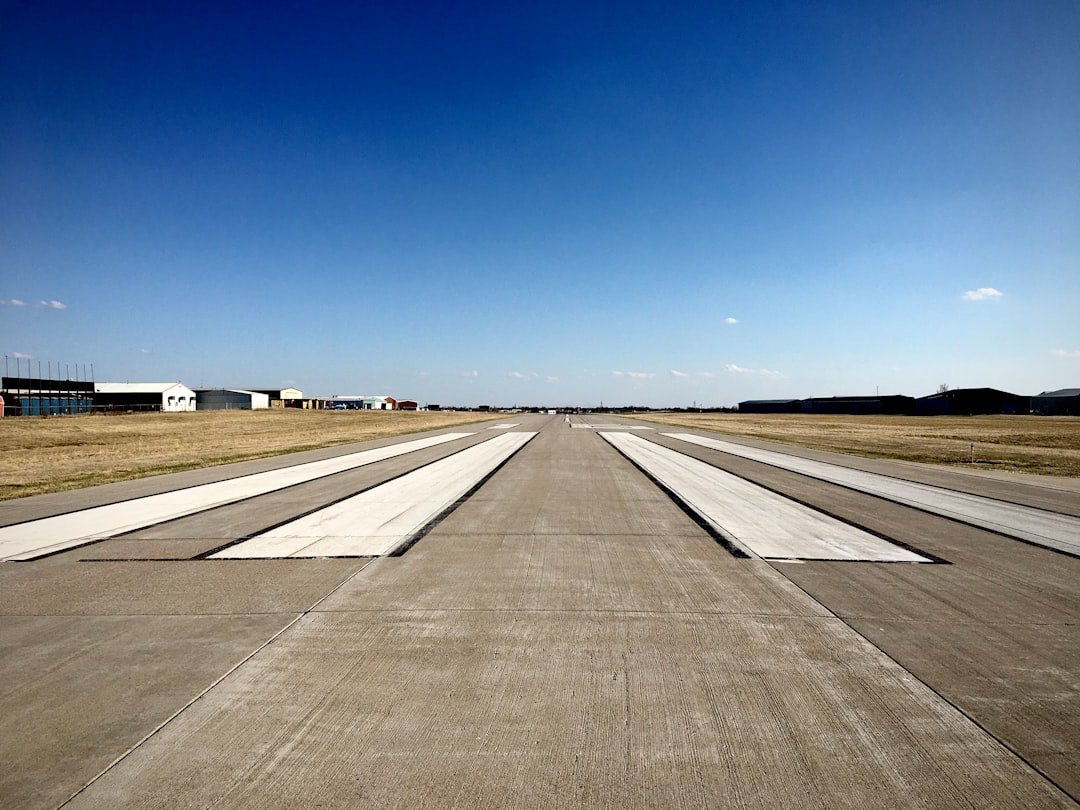
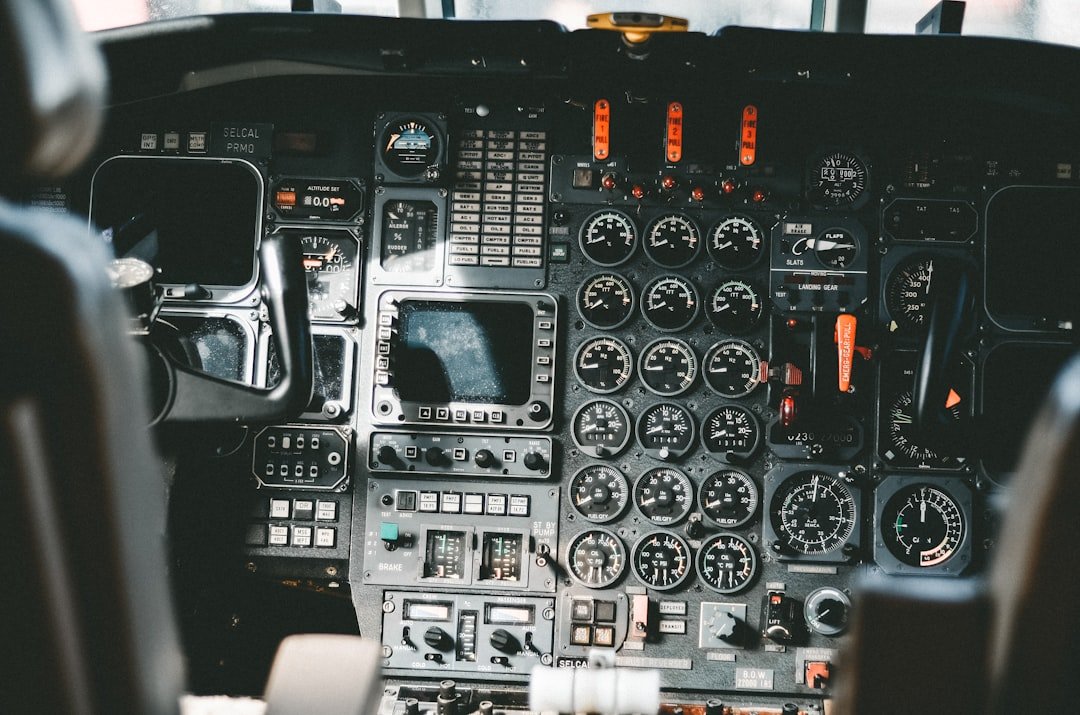
None of this is complicated, either. The whole ritual — engine start, taxi, runup, takeoff, a lap around the sky, landing, and taxi back to the hangar — is a rhythm that becomes second nature. Vintage aircraft make it even more rewarding, because the flying is honest: no glass screens, just round gauges and a yoke, the same view of the world aviators had in 1964. If that description stirs something in you, a scenic flight with a local flight school or a friend who owns an airplane is the lowest-commitment way to find out.
A Day in the Pattern: What Recreational Flying Actually Looks Like
Recreational flying has an undeserved reputation as either boring circuits or white-knuckle adventure. In truth it’s neither. A typical pleasure flight starts like a diner date: coffee, weather check, and a slow walk around the airplane. Preflight is part ritual, part genuine safety habit — controls free and correct, fuel sampled, pitot cover removed, oil checked. It takes ten unhurried minutes and sets the tone for everything that follows. There’s a calm to it that commercial aviation will never offer you.
Once airborne, the plan usually dissolves. Maybe you climb to a few thousand feet and tour the patchwork of farms and rivers below. Maybe you detour to a lake that’s impossible to see from the highway. Small aircraft travel is less about getting anywhere and more about seeing everything — at 150 miles an hour, low enough that the world is still personal, high enough that it unrolls like a story. The famous $100 hamburger tradition fits right in: pilots have always been happy to invent an errand, and a burger at an airport diner is the classic one. Gas stations can’t match the view from the picnic table beside a runway.

The Mooney M20C: Sixty Years Old and Still the Smart Choice
Among affordable performance airplanes, the M20C occupies a sweet spot that’s kept it relevant for six decades. The airframe is aluminum and famously slippery — Mooneys were speed demons by design, with flush rivets and that distinctive forward-swept vertical fin. The 1964 model year sits right in the middle of the classic era: manual gear extension (a satisfying, physical ritual), a simple fuel system, and systems robust enough that mechanics still speak well of them. Compared with its contemporaries, the M20C delivers genuine cross-country speed on a trainer’s fuel bill.
What surprises most first-time passengers is the cabin. Mooneys are narrow on the outside but efficient within — two up front sit closer than airline strangers, and there’s usable space behind for bags or brave friends. The visibility over that long nose in the turn is delightful. On landing, the M20C rewards precision: it’s an airplane that makes you a better pilot, then thanks you with 150-knot rides home. Owners are a devoted tribe, and the Mooney M20 t-shirt is practically the unofficial club uniform at fly-ins.
Planning Your First Small Aircraft Day Trip
If you’re a passenger or renter, the barriers are lower than you think. The trick is to plan like a pilot, not like an airline passenger:
- Pick a day with stable weather. Small aircraft travel lives and dies by conditions. Clear skies and light winds turn a good flight into a great one; a passing front means rescheduling without drama. This is why pilots are famously flexible people.
- Choose an airport with a destination. The best day-trip airports have a diner on the field, a museum, or a walkable small town nearby. Part of the fun is discovering the dozens of scenic routes and drives you love from the ground — then seeing them from above instead.
- Keep the mission small. One stop, one meal, one loop home. A 90-minute aerial tour followed by lunch is a perfect first outing. Ambition is for the second flight.
- Dress like it’s a hangar, because it is. Layers beat fashion. Sunscreen matters more than you’d expect at altitude.

What It’s Like Behind the Yoke
Takeoff in a classic Mooney is a study in anticipation. Full power, the tail comes up, and the airplane fairly leaps off the runway once that wing finds its airspeed. Climb-out over the fields is a slow rotation of perspective — trees sink, roads straighten, and the horizon gets wider. Level off, pull the power back to cruise, and the engine settles into a hum you stop hearing and start enjoying. Trim it out and the airplane flies itself while you drink in the geography.
The return to earth is where vintage aviation earns its keep. Downwind, abeam the numbers, gear lever, flaps, a descent rate you can feel in your teeth, and then the flare — hold it off, hold it off, until the mains kiss the pavement and you’re rolling out with the silly grin every pilot knows. Taxi back to the hangar, shut down the mags, and the silence is enormous. It’s the silence of a day well spent. Want the full experience? Here’s a complete recreational flight, from engine start to shutdown, filmed in 360 degrees:
Gear That Makes Vintage Flying Better
Classic airplanes reward a little thoughtful gear. Beyond the obvious headset and sunglasses, a few items have earned permanent spots in any vintage Mooney flight bag:
- A proper checklist. Old airplanes and good habits go together, and a model-specific reference keeps procedures honest. The Mooney M20C Mark 21 checklist book is the one that lives in the cockpit door pocket.
- Ground protection. Sun and birds are the enemies of parked fabric and paint. A fitted cover — like this Mooney cockpit cover — keeps the interior cool and the belts from frying. And never forget the humble pitot cover; this Mooney pitot tube cover prevents the classic wasp-nest-in-the-pitot-block surprise.
- Comfort up front. Long legs in a narrow cabin go better with a good headset. If you’re shopping for your own, a solid general-aviation option like the RA200 aviation headset or the plush quiet of a Bose A30 makes hours feel like minutes.
For the pilots who document their flying, a 360 camera on the wing or cabin ceiling captures the whole story — the Insta360 One X3 paired with the invisible-selfie-stick tripod has become the standard rig for exactly this kind of full-view flight video. And for the builders and tinkerers who keep these airplanes alive, an M20 service manual library is worth its weight in avgas.
Where Small Aircraft Travel Beats the Road
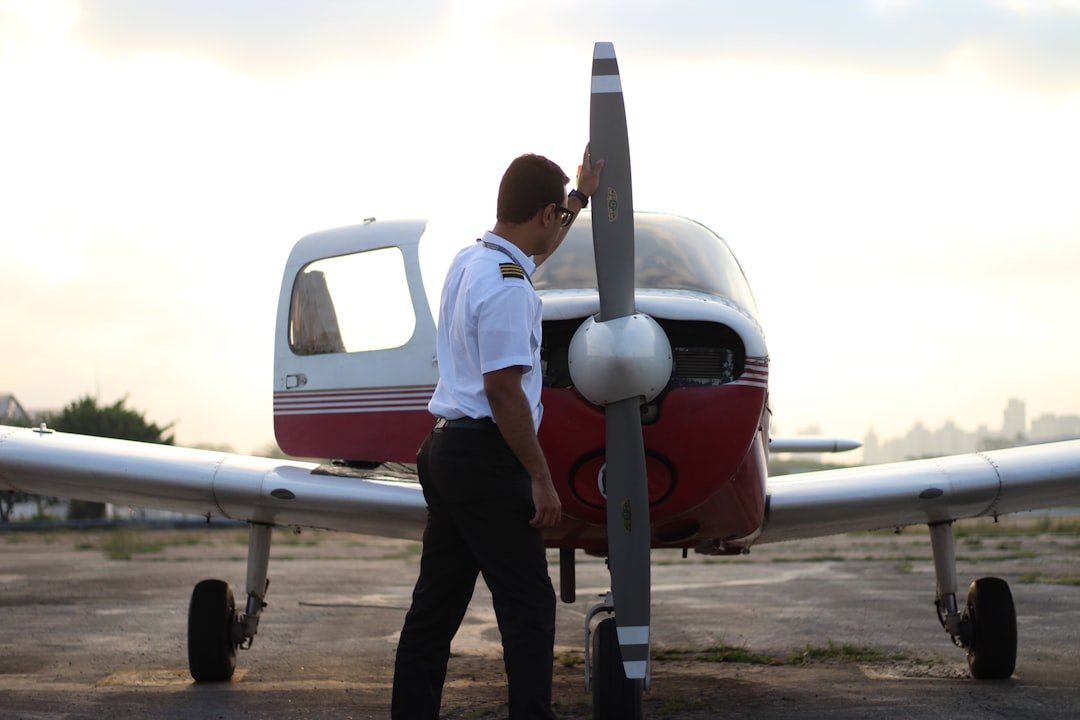
Consider the math. A 300-mile day trip by car is five-plus hours each way of interstate sameness. The same trip in a 1964 Mooney is barely two hours, and the “scenery” is the entire landscape rather than the bumper ahead of you. Now consider the destinations that roads make difficult: the island airstrip, the ranch runway, the mountain valley airport where the dark skies you chase all summer start right past the tree line. Small aircraft put an entire category of places back on your map.
It also changes how you think about the 10 most scenic drives in America you’ve been meaning to do. From a few thousand feet, the Blue Ridge becomes a single unbroken ridge, the Mississippi a braided cord of silver, and your favorite coastal highway a thin line drawn between green and blue. If you’ve already logged those drives, flying them may be the sequel you didn’t know you needed.
Getting Started Without Buying an Airplane
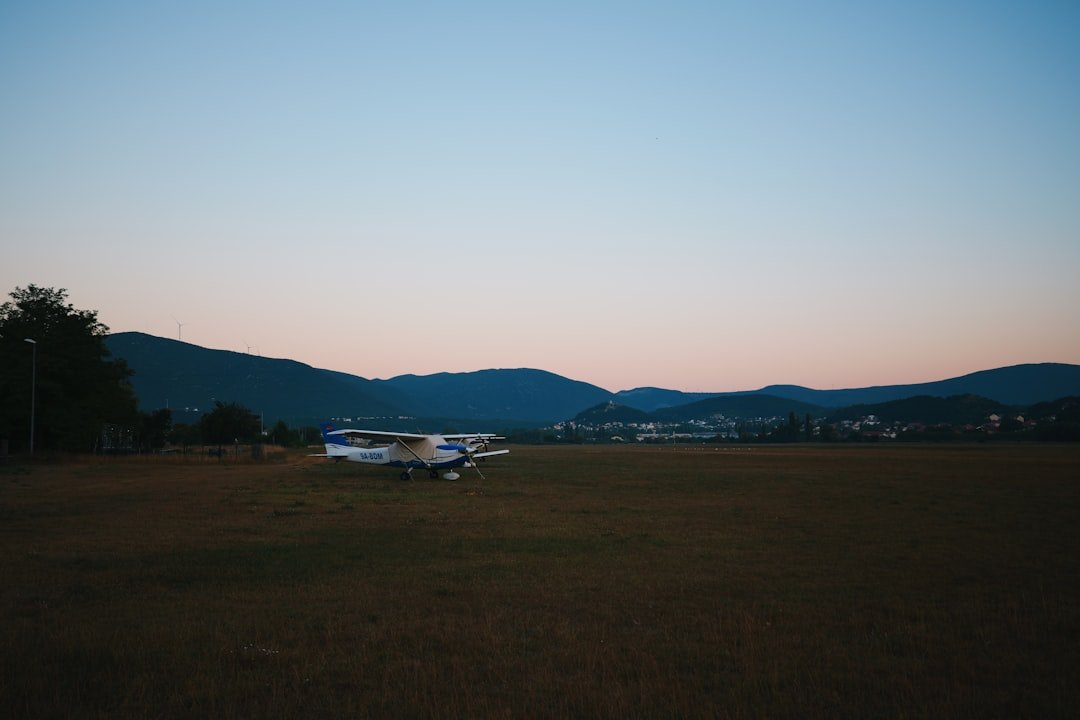
You don’t need a hangar and a title to taste this life. Discovery flights at local flight schools run $100-200 and put you in the left seat with an instructor beside you. Fly-in breakfasts and airshow days welcome visitors who just want to be around airplanes and the people who love them. Volunteer at an EAA chapter and you’ll find yourself wrenching on something interesting by the second weekend. Aviation is one of the few remaining communities where showing up curious is the only membership requirement.
If the bug bites — and it will — the path runs through a private pilot certificate and then a share or rental of something classic. Owner groups for vintage types are active and generous with knowledge. Along the way, small tokens of the obsession help: a personalized tail-number ballcap, a vintage Mooney wall print for the office, or a handmade mahogany desktop model of the airplane you’re saving toward. Every pilot’s desk tells the story of the one that got away — or the one that didn’t.
The Point of It All
Sixty years after that Mooney rolled out of Kerrville, Texas, the fundamental bargain hasn’t changed. Bring a machine kept alive by care and attention, add a morning with nothing scheduled, and trade them for a view of the world almost nobody gets anymore. The burger is just the excuse. The flight is the destination. If you’ve been waiting for a sign to finally book that discovery flight or say yes to a friend’s offer of a ride around the patch — this is it. Make someday today, and keep the pattern to yourself no longer.