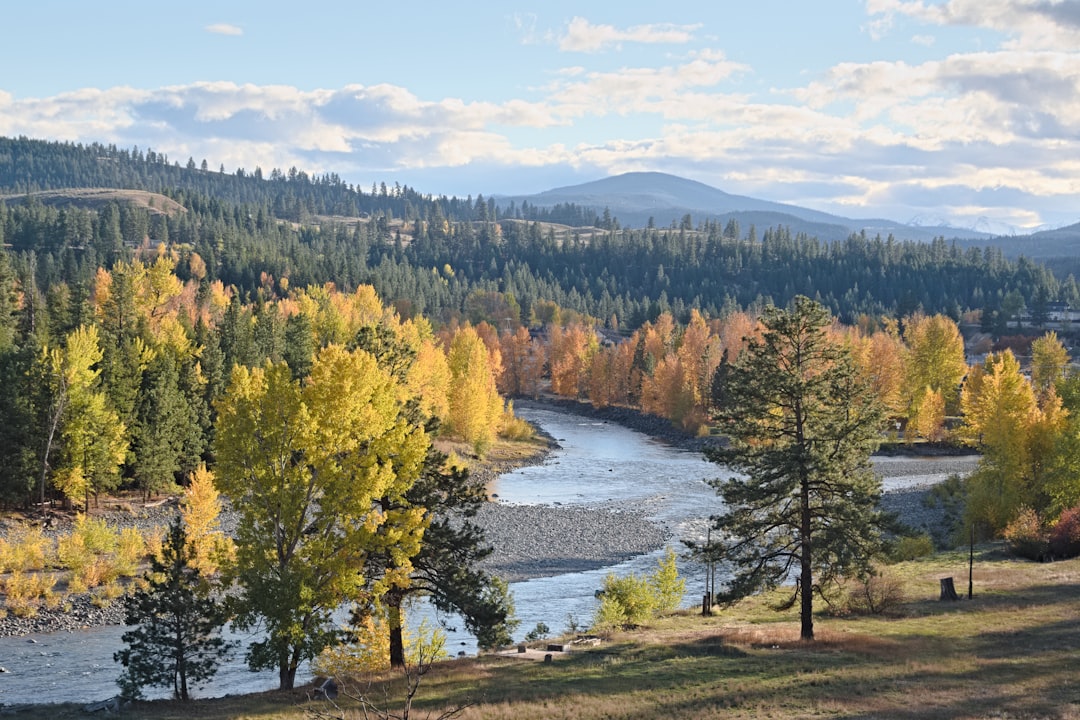
There is a stretch of the Sierra Nevada where the calendar stops mattering and elevation starts running the show. Every September, while New England is still arguing about whether October will behave, the aspens on the eastern slope of the Sierra turn gold in a wave that starts above nine thousand feet and works its way down to the desert floor like honey poured off a table edge. The whole thing lasts, in any single grove, about two weeks. Miss it and you drive a canyon of bare poles. Catch it and you will talk about it in the tones people usually reserve for eclipses.
I’ve made the drive from Los Angeles three autumns running now, and I’ve learned that the Eastern Sierra rewards a specific kind of traveler: the kind willing to check a fall color report the way other people check box scores. Here’s everything my team and I have figured out about timing Bishop Creek and the surrounding canyons — and what to bring when the report finally says go.
The Color Report I Check Like a Box Score
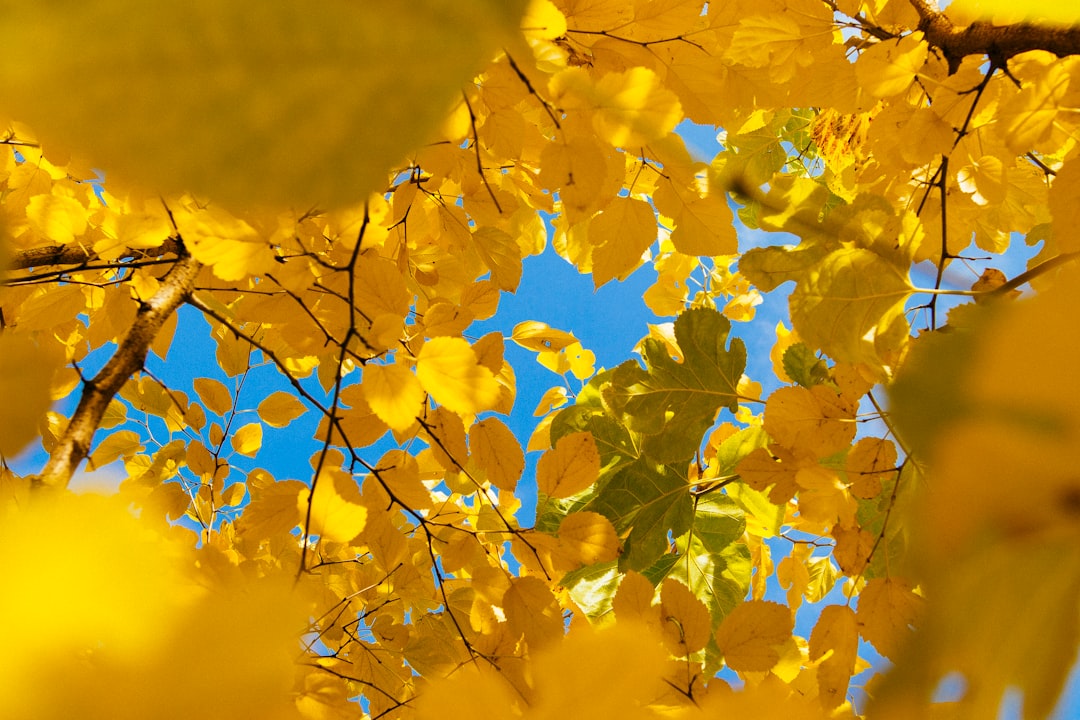
California keeps a running fall color report at californiafallcolor.com, updated through the season by a network of spotters who file from trailheads and canyon roads with the urgency of war correspondents. The reports use plain language: “patchy,” “near peak,” and the two words that empty desks across the state — “go now.” The Bishop Visitor Authority runs its own report keyed to specific elevations, which matters here more than anywhere, because Bishop Creek Canyon alone spans nearly five thousand vertical feet of color.
My system is simple and slightly obsessive. Starting the second week of September, I check both reports every morning with coffee. When the groves above Lake Sabrina flip from patchy to near peak, I book the motel, pack the truck, and leave within forty-eight hours. The photographers I travel with have a darker version of the same rule: they don’t book anything until the first “go now” lands, then they drive all night. In three seasons I’ve hit true peak twice and been skunked once, the year an early October wind stripped the high country in a single afternoon. Nobody apologizes out here. The mountain keeps its own schedule.
Gold Runs Downhill
Here is the single most useful thing to understand about the Eastern Sierra: the color moves downhill, roughly a thousand feet of elevation every week once it starts. Aspen stands above nine thousand feet — the basins around South Lake, North Lake, and Lake Sabrina — typically turn first, sometime in the last ten days of September. The show then descends through the middle canyon around Aspendell and Intake II in the first week of October, reaches the lower groves near Big Trees campground after that, and finally finishes with the cottonwoods on the valley floor around Bishop in mid-October.
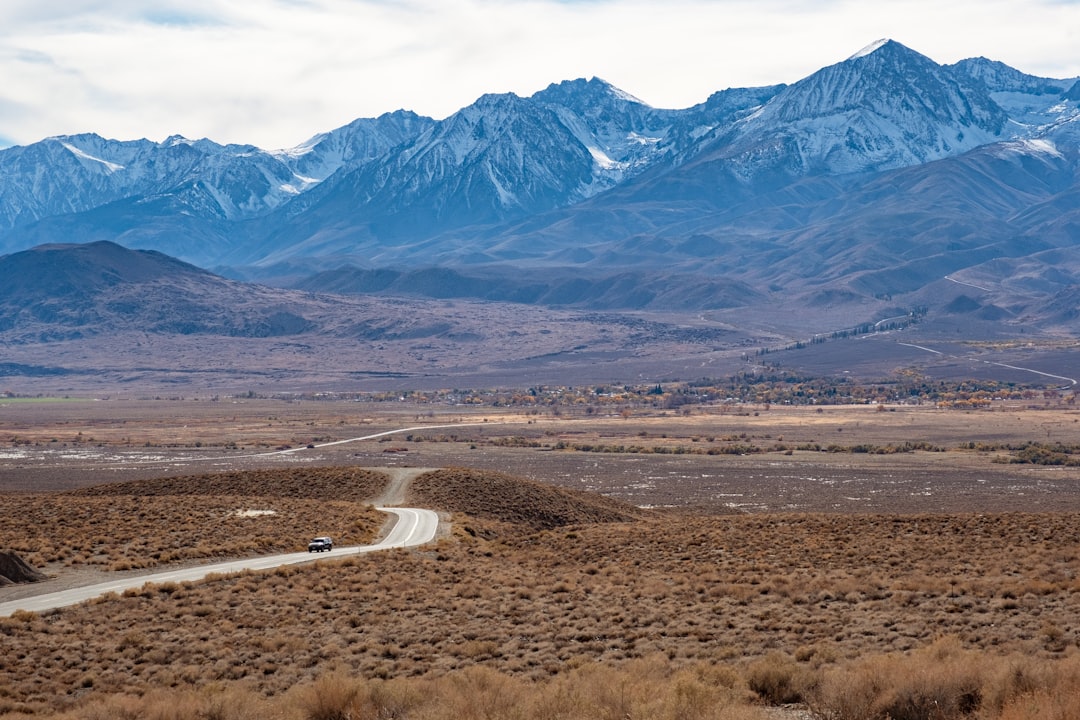
What that means in practice is that you almost cannot come too late or too early — you just have to aim at the right elevation. Show up the last weekend of September and the high basins will be peaking while the town of Bishop, sitting at about forty-one hundred feet, is still wearing summer. Arrive mid-October and you’ve traded the aspens for valley cottonwoods burning yellow along the Owens River, which is its own consolation prize. The people who get burned are the ones who lock in a single weekend in early October and discover the wind made other plans.
It’s a different game than the one I wrote about in our overall fall foliage forecasting guide — Vermont and New England turn by latitude, whole regions at once. The Sierra turns by altitude, canyon by canyon, which is both the frustration and the magic of it.
Bishop Creek Canyon: The Main Event
From downtown Bishop you take West Line Street, which becomes Highway 168, and in twenty minutes you’re climbing into the best aspen real estate in California. The road follows Bishop Creek up through a chain of groves and reservoirs that the color reports track like a weather map.
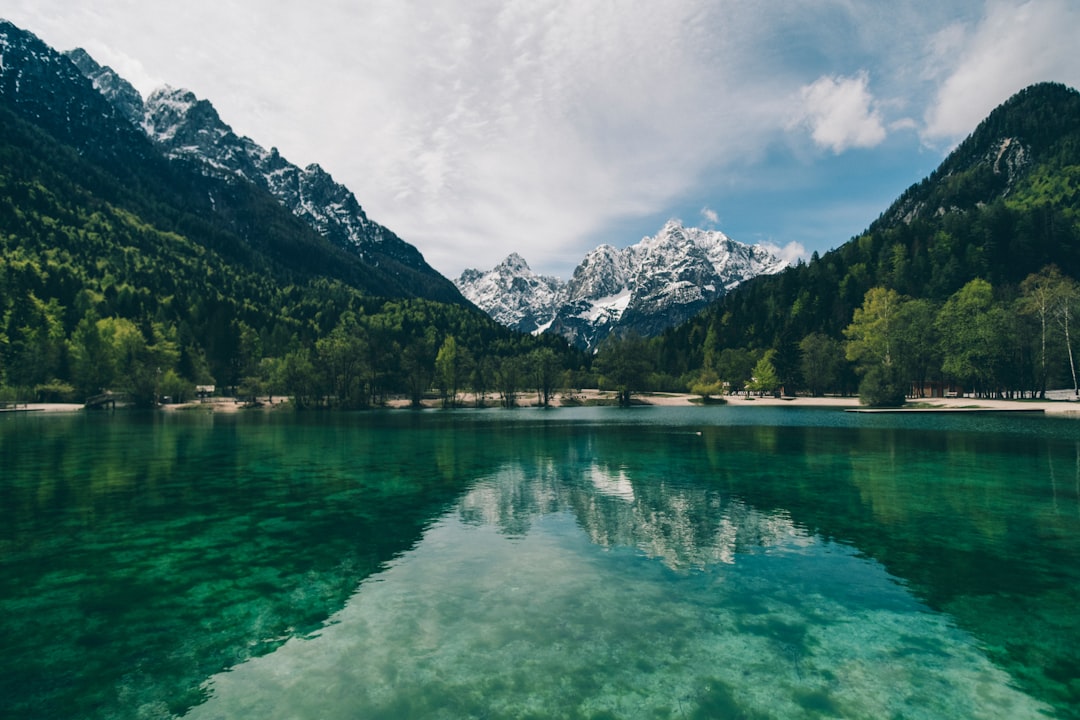
Lake Sabrina sits at the top of the pile at 9,150 feet — a turquoise reservoir ringed by granite that turns into a reflector pool on calm mornings. The groves on the slopes above it are consistently among the first in the region to hit peak, usually late September. Go at sunrise if you can stand the alarm. The boat dock crowd doesn’t show until ten, and by then the wind has usually started chewing on the water.
A couple of miles below the lake, the signed turnoff for North Lake Road is the one photographers in the know care about most. It’s a narrow, rutted dirt lane that switchbacks up through dense aspen to a small lake that shows up in more Eastern Sierra calendars than anywhere else in the range. The aspens here are the dense kind — trunks packed so tight the groves read as curtains — and when they go fully gold against a storm-dark sky, it’s the shot everyone is chasing. Take it slow on the washboards and expect to share the pullouts on peak weekends.
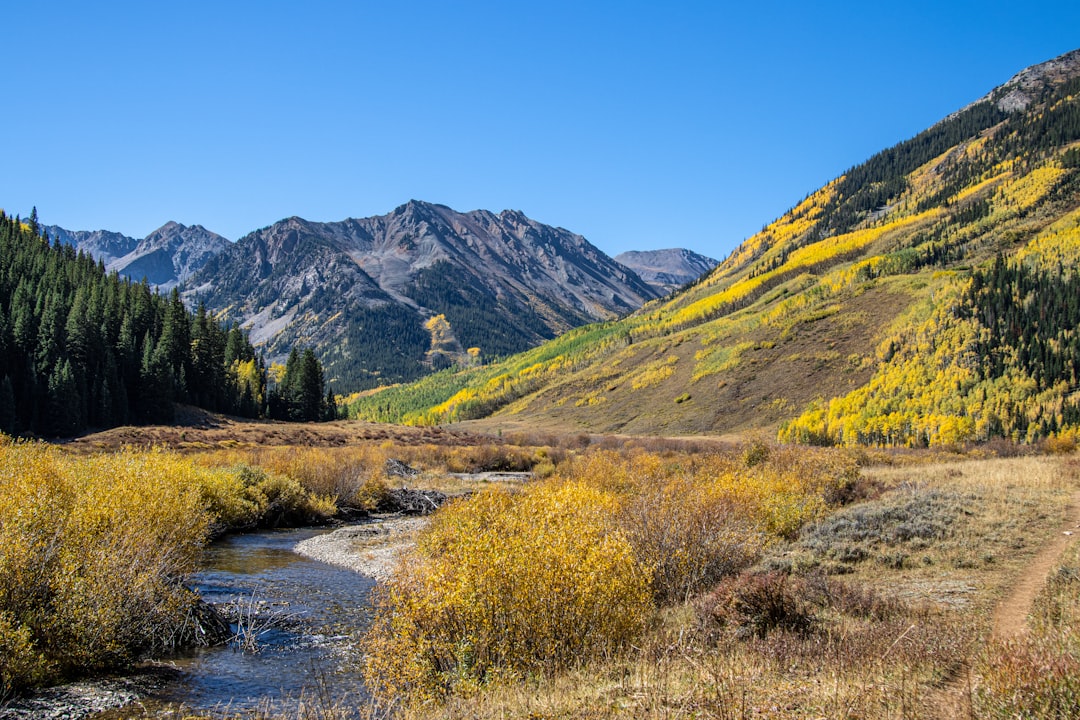
South Lake, at the end of the South Fork road, sits at similar elevation with a longer reservoir and a network of trailheads into the John Muir Wilderness if you want your color with a hike attached. And the hamlet of Aspendell — name checking its own credential — plus the Intake II pond and the groves around Big Trees campground are the workhorse middle-elevation stops that reliably peak the first week of October, right when the high basins are fading. My crew usually works the canyon bottom-up in the morning light and then chases the elevation ladder back down in the afternoon glow.
The Rest of the 395 Corridor Deserves Your Second Day
Bishop Creek is the headliner, but US 395 runs the length of the fall color show like a spine, and some of my favorite groves aren’t in the brochure. June Lake Loop — Highway 158 off 395 about forty minutes north — is a ten-mile detour through four lakes with aspen pressing right up against the pavement, color you can genuinely enjoy from the driver’s seat when the trail legs are gone.
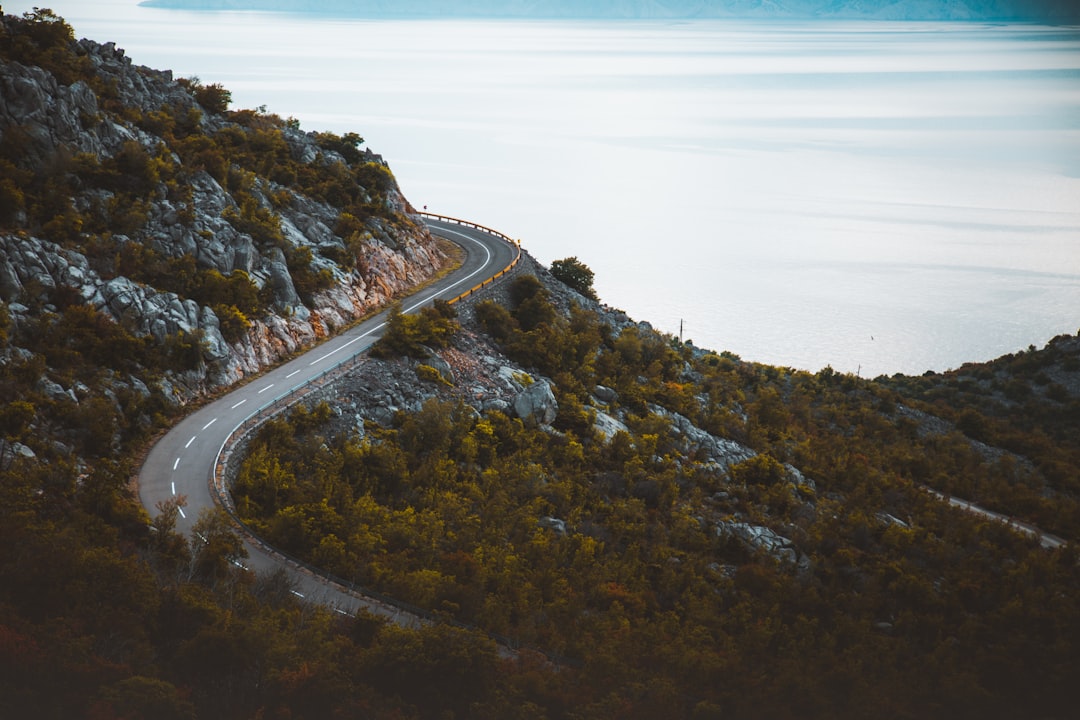
Farther north, Lundy Canyon is a narrower, wilder affair — a dirt road up a glacial canyon where the aspens lean over beaver ponds and a waterfall hikes well with kids. Down the other direction, Convict Lake and the trail up McGee Creek put gold groves against 13,000-foot granite walls, and Rock Creek Canyon above Tom’s Place packs a full elevation staircase of color into eleven paved miles. You could spend four days just running shuttle between these canyons. I’ve done three and still haven’t seen Lundy at true peak, which is on my list of personal failures.
And if your September plans are bigger than one weekend, this corridor pairs naturally with the gold aspens and empty roads of Grand Teton in September, or with a swing through Oregon’s Wallowas — the West’s other quietly spectacular September range.
Basing in Bishop
Bishop itself is the basecamp, and a good one. It’s about four hours from Los Angeles up the 395, far enough that the crowds stay thinner than Tahoe, close enough that a determined Angeleno can leave after work Thursday. The town runs on a strange and pleasant mix of trout bums, rock climbers, and Eastern Sierra pensioners. Slot a stop at Schat’s Bakkery on Main Street — the sheepherder bread alone justifies the drive — and don’t be precious about lodging: motels in Bishop fill fast on peak color weekends, but weekdays are wide open. That’s the real insider move. The color does not know what day it is, but the reservation desk does, and a Tuesday at North Lake beats a Saturday anywhere.
One note of respect: these are working canyons and someone’s backyard. Anglers line Bishop Creek all season — the fall trout fishing is genuinely excellent and the creek is catch-and-release in stretches — so park in pullouts, leave the gates as you found them, and give the leaf peeper in front of you the same patience you’d want when you’re the one stopped in the road gawking. Because you will be.
When the Wind Decides It’s Over
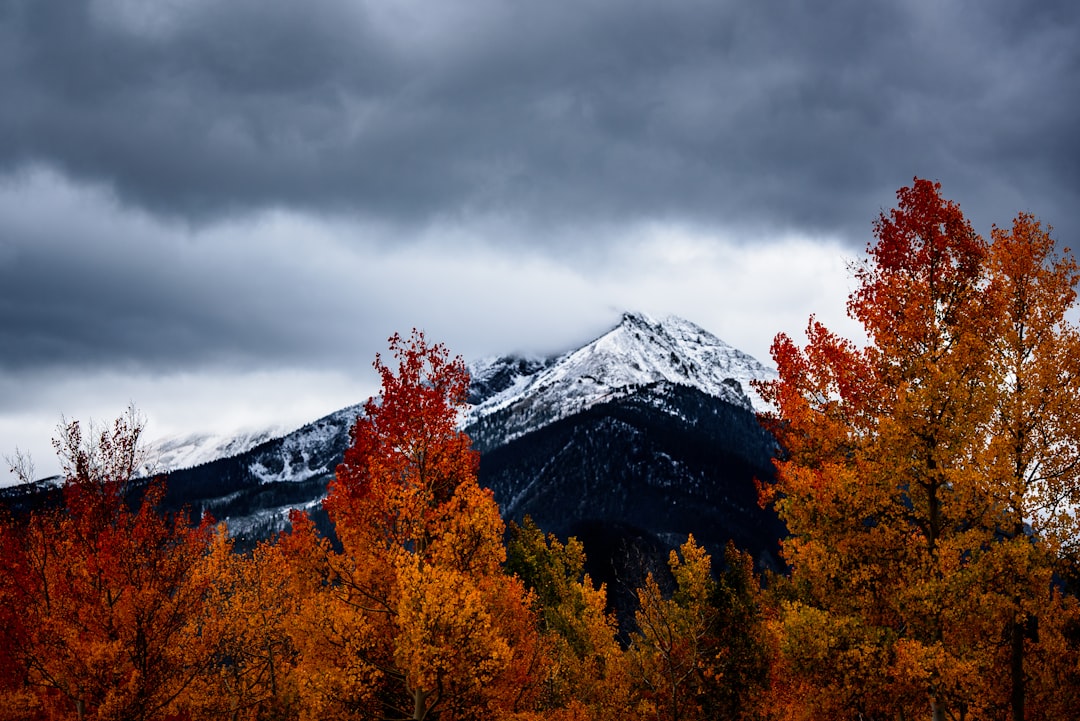
The Sierra’s autumn beauty comes with autumn weather. Bishop can be seventy-five degrees while Sabrina is getting graupel, and I’ve watched a line of squalls take a peak basin from full gold to bare branches between breakfast and lunch. The forecast matters more than the color report on the margin — what you want is a string of calm days following cold nights, which is the recipe that holds the leaves on the trees.
Layer accordingly, all of it. I run a merino base layer under a sun hoodie in the morning and strip down to a t-shirt by noon — that forty-degree daily swing is normal, not a fluke. Over the top goes a packable puffer that scrunches to the size of a grapefruit for the hour before sunset, when the best light arrives with the worst temperature. If you run cold or you’re planning to stand still behind a tripod for an hour at 9,000 feet, a full merino base layer set is the move. My feet live in the same Merrell Moabs I’ve worn on three color chases now — the canyon trails are rocky enough that sneakers feel like a negotiation. And keep a polarized pair in the truck; the high-angle autumn sun off granite and reservoirs is no joke on the long drive home.
Photography Notes From Three Seasons of Missing the Shot
Some hard-won lessons. The best light is the first hour and the last; midday sun flattens the gold into brass. Calm mornings are everything — aspen leaves tremble in the faintest breeze, so reflections on North Lake and Lake Sabrina are a dawn lottery that pays out maybe one morning in three. If you shoot anything with a filter thread, bring a circular polarizer: it deepens the sky, kills the glare off leaves after dew, and pulls detail out of creek water you didn’t know was there.

But the best gear decision I ever made out here was lowering my ambitions. The canyon is full of people hunting one specific calendar composition while a hundred quieter frames happen behind their backs — a single amber trunk against dark spruce, leaves floating in a granite pothole, a grove receding in fog. You don’t need the longest lens; you need the patience to walk slowly. A compact pair of binoculars riding in the door pocket has done more for my fall photography than any camera body, because they let me scout the far slope before committing an hour to a trail.
The Kit That Earned Its Spot
After three trips, the packing list has stabilized:
- A 40-liter daypack big enough for layers, water, and camera, since you’ll be gone longer than you planned once the groves start
- A collapsible stuff pack that folds into its own pocket — the “just to the next bend” bag that always becomes the two-hour bag
- A rechargeable headlamp for pre-dawn starts up North Lake Road and the evening walk back to the truck
- A vacuum mug that holds heat past noon, because dawn at nine thousand feet is a beverage-defining experience
- Snacks from Schat’s, purchased in quantities that will surprise you
The season is short and that is precisely the point. There is no version of this trip where you arrive and everything is golden on schedule — you’re dealing with mountains, wind, and a report written by volunteers. But somewhere between the second and third morning, usually while the coffee is still too hot, you’ll round a bend and find an entire hillside lit up like something staged, standing there only for whoever made the drive. Two weeks later it’s gone. That’s the deal. Go now.
2 thoughts on “Gold Runs Downhill: Timing the Eastern Sierra’s Two-Week Aspen Season”