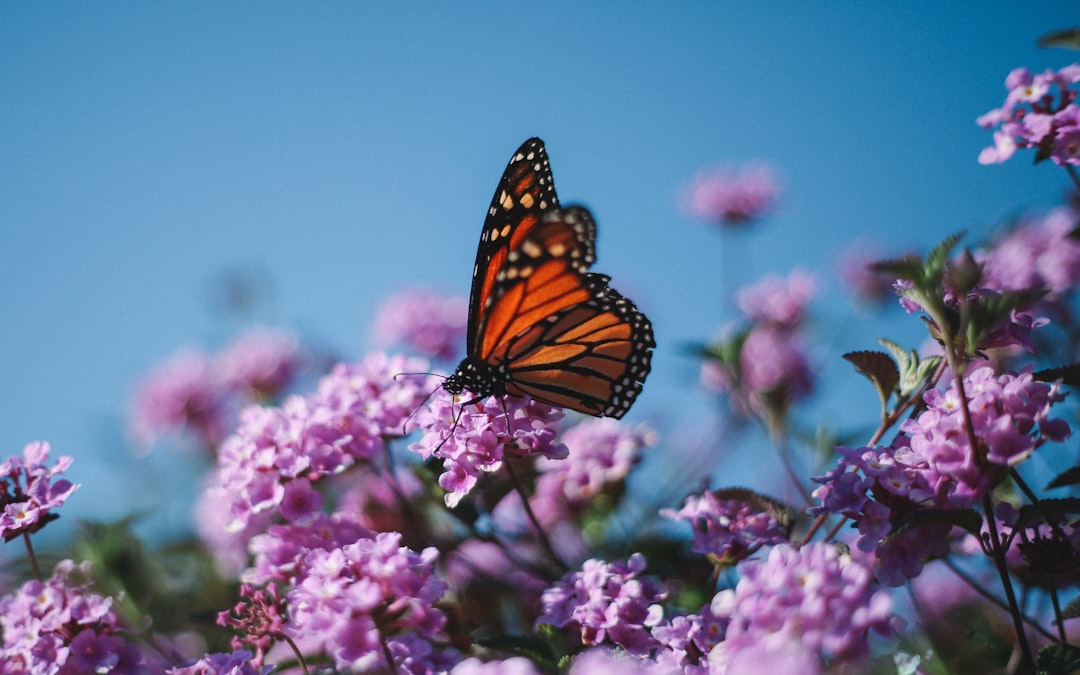
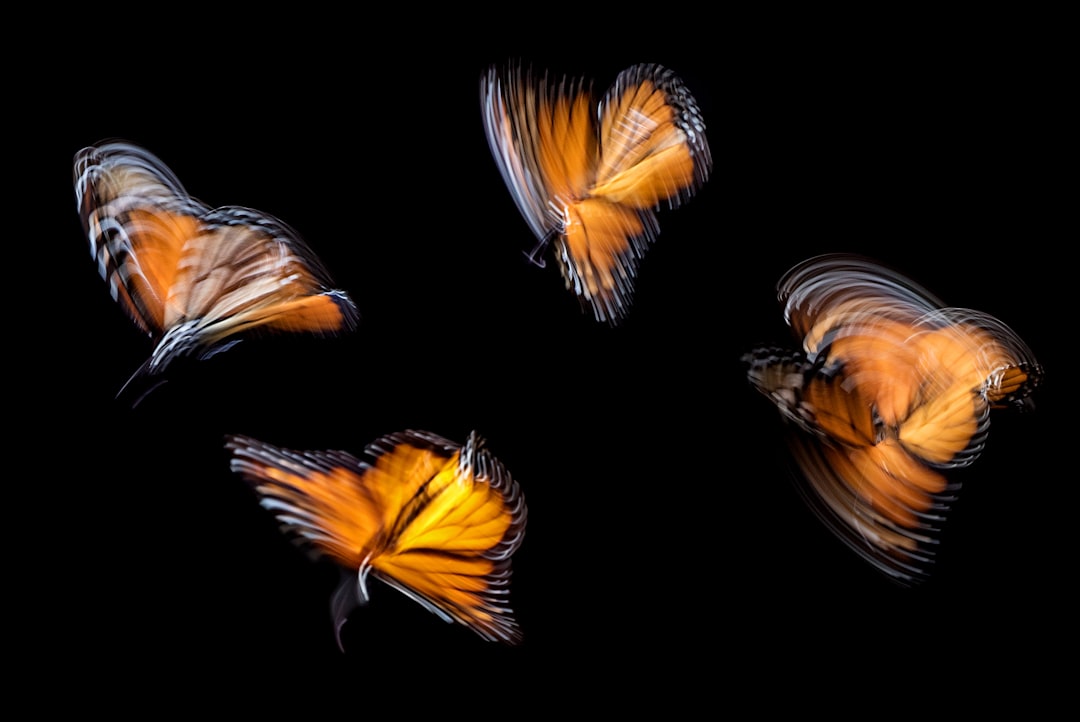
The first real cold front of September rolled through on a Tuesday night, and by Wednesday morning the goldenrod field behind the farm stand looked like someone had shaken out a quilt full of embers. Monarchs — dozens of them, then hundreds — dropping out of the trees as the sun climbed, spiraling up on the warming air, and pointing themselves south like they had a printed itinerary. No gate, no ticket booth, no announcement. My photographer, who had set up in the dark on a hunch, spent the next three hours with her jaw somewhere around her knees.
That morning is why I’m writing this. The fall monarch butterfly migration is one of the most accessible wildlife spectacles on the continent — it passes over 40-odd states and two Canadian provinces — and almost nobody plans for it. You should. Here’s everything the team and I have learned about standing in the right field on the right morning.
The Super Generation: Built for One Long Goodbye
Every monarch you see in July lives a fast, careless life — two to six weeks as an adult, just enough time to mate, lay eggs, and let the next generation take over. The butterflies emerging right now, in late August and September, are different. Entomologists call them the super generation. They hit reproductive pause, pour their energy into fat instead of eggs, and live for eight months or more.
Their to-do list is staggering. A butterfly that weighs less than a paperclip, with a four-inch wingspan, will fly 2,000 to 3,000 miles — from southern Canada to a handful of oyamel fir forests high in the mountains of Michoacán, Mexico, at elevations between 8,000 and 12,000 feet. On good days they cover 70 to 75 miles. And here’s the part that ruins me every time: none of them have ever been there. No parent shows them the route. They navigate by a time-compensated sun compass — tracking the sun’s position against an internal clock, with a magnetic-field backup for cloudy days — and the instructions are written somewhere in a brain the size of a sesame seed.
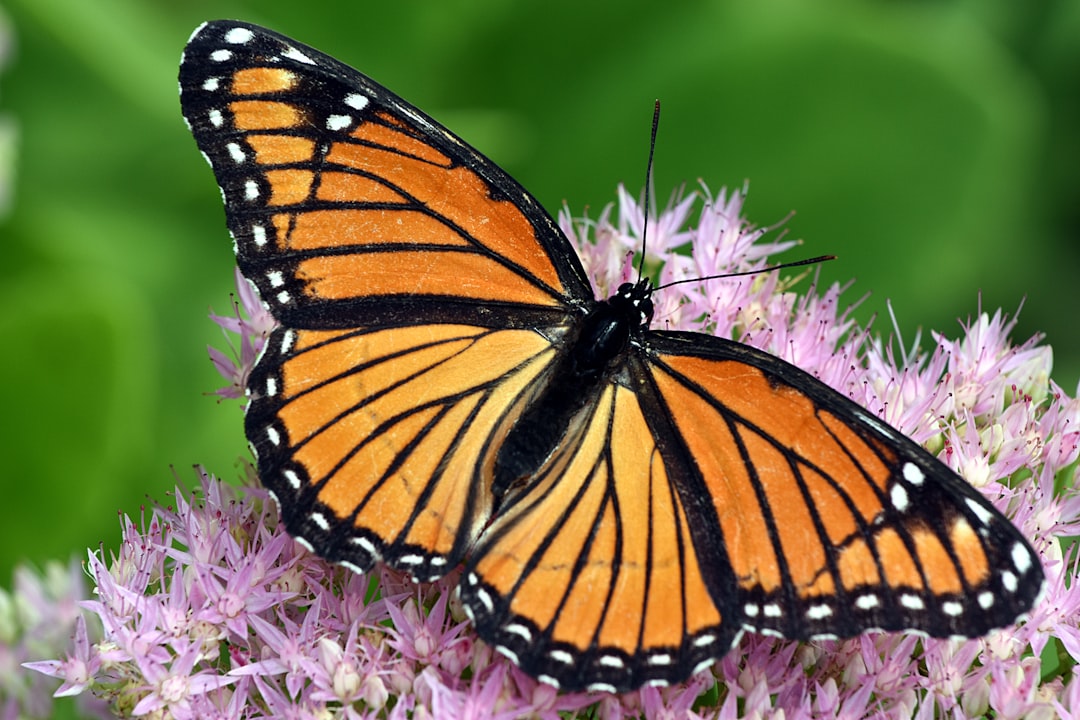
If you want to go deeper than gawking, A Swift Guide to Butterflies of North America is the field guide that lives in my door pocket every September. It will also save you some embarrassment when a viceroy — the monarch’s mimic — lands next to you and everyone starts counting wing spots.
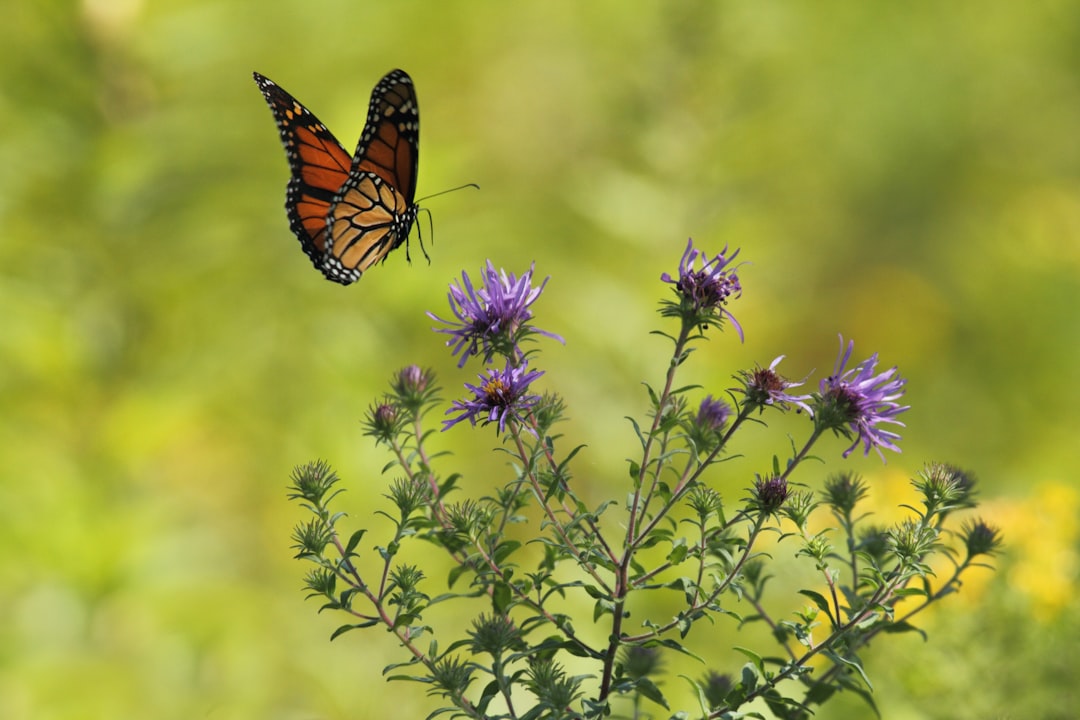
What the super generation is doing, in plain terms, is a single uninterrupted goodbye. They will not breed until spring. They will not see the fields they were born in again. And the butterflies that fly back north next April and May? Those are their great-grandchildren, leapfrogging north in short generations until the whole cycle starts over. The migration is less a journey than a relay race where every runner is born mid-leg.
Reading the Weather Like a Monarch Does
Monarchs are lazy in the best possible way: they surf. What they’re surfing is cold fronts. When a front sweeps down from Canada trailing northwest winds, monarchs ride those tailwinds in enormous numbers — these are the “waves” that migration watchers talk about, days when a single field can hold thousands of butterflies. Between fronts, during warm southerly spells, the whole migration stalls. The butterflies feed, roost, and wait.
So the single best planning move you can make is this: pick your location, then stay flexible by a day or two and watch the frontal map. The morning after a cold front passes, with clear skies and a north wind, is when roosts of overnighting monarchs lift off en masse. My notebook from last fall has an entry that just says “NW 15, clear, 9:40 a.m., lift-off like a burned page catching wind.” The Rite in the Rain weatherproof notebook I log fronts in has survived more dew-soaked mornings than I want to admit.
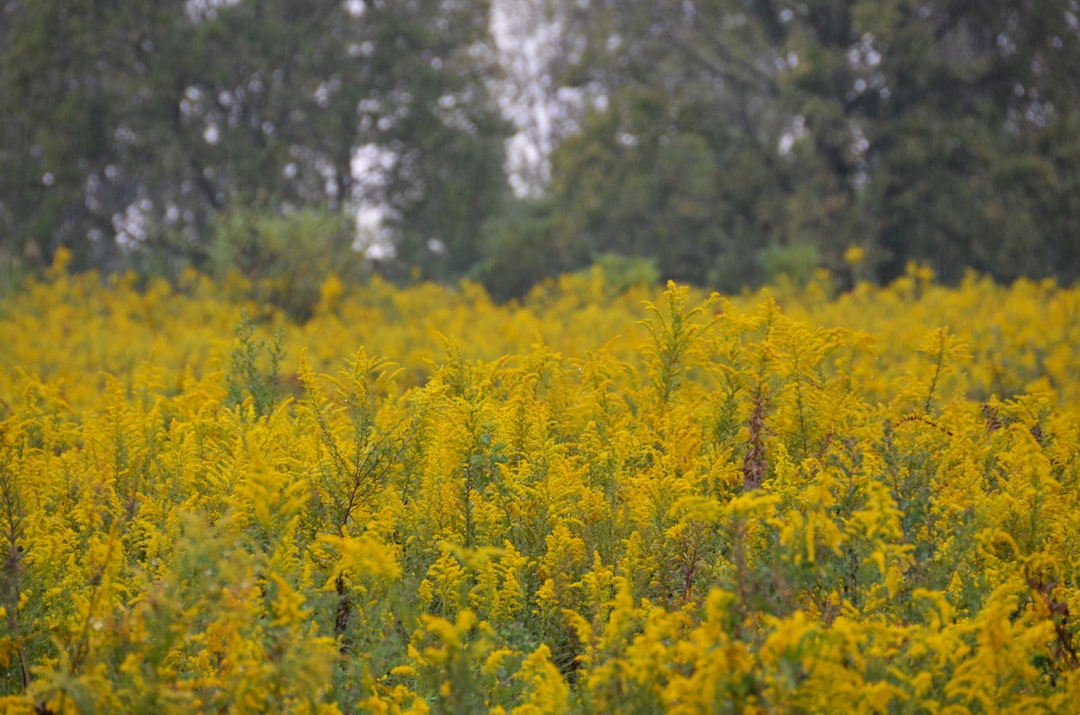
Goldenrod is the other half of the equation. Fields of it — along roadsides, farm edges, old pastures — are migration gas stations, and the butterflies nectaring in them are your best viewing. If you time it right, you can spend an evening watching them funnel into a cedar or pine roost tree, then come back at first light and watch the roost break apart. There’s a particular magic to sky-events you have to wake up early for; it’s the same reason I’ll always chase August’s Perseids from a dark field rather than a balcony.
Where and When the Wave Breaks
The team pulled Monarch Watch’s timing data, and the wave moves downhill across the continent like this:
- Northern U.S. and southern Canada: late August through early September
- Upper Midwest and northern Northeast: early to mid-September
- Central U.S. and Mid-Atlantic: mid- to late September
- Southern Plains and upper South: late September into early October
- Deep South and Texas: October
- Central Mexico: late October into November
Weather shuffles those dates every year — a string of early fronts accelerates everything; a warm September slows the whole river down. Which means the monarch calendar pairs beautifully with foliage planning. If you’re building a fall trip around this year’s foliage forecast, slot a morning in a goldenrod field into the same itinerary and you get two migrations for one tank of gas.
Cape May, New Jersey: The Funnel at the End of the Map
Geography does Cape May’s work for it. Monarchs moving down the Atlantic coast hit New Jersey’s southern tip and stack up like birds at a closed bridge, waiting for the right winds to cross Delaware Bay. The result is a concentration that borders on unreasonable: on big flight days in late September and mid-October, the dunes and gardens around Cape May Point can hold waves of monarchs that outnumber the birders.
The New Jersey Audubon team has run the Monarch Monitoring Project here for over three decades, tagging butterflies and giving daily talks — if you’ve ever wanted to see a tagged monarch released or understand why a number on a wing matters, this is the place. Go early. Walk the dune crossovers near the lighthouse, check the gardens, and if the wind is calm and the monarchs are grounded, do what the locals do: plant yourself somewhere with a view of the sky and wait for the lift-off. A lightweight packable chair that folds to the size of a water bottle is non-negotiable for that kind of waiting.
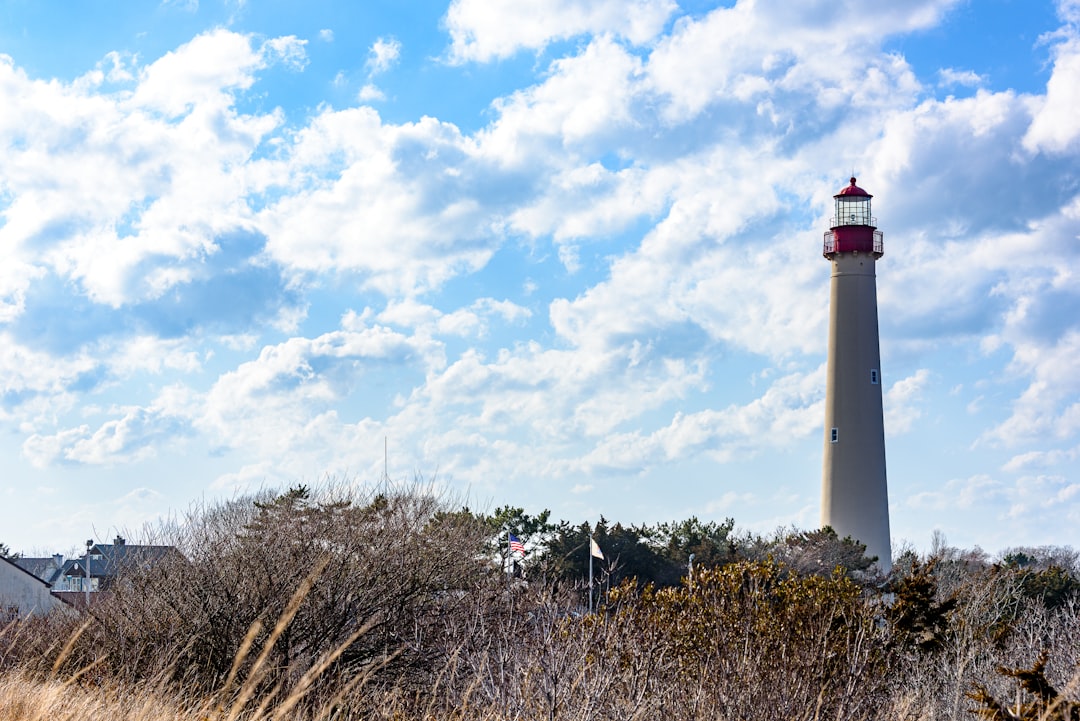
One Cape May veteran told me her rule of thumb: three days. Give yourself three mornings at the bottom of New Jersey in the last week of September and odds are very good one of them will be a day you talk about for years.
Point Pelee, Ontario: The Staging Yard on Lake Erie
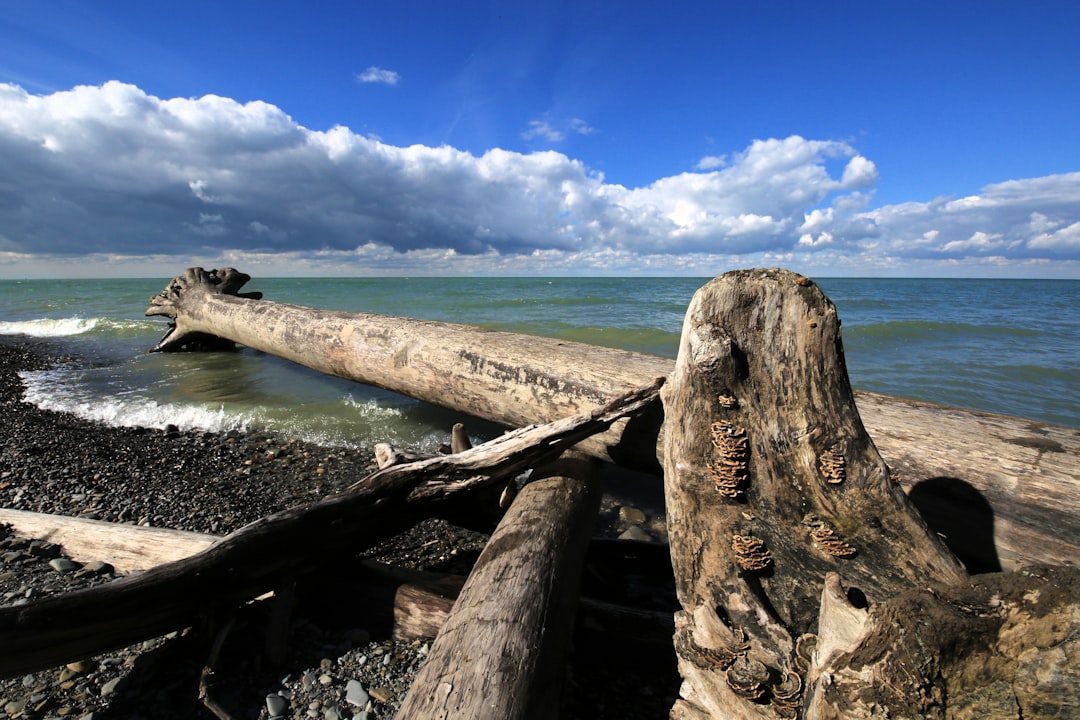
Same physics, different lake. Point Pelee — a spear of land poking into Lake Erie, and the southernmost point of mainland Canada — is where north-shore monarchs bottleneck before crossing open water. They pile into the tip’s trees by the hundreds on north-wind days, and on the wrong days, they simply wait, feeding along the west beach trails until the weather turns. Mid-September is the classic window, and raptors ride the same winds, so you get hawks kettling overhead while monarchs dangle from every cedar like orange fruit.
The play here is patience. Bring a pocket picnic blanket, claim a patch of ground near the tip, and let the show come to you. If Canada’s not in the cards, Presque Isle State Park in Erie, Pennsylvania works the same angle from the American side of the lake.
Pismo Beach, California: The Other Migration’s Last Stop
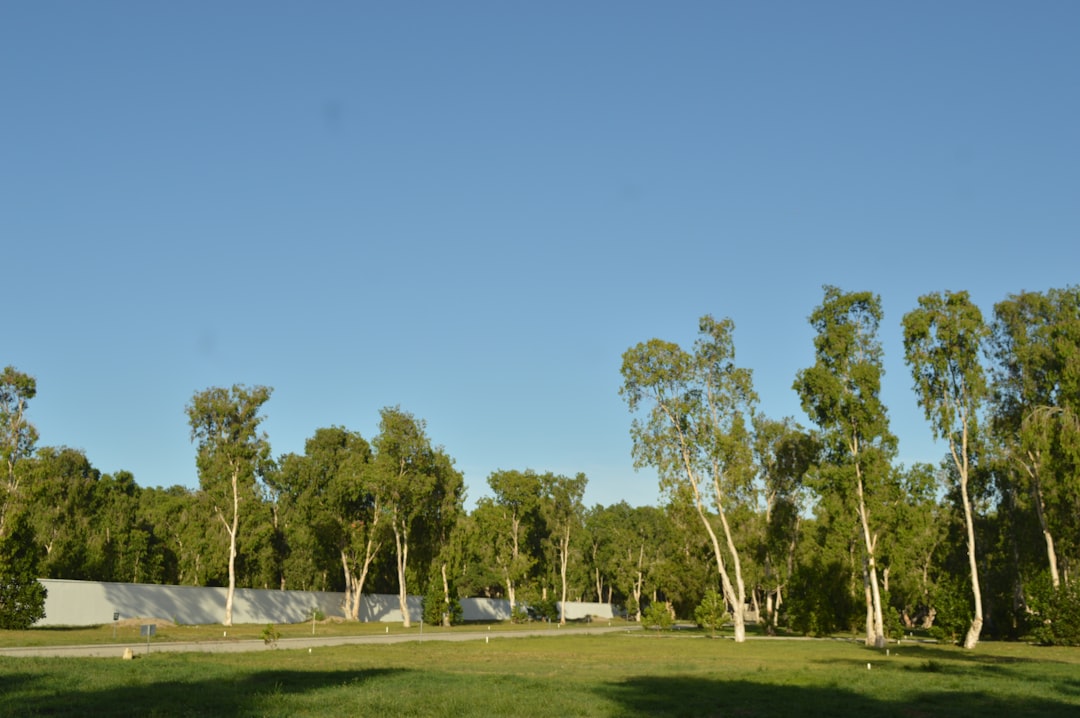
West of the Rockies, the story bends toward the Pacific. Western monarchs don’t go to Mexico — they winter in groves along the California coast, and the Pismo Beach Monarch Grove is the heavyweight: tens of thousands of butterflies in strong years, clustered into the eucalyptus from late October through February, with December and January as the peak. Show up on a cool morning and the trees look almost dead, hung with gray-brown leaves — until the sun hits and the “leaves” start opening like slow fireworks. It is the only migration stop where the best move is winter, not fall, and it’s worth planning an entire coast trip around.
How to Watch Without Getting in the Way
Monarchs need every calorie they’re carrying. Chasing them, grabbing them, or poking roost trees forces butterflies to burn fuel they’ve budgeted for Mexico. The etiquette is simple: stay on trails, keep a respectful distance from roosts, let grounded butterflies come to you — they will, if you stand still in a nectar patch long enough. If you photograph a tagged monarch, report the tag code to Monarch Watch; those reports are how the whole map gets drawn.
I keep applying the same rule I learned watching manatees in Florida: the animal sets the terms of the encounter. The reward for patience is always better than the reward for pursuit.
The Field Kit That Earned Its Spot in My Pack
Optics first. Monarchs will let you absurdly close when they’re nectaring, but for roosts thirty feet up a tree, you want binoculars that focus close and bright — the Pentax Papilio line is beloved by butterfly people for exactly this, with a near-focus measured in feet, not yards. I wrote about my favorite twelve-ounce wildlife binoculars last week, and they’ve stayed in the kit for this exact season.

For photos, a superzoom bridge camera is the honest answer — no butterfly is going to pose for a lens swap. The Nikon COOLPIX P950 is the dream-machine pick, and the Kodak PIXPRO AZ405 gets you surprisingly usable flight shots for a fraction of the price. Toss in a packable wide-brim sun hat, because September fields have zero shade and all the glare, and the kit’s complete.
Leave Something Growing Behind
Here’s the part that turns spectators into participants. Monarchs lay eggs on exactly one kind of plant: milkweed. No milkweed, no next generation — it’s that rigid. The eastern population has been through brutal swings, and the single most useful thing any traveler can do costs about ten dollars and one afternoon: put milkweed in the ground. A milkweed variety pack suited to most regions, or a monarch-specific wildflower mix for the nectar side, turns a yard into a fuel stop on the flyway.
Somewhere in Michoacán, on a branch the migrating generation has never seen, next spring’s first butterflies will wake up and start the relay north again. Go stand under the wave while you can. There is no forecast on Earth that ruins a morning like the one I described — only mornings you didn’t show up for.
1 thought on “Paper Wings, 3,000 Miles: Where to Catch the Fall Monarch Migration at Its Peak”