Dreaming of vibrant wildflower carpets stretching as far as the eye can see? Early spring wildflower destinations offer some of North America’s most spectacular natural displays. From California’s iconic super blooms to Texas’s bluebonnet trails, these fleeting botanical wonders attract photographers, nature lovers, and travelers from around the world.
Whether you’re a seasoned wildflower enthusiast or planning your first flower-watching adventure, this comprehensive guide will help you time your visit perfectly, discover hidden gems, and capture stunning photos. Let’s explore the best early spring wildflower destinations that should be on every traveler’s bucket list.
1. Why Early Spring Wildflower Destinations Should Be Your Next Adventure
Early spring wildflower destinations offer something truly magical that few other natural phenomena can match. The combination of perfect timing, specific weather conditions, and breathtaking landscapes creates experiences that are both fleeting and unforgettable.
What Makes These Destinations Special:
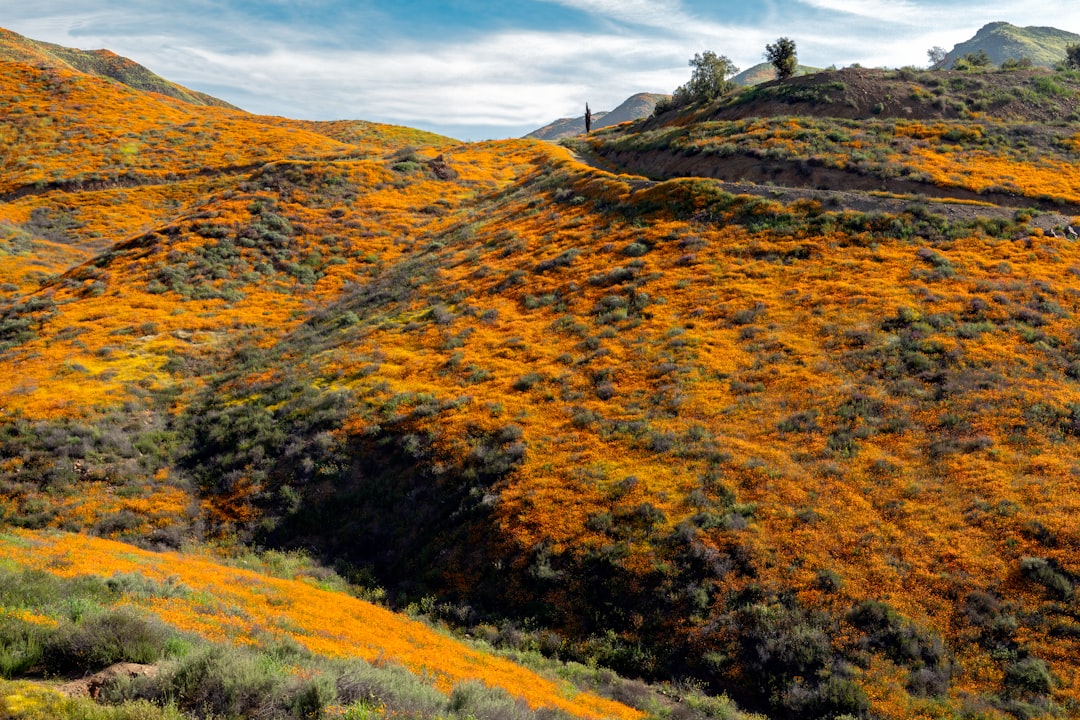
– Spectacular Displays: Imagine entire hillsides painted in purple, orange, and gold. California’s super blooms can cover over 1,000 square miles with color, while Texas bluebonnets transform fields into endless seas of blue.
– Photographer’s Paradise: The combination of wildflowers, dramatic landscapes, and golden hour lighting creates unparalleled photo opportunities. Professional and amateur photographers alike flock to these destinations for once-in-a-lifetime shots.
– Limited-Time Magic: These displays typically last only 2-6 weeks, making each visit feel exclusive and special. You’re witnessing nature’s brief but spectacular performance.
– Accessibility: Many of these destinations are easily accessible by car, with well-maintained roads, visitor centers, and guided tours. Perfect for families, couples, and solo adventurers.
Pro Tip: The best displays typically occur 2-3 weeks after above-average winter rainfall. Follow local wildflower hotlines and social media groups for real-time bloom reports.
2. Planning Your Trip: Essential Considerations
Best Time to Visit
Timing is everything for wildflower viewing. Here’s when to visit each region:
– Southern California (Antelope Valley, Anza-Borrego): Mid-March to mid-April, with peak bloom usually the last week of March
– Texas Hill Country: Mid-March to mid-April, peaking in early April
– Arizona (Sonoran Desert): February through April, depending on elevation and rainfall
– Death Valley: Rare, unpredictable blooms in late February to March (only after significant winter rain)
Recommended: Southern California offers the most reliable displays, with consistent blooms occurring 3 out of 5 years. Texas bluebonnets are nearly guaranteed annually.
Getting There
Southern California Super Blooms:
– By Car: Los Angeles to Antelope Valley: 1 hour north via I-5
– By Air: Fly into LAX, rent a car for the 1-hour drive
– Base Cities: Lancaster, CA for Antelope Valley; Borrego Springs for Anza-Borrego
Texas Bluebonnet Trails:
– By Car: Austin to Brenham/Washington County: 1.5 hours via US-290
– By Air: Fly into Austin-Bergstrom (AUS), rent a car
– Base Cities: Brenham, Fredericksburg, or Marble Falls
Where to Stay
Accommodations fill up fast during peak bloom—book 2-3 months in advance!
Camping Options:
– Antelope Valley: Saddleback Butte State Park – Basic campsites, first-come-first-served
– Texas
Hill Country: Inks Lake State Park – Full hookups, reservable online
Hotels & Lodges:
– Lancaster, CA: Hampton Inn & Suites, Holiday Inn Express ($120-160/night)
– Borrego Springs: La Casa del Zorro Desert Resort ($200-300/night)
– Brenham, TX: Ant Street Inn ($130-180/night), Fairfeld Inn & Suites ($110-150/night)
Essential Gear for Wildflower Viewing:
– Canon EOS R6 Mark II Mirrorless Camera – Perfect for capturing wildflower landscapes with stunning detail
– Canon RF 24-70mm f/2.8L IS USM Lens – Versatile zoom lens ideal for wildflower close-ups and scenic vistas
– Manfrotto MT055CXPRO3 Carbon Fiber Tripod – Lightweight yet sturdy for stable wildflower photography
3. Top Early Spring Wildflower Destinations
1. Antelope Valley California Poppy Reserve (California)
Why It’s Special: California’s most reliable poppy display, featuring 8 miles of trails through rolling hills covered in brilliant orange California poppies. The reserve spans 1,780 acres and can showcase over 50 species of wildflowers.
Best Time: Mid-March to mid-April, peak last week of March
What You’ll See:
– California poppies (bright orange)
– Goldfields (yellow)
– Purple lupine
– Cream cups
– Coreopsis
Don’t Miss: The Antelope Loop Trail (6.5 miles) for sweeping valley views
2. Texas Hill Country Bluebonnet Trails
Why It’s Special: The legendary Texas bluebonnet (Lupinus texensis) creates iconic blue carpets that have become symbols of Texas spring. Combine with Indian paintbrush, firewheel, and pink evening primrose.
Best Time: Mid-March to mid-April, peak early April
Top Spots:
– Willow City Loop: Scenic drive near Fredericksburg
– Wildseed Farms: Largest working wildflower farm in the US (200 acres near Fredericksburg)
– Burnet: “Bluebonnet Capital of Texas”
Pro Tip: Visit Wildseed Farms for both incredible blooms and a farm market with wildflower seeds, jams, and salsas.
3. Anza-Borrego Desert State Park (California)
Why It’s Special: After rare winter rains, this desert explodes into color with desert lilies, sand verbena, dune evening primrose, and ocotillos in brilliant red bloom.
Best Time: Late February to April
What You’ll See:
– Desert lilies (white, trumpet-shaped)
– Sand verbena (purple)
– Ocotillo (red, torch-like flowers)
– Brittlebush (yellow)
Don’t Miss: Borrego Palm Canyon Trail for wildflowers juxtaposed against palm oases and desert landscapes.
4. Death Valley National Park (California)
Why It’s Special: The “Super Bloom” phenomenon—once or twice per decade, Death Valley transforms from barren salt flats into a carpet of desert gold, gravel ghost, and evening primrose.
Best Time: Late February to March (only after significant winter rain—check bloom reports)
What You’ll See: Desert gold (yellow), gravel ghost (white), evening primrose (white), purple mat
Warning: These blooms are rare and unpredictable—the last major super bloom was 2016. Follow Death Valley’s wildflower updates religiously.
5. Phoenix-area Desert Preserves (Arizona)
Why It’s Special: Easily accessible desert preserves with consistent Mexican gold poppies, lupine, and globemallow displays.
Best Time: Late February through March
Top Spots:
– South Mountain Park: World’s largest municipal park (over 16,000 acres) with miles of wildflower trails
– McDowell Sonoran Preserve: Desert hikes with wildflower displays and mountain backdrops
– Lost Dutchman State Park: Superstition Mountains backdrop with poppies and lupine
4. Practical Tips for a Successful Wildflower Trip
Photography Tips for Stunning Wildflower Photos
– Golden Hour Magic: Shoot during sunrise (6:30-8 AM) and sunset (5:30-7 PM) for warm, directional light that makes flower colors pop. Overcast days actually provide excellent diffused lighting for close-ups.
– Get Low: Shoot from ground level or even lower—kneeling or lying down. This perspective isolates flowers against the sky and creates more intimate, dramatic compositions.
– Use a Polarizing Filter: This 77mm circular polarizer reduces glare on shiny petals and deepens blue skies for more saturated images.
– Bring the Right Lens: A macro lens (like the Canon EF 100mm f/2.8L Macro) captures stunning flower details. For sweeping landscapes, a wide-angle (16-35mm) tells the broader story.
Essential Photography Gear:
– Canon EF 100mm f/2.8L Macro IS USM Lens – Razor-sharp macro lens for breathtaking wildflower close-ups
– Vanguard Alta Pro 263AB 100 Tripod – Affordable, sturdy tripod for sharp wildflower images
– LensPen Lens Cleaning System – Keep dust off your lens in windy field conditions
Budget-Friendly Strategies
– Free Viewing: All state parks and natural areas mentioned have entrance fees under $15 per vehicle—much cheaper than theme parks or guided tours. Many roadside displays (like Texas bluebonnets along country roads) are completely free.
– Pack Your Lunch: Restaurants near popular wildflower areas can be pricey and crowded. Bring a picnic and enjoy lunch surrounded by flowers.
– Camping Saves Money: State park campsites typically cost $20-35/night versus $120-200/night for hotels. Plus, you’ll be on-site for sunrise photography!
What to Pack
Clothing:
– Layers—mornings can be 40°F, afternoons 80°F
– Sturdy hiking shoes or boots
– Sun hat and sunscreen
– Light rain jacket (spring showers are common)
Other Essentials:
– Plenty of water (1 gallon per person per day in desert areas)
– Trail maps (download offline—cell service is spotty)
– Cash for park entrance fees (many don’t accept cards)
– Picnic blanket for flower-side lunches
5. Insider Secrets from Locals
1. Visit Mid-Week: Weekends are crowded with photographers and tour buses. Tuesdays and Wednesdays offer peaceful viewing and better photo opportunities without crowds in your shots.
2. Arrive at Sunrise: Not only for the light—cooler temperatures keep flowers open and fresh. By afternoon, some species close up or wilt.
3. Follow the Bloom Reports: These displays are time-sensitive. Theodore Payne Foundation’s Wildflower Hotline (updated March-May) covers Southern California. For Texas, follow Wildflower Haven’s Facebook page for real-time reports.
4. Respect the Flowers: Stay on marked trails—trampling flowers kills them and compactes soil, preventing future blooms. Never pick flowers—it’s illegal in state parks and national parks. Take only photos, leave only footprints.
5. Explore Beyond the Main Spots: Everyone goes to Antelope Valley’s main poppy reserve. Try Arthur B. Ripley Desert Woodland State Park nearby for equally beautiful displays with a fraction of the crowds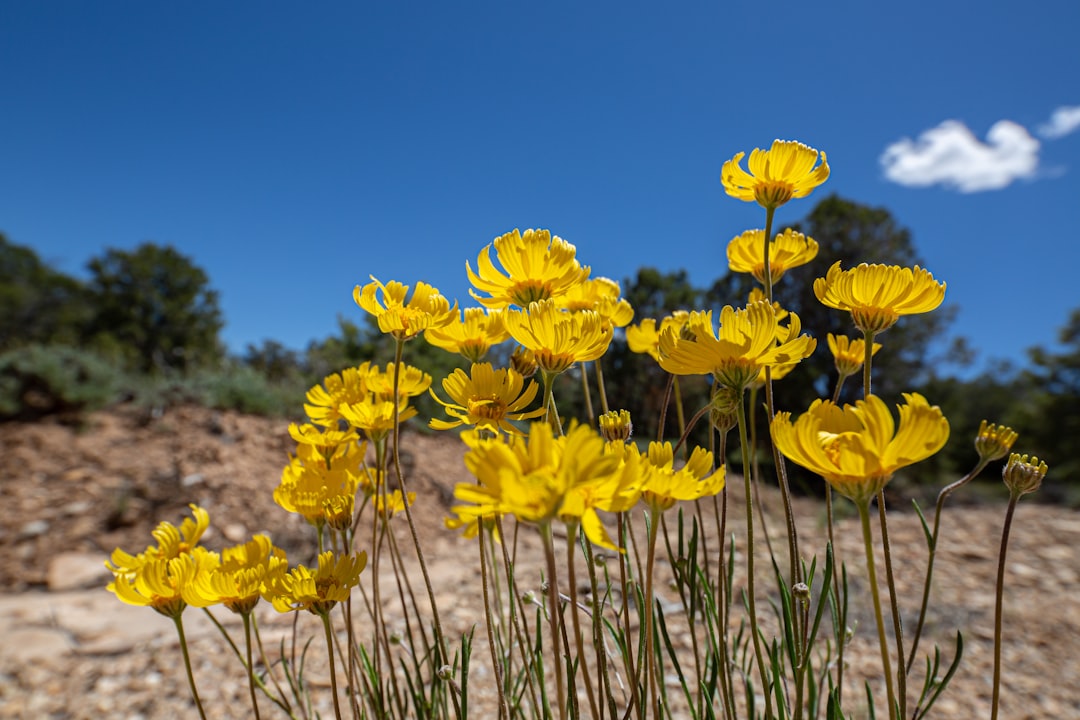 Local’s Recommendation: If you’re in Texas,combine wildflower viewing with winery touring in the Hill Country. Becker Vineyards near Fredericksburg has wildflower fields right on the property!
6. Common Mistakes to Avoid
1. Waiting Too Long: Peak bloom lasts only 1-2 weeks. By the time you see photos on social media, the best displays may be over. Plan ahead and book accommodations early.
2. Visiting Mid-Day: Harsh sunlight between 10 AM and 3 PM washes out colors and creates harsh shadows. Early morning and late afternoon yield dramatically better photos.
3. Ignoring Weather: Spring weather is unpredictable—rain can cancel plans, heat can be intense (80°F+ in desert areas). Check forecasts and have backup activities.
4. Overlooking Smaller Displays: Don’t fixate only on famous “super blooms.” Smaller, more intimate displays can be just as beautiful and far less crowded.
5. Not Bringing the Right Gear: Forget sunscreen, water, or sturdy shoes, and your trip can be miserable. Desert areas are deceptively harsh.
7. Perfect 3-Day Texas Hill Country Wildflower Itinerary
Day 1: Austin to Brenham
– Morning: Drive from Austin to Brenham (1.5 hours), check into Ant Street Inn – Afternoon: Explore Washington-on-the-Brazos State Historic Site – bluebonnets, Indian paintbrush – Evening: Dinner at Mustang Island Brewing Co. in nearby Brenham
Day 2: Brenham to Fredericksburg
– Morning: Drive Willow City Loop (scenic wildflower route) – stop for photos along country roads – Afternoon: Visit Wildseed Farms near Fredericksburg – 200 acres of wildflowers – Evening: Wine tasting at Becker Vineyards – wildflowers in the vineyards!
Day 3: Fredericksburg & Departure
– Morning: Hike Enchanted Rock State Natural Area – wildflowers with massive granite dome backdrop – Afternoon: Lunch in Fredericksburg, visit Luckenbach Texas (historic dance hall, wildflowers nearby) – Evening: Depart for Austin (1.5 hours) or continue to next destination
 8. Frequently Asked Questions
Q: What’s the single best wildflower destination for first-timers?
A: Southern California’s Antelope Valley Poppy Reserve. It’s the most reliable, has excellent facilities (visitor center, trails, restrooms), and offers iconic orange poppy displays that are easy to access and photograph.
Q: Are super blooms guaranteed every year?
A: No! Super blooms require specific conditions: above-average winter rainfall, cool spring temperatures, and minimal wind. They typically occur only 2-3 times per decade in Death Valley, and 3 out of 5 years in Antelope Valley.
Q: Can I pick wildflowers?
A: Absolutely not! It’s illegal in all state parks, national parks, and protected areas. Picking flowers damages ecosystems and ruins the experience for others. Take only photos.
Q: What’s the best camera setup for wildflower photography?
A: For beginners, a DSLR or mirrorless camera with a kit lens (18-55mm or 24-70mm) is perfect. For more advanced shooters, add a macro lens (100mm or 105mm) for close-ups and a wide-angle (16-35mm) for sweeping landscapes. A sturdy tripod is essential for sharp images in low light.
Q: How long do the blooms last?
A: Typically 2-6 weeks depending on species and weather. Peak bloom lasts only 1-2 weeks. Poppy flowers open when it’s warm (above 50°F) and close at night or on cold/cloudy days.
Q: Are these destinations family-friendly?
A: Absolutely! Most have easy trails, visitor centers, and facilities. Kids love running through fields of flowers. Just keep them on marked trails and supervise closely in desert areas (heat, cactus, snakes).
Q: What’s the average budget for a wildflower viewing trip?
A: For a 3-day trip including gas, food, park fees ($10-15/day), and accommodations ($120-160/night for hotels or $25-35/night for camping), budget $500-800 per person. Less if you camp and cook your own meals.
Conclusion: Your Wildflower Adventure Awaits
Early spring wildflower destinations offer some of North America’s most spectacular and fleeting natural displays. From California’s legendary super blooms to Texas’s iconic bluebonnet trails, these botanical wonders combine perfect timing, breathtaking landscapes, and incredible photo opportunities.
The key is planning ahead—book early, monitor bloom reports, and time your visit for peak bloom. Whether you’re a serious photographer, a nature lover, or just someone who appreciates beauty, these destinations will leave you with memories and photos that last a lifetime.
Ready to start planning? Bookmark this guide, pack your camera gear, and get ready for one of nature’s most spectacular shows. The flowers won’t wait—but the memories will last forever.
Have you visited these wildflower destinations? Share your experiences, tips, and photos in the comments below. We’d love to hear your story!
—
Related Articles:
– Best National Parks for Spring Wildflowers
– Photography Tips for Travelers
– Best Road Trips for Spring Scenery
2 thoughts on “Early Spring Wildflower Destinations: Your Ultimate 2026 Guide”