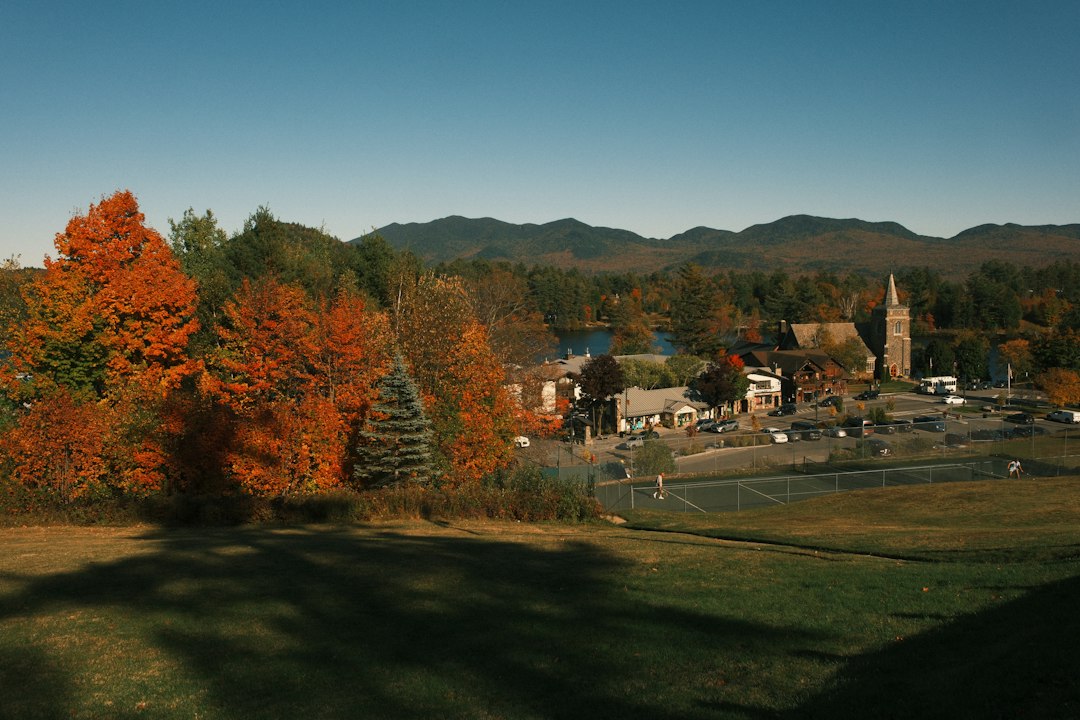
There is a marble monument on a hillside in the Poconos holding the remains of a man who never once set foot in the town that carries his name. I stood in front of it last October, coffee going cold in my hand, while one of my researchers read aloud from a pamphlet she’d grabbed at the train station: Olympic gold medals, stripped and restored, a football career, a baseball career, a vote in 1950 declaring him the greatest athlete of the half-century. Jim Thorpe the man was from Oklahoma. Jim Thorpe the town is a former coal-shipping capital wedged into a bend of the Lehigh River, three steep streets of Victorian brick that Pennsylvania guidebooks spent a century ignoring.
That gap between the name and the place is exactly why you should go. The town spent a hundred years being overlooked, then borrowed a legend’s name to save itself, and now — finally — people are noticing. When a recent roundup of underrated American road trip destinations flagged it as the one to watch for 2026, I wasn’t surprised. I’ve been making the drive every October for three years running, and this is everything my team and I have learned about doing it right.
How a Coal Town Traded Its Name for a Legend
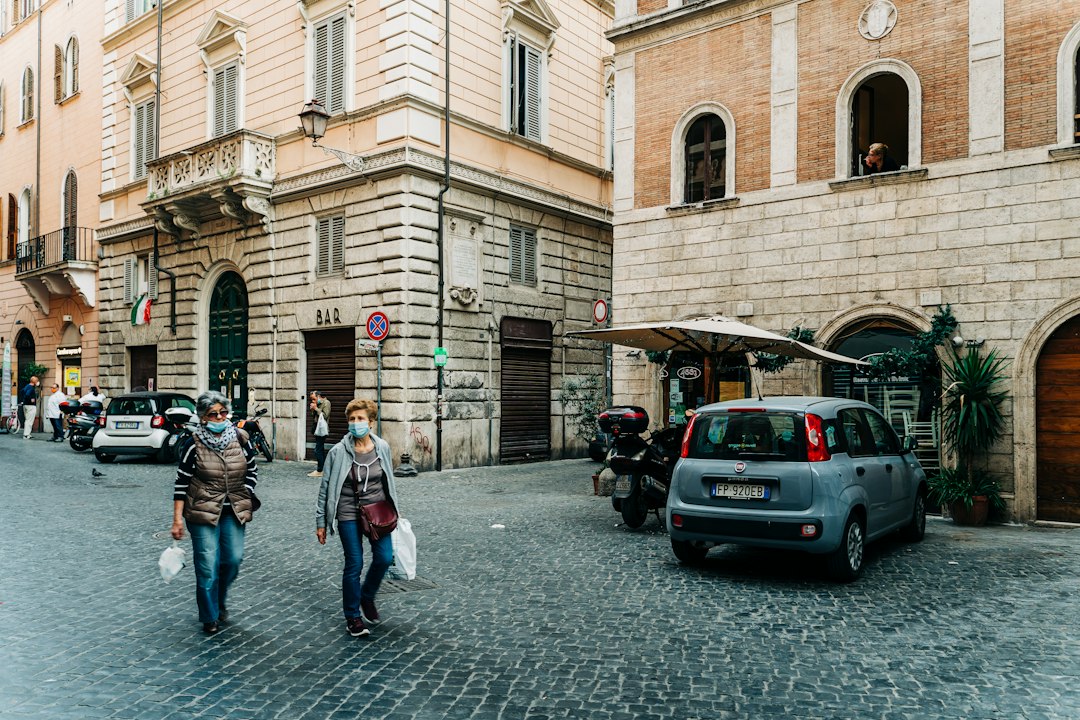
Start with the backstory, because it makes every walk down Broadway feel different. The town was Mauch Chunk — Lenape for “Bear Mountain” — and for most of the 1800s it was the second-most-visited destination in Pennsylvania after Niagara Falls. Coal barons got rich here. Asa Packer built a railroad empire from the anthracite moving through this gorge, then a red-turreted mansion on the hill above town that still stands with its original furnishings. The world’s first gravity railroad, the Switchback, hauled coal down the mountain and eventually hauled tourists instead — a machine many historians credit as an ancestor of the modern roller coaster.
Then coal collapsed, the railroads left, and by the 1950s the two towns of Mauch Chunk and East Mauch Chunk were staring at extinction. In 1953, Jim Thorpe — the Sac and Fox athlete who’d dominated the 1912 Olympics — died broke in California. Pennsylvania officials and Thorpe’s widow struck a deal the following year: the merged towns would rename themselves Jim Thorpe, build him a proper monument, and become a living memorial. His remains moved here. He had never visited. The family spent decades in court trying to bring him home to Oklahoma, and the Supreme Court finally declined to hear the case in 2015. He’s still here. The town that invited him still bears his name, and honestly, the arrangement has turned out better for both parties than anyone expected.
The Festival Clock: Three Weekends, One Narrow Window
Here’s the practical part. The Jim Thorpe Fall Foliage Festival runs the first three weekends of October — in 2026, that’s October 4–5, 11–12, and 18–19, from 10 a.m. to 5 p.m. each day. Admission to the festival grounds is free, which almost feels like an oversight given what surrounds them. The streets fill with craft vendors, live music, food stands, and a steady current of people holding apple cider donuts like they’ve never encountered one before.
Color timing matters more than weekend choice. My crew and I have hit all three weekends across different years, and the pattern holds: the first weekend runs green-to-gold, the second and third weekends bring the full burn — maples going scarlet against the gorge walls, the whole bowl of hills lighting up around you. Local coffee shop wisdom says aim for the second or third weekend for the most vibrant foliage, and our field notes agree. If you want backup planning context, our 2026 fall foliage forecast guide breaks down the regional timing so you can hedge your bets.
Mornings are cold in this valley in October. Forty degrees at nine, sixty-five by two — the same mood swings I pack for everywhere in leaf season. I’ve stopped guessing and just layer: a merino wool base layer set under whatever flannel is clean, because the stuff regulates temperature like nothing synthetic I’ve tried. Over the flannel, honestly, wear the flannel you already love — mine happens to be a Legendary Whitetails plaid that’s survived four seasons of this beat — and stuff a pair of rechargeable hand warmers in the pockets for the morning stretch before the sun clears the ridge. They’re the difference between enjoying the first hour and enduring it.
Ride the Gorge Before You Walk the Town
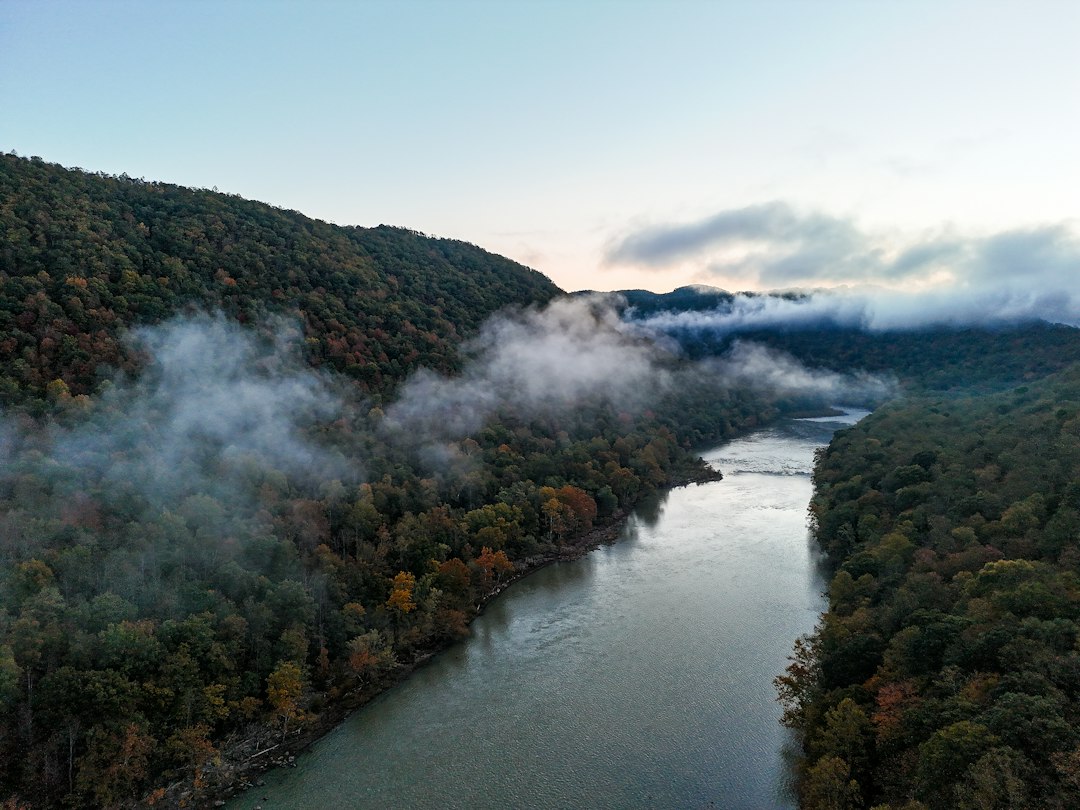
The single best hour you’ll spend here is on the train. The Lehigh Gorge Scenic Railway pushes vintage coaches out of the 1888 station at the bottom of town and into the gorge itself — 45 to 70 minutes of river, cliffs, and color that you cannot see any other way unless you’re willing to hike for them. The windows are big, the pace is slow on purpose, and when the canyon narrows and the maples close overhead, even the teenagers put their phones down.
Book ahead — festival weekends sell the trains out, and the earlier runs have better light in the gorge and thinner crowds at the platform. Bring the coffee with you. My entire team now travels with vacuum-insulated travel mugs that hold heat for most of the day, and on a 9 a.m. departure with the windows fogging up, that’s not a luxury, it’s infrastructure. If riding rails through color is your whole reason for the season, we put together a full guide to North America’s fall foliage trains that includes this line among the best of them.
The Streets Above the Station
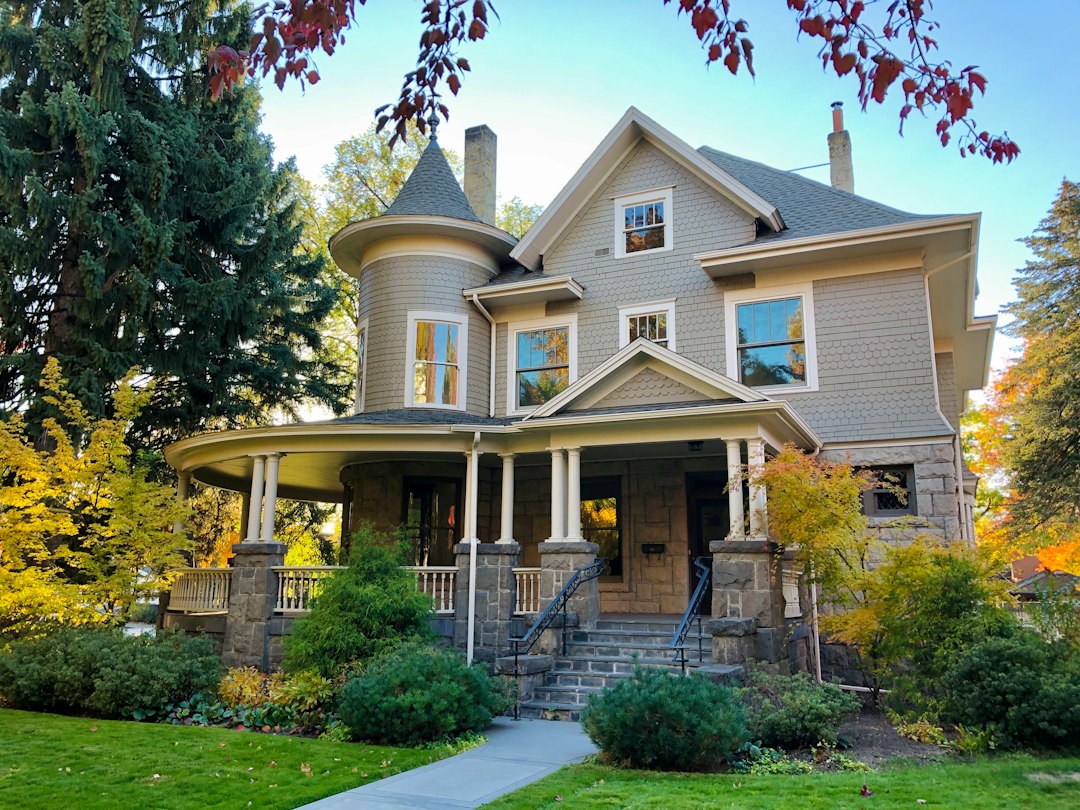
When the train drops you back, climb. The town stacks uphill from the river in a way that seems designed by someone who hated level ground and loved postcards. Race Street is the postcard — Victorian rowhouses painted in deep saturated colors, porches leaning into the hillside, pumpkins on the steps in October. Broadway holds the shops: the coffee roaster, the bookshop, the places selling salsa and fudge and hand-thrown mugs. It’s touristy in the way all festival towns are touristy, but it’s also just… genuinely well-preserved, the kind of streetscape that bigger cities spend millions faking.
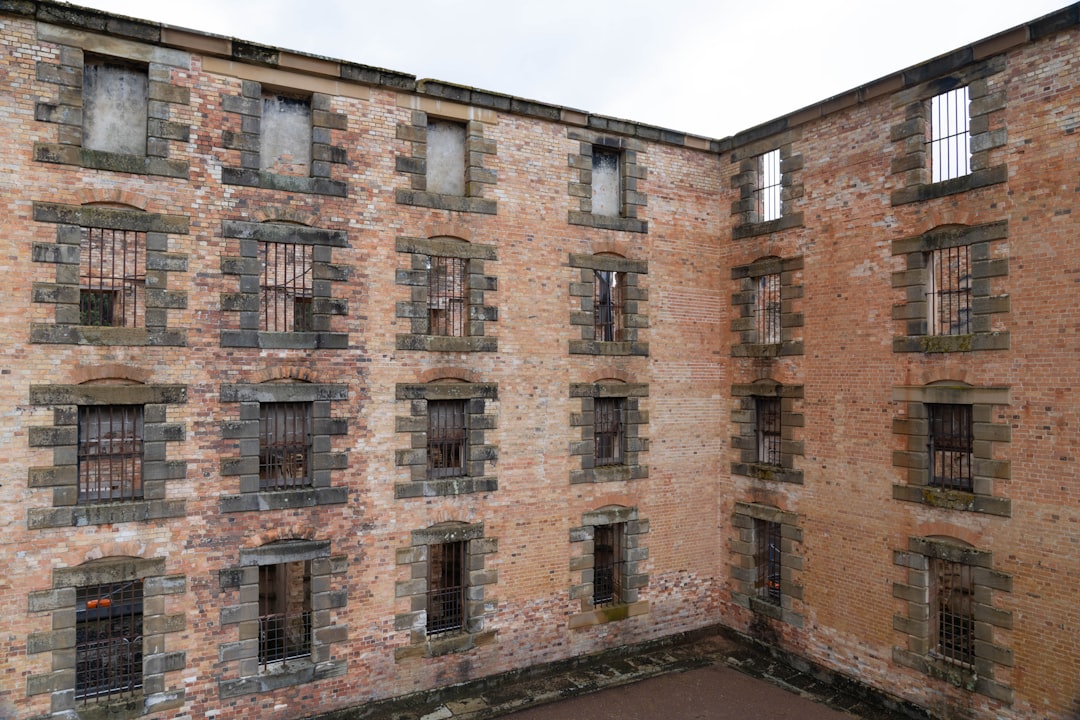
Two blocks up from the noise, the Old Jail Museum sits in an 1871 stone blockhouse that held the Molly Maguires — the immigrant mine workers whose 1877–79 trials and hangings remain one of the most contested chapters of American labor history. Seventeen men were hanged in this building. The exhibit is spare and sober about it. And then there’s Cell 17, where an alleged handprint on the wall has supposedly survived every attempt to scrub, paint, and plaster over it since 1880 — the condemned man supposedly declared it would remain as proof of his innocence. Our resident skeptic went in laughing and came out quiet. Draw your own conclusions.
The Mansion on the Hill
Book the Asa Packer Mansion tour if you can — it’s the town’s masterpiece and the tours fill on festival weekends. Packer, the railroad-and-coal magnate who also founded Lehigh University, built this three-story Italianate villa in 1861, and his family lived in it until 1912 with essentially no renovation. That’s the astonishing part: the interiors are roughly 90 percent original, furniture, wallpaper, carpet, the works. Standing in the parlor feels less like a historic house museum and more like the family stepped out to run an errand in 1888 and the house simply decided to wait.
If You’d Rather Burn the Miles
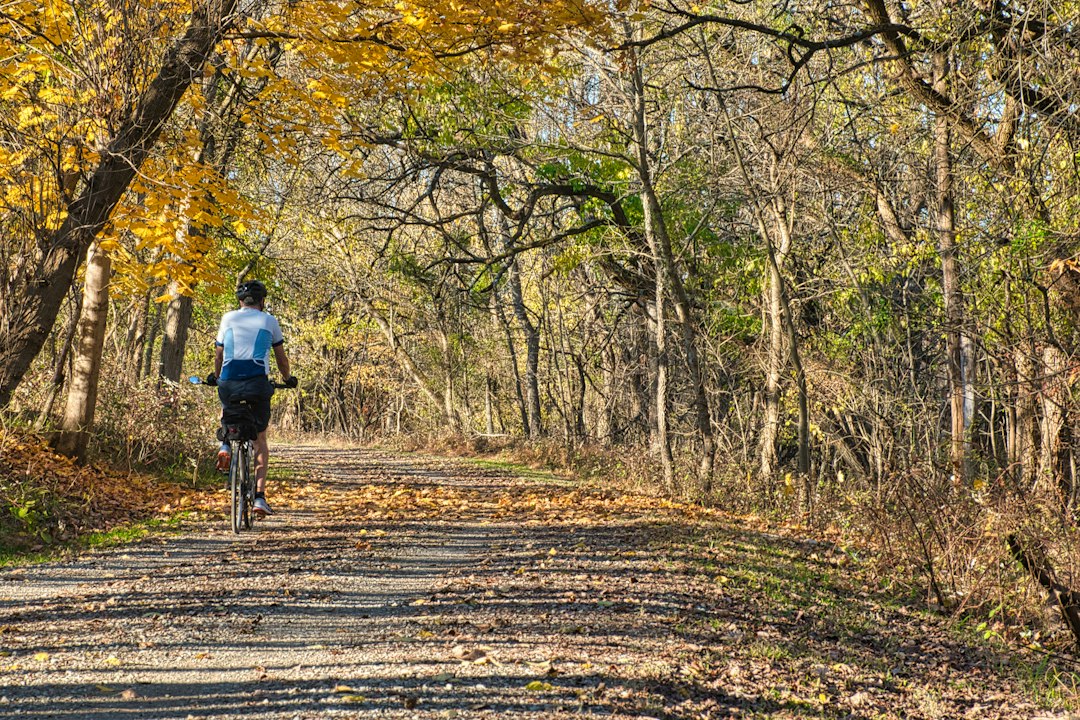
The gorge that the train cuts through is also a trail. The Lehigh Gorge State Park path runs 26 miles of crushed gravel along the river from White Haven down to town, flat the whole way, built on the old rail bed. Rent a bike in town, ride upriver as far as the light and your legs allow, and let the current of returning cyclists carry you back down. October is the ceiling for this — after the leaves drop, the wind off the water turns the corridor into a wind tunnel.
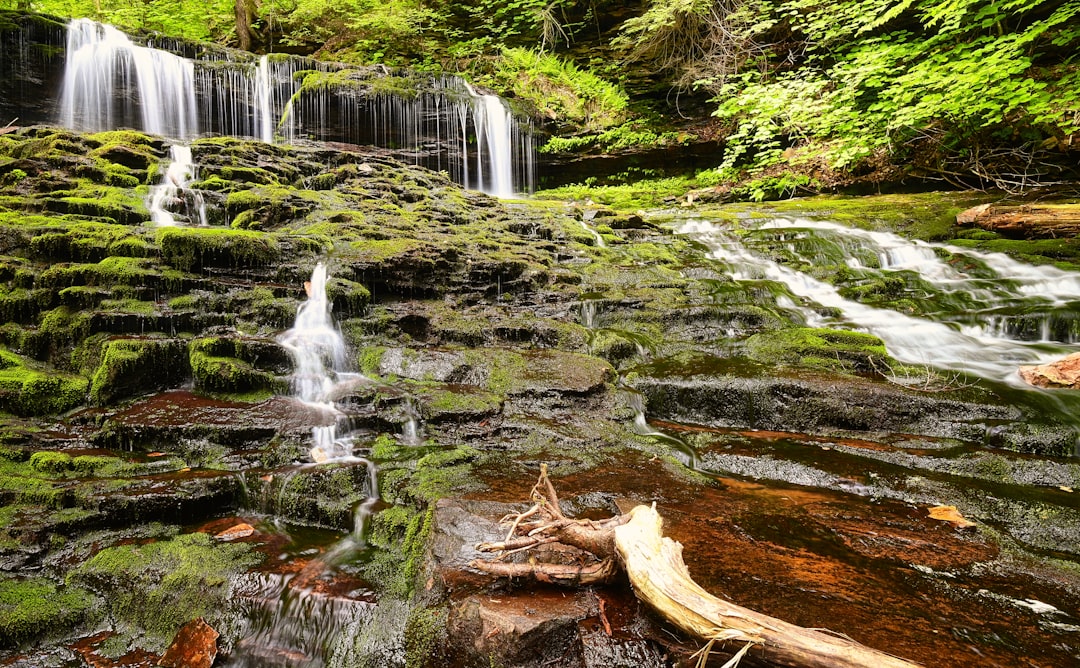
You’ll pass waterfalls. Buttermilk Falls tumbles down a rock face right off the trail, close enough that you’ll feel the spray in a wet year. Bring binoculars — the gorge is a migration corridor in October, and my 12×25 compacts have pulled in everything from bald eagles over the river to a pileated woodpecker working a dead snag while we ate sandwiches. Two things I don’t ride without anymore, both learned the hard way: broken-in shoes, and hydrocolloid blister bandages in the bag, because nothing ends a 20-mile day faster than a hot spot you ignored at mile four.
One serious warning. Glen Onoko Falls — the famously photogenic cascade just north of town — has been officially closed to hikers since 2019 after a string of deaths on the slick, un maintained trail. People still try it every year, and every year the rescue squads work. Don’t. The trail markers have been removed, fines are possible, and the gorge will give you everything Glen Onoko would have, minus the ambulance ride. This is also exactly why I keep a compact travel umbrella clipped inside my daypack — October skies in the Poconos change their minds hourly, and the alternative is buying a $9 emergency poncho from a festival vendor who knows he’s got you.
The Logistics Nobody Warns You About
Parking is the town’s Achilles’ heel. The streets were laid out for mules and coal wagons, not Subaru Crosstreks with bike racks, and on festival weekends the few lots near the station fill before 9:30 a.m. The town runs festival shuttles from remote lots on peak weekends — use them without shame. Or do what we do now: park across the river, walk the bridge into town, and let the first view of the hillsides stacked over the rooftops do its work on you before you’re even inside the festival footprint.
Lodging is the other squeeze. The inns inside town are small, historic, and booked out two to three months ahead for October weekends — if you’re reading this in late September, this year’s festival beds are mostly gone, and you’re choosing between Pocono chain hotels 20 minutes out or a very determined day trip. The day trip works fine, honestly. Jim Thorpe sits an hour and change west of the Philadelphia suburbs and about two hours from Manhattan, which is absurd for what it delivers — it’s the same math that’s made New England’s most famous color corridor such a circus, minus six hours of driving. We wrote up the quieter side of that scene in our dawn run on the Kancamagus Highway, and there’s a cousin logic here: go early, go midweek if you can, and let everyone else sleep in.
For the bag itself, keep it simple — a packable 20-liter daypack swallows the layers you peel off by noon, flattens to nothing for the drive, and leaves room for the salsa you’re going to buy on Broadway. That’s the whole kit. This is not a gear-intensive trip. It’s a showing-up-intensive trip.
Go While It’s Still a Secret People Can’t Keep
I keep a running list of places I loved that I’m slightly afraid to recommend, and Jim Thorpe has been on it for three years. The moment feels near. The 2026 lists have found it, the train sells out, and every October the donut line gets longer. But the gorge hasn’t changed, the jail’s handprint hasn’t washed away, and the hills still ignite on a schedule nobody fully controls. Somewhere on the walk down from the mansion, past the monument to a man who never saw any of this, one of my crew said the thing I’ve been trying to put into words since: this town got a second life and decided to be worth it.
Second and third weekends of October. Train first, streets after, jail before dark, mansion if you can get in. Dress in layers, park across the river, and give the flannel a job to do. And when you’re standing on the bridge at golden hour watching the color climb down the gorge walls toward town, remember that a busted coal town once bet everything on a stranger’s name — and the hills, every year, pay out.