
There’s a spot on the north side of Champaign, Illinois, wedged between two interstates, where roughly half a million sunflowers show up for a few weeks each summer and then vanish. No ticket booth. No parking fee. No gift shop funneling you toward the exit. Just a field planted in the shape of something — one year a barn logo, another year a single giant sunflower — with paths mowed through it so you can actually get lost on purpose.
In 2022, the design at Clearview Farm was better than anything a marketing department would dare pitch: the maze was cut in the shape of Illinois itself, and the walkways traced the interstate highways that crisscross the state. You could enter at Chicago, wander down I-57, cut over to I-74, and stand in the middle of a map of the Prairie State with ten-foot stalks of yellow towering over every border. Walking across an entire state takes about twenty minutes when the state is made of sunflowers and you aren’t stuck behind a semi.
A Map of Illinois, Cut in Sunflowers
Clearview Farm sits at 3605 N. Mattis Avenue, close enough to the I-57 and I-74 interchange that you can hear the trucks while you’re standing in the flowers. The maze is the farm’s flagship summer draw, sponsored by The Atkins Group and run with a philosophy that feels almost rebellious in the agritourism world: it’s free. Visitors are invited to donate to the Eastern Illinois Foodbank, and people do, which says something about what happens when you lead with generosity instead of a gate.
The scale is the thing photos fail to convey. In a heavy year, the planting has covered around 25 acres with something approaching 500,000 blooms. The design changes annually — the barn logo, the Illinois map, the giant sunflower, and for 2026 a celebration of America’s 250th birthday — so even locals who come every July are walking a brand-new layout. The farm also tends an Illinois-shaped pollinator garden threaded with “rivers” of native plants, part of a broader regenerative agriculture operation where the sunflowers are as much about soil health and pollinators as they are about foot traffic.
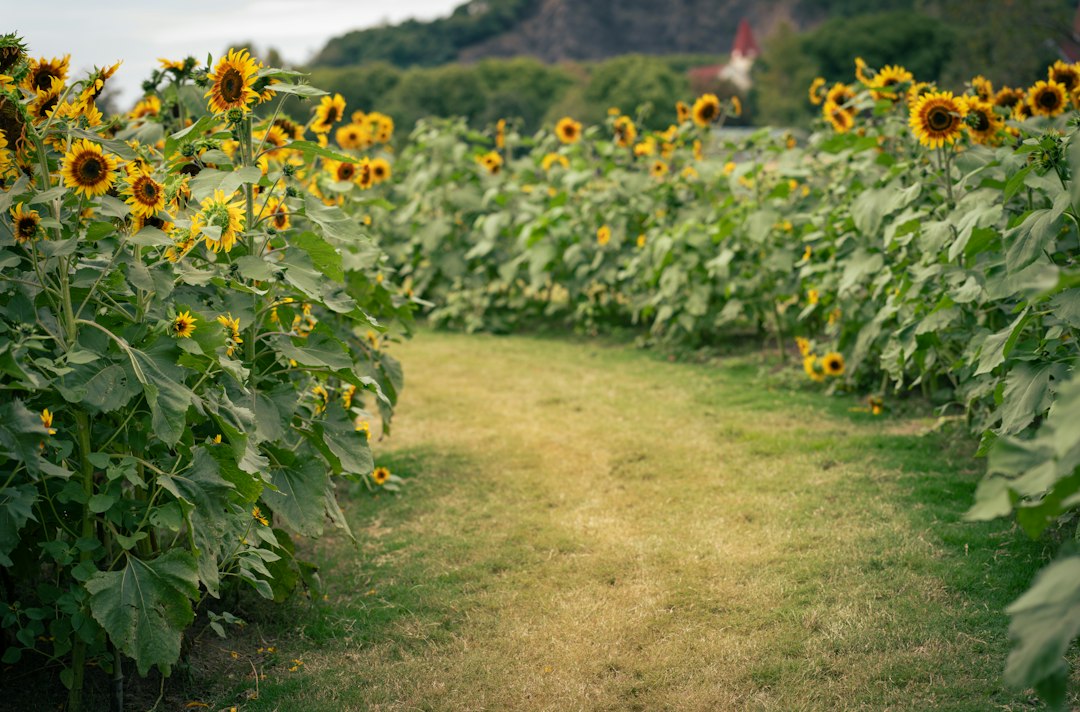
Walking the “interstates” is a strange little joy. The rows close over your head, the compass stops working, and you navigate by landmark — a tall sweet corn stand-in for Springfield, a bend in the path where Route 80 would run. Kids treat it like a puzzle at sprint speed. Adults slow down and do that thing where they stop talking mid-sentence because the light through the petals got them.
The Bloom Window Is Shorter Than You Think
Here’s the catch, and it’s a big one: sunflower season in central Illinois runs roughly mid-July into August, and full bloom lasts maybe two to three weeks depending on heat, rain, and when the farm planted. Some years a field reports early blooms and the whole window shifts. This is not an attraction you can visit “whenever.” It’s an event you chase.
The reliable move is to watch the farm’s social accounts starting in early July and drop everything when the announcement lands. That’s also when each year’s design gets revealed, which has become a small local ritual in its own right — guessing whether the paths will spell something, trace a river system, or redraw the state. Neighboring fields have been known to peak a week apart, so a single well-timed weekend can net you two or three different mazes, each with its own personality: one wide and stroller-friendly, another tight and genuinely disorienting, with walls so tall you lose the sound of the highway a few rows in.
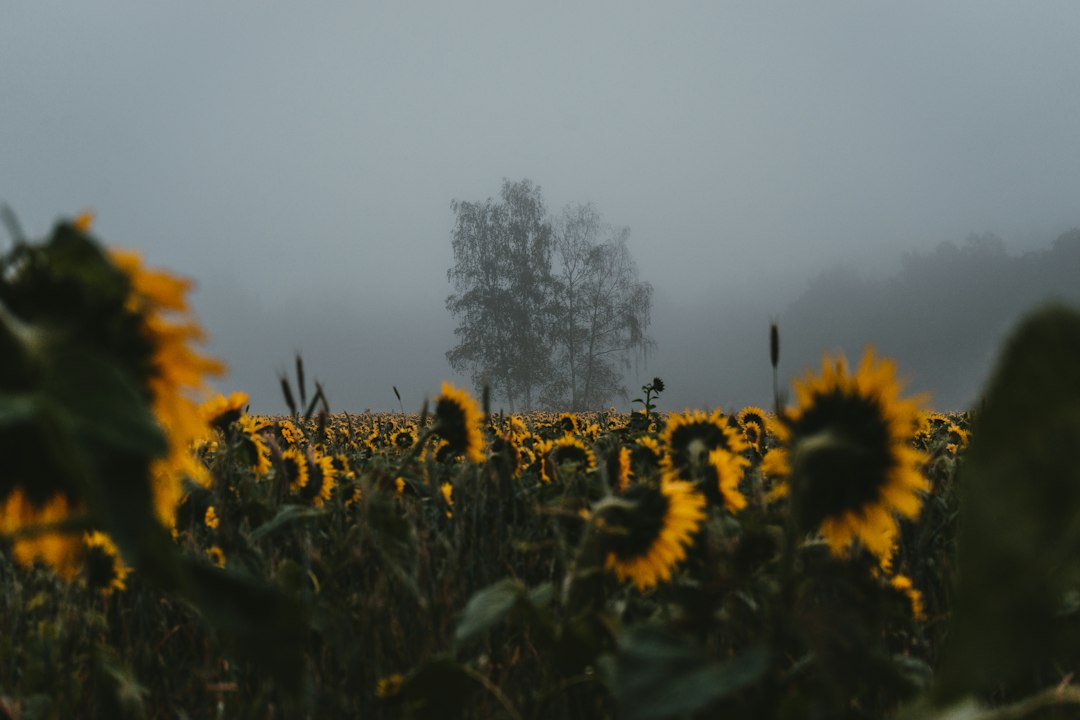
Photographers should plan for morning. Mature sunflowers track the sun all their lives until they’re fully grown, then settle in facing east — so a sunrise visit puts the light behind you and a quarter million faces turned your way. Midday shots flatten out; golden hour here is genuinely golden.
For capturing the full scale, a regular camera struggles — the field wraps around you, and a wide lens only gets a slice. A 360 camera like the Insta360 One X3 on a selfie stick with a built-in tripod is the cheat code: hoist it overhead in the middle of the maze and you get the whole Illinois-shaped layout in one frame, edges glowing.
And when the show ends, it ends fast. The farm lets the heads dry on the stalk until they turn brown and droop like tired umbrella frames, then runs the harvester through. One weekend it’s a golden map; the next it’s a field of nods and seeds. That’s not neglect — it’s the harvest — but it catches visitors who waited for a convenient Saturday and found out the calendar didn’t care about their convenience.
Field Rules, Bees Included
The maze sits on a working regenerative farm, and the etiquette follows from that. A few realities before you go:
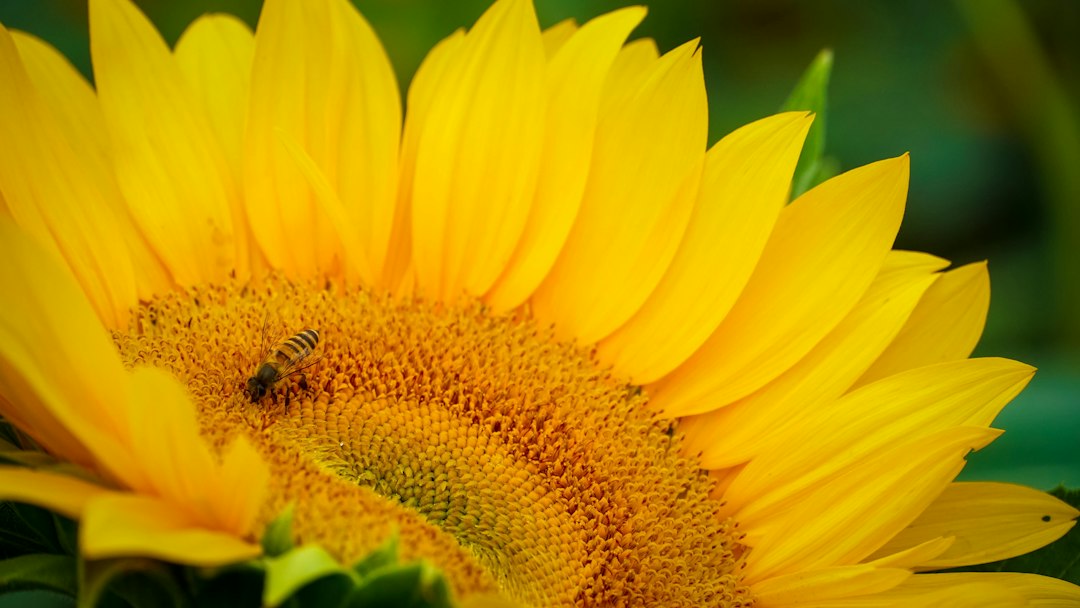
- There will be bees. Half a million flowers do not host themselves. Bees that are working a sunflower head are uninterested in you, but if you’re allergic, carry what you need. For everyone else, a spray like Repel 100 handles the mosquitoes and deer flies that also appreciate a July field.
- There is no shade. None. Illinois does not mess around with summer sun, and a reflective wall of yellow petals makes it brighter. A stick sunscreen you can swipe without washing your hands — the Neutrogena Ultra Sheer SPF 60 stick is the road-trip standard — plus a wide-brim UPF hat will save you.
- Bring water. Facilities are seasonal port-a-potties and trash cans, not a visitor center. A cold insulated bottle in the car for after is the difference between a memory and an ordeal.
- The paths are dirt. Unpaved, uneven, occasionally muddy after rain. Closed-toe shoes, especially with kids.
- Don’t pick the flowers. It’s private property, the blooms are a crop, and the foodbank donations that keep the maze free depend on the farm’s goodwill staying intact. Leave it as you found it.
- Park where the signs say. Mattis Avenue parking is not allowed; follow the posted routing during bloom season.
More Gold Within an Hour’s Drive
Clearview is the headliner, but east-central Illinois clusters its sunflower season in a way that rewards a slow loop. In Champaign itself, Prairie Fruits Farm planted its first sunflower maze in 2025 as part of a prairie soil rehabilitation plan — a $10 ticket that buys you blooms and a lesson in what agriculture looks like when it’s rebuilding ground. Down in Clinton, Mariah’s Mums & More opens its sunflower stroll around mid-July, paired with the kind of small-town flower field that photographers quietly hoard.
North in Normal, Rader Family Farms runs Sunflower Days on back-to-back August weekends — a full festival with admission, food, and activities stacked on top of the blooms. If your timing leans late-season, that’s your safest bet: festivals schedule around their flowers, so the flowers are contractually obligated to show up.
Making a Day of It
The maze’s sneaky advantage is geography. Sitting at the I-57/I-74 crossroads puts it within a lazy afternoon’s reach of most of central Illinois — and it makes a genuinely great leg-stretcher on a longer Midwest route. We’ve written before about windshield touring your way toward St. Louis and about why towns like Pinconning, Michigan make the best road-trip detours; a July sunflower stop slots into that same philosophy of letting the map hand you a surprise.
Champaign-Urbana itself earns a few hours — a genuine college-town food scene, an unhurried downtown, and prairie sunsets that put on a show on the drive out. Make the loop properly: maze in the morning light, lunch in town, a slow afternoon somewhere green, then dinner before the drive back west as the fields go amber. If the region gets under your skin, two books capture it properly: Larry Kanfer’s A Prairie State of Mind is the photography volume, and Born in the Illinois Cornfields collects the stories of people who never left. For the full deep dive, the Illinois Loyalty photo book makes a good passenger-seat companion on the way home.
If You Missed the Window
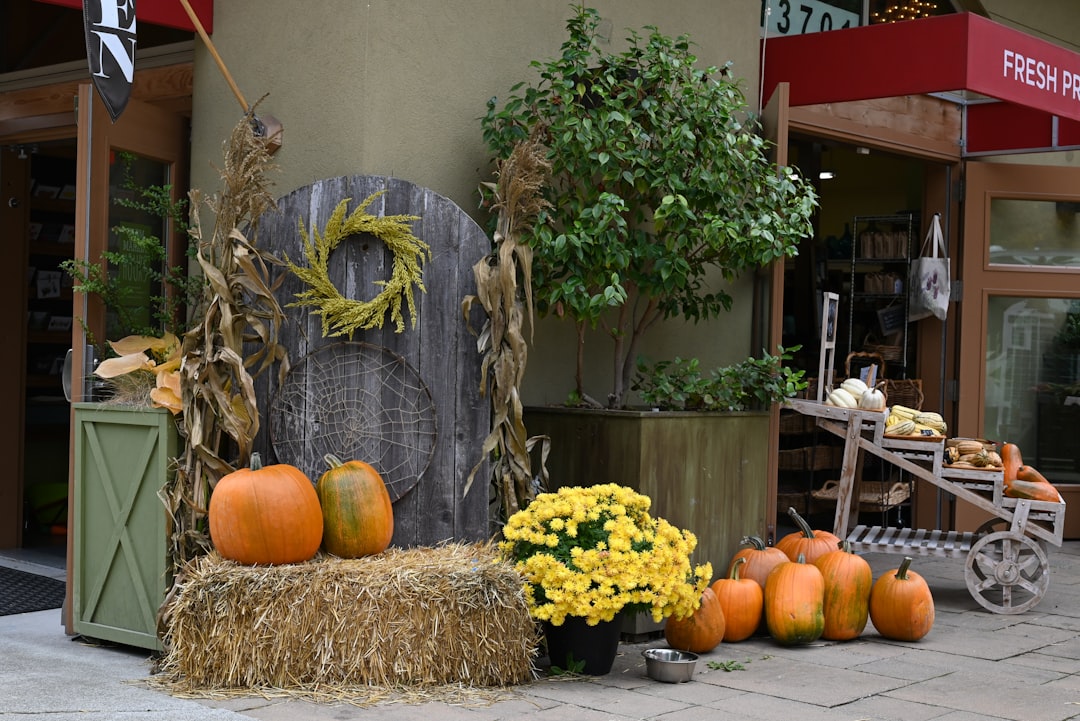
Reading this in September, with the stalks long since browned and the harvester through? You didn’t miss the season — you just arrived at the next one. Central Illinois pivots hard into autumn: the mums and pumpkin stands open along the farm roads around Champaign the way wildflowers do in spring wildflower destinations we’ve chased elsewhere, and the same pollinator spectacle shifts to the monarchs moving through the Midwest on their fall migration — a 3,000-mile journey worth planning around all by itself.
Then put a mid-July reminder on next summer’s calendar: check the farm’s page, watch for the bloom announcement, and go within days, not weeks. Bring the kids, bring a water bottle, bring nothing but your camera’s appetite. Pick up a little something sunflower-themed if you want the day to outlast the season.
Half a million flowers, zero admission, three weeks a year. Some of the best things in the Midwest don’t advertise — they bloom, they feed the bees, they turn brown on schedule, and they wait to see who showed up.