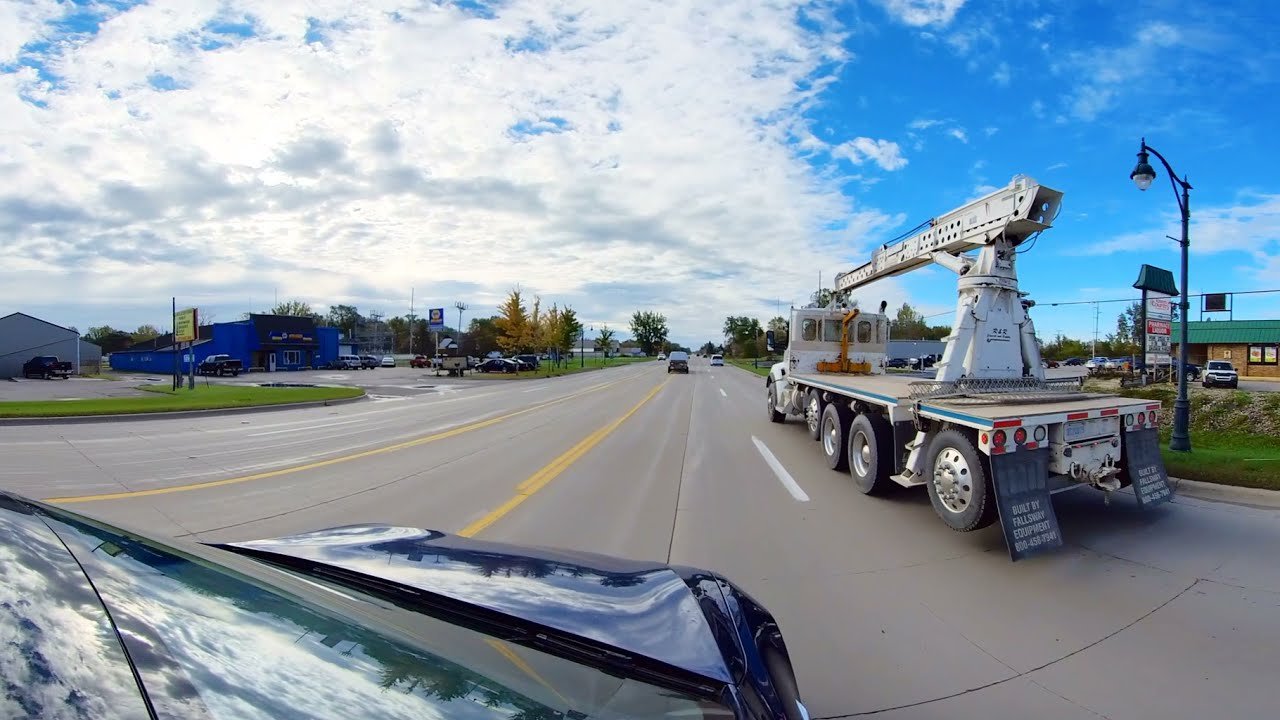
There is a moment on every good road trip when the plan dissolves and the detour takes over. Mine happened on Highway 13 in eastern Michigan, somewhere north of Bay City, when a billboard the size of a barn announced CHEESE in letters visible from what felt like another county. I was headed toward Lake Huron with no particular agenda, and the billboard made a persuasive counteroffer: a town called Pinconning, population small, where cheese is not a section of the grocery store but the entire local economy, history, and personality.
Two hours later I was standing at a counter buying a wedge labeled “super sharp” by a woman who could tell me the name of the farm that produced the milk in it. That is the Pinconning experience in miniature. It is a town you can drive through in four minutes and easily spend half a day in, and it earns every minute.

A Cheese Born From Too Much Milk
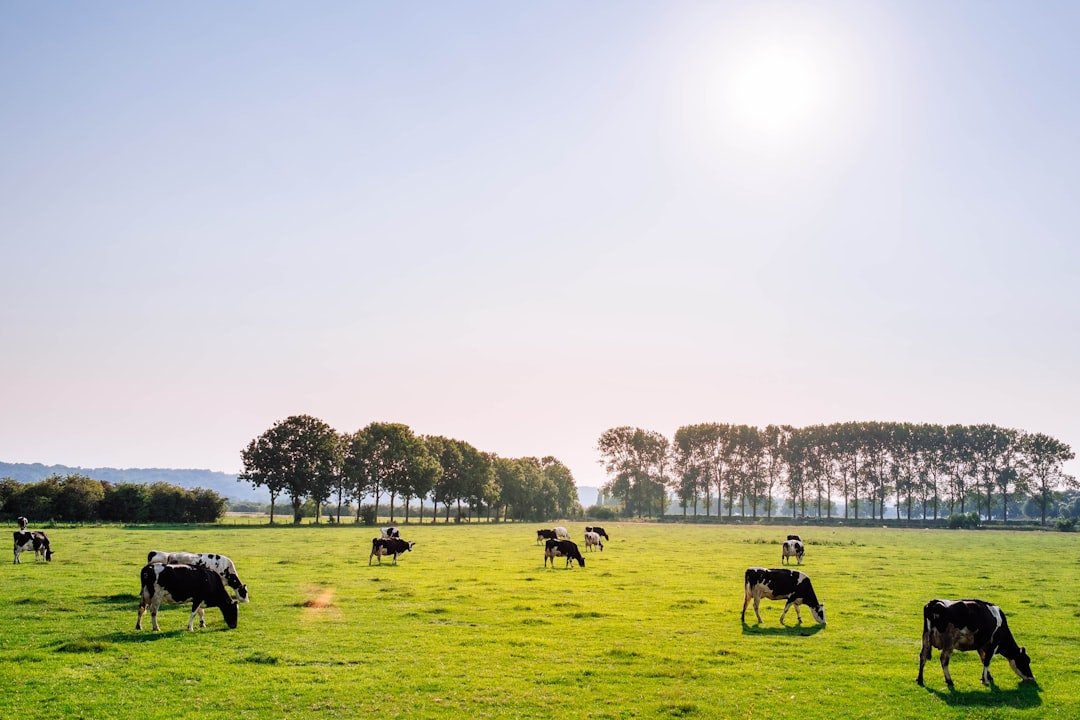
Pinconning began life as a lumber town, and like a lot of Michigan towns built on white pine, it needed a second act when the trees ran out. Agriculture was the answer, and by the early twentieth century the fields around town were thick with dairy cows. That created a new problem: more milk than anyone could drink.
Enter Dan Horn, a German immigrant who arrived with old-country cheesemaking knowledge at exactly the right moment. In 1915 he created a new style of cheese in Pinconning — a colby-style variety with one unusual property for the era: it could be stored at temperatures above 40 degrees without spoiling. In the days before reliable refrigeration, that was close to a superpower. A cheese that didn’t need a cold chain could travel, could sit in a shop through a Michigan summer, and — the part that still matters — could be aged for months or even years, growing sharper and more complex the whole time.
The milk still comes from the flat green farm country that surrounds town, and the cheese is still aged right in the shops that sell it. When you buy Pinconning cheese, you are buying something with a genuine sense of place — the flavor of one specific patch of the Saginaw Bay lowlands, made by a process that has been running continuously for over a century.
Two Cheese Shops, One Main Drag
Here is the delightful absurdity at the center of Pinconning: the two most famous cheese destinations in town sit roughly across Highway 13 from each other, and locals hold opinions about them the way Chicagoans hold opinions about deep dish versus tavern-cut pizza.
Wilson’s Cheese Shoppe is the elder statesman. It opened in 1939, when Inez Wilson — daughter of Dan Horn himself — decided to sell her father’s cheese directly to travelers passing through town. Eighty-plus years later, it is recognized as the oldest cheese shop in Michigan and still run as a family operation. Walking in feels like stepping into a museum that happens to sell lunch: wooden counters, wheels stacked like library books, and an aroma that hits you before the screen door closes behind you.
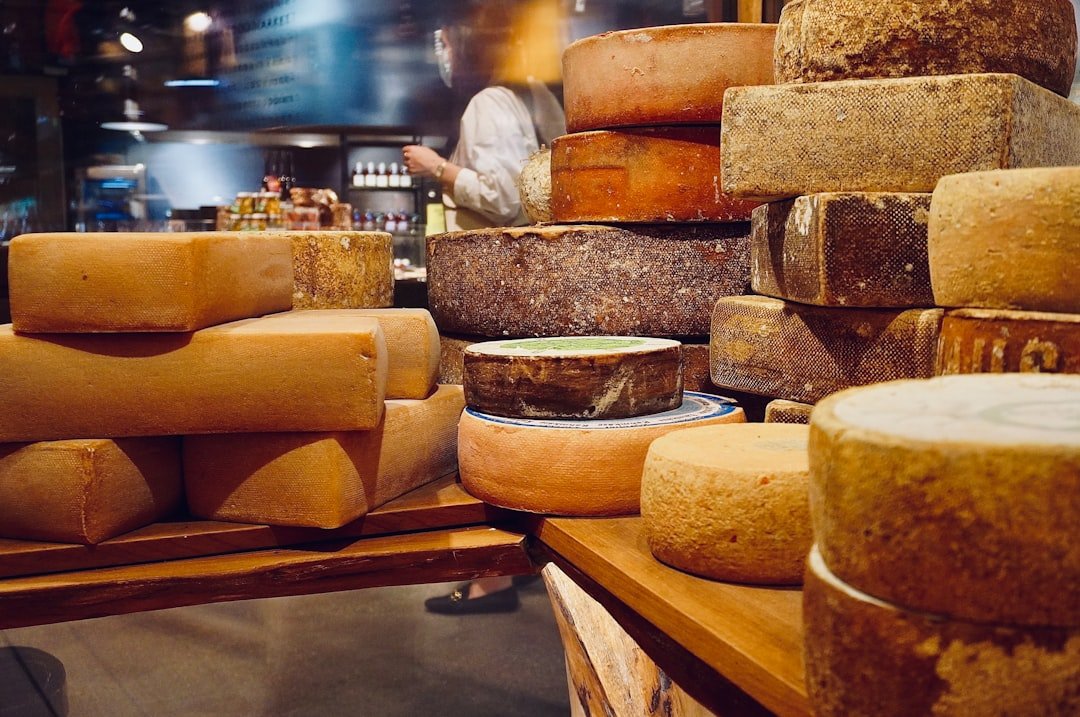
Pinconning Cheese Company is the other half of the rivalry, and it carries the town’s name right on the sign. You will find the same core product — the house cheese in its various ages — along with curds, spreads, sausage, and enough locally made accompaniments to assemble an entire picnic from the aisles. The honest advice, which the shops themselves would probably endorse: visit both. Buy the same sharpness at each. Conduct your own tasting on the hood of the car. There are worse ways to spend a Tuesday.
A proper set of cheese knives sounds like an affectation until you are balancing a two-pound wedge on a paper plate with a plastic spoon. The aged stuff crumbles like good parmesan and rewards an actual blade.
The Drive Through Town, Stop by Stop
Part of Pinconning’s charm is that the entire town essentially lines one road. Highway 13 runs straight through, and nearly everything worth doing sits within a block of it. A full driving tour takes about five minutes if you don’t stop — and about five hours if you do it right, which is the version I recommend.
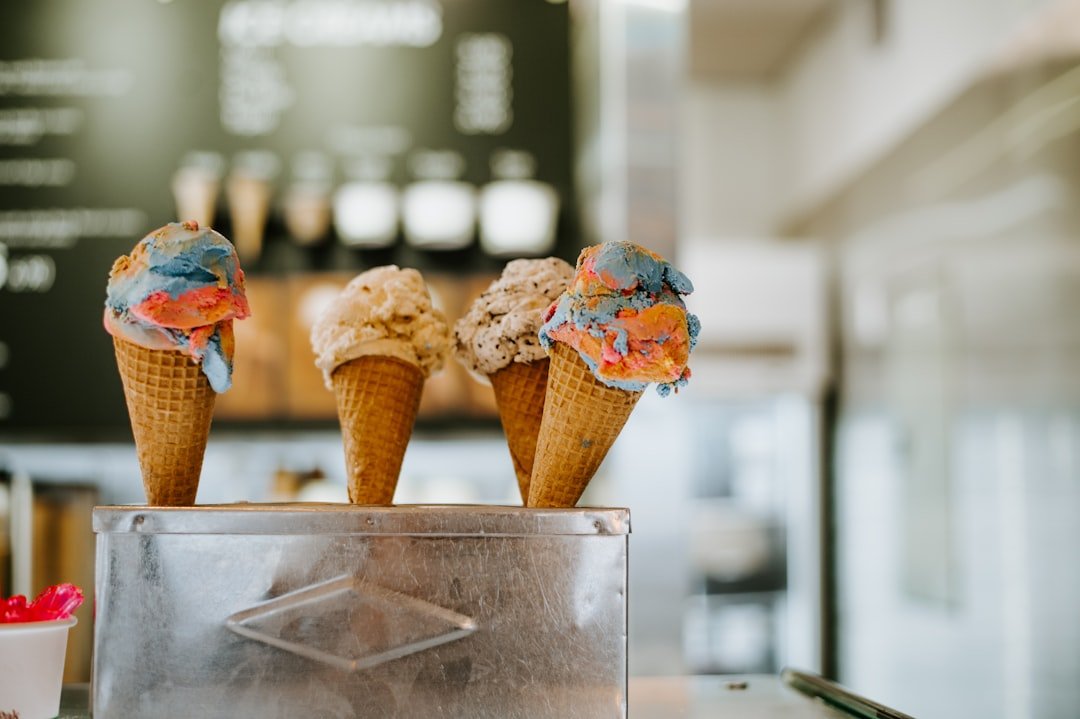
Coming into town from the north, the first landmark is Happy Dayz Drive-In and Diner, the kind of old-school burger joint that stubbornly refuses to become irrelevant. Past the cheese shops and over the Pinconning River — a quiet little waterway that drains toward the bay — you’ll pass H&H Bakery Restaurant, which doubles as the local breakfast headquarters, and Purtell’s Restaurant and Ice Cream Shoppe, where the correct move after a cheese-heavy afternoon is a cone eaten on a bench outside. The tour ends at Northwoods Wholesale Outlet on the south edge of town, a gloriously chaotic Michigan institution selling everything from smoked fish to fudge to things you didn’t know you needed.
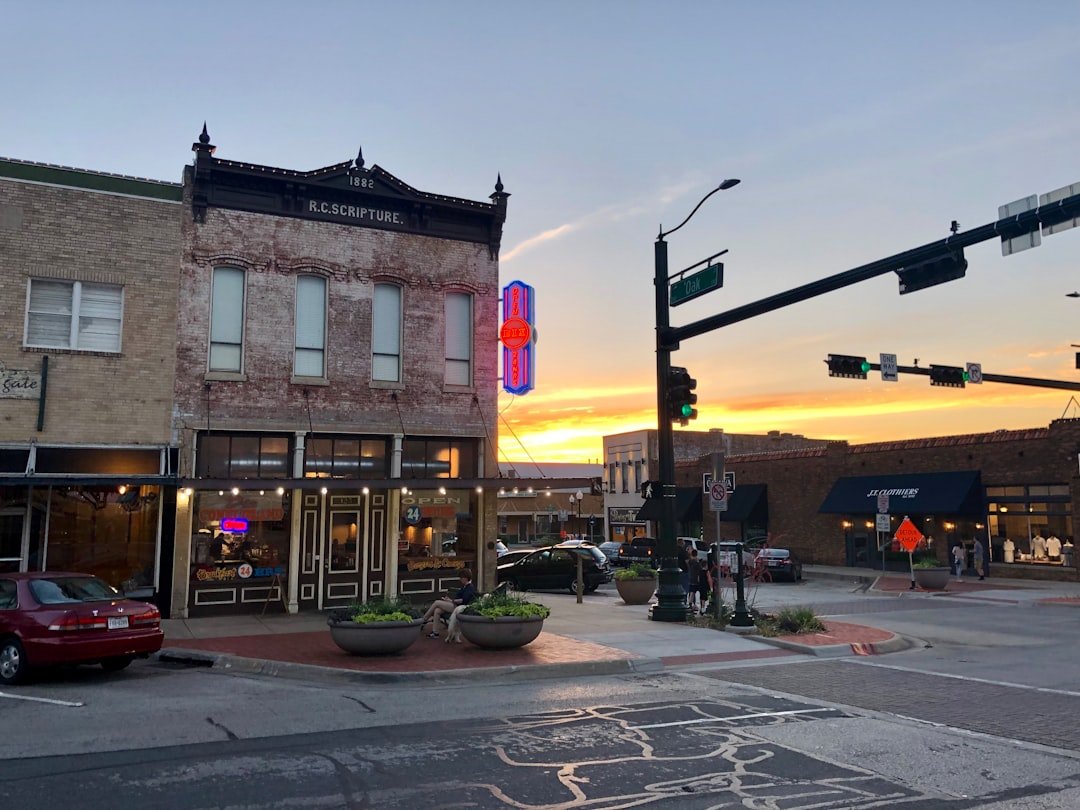
What surprised me most was how walkable the core feels once you park. The whole stretch has a lived-in, unhurried rhythm — flags out, flowers in the planters, somebody’s dog asleep in a doorway. This is not a town that was renovated to resemble a postcard. It’s simply a town that kept being itself, and now road-trippers like me drive hours to stand in it.
What Pinconning Cheese Actually Tastes Like
If you have never had it, picture colby’s friendlier cousin. Young Pinconning cheese is mild, buttery, and a little sweet — approachable enough for kids’ lunches. But the aged wheels are the reason people make pilgrimages. As it matures, the texture turns drier and crumblier while the flavor deepens into something tangy, sharp, and faintly nutty, with a finish that lingers well past the last bite. Shops sell it by age, and the differences between bands are dramatic enough that sampling your way up the scale is half the fun.
Don’t overlook the supporting cast while you’re at the counter. Fresh cheese curds — the holy grail of any Wisconsin-adjacent dairy region — are sold the day they’re made and squeak against your teeth when they’re at their best. Spreads, from sharp cheddar to beer cheese, come in tubs that travel well and disappear faster than seems physically possible.
The locals’ open secret: the super-aged stuff, the wedges that have been sitting in the aging room for years, is the true specialty. It shaves beautifully over crackers, melts aggressively, and makes supermarket “sharp” cheddar taste like a rumor.
Getting the Haul Home
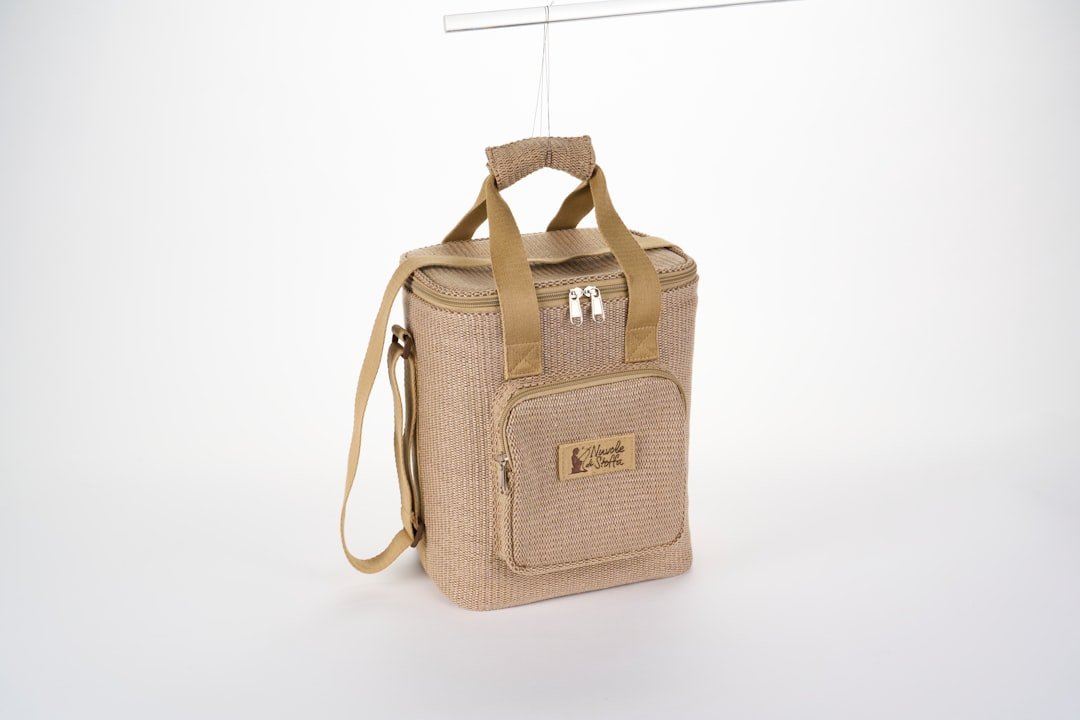
You will buy more cheese than you planned. This is not a warning; it is travel advice. Wedges get vacuum-sealed at the counter, which solves most problems, but a September afternoon in a parked car is no place for a fresh curd or a tub of cheese spread. The fix is simple: pack a soft-sided cooler that folds flat when empty, and keep a couple of frozen bottles in it rather than loose ice. For the pantry-stable extras — sausage, jams, fudge — an insulated grocery tote handles the rest of the haul without hogging the back seat.
If your trip, like mine, ends at a cabin or campground rather than a kitchen, throw in a compact cheese board with knives. An evening car picnic of aged Pinconning, summer sausage, and crackers eaten at a shoreline pull-off is legitimately one of the better meals I’ve had in Michigan, and I say that as someone who has eaten a pasty within sight of Lake Superior.
Timing Your Trip
Any season works, but two windows stand out. The obvious one is the CheeseTown Festival, Pinconning’s annual multi-day celebration each June, when the town adds carnival rides, fireworks, and a beloved mac-and-cheese battle to its usual dairy programming. If your calendar allows, it’s the maximum-Pinconning experience.
Weekdays are the quietest time to have the town to yourself; Saturday mornings bring a steadier stream of regulars stocking up, plus the occasional tour bus that empties into Wilson’s parking lot and vanishes twenty minutes later. Either way, you will not fight a crowd. This is a stop that rewards slow browsing, and the shops are built for exactly that — shelves of jams and mustards and local honey between you and the door.
The window I’d actually argue for, though, is September into early October. The summer crowds thin, the air comes off Saginaw Bay cool and clean, and eastern Michigan starts its slow roll into color. It pairs naturally with a broader fall foliage trip, and Pinconning sits right on the logical route north: a cheese stop today, Mackinac Island after the Labor Day rush tomorrow. Cheese, then fudge — Michigan’s two great dairy pilgrimages, in the correct order.
Extending the Route
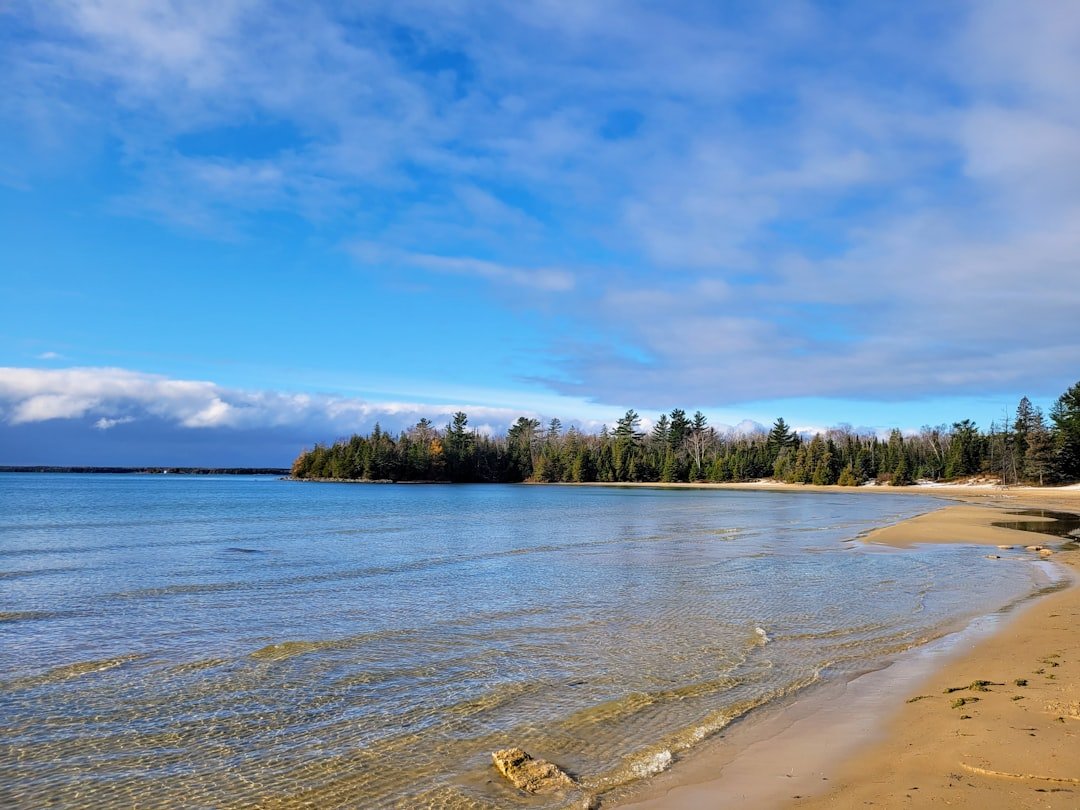
Pinconning sits just inland from Saginaw Bay, the cup-shaped pocket of Lake Huron between the thumb and the mitten’s knuckle. The shoreline roads here are flat, quiet, and relentlessly scenic in an understated way — reedy marshes, little marinas, and water that goes silver at dusk. It’s the kind of driving that rewards having a real Michigan road atlas in the door pocket, because the best stretches are the county roads nobody names in listicles.
Keep going north and the trip scales up as far as you want: state forest, then the Mackinac Bridge, then the Upper Peninsula proper. Pinconning makes an ideal first-night supply stop on that itinerary — the cheese improves a week in the cooler, and the cooler improves a week in the UP.
One last note for anyone who likes recording the drive as much as taking it: the straight, low-traffic highways around town are perfect for a 360-degree camera. I ran one suctioned near the windshield and captured the entire main drag — cheese shops, river, ice cream stand and all — in a single take; the newer model does it in higher resolution. A selfie stick with a built-in tripod and even a spare lens cap have earned permanent spots in my door pocket for trips like this. And if you navigate by phone like a normal human, a solid dashboard phone mount beats a lap-balanced GPS every time.
The billboard got it right, in the end. Follow the cheese. A town of a thousand-odd people that has spent a century perfecting one food is not a detour from the road trip — it’s the reason road trips exist.