
There’s a moment every van owner knows. It’s 2 a.m., the temperature outside has dropped into the thirties, and you’re lying awake listening to the metal shell tick as it contracts — wondering why you spent nine months perfecting a kitchen and approximately zero thought on the bed. That was me last October, somewhere in the high desert of New Mexico, curled on a budget foam pad that had gone flat as a tortilla by week three. I swore then that the sleep system would become a priority, not an afterthought.
Nearly a year later, my crew and I have rebuilt that bed from the plywood deck up, testing materials through a winter of sub-freezing nights and a summer that cracked 110 degrees. What we learned is that a great campervan bed isn’t one purchase — it’s a system, four layers deep, each solving a problem the last one created. Here’s how the whole stack comes together, and where the money actually matters.
Start With the Slab: Choosing Foam That Earns Its Floor Space
The mattress question in a van is really a geometry question. My bed platform sits over the wheel wells, which left me an odd 72-by-60-inch footprint that no showroom mattress has ever fit. That constraint pushes most builders toward one of three routes: cut-to-size foam, a tri-fold mattress that stows behind the seats, or a purpose-built RV mattress in a short queen. My team measured twice, argued about density for a week, and landed on a hybrid approach: a firm six-inch base layer topped with softer comfort foam.
Density matters more than thickness. Anything under about four pounds per cubic foot will flatten within a season of nightly use, no matter how plush it feels in the shop. I learned that the hard way with the tortilla pad. Memory foam has one quirk worth knowing before you commit: it sleeps warm, which is a misery in July and a genuine blessing once the nights turn cold. For shoulder-season trips like this one, that heat retention works in your favor.
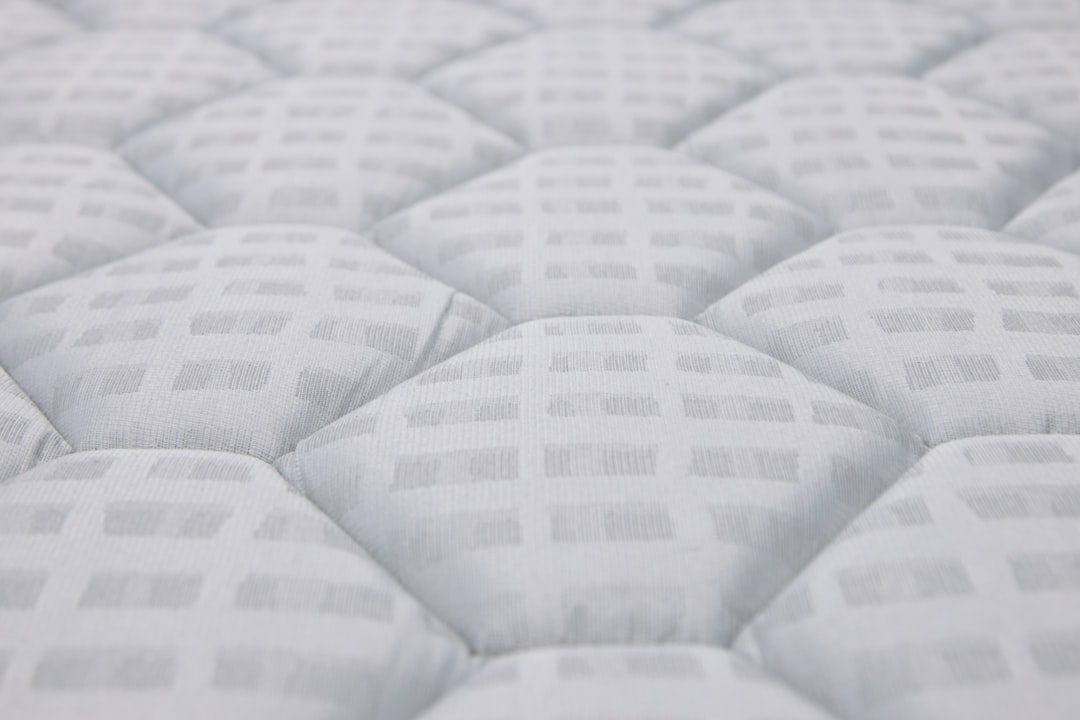
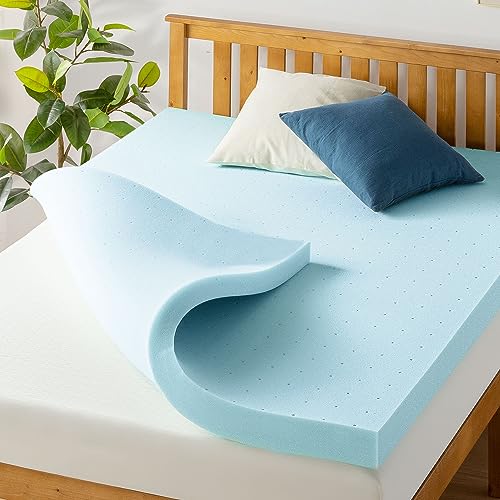
If you’re not ready to commit to a full custom mattress, a quality topper over a firm base is the fastest upgrade in van life. After sampling several, the one that survived our winter testing was the Best Price Mattress 4-inch ventilated memory foam topper in short queen — the ventilation channels keep it from turning into a swamp in warmer weather, and it cut to fit my platform with a bread knife and patience. Builders wanting something thinner for a convertible bench bed should look at the Lounj 2-inch RV gel topper, which folds without cracking the way thicker foam can.
The Damp Patch That Almost Ruined Everything
Three weeks into my first build, I lifted the mattress to chase a musty smell and found a dark, damp rectangle stamped perfectly into the plywood beneath. Panic doesn’t begin to cover it. Your body releases roughly a liter of moisture overnight through breath and sweat, and in a small metal box, that water has exactly one favorite destination: the cold surface directly under your mattress, where warm foam meets cold wood and condensation forms. Leave it alone long enough and you’re growing mold in the one place you spend eight hours a night.
The fix is airflow, and it’s cheap insurance. A slatted deck or a breathable mesh underlay lifts the foam off the plywood so air can move beneath it — I lined my platform with a mattress ventilation underlay and the damp patch never returned. This matters double if your walls are still fighting their own moisture war; my insulation saga taught me that condensation in a van is never one problem, it’s a campaign.

Two more habits close the loop. First, a breathable waterproof protector keeps sweat and spills from ever reaching the foam — the PlushDeluxe bamboo protector is quiet enough that you forget it’s there, which is the entire point. Second, park a moisture absorber in the cab during humid stretches. A tub of DampRid pulls a shocking amount of water out of the air for about ten dollars, and I now consider it as essential as the fire extinguisher.
Sheets That Stay Put When the Road Gets Rough
Van beds move. They rattle down washboard roads, get folded into couches, and double as cargo zones for groceries. Standard sheets treat all of this as an invitation to escape. The first time my fitted sheet balled itself into a corner somewhere outside Moab, I stopped laughing and started researching.
Two things solved it. Sizing is the first: most van mattresses fall near an RV short queen, and sheets cut for that size actually fit rather than guessing with standard queen dimensions that swim at every corner. I run a simple short queen sheet set that has survived forty-plus washes in laundromats without pilling. The second is retention — a set of corner sheet grippers costs less than a campsite fee and locks the fitted sheet down so completely that I’ve stopped thinking about it. Small victory, but van life is built entirely from small victories.

One honest note from my teammate who handles our interior testing: skip anything with decorative buttons or quilting on the flat sheet. In a space this small, every texture you sleep against gets noticed by 3 a.m. Plain, soft, and slightly oversized beats fussy every single night.
Dress the Bed Like You’d Dress Yourself
The rookie move is buying one enormous comforter and calling it done. The problem is that a van swings through thirty degrees in a single night — warm at bedtime, arctic by dawn — and a single blanket can’t follow that curve. The answer is the same one you’d use for clothing: layers you can add or shed without fully waking up.
My stack, from mattress outward: the protector, a breathable sheet, a wool blanket, and a packable down throw for the deep-cold nights. Wool is the hero of the system. It insulates even when damp, which matters in a van whether you believe me yet or not, and it regulates across temperature swings better than any synthetic I’ve tried. The Arcturus military wool blanket is the workhorse version — heavy, nearly indestructible, and it doubles as picnic seating — while anyone wanting something softer against skin can layer the Molithe 100 percent wool blanket on top. On the coldest mornings I add the Noora North down camping blanket, whose footbox design is genuinely clever for van beds since it keeps the cold-air draft off your feet without the weight of a full duvet.

The whole layered kit compresses into a shelf cube when the bench converts, which is more than I can say for the queen comforter I donated to a thrift store in Flagstaff. Packability isn’t a luxury in sixty square feet of living space — it’s survival math.
The 12-Volt Indulgence I Swore I Didn’t Need
I resisted the heated blanket for a full year on philosophical grounds, which in hindsight was pride dressed up as electrical discipline. My argument: the diesel heater already warms the whole box, so a heated blanket was redundant. My error: the heater runs all night at a low idle, but the bed itself stays cold until you’ve been in it twenty minutes. Those twenty minutes are exactly when you regret everything.
The Sealy 12-volt heated blanket changed my evenings. I plug it in while brushing my teeth, and by the time I climb in, the bed is pre-warmed like a ski lodge cliché. It draws modestly enough that my batteries barely notice over the twenty minutes it’s actually running, and it auto-shuts off so I’m not paranoid about it running all night. Friends who boondock in colder climates run the Westinghouse heated travel blanket off their driver’s cigarette socket for the same pre-warm trick. Between the blanket, the diesel heater install I documented earlier this year, and the blackout shades my crew sewed, cold nights went from something I endured to something I quietly enjoy.

Five Minutes Every Morning Keeps the Bed Honest
The last layer of the system isn’t a product — it’s a habit. Every morning I peel the bedding back to the foot of the bed and let the mattress breathe while I make coffee. Trapped body moisture needs an exit, and giving the foam thirty minutes of open air does more for long-term freshness than any product you can buy. If the day is dry, I crack the roof vent; if it’s humid, the DampRid tub earns its floor space.
My dog Moose has claimed the wool blanket as his own during these airing sessions, and honestly, the routine has become my favorite part of van mornings — bedding open, coffee steaming, dog snoring, the whole tiny apartment breathing before the day starts. There are worse problems than a dog who thinks your sleep system was built for him — a claim Moose has been making since the day he moved in. He’s not entirely wrong; the same insulation that keeps me warm keeps him warm, and the layers shake his fur out at the laundromat as easily as mine.

What I’d Tell a First-Time Builder
If I were starting the build over, I’d budget the bed before the kitchen, not after. Nobody remembers the perfect countertop on night three of freezing rain; everybody remembers whether they slept. The stack that works: firm base foam plus a quality topper, airflow underneath it, a breathable protector over it, sheets that fit with grippers holding them down, wool and down layers you can adjust half-asleep, and a 12-volt blanket for the pre-warm. Total cost lands under what most people blow on LED accent lighting in year one — and unlike the lighting, you’ll use it every single night.
Sleep is the whole point of this lifestyle. Everything else — the views, the freedom, the sunsets from your doorstep — only lands if you’re rested enough to notice it. Build the bed first. Future you, warm somewhere under a wool blanket while the frost climbs the windshield, will understand exactly why.